
Inactive· since Feb 28, 2026
- 63
- days it ran
- 5
- relaunches
Ad copy
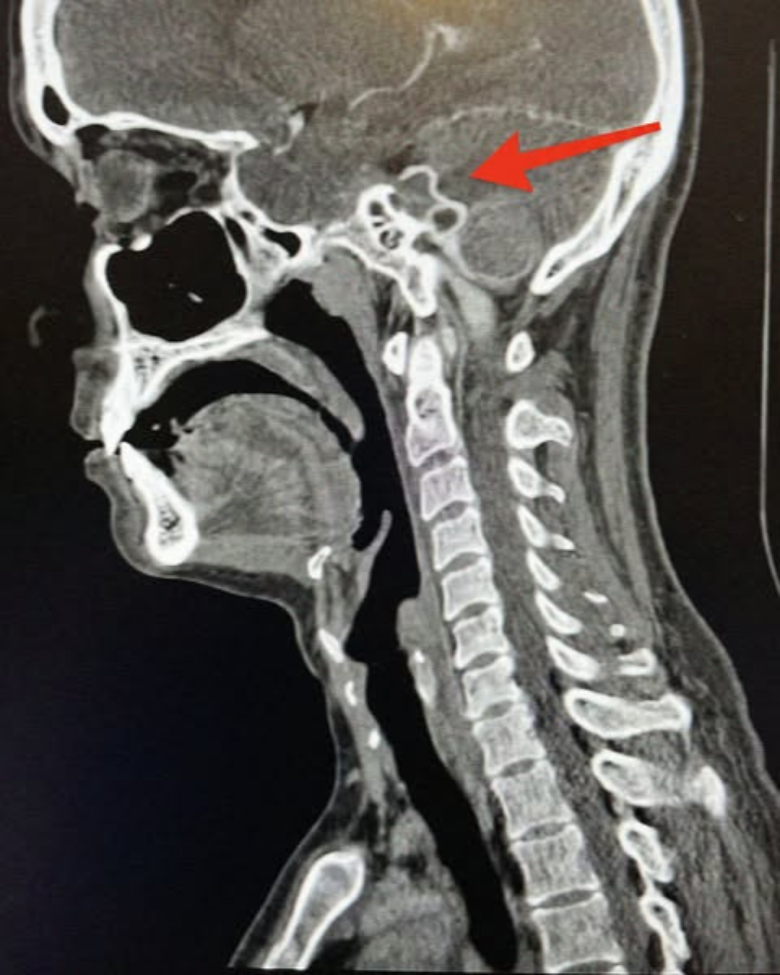
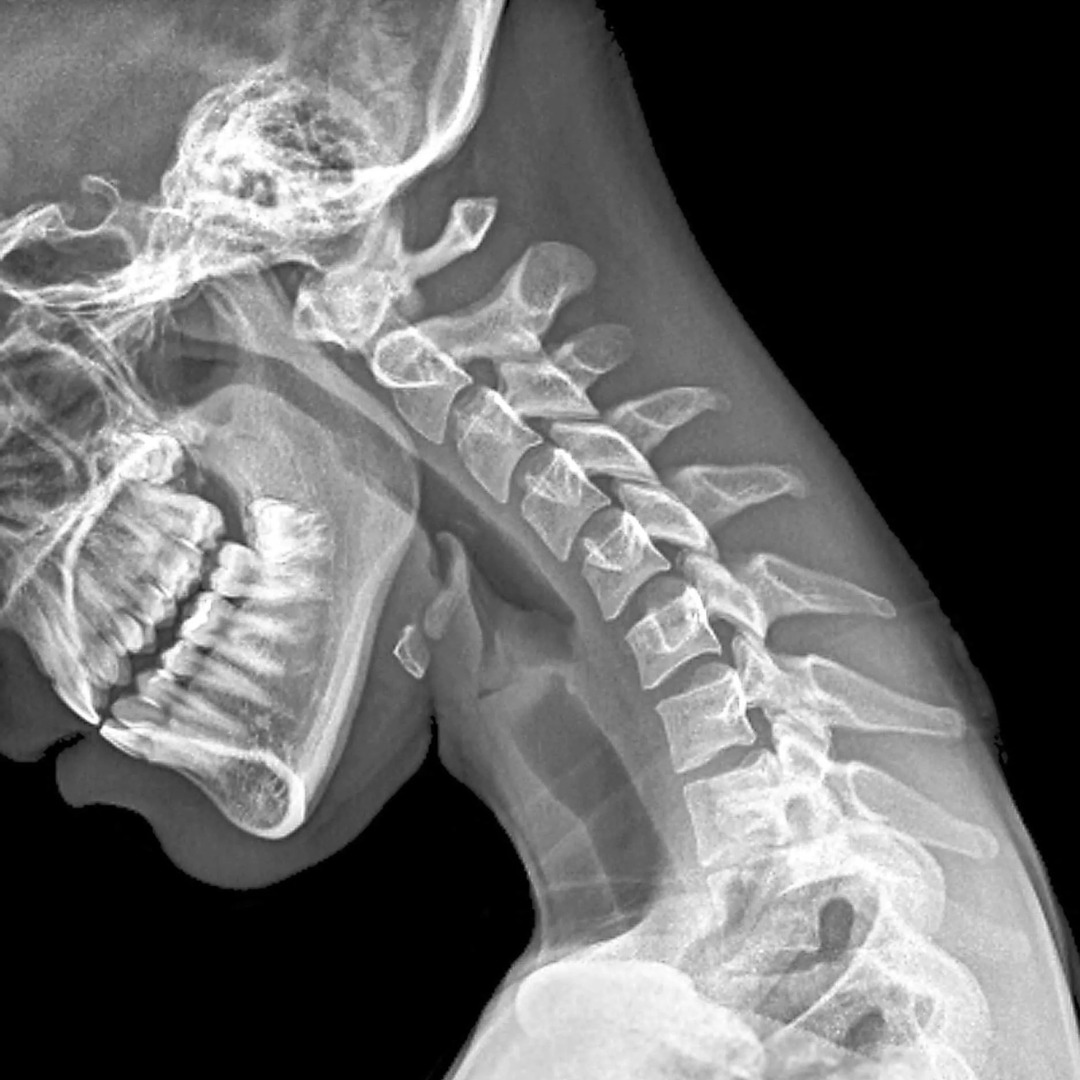
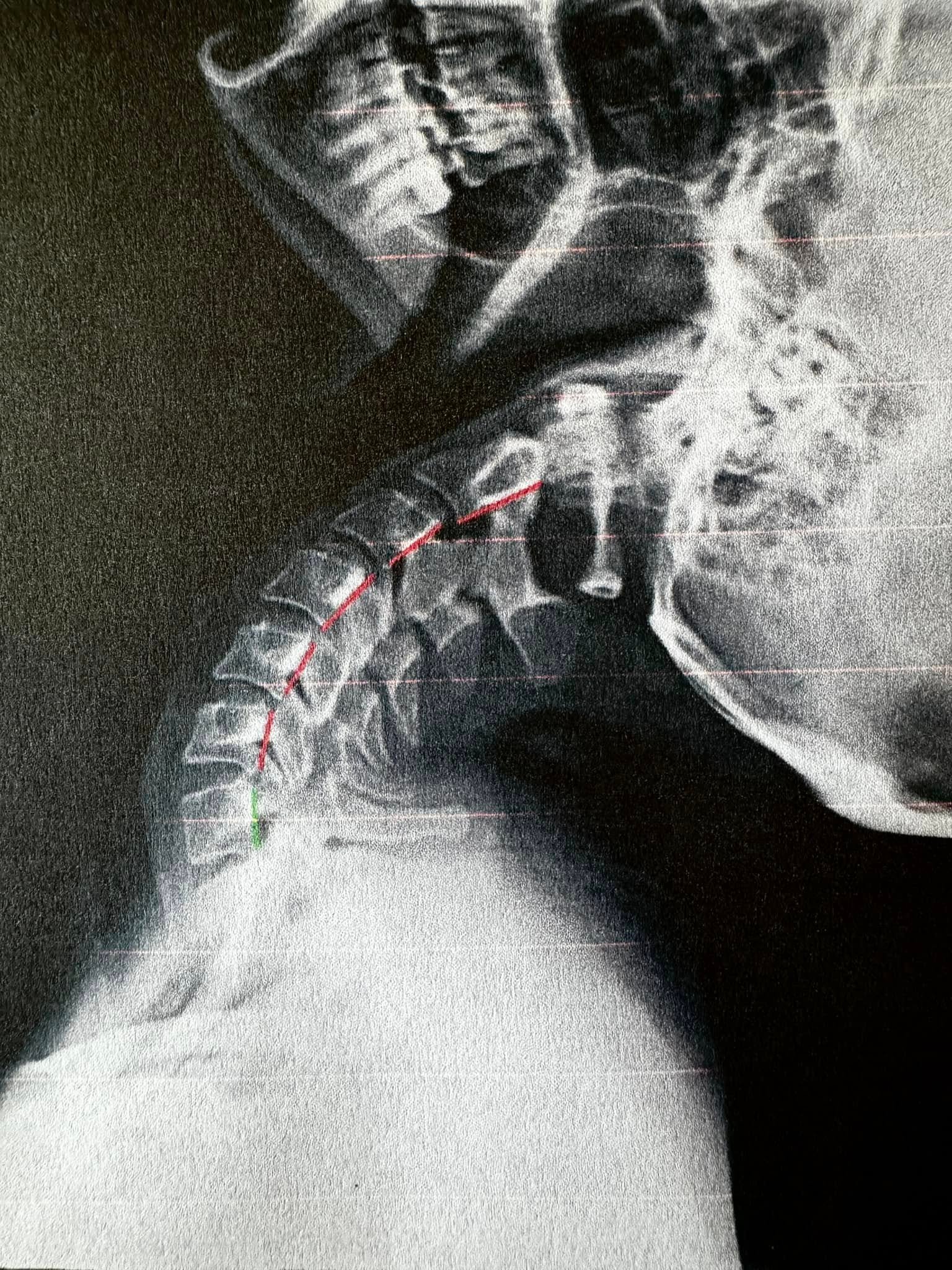
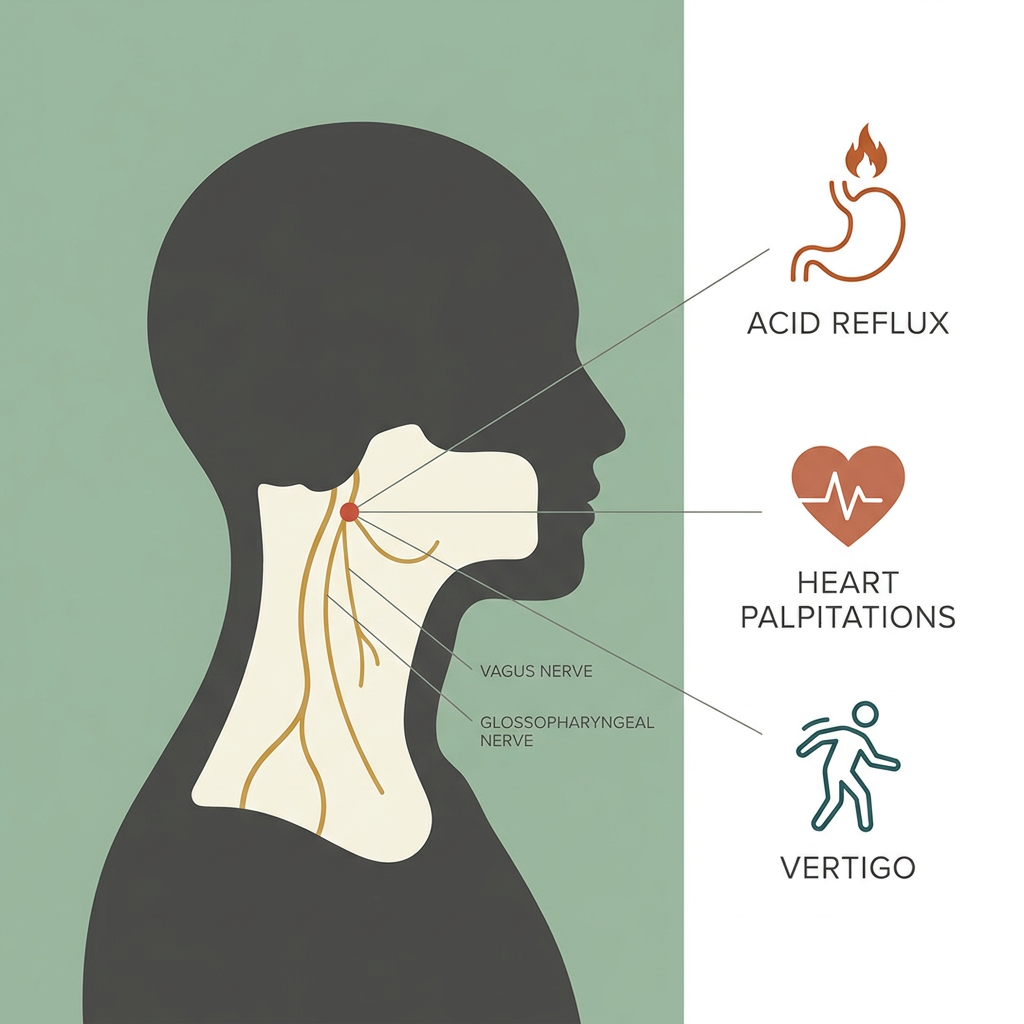
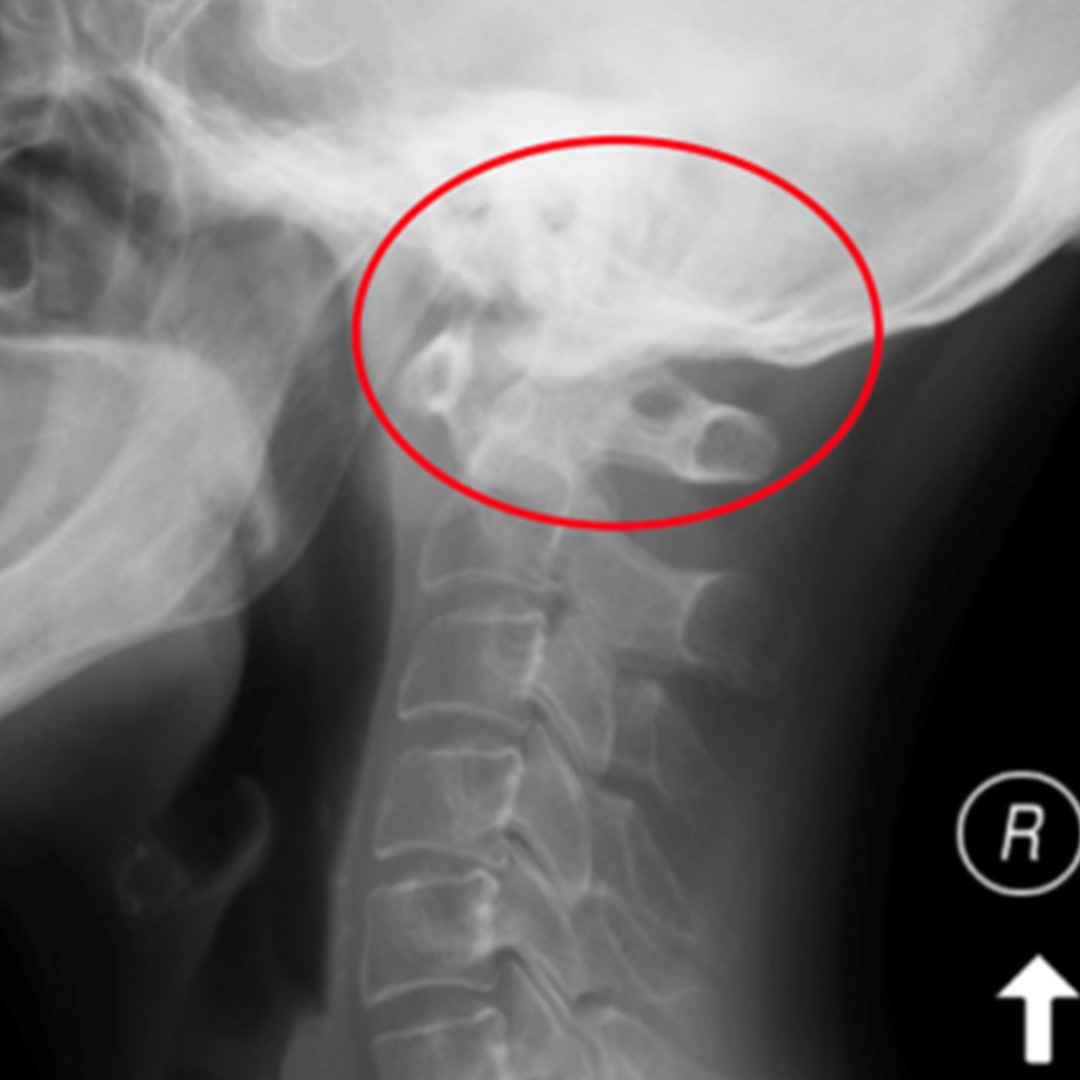
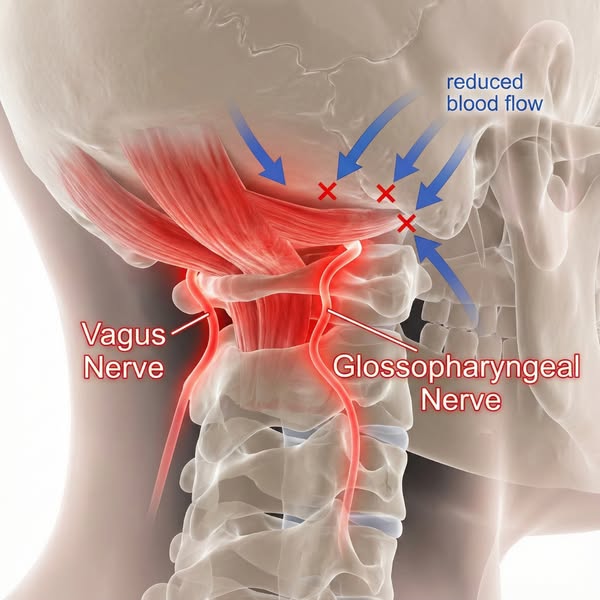
It usually starts as tightness at the base of your skull. The kind you blame on posture. Or stress. Maybe you slept wrong. Maybe you've been staring at your laptop too long. So you ignore it. Most people do. But what they don't realize is that this seemingly harmless tension is silently compressing one of the most important nerves in your entire body. The vagus nerve. Most people have never heard of it. But this single nerve controls your heart rhythm, digestion, balance, breathing patterns, and stress response. When it gets compressed at the base of your skull — squeezed by chronically tight muscles in your neck — it starts sending scrambled signals to your organs. That's why dizziness, heart palpitations, acid reflux, brain fog, and anxiety often show up together. Not because you have five separate problems. But because one compressed nerve is malfunctioning — and it's controlling all five systems. And here's the part that makes this so frustrating: No pill fixes nerve compression. No stretch reaches the deep muscles causing it. No standard medical test can even detect it. That's why your tests keep coming back "normal" while you feel anything but. Why Doctors Keep Missing This: I've worked with hundreds of patients who've been through the same nightmare. They see a cardiologist for the racing heart. "Your heart is fine. Probably anxiety." They see a gastroenterologist for the reflux and nausea. "Try Omeprazole. Probably IBS." They see an ENT specialist for the dizziness. "Vestibular function looks normal." They see a neurologist for the brain fog. "Maybe it's migraines. Here's a prescription." Every specialist looks at their own organ system. Nobody looks at the nerve controlling all of them. Because the medical system isn't designed to think this way. They treat symptoms in isolation. Not the shared control system connecting them. And here's the real kicker: Even when doctors do suspect the neck is involved, the standard treatments don't work. Stretching doesn't reach the deep cervical muscles where compression happens. Massage only touches surface muscles. The suboccipitals at C1-C2 stay locked in spasm. Chiropractic adjustments help temporarily, but without releasing the fascial tension, everything pulls back into compression within 48 hours. Physical therapy often backfires because strengthening muscles that are already in chronic spasm just adds more tension. Medications mask the symptoms but do nothing to release the actual nerve compression. The problem stays. The symptoms return. The frustration builds. What Actually Causes This: At the very top of your neck — at C1 and C2, where your skull meets your spine — there are small, deep muscles called the suboccipitals. These muscles are supposed to allow smooth head movement and protect the nerves passing through. But when they become chronically tight — from poor posture, stress, old injuries, years of desk work, constantly looking down at phones — they do something devastating: They compress the vagus nerve and glossopharyngeal nerve as they exit your brainstem. Not damage them. Compress them. Like stepping on a garden hose. The water doesn't stop. It just gets restricted. Pressurized. Chaotic. Same thing happens with nerve signals. When your vagus nerve is compressed, it sends distorted messages to your body: → To your heart: "Speed up! Something's wrong!" Random palpitations. Racing pulse. Skipped beats. → To your digestive system: "Shut down!" Reflux. Bloating. Nausea. Gut dysfunction. → To your balance centers: "Something's off!" Dizziness. Floating sensation. Unsteady feeling. → To your breathing: "Can't get enough air!" Throat tightness. Shallow breathing. → To your stress system: "Fight or flight!" Anxiety. Panic. Can't relax. Can't calm down. Your body isn't broken. It's getting bad instructions from a compressed nerve. And standard medical tests can't detect muscle tension or fascial compression. That's why your MRI comes back normal. Your EKG looks fine. Your blood work is perfect. But you still feel terrible. The Three Things You Need to Release This: After years of working with these cases, I've identified exactly what it takes to release neurovascular compression: 1. Deep Therapeutic Heat Not surface warmth from a heating pad. Penetrating heat that reaches the suboccipital muscles at C1-C2. This increases blood flow, loosens fascia, and prepares tissue for release. 2. Electrical Muscle Stimulation (EMS) Precise electrical pulses that target trigger points in the deep neck muscles. EMS forces contracted muscles to release — something manual therapy can't reach. 3. Cervical Traction A specific angle that creates space between C1 and C2, taking direct pressure off the vagus and glossopharyngeal nerves. This allows proper signaling to resume. When you combine all three, something remarkable happens: The chronic muscle spasm breaks. Blood flow returns. Nerve compression releases. Your body stops receiving scrambled signals. And the symptoms — the dizziness, the palpitations, the digestive chaos, the anxiety — they start to disappear. Not because you "learned to manage them." But because you fixed the mechanical problem causing them. The Problem With Getting This Treatment: For years, getting this type of therapy meant multiple clinical appointments per week. $200-350 per session. Three times a week. Over months. Most insurance doesn't cover it. People were spending $2,500-4,000 per month just to get relief. It worked. But it was completely inaccessible for most people. That's when I started looking for an at-home solution that could deliver the same three mechanisms. I tested dozens of devices. Cheap TENS units. Heating pads. Massage guns. Foam neck pillows. 95% were garbage. They felt nice but didn't reach the deep cervical structures where compression actually occurs. Then I found Neckline. What Makes This Different: Neckline is the first device I've seen that delivers all three mechanisms simultaneously: ✅ Therapeutic heat calibrated to penetrate to the suboccipital muscles (not just warm the skin) ✅ Medical-grade EMS stimulation targeting the exact trigger points at C1-C2 ✅ Precision cervical traction — the exact positioning needed to take pressure off the vagus nerve ✅ Deep tissue massage that releases the connective tissue locking muscles in spasm Fifteen minutes a day. At home. No appointments. No prescriptions. No $3,000/month bills. Just the same clinical-level treatment that's been helping people for years — now accessible to anyone. What People Are Reporting Jennifer, 54, had been dizzy for two years. Saw six specialists. Spent thousands. "Three weeks using Neckline daily, the constant swaying finally stopped. I cried when I realized I felt steady again." David, 61, had brain fog and heart palpitations his doctor blamed on anxiety. "Within four weeks, the fog lifted and my heart stopped racing randomly. I feel like myself for the first time in years." Patricia, 58, couldn't drive for 18 months because of severe dizziness. "Eight weeks with Neckline, I drove to my daughter's house two hours away. First time in over a year." This is what happens when you release the compression and your nervous system can finally function properly again. Here's What You Need to Know: If your tests keep coming back "normal" but you're still experiencing: Dizziness or feeling "off" Heart racing or pounding randomly Digestive issues (reflux, bloating, nausea) Brain fog that won't lift Throat tightness or shallow breathing Anxiety or feeling constantly "wired" The problem isn't in your heart, stomach, or brain. It's at the base of your neck. And you don't need another specialist visit that leads nowhere. You need to release the deep cervical compression that's strangling the nerve controlling your entire body. Neckline does exactly that. Right now, they're running a 50% off promotion with a 30-day money-back guarantee. If the dizziness doesn't ease, the palpitations don't stop, and you don't feel dramatically better — send it back. Full refund. But if the fog lifts, your heart calms down, and you finally feel steady again — You'll wonder why nobody ever told you to check your neck. 👇 Learn how this works: https://neckline-us.com/nlnlstc6-3
Finally get relief
But emerging research is revealing a far more precise explanation — one that connects the neck, the nervous system, and the organs most doctors treat separately.
LEARN MORELike this ad? Make it yours.
Crush rebuilds this exact creative around your product — your brand, your colors, your offer — in about a minute.