
Active· since Mar 21, 2026
- 174
- days running
- 0
- relaunches
Ad copy
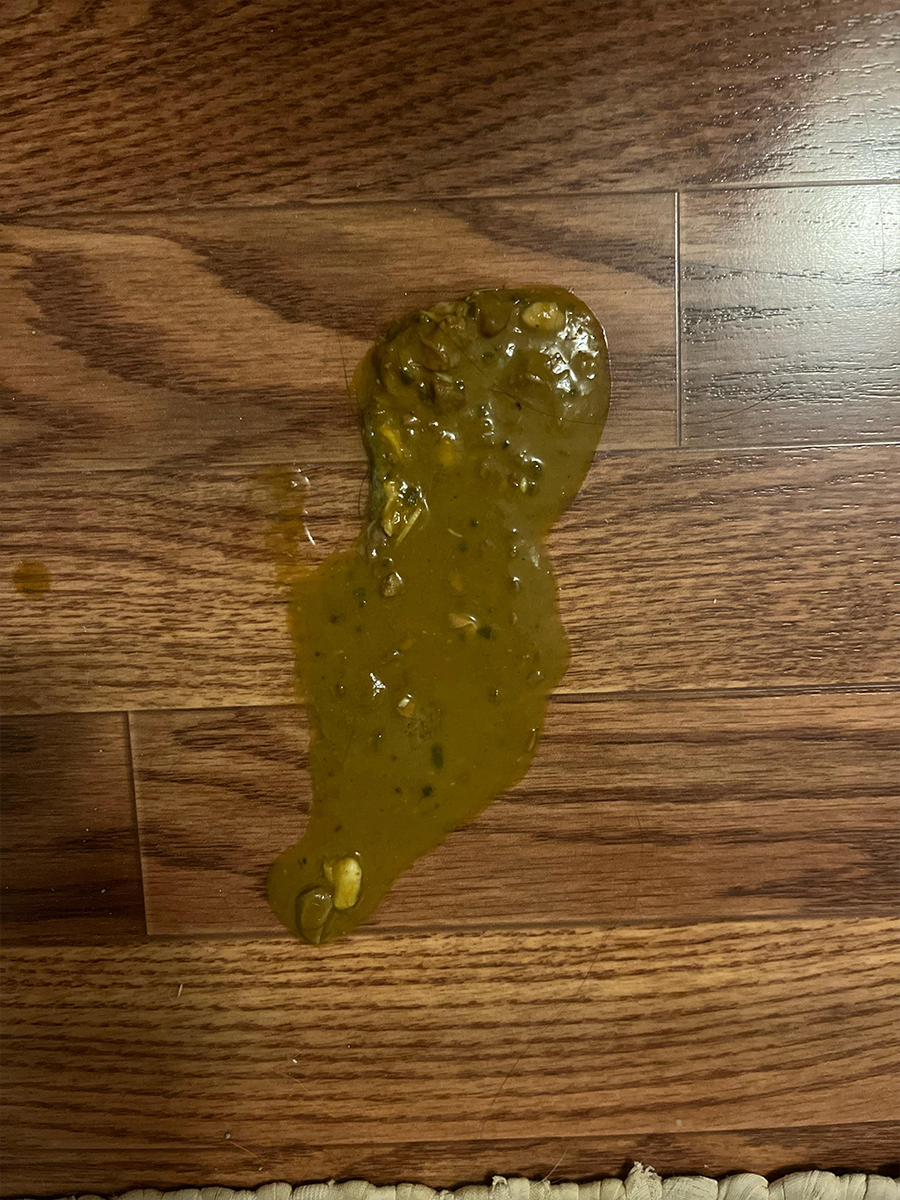
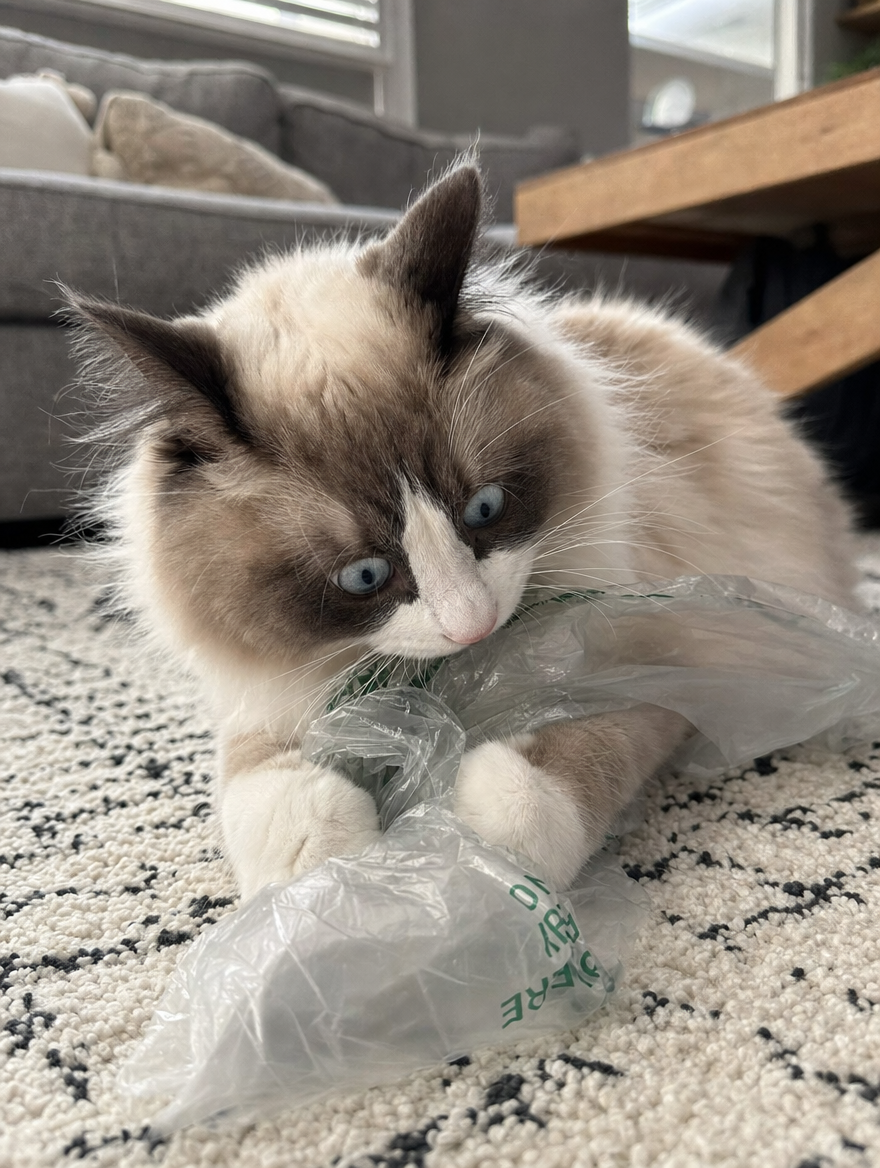
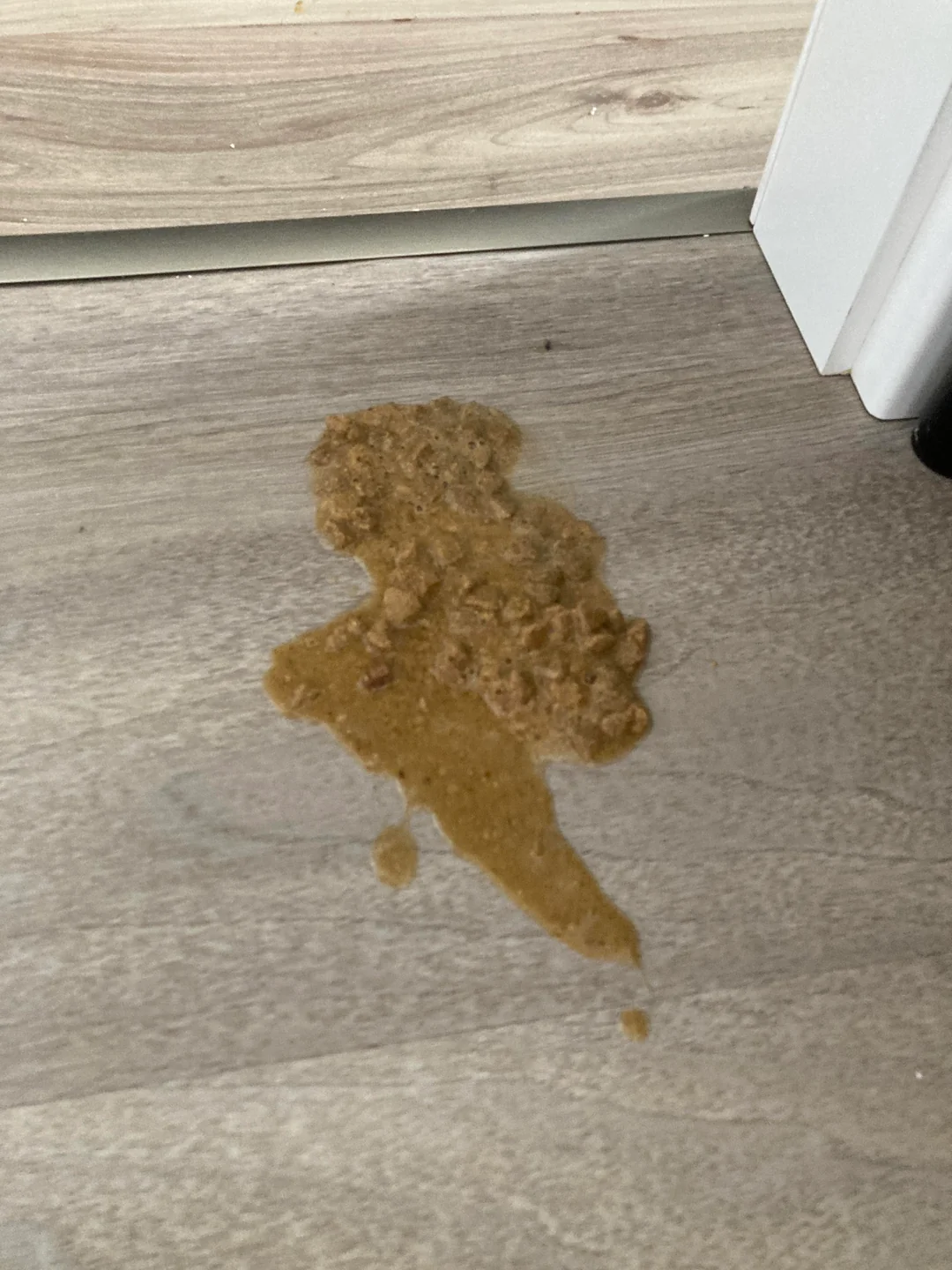
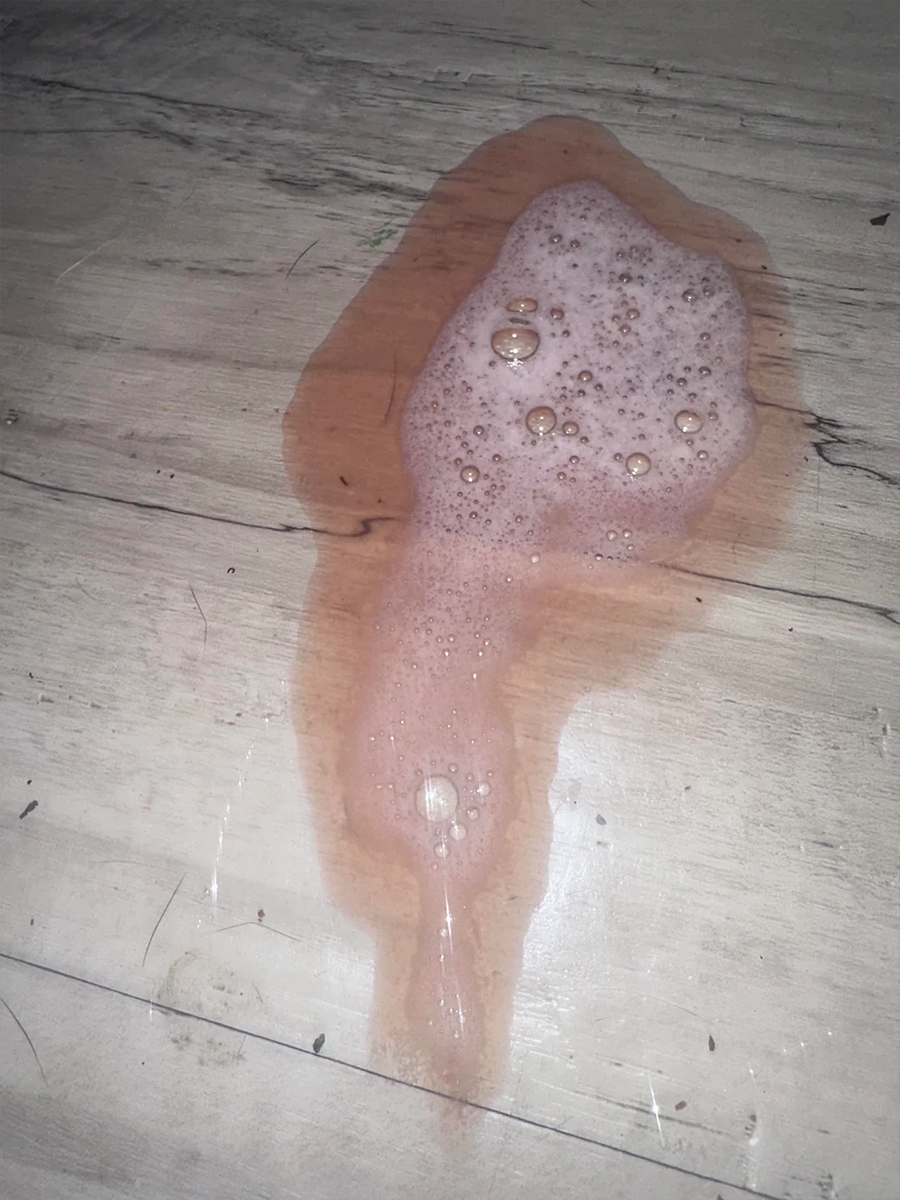
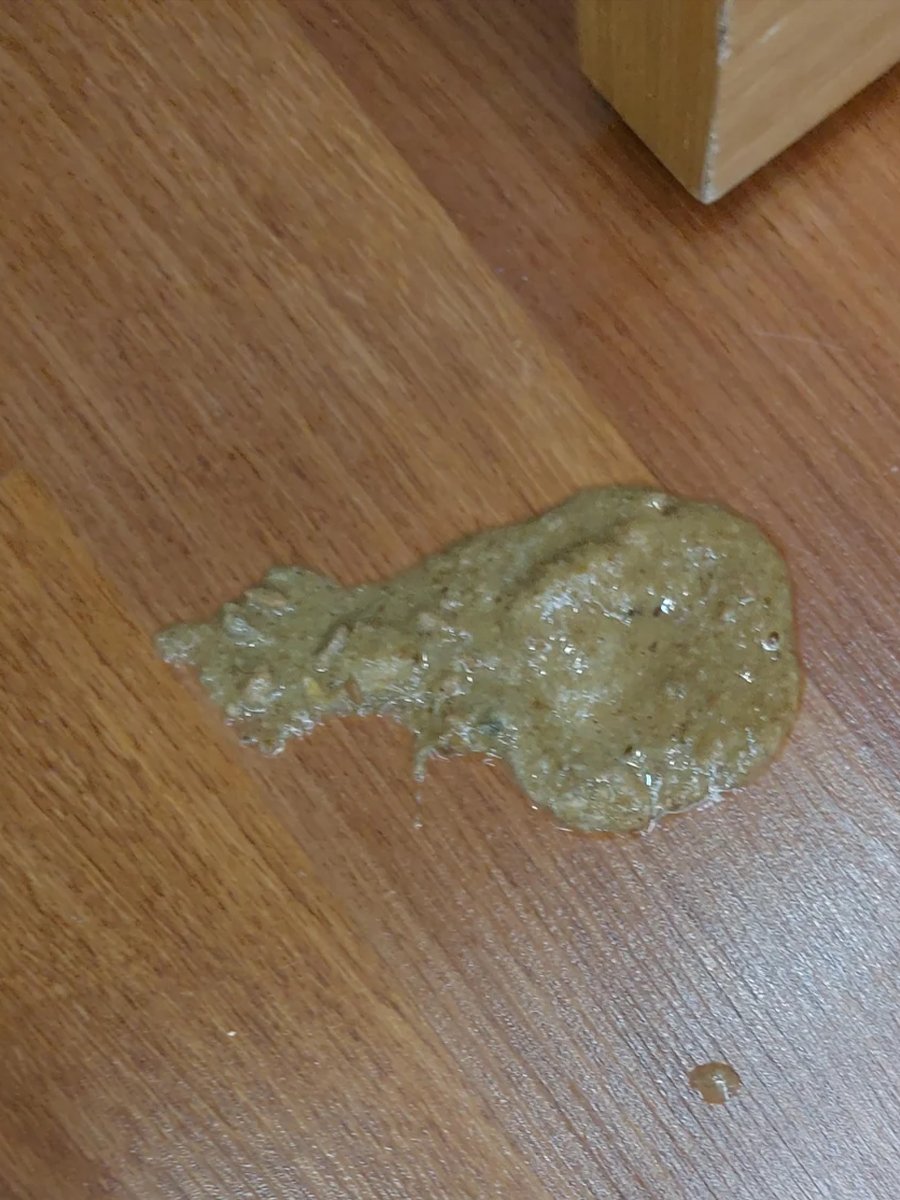
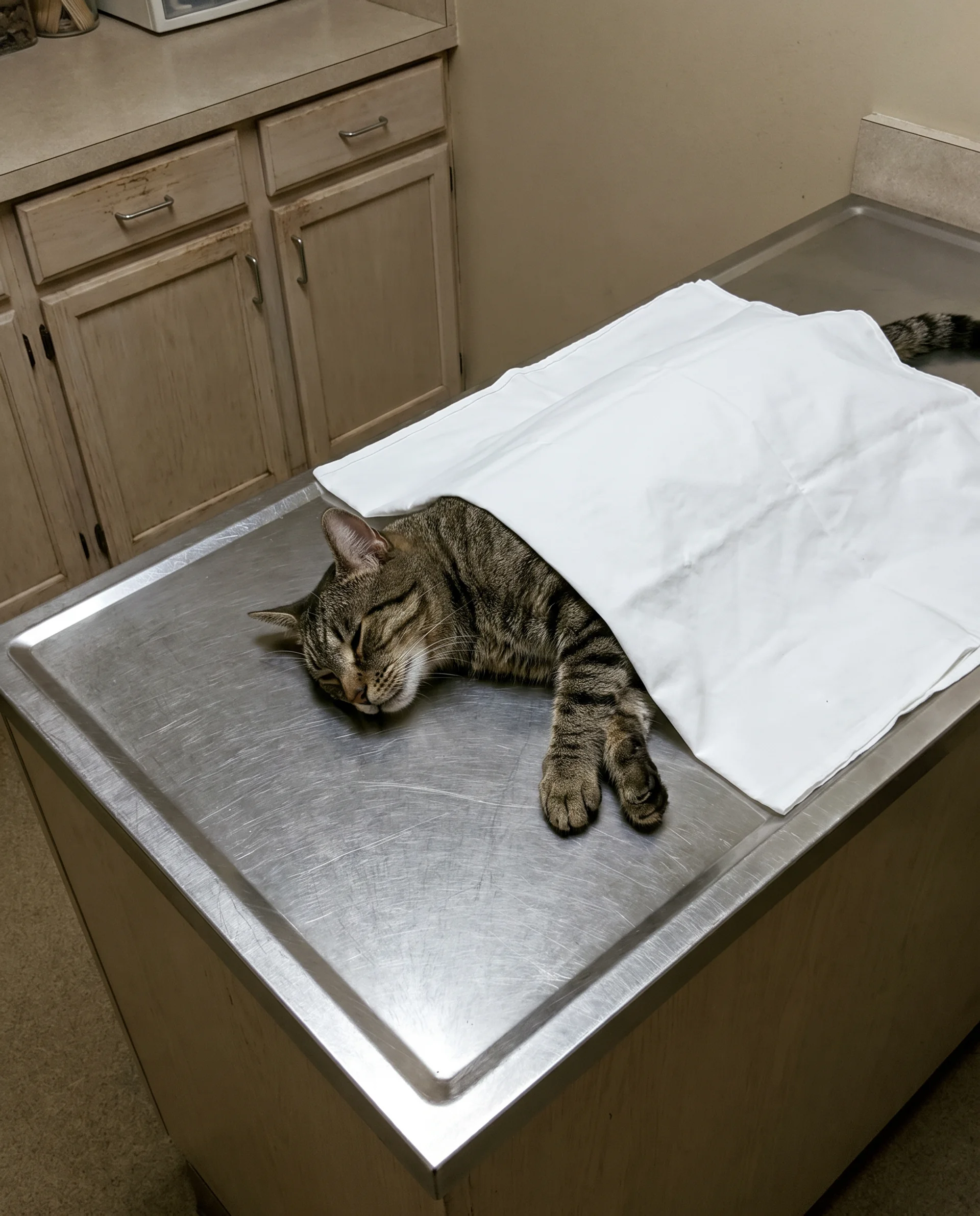
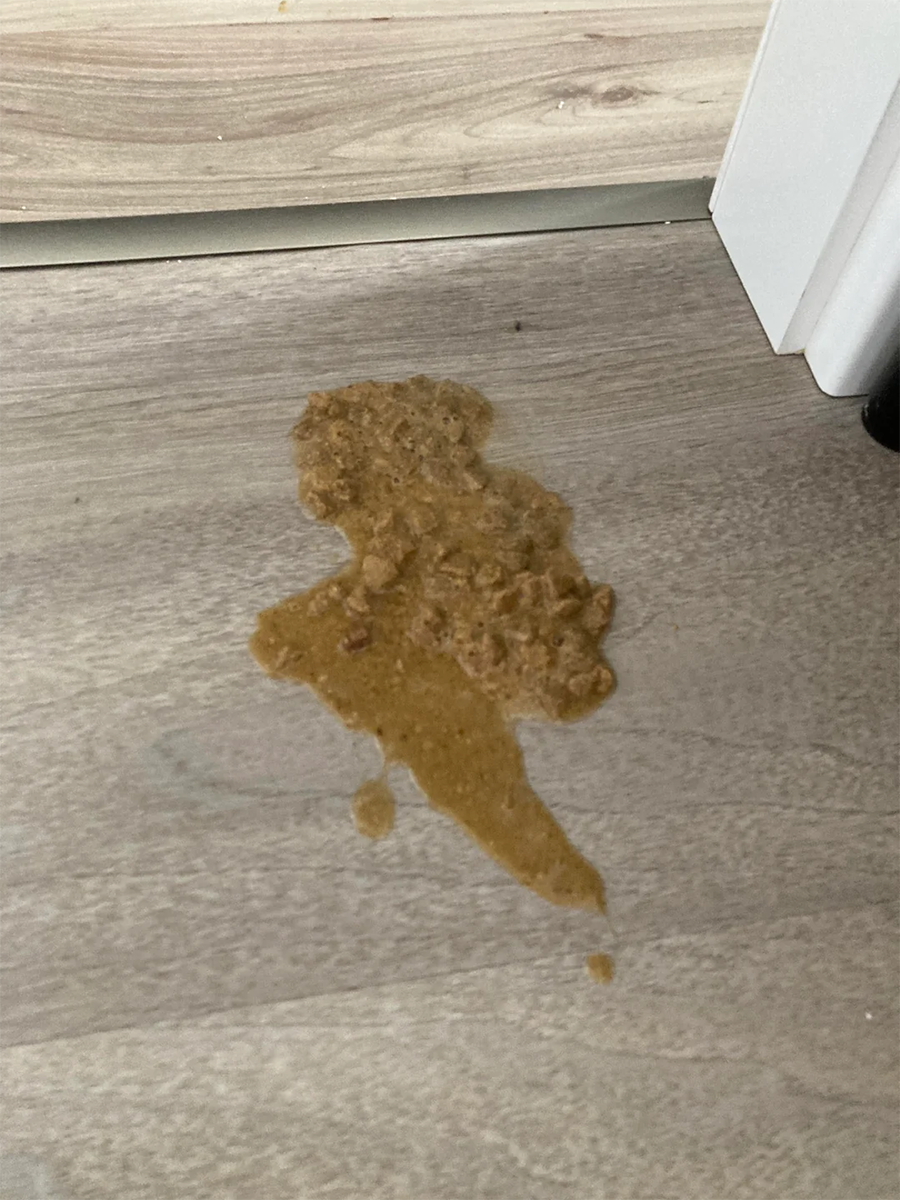
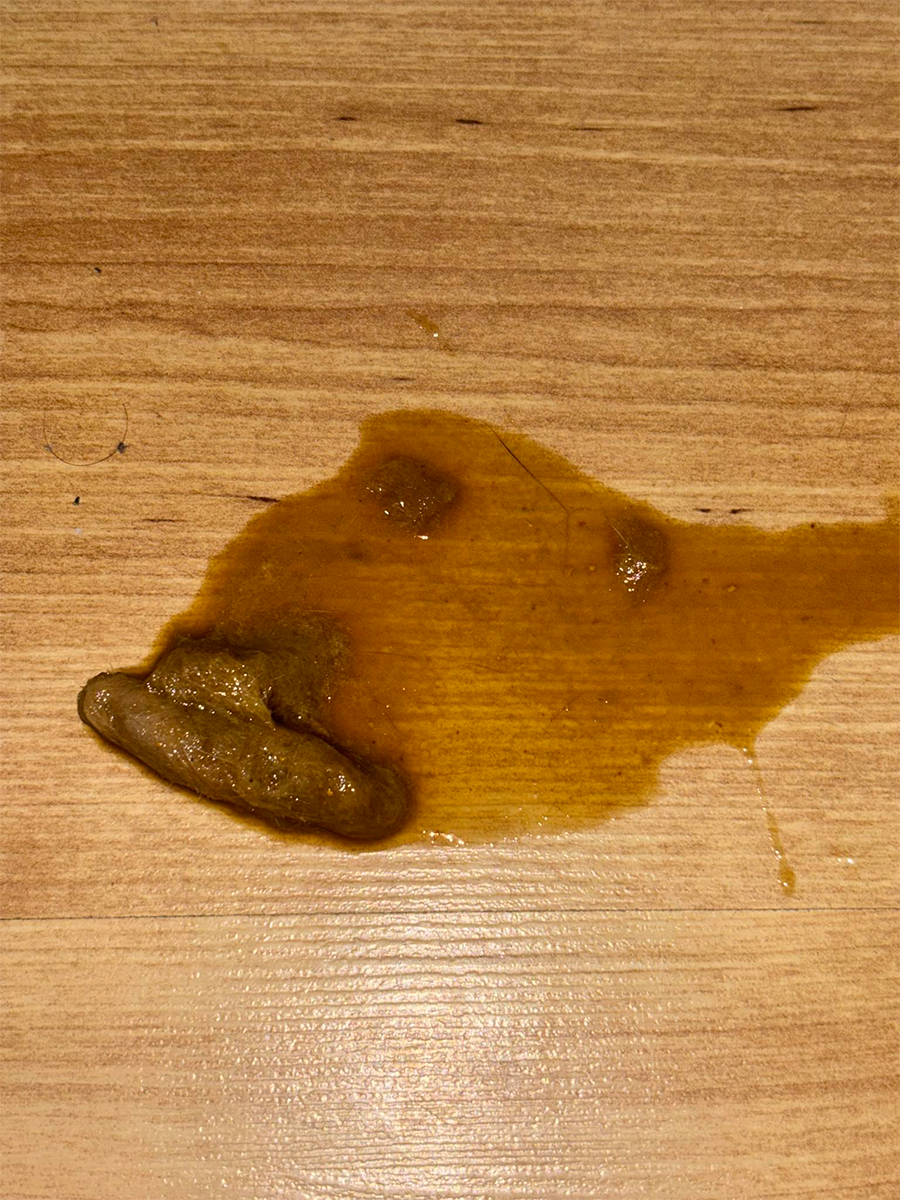
YOUR CAT'S "HAIRBALL" IS NOT A F*KING HAIRBALL. I'm sorry. I don't even know you. But I'm shaking right now because I just saw another post of someone's cat doing that low crouch cough and every single comment says "oh that's just a hairball, totally normal." NO IT'S NOT. My cat did that. Once a month. For TWO YEARS. I rubbed his back. I said "come on buddy, get it up." I bought the stupid gel. I bought the stupid hairball food. Everyone told me it was normal. He's DEAD. He suffocated in front of me. His tongue turned blue. I held him while they put a needle in his leg. And then I went home and threw up. $6,400 in vet bills. For a dead cat. Because I believed the same SH#T you're believing right now. I have two more cats. They started doing the SAME cough. And I swear on everything I love, if I hadn't accidentally walked into a shelter that day and met one specific vet, they'd be dead too. Read this. I don't care if you're busy. I don't care if it's long. READ IT. My name is Anna Rodriguez. I'm 42. I live in San Antonio. Three years ago, I had three cats: Simba, Milo, and Star. Now I only have two. And I almost lost them too. Let me tell you what happened. Because if your cat coughs and nothing comes up, you need to read this. It started with Simba. He was 8 years old. A big orange tabby. My best friend. And once a month, like clockwork, he'd do this thing. He'd get low to the ground. Extend his neck. And start this violent, rhythmic coughing. His whole body would heave. I'd sit there watching him, rubbing his back, saying "come on buddy, get it up." Sometimes a hairball would come out. Most of the time, nothing. I assumed he was just trying. That it would come up eventually. My mom said her cats did the same thing. "It's just hairballs. Cats do that." So I didn't worry about it. I bought those petroleum hairball gels from PetSmart. The ones that are supposed to help things slide through. Didn't help. I tried different foods. Different brushes. Different litters. Nothing changed. And then one night in November, three years ago, Simba collapsed. He was breathing so hard his sides were heaving. His mouth was open. His tongue was blue. I rushed him to the emergency vet. They took him back immediately. Thirty minutes later, the vet came out. "He's in respiratory distress. We need to do chest X-rays, bloodwork, and get him on oxygen. It's going to be about $1,400." I didn't have $1,400. But I told them to do it anyway. I put it on my credit card. Three hours later, the vet called me into the exam room. She pulled up the X-rays on the screen. "Your cat has severe feline asthma. His lungs are badly scarred. This has been going on for a long time." I stared at her. "Asthma? I thought he just had hairballs." She looked at me. "When a cat coughs and nothing comes up, that's not a hairball. That's a respiratory issue. Hairballs come from the stomach. Coughing comes from the lungs." "How long has this been happening?" "A couple of years. Maybe once a month." She closed her eyes. "That wasn't a hairball. That was an asthma attack. Every single time." Simba stayed in the oxygen chamber for two days. The bill was $3,200. I maxed out my second credit card. They sent me home with an inhaler and a spacer chamber. $400. And a prescription for steroids. $60 a month. For a week, Simba seemed better. Then he had another attack. I rushed him back to the ER. Another $800. They adjusted his medication. He got better for three days. Then he crashed again. This time, they told me his lungs were too damaged. The scarring was irreversible. "We can keep him comfortable. But he's not going to recover." I held him while they put him to sleep. I was $6,400 in debt. And my best friend was gone. Because I thought he was coughing up hairballs. I fell apart after that. I couldn't focus at work. I kept crying in the bathroom. My boss pulled me aside two weeks later and told me they were letting me go. My boyfriend—who I'd been with for four years—told me I was "too much" to deal with. He left. I moved into a cheaper apartment. I was alone with Milo and Star, drowning in credit card debt, and terrified it would happen again. And then, six months later, it did. I was sitting on the couch when I heard it. That sound. Milo was in the hallway, low to the ground, neck extended, coughing. He coughed four times. A hairball came up. Okay. It's just a hairball. He's fine. But two days later, he did it again. And then Star started doing it too. Same position. Same cough. Same violent heaving. I grabbed my phone and called the vet. "I need to bring my cats in. I need chest X-rays. I need to rule out asthma." The receptionist put me on hold. When she came back, she said: "For both cats, full diagnostics including X-rays and bloodwork would be about $1,400." I didn't have $1,400. I'd barely scraped together enough to cover rent. "What if I just do basic bloodwork and a simple X-ray?" "We can do that. It'll be about $600 for both cats." I booked it. Three days later, I brought Milo and Star in. They ran the tests. The vet came back an hour later. "The bloodwork looks normal. The X-rays don't show any obvious abnormalities." "So they're okay?" She hesitated. "The thing is, standard bloodwork and basic X-rays can't rule out asthma 100%. If you're really concerned, we'd need to do more advanced imaging." "How much?" "Another $800. Per cat." I couldn't. I thanked her and took them home. And I tried to convince myself they were fine. But four days later, I woke up at 2 AM to the sound of Milo coughing. I ran into the living room. He was on the floor, breathing so hard I could see his ribs. He coughed violently, over and over, his whole body convulsing. A massive hairball came up. He stood there, panting. I sat on the floor and cried. Because I didn't know if this was normal or if I was watching him die like Simba. The next morning, I got a call from North Valley Animal Rescue—the shelter I'd adopted Milo and Star from five years ago. They said I'd never finished some adoption paperwork and asked if I could come in. I almost said no. But I needed to get out of the apartment. So I put Milo and Star in their carriers and drove over. When I walked into the shelter, the receptionist smiled. And then a woman in scrubs came rushing over. "Oh my god. Are those Milky and Kozy?" I blinked. "I'm sorry?" "Their shelter names. When they were here. I'm Dr. Amy Reid. I was the vet who checked them before their adoption." I nodded. "Yeah. I adopted them. Their names are Milo and Star now." She smiled. And then Milo coughed. Right there in the lobby. A huge, violent, full-body cough. Dr. Reid's face changed. Star started coughing too. "I'm so sorry. They've been doing this lately. I took them to the vet but—" "Come with me." She led me into an exam room and closed the door. "Did you rule out asthma?" I told her everything. Simba. The debt. Losing my job. The $600 I'd already spent. The vet saying the tests were "clear but not 100%." She listened without interrupting. When I finished, she looked at me seriously. "I'm going to tell you something that's going to sound harsh. But I need you to hear it." I nodded. "I don't care if it's asthma or if it's 'just hairballs.' Both are dangerous." I stared at her. "What do you mean?" She stood up and pulled a file from her desk. "I work as a clinical vet in California. This past month alone, I treated 128 cats whose owners brought them in for chronic hairballs or coughing." She opened the file. "Out of those 128 cats, 38 had asthma." "The other 90 had what vets call 'normal hairballs.'" "So most of them were fine?" She looked at me. "No. Out of those 90 cats with 'normal hairballs,' 76 developed something called Trichobezoar." "What's that?" "It's when a hairball gets too heavy for the stomach to vomit up, but too dry to pass into the intestines. So it sits there. And it calcifies. It turns into a rock-hard mass that blocks the entire digestive tract." "What happens then?" "Emergency surgery. They have to slice the stomach open and remove it. The surgery costs about $3,000." She paused. "Out of those 76 cats, 31 didn't survive." She leaned forward. "I'm angry. Not at you. Not at cat owners. At the system." "What do you mean?" "Because the system tells you hairballs are normal. They sell you petroleum gels and expensive prescription 'hairball control' food. They tell you to brush your cat more." She closed the file. "But here's the truth: wild cats don't get hairballs." I blinked. "What?" "Have you ever seen a lion coughing up a hairball? A tiger? A feral cat living in an alley?" I hadn't. "No. Because it's not normal. It's a sign that something is broken in your cat's digestive system." She pulled up a chair. "You heard about the 2019 FDA grain-free warning, right?" I shook my head. "The FDA warned that grain-free dog foods were linked to heart disease. So a lot of brands panicked and reformulated." "Okay..." "They replaced traditional grains with cheaper ingredients. Peas. Lentils. Legumes." "And that's bad?" "It causes taurine deficiency in cats." She pulled out a piece of paper and drew a quick diagram. "Taurine is an essential amino acid. It's critical for heart function, digestion, immune health—everything." "Okay." "Most animals can make taurine on their own. Humans can. Dogs can. But cats can't." I stared at the diagram. "Cats are obligate carnivores. They have to get 100% of their taurine from outside sources. In the wild, they get it from eating fresh raw meat. Mice. Birds. Organs." She tapped the paper. "But your cat's food? Even the premium brands? They contain the bare minimum taurine required by law. Just enough to keep a healthy cat from developing deficiency symptoms." "And that's enough, right?" "No. Because the high-heat processing that makes kibble destroys most of the taurine. And the peas and legumes they added? They create what's called a taurine blockade." "What's that?" "It means the taurine that is in the food can't be absorbed. It passes straight through into the litter box." She looked at me. "Without taurine, the liver can't produce bile. And without bile, the stomach can't move hair through the digestive tract. So the hair sits there. It mats together. It ferments with food. And eventually, the cat vomits it up." "Or it turns into that calcified thing." "Exactly." "So what do I do?" She leaned back. "Look, once I finally got to know about how important taurine is, I tried different things. I even started feeding raw organs to one of my cats. It worked. But it was too much of a mess. And I can't recommend someone who comes into my clinic to feed their cat raw organs—they might think I'm screwing with them." She smiled a little. "So I wanted an alternative that was better and bypassed the taurine blockade. I dug deeper and found that powder format is best for absorption. You know how most medicines come in capsule format with powder inside them? Same principle. The body absorbs it faster and more completely." "Okay." "Then I found this brand that was creating exactly what I wanted—pure-grade taurine specifically formulated with cats in mind. I ordered one. It took some time to come, but it worked wonders for my clients." "Did you try other brands?" "I tried going for Chewy and Amazon alternatives, but most of the taurine there—if you read between the fine lines—you'll know that it's made for humans and the bioavailability is really bad. Cats can't absorb it the same way." She grabbed a sticky note and started writing. "I'll send you the website link for the taurine powder. You can just order from there." She handed me the note. "How much do I give them?" "500mg a day. Just mix it into their food." "And I can't hurt them by giving too much?" "No. Taurine is water-soluble. If their body gets more than it needs, it just excretes it in urine. You can never oversupplement taurine. There's zero toxicity risk." I started Milo and Star on taurine that night. Within two weeks, the coughing stopped. Within four weeks, they stopped throwing up hairballs. They've been on it for three years now. Not one hairball. Not one coughing fit. I think about Simba every day. I think about how I sat there watching him cough for two years, thinking it was normal. I think about the $6,400 I spent trying to save him when he was already too damaged. And I think about how close I came to losing Milo and Star the same way. If I hadn't gone to that shelter that day. If Dr. Reid hadn't been standing at the front desk. If Milo hadn't coughed right in front of her. I don't know if they'd still be here. So if your cat coughs and nothing comes up, please listen to me: That's not a hairball. That's a respiratory issue or a digestive motility problem. And both of them are dangerous. You don't have to spend $1,400 on diagnostics to start helping them. You can start with taurine. 500mg a day. Pharmaceutical-grade powder format. It supports heart function, lung function, liver function, and digestive motility. It fixes the root cause of "normal" hairballs. And it supports respiratory health if it's asthma. The brand Dr. Reid recommended to me three years ago is the same one I've used every single day since. I've tried others. They didn't work the same way. This one does. Less than a dollar a day. And you can never give too much. It's water-soluble. Zero risk. I wish I'd known about this before Simba died. I can't get him back. But if you're reading this and your cat is coughing, you still have time. Don't wait until it's too late. EDIT: My bad, I didn't even mention the brand. My DMs are full of questions asking what it is. Here's the link: https://kittysupps.com/products/taurine
I Had Three Cats. Now I Have Two. Don't You Dare Scroll😢
He coughed for 2 years. I thought hairballs. He died gasping, blue tongue. $6,400 debt, lost my job, boyfriend left. Milo and Star started same cough. Random shelter visit saved them. Here's what I learned too late for Simba.
ORDER NOWLike this ad? Make it yours.
Crush rebuilds this exact creative around your product — your brand, your colors, your offer — in about a minute.