
Active· since Jun 27, 2026
- 78
- days running
- 0
- relaunches
Ad copy
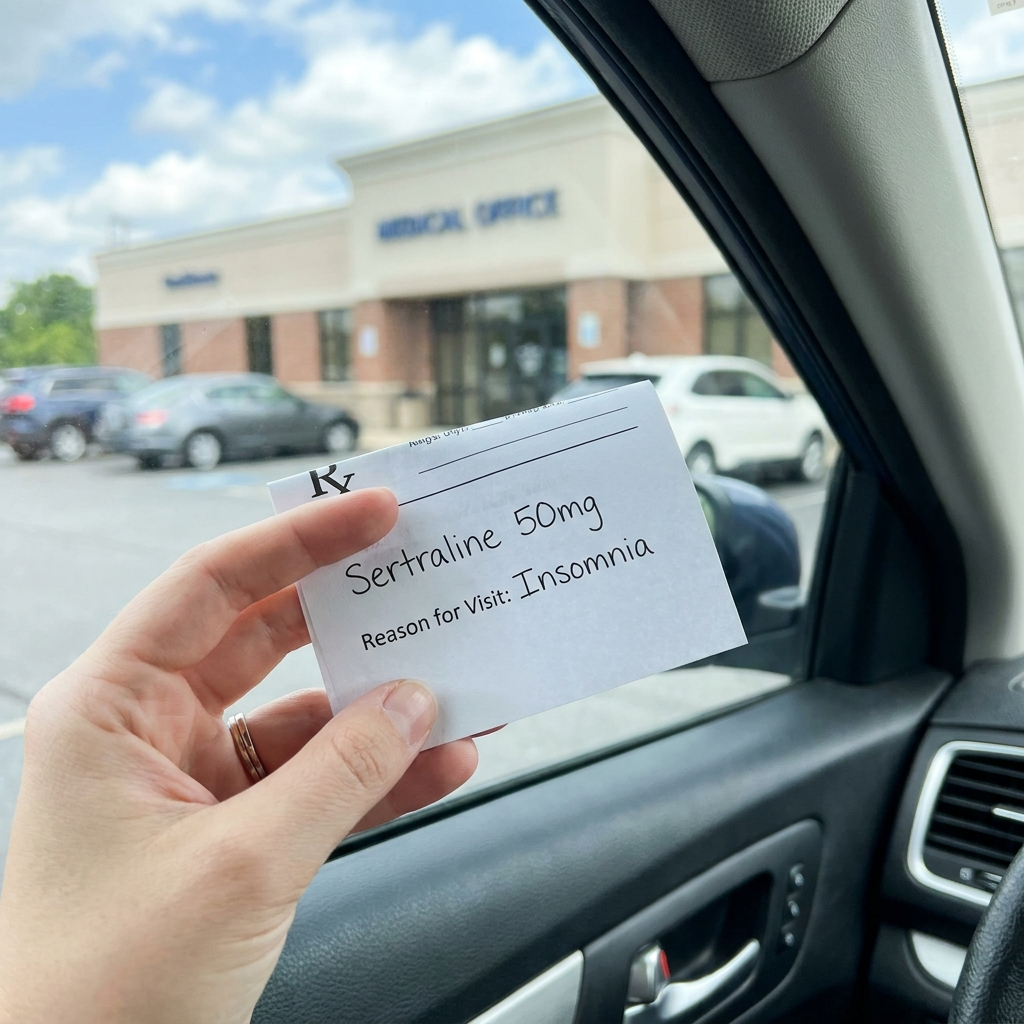
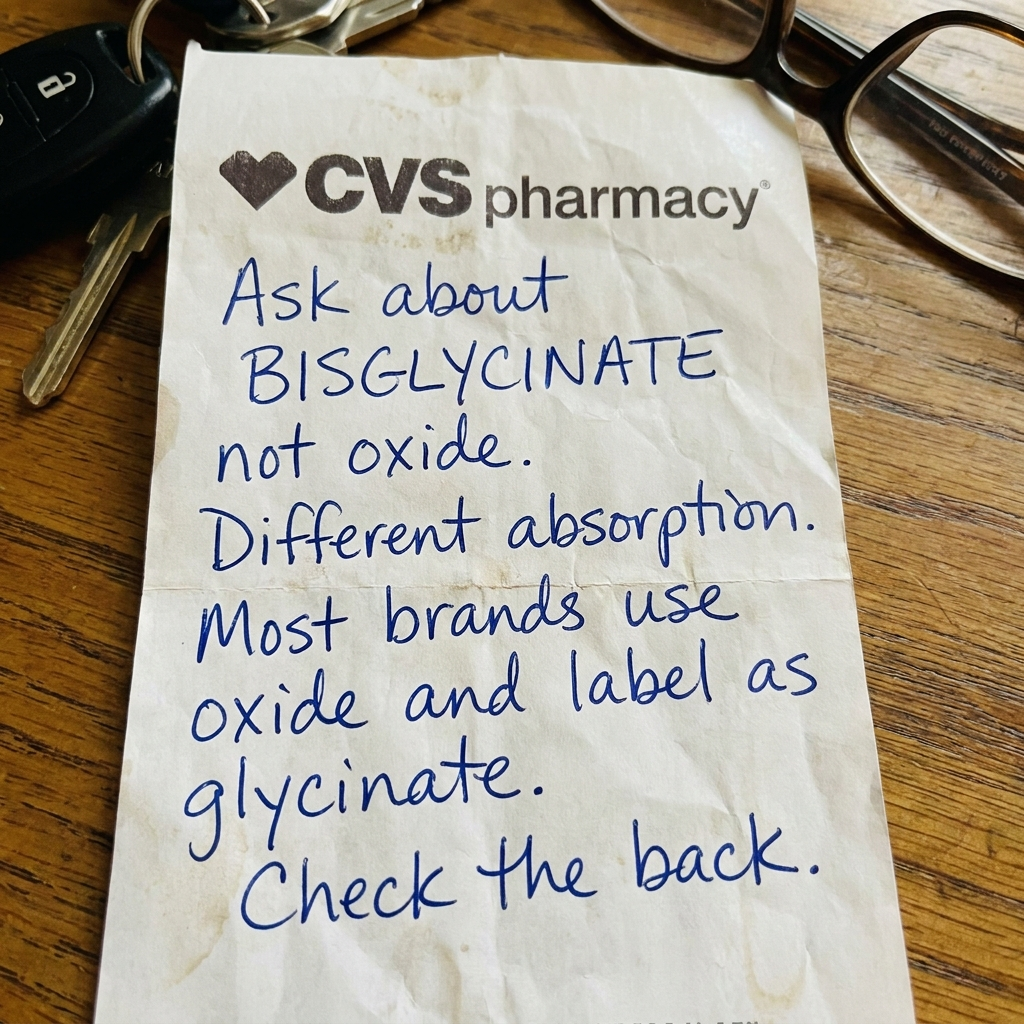
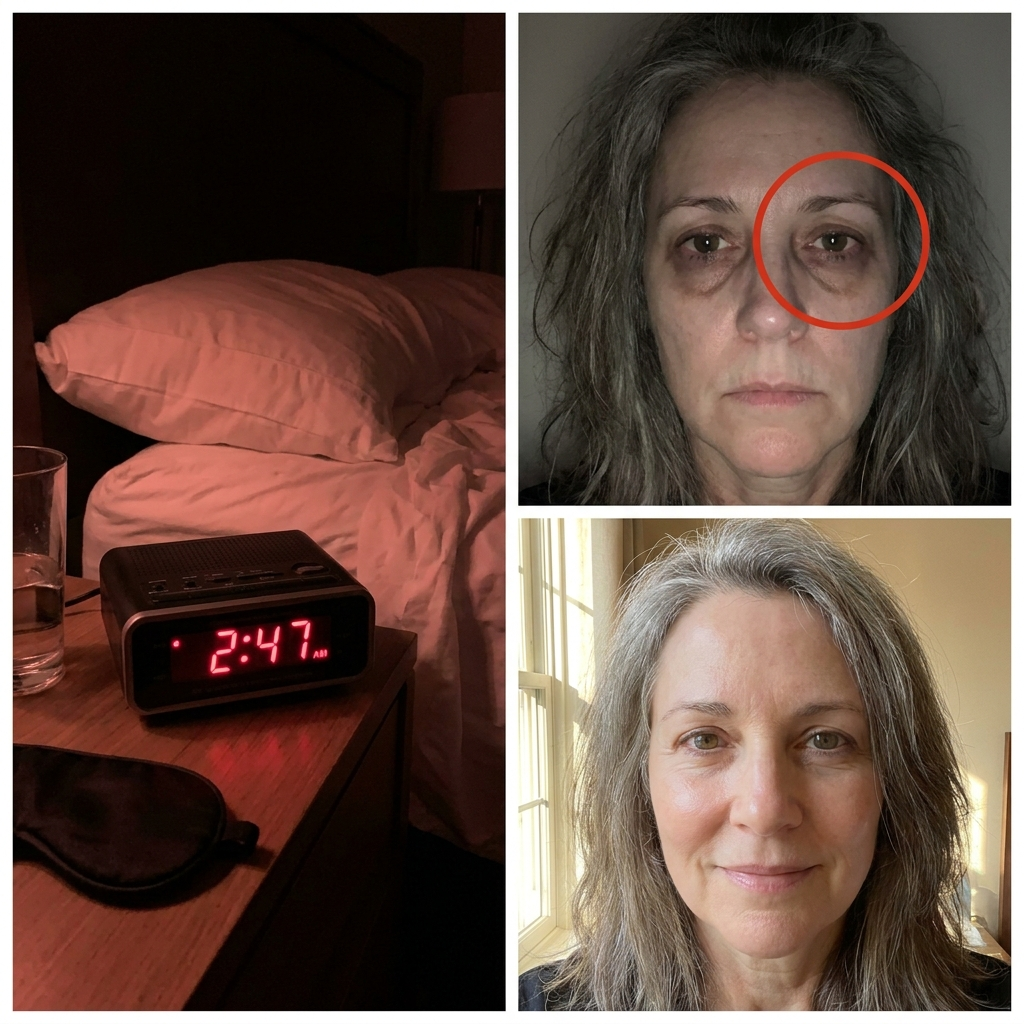
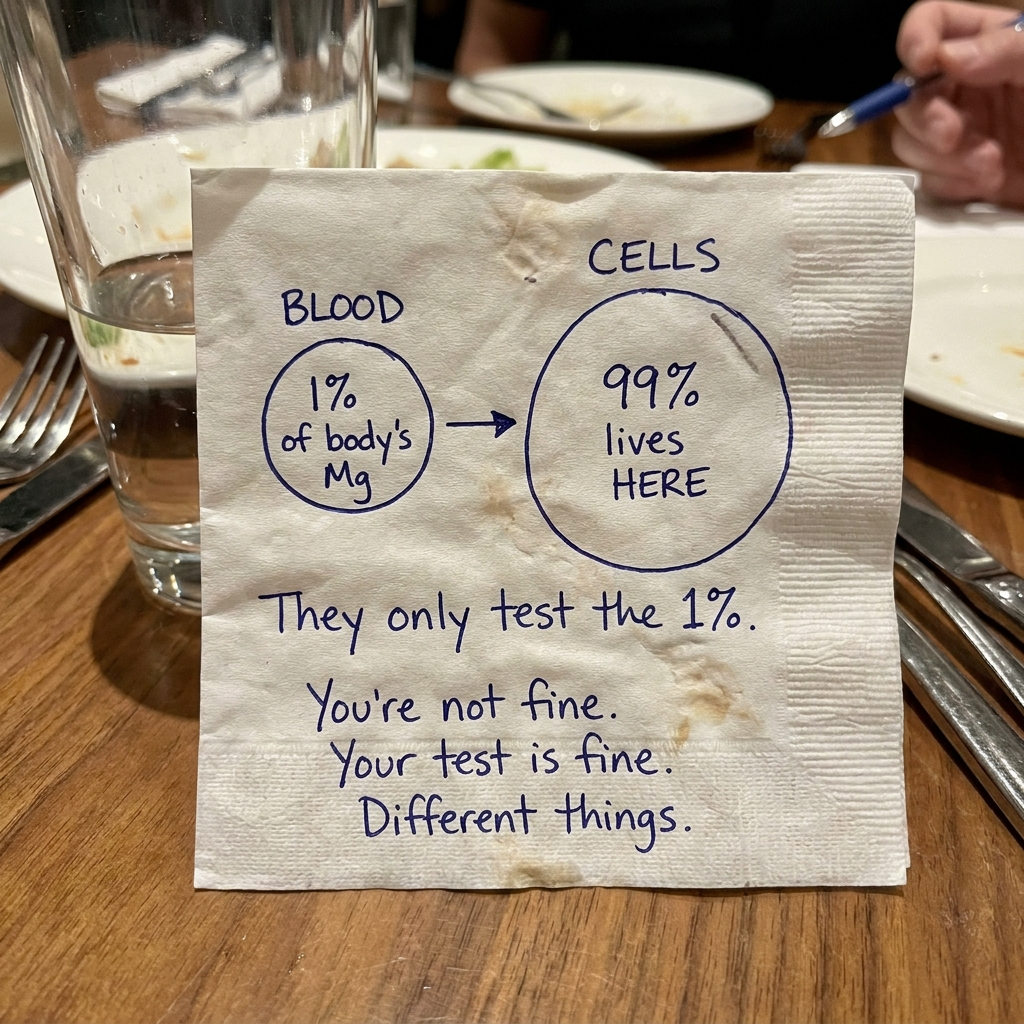
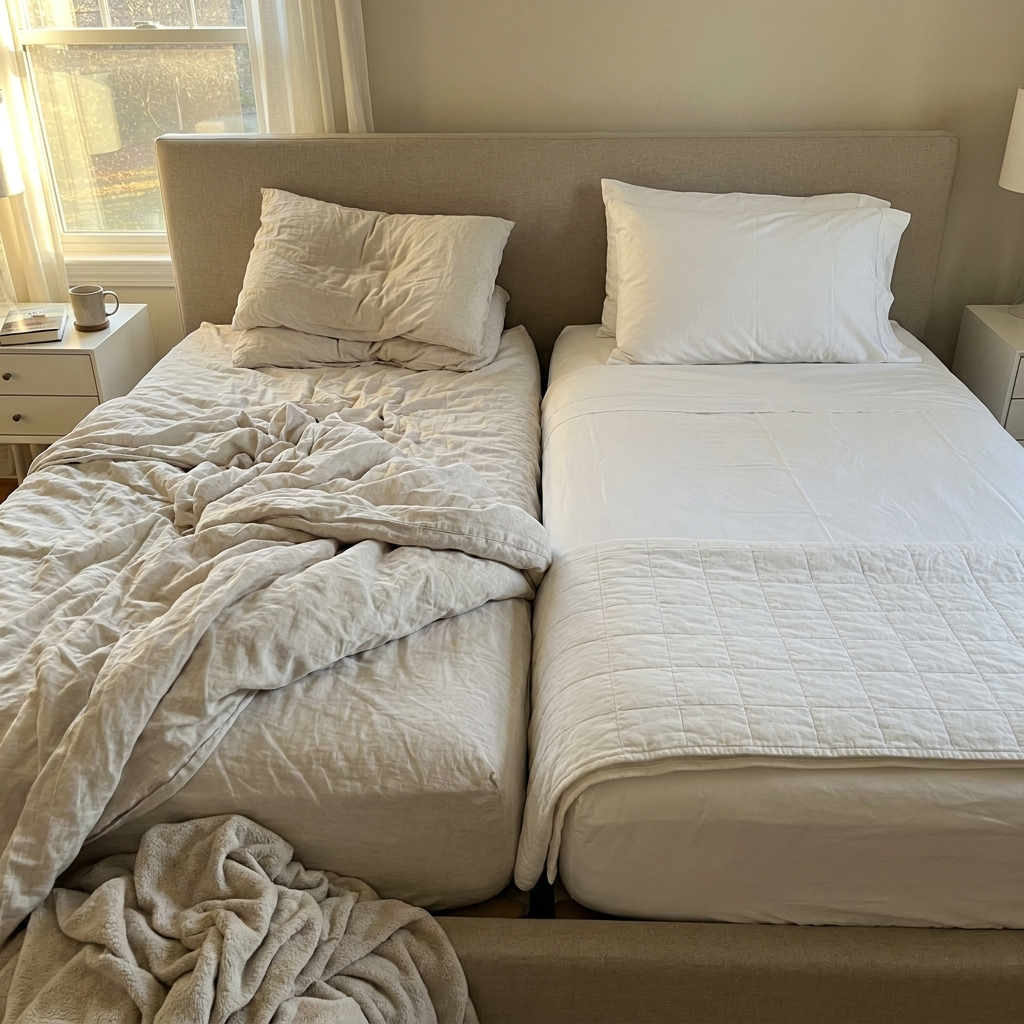
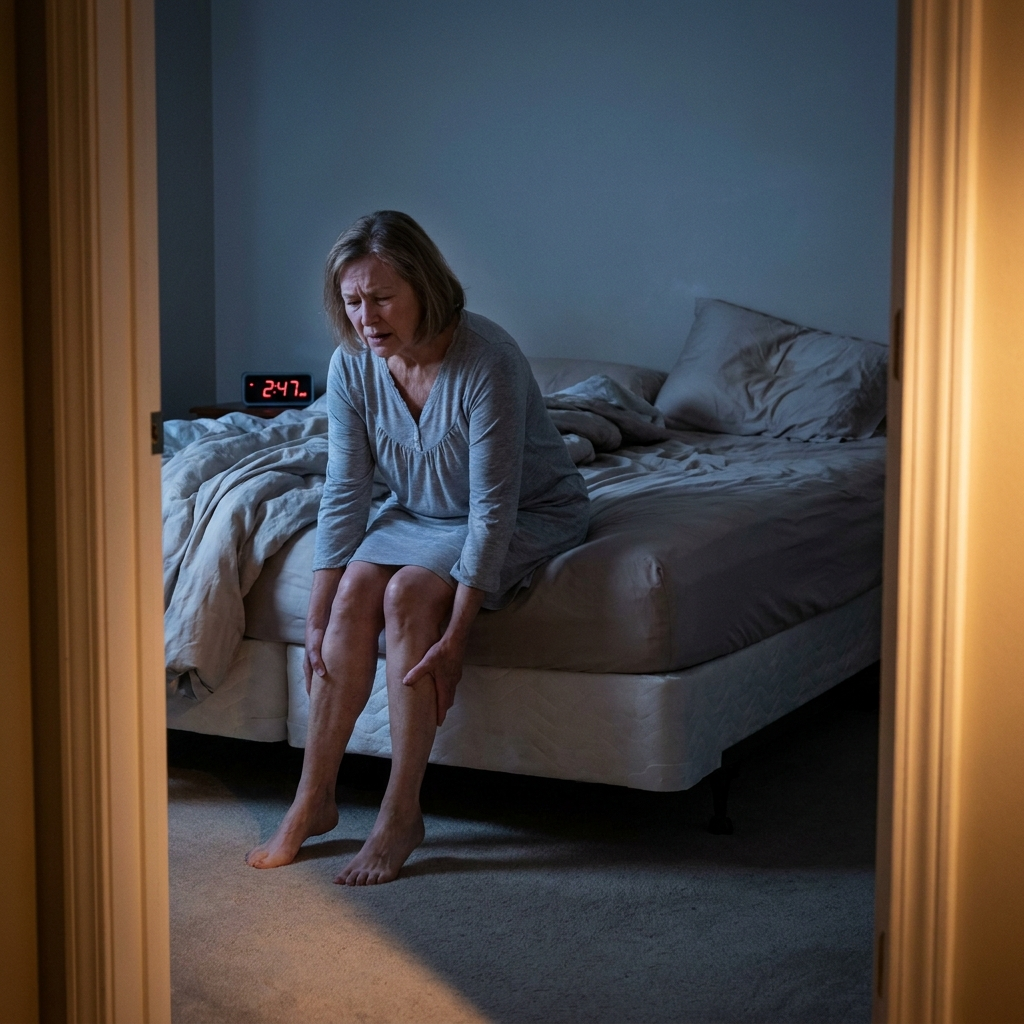
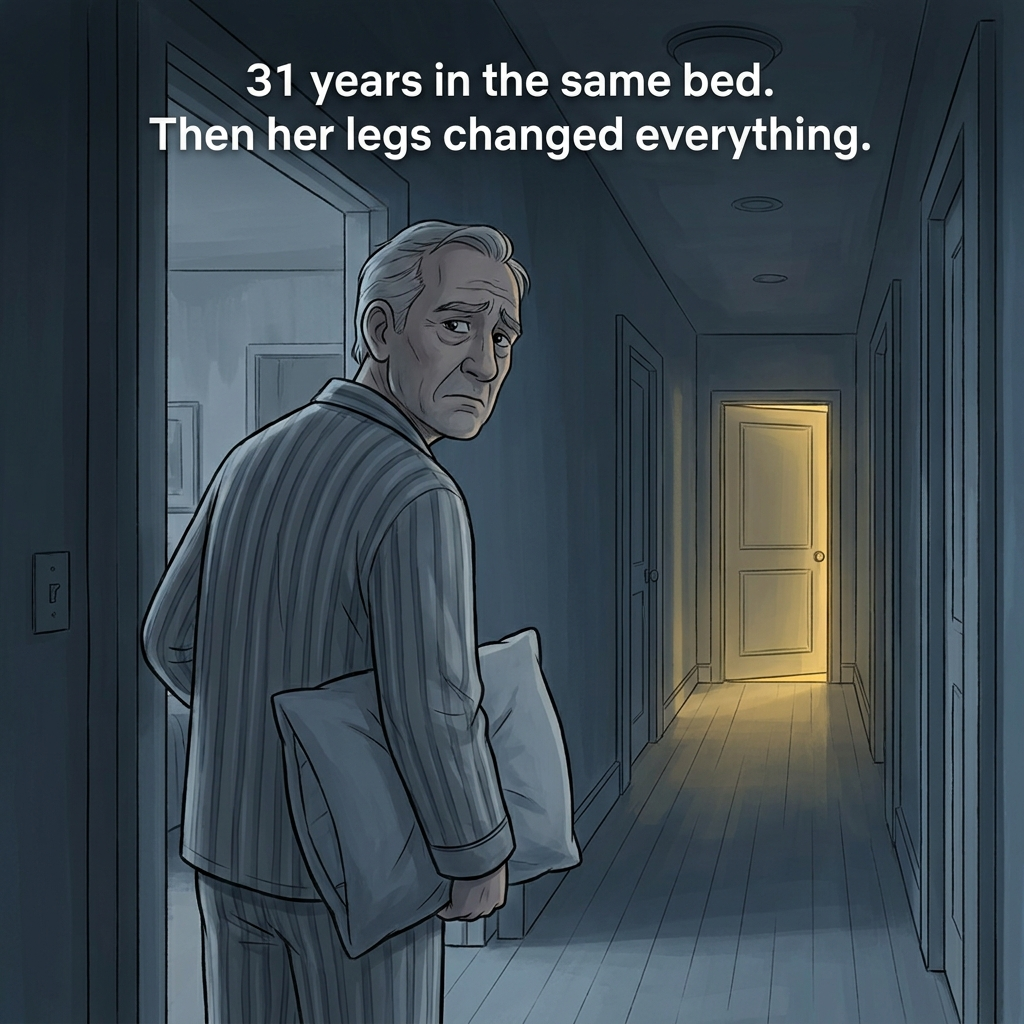
If you've been lying next to someone you love while their legs twitch and kick all night long, watching them flip from side to side every twenty minutes, listening to them finally give up and shuffle down the hallway at 2AM because they can't take it anymore... and you're exhausted from pretending you slept through it, from tiptoeing around their mood because you know they're running on empty, and quietly grieving the person they used to be while everyone keeps saying "your labs look fine"... I need you to read this. Because their doctor keeps celebrating normal bloodwork. And their nights keep getting worse. And you already know those two things don't match. You've known for months. And by the end of this, you're going to understand what's actually happening inside their legs better than most of their doctors do. And you're going to know exactly what to do about it. My name is Dr. Sarah Mitchell. Board-certified integrative medicine specialist. Twenty-four years treating sleep disorders and mineral deficiencies. Over 2,800 patients. And I'm not writing this to the person with the restless legs today. I'm writing this to YOU. The one who's actually watching it happen. The one who lies awake listening to them toss and turn. The one who's already moved to the guest room because neither of you can survive on two hours of broken sleep. Because there are three things happening right now: One: A mineral deficiency has corrupted the signal between their brain and their leg muscles, and every supplement, compression sock, and hot bath they've tried is masking symptoms without fixing the signal. Two: The medical system keeps saying "your bloodwork is normal" while their nights get worse every month because nobody is addressing the deficiency that standard tests don't catch. And three: Nobody in that system is talking to YOU about what you can actually do, because the system is designed around prescriptions that sedate the brain and supplements that don't absorb. There's nothing in between. So let me tell you about one of my patients, because her story is going to sound painfully familiar. And it's going to change everything. Her name was Diane. 57 years old. Dealing with restless legs for almost four years. But I'm not going to tell you Diane's story. I'm going to tell you her husband Tom's story. Because he's the one who lived it. For THREE years, Tom watched his wife lose her sleep. Not all at once. Not like an illness that hits overnight. Restless legs take things gradually. So gradually that you don't notice the exact moment it changed. You just look up one day and realize the woman who used to sleep eight hours straight is now planning her entire evening around how to survive another night. It started with the fidgeting. She'd shift her legs after lying down. Just slightly. A repositioning that she'd do without thinking. He noticed before she did. He always noticed before she did. Then the fidgeting became kicking. Her legs would jerk in places she didn't intend. She'd thrash sideways mid-sleep. Knee him in the thigh. Kick off the covers. And she couldn't stop it. The moment she started to drift off, her legs would betray her and she'd jolt awake. She couldn't fall asleep while lying still. Couldn't stay asleep for more than an hour. Her entire world shrank to a six-foot mattress that had become a torture device. Then the crawling sensations came. Something deep in her calves that wouldn't stop. A buzzing that made her skin feel electric. The restlessness turned her legs into enemy territory that fought her on every attempt to rest. The harder she tried to relax, the worse the sensations got. She'd be exhausted and wired at the same time. From just LYING DOWN. He started sleeping lighter. Not deeply. Lightly. One ear always listening. She noticed after the first week. She hated it. She told him to go to the guest room. He couldn't. Because the alternative was not being there when she needed to talk at 3AM. And she needed to talk at 3AM almost every night that year. A friend once asked why she looked so tired at brunch. "You look like you haven't slept in days." She laughed it off and blamed "stress." Tom wanted to say something. Diane shook her head. They drove home in silence. She didn't accept another brunch invitation for two months. She stopped staying up for movie nights. Stopped planning weekend trips. Stopped accepting dinner invitations because she knew she'd be a zombie the next day. She stopped going to her book club because she couldn't focus on anything after nights of two-hour sleep. Tom took over the morning routine without being asked. Took over driving the grandkids because she was too exhausted. Started handling the bills because her brain fog made numbers swim. Moved the coffee maker to the bedroom so she could function. Placed water and ibuprofen on her nightstand in case the leg aches hit. He became a full-time manager of a life designed around her sleeplessness, and neither of them ever discussed it directly. It just happened. Inch by inch. Like the restless legs themselves. And here's what nobody tells the person sleeping next to restless legs: It's not just their sleep that deteriorates. YOUR sleep restructures completely. You can't fall into deep sleep because you're waiting for the next kick. You can't plan a trip because hotel rooms mean two exhausted people instead of one. You can't suggest separate bedrooms without it feeling like the beginning of the end. You become schedule manager, emotional anchor, and exhaustion partner while pretending everything is fine so they don't feel worse than they already do. And the grief of watching someone you love lose their nights, one hour at a time, while the doctors keep saying "your bloodwork is normal," is a particular kind of hell. Because how can things be normal when they're clearly getting worse? And here's what makes me angry: I was one of the doctors Diane came to see. And Tom was there for every single appointment. He drove. He waited in the lobby. He sat in the chair next to her and asked the questions she was too exhausted to ask. He'd researched everything. He knew the names of her supplements. He knew what restless leg syndrome was. He understood magnesium deficiency. He'd read about nervous system regulation. He tracked her sleep hours and her "good nights" versus "bad nights" in his phone. He showed me the data at every appointment. And you know what every single one of us did? Celebrated the bloodwork. Adjusted the supplements. Suggested more sleep hygiene. "Your magnesium levels are in range. Your iron looks fine. Great news." "The restlessness? Let's try a different magnesium brand." "The sleep? That's probably just stress. Let's focus on relaxation techniques." "The crawling sensations? There's really nothing specifically for that besides Gabapentin. Let's see if you want to go that route." And Tom would sit there, phone in hand, and ask the same question every time: "But her sleep is worse than last time. Her labs are normal but she's tossing more. She's up pacing more. The supplements upset her stomach. What are we actually doing about the sleep?" And we'd give him the same answer: "We're managing it. This is what restless legs look like after 50." He told me later: "I stopped trusting the word 'normal' about a year in. Normal bloodwork means nothing when your wife can't sleep through the night without kicking you awake. But I kept showing up because I didn't know what else to do. You were the experts. And none of you had an answer for the one thing that was actually destroying her life." He was right. And I didn't have an answer. Until a mineral absorption researcher at a conference said something that stopped me in my tracks. March 2023. Chicago. American Academy of Sleep Medicine annual meeting. After my presentation on sleep disorder outcomes, a woman approached me. Dr. Rebecca Chen. Thirty years in mineral absorption and nervous system research. Published extensively on magnesium bioavailability, cellular uptake, and neuromuscular signaling. She looked at my data and said something I'll never forget: "You're confusing serum levels with cellular availability. They're not the same thing. And every day you celebrate normal bloodwork while handing her another oxide supplement, the deficiency at the cellular level gets worse from malabsorption." What she taught me is what I'm about to teach you, because your loved one's medical team probably doesn't know this, and even if they do, the system they work in isn't set up to act on it. Here's what Rebecca explained: "Restless legs happen when magnesium levels fall too low at the cellular level, and the nervous system loses its ability to regulate muscle signals. The standard supplements, oxide tablets, citrate capsules, they look good on paper. But they do almost nothing to actually reach the cells that need them. They check a box. They don't solve the problem." "Your patient's bloodwork can be perfectly 'normal' while the magnesium inside her muscle and nerve cells continues to deplete. Every night those cells go without adequate magnesium, the nervous system gets more dysregulated. The muscles fire when they shouldn't. The restlessness intensifies. And the sleep gets worse. Not because of aging. Because of deficiency." "And the standard supplements? The hot baths? The compression socks? They address symptoms without delivering what the cells actually need. The nervous system doesn't calm down if the magnesium never reaches the neurons. The muscles don't relax if the mineral isn't bioavailable. The restless leg pathway gets zero correction because the interventions aren't reaching the cellular level." "But there's a form that bypasses the absorption problem entirely. Bonds to amino acids that the body recognizes and pulls directly into cells. Provides the magnesium in a form the nervous system can actually use." And here's what this means for you as the person watching: Their supplements are checking boxes. Fine. Expected. Keep the routine. But the deficiency actually driving the restless legs? Nobody is addressing it. Their oxide pills are passing through unabsorbed. Their hot baths are relaxing muscles that fire up again every night. Their compression socks are treating symptoms while the root cause continues. And the Gabapentin they've been offered would sedate their entire brain just to quiet two legs, leaving them groggy and foggy on top of everything else. It's not because the doctors aren't trying. It's because the system has two speeds: test levels that don't show cellular deficiency, and prescribe drugs that sedate the brain. There's no speed three. Nobody is actively correcting the absorption problem. And here's the part that made my blood boil: The research world KNOWS that different forms of magnesium absorb at vastly different rates. They know bisglycinate reaches cells that oxide never touches. They know the amino acid bond protects the mineral through digestion. They know it crosses into nervous system tissue. The evidence is published. It's not experimental. But the system doesn't offer it. Because pharmaceutical companies fund sleep conferences, not supplement research. Because prescriptions generate recurring revenue. Because there's no expensive procedure for cellular magnesium restoration. Your loved one on the standard restless legs pathway pays $30 to $50 monthly for supplements that don't absorb properly. Hundreds for sleep studies that confirm what you already know. The conversation about Gabapentin with its drowsiness and dependency concerns. Plus the toll on YOU. The broken sleep. The separate bedrooms. The tiptoeing. The weekends you can't plan. A magnesium supplement that actually reaches cells, calms the nervous system at the source, and restores proper signaling? Costs less than coffee. Rebecca showed me how the right form of magnesium addresses restless legs through three mechanisms: Cellular absorption and nervous system calming: Bisglycinate bonds magnesium to glycine, an amino acid the body actively pulls into cells. This bypasses the digestive breakdown that destroys oxide forms. The magnesium reaches the neurons that regulate muscle firing. The nervous system gets what it's been starving for. The signals that tell muscles to relax finally transmit properly. Muscle relaxation without sedation: When cells receive adequate magnesium, the muscles that have been firing inappropriately begin to quiet naturally. The crawling eases. The twitching slows. The buzzing fades. This happens locally, in the legs, without crossing into brain chemistry, without causing drowsiness, without the mental fog that prescription options create. Their legs calm AND their head stays clear. Nervous system restoration: Every night with proper cellular magnesium is a night the nervous system can begin to recalibrate. The deficiency that built up over months and years starts to reverse. This isn't masking symptoms. It's addressing the root cause that standard approaches miss entirely. The science is published. Bisglycinate shows dramatically higher absorption rates than oxide forms. Magnesium deficiency is directly linked to restless leg symptoms. This isn't fringe. It's established nutritional science. But you'll never hear most doctors recommend a specific form. Because the system isn't built for cellular-level thinking. It's built for bloodwork ranges and prescription pads. Now here's the problem I ran into... Most magnesium supplements on the market are useless for restless leg problems. I tried oxide tablets. Standard pharmacy brand. Did nothing for the crawling or the sleep. I tried citrate. Destroyed her stomach and still no improvement. I tried topical sprays. They tingled. That's it. No cellular uptake. No nervous system calming. No restlessness relief. Because oxide and citrate are NOT the same as bisglycinate. True bisglycinate bonds magnesium to glycine molecules that the body recognizes and absorbs. It reaches the cells the restless legs originate from, calms the neurons that have been misfiring, and restores the mineral balance that has been depleted for years. All three mechanisms simultaneously. I researched over a dozen different products. Every one failed at least one of the requirements. Until I found SPNutrition Magnesium Bisglycinate. True bisglycinate formulation. Not oxide dressed up with marketing. Not citrate that tears up the stomach. Actual magnesium bonded to glycine with verified cellular absorption. All three mechanisms. Cellular delivery that bypasses absorption problems. Nervous system calming without sedation. Mineral restoration through consistent daily intake. Built on the same science used in clinical magnesium research. Full 400mg dose. Gummy form that people actually enjoy taking. Two raspberry gummies before bed. No giant pills. No stomach upset. No choking down capsules. And here's what I need you to hear as the person who's going to make this decision: They might not buy this for themselves. That's not because they don't want to get better. It's because restless legs does something corrosive to hope. When the doctors keep saying "normal" while your nights keep getting worse, when every new supplement is another failed experiment, when the only real option offered sedates your brain to quiet your legs, you start accepting the sleeplessness as inevitable. "Well, it's just my legs." The learned helplessness is real. But you haven't accepted it. You're reading this right now because you refuse to believe that lying awake listening to them kick and thrash is just how it is now. That's not denial. That's love refusing to let the system's limitations become their limitations. So let me tell you what happened when I gave this to Diane. Not from Diane's perspective. From Tom's. Week 1: He set it up for her. She was skeptical. "The drugstore magnesium did nothing and you think a gummy is going to help?" He didn't argue. He just put the bag on her nightstand and said "two gummies. Just try it." She could actually taste raspberry instead of chalky supplement. And she didn't feel the stomach churning she expected. "At least it doesn't make me feel sick," she said. And she wasn't drowsy. She wasn't foggy. Her head was clear. Tom watched from his side of the bed and felt something he hadn't felt in a long time. He couldn't name it yet. Later he'd call it hope. But in that moment it just felt like breathing again. Week 2: He noticed before she did. She was sleeping differently. Less movement. More stillness. The midnight shuffle to the hallway, the two-hour pacing session, had happened only twice instead of every night. And the kicking was slightly less intense. Her legs were staying calmer longer. She slept past 4AM without waking. He was lying beside her when he realized it. He didn't say anything. Didn't want to jinx it. But his eyes were wet when he got up to make coffee. Week 4: The change was visible to everyone. Her legs were quieter. Her sleep was stretching to five and six hours unbroken. She woke up and got out of bed without the forty-minute fog ritual. She wasn't shuffling to the coffee maker like she'd been hit by a truck. Her brain was online within minutes. And she was alert. Clear-headed. Not dragging through mornings. Because nothing was sedating her system. Her legs were calming while her mind stayed sharp. Tom hadn't seen that combination in almost three years. Week 8: Full turnaround. Sleep through the night. Occasional restlessness that faded quickly instead of building for hours. She woke up before her alarm feeling something she'd forgotten existed: rested. She walked the dog in the morning. The route she'd abandoned two years ago because she was too exhausted. Energetically. Without stopping to rest. Tom walked beside her. Not shuffling behind half-asleep. Beside her. She held his hand. Not because she needed support. Because that's what couples do when they take a morning walk together. He called their daughter that evening. "Mom slept through the night. The whole night. She woke up and made breakfast. She wasn't staring into space waiting for her brain to work. She was humming while she cooked." Their daughter asked if he was okay. Tom said "I've been holding my breath for three years. I think I just started breathing again." Then I introduced it to every restless leg patient on my caseload. Eighteen patients over the next six months. The results were consistent: Average improvement in sleep duration: 2.4 hours more per night by week 6 Average reduction in nighttime waking: 71 percent Average reduction in restless leg intensity: 68 percent Number of patients who avoided or reduced sleep medications: 14 out of 18 Number of patients who reported clearer mornings and more energy: 16 out of 18 And the result that mattered most to the families: 15 out of 18 partners reported that they "finally sleep through the night again" for the first time since the restless legs began. Not just patients sleeping better. The people beside them breathing again. This is the approach nobody is telling you about. Because the second you start delivering magnesium that actually reaches cells, calming the nervous system at the source, and restoring the mineral balance, everything shifts. The kicking softens. The crawling fades. The legs find peace. They sleep deeper. They stay asleep. They wake up clear. And you stop lying awake listening for the next thrash. They don't stop any medical care. Their health routine continues as normal. But now they're adding the one thing that was missing: actual cellular delivery of the mineral their nervous system has been starving for, without drugging the brain, without sedating the body, delivered nightly with enough consistency to drive real restoration. It's not a cure for restless legs. Nothing claims that. But it addresses the three things that prescriptions, standard supplements, and hot baths all miss: the absorption problem, the cellular deficiency, and the nervous system dysregulation. All from a form the body can use. All gently. All without touching brain chemistry. Now here's what I need you to understand about timing: Every night the deficiency continues, the nervous system gets more dysregulated. The pathways that control muscle signaling get worse. The sleep debt compounds. And the restoration that could be happening never gets started. Month 1 to 6 of significant restless legs: Deficiency is building but reversible quickly. Response to proper magnesium is rapid. 2 to 4 weeks. Month 6 to 18: Nervous system more dysregulated. 4 to 6 weeks. Still very achievable. Month 18 to 36: More significant depletion. 6 to 8 weeks with realistic expectations. Beyond 3 years: Substantial deficit. Improvement is still possible but more gradual. Diane was at about 3 years. She responded beautifully. But the patients who'd been suffering for 5 or more years showed slower improvement. The longer the deficiency runs, the longer the restoration takes. And here's the thing about restless legs that makes this urgent: Sleep deprivation compounds damage over time. Every night of broken sleep affects next-day function, long-term health, and relationship strain. The sooner the deficiency is addressed, the less total damage accumulates. Building cellular magnesium now isn't just about tonight's sleep. It's protection against years of compounding exhaustion. If their sleep has been getting worse for over six months despite "normal" labs, the cellular deficiency is deepening every week. Their bloodwork is checking boxes that don't reflect cellular reality. Their standard supplements are passing through without absorbing. Their only other option sedates the brain. And nobody is actively addressing the absorption problem. You already know this. Their exhausted face tells the story the labs can't. SPNutrition offers a 30-day money-back guarantee. If it doesn't improve their sleep, you pay nothing. There's no risk to trying except the time you lose by not trying. And honestly? You've spent years watching appointments produce nothing but "labs look normal" while the nights got worse. You've watched supplements upset stomachs without helping legs. You've watched the Gabapentin conversation get raised and deferred because the side effects seem as bad as the problem. You've spent money on a supplement approach that checks boxes while ignoring absorption. This is two gummies a night. Takes thirty seconds. 30 days to see if it works or your money back. You've done harder things than this. You do harder things than this every night. Because the medical system isn't coming to fix their restless legs. They're too busy celebrating normal bloodwork while suggesting prescriptions that fog the brain. But you're not the medical system. You're the person who loves them. And sometimes that person finds the answer the system never will. A mineral absorption researcher taught me more about restless leg recovery in two hours than I learned in two decades of treating sleep problems. It's about time I passed that lesson on to the person who's actually going to do something with it. Go get it for them! P.S. They might resist trying something new. That's the exhaustion talking, not them. Years of failed supplements and "normal" bloodwork creates a resignation. "Well, it's just my legs." You don't need their permission to order it. You just need to put it on their nightstand and say "two gummies. Just try it." That's what Tom did. And it changed everything. P.P.S. If their nights have been getting worse for over a year and the only option anyone offers is a prescription that fogs their brain, that's not management. That's trading one problem for another. Their legs need cellular-level intervention, not more brain sedation. And the deficiency needs consistent daily restoration, not supplements that don't absorb. This arrives in days. Don't wait for the next doctor visit to confirm what their exhausted face is already telling you. P.P.P.S. Tom: "For three years I lay next to my wife like a worried parent. I moved to the guest room. I took over the morning routine. I stopped planning trips. I stopped sleeping through the night. Her labs were 'normal.' Her nights were getting worse. And nobody could explain why. Six weeks after I put the SPNutrition gummies on her nightstand, she slept through the night. She woke up before her alarm. She made breakfast and hummed while she cooked. She wasn't staring into space waiting for her brain to function. She was present. And I was beside her in bed again. Not down the hall. Two gummies. That's what it cost to stop holding my breath and start breathing again."
Like this ad? Make it yours.
Crush rebuilds this exact creative around your product — your brand, your colors, your offer — in about a minute.