
Inactive· since May 15, 2026
- 7
- days it ran
- 0
- relaunches
Ad copy
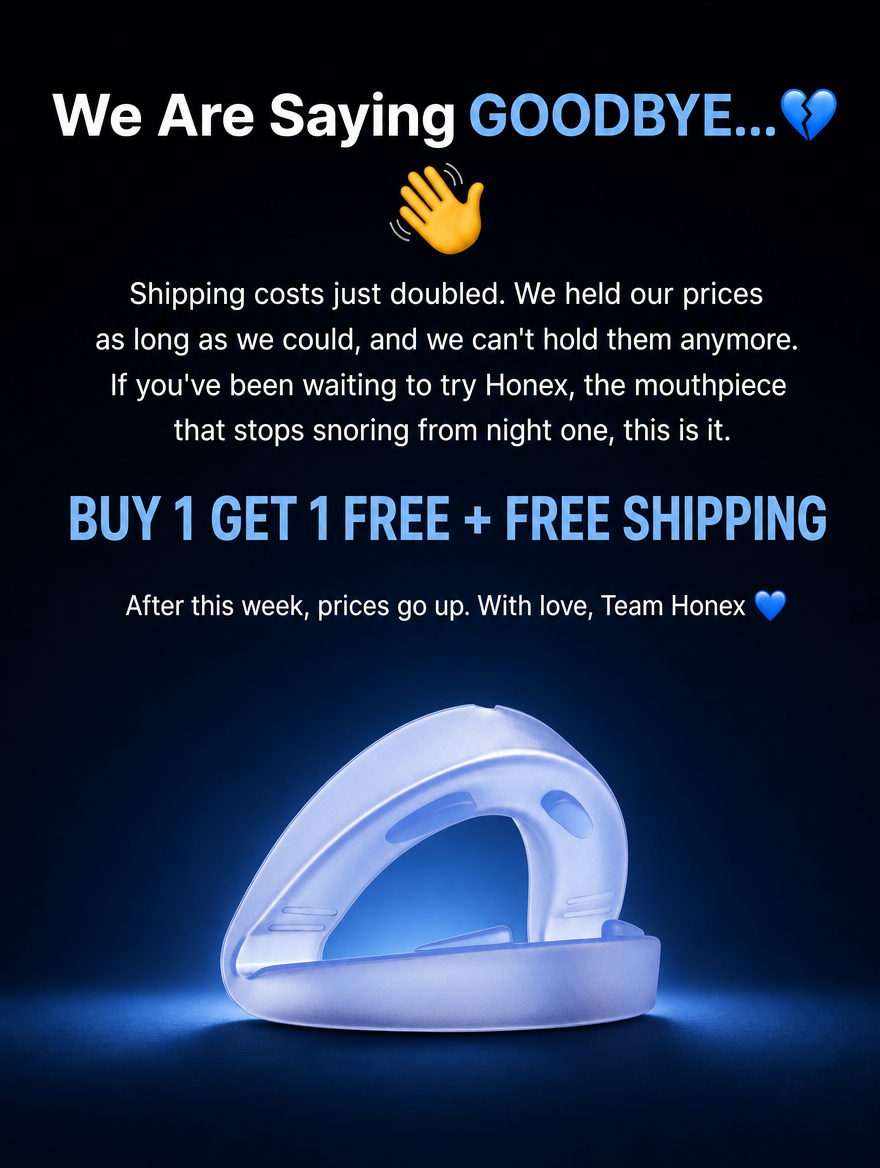
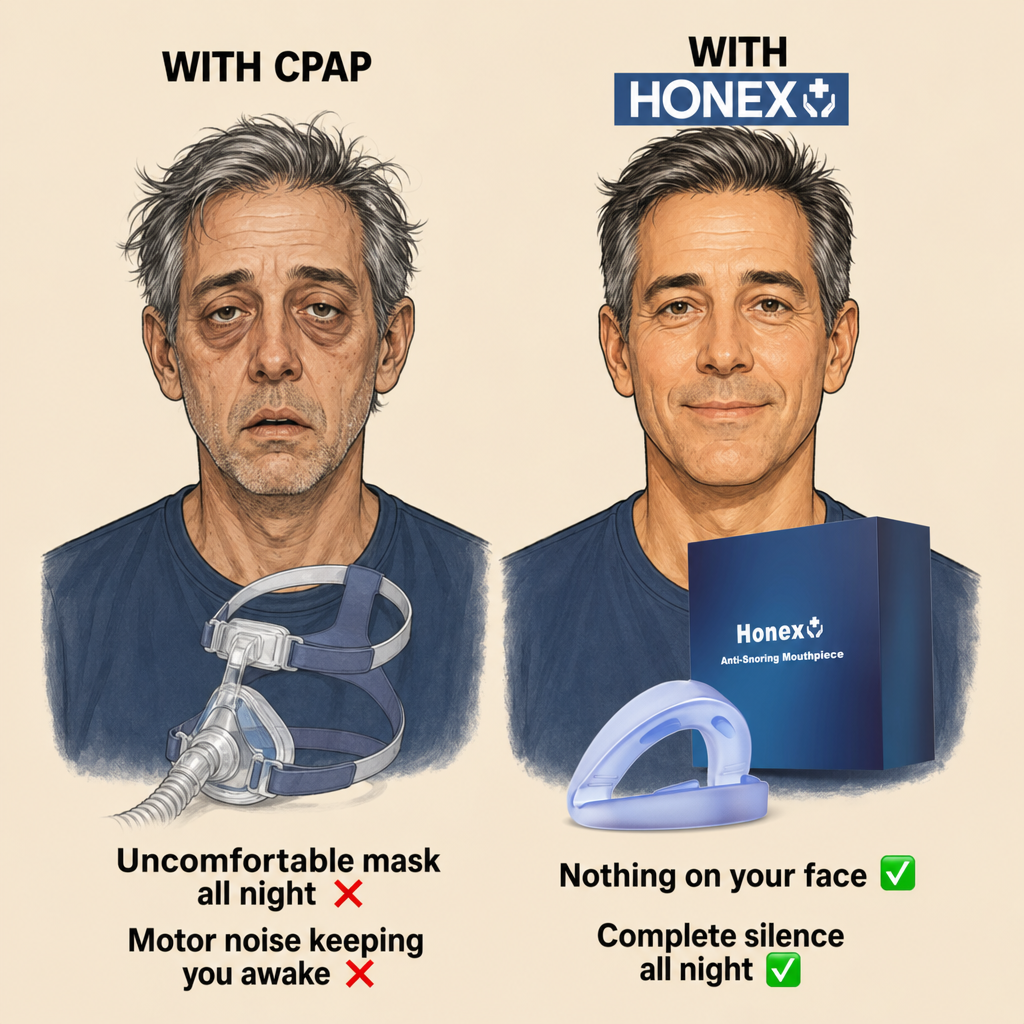
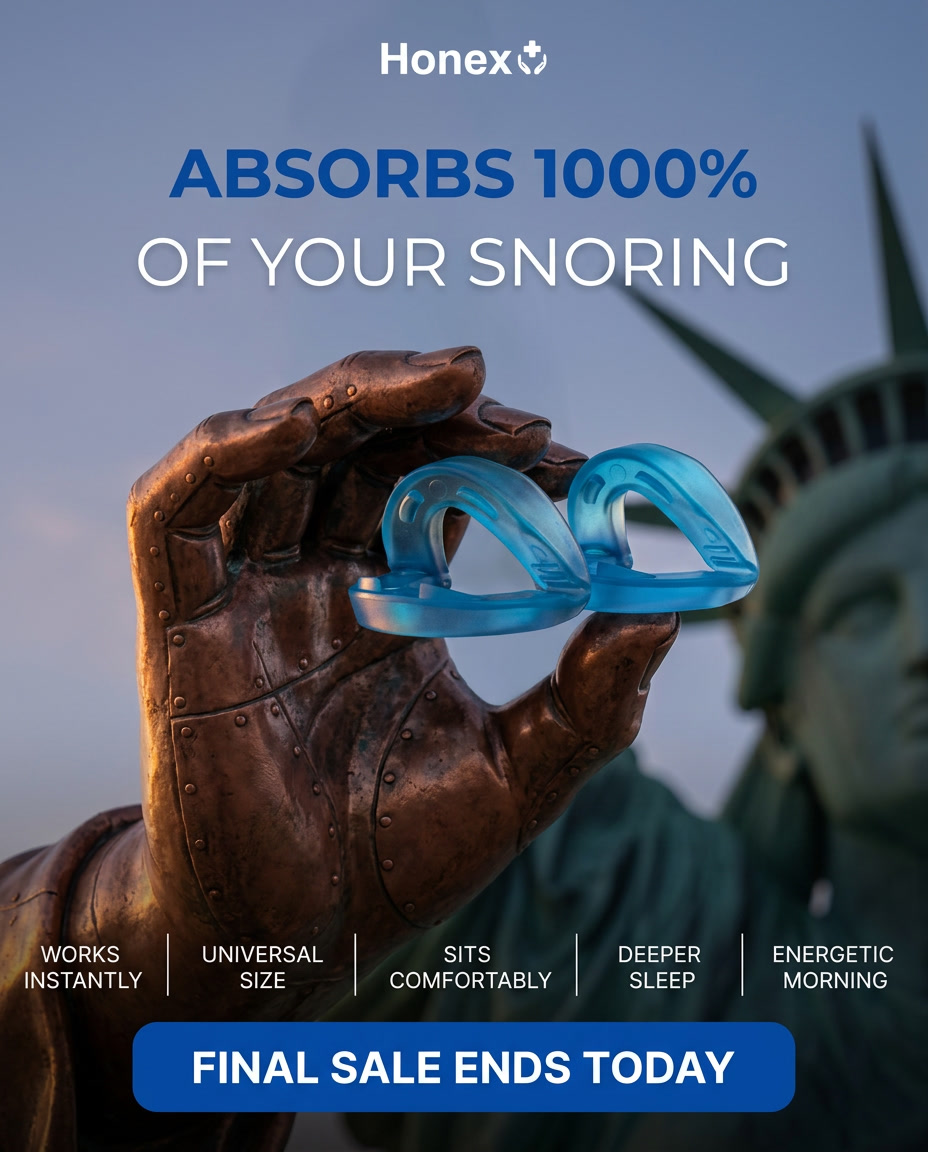
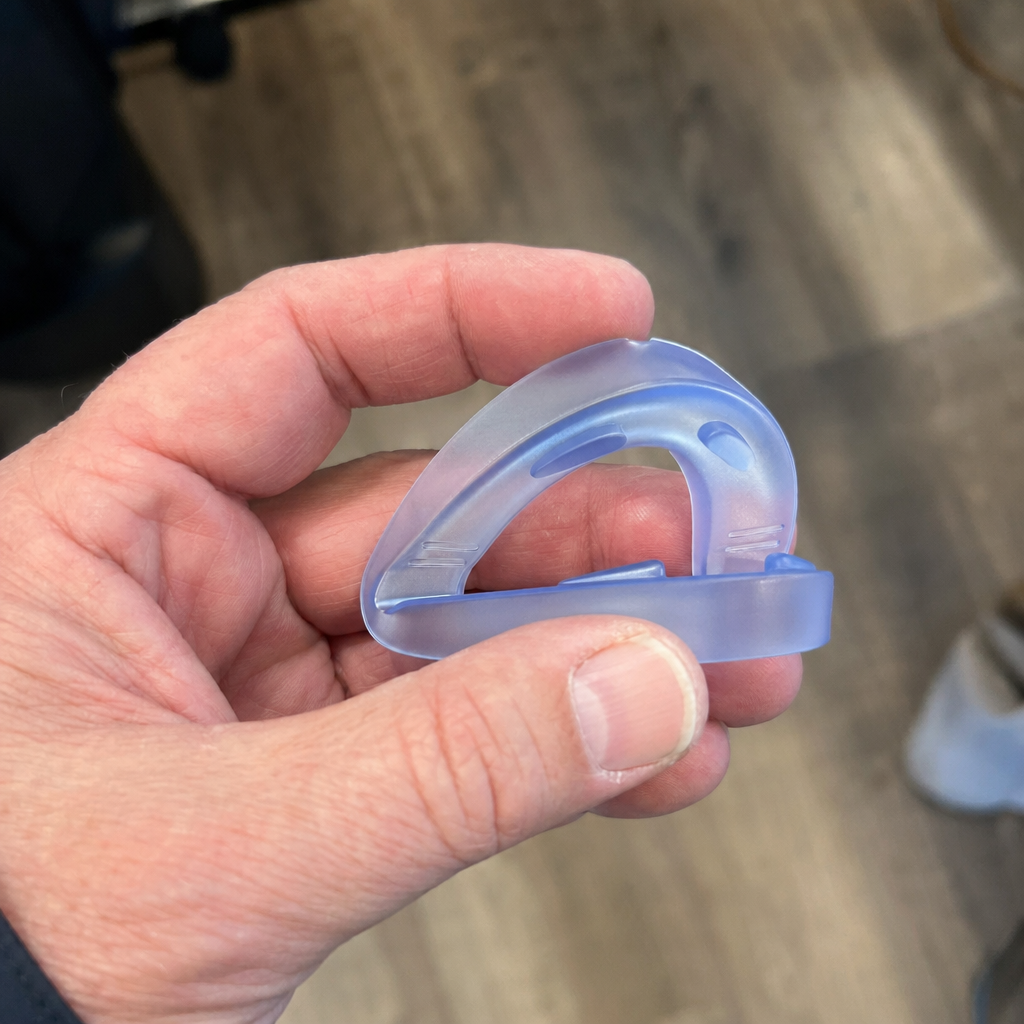
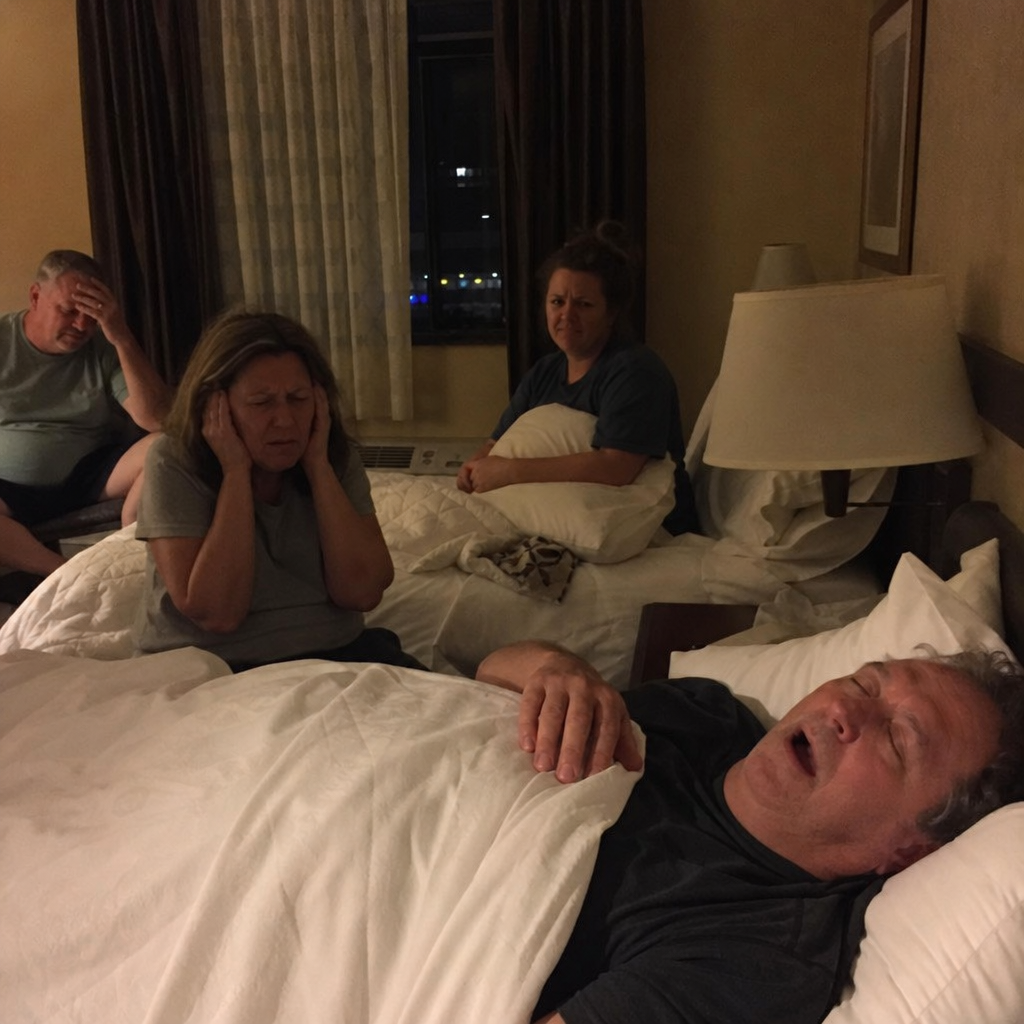
Three sleep specialists, two ENTs, and one overnight sleep study, and not a single one mentioned the two-minute fix that actually shut my throat up. I've been snoring since I was 22 years old. I know that because my college roommate told me. Loudly. Frequently. With a pillow aimed at my head. I'm 53 now. That's 31 years of sawing logs so loud that the person next to me couldn't sleep. 31 years of waking up feeling like I'd been hit by a bus. 31 years of my wife nudging me, elbowing me, eventually just giving up and walking down the hall. She moved to the guest room four years ago. She didn't make a big announcement about it. Just started sleeping there one Tuesday. And then Wednesday. And then every night after that. We didn't fight about it. That was almost worse. It was just this quiet acceptance that sleeping next to me wasn't possible anymore. Like it was a fact of life. The sky is blue. Water is wet. Dave snores too loud to share a bed with. I'd accepted it too. Honestly. I figured some guys just snore and I was one of them. My dad snored. His dad snored. It felt genetic. Permanent. Like being left-handed or going bald. Then about eight months ago I downloaded one of those snore tracking apps. I don't even remember why. I think I saw someone mention it on a podcast and figured what the hell. I slept alone that night. Wanted clean data. No fan noise, no TV, just me and my phone on the nightstand recording everything. The next morning I opened the app and saw the number. I was snoring 78% of the night. Not light snoring either. The app color-codes it. Most of mine was in the red. "Loud" and "very loud." There were these clusters where it spiked for 10, 15 minutes straight. And scattered between the spikes were these gaps. Silence. Then a spike again. I knew those gaps. My wife had described them to me a hundred times. "You just stop breathing. And then you gasp and start snoring again." Seeing it on a graph was different than hearing about it. It made it real in a way that was hard to ignore. Like looking at a bank statement after a month of pretending you weren't overspending. So I started experimenting. I'm that kind of guy. I like data. I like solving problems. I figured if I could see the numbers, I could move them. First thing I tried was a mouthguard from CVS. One of those boil-and-bite ones. $29. It did something. Snoring dropped from 78% to maybe 58%. But every morning I woke up with this deep ache in my jaw, like I'd been clenching all night. By day four I had a headache that started at my temples and wrapped around the back of my skull. By day seven I threw it in the trash. Then nasal strips. The logic seemed right. Open the nasal passages, more air gets through, less snoring. Except snoring doesn't come from your nose. It comes from your throat. The strips did almost nothing. Basically the same as sleeping without them. Then I tried sleeping on my side. Taped a tennis ball to the back of my shirt so I couldn't roll over. Felt ridiculous. Slept terribly. Checked the app in the morning. 52%. Better. But I'd also barely slept because there was a tennis ball digging into my spine every time I moved. Not sustainable. Not even close. I mentioned all this to a guy at work. Not because I wanted advice. Just venting. He listened, nodded, and said his brother had used something called Honex for about a year. A jaw device. Not a mouthguard exactly. Something thinner. I almost didn't look it up. I'd already tried a mouthguard. Already had the jaw pain. Already threw it away. But he said something that stuck with me. He said, "It's not like those drugstore ones. It doesn't lock your jaw. It just holds it forward a little." So I looked it up. And the first thing I noticed was how thin it was. 2.3 millimeters. Thinner than a credit card. This 3D-Flex material that molds to your teeth the first time you put it in. No boiling water. No dentist visit. You just press it in and it shapes to you. I ordered it. Skeptical. But I ordered it. First night I put it in and honestly forgot about it within a few minutes. It doesn't feel like you have something jammed between your teeth. It just feels like a slight pressure. Light. I could still drink water. I fell asleep on my back, which is my natural position, and slept through the night. Morning. Checked the app. 9%. I sat there staring at my phone. 78% down to 9%. First night. With something I could barely feel in my mouth. The second night. 7%. Third night. 11%. Fourth night. 6%. I was genuinely excited. But I'm also honest. It wasn't zero. Something was still happening in my throat during sleep. Less. Way less. But not gone. So I started reading. And I found study after study about how the muscles in the back of your throat weaken over time. Especially after 40. Especially in men. And when those muscles get weak, they relax too much during sleep and partially collapse. Even with your jaw held forward, if the muscles are soft enough, they can still vibrate. The fix sounded almost too simple. Throat muscle exercises. Specifically, there was one that kept coming up in the research. You open your mouth, say "aaah" like you're at the doctor, and while you're doing that, you push the back of your tongue up against the roof of your mouth and hold it for a few seconds. Ten reps. Takes about two minutes. It's supposed to strengthen the muscles around the airway so they hold their shape better during sleep. Like doing planks for your throat. I felt like an idiot the first time I did it. Standing in my bathroom at 10pm going "aaaaaah" with my tongue pressed against the roof of my mouth. If anyone had walked in I would've had no explanation. But I did it that night. And the next. And the next. Every night, right before I put the Honex in and went to bed. Two minutes. After about five days of combining the two... the device and the exercise... I checked my app on a Saturday morning. Zero. I refreshed it. Zero. I thought the app was broken. I opened it, closed it, reopened it. Checked the raw audio. Eight hours of quiet breathing. No snoring. No spikes. No gaps. Nothing. I ran the data for that whole week. Six out of seven nights were zero. The one night that wasn't zero was 1.4%. Basically nothing. I don't want to be dramatic about this. But I need to tell you what happened next because it matters more than any number on an app. I started waking up feeling like a different person. Not gradually. Almost immediately. By 7am I was sharp. Clear. Not dragging myself to the coffee machine with that foggy, heavy feeling I'd had for years. I'd get through a full workday and still have energy at 8pm. I stopped falling asleep on the couch at 9:15 every night. I didn't realize how bad I'd been feeling until I felt good. That's the thing nobody tells you about chronic bad sleep. You adjust to it. You think tired is just how you are. You build your whole life around being exhausted and you don't even notice. But here's the part that really got me. About three weeks into this... my wife came back to our bedroom. She didn't announce it either. Same as when she left. She just showed up one night with her pillow. Got into bed. Read her book for a while. Turned off the light. I lay there in the dark, not moving, not saying anything. Just... grateful. For the quiet. For her being there. For the fact that something so small had fixed something I'd been living with for three decades. She didn't say a word about it. She didn't have to. Look. I don't know if this exact combination works for everyone. I'm not a doctor. I'm a 53-year-old guy who snored for 31 years and doesn't anymore. What I can tell you is that the Honex device did most of the heavy lifting. It's what took me from 28% to single digits on night one. The exercise is what closed the gap. Together they gave me zero. If you want to try it, I'll leave the link below. They have a buy-one-get-one deal right now and a 60-day money-back guarantee, so there's no risk in testing it. Over 2 million people have used it and 98% stopped snoring the first night. They make it with this specialized 3D-Flex material that they produce in limited batches, so I'd grab it while it's available. The exercise is free. Two minutes before bed. I described it above. Do both. And maybe... your wife comes back to bed too.
Like this ad? Make it yours.
Crush rebuilds this exact creative around your product — your brand, your colors, your offer — in about a minute.