
Inactive· since May 7, 2026
- 1
- days it ran
- 0
- relaunches
Ad copy
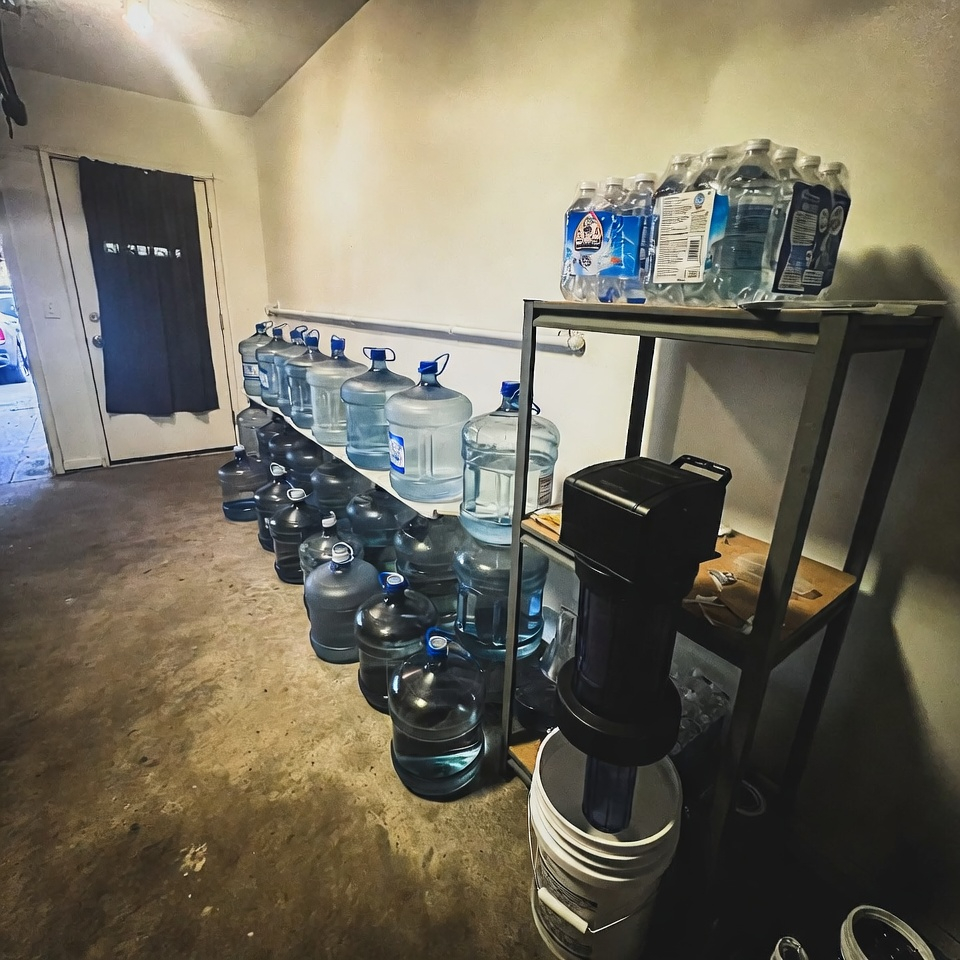
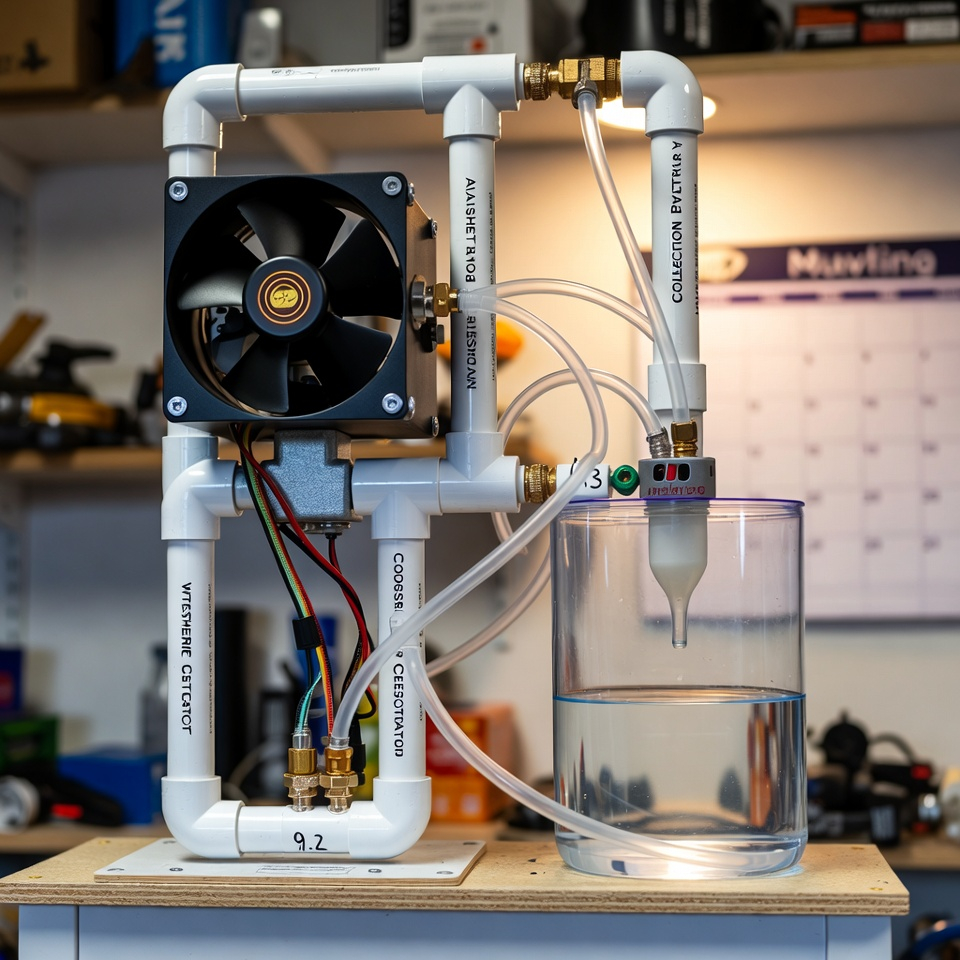
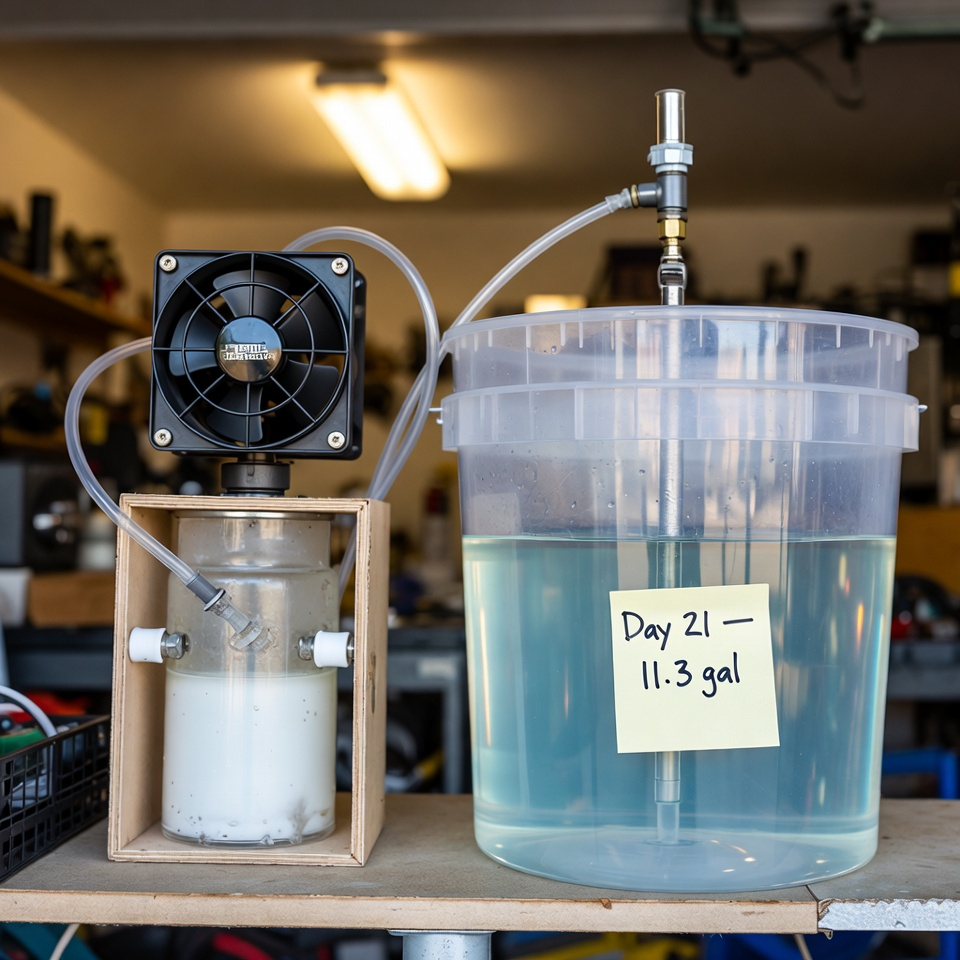
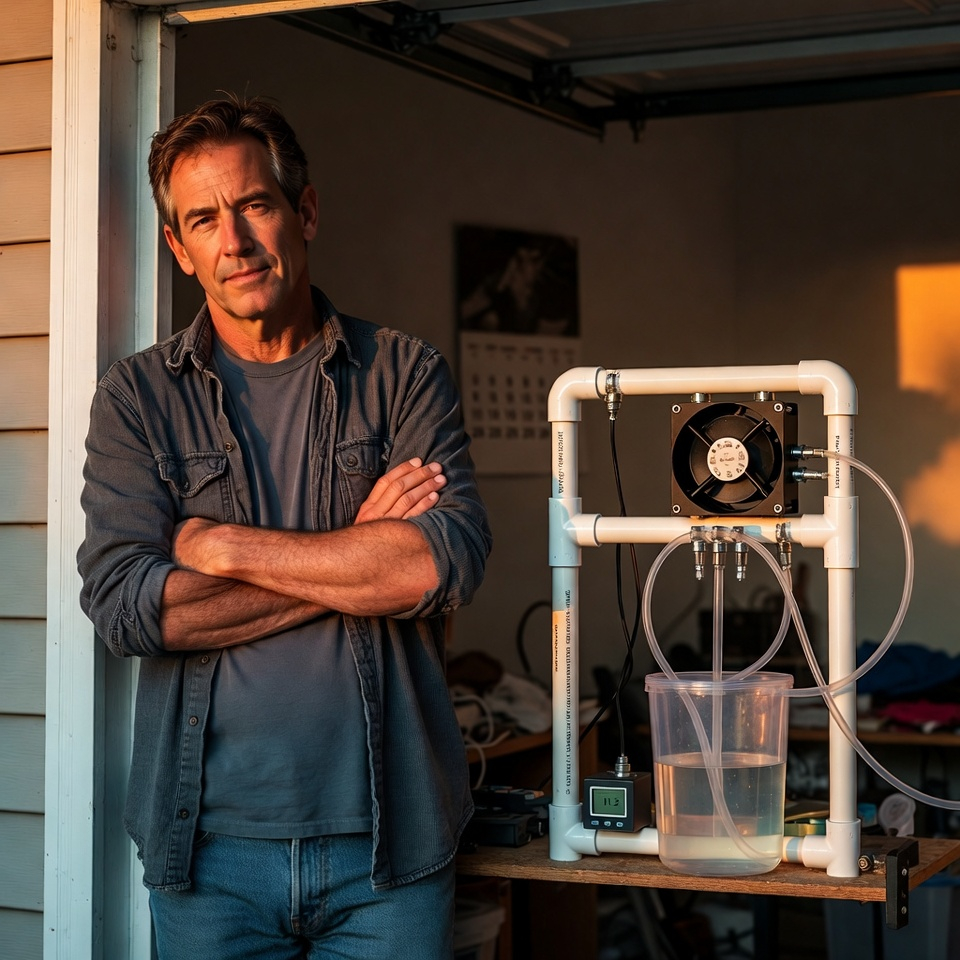
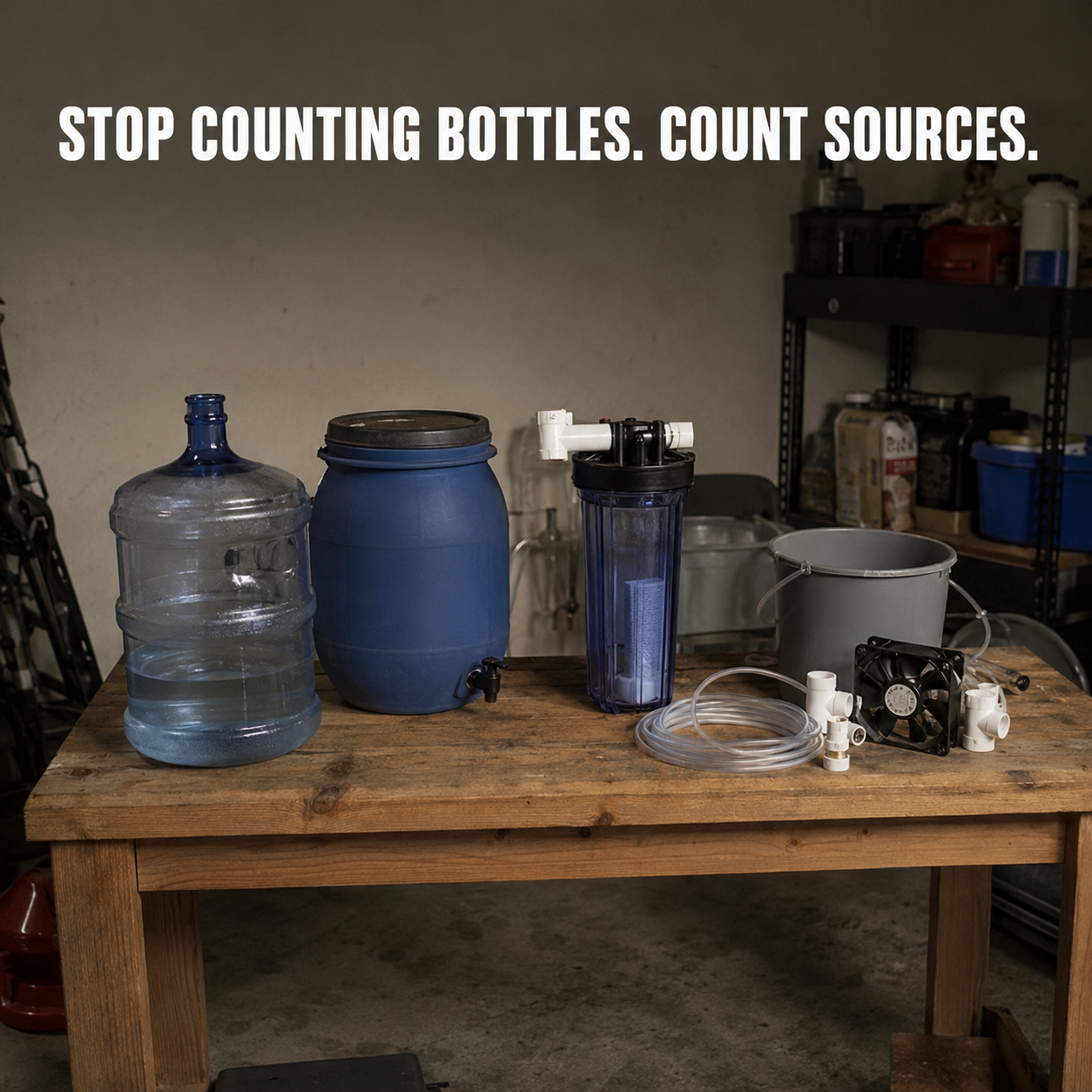
I stood in my garage at 11:42 p.m. counting water jugs like a man who had just found a crack in his own foundation. That was the first time I admitted it. I was not water independent. I was just better at hiding the fact that I still depended on someone else’s next gallon. I’m 47. Self-employed. I live outside town, keep my own tools sharp, fix what I can, and have spent 9 years cutting quiet little strings from my life. No HOA. No landlord. No city apartment. No one telling me when to mow, what to build, or how to live. At least, that’s what I told myself. Then I looked at the water shelf. Three blue jugs on the middle rack. Eight more stacked near the freezer. Two cases of bottled water behind a box of old extension cords. A filter on the bench. A rain barrel outside. A well pump I had paid $11,870 to install and repair over the years. From the outside, it looked like I had water handled. But when I actually counted it, the whole thing felt weak. Not because the jugs were useless. They were useful. Not because the filter was bad. It worked fine. Not because the well was a mistake. It was still the best money I had spent on the property. The problem was worse than that. Every part of my water plan depended on something I did not fully control. The jugs depended on what I had already stored. The filter depended on having water first. The rain barrel depended on weather. The well depended on the pump, the aquifer, power, parts, rules, and a system that could still put someone else between me and the water under my own feet. That was the part I hated. Because I’m the guy who tells people to stop waiting for permission. I’m the guy my brother calls when his generator won’t start. I’m the guy who keeps spare hose clamps in a coffee can because “you never know.” But water? The one thing nobody can go without? I had treated it like a checklist item. Buy jugs. Buy filter. Install well. Feel safe. Move on. Except I had not moved on. I was still doing the little rituals that prove a man does not trust his own plan. I wrote dates on bottles with blue painter’s tape. I checked the water shelf after storms, even when nothing happened. I kept buying one more case “just to top off.” I told my wife, “We’ve got enough,” then did the math again after she went to bed. I stood near the well house during a bad outage and listened for the pump like it was a heartbeat. That is not independence. That is managing fear with plastic containers. People say, “Just store more.” Tell that to the family of 4 that burns through 31 gallons faster than they thought because drinking is only one piece of it. People say, “Just get a better filter.” Tell that to the guy staring at a dry bucket, wondering what exactly he is supposed to filter. People say, “Rain barrels solve it.” Tell that to the man watching dry leaves blow past a barrel that has not caught anything useful in 23 days. People say, “A well means you’re off-grid.” Tell that to anyone who has ever had one pump, one pressure tank, one breaker, or one dry season remind him that “off-grid” still has weak points. That was the villain I had missed. Not one person. Not one company. Not even one law. It was the whole dependency stack. Every normal water answer had a string attached. A meter. A pump. A permit. A delivery truck. A storm cloud. A plastic jug. A utility line. A filter that still needed a source. Different gate, same fence. And once I saw it, I could not unsee it. It cost me money, sure. The well work. The filters. The tanks. The bottled water runs. The little parts nobody counts because they are only $18 here and $43 there. But the real cost was worse. I had built a life around being the man who could handle things, and I had left the most basic thing sitting on someone else’s terms. That night, I told myself the truth. I was done pretending stored water was the same thing as water freedom. I was not looking for anything new when I found it. That is probably why I paid attention. I was half-reading a long thread in an off-grid group. Same argument as always. Wells. Barrels. Cisterns. Filters. Bleach ratios. Storage rotation. Some guy bragging about 72 jugs in his garage. I almost closed the page. Then one comment stopped me. It said: “Stored water is not a source. It is proof you found water once.” I read that line 4 times. Under it, someone mentioned an old vapor-condensation setup I had never heard explained in plain English before. My first thought was simple. Sounds fake. My second thought was worse. If this was real, why had I spent years stacking every other water backup except the one that did not start with a tap, a well, a truck, or rain? I’m not someone who jumps at conspiracy talk. I trust tools, receipts, measurements, and things I can see with my own eyes. But the more I followed the thread, the more uncomfortable the logic got. Air has moisture. Condensation is real. Every cold glass on a humid day proves that. Every air conditioner proves that. Every dehumidifier proves that. So the question was not, “Can water come from air?” That was the wrong question. The real question was: can a normal person collect it, filter it, store it, and make it useful as another layer in a home water plan? That was when I found the 11:42 Vapor Source Blueprint. I still did not trust it. But I could not argue with the reason it should work. It was not another storage trick. It was not another filter. It was not another barrel waiting on weather. It was a way to think about the next gallon differently. Not “how much do I have saved?” but “what source do I have when the saved water is gone?” That difference hit me hard. I decided to try it. Day 1, nothing worth bragging about happened. I had parts spread across the bench, one fitting that did not match right, and a cheap fan that made a noise like a dying refrigerator. At 9:17 p.m., I almost packed it all back into the box. I felt stupid. Not because it was hard. Because I had let myself hope this might be the missing layer. Day 4, I saw the first hint. Not a miracle. Not some movie moment. Just clear moisture where I had not expected it to be. Enough to make me stop, lean closer, and say out loud, “Wait a second.” Week 2 was when it stopped feeling like a garage experiment. I had cleaned up the setup, fixed the bad fitting, and started tracking the output in a notebook next to the workbench. One morning, after a humid overnight run, the container held 41 ounces. Not enough to brag online. Enough to prove the point. The point was not that I had replaced every water source on the property. The point was that I had created water without opening a tap, pulling from the well, waiting on rain, or cracking open another jug. That is a different feeling. Week 3, my neighbor Dale came over to borrow a socket set. He saw the notebook, the jugs, and the little collection setup on the bench. I gave him the short version. He looked at it for maybe 12 seconds and said, “So this is the backup to the backup.” That was the line. The backup to the backup. That was what I had been missing. Not more plastic. Not another shelf. Not another way to clean water I already had. A separate layer. The first quiet victory came 6 days later. I was walking through the garage, carrying feed bags in from the truck, and I passed the water shelf without stopping. That sounds small. But I noticed it halfway to the door. For the first time in months, I had not paused to count. I had not checked the tape dates. I had not done the little fear math in my head. I just walked past. That was when I knew something had changed. Old me counted containers. New me counted sources. Old me tried to feel safe by stacking more of the same thing. New me started asking where the next gallon comes from if the first plan fails. That is the whole reframe. Most water plans are not different plans. They are the same plan wearing different clothes. Bottles store water. Jugs store water. Tanks store water. Cisterns store water. Rain barrels store water if the sky feels generous. Filters clean water after you already have it. Wells are powerful, but still one source with real failure points. None of that is bad. But none of it answers the deeper question by itself. Where does the next gallon come from? I cannot walk through the full blueprint here. There are a few parts that only make sense when you see them shown: the air intake, the condensation path, the collection point, the filtration step, the storage setup, and the small mistakes that make most DIY builds fail before they ever prove anything. But there is a short presentation that explains the 11:42 Vapor Source Blueprint from start to finish. It shows why stored water alone is a fragile plan, why a filter is not a source, why wells and barrels still have weak points, and how this overlooked water layer fits beside what you already have. I do not know how long they will keep the presentation easy to access. A setup that makes people think differently about water, storage, utilities, and control is not exactly something the normal system benefits from spreading. And I am not saying this should replace every other water plan. That is not the point. The point is adding one more source before the day comes when you wish you had. If you have ever looked at your jugs, your well, your filter, or your rain barrel and quietly thought, “This still does not feel complete,” it is probably worth 12 minutes of your time.
How I Found The Next Gallon Using A Strange Vapor Blueprint — Without Drilling Another Well
Answer 5 questions. We'll show you exactly which solution you're missing — and why everything else you've looked at was still inside someone else's system.
SEE DETAILSLike this ad? Make it yours.
Crush rebuilds this exact creative around your product — your brand, your colors, your offer — in about a minute.