Bohobed
Bohobed Facebook ad: “Only 50 Left”
Ran for 69 days, from May 9 to July 17, 2026, the last day Crush saw it.
Run by Bohobed on Facebook. Crush is not the advertiser and does not verify its claims. See this ad in Meta's Ad Library(opens in a new tab)
Want an ad like this for your product?
Crush makes new ad images for your product from this ad: your logo, your product photo, your offer.
Trials from $19.95 USD, then $79.95 USD a month. Cancel anytime.
About this ad
- Meta Ad Library ID
- 1278444397782394
- Platforms
- Facebook, Instagram, Audience Network, Messenger and Threads
- Relaunches
- 0
- Niche
- Travel & Events
Ad text
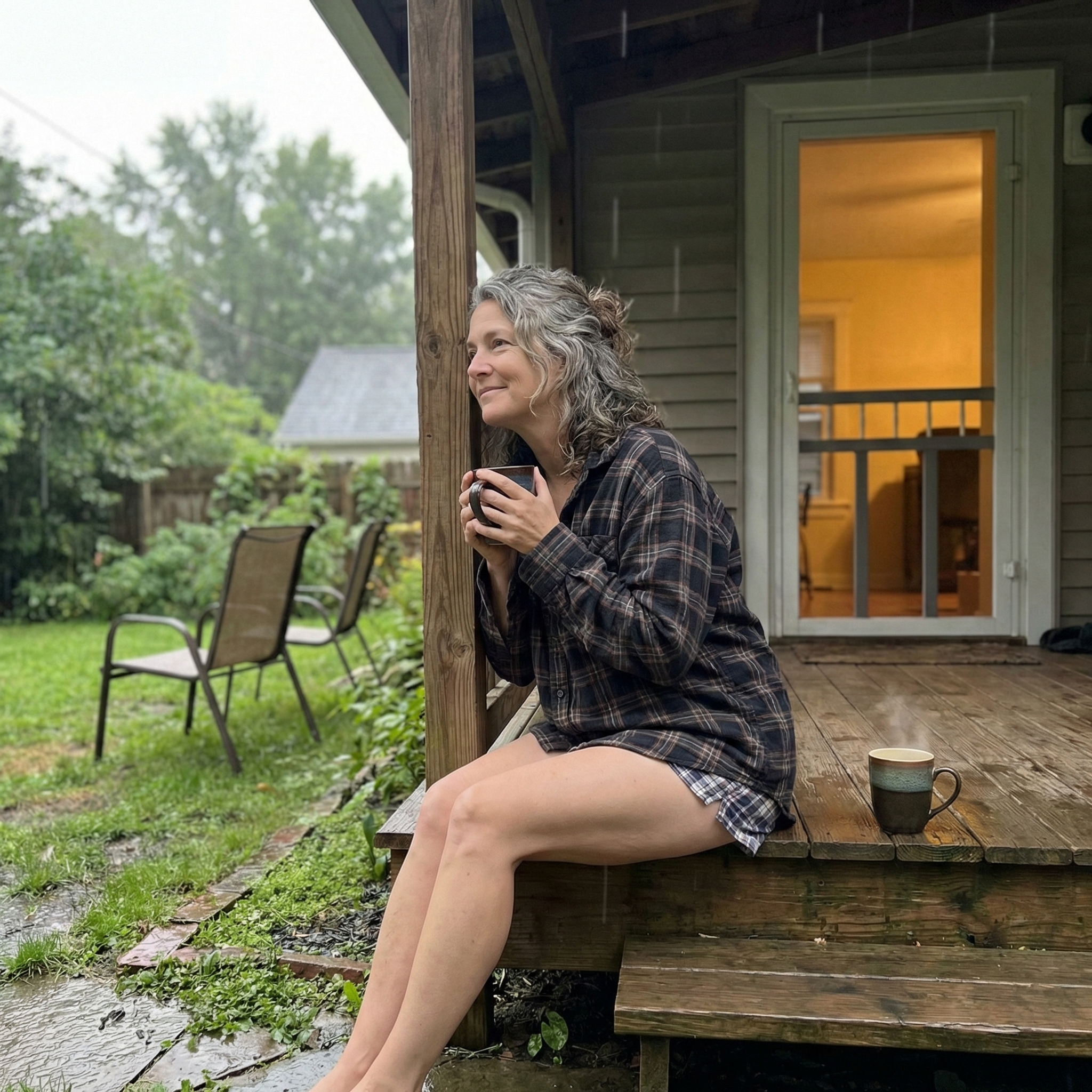
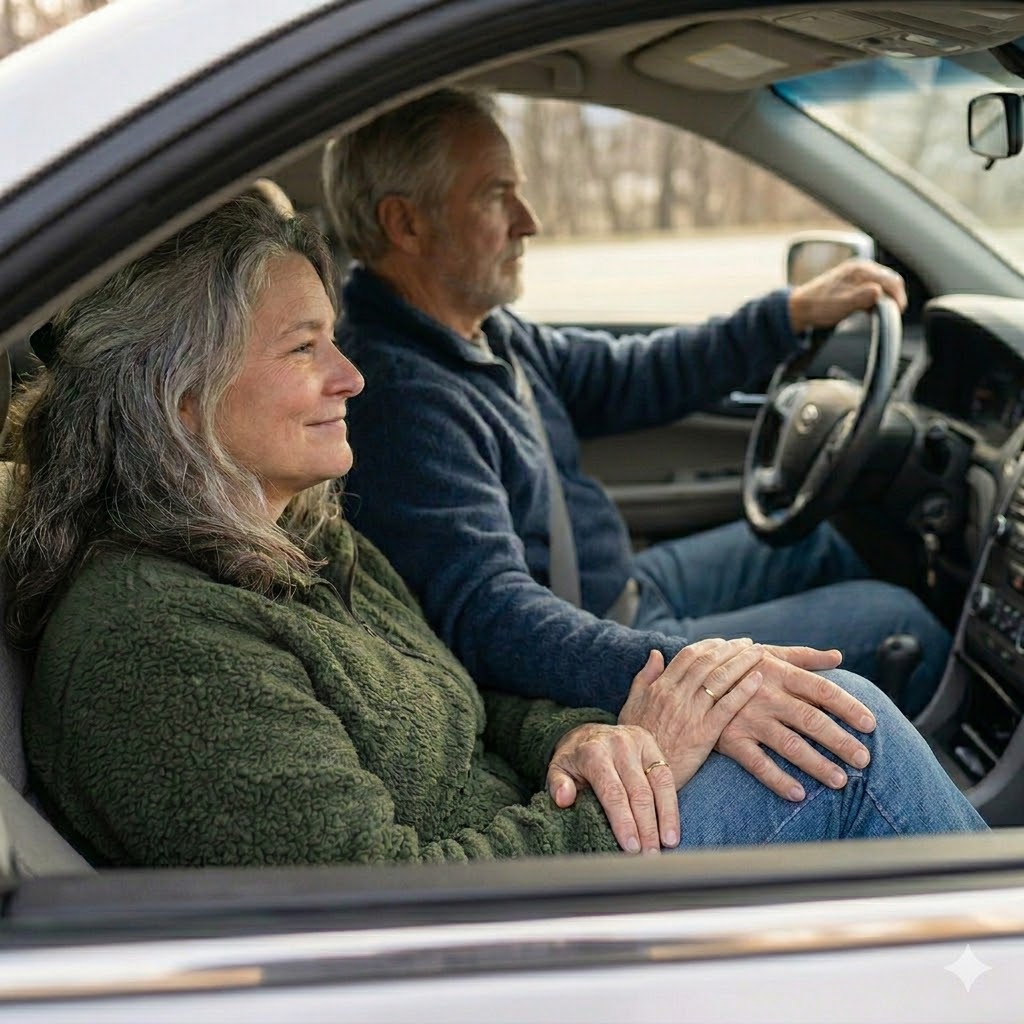
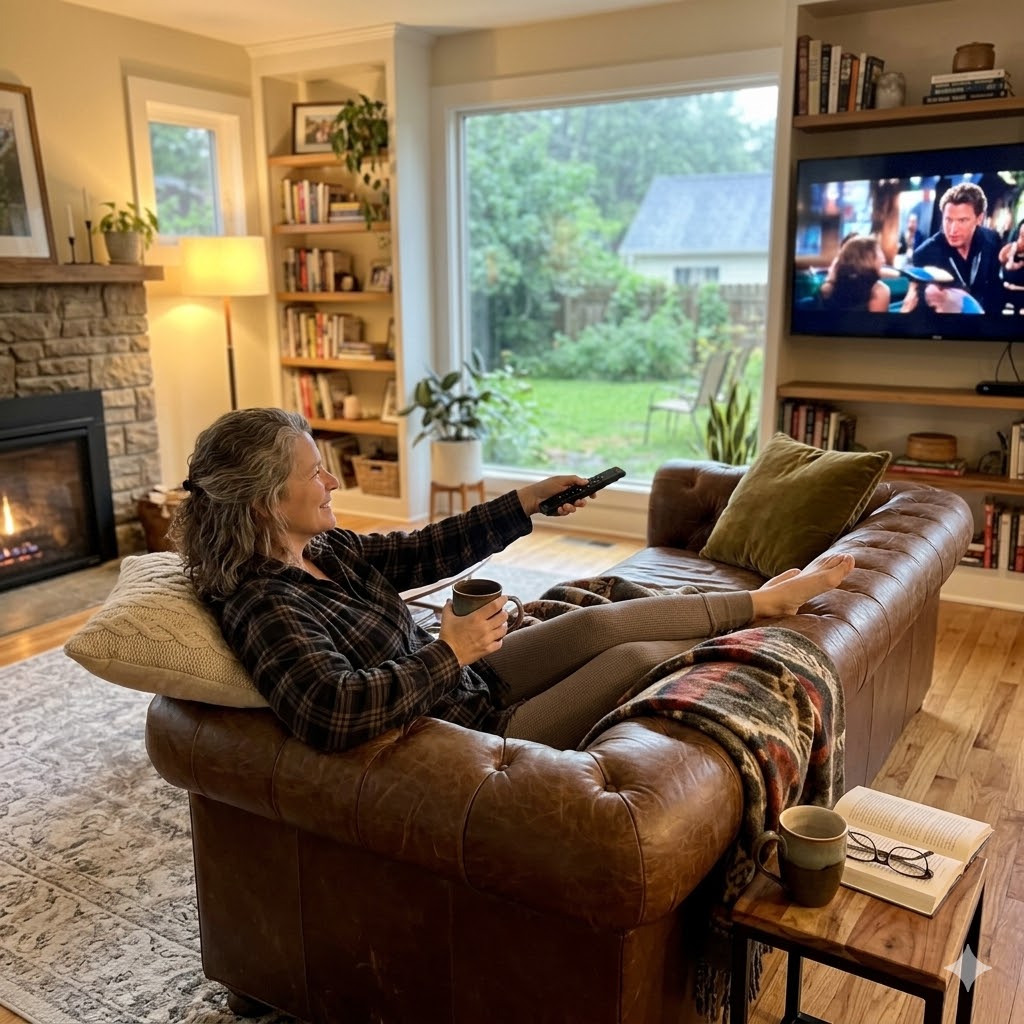
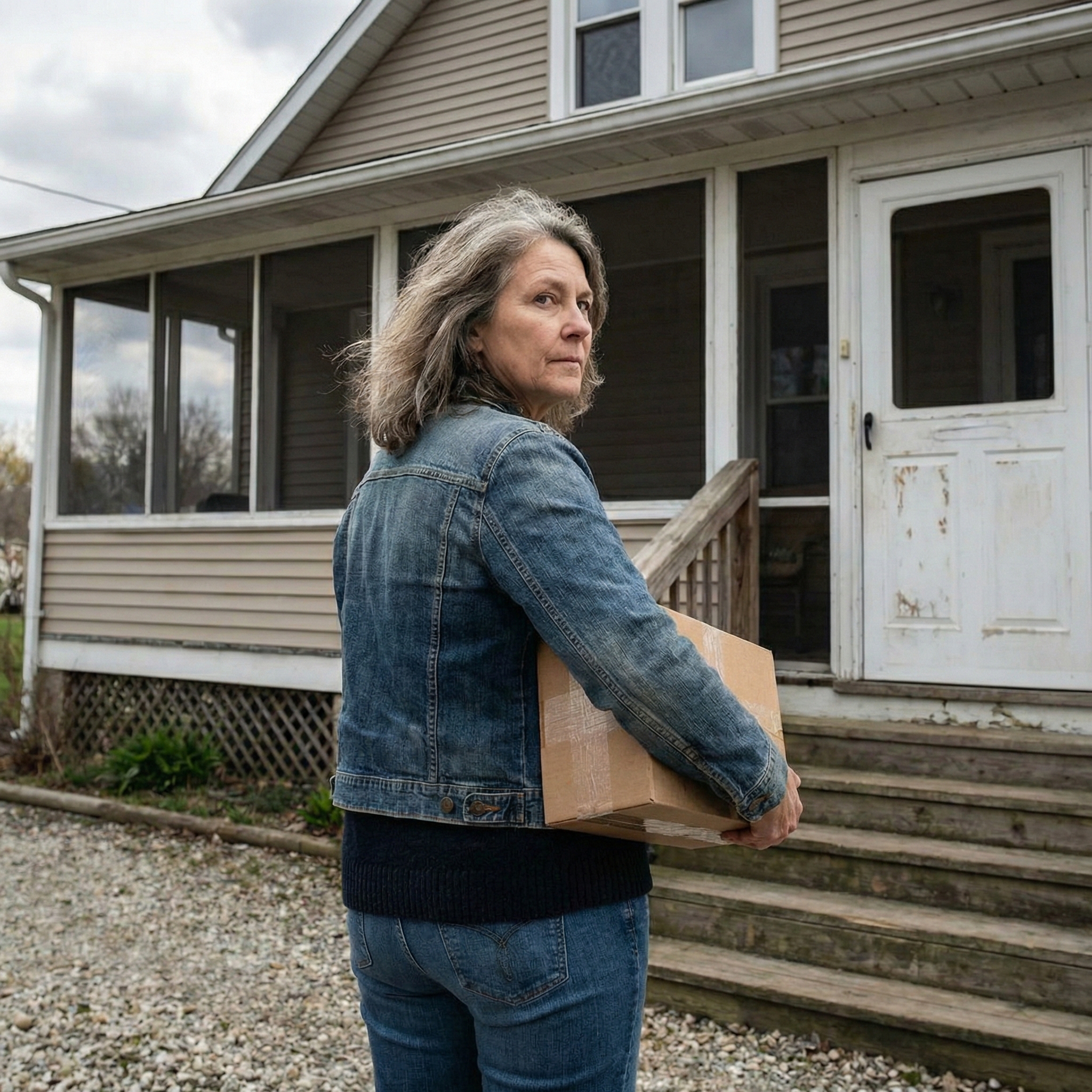
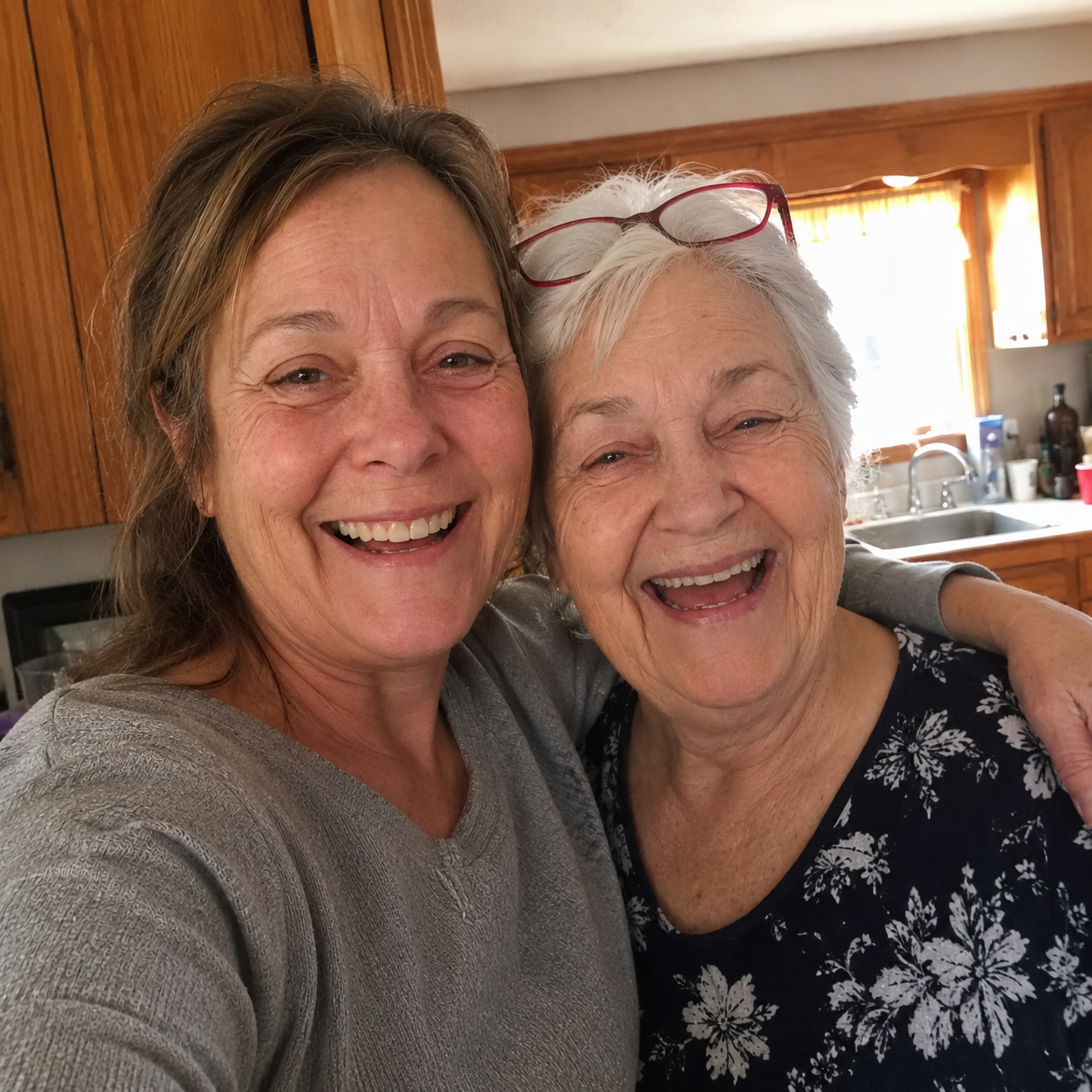
My mother-in-law and I spent 22 years barely speaking. I moved into her house for six weeks after her surgery. And somehow she gave me my marriage back. I’m Margaret, I’m 56. My mother in law, Frances had her hip replaced on a Thursday in March. Greg called me from the hospital parking lot. She'd be in recovery through the weekend. The surgeon wanted someone with her full-time. She lived alone. The house had stairs. Greg is the only son. His father died ten years ago. There is no one else. "I know what I'm asking," he said. "I know you do," I said. I packed a bag and drove forty minutes south. Here is what 22 years with Frances looks like. She remembers everything. She never says it to your face. She has views on how I run my house, raise my children, load my dishwasher and she says all of it with silence. I spent ten years trying to figure her out. Then ten more just getting through it. The first Christmas after Greg and I married, she said "Well, you did your best with what you had" about the ham I'd cooked and meant it as a compliment. I stood in her kitchen holding a serving spoon, not sure whether to laugh or cry. I decided right then that she and I were never going to get along, and that was that. Twenty-two years later I knocked on her front door like a visitor. Her house smells like cedar and something floral I've never put a name to. It smells that way every time. A hospital bed had been delivered to the downstairs study. She was already in it when I arrived, propped on two pillows, reading glasses halfway down her nose, a book open on her chest. Glass of water on the nightstand. Her medications sorted into one of those weekly pill organizers, every little door lined up just so. She looked up when I came in. "You don't have to treat this like a vigil," she said. "It was a hip replacement." "I know that, Frances." "Guest room is made up. Towels in the hall closet. Second shelf. Not the top shelf." "I know where the towels are. She went back to her book. I took my bag upstairs. In the bathroom: a linen hand towel hanging perfectly straight, a glass soap dish with a small bar of something that smelled like bergamot. The first week, I felt like I watched the whole time. Even when she wasn't looking. Frances doesn't stare. But she notices everything. Living in her house with just the two of us felt like being in a room with someone who is very quietly keeping score. I made her meals on schedule. I drove her to the follow-up. I helped with the things she couldn't manage and pretended not to see the things she could. She thanked me the way you thank someone you had to ask. We didn't fight. We never fight. We just move around each other. Careful. Like we always have. I slept in her guest room. Small. East-facing window. A dresser with a round mirror. An old framed photo on the wall Frances and Greg’s father. Both young. Laughing at something I couldn't see. The bed had a comforter on it. Cream-colored. A raised tufted pattern across the whole thing, each section separate. It looked like it would take up all the air in the room. I didn't think much of it. I turned the lamp off. I wasn't expecting to sleep. I woke up at 6:41am with no memory of closing my eyes. Night three I woke up at 2:23am. The heat that starts in my chest and spreads. the one I've been waking up to for six years. I know exactly what follows. Covers off. Ceiling. Damp sheets. Freezing twenty minutes later. Lying there counting the hours until the alarm. I pushed the comforter to my waist. The air moved over my arms and the heat started backing down fast. Not slowly. Fast. I waited for the cold to follow. The shivering. The lying on damp sheets with nothing covering me because everything covering me makes it worse. My legs were still under the comforter. The weight on them was quiet. Settled. Not hot. Just there. I don't know when I went back under. Two hours if I sleep now, three if I don't, whether it's worth getting up for tea and then it was 6:38am and the window was light and I was on my side facing the wall. I lay there for a moment. Six years. That had not happened once. You know what six years of that does. You stop expecting the night to go any other way. You get through each day on whatever you pulled together from the day before. Four hours. Five if you're lucky. You get through the day. That's it. You stop asking for more. Some mornings you feel like a ghost moving through your own house. You walk through the rooms. You show up for everyone who needs you, the kids, the husband, the job, the calendar and there is nothing left when you finally sit down at the end of it. You are doing all the right things and none of it feels like yours. Your brain slows down. You lose words mid-sentence, cover with something close enough, and no one notices except you. You used to be quick. You used to be the one people called when they needed someone to think fast. Now you're three seconds behind everything and just keeping up. You stop doing the things that used to make you feel like yourself. Not all at once. The way a room gets dusty, no single moment you can point to. One day you look up and realize you haven't cooked a real dinner in months. Haven't called the people you used to call. Haven't reached for your husband in the dark in years. Can't remember clearly when you stopped wanting to. His side of the bed. Your side. The cold strip between you that neither of you talks about anymore because you both already know. He stays on his side. You stay on yours. You tell yourself this is what long marriages look like eventually. You stop checking whether he minds. The thing nobody tells you: exhausted people don't reach across the bed. They protect what little they have left and call it being reasonable. They manage the marriage instead of being in it. They go through the motions and call that enough, because enough is all they've got. Frances was already in her chair when I came downstairs the next morning. She looked up. "You slept," she said. "How do you know?" "You look like you did." She set the book down on her knee. "You've looked like you hadn't in years since you got here." I stood in the doorway. "That comforter in the guest room," I said. "Where did you get it?" Something moved through her face. Not surprise. More like she'd been waiting for someone to ask. "Sit down." I sat. "How long?" she said. I opened my mouth to say I don't know what you mean. I didn't. "Six years," I said. "Since menopause. I wake up soaked at 2am. Then freezing. Then the ceiling until the alarm." She nodded once. Like she already knew. "I had four years of that after Harold died," she said. "Different cause. Same result." Twenty-two years and I hadn't known that. "My doctor suggested pills. I didn't take them." She folded her hands in her lap. "A woman from my Wednesday group mentioned this comforter for two months without stopping. I ordered it so she'd have nothing left to say about it." That was so exactly Frances I almost laughed out loud. "First night I pushed it off in my sleep and pulled it back without waking up. Didn't know I'd done it until morning." She looked at me across the room. "It looks like it would be too much. Heavy. But pick it up and it's almost nothing. lighter than you'd think.” “The whole thing is made to let air through. Your body heats up, you push it to your waist, you cool down fast, and it's still there when you need it back. No fighting it. No lying there freezing waiting to warm up again." I thought about 2:23am. The weight staying on my legs while the rest of me cooled. Going back under before the thought was finished. "I've tried cooling sheets," I said. "Woke up drenched anyway." "Synthetic," she said. "Seals everything in. You're sleeping inside something that traps the heat against you all night." A pause. "This breathes. When your body runs hot month after month and nothing stops it, your skin starts to treat warmth like a problem. Even warmth it used to want. You pull away from your husband in the dark and you don't even know you're doing it." She paused. "You think it's the marriage. It isn't." She picked her book back up. "Once it stops, the pattern breaks. It takes a few weeks. Then it resets." I sat with that. Six years of thinking something in me had gone cold. That we had just grown apart and I'd missed when it started. I wasn't cold. I was trained to flinch. And trained things can be untrained. I ordered it that afternoon. Sat in Frances's kitchen while she napped. Small site, real photos of real beds. The comforter draped past the mattress on all sides in every photo, the tufted pattern catching the light the way it did in the guest room. King in oatmilk. Three left. I ordered before I could think about it. The next four weeks settled into something I hadn't expected. Frances needed more from me as the weeks went on, not less. The hip healed unevenly. Some mornings she couldn't get down the stairs. Couldn't stop counting every step before she moved. On those days she got short with me. Not mean. Just short. She'd spent her whole life not needing anyone. She hated that she did now. I stopped taking it personally somewhere in week three. That tight feeling I'd had since I pulled into her driveway started to ease. The constant waiting for her next correction. She always wrapped them in a nice voice that was the part that made them hardest to shake. I slept seven hours. Then seven and a half. The 2am heat came on schedule and I pushed the comforter down and cooled off and went back under without waking up. I got up at 6am. One morning I found a cookbook on the kitchen counter, pages soft at the edges from years of use, her mother's handwriting in the margins in pencil. I was reading it when Frances came in on her walker. "That was my mother's," she said. "I know. I just picked it up." She looked at it in my hands. "She made the lemon cake on page 43 for every birthday in this family from 1961 until she died. I never learned it." A pause. "I kept telling myself I had time." I looked up at her. "I could try it," I said. "While I'm still here." She looked at me for a moment in a way I had never seen in twenty-two years of Sundays and holidays and Christmases. "The zest matters," she said finally. "Most people skip the zest." Greg came the third weekend. Stayed two nights, took his mother to her appointment on Saturday, sat up later than usual with her in the living room while I read in the kitchen. Sunday afternoon I was at the counter when I felt him stop in the doorway behind me. I turned around. He was standing there with his arms crossed and a look on his face I recognized from a long time ago. The kind that makes you feel seen, in a good way. I hadn't seen that look in at least four years. Maybe closer to five "What?" I said. He shook his head slowly. "You look like yourself again." "Greg." "You do." He said it quietly, like he wasn't certain I'd want to hear it. "I forgot what that looks like. I forgot you had that in you." He came in and stood next to me and put his hand on my back. Just held it there. In the living room, Frances turned a page. My comforter arrived at home three days before I left. Greg texted a photo when the box showed up. I texted back: don't open it, I'll be home Thursday. Thirty seconds later: it looks heavy. I told him to leave it alone. I drove home Thursday. The house looked the same. I pulled the old comforter off the bed, folded it into the closet, and opened the box. I expected it to be heavy, the way it had looked draped across Frances's guest bed, like something with real weight to it. In my hands it was almost nothing. Lighter than I thought. It draped past the edges on all sides. The afternoon light hit the tufted pattern and each raised section threw a small shadow. It looked like it had always been there. That night I slept eight hours. Second night, same. Third night 2:11am, the heat arrived. I pushed the comforter to my waist. The air hit my arms and the heat backed down in minutes. I was back under before the thought finished. By the end of that first week, something had changed. I got up before Greg. Made coffee. Stood in the kitchen in the early quiet and didn't need it to be over. I hadn't felt that way about a morning in years. I cooked real dinners again. I cleaned out the hall closet on a Saturday for no reason at all. I called my friend Gwen. She'd been on the list of people I meant to get back to, the list I never got through. Greg noticed before I said a word. He stopped going to bed first. Started finding reasons to be in whatever room I was in. One evening I was at the bathroom mirror and he came to the doorway and just stopped, hands in his pockets, watching me in a way that made me put the brush down. "What?" I said. He came in and stood behind me, hands warm on my arms, both of us in the mirror. The way he used to look at me when he was proud of something just proud, no reason needed. He stayed there. I didn't do anything differently. Didn't change my hair. Didn't lose weight. Didn't change a single thing. I just slept. And whatever it is that drains out of a woman's face when she's been running on nothing for years. it came back. Greg saw it before I could name it. I called my friend Gwen on a Tuesday evening and told her all of it. Frances's house. The guest room. Six years of 2am ceilings and damp sheets and lying there waiting for morning. The way the heat just handled itself and let me go back under. Greg in the kitchen doorway on a Sunday afternoon. When I finished she was quiet for a moment. "Send me the link," she said. "Gwen—" "Margaret. Right now." I sent it. She called back eight days later at 7am. "I haven't slept like that since I was 47," she said. "I forgot my body could still do that." Then: "The queen in oatmilk is sold out. How does something sell out this fast." "They only make so many at a time," I said. "When a color goes, it's months." "I got the last one in a different color. I ordered while we were talking. Don't say anything." I spent six years thinking the problem between Greg and me was everything that had built up. The long marriage. The constant tension of having Frances always just off to the side of it. The feeling of never being quite good enough for her. I was wrong about almost all of it. I felt like a zombie… past the point where you can name it or explain it to anyone who isn't in it. And when you're that tired, you can't be kind to anyone. You hold onto whatever you have left and call that good enough. I had nothing left to give Greg because I had nothing left, period. And I had nothing left because I hadn't slept right in six years and I'd stopped thinking that could change. It wasn't the marriage. It wasn't Frances. It wasn't the twenty-two years. I was fighting my bed every single night. And when you lose that fight every single night, everything else starts to look broken too. It wasn't broken. It was exhaustion dressed as something to blame. Frances died in November. I went to the service with Greg with family, the neighbors, the women from her Wednesday group. A full room. More people than I'd expected for someone so quiet. I sat next to Greg the whole service. He held my hand from the first hymn until the last. At some point I looked over at him. He was crying quietly. Not hiding it. The way you cry when you've had time to get ready for it. I reached over and put my hand on top of his. He turned his palm up and held on. I didn't let go until it was over. She'd been in my corner the whole time. She just had no idea how to show me until she did. I still sleep under that comforter. Every night. Whatever it is you've been blaming for the last few years. check underneath it first. It might just be exhaustion. And exhaustion has a fix. Your move.
Where the ad sends people
shayla.co
Only 50 Left
Shayla
Shop now: shayla.co(opens in a new tab)