
Inactive· since Mar 9, 2026
- 21
- days it ran
- 0
- relaunches
Ad copy
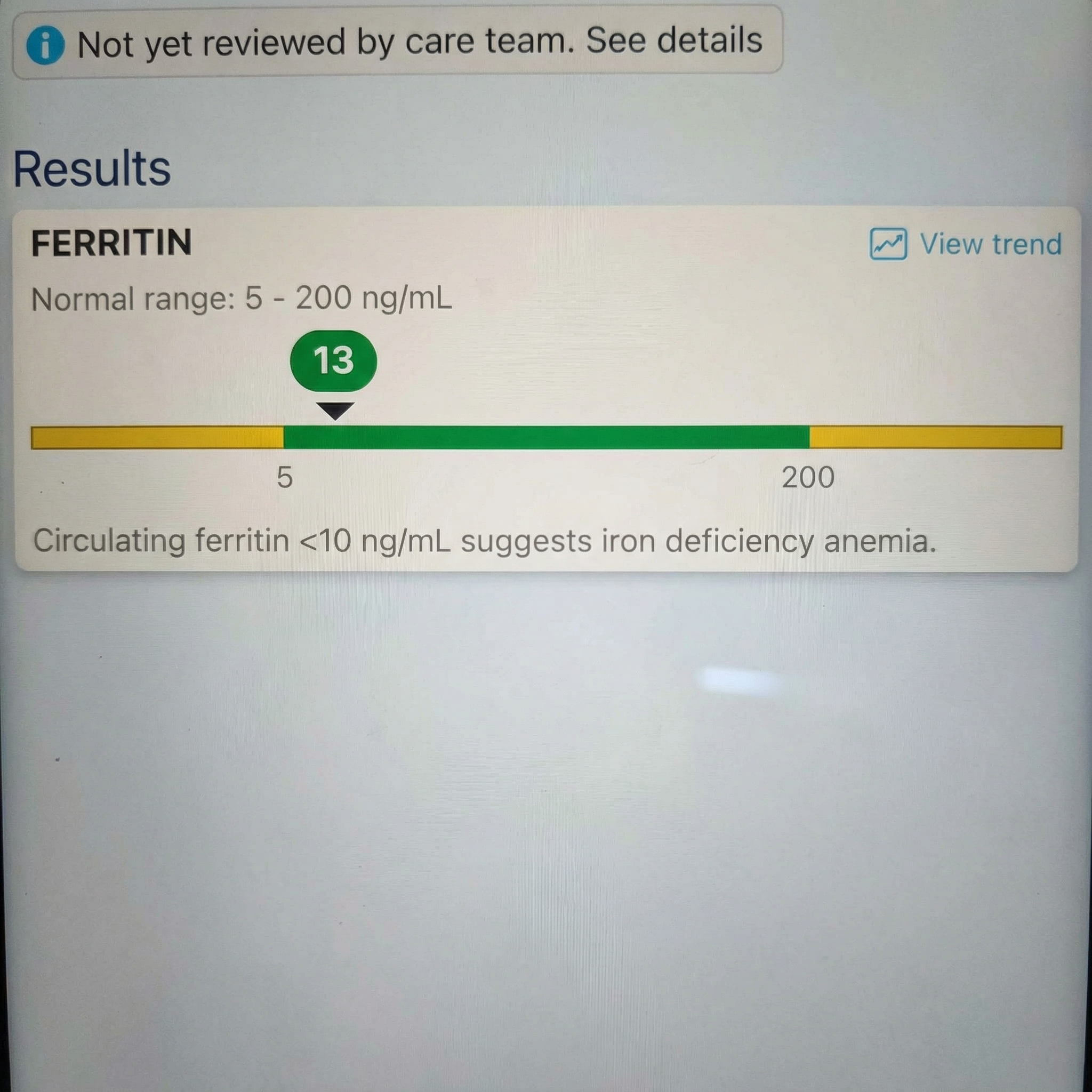
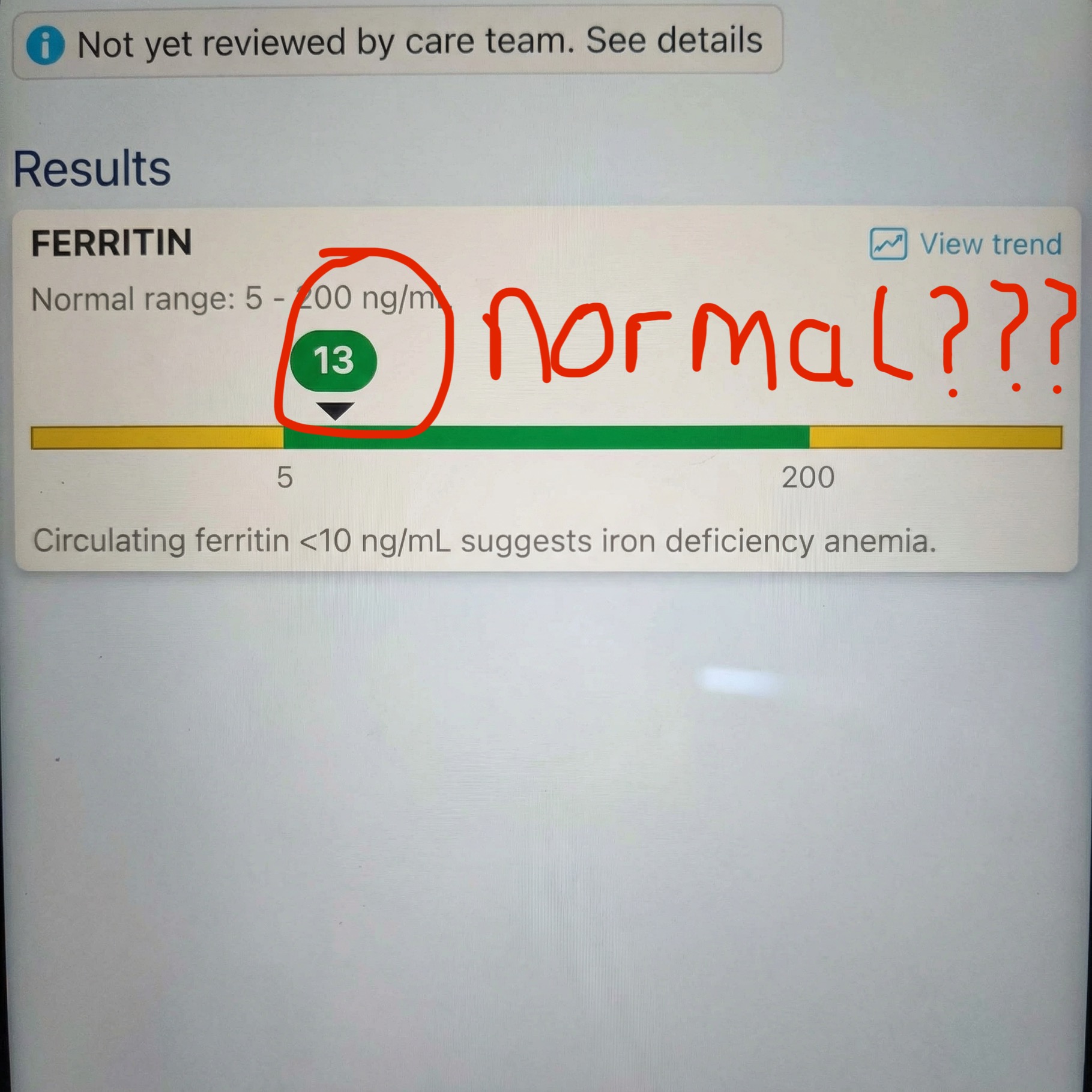
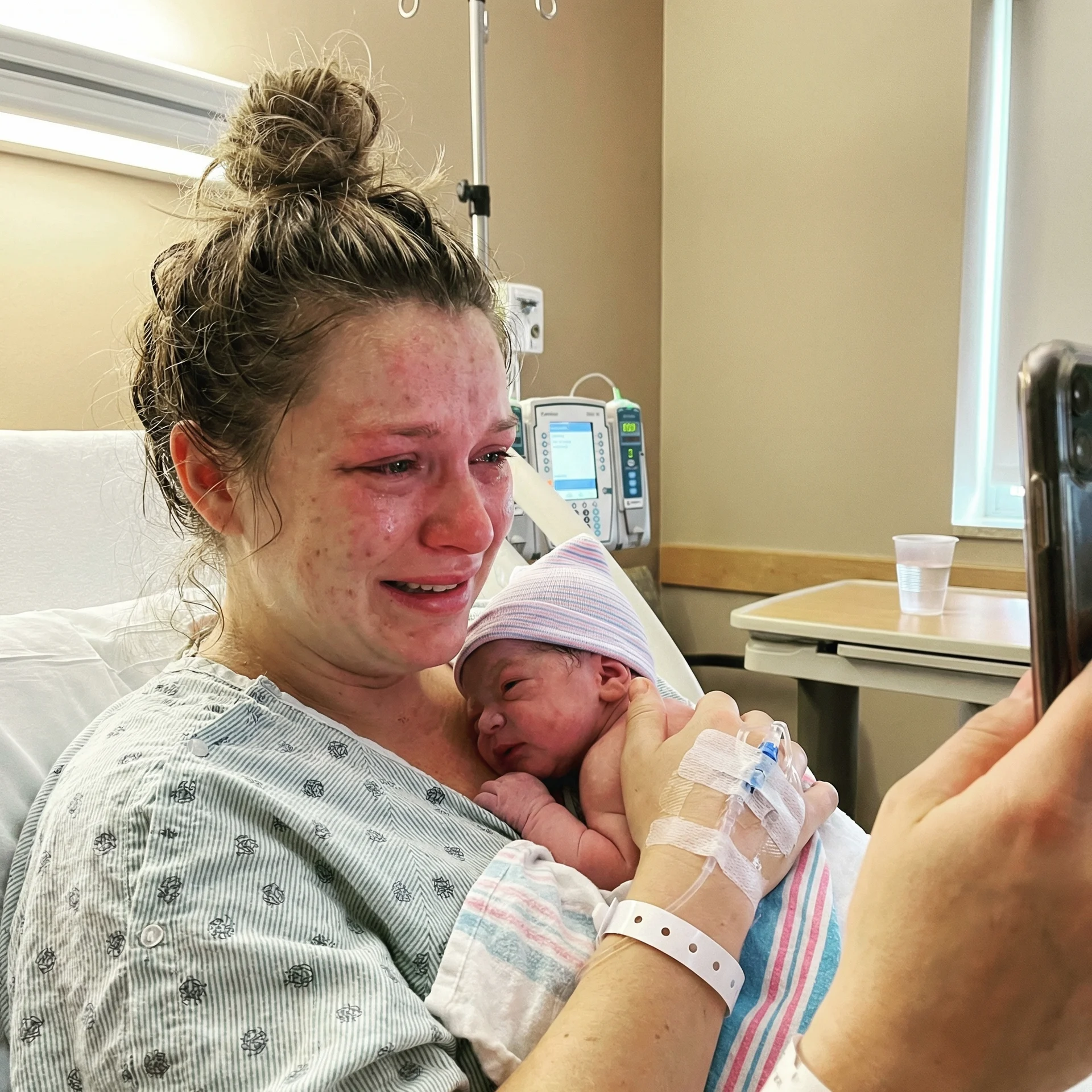
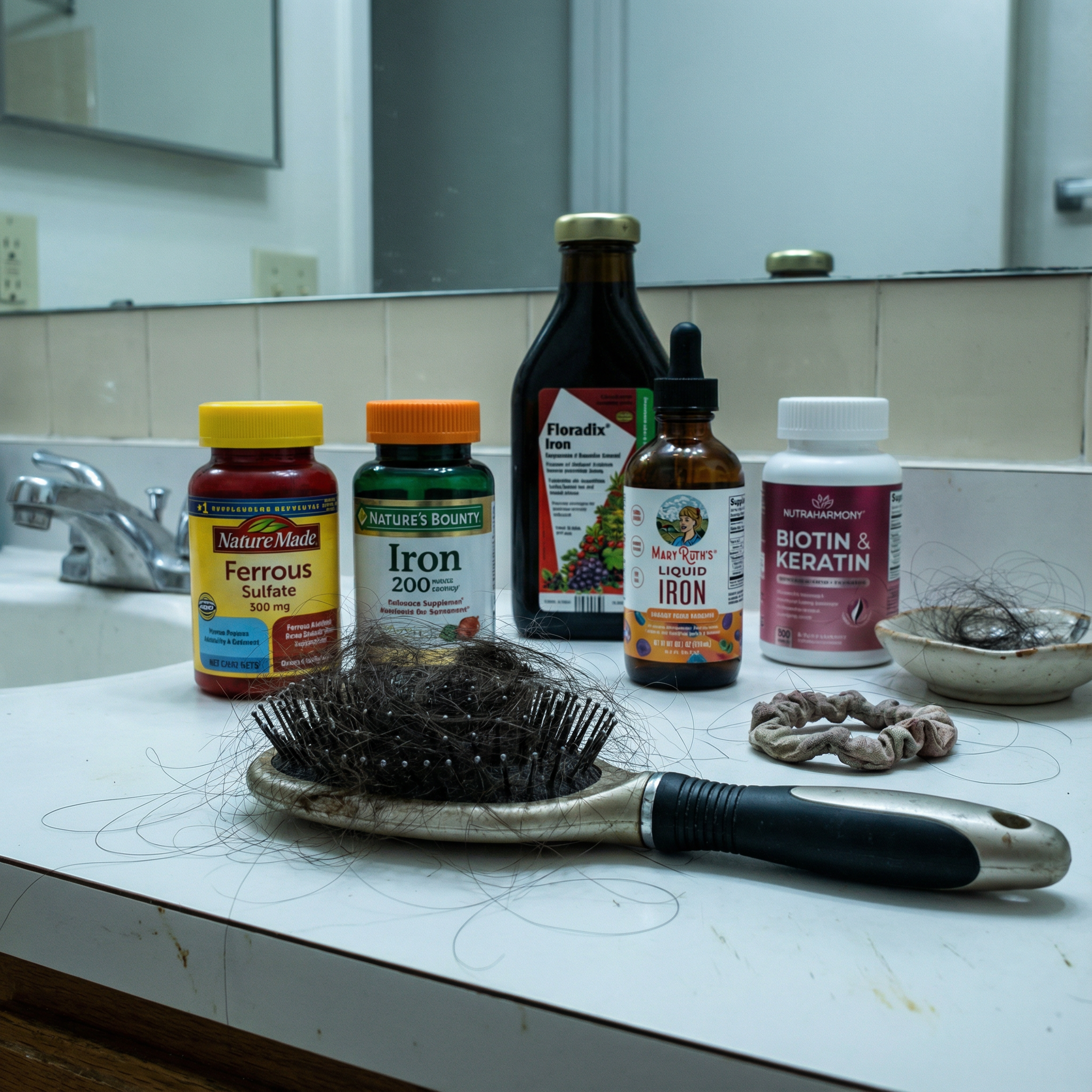
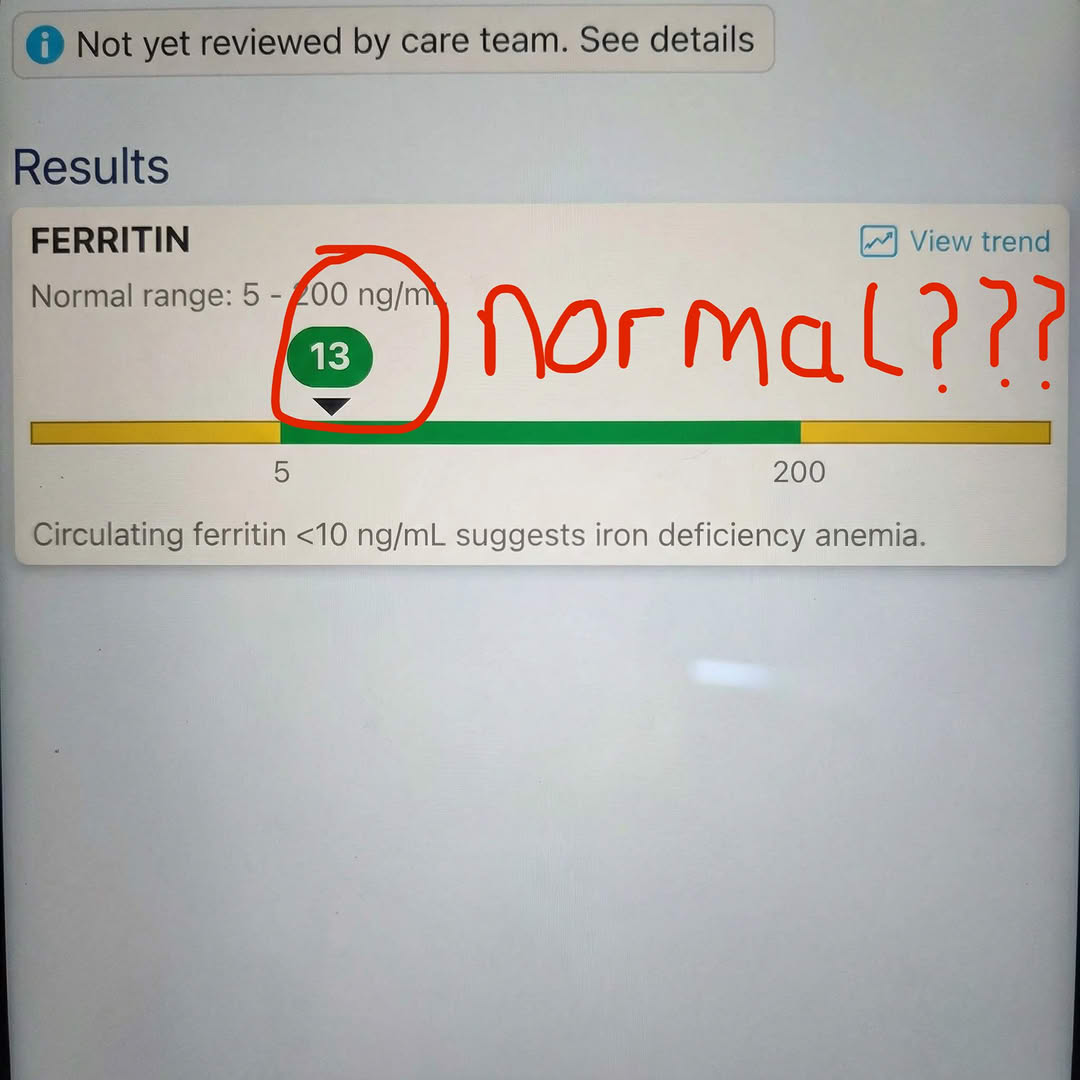
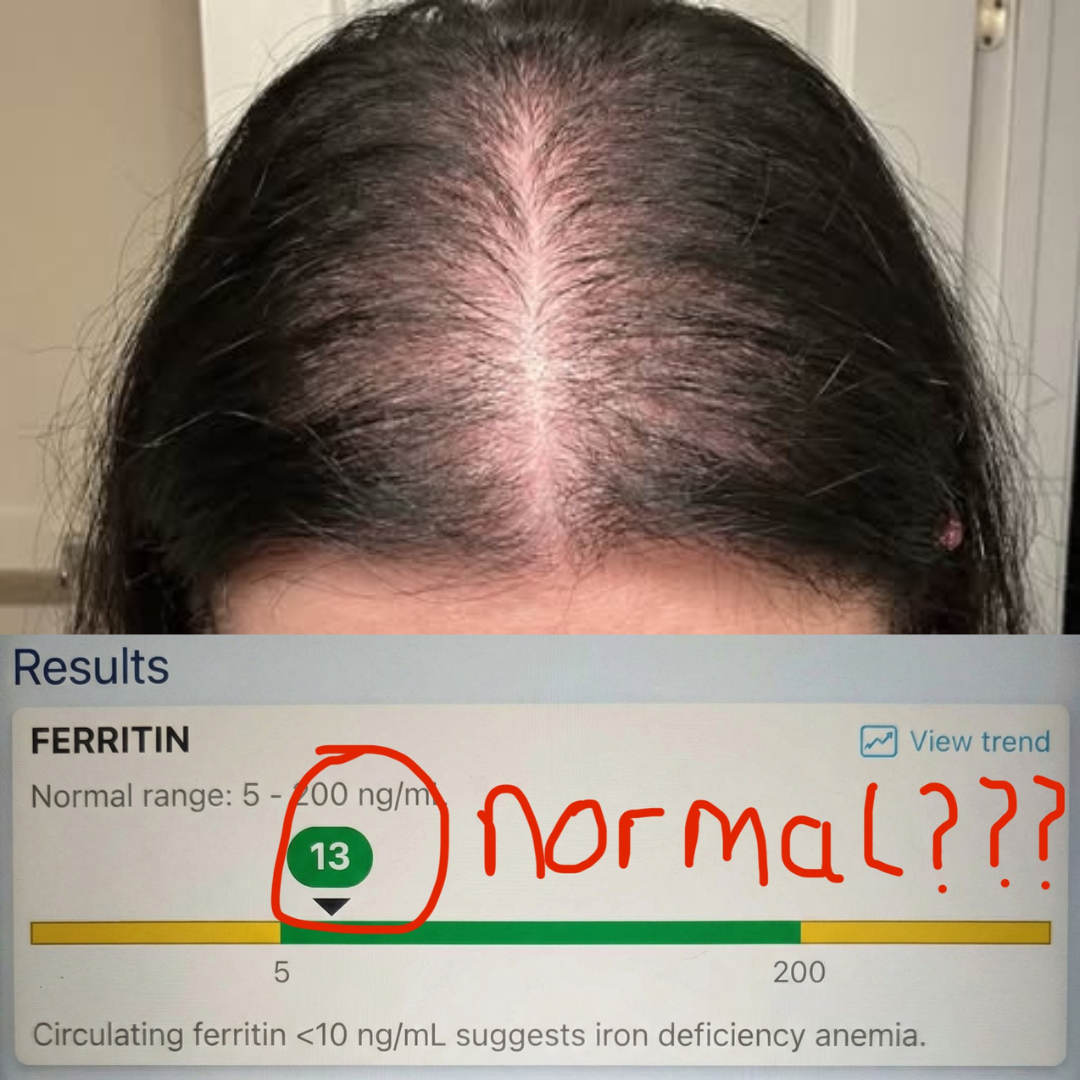
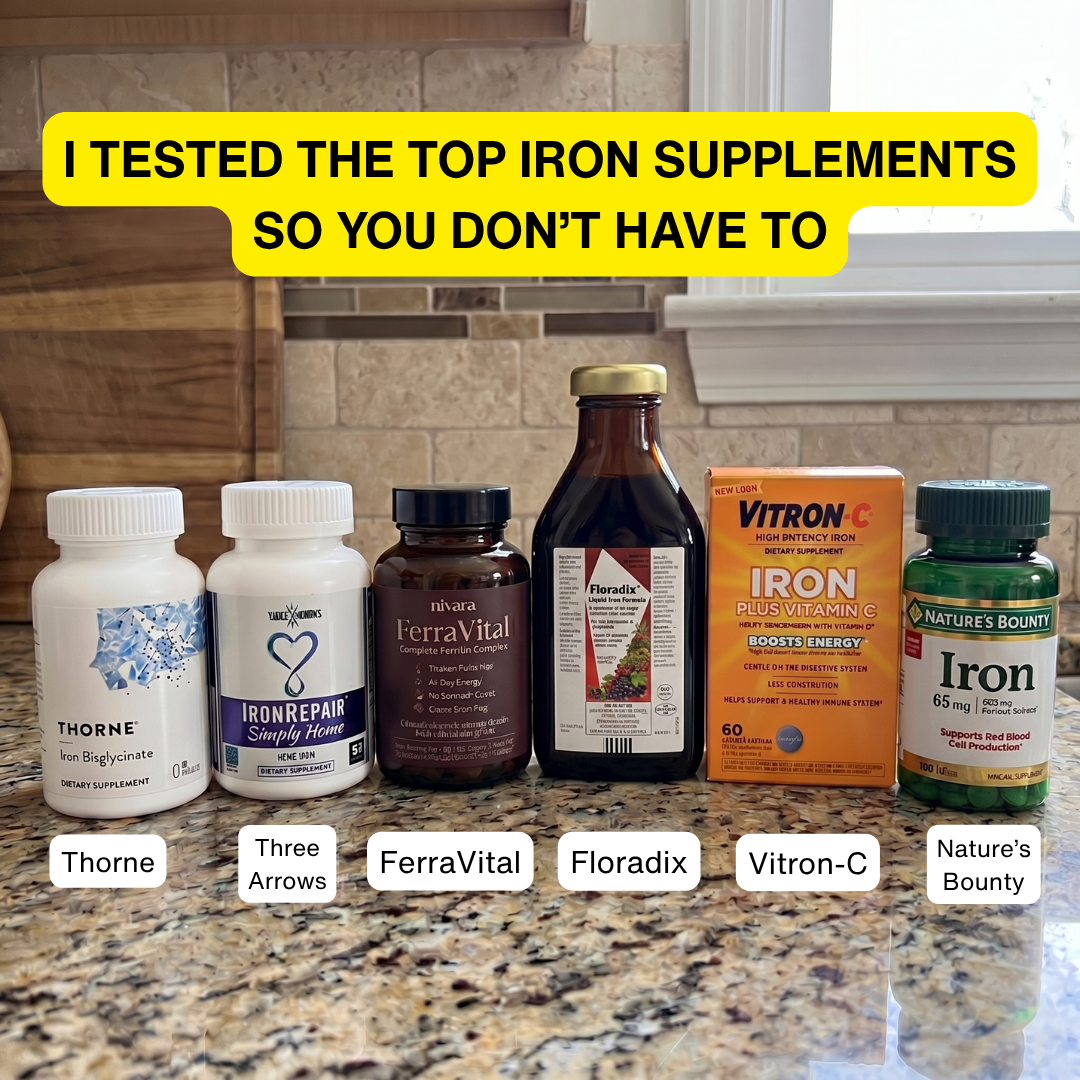
I've been a nurse at a medical weight loss clinic for 14 years. I've started thousands of women on Ozempic, Wegovy, and Mounjaro. Handed them their prescriptions. Gone over their injection schedules. Explained what to expect with appetite and nausea. Watched them leave the office hopeful and excited to finally have something that works. And there's something I tell my own family members that I'm not officially supposed to tell patients. It's about what happens around month 4 or 5. See, clinics have protocols. We have approved counseling topics. We have specific things we're trained to cover during those first appointments. Injection technique, dietary adjustments, hydration, protein goals—all of it scripted, all of it documented, all of it important. But there's a gap in that protocol. A big one. Nobody talks about ferritin. Not in the official medication counseling. Not on the lab monitoring schedule. Not in any of the handouts we give patients when they walk out the door. And yet, within four to six months of starting these medications, a significant number of women are going to experience something that devastates them. Their hair starts falling out. I've watched it happen for years now. Women come in for their follow-up appointments. They've lost 30, 40, 50 pounds. They should be celebrating. And then they mention the hair. I've seen women pull out their phones to show me photos of their brushes. I've seen them break down crying in the exam room. I've seen the ones trying to hide it with headbands and hats, hoping nobody notices how thin their ponytail has gotten. Once, I had a patient come in for her 6-month follow-up absolutely devastated. She'd lost 55 pounds. She looked incredible. But she could barely look at me. "I can see my scalp through my part," she said. "I've tried everything. Biotin, collagen, that expensive Nutrafol stuff. Nothing's working. I don't know what's happening to me." I wanted to order the test I knew she needed. But our standard protocol doesn't include it. That conversation stayed with me for months. Here's what I understand that most patients don't: These medications suppress appetite dramatically. Most patients eat 30-40% less than before. Some days they barely eat at all. That means dramatically less iron coming in. But it's worse than just eating less. GLP-1 medications slow gastric transit—how fast food moves through your system. Research shows this reduces iron absorption by up to 30%. And if you're still menstruating? You're losing iron every month that your body can no longer replace. Three drains. One source. For months on end. The result is ferritin depletion. Ferritin is your iron storage—the reserves your body draws from for critical functions. Including growing hair. Hair loss. The words we don't like to say too loud because it scares patients away from medications that genuinely help them. But it happens. More often than clinical trials suggest. I've taken calls from patients sobbing about clumps in the shower. Asking if they should stop the medication entirely. And when I ask what they've been doing to address it? "I've been taking biotin for three months." "I added collagen to my smoothies." "I'm eating more protein like everyone said." None of which addresses ferritin deficiency. None of which can work if the problem is depleted iron stores. When my sister wanted to start Mounjaro last year, I didn't give her the official medication counseling. I gave her the real one. I told her the first six months would be transformative, but not without risks nobody would warn her about. The weight loss would happen. The appetite suppression would work. She'd feel amazing about her progress. But underneath all of that, her iron stores would be quietly draining—and if she didn't get ahead of it, she might end up like the patients crying in my exam room at their follow-ups. I told her about every woman I'd watched struggle with hair loss. Every patient who'd tried biotin and collagen and expensive supplements that did nothing. And then I gave her something that wasn't on any official recommendation list. An iron supplement. But not just any iron supplement. I'd learned from a colleague that regular pharmacy iron—ferrous sulfate—only absorbs about 15% and destroys most people's stomachs. Especially women already dealing with GLP-1 side effects. She told me about iron bisglycinate. Different absorption pathway, no gut destruction. Plus the cofactors needed to actually convert it to stored ferritin—Vitamin C, B12, B6, folate. She recommended a supplement called FerraVital. Everything in one capsule. I ordered it for my sister before she even filled her first Mounjaro prescription. The day she started the medication, she started FerraVital too. Getting ahead of problems before they developed. She told me later it was the only thing she did differently from friends who started GLP-1s around the same time. "Two of them are dealing with major hair loss now," she said. "Mine is exactly the same as before. Maybe thicker. Why doesn't the clinic tell people about this?" I didn't have a good answer. She took FerraVital every day for the next six months. While she lost weight. While her friends lost hair. While she quietly wondered if she'd gotten lucky or if the supplement was actually working. At her 6-month follow-up, we tested her ferritin. It was 71—right in the optimal range. Most women on GLP-1s for that long are in the 20s or teens. Her weight loss went smoothly. No hair loss. No crushing fatigue. No panicked calls asking what was wrong. Since then, I've quietly mentioned ferritin and FerraVital to every family member, friend, and coworker starting these medications. Not officially. Not as part of my job. Just as someone who's seen what happens and wants to help. I'm telling you now for the same reason. If you or someone you love is on Ozempic, Wegovy, Mounjaro, or Zepbound—or about to start—please hear me. The clinic is going to monitor your blood sugar, kidney function, maybe thyroid. All important. All necessary. They're probably not going to check your ferritin. But your iron stores are depleting every day on this medication. Every day you eat less. Every day you absorb less. Every month you lose more. Each month of unchecked depletion is damage accumulating. By the time your hair starts falling out, you're already months behind. You can try biotin, collagen, protein, Nutrafol. None solve the fundamental problem—your ferritin is draining and you need iron that actually absorbs to rebuild it. FerraVital provides that. Iron bisglycinate with all the cofactors. Doesn't destroy your stomach. Actually works. My sister still takes it daily, even at maintenance. "Insurance," she calls it. I'll put the link below. 90-day guarantee. https://try.nivara-shop.com/listicle I wish I could give this advice to every patient starting these medications. I wish ferritin monitoring was part of the official protocol. Maybe someday it will be. Until then, I'm telling everyone I can, one person at a time. Don't let ferritin depletion be the thing that steals your hair. You've worked too hard to get here.
I lost 50 lbs on GLP-1's. Then I found out what it was doing to my hair
Women are seeing shedding slow by week 8. Baby hairs by week 10. The thin spots that looked permanent? Finally filling in.
LEARN MORELike this ad? Make it yours.
Crush rebuilds this exact creative around your product — your brand, your colors, your offer — in about a minute.