
Stopped· since Feb 13, 2026
- 1
- days it ran
- 0
- relaunches
Ad copy
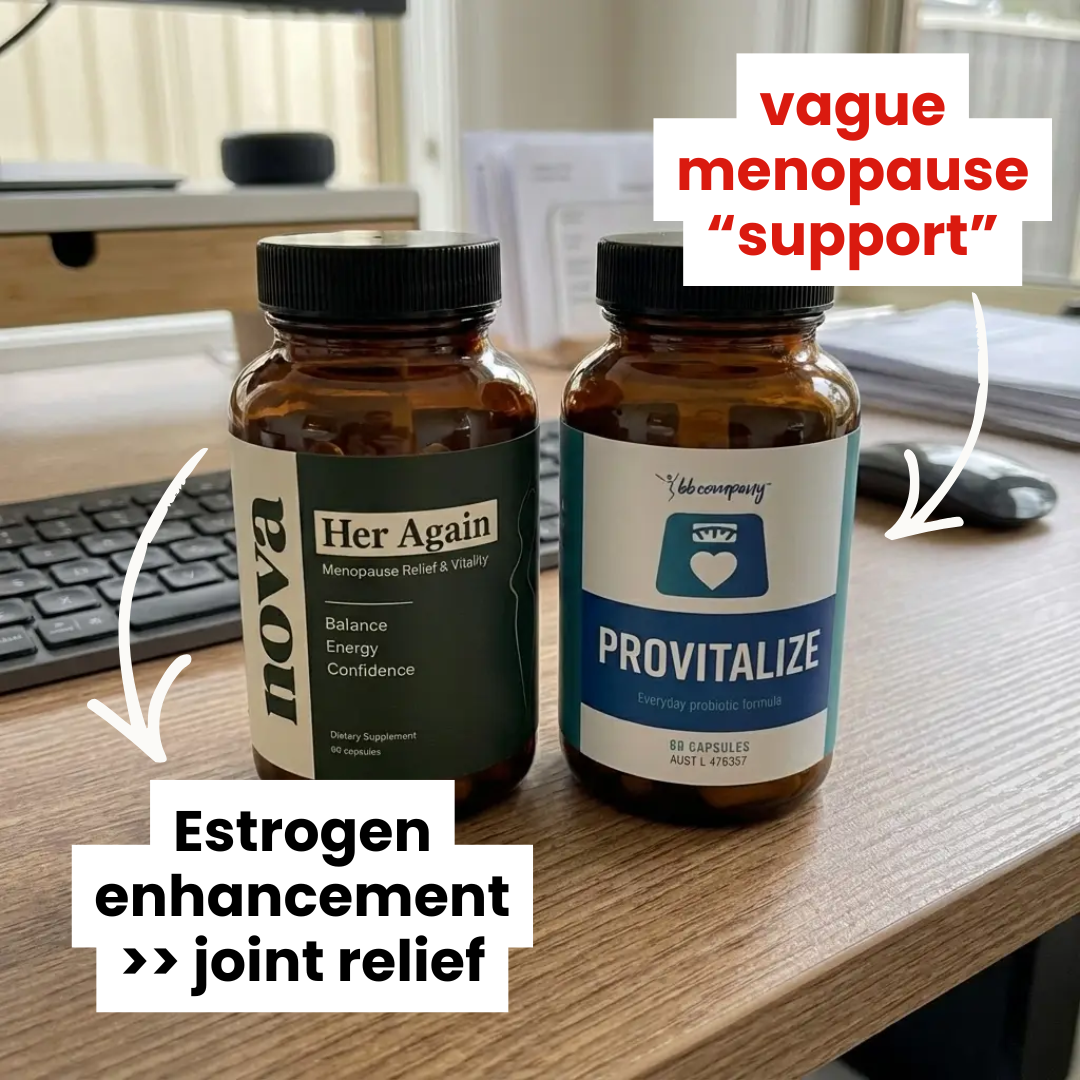
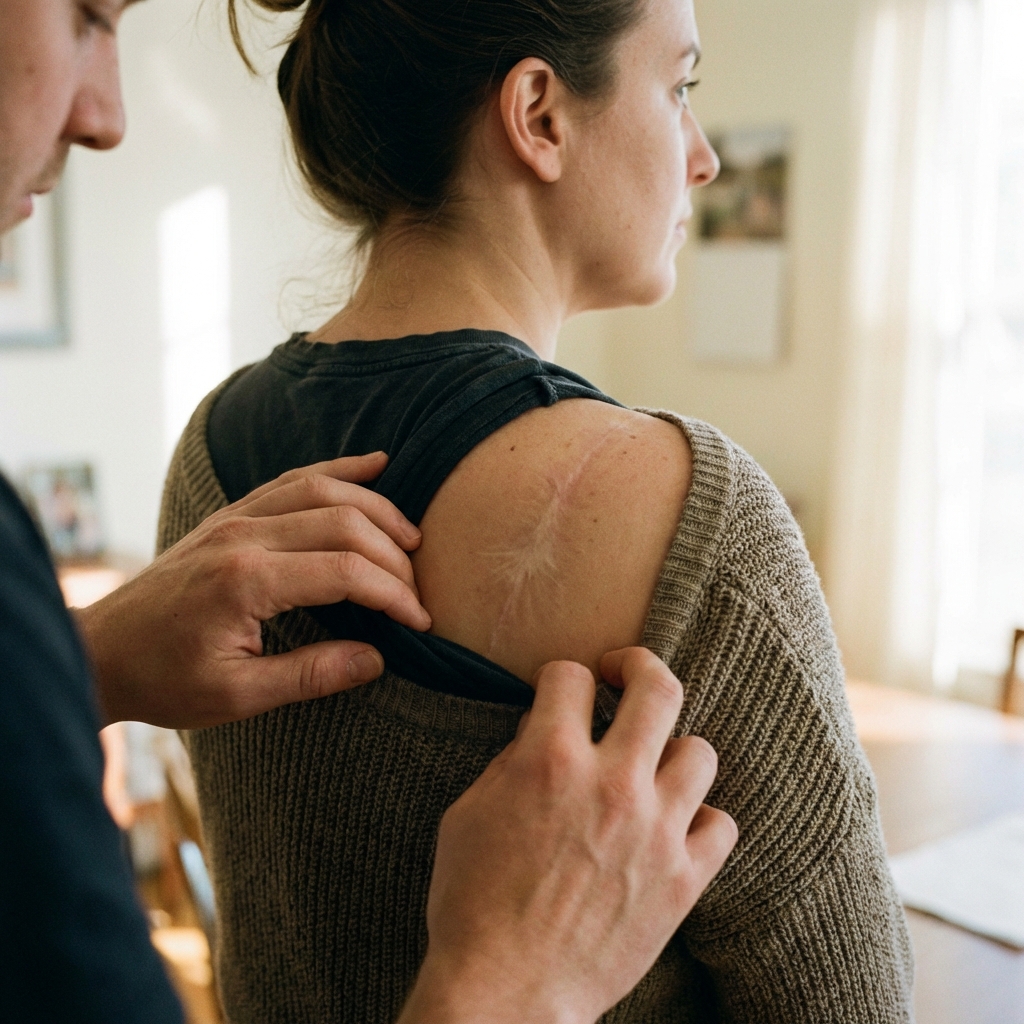
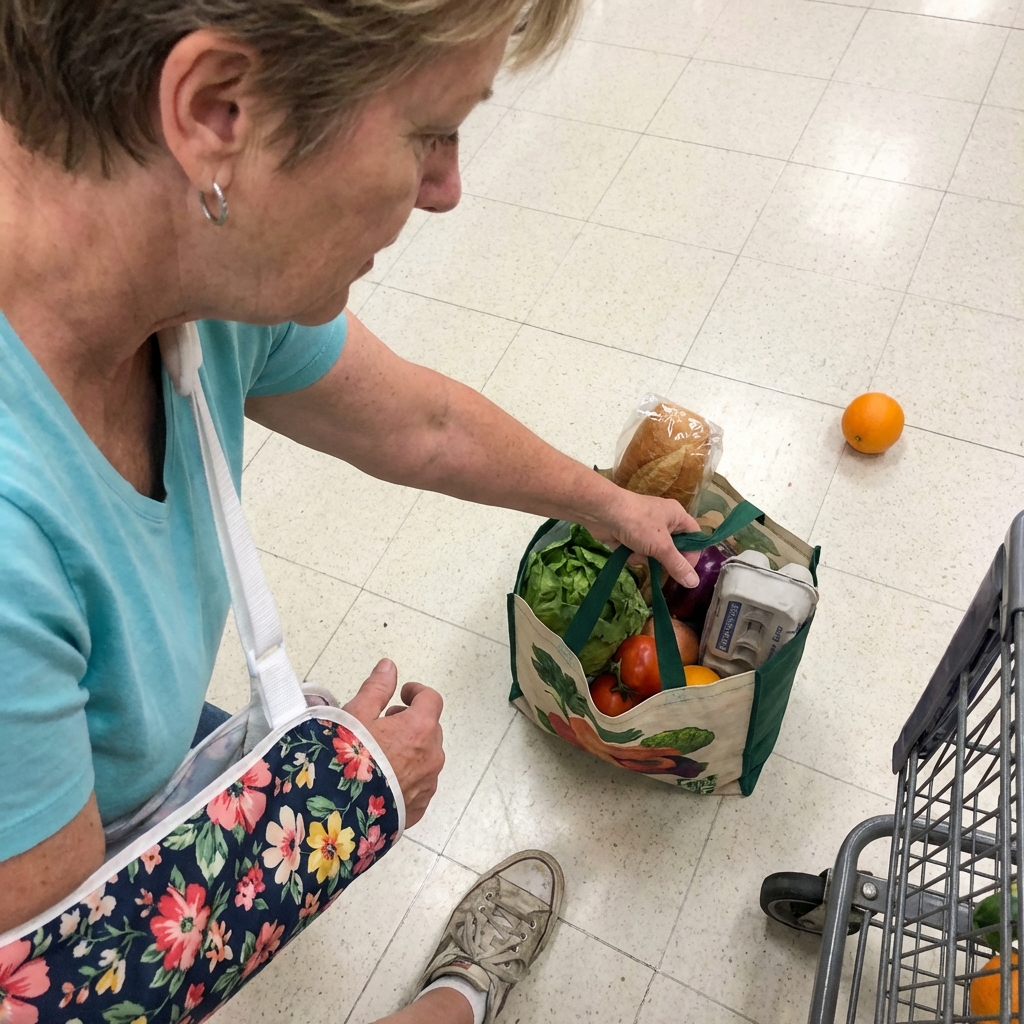
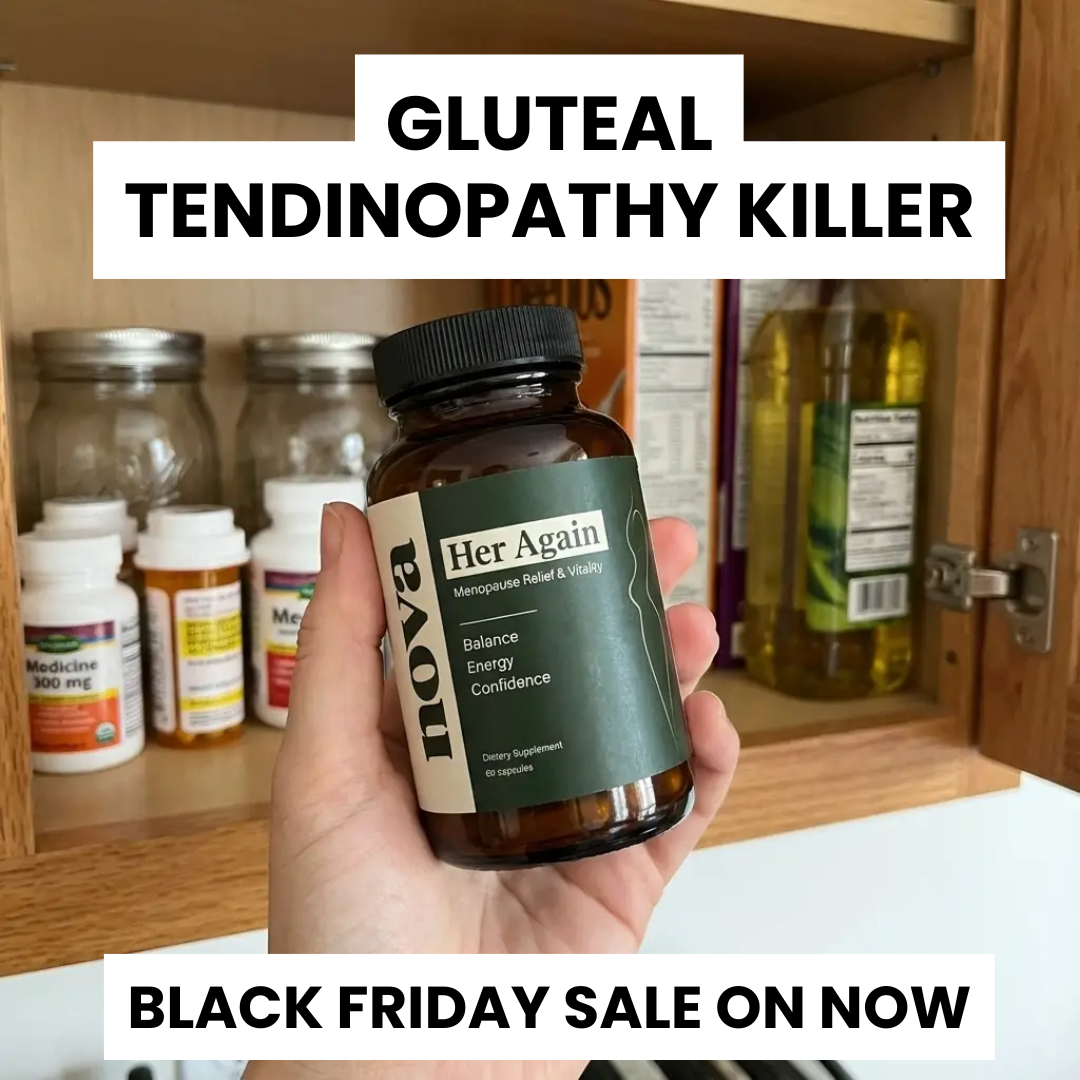
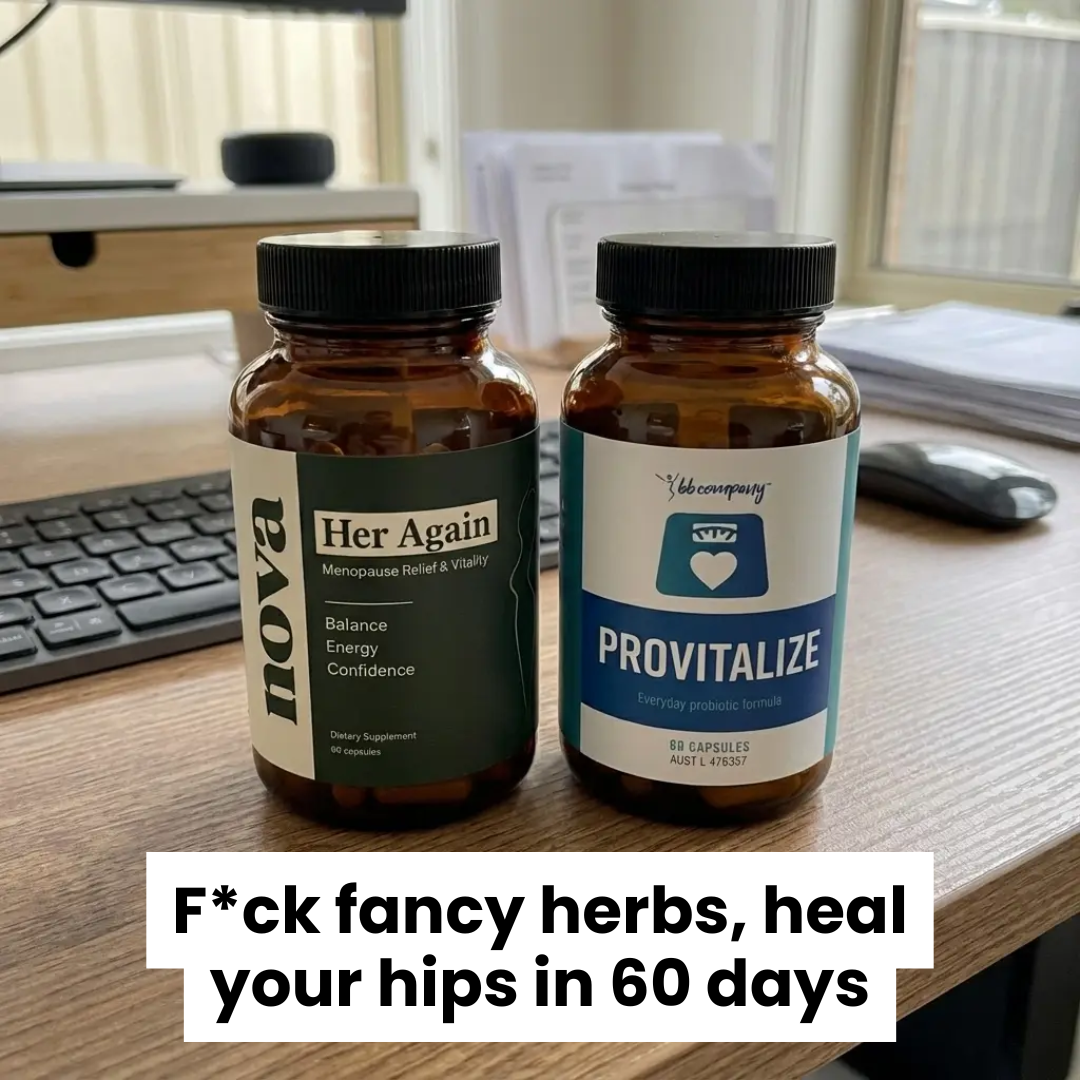
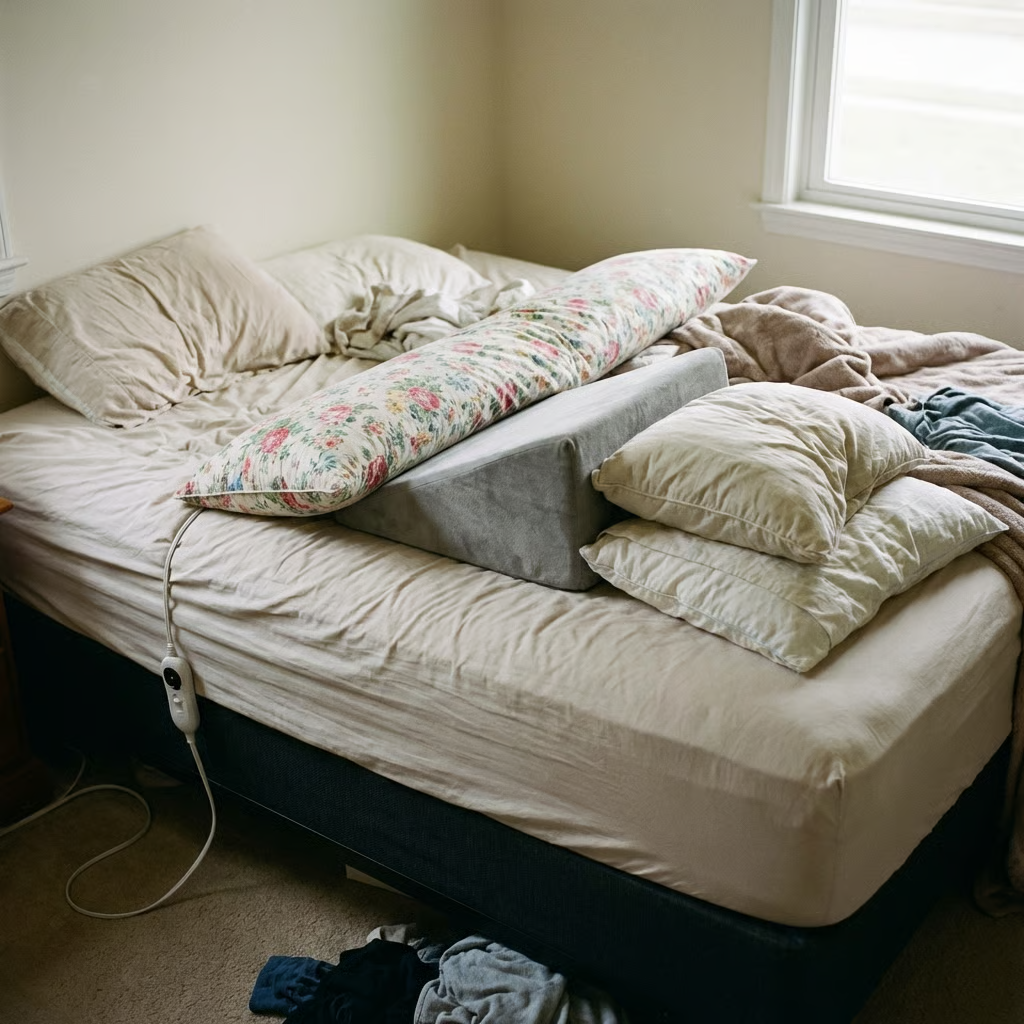
I think the lowest point was when I realized I couldn't even sit through my own 30th-anniversary dinner without leaning so far to one side that the waiter actually came over to ask if I was feeling okay. I was sitting in this beautiful, upscale bistro, the kind where you have to book three months in advance, and all I could think about was the hot poker being pressed into my left hip bone. Every time I tried to sit "normally," a white-hot flash of pain shot down my thigh. My husband was mid-sentence, telling me how much he appreciated the last three decades, and I wasn't listening. I couldn't. I was trapped in my own body, performing this frantic, internal calculation of how much longer I could stay in that chair before I made a scene. I spent the whole night shifting, squirming, and gritting my teeth. I felt like a child who couldn't sit still. It’s the humiliating reality of Gluteal Tendinopathy—a name I didn't even know six months ago. To the rest of the restaurant, I just looked restless or bored. To me, it felt like my hip was made of dry, grinding glass. If you’re a woman over 50 and you’ve felt that deep, lateral ache on the outside of your hip, you know exactly what I’m talking about. It’s the "Invisible Disability." You look perfectly fine on the outside, so people stop offering you their seat or asking if you need help with the bags. But on the inside, you are living in a one-legged prison. I spent two years being "faffed about" by experts. My GP, a man who looked like he’d never had a day of joint pain in his life, told me it was "just bursitis." He told me to take Ibuprofen and "wait it out." When that didn't work, he sent me to a physical therapist who told me my glutes were "lazy." He actually used that word. He said I needed to "fire up" the muscle and put me on a regimen of clamshells and squats with those heavy resistance bands. I did them every single morning. I gritted my teeth through the pain because I was told that "weakness" was the enemy. But the more I worked out, the angrier my hip got. I’d finish my sets and have to crawl to the sofa with an ice pack, sobbing because the "hot poker" was now a permanent resident in my leg. I felt like a failure. I felt like my body was a house that was falling apart, and no matter how much "renovation" I did, the foundation was just rotting away. I started popping Ibuprofen like candy, four at a time, just to get through a trip to the supermarket. I spent a small fortune—thousands of dollars, if I’m honest—on every supplement that popped up on my feed. High-end collagen powders that tasted like chalk. Turmeric capsules that promised "miracle" inflammation relief. Glucosamine, fish oil, CBD creams that smelled like a locker room. I was doing everything "right." I was the perfect patient. And yet, my world just kept getting smaller. I stopped going to the movies because those plush seats were too soft and made my hip collapse. I stopped going to church because the wooden pews felt like a medieval torture device. I even stopped volunteering at the local library because standing for twenty minutes made me feel like my leg was going to give way in front of the patrons. My doctor eventually suggested a cortisone shot. He acted like it was the "magic bullet." I was so desperate I didn't care about the side effects. I took it, and for exactly eight days, I felt like a human again. I walked, I sat, I slept. But on the ninth day, the "bone-on-stone" grinding came back with a vengeance. It was as if the pain had been "saving up" while the shot was active. I finally hit my breaking point. I realized that if I followed the standard medical advice for another year, I’d be in a wheelchair by sixty. I stayed up until 3:00 AM for a week straight, digging through medical journals and research papers from outside the US. I refused to believe that "getting old" meant I had to live in a chair. That’s when I found the missing link that no one—not my GP, not my physio, not my sisters—had ever mentioned. Gluteal Tendinopathy in menopausal women isn't a "strength" problem. It’s a structural famine. I found a groundbreaking study by researchers in Japan that changed my entire perspective. It turns out our hip tendons are some of the most estrogen-dependent tissues in our entire body. Estrogen is the "Liquid Gold" that keeps the tendons elastic, hydrated, and capable of repair. It’s the "grease" in the machine. When we hit menopause and our estrogen drops, our tendons don't just "get weak." They dry out. They start to fray like an old, weathered rope left in the sun for too long. You can’t "strengthen" a fraying rope by pulling on it with squats—you just make the fraying worse. You have to rehydrate the fibers from the inside. But here was the "Aha!" moment: My body was actually still producing estrogen. Even after our ovaries retire, our adrenals and fat cells keep making a backup supply every single day. So why was my hip still bone-dry? It’s because of an "Estrogen Leak" in the gut. There is a specific collection of bacteria in our gut called the estrobolome. Its only job is to catch the estrogen our body makes, clean it up, and recycle it back into the bloodstream so it can reach our joints. But during menopause, due to the shift in our chemistry, we lose a very specific, rare strain of bacteria called Lactobacillus gasseri. Without that one "worker" bacteria, the recycling plant shuts down. Your estrogen gets flushed out of your body as waste instead of reaching your starving tendons. You are literally "pissing away" the very thing your hips need to heal. This is why the collagen and turmeric failed me. They were trying to "patch" a system that didn't have any oil in the engine. It’s like trying to wax a car that has a blown motor. I found a formula called Her Again that specifically targets this "leak." It isn't a generic probiotic for bloating or "gut health." It’s a precision-engineered dose of that missing Lactobacillus gasseri strain. It was the only thing I found that addressed the recycling issue rather than just trying to mask the pain. I was skeptical. God, I was so skeptical. I’d been burned by every "miracle" pill in the book. But I figured if I was already "pissing away" my hormones, I might as well try to plug the leak. Week 1: Nothing happened. I still had to "hoist" myself out of the car. I figured I’d been scammed again. Week 2: I noticed I hadn't reached for the Ibuprofen bottle by noon. The "deep throb" felt like it had been turned down from a 10 to a 4. Week 3: I went out to lunch with a friend. We sat on hard metal chairs at a sidewalk cafe for over an hour. It wasn't until I got back to my car that I realized... I hadn't shifted once. I hadn't leaned. I’d just... sat. Week 4: The "hot poker" was gone. I could sit, I could walk, and I could finally, finally breathe. It’s been three months now. I threw out that ugly foam "donut" cushion I used to carry around like a security blanket. I went back to the library. And last night, my husband and I went back to that same bistro for a "do-over" dinner. I sat flat in that chair, ate my meal, and actually listened to him instead of counting the minutes until I could stand up. I’m not "getting old." My hips were just thirsty. If you’re tired of being told you’re "weak" when you know you’re in pain, please stop the squats and start plugging the leak. EDIT: I didn’t expect so many of you to message me about this! My inbox is a bit of a mess, so I’ll just put the link here to save time. If you’re looking for the exact one I used (the one with the Japanese L. gasseri strain I talked about), this is it: 👉 https://thenovabottle.com/products/menopaused Please, don’t waste your money on the generic "joint" versions or the cheap probiotics from the grocery store. They don't have the "recycler" bacteria, and they won't fix the leak. Grab it from the official site above while they still have the sale going—it’s the only way to make sure you're getting the real thing.
The "Estrogen Leak" fix.
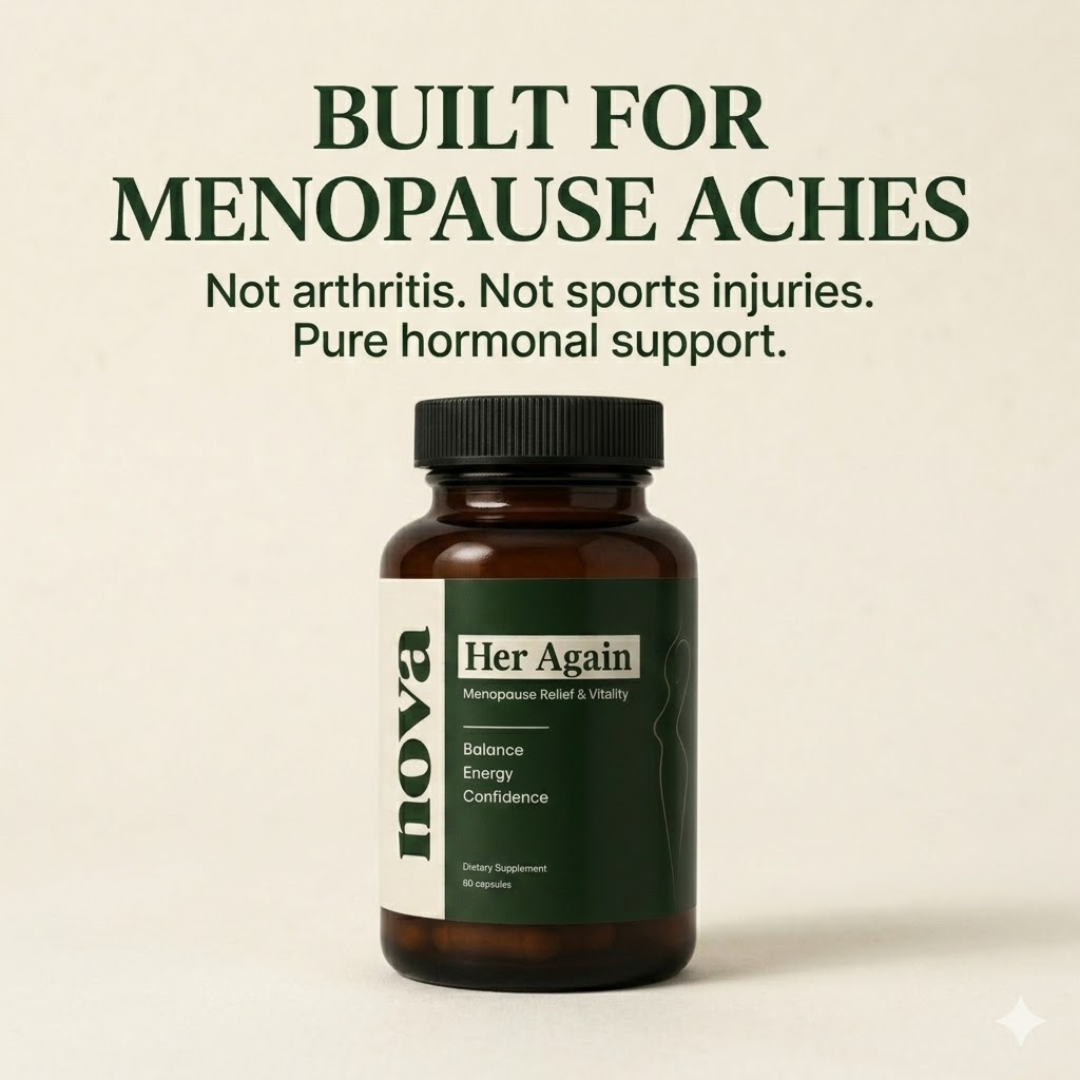
Her Again is a daily supplement designed to support women through the natural hormonal shifts of menopause by focusing on the body's ability to recycle its own estrogen. As natural production slows down, the body often struggles to retain the hormones it still has, leading to common symptoms like ho...
LEARN MORELike this ad? Make it yours.
Crush rebuilds this exact creative around your product — your brand, your colors, your offer — in about a minute.