
Inactive· since Jun 2, 2026
- 17
- days it ran
- 0
- relaunches
Ad copy
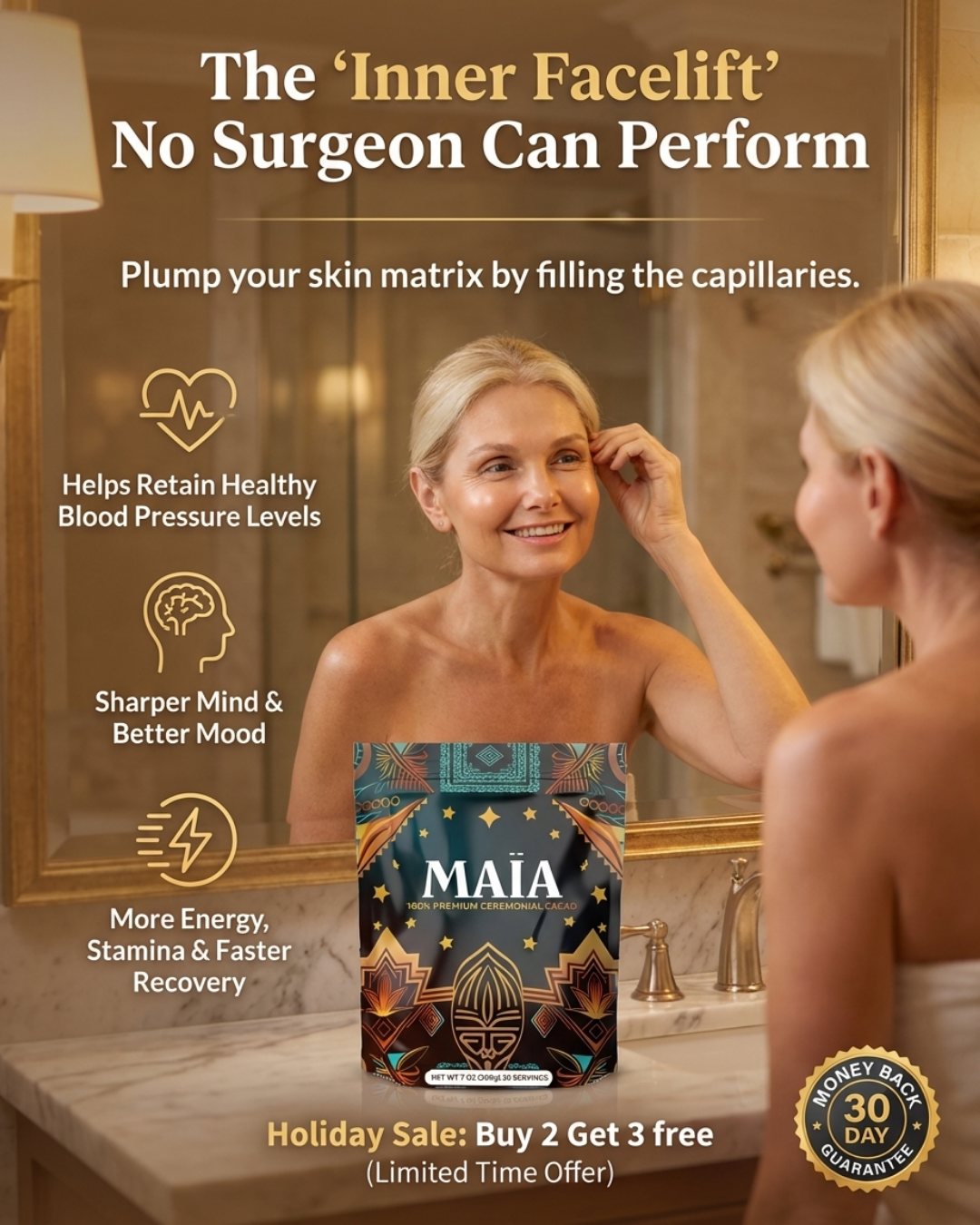
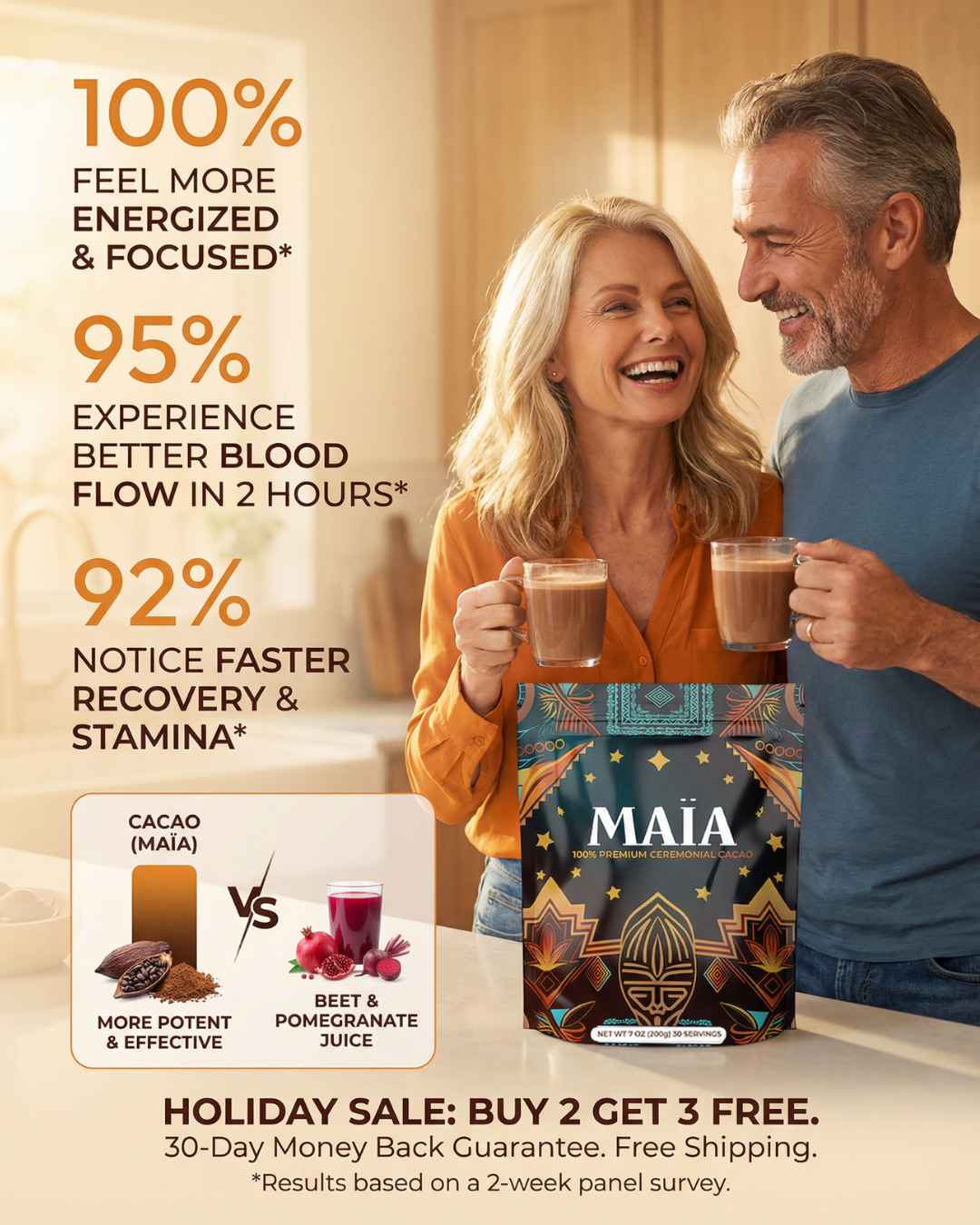
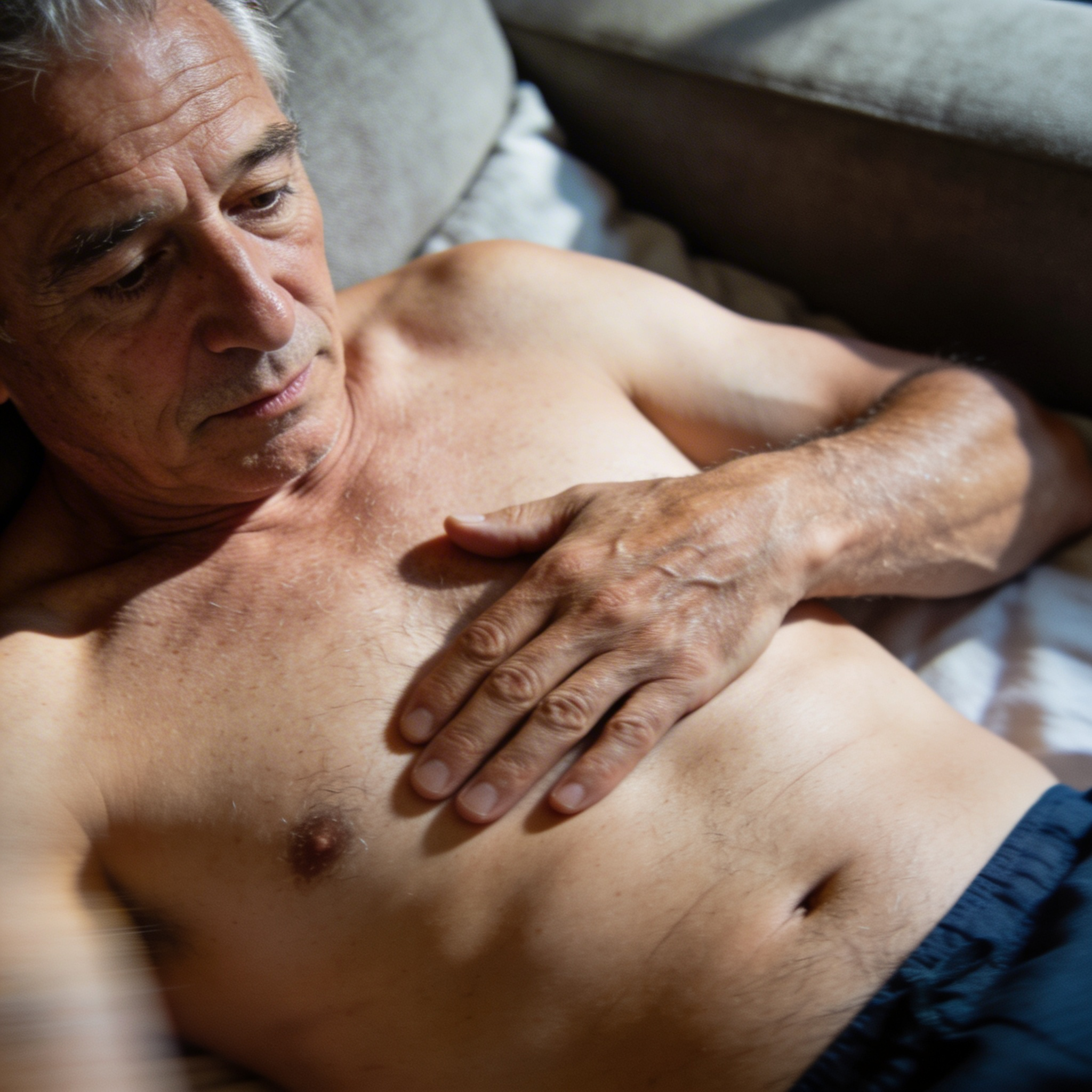
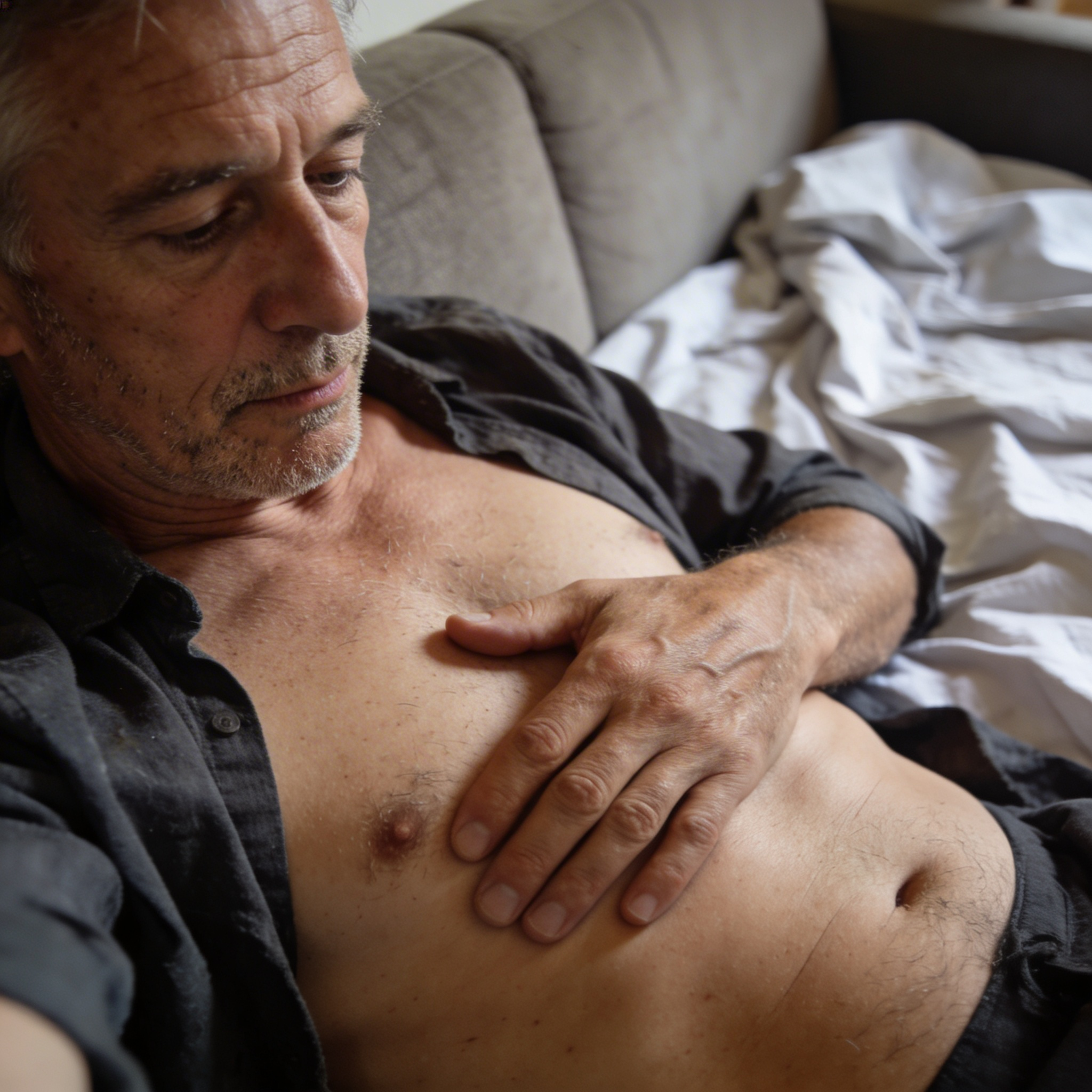
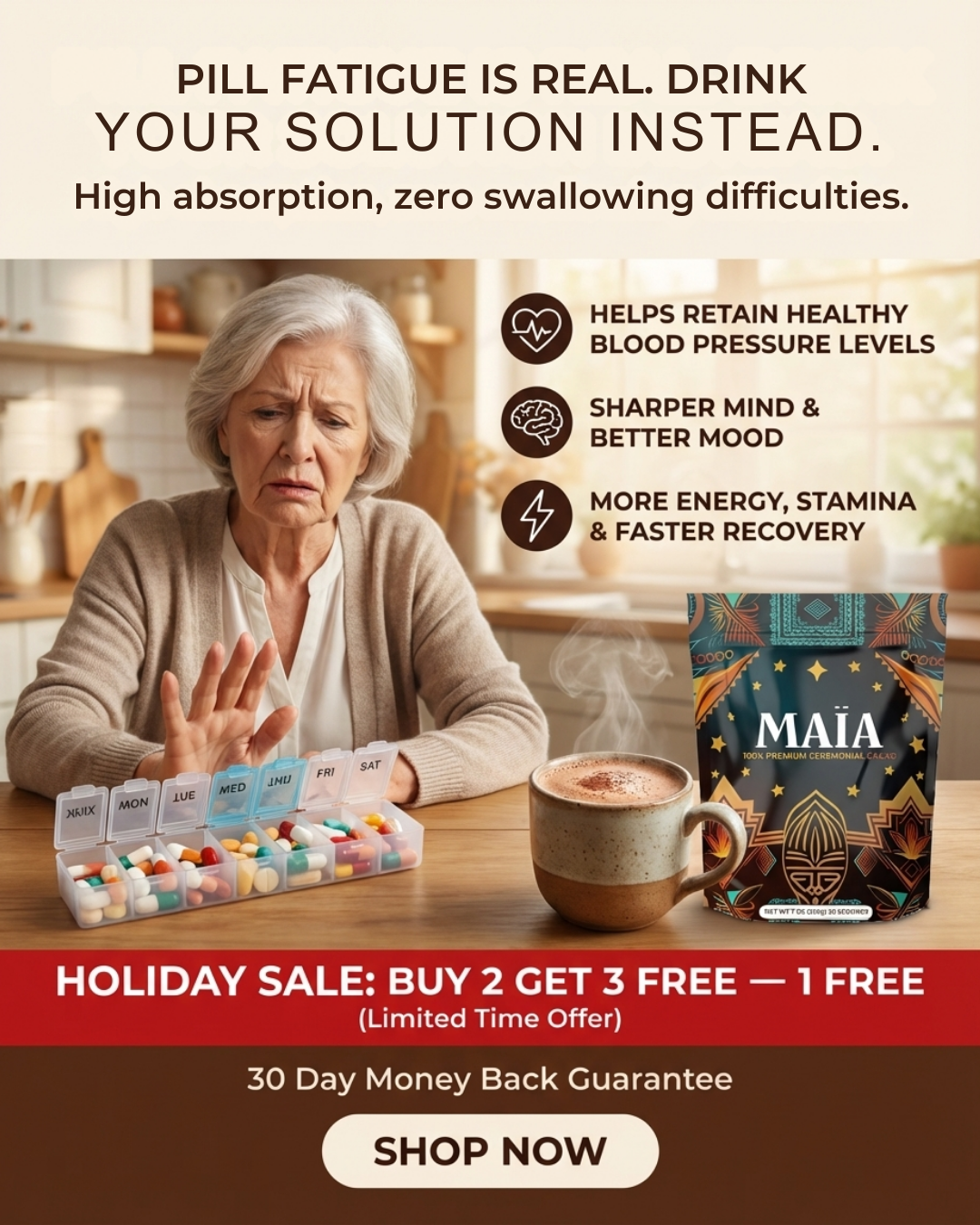
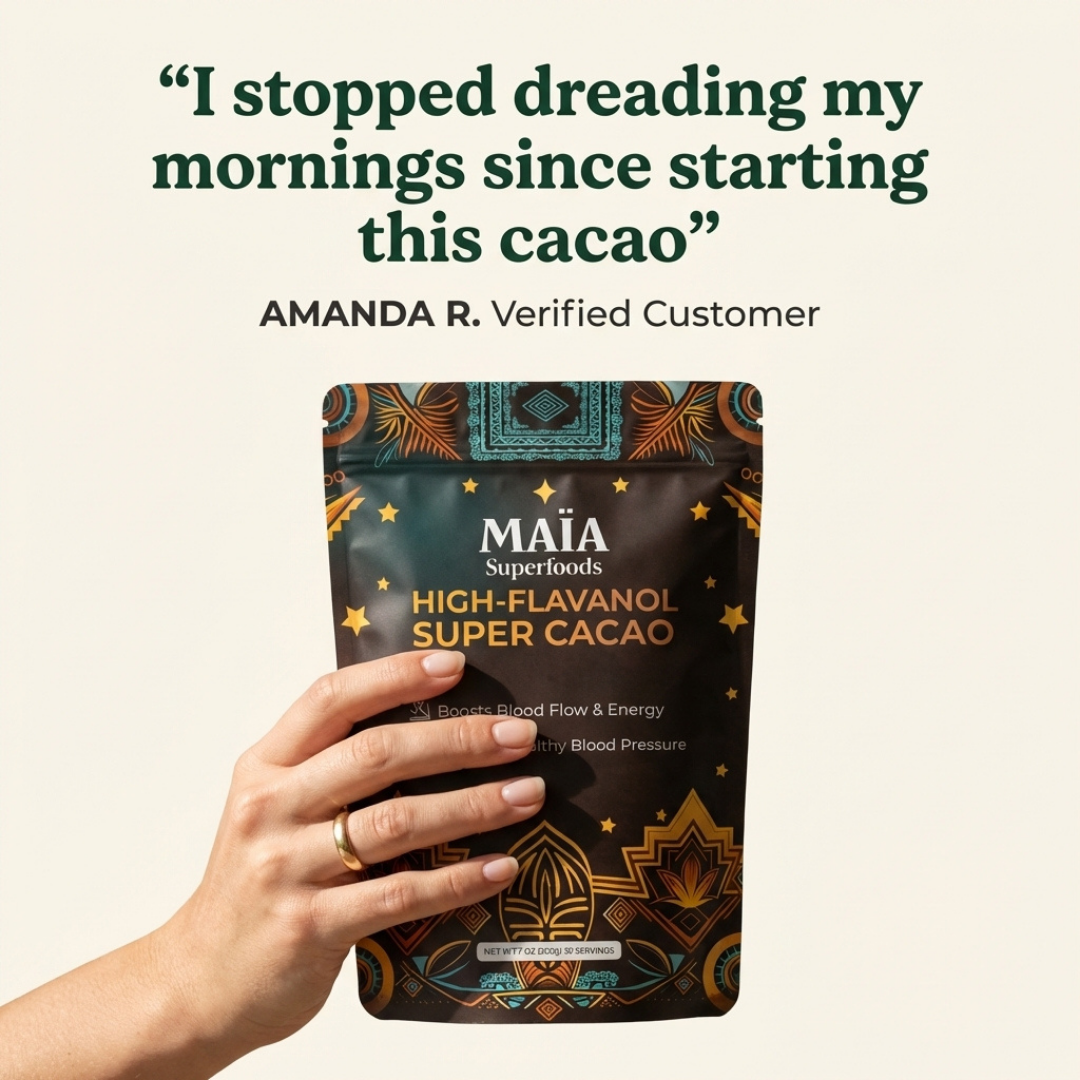
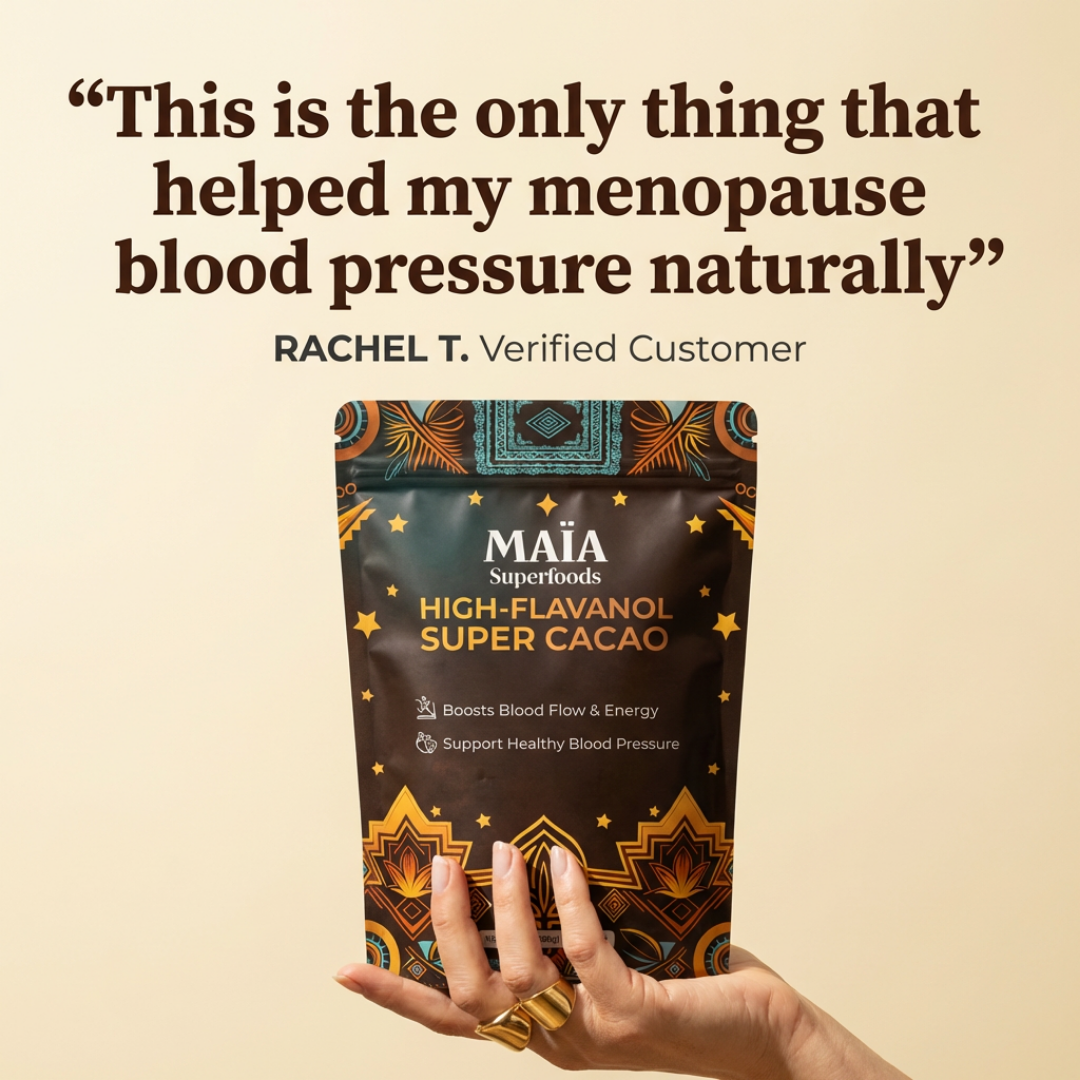
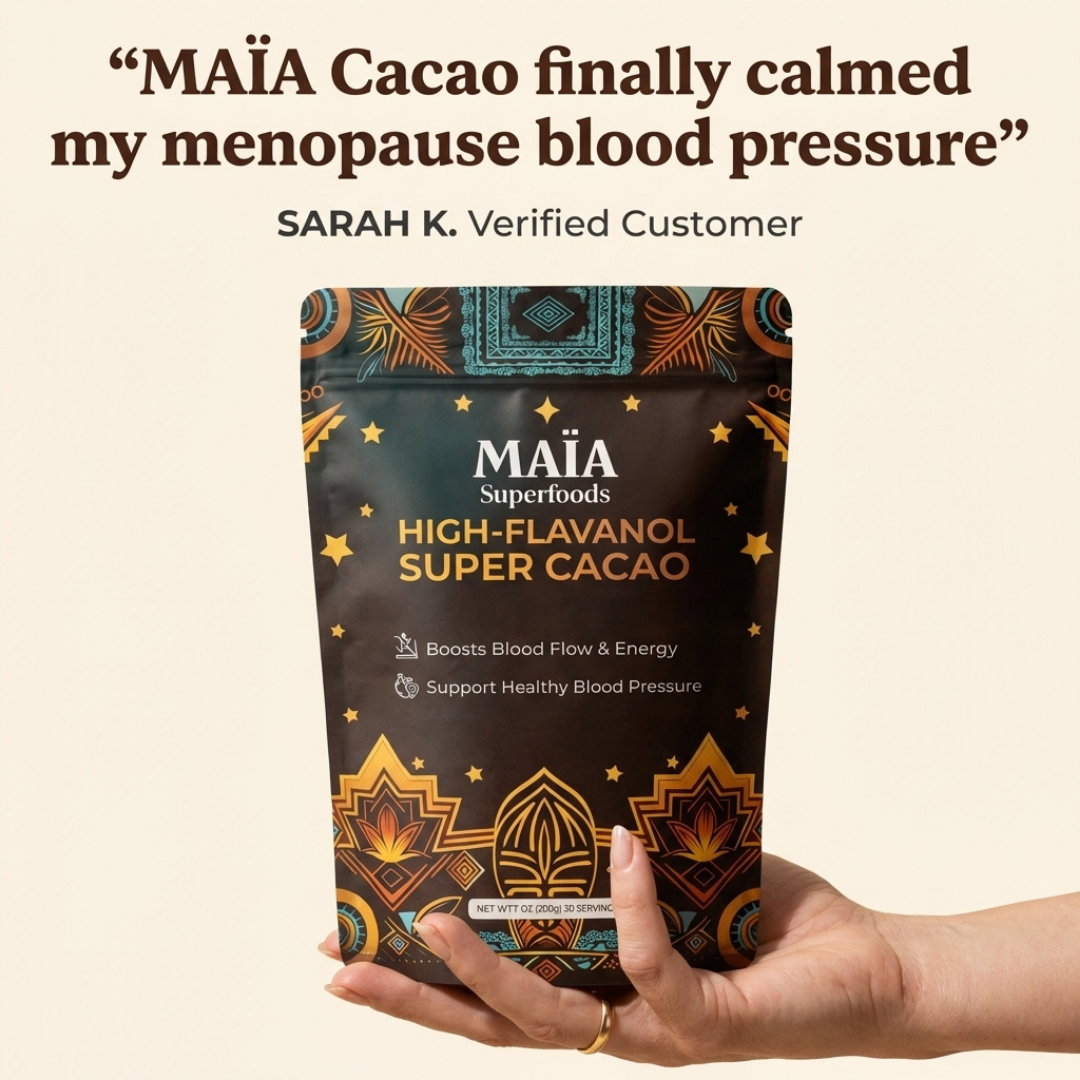
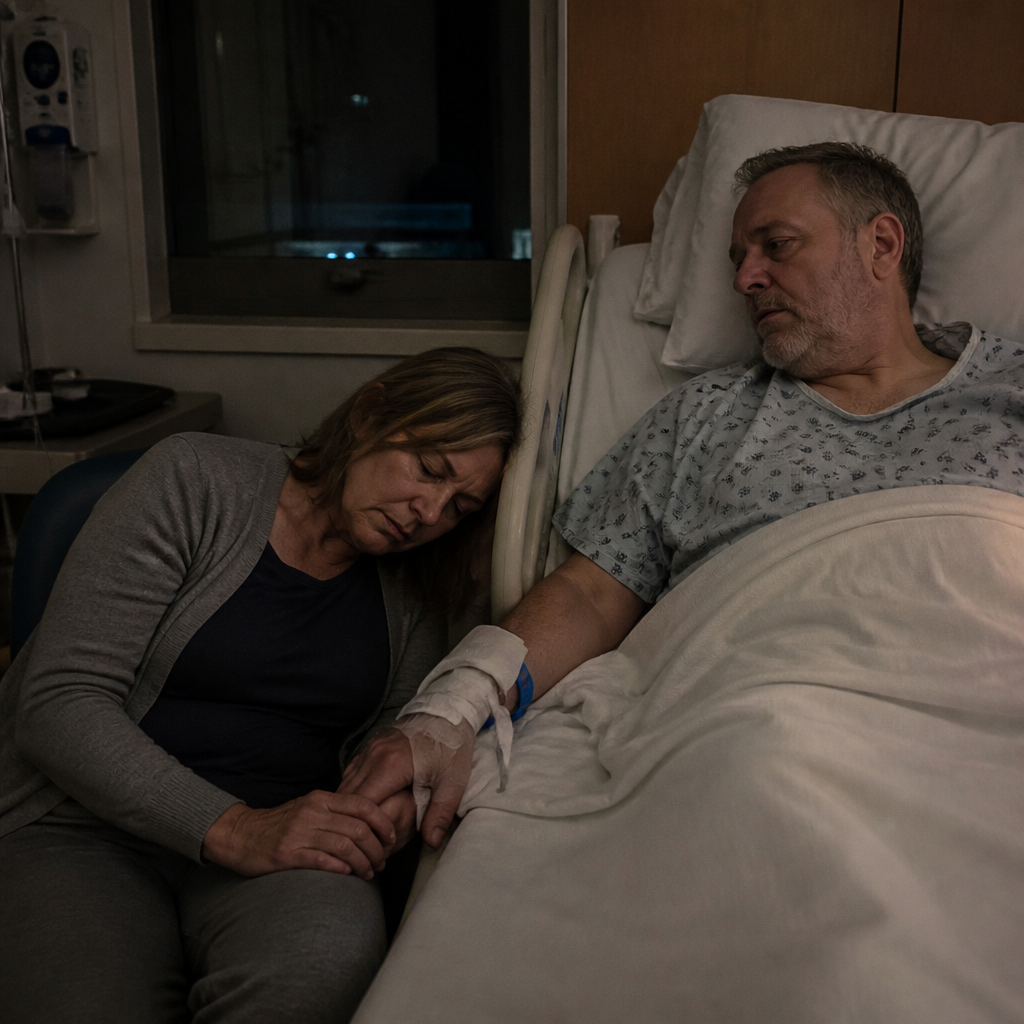
I watched my husband's blood pressure hit 218 over 124 in the back of an ambulance while he squeezed my hand so tight I felt my wedding ring cut into my finger. 218 over 124. I'll remember it until the day I die. My husband Frank is 62 years old. He's a retired electrician. He's run two half marathons. He's the man who carried both our daughters out of the hospital the day they were born. And he was lying on a stretcher in the back of an ambulance at 4:47 in the morning, gray in the face, sweating through his pajamas, gripping my hand and trying very hard not to look scared. I want to back up. Because the ambulance wasn't the beginning. The ambulance was the end of three years of warning signs we kept letting our specialist explain away. It started in 2022. Frank went in for his annual physical. Blood pressure was 142 over 91. His specialist said, "It's a little elevated. Let's keep an eye on it." She gave him a list of lifestyle suggestions. Eat less salt. Exercise more. Reduce stress. Frank did everything on the list. He cut salt out of his cooking completely. He started walking three miles every morning, rain or shine. He took up fishing again, the calmest thing in the world. Six months later, his reading was 148 over 94. His specialist prescribed a low-dose blood pressure supplement. Frank took it every morning with his coffee for fourteen months. The side effects almost ruined his life before the pressure did. He couldn't get an erection. He was dizzy every time he stood up too fast. He developed a cough that lasted nine straight months and kept both of us awake at night. His ankles swelled. He'd sit on the porch in the evening with his feet up on a stool, looking out at his own backyard, and I'd watch him from the kitchen window and think, this is not my husband. By month sixteen, Frank was taking three different supplements every morning and his blood pressure was still 152 over 96. Three supplements. Still high. He started having headaches behind his eyes that wouldn't go away. He'd come into the kitchen at 6am holding his head in both hands. He told me once, very quietly, "Carol, I feel like I'm running out of time and I don't know why." I didn't know what to say. Because I felt it too. Then came the morning that put him on the stretcher. He woke me up at 4:30am. He said, "Something is wrong." He was sitting on the edge of the bed. Sweating through his shirt. His left arm felt heavy, he said. His vision was going gray at the edges. I didn't ask questions. I called 911. The specialists had him on the stretcher in eleven minutes. That's when they took the reading. 218 over 124. The specialist looked at me with the careful blank face of a person who has been trained not to show alarm, and said, "Ma'am, we need to leave right now." Frank survived that night. It wasn't the worst kind of episode. It was a warning. A loud, terrifying, hospital-bed warning. The specialist at the hospital, a young vascular specialist, came into Frank's room the next afternoon while I was sitting in the chair next to his bed. Frank was awake. Pale, but awake. The specialist pulled up a stool. He said, "Mr. Henderson, the supplements you're on are doing what they can. But what we're seeing on your scans, the stiffness in your blood vessels, the resistance, that's not something the supplements will reverse." I asked him what the underlying problem was. He looked at me carefully. And then he said something I have never heard a specialist say before. He said, "Honestly, Mrs. Henderson, the supplements are buying us time. But the real work, the work that addresses the actual cause, isn't something we have great tools for. It's about restoring blood vessel function. And that's a different problem than just lowering a number." He gave us a follow-up appointment for two weeks later. He told Frank to keep taking his supplements. And he walked out of the room. I sat in that chair for the next hour while Frank slept, and I thought, somebody, somewhere, has to know how to fix the actual problem. That night I went home. I made coffee at 11pm. I opened my laptop. And I started reading. I read for six straight hours. Studies. Articles. Research papers I barely understood. Forums where men Frank's age were saying the same thing he was saying. "My supplements keep my number down but I feel like I'm dying." "My specialist won't tell me what's actually causing this." "I want to fix it, not just manage it." I kept reading. And around 5 in the morning, I found something that cracked everything open. I want to explain it to you the way I had to figure it out, line by line. Because I think most men with high blood pressure have never been told this. And I think their wives haven't either. Inside your blood vessels, there is a thin, single-cell lining called the endothelium. That lining is one of the most important organs in your body, and most people have never heard of it. It does one job above all others. It produces a molecule called nitric oxide. Nitric oxide is what tells your blood vessels to relax and open up. When nitric oxide is plentiful, your vessels stay flexible, your blood flows easily, and your pressure stays where it should be. When nitric oxide drops, your vessels stiffen. They lose flexibility. They stay tight. And the same amount of blood, trying to push through tighter pipes, creates higher pressure. That's what blood pressure actually is. It's not just "too much blood." It's pipes that have lost their ability to flex. And here is the part that made me sit up straight at the kitchen table at 5am. After age 50, nitric oxide production in the endothelium drops by as much as 50 percent. By age 60, it can be down 60 percent or more. Three things accelerate the drop. One. Decades of stress, processed food, and environmental toxins damage the endothelium and reduce its ability to produce nitric oxide. Two. Inflammation in the bloodstream physically interferes with nitric oxide production at the cellular level. Three. Most blood pressure supplements do not address nitric oxide at all. They either force the vessels open chemically, slow the body down, or flush out fluid. None of them rebuild endothelial function. None of them restore the body's own ability to produce nitric oxide. Which means the pressure may go down on the chart, but the underlying problem, the dying endothelium, keeps getting worse. That's why men on supplements for years still have episodes like Frank's. I sat there at the kitchen table with my coffee cold in front of me and I thought, if I could find a way to restore his nitric oxide, naturally, without another drug stacked on top of the three he's already taking, I could maybe give him his life back. So I kept reading. And I found something I never would have expected. The single most studied natural compound for restoring nitric oxide production isn't a fancy supplement. It isn't an extract. It's cacao. The raw cacao bean. Specifically, a class of plant compounds inside the cacao bean called flavanols. Flavanols have been studied in dozens of trials for their effect on the endothelium. They stimulate nitric oxide production directly. They support vascular flexibility. They support healthy blood pressure levels already within the normal range. There is more published research on cacao flavanols and vascular function than on almost any other natural compound on the planet. I almost laughed at my laptop. Chocolate. The answer was chocolate. I had been buying Frank organic dark chocolate bars for years. He ate them. Nothing happened. So I kept reading. And here is where I almost made a giant mistake. It turns out almost every cacao product you can buy at the grocery store has been destroyed before it reaches you. The cacao bean, in its raw form, is one of the richest sources of flavanols on earth. But the processing kills the flavanols. Specifically. Roasting at high temperatures destroys 40 to 60 percent of the flavanols. Dutching the cocoa with alkali to make it darker and milder destroys another 30 to 50 percent. Mixing it with sugar, dairy, and emulsifiers dilutes what's left. By the time it reaches a chocolate bar or a tin of hot cocoa mix, somewhere between 60 and 90 percent of the active flavanols are gone. You're getting flavor. You're not getting function. Frank had been eating dark chocolate bars for years and not getting a fraction of the dose he needed. I almost ordered a cheap raw cacao powder from Amazon that night. But then I started reading the reviews. "Tastes good, no effect." "Used it for two months, blood pressure unchanged." I dug into the specs. Most of those products don't disclose flavanol content at all. The ones that do, deliver maybe 50 to 100 milligrams per serving. The studies that show real effects on vascular function use much higher doses. 500 milligrams of flavanols or more, per day. Most raw cacao powders on Amazon couldn't get you to that dose if you ate the whole bag. What you need is something very specific. Raw. Cold-processed, so the flavanols are preserved. Never roasted. Never dutched. Made from a heirloom bean called Criollo, which has higher flavanol density than the common Forastero beans used in most cacao products. Third-party tested. I spent another two hours searching. I found one small company that hit every single one of those criteria. It's called MAÏA. They were the only ones I could find that disclosed their exact flavanol content right on the label. Cold-processed. Criollo beans. Third-party tested every batch. No sugar. No dairy. No fillers. Just cacao, the way it was made for five thousand years. I ordered it that morning, sitting in my pajamas, while Frank slept in the hospital room two miles away. It arrived four days after he came home. He started drinking a cup every morning with hot water. The first week, nothing dramatic. He said it tasted "like real chocolate. The way it used to taste before everything got sweet." We kept taking his pressure every morning with the home cuff the hospital had sent us home with. Week one. 151 over 94. Week two. 147 over 92. Week three. 144 over 89. We didn't say anything to each other. We didn't want to jinx it. But every morning, the number was a little lower. Frank started waking up without the headache behind his eyes. He told me, on a Thursday morning in the kitchen, "Carol, my hands feel warm again." I asked him what he meant. He said, "My fingers. They haven't felt warm in two years. They feel warm again." Week six. 138 over 86. His follow-up appointment was at week eight. The vascular specialist took his pressure himself. He took it twice, just to be sure. He looked at the reading. He looked at Frank. He said, "Mr. Henderson, this is a significant change. What have you been doing?" Frank looked at me. He said, "My wife found something." The specialist asked what it was. I told him. He wrote it down on a yellow legal pad. I'm not making that up. A vascular specialist at a major hospital wrote down the name MAÏA on a yellow legal pad. He said, "I'd like to keep watching this for a few more months before we adjust the supplements, but if these numbers hold, we have options." Three months later, Frank's primary specialist took him off one of the three medications. Two months after that, off the second. His pressure runs in the 120s over 70s now. Every single morning. He gardens for three hours on Saturdays. He picks up our grandkids without getting winded. He sleeps through the night. He drinks his cup of MAÏA every morning at 6am the way some men drink coffee. It's been seven months. Last week, we drove out to the lake. Frank fished for four hours, standing on the dock with the sun on his face, and he turned around at one point and looked at me and said, "Carol, I feel like myself again. I really do." I sat in the folding chair behind him and cried into my hat so he wouldn't see. I want to tell you something. If you are a wife reading this, and you have been watching your husband disappear.. If you've been holding his hand at 4am wondering if this is the morning. If your husband has stopped doing the things he used to love because he just doesn't have it in him anymore. You are not crazy. You are not overreacting. There is a reason his supplements are keeping the number down without actually making him feel better. They’re managing the symptom. It isn't restoring the endothelium. It isn't restoring nitric oxide. It isn't restoring vascular flexibility. You need something that does. MAÏA offers a 30-day money-back guarantee. That is the only reason I had the nerve to order it. If it doesn't work for you, they refund every dollar. I will be honest with you. They are a small company. They sell out. The last time I reordered, they were on backorder for ten days, and I had a real moment of panic. So if you click below and they're out of stock, I'm sorry. Try again next week. But if they have it. Please. Order it. Don't wait for the ambulance. Don't wait for the 4am phone call. You can give him his life back. I gave Frank his. The link is below. https://shop.trymaia.co/shocking-discovery-bp
The #1 Cacao for Heart Health
LEARN MORELike this ad? Make it yours.
Crush rebuilds this exact creative around your product — your brand, your colors, your offer — in about a minute.