
Inactive· since Jan 10, 2026
- 59
- days it ran
- 0
- relaunches
Ad copy
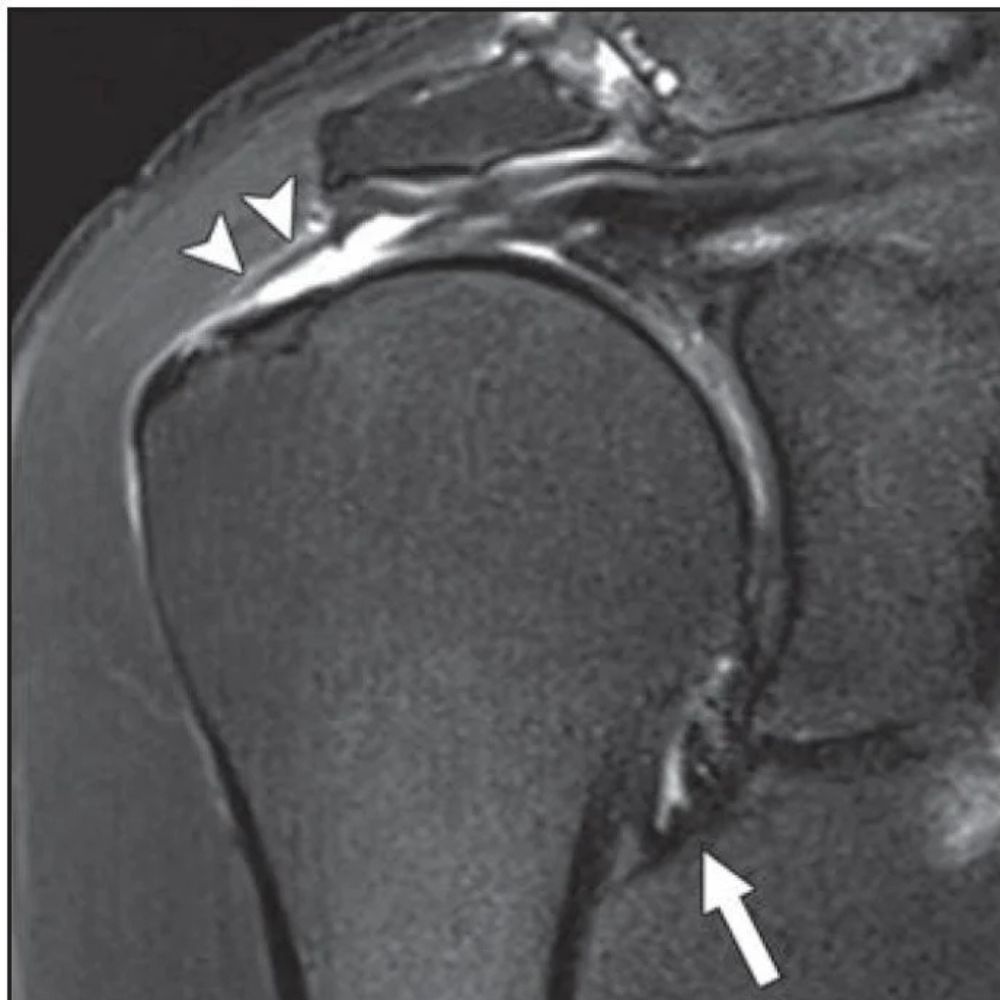
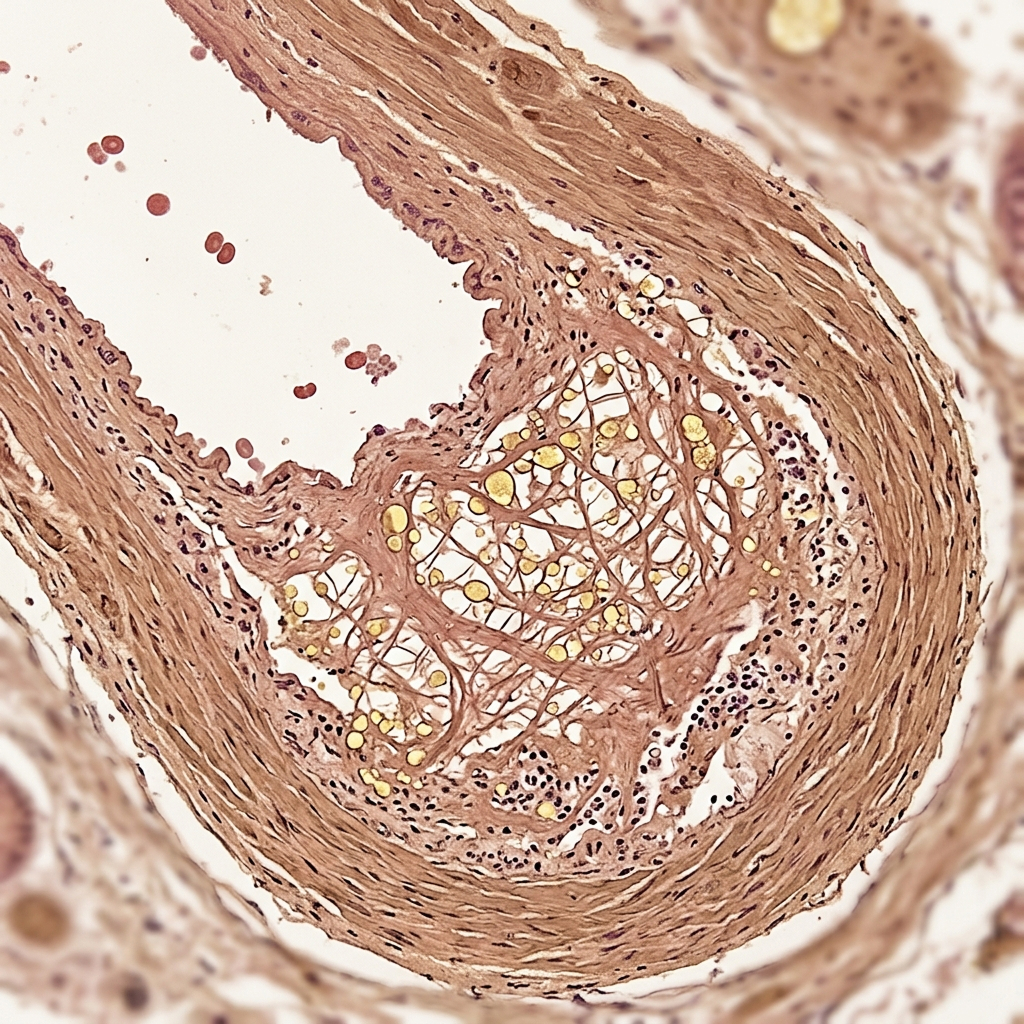
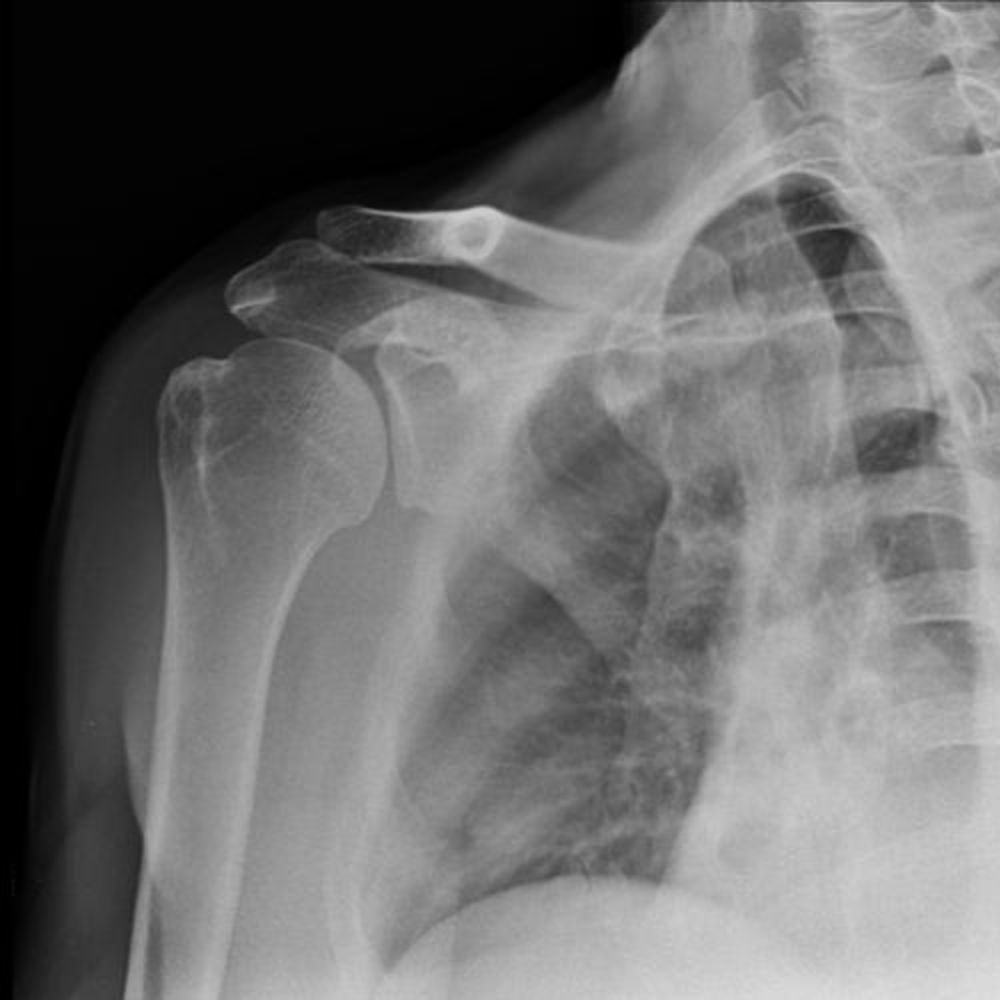
My husband started bringing me coffee in bed, not because he's romantic, but because he couldn't watch me struggle to physically get out of bed one more morning. That's when I knew I'd lost myself. I used to be the one up first. The one who'd already exercised, prepped breakfast, and had a morning playlist going before he even opened his eyes. Now I was the woman who needed help just to get dressed. I'm 52 years old. I've always been physically active, played tennis, golfed and went swimming. But for the past 14 months, it felt like my shoulder started to give up on me. It started gradually. Just a little stiffness in my right shoulder in the mornings. Then it crept into the afternoons. After some time, my range of motion was almost gone. I'd reach for something on a shelf and have to stop halfway, wincing. I tried everything the internet suggested. Physical therapy. Ice, heat, resistance bands to rebuild my rotator cuff strength. Nothing worked. So I went to an orthopedist. He ran tests, confirmed it was a rotator cuff injury, and suggested more rest, less overhead movement, and maybe cortisone injections. I followed his advice for three months. It only got worse. I went back. He adjusted my treatment. Told me to give it more time. I gave it another two months. Still worse. By month 14, I wasn't just physically limited. I was becoming unable to do everyday things by myself. My coworkers stopped asking me to join the company softball games - I couldn’t throw even if I wanted to. My best friend planned a yoga retreat, but I said no because I didn't want to be the one who couldn't lift her arms above her head. Even my dog, Bella - who I used to walk every day - started bringing her leash to my husband instead when it was time to go outside. That one broke my heart. My husband never complained. He just quietly picked up the slack - the grocery runs, the household chores, the cooking. But the morning he brought me coffee in bed, I saw something in his eyes I'd never seen before. Pity. He pitied me. That night, I couldn't sleep. I lay in bed on my left side, the only position that didn't hurt, thinking about who I used to be. The woman who used to serve first in tennis doubles. Swam laps for an hour. Reached the top shelf without thinking The woman who used to organize workout sessions, spent hours gardening, and cleaned her house top to bottom. That woman was gone. In her place was someone who couldn't even put on a jacket without help and an ibuprofen - and even that wasn't working anymore. At 2:18 AM, I got up, wincing. Sat down in front of my laptop. And started searching for something I should have searched for months ago. Not "best exercises for rotator cuff." Not "how to heal shoulder pain after 50." I searched: "why won't my rotator cuff injury heal." What I found changed everything. I discovered a podcast interview with a sports medicine doctor who specialized in tissue regeneration and chronic injuries. He was talking about why so many people never fully recover from rotator cuff injuries. "The conventional approach treats rotator cuff injuries like it's a rest problem," he explained. "We tell people to ice it, avoid overhead movements, do PT, get more rest. But we don't address why the tissue's healing system is breaking down in the first place." I sat up straighter. He kept talking: "Your rotator cuff tendons are designed to heal themselves through blood flow and cellular repair. But most people - especially after years of repetitive stress, poor circulation, or inflammatory responses - have essentially turned off that system. The blood vessels weaken. The tissue repair underperforms." Then he said something that stopped me cold: "By age 40, your tissue healing capacity declines by up to 50%. The tiny blood vessels that feed your tendons start dying. They can't deliver nutrients efficiently, can't repair microtears, and just slowly shut down your body's natural healing." "When you rely on cortisone or pain management," he said, "you create dependency. Your body stops doing the work of healing itself naturally. And over time, your tissue repair gets weaker. Not stronger." I thought about my cortisone shots, my $300 PT bills, my constant setbacks. The realization hit me like a wave. I'd been making my shoulder weaker for years with poor movement patterns, and for 14 months with all those treatments. He described a different approach. Not more injections that mask symptoms. But something that helps your tissue relearn how to heal naturally. "Think of it like physical therapy for your cells," he said. "You need support, yes - but you also need your tissue to wake back up. To start regenerating efficiently again. That's what allows real recovery." I looked at the clock. 3:47 AM. I felt something I hadn't felt in 14 months: hope. The next morning, I started researching compounds based on this principle. I found one that specifically talked about tissue regeneration and healing acceleration. Their entire philosophy was about restoring body function - not replacing it. The more I read, the more it made sense. When your tissue repair slows down, your shoulder stops healing like it should. These tiny blood vessels are what keep your tendons regenerating — every bit of strength, mobility, and recovery depends on them. When they're compromised, your body doesn't deliver enough nutrients to keep that healing strong. So everything feels heavier. You wake up stiff no matter how much you rest. You start dropping things. You reach for something and just stop, because the pain shoots through. You feel weak, but it's not weakness — it's cellular breakdown. Your movements become limited, activities fall away, and you find yourself avoiding the very things that used to excite you. That constant, nagging pain? It's your body running on broken repair systems. And every article, every forum post, every podcast guest who talked about tissue regeneration kept mentioning the same compound. It was called BPC-157. After wasting thousands on injections and prescriptions that made me worse, I was skeptical. But I was also desperate to feel like myself again. It arrived on a Thursday. Friday morning, I took two capsules with a glass of water- not another injection, not another shot at the doctor's - just a simple capsule. I took a deep breath. Within two hours, the pain felt… different. Less sharp. More manageable. I did the dishes. Folded laundry that had been sitting in the basket for days. My husband came downstairs and stopped in the doorway. "You're cleaning," he said. "I'm cleaning." He didn't say anything else. But I saw his face change. The pity was gone. By week two, I was back at yoga - careful, but present. By week four, I was reaching up without wincing and saying yes to activities again. One Friday morning, I woke up and sat up in bed - full of energy. And realized I wasn't in pain. I got up, got dressed and made breakfast, laughing with my husband like we used to. I wasn't forcing myself through the movements anymore. I felt alive again. Not because everything was perfect. Because I was back. I was the woman who had strength again. Who could move. Who wasn’t in pain anymore. Here's what I wish someone had told me 14 months ago: Your body isn't broken. It's just running low on healing capacity. Cortisone shots and anti-inflammatories don't restore your tissue - they mask pain temporarily and leave you more damaged after. They mask the problem instead of fixing it. Over time, that constant suppression weakens your tissue repair capacity even more. And weak tissue repair ability can't provide your body with strength, mobility, or recovery. What your body might actually need is support that helps it heal naturally again - not support that replaces its healing function entirely. I spent over $3,000 and lost 14 months of my life because I was treating my shoulder like it was broken instead of helping it regenerate. A bottle of pharmaceutical-grade, research-backed oral BPC-157 gave me my mobility back. I'm sharing this because I know there are people reading this right now who are watching their strength fade. Who've stopped doing the things that made them feel alive. Who wake up hurting. Who go through their days feeling helpless and not at all like the person they used to be. You might not be broken. You might just be running low on tissue repair capacity. I wish I'd known that 14 months ago. I would've gotten back so many pain-free days. So many hours gardening. Or golfing. So many times where I could just be physically capable. But I'm not missing any more of them. And you don't have to either. 👉 https://compare.lifestylecrave.com/
End That Chronic Pain in 3 Weeks
Injuries, inflammation, and digestive problems don't just slow you down—they steal your quality of life. Whether you're an athlete facing recovery plateaus, someone battling persistent joint pain that conventional treatments miss, or dealing with gut issues that mainstream medicine hasn't resolved...
LEARN MORELike this ad? Make it yours.
Crush rebuilds this exact creative around your product — your brand, your colors, your offer — in about a minute.