Dr. Tasha Reynolds - Nephrologist, MD
Dr. Tasha Reynolds - Nephrologist, MD Facebook ad: “You saw the early signs and foamy fee and Googled yourself…”
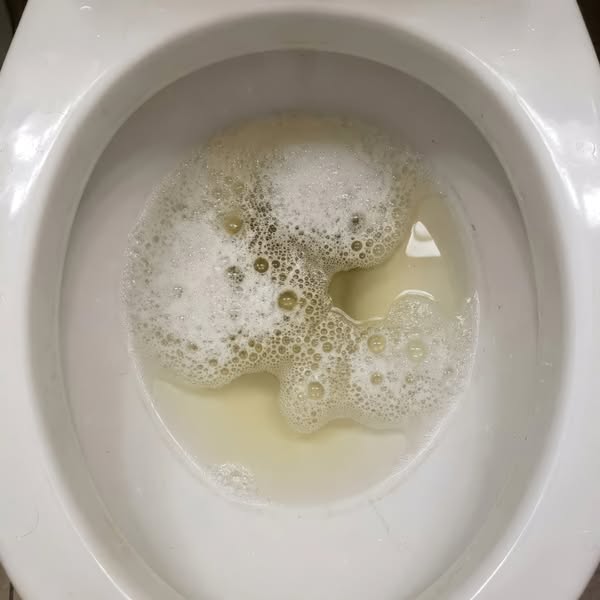
Ran for 2 days, from May 13 to May 15, 2026, the last day Crush saw it.
Run by Dr. Tasha Reynolds - Nephrologist, MD on Facebook. Crush is not the advertiser and does not verify its claims. See this ad in Meta's Ad Library(opens in a new tab)
Want an ad like this for your product?
Crush makes new ad images for your product from this ad: your logo, your product photo, your offer.
Trials from $19.95 USD, then $79.95 USD a month. Cancel anytime.
About this ad
- Meta Ad Library ID
- 1291557505853664
- Platforms
- Facebook, Instagram, Audience Network, Messenger and Threads
- Relaunches
- 1
- EU reach
- 383
- Niche
- Clinics & Medical
Ad text
If you saw something in the bathroom that scared you, foam in the toilet, swollen ankles, waking up two and three times a night to pee, a vague sense that your kidneys feel tired, and you went down a Google rabbit hole that made you stop sleeping, I want you to read this. Because in fifteen years of practice as a nephrologist, I have never seen the research move this fast on a single mechanism. And I have never seen it more completely missed by the people doing the searching at 2am. What you found on Google was the worst-case version of every signal your body is sending. Kidney disease. Dialysis. Years of decline. Charts and forums and worst-case stories that made your stomach drop. That's almost certainly not what's happening. Here's what your search didn't show you. When the body sends an early kidney signal, like foam in your urine, like puffy ankles, like nighttime bathroom trips, the standard reading is "your kidneys are starting to fail." Most of the time, that reading is wrong. Because kidney function and kidney burden are two different things. Your kidneys can be functioning perfectly while still being overloaded. The signals you're seeing don't mean your kidneys are damaged. They mean your kidneys are working harder than they should. Doing too much. Compensating for something upstream that isn't pulling its weight. And what's upstream of your kidneys is your lymphatic drainage system. This is what Google didn't tell you. The kidneys and the lymphatic system are paired. The lymphatic network is your body's primary drainage system. It clears excess fluid, waste, and inflammation out of every tissue every single day. Once it has cleared that fluid, the lymph dumps into your bloodstream and your kidneys filter what's left. When the lymphatic flow is healthy, the kidneys get a manageable workload. They filter the blood, balance the fluids, send out the waste. Easy. But when the lymphatic system stalls, from chronic stress, antibiotics, hormones, sitting all day, age, the lymphatic system stops carrying its share of the load. The fluid that should have been cleared lymphatically ends up dumped on the kidneys instead. Your kidneys take the overflow. They start working double shifts. Filtering harder. Producing more concentrated urine. Pulling more fluid through the system to compensate. That's what's making the foam. That's what's making the ankles puffy. That's what's waking you up at 3am. This isn't kidney disease. It's renal lymphatic congestion. Upstream burden creating downstream signals. The research on this has moved fast in the last few years. Faster than the protocols can update. The lymphatic system's role in supporting kidney function is now well-established in nephrology research, but the standard of care still treats kidney signals as a kidney problem to monitor, not as a drainage problem to address. So your doctor runs the standard tests. Your kidneys come back functioning fine. They tell you to drink more water and come back in six months. While the actual upstream cause keeps getting worse. Here's why catching this early matters. Right now, your kidneys are coping. Compensating. Working harder, but holding the line. The foam, the puffy ankles, the nighttime bathroom trips, these aren't damage signals. They're early signals. Your body's check engine light. Telling you the system is under more load than it should be. This is the prevention window. But compensation has a ceiling. The longer the lymphatic system stays stalled, the longer your kidneys keep doing double duty. Years of compensation eventually wears systems down. The people who walk into a doctor's office at 65 with a real problem? Most of them spent fifteen years seeing early signals first and being told their labs looked fine. You don't have to be there. You don't have to wait for your numbers to drift before you do something. You can address the upstream cause now, while your kidneys are still healthy and the signals are early. Once you understand what's actually causing the signals, the play is straightforward. Restore the lymphatic drainage. Take the burden off your kidneys. Let them go back to their normal workload. Your body wants to do this. Lymphatic drainage isn't broken in some unfixable way. It's just stalled. And four specific herbs have been used for centuries, and validated in modern research, to restart it. Cleavers is the lymphatic tonic herb. It directly stimulates the lymphatic vessels and gets stagnant fluid flowing again. As the drainage restarts, the kidneys finally stop having to compensate. Red Clover calms the chronic low-grade inflammation that caused the lymphatic stagnation in the first place. Without addressing the inflammation, the system clogs back up the moment you stop helping it. Stillingia clears the deeper lymph node congestion. The biggest abdominal lymphatic reservoir in your body, called the cisterna chyli, sits literally above your kidneys. When that backs up, your kidneys feel it directly. Stillingia clears that congestion so the drainage actually has somewhere to go. Prickly Ash restores circulation through the abdominal vasculature so the kidneys are no longer trying to compensate in a system that's already running poorly. Most lymphatic supplements throw 8 or 10 ingredients together at fairy dust amounts. Lymphoria is the opposite. Four herbs. Real doses. Each one with a specific job in supporting the renal lymphatic system. Two drops under the tongue, twice a day. The herbs absorb directly into your bloodstream and reach the lymphatic system, instead of being broken down before they get there. Drinking more water moves fluid through your system, but it doesn't restart the drainage. It just gives your kidneys more to filter. Cutting protein, cutting salt, all the things you read about online, those reduce the kidney workload a little, but they don't address what's making your kidneys overwork in the first place. That's why the signals keep showing up. Here's what I want you to take away. The early signals are real. Your body is telling you something. But the answer isn't the worst-case scenario you found at 2am on Google. It's that your lymphatic system needs help, and giving it that help now keeps your kidneys from having to compensate for years on end. This is the easiest version of this problem to address. Right now, while your kidneys are still healthy. Before the years of overwork add up. Before "monitoring" becomes "managing." Before any of the things you were afraid of when you read those forums get a chance to actually become your story. Lymphoria comes with a 60-day money-back guarantee. If the foam isn't easing, if the puffiness isn't going down, if your kidneys still feel like they're working overtime, full refund. No questions. Right now they're running buy 2 get 1 free. They're a small company growing fast and they sell out constantly. People have waited weeks for stock to come back. You caught the signal early. You did the right thing by looking into it. Now do the part that actually matters. I risked nothing. And got my life back. 👉 https://lymphoria.co/products/natures-sunrise-lymphatic-drainage-supplement
Where the ad sends people
lymphoria.co
You saw the early signs and foamy fee and Googled yourself into a spiral.
Feeling puffy, heavy, or off lately? Learn how a simple daily wellness routine may help you feel lighter in 16 days or less.
Learn more: lymphoria.co(opens in a new tab)