Nancy Millar
Nancy Millar Facebook ad: “I spent $1,200 on steroid creams, antibiotics, and miracle…”
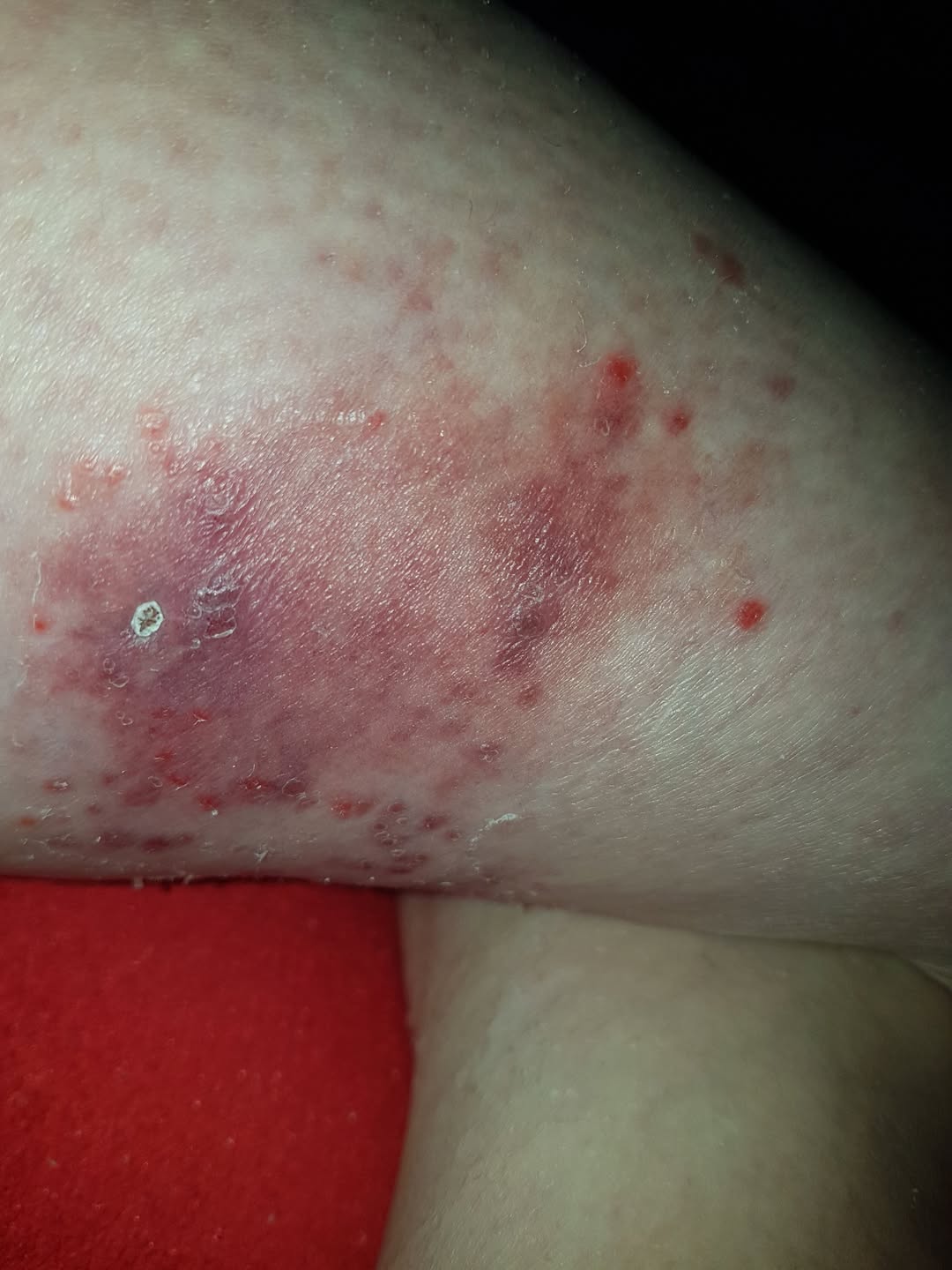
Ran for 9 days, from February 15 to February 24, 2026, the last day Crush saw it.
Run by Nancy Millar on Facebook. Crush is not the advertiser and does not verify its claims. See this ad in Meta's Ad Library(opens in a new tab)
Want an ad like this for your product?
Crush makes new ad images for your product from this ad: your logo, your product photo, your offer.
Trials from $19.95 USD, then $79.95 USD a month. Cancel anytime.
About this ad
- Meta Ad Library ID
- 1293824712594132
- Platforms
- Facebook, Instagram, Audience Network, Messenger and Threads
- Relaunches
- 0
Ad text
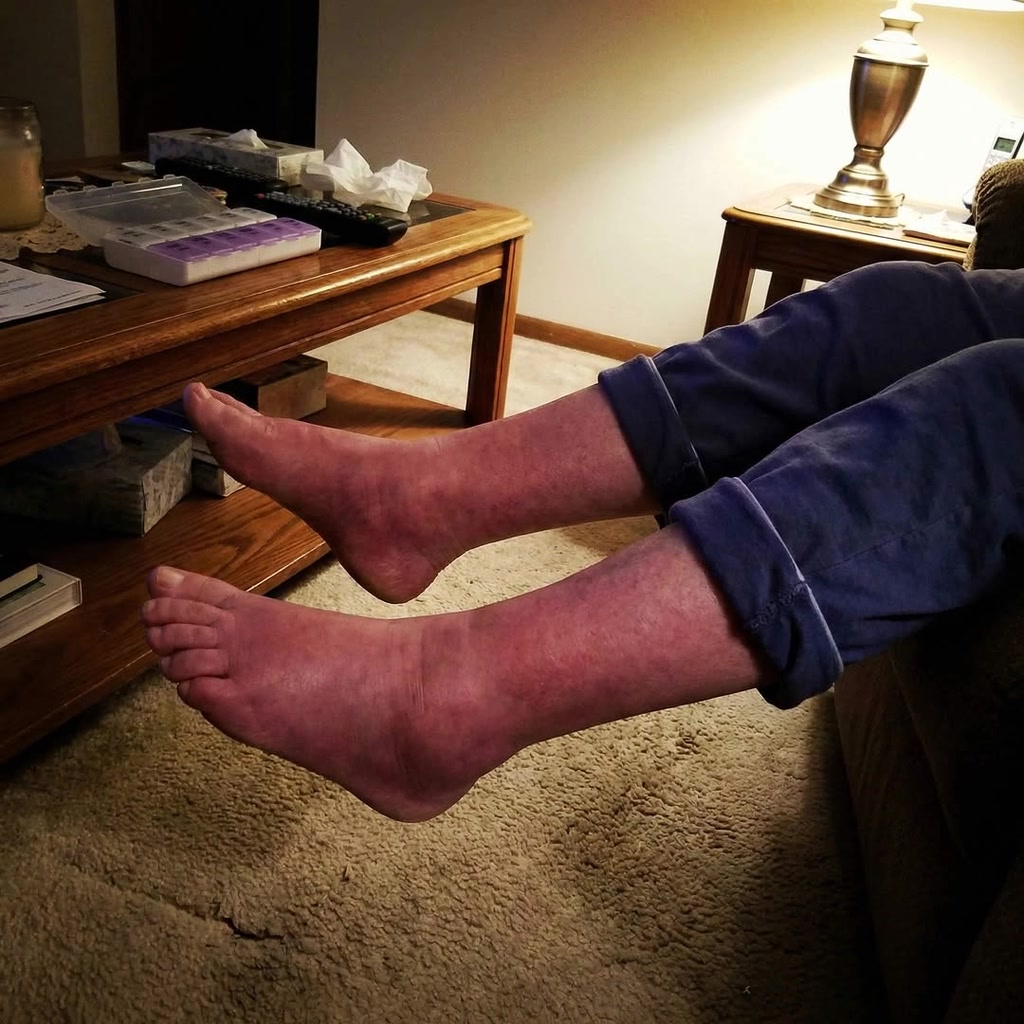
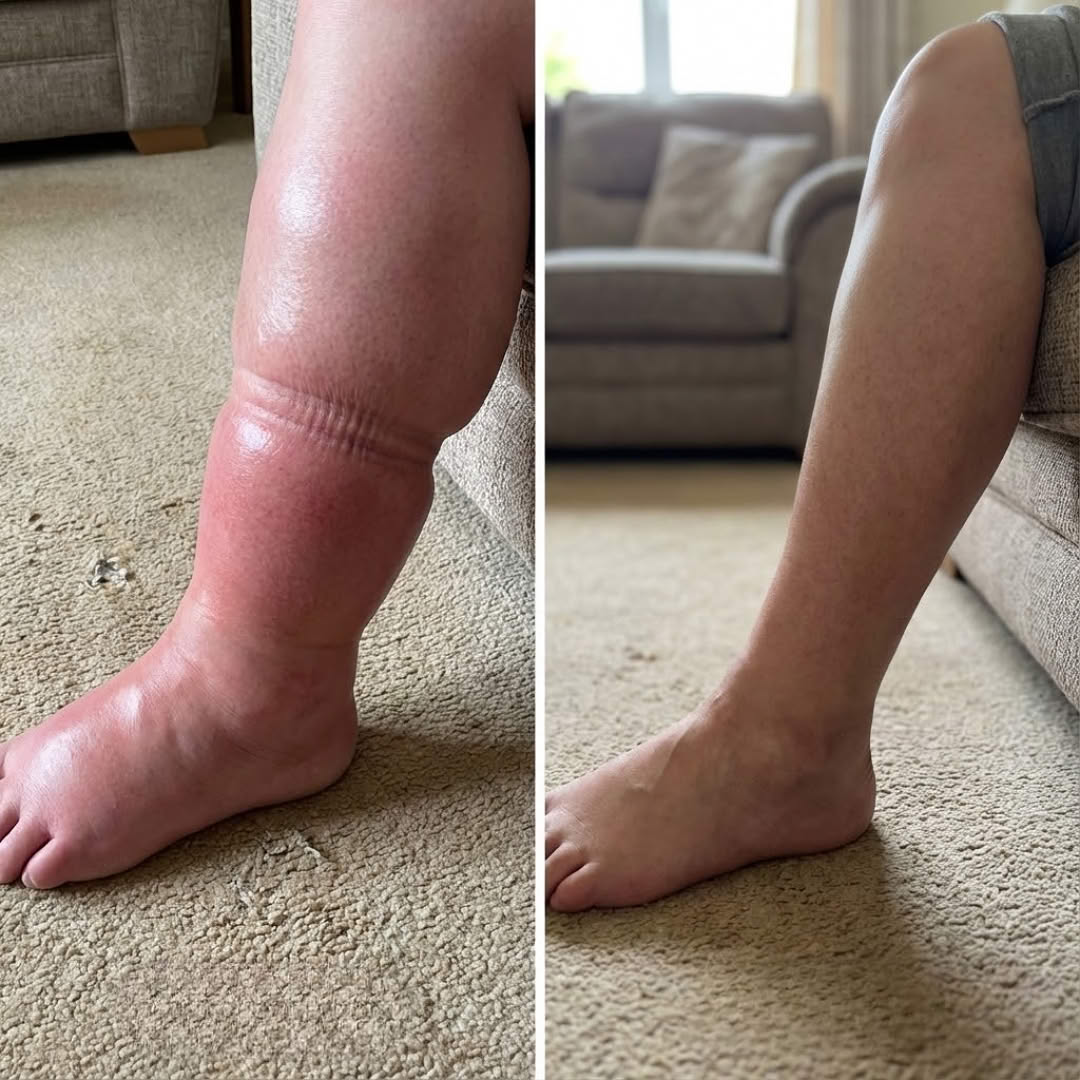
I’m a wound care nurse in South Florida. I’ve been in this job for 22 years. And I need to tell you about a pattern I’m seeing that’s keeping me awake at night. This year alone, I’ve treated 63 women over 60 for chronic venous leg ulcers — the open, weeping wounds that happen when stasis dermatitis goes untreated for too long. When the red, itchy, “alligator skin” rash on your lower legs isn’t just a rash anymore. When the skin breaks down completely and won’t close. It’s a slow-motion emergency. By the time these women reach my clinic, they’re in twice-weekly wound care. Bandages from ankle to knee. Some can barely walk. Some are in wheelchairs. Here’s what’s haunting me: 58 of those 63 women had been on steroid creams prescribed by their dermatologists. Some for 2 years. Some for over a decade. Last month, a 67-year-old retired teacher named Margaret was referred to me. Her daughter had to drive her because Margaret couldn’t walk more than 30 feet without stopping. Her lower legs were wrapped in gauze that was soaked through by the time she got to my office. When I unwrapped them, I saw what I always see. Open sores that wouldn’t close. Skin so thin from years of steroid cream that it tore when the gauze pulled away. Brown “cayenne pepper” stains covering both ankles. The skin between the wounds was hard and woody — like leather stretched over bone. “How long have you had stasis dermatitis?” I asked while I cleaned the wounds. “Seven years,” she said quietly. “It started as an itchy rash on my ankles. My dermatologist gave me Triamcinolone. Said to apply it twice a day. I did everything right.” Seven years. From “itchy rash” to open wounds in seven years. While doing everything her doctor told her. While I was debriding the dead tissue — a process that makes grown women grip the chair arms and go white — Margaret kept saying the same thing over and over: “I thought the cream was working. That’s what they told me. The redness was managed. It was working.” It wasn’t working. The redness was suppressed on the surface. But underneath, her veins were still leaking toxic fluid into her skin tissue. Iron was still rusting under her skin. Proteins were still hardening around her capillaries, suffocating her skin cells. For seven years. The steroid cream was painting over the water stain while the pipe behind the wall kept bursting. And now she’s looking at months of wound care — if she’s lucky. If the ulcers close at all. Here’s what I’ve learned from 22 years of treating women whose “bad legs” started as “just a rash”: The dermatologist gives you steroid cream and tells you the redness is “managed.” That’s the word they use. “Managed.” Do you know what can happen to skin that’s being flooded with toxic fluid from leaking veins while the surface redness is “managed”? It doesn’t heal. It gets worse. The iron deposits spread. The skin hardens. The oxygen gets blocked. And eventually, the skin just gives up and opens. I’ve seen it 63 times this year. But here’s what’s keeping me awake: the ones I didn’t see. Last week, a woman brought her mother in for what she thought was a worsening ulcer on her shin. Classic presentation — I was preparing to start a wound care protocol that would last months. But when I examined her, the “ulcer” was actually a healing scratch. The skin around it was pink. Smooth. Healthy-looking. I was confused. Her chart said she’d had stasis dermatitis for four years. That skin should have been red, scaly, fragile. “What happened?” I asked. “Your chart from six months ago shows severe stasis dermatitis. This skin looks… normal.” “I stopped using the steroid cream,” she said. “Three months ago.” I must have looked alarmed, because she quickly added: “I didn’t just stop. I started fixing the circulation.” She showed me a device — something that looked like a medical-grade foot plate. She explained that it used electrical muscle stimulation to contract her calf muscles, restarting what doctors call the “Second Heart” — the calf muscle pump that’s supposed to push blood back up out of your legs. “My daughter found an article about it,” she said. “It explained why the steroid cream wasn’t actually fixing anything. The rash isn’t a skin problem. It’s a circulation problem. The cream was treating the surface while my veins were still leaking underneath.” She showed me the article on her phone. Written by a vascular specialist — Dr. Mark Evans. It explained the “Micro-Vascular Leak” — how failed vein valves cause blood to pool, pressure to build, and toxic fluid to leak into the skin. How the leaked iron rusts under the skin creating the brown spots. How leaked proteins harden and suffocate the skin cells, causing the bone-deep itch. How steroid creams suppress the surface inflammation but can’t touch any of that. And it explained how restarting the calf muscle pump — with true EMS, not a generic vibration pad — decompresses the veins, stops the leak, and lets fresh oxygenated blood reach the starving skin cells so they can finally heal. It’s the same principle we use in hospital vascular rehab for severe cases. Except this woman was doing it at home, in her living room, fifteen minutes every evening. And it had kept her out of my wound care clinic. I’m not supposed to recommend anything that’s not in the standard treatment protocol. If I started telling every stasis dermatitis patient about this, I’d get reprimanded. But I’ve treated 63 women this year whose legs were destroyed because they “managed the redness” with steroid cream while the circulation problem underneath went untreated for years. And I’ve started seeing something else: women who aren’t ending up in my wound care clinic because they stopped waiting for creams to work. Last month, I was having lunch in the break room when I got talking to a colleague — a vascular tech who does ultrasounds on legs all day. She told me about a patient whose stasis dermatitis had been so severe she’d missed her granddaughter’s pool party, her grandson’s soccer games, hadn’t worn shorts in six years. “Then she found that article,” she said. “About the vascular specialist whose own wife had alligator skin legs. He figured out it wasn’t a skin problem — it was a dormant calf pump. Now thousands of women are using this device.” “Did it work?” I asked. “She wore a sundress to Thanksgiving dinner,” she said. “First time showing her legs in public in years. No redness. No itch. She cried in the parking lot after.” I asked if she had the article. She sent it to me. I read it that night. It explained everything I’d seen in 22 years of wound care. The venous insufficiency. The micro-vascular leakage. Why steroid creams can’t fix a circulation problem. Why “managing the redness” isn’t managing the disease. Why years of “the cream is working” leads to my wound care table. And it explained how electrical muscle stimulation — true EMS that reaches the deep motor nerves and forces actual calf contractions — restarts the dormant pump, decompresses the veins, stops the toxic leak, and floods fresh oxygen back to the suffocating skin cells. So the skin can actually heal instead of slowly dying from the inside out. I can’t tell you this while I’m debriding your wound. I can’t tell you this when you’re gripping the chair arms with tears running down your face. I can’t officially recommend anything outside protocol. But I can tell you this: I’ve treated 63 women this year for venous ulcers that started as “just a rash.” Fifty-eight of them had been on steroid creams for years. They’d all been told the redness was “managed” and the cream was “working.” And I’ve started seeing something else: women who aren’t on my treatment table because they found that article and stopped waiting for a cream to fix a pump. If you’re staring at red, scaly legs right now, or if you’re applying steroid cream twice a day while the brown spots keep spreading, or if you’re lying awake at 2 AM scratching that bone-deep itch that no cream can reach, or if you’re terrified you’re going to end up in wound care like the women I treat every single day— You need to read that article. I can’t hand it to you in my clinic. But I can tell you: don’t wait until you’re on my wound care table to find it. Here it is: ornexis.com/pages/ems-sd — Nancy Miller, RN, WCC Wound Care Certified Nurse 22 Years in Practice South Florida
Where the ad sends people
ornexis.com
I spent $1,200 on steroid creams, antibiotics, and "miracle" lotions that did nothing
The secret to smooth, clear skin again. Deep muscle activation that stops the toxic leak from within.
Learn more: ornexis.com(opens in a new tab)