
Inactive· since Feb 1, 2026
- 11
- days it ran
- 0
- relaunches
Ad copy
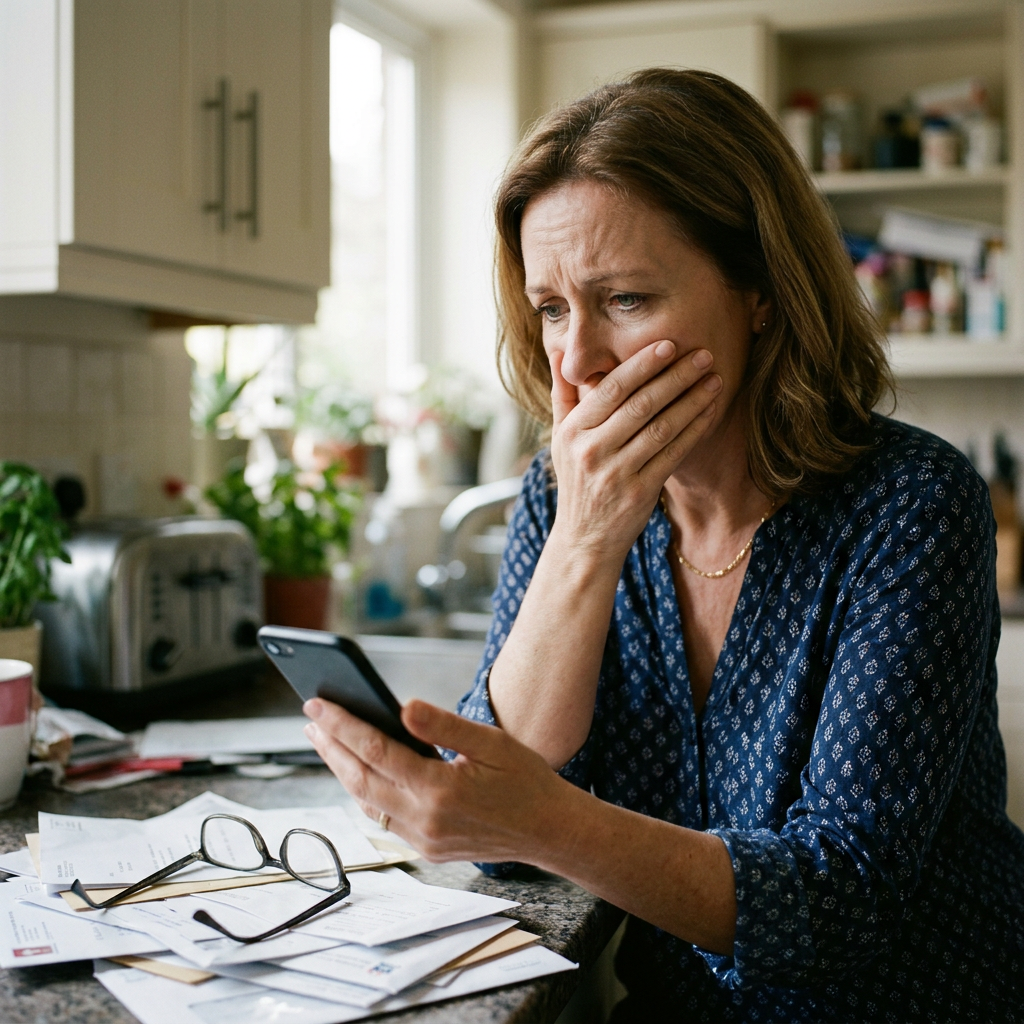
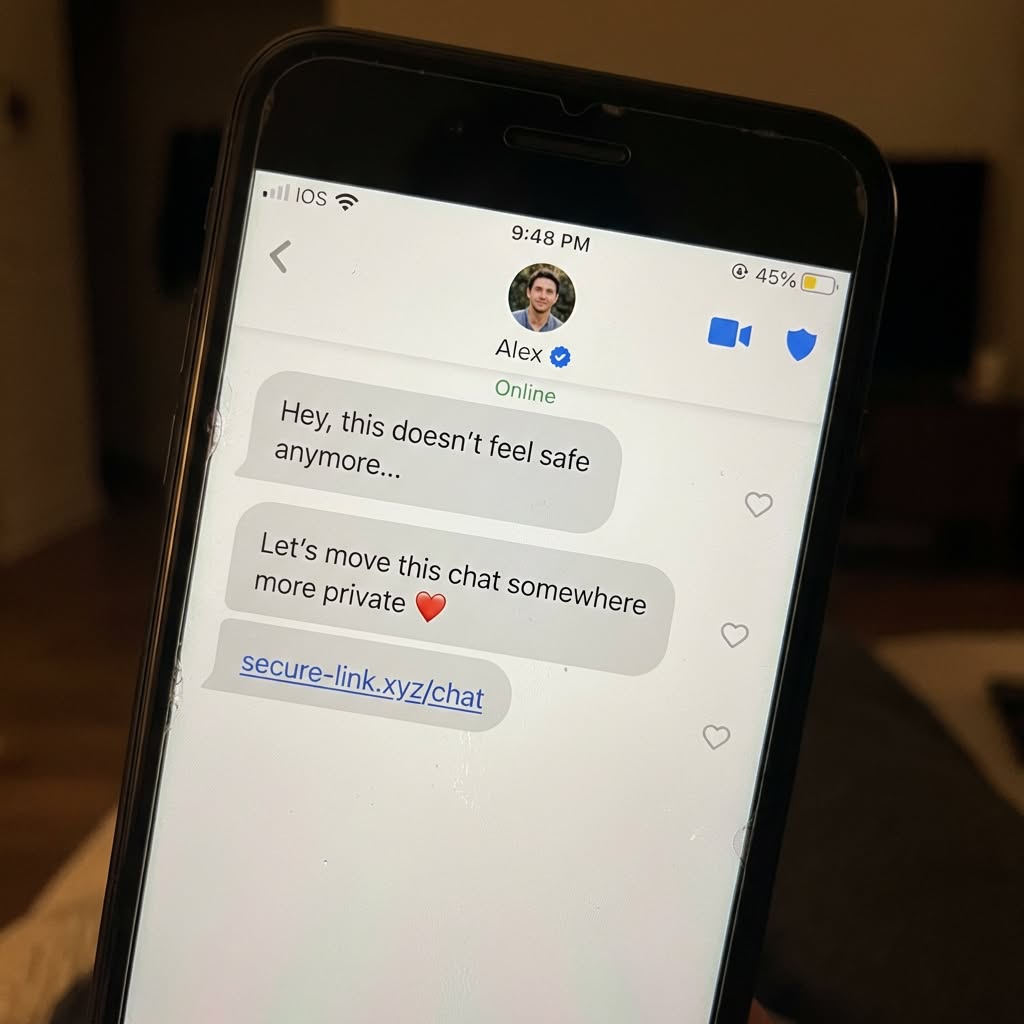
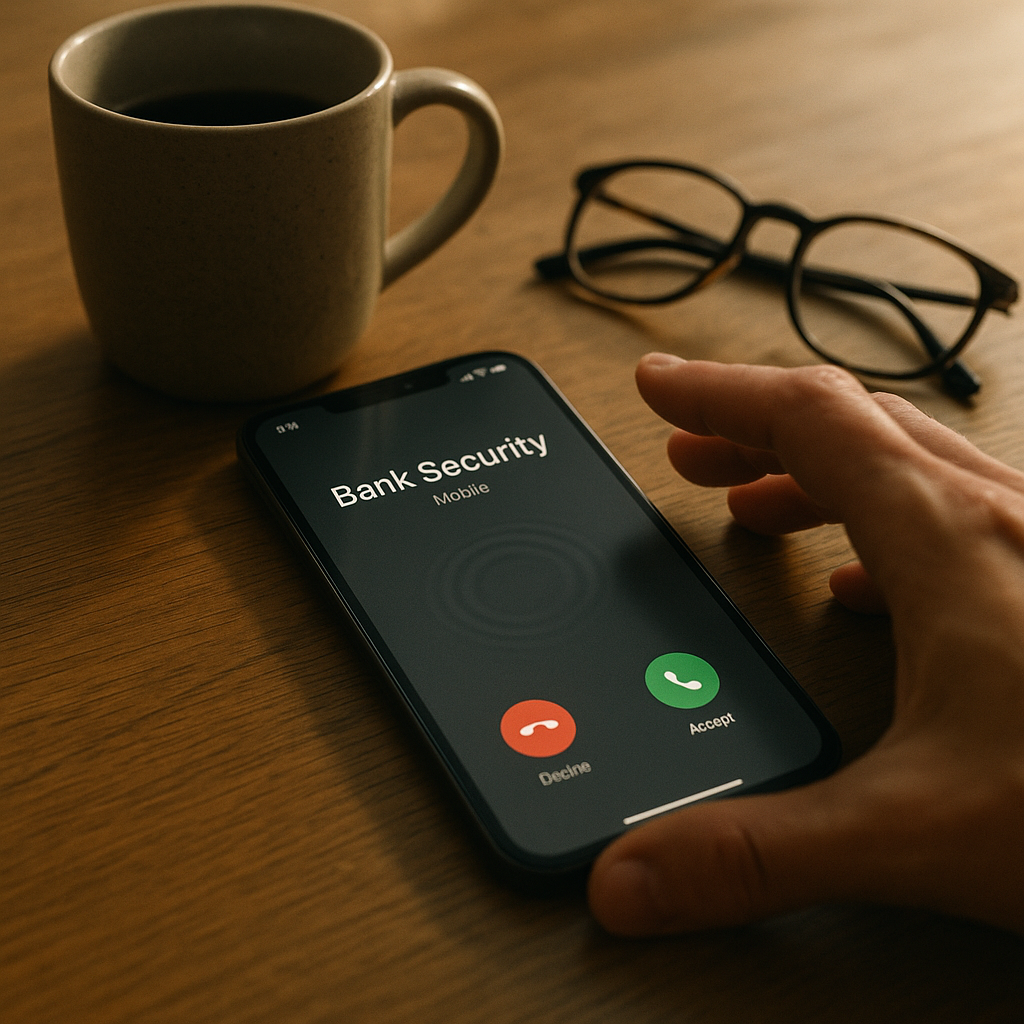
The call came while I was checking emails. “Mr. Martinez, this is the bank’s fraud team. We detected suspicious activity on your account.” I froze. He knew everything - details only my bank should know. By the time I realized, I was one click away from losing everything. It was a Thursday morning - quiet, warm, ordinary. I’d just sat down with my coffee when my phone buzzed. The caller ID read “Bank Security.” For a second, I thought it might be one of those automated alerts I sometimes get after traveling. “Good morning, Mr. Martinez,” the man said, calm and professional. “This is Daniel from your bank’s fraud department. We’ve detected unusual activity on your checking account - did you recently authorize a transaction in Dallas, Texas?” My heart rate picked up. “Dallas? No, I haven’t been there in years.” “That’s what I thought,” he said quickly, voice steady but urgent. “It looks like someone cloned your debit card. We’re trying to stop the transaction before it clears. I’ll just need to verify a few details so we can secure your account.” Everything about him sounded right - the pacing, the bank jargon, even faint keyboard clicks in the background. He wasn’t reading from a script. He sounded like someone who’d done this hundreds of times before. I grabbed my wallet, rattled off the last four digits of my card, confirmed my branch city, answered his questions. He even mentioned the last digits of my account number - numbers only my bank should have known. “Thank you, Mr. Martinez,” he said. “I’ll send a verification text now. Tap the link to confirm your identity and stop the fraudulent charge.” A message appeared instantly. It looked completely legitimate - bank logo, tone, everything professional. The link said: BankSecure-Verify.com. I hovered over it, thumb ready to tap. Then, something in my gut hesitated. “Daniel,” I said slowly, “can I call you back through the bank’s main line just to be sure?” He paused - just for a second - then spoke faster. “Sir, this transaction is live. If you don’t verify right now, the funds could be gone. Please tap the link so we can freeze your account.” His voice was calm but commanding. And that’s what got me and made me click. Because fear makes you trust the wrong people. And then - it happened. A small banner appeared at the top of my browser screen: ⚠️ Guardio blocked a known phishing site. This page is malicious. My thumb froze mid-air. I stared at the warning, realizing what almost happened. Guardio - that online protection app Emily had installed months ago. I’d almost forgotten it existed. She’d told me, “Dad, it runs quietly. If a link looks suspicious, it’ll block it before you even click.” That tiny warning, that fraction of a second - it saved everything. I hung up the call and sat there in silence, staring at the fake site’s name. BankSecure-Verify.com - a near-perfect copy of my bank’s domain. If Guardio hadn’t stopped me, I would’ve walked right into it. That night, I told Emily. “Dad,” she said, pale, “you got that call? The voice scam?” “The what?” “They call pretending to be your bank. They use your real info from old data leaks, sound professional, and trick you into clicking their fake links. Once you sign in there - they drain everything.” I rubbed my forehead. “He knew everything, Em. My branch, my digits, even my last login.” “They buy leaked data,” she said. “Thousands of records at a time. They piece it together to sound real. You were one of their targets today.” I didn’t sleep much that night. Every word replayed in my head - If you don’t act now, your money will be gone. The calm tone. The pressure. The false urgency. I kept thinking about how many people wouldn’t stop to think. How many wouldn’t have a tool like Guardio catching that fake page before it loaded. The next morning, I checked my messages again. Two new texts had arrived overnight: “URGENT: Account locked. Tap link to unlock.” “Final warning: Confirm to avoid suspension.” Different numbers. Same format. Same script. Guardio flagged both before they even opened. That’s when it hit me - this wasn’t personal. It was industrial. They were running these scams on thousands of people like me - retirees, business owners, anyone who’d panic at the word “bank.” That weekend, Emily came by. She made tea, but her hands trembled when I told her everything. “You know,” she said quietly, “they use AI now. Some even clone voices of loved ones. They can make it sound like me calling you.” The thought made my chest ache. “So how do we trust anyone?” “By verifying everything,” she said. “Hang up and call back through the official number. Never click links, no matter how real they look.” I nodded. “You saved me by installing that Guardio thing, Em. It blocked that fake bank site before I could even think.” She smiled faintly. “You saved yourself too. You hesitated. That’s what matters.” That night, I opened my laptop to check my emails. Right at the top: “Your account has been restricted. Click here to verify your details.” I almost laughed. The timing was poetic. Guardio caught it again - Phishing domain detected. This time, I didn’t feel fear. I felt relief. Because now I know what real protection looks like. It’s not the voice on the phone claiming to “keep me safe.” It’s the quiet system that watches for me - every time I hover, click, or open something that could ruin my life. If you’ve ever gotten a message, or a link that felt too real to doubt - you already know how close it can get. Don’t wait for that moment. Click below to ensure you're safe online.
Click to Read 👉
LEARN MORELike this ad? Make it yours.
Crush rebuilds this exact creative around your product — your brand, your colors, your offer — in about a minute.