
Inactive· since Mar 6, 2026
- 5
- days it ran
- 0
- relaunches
Ad copy
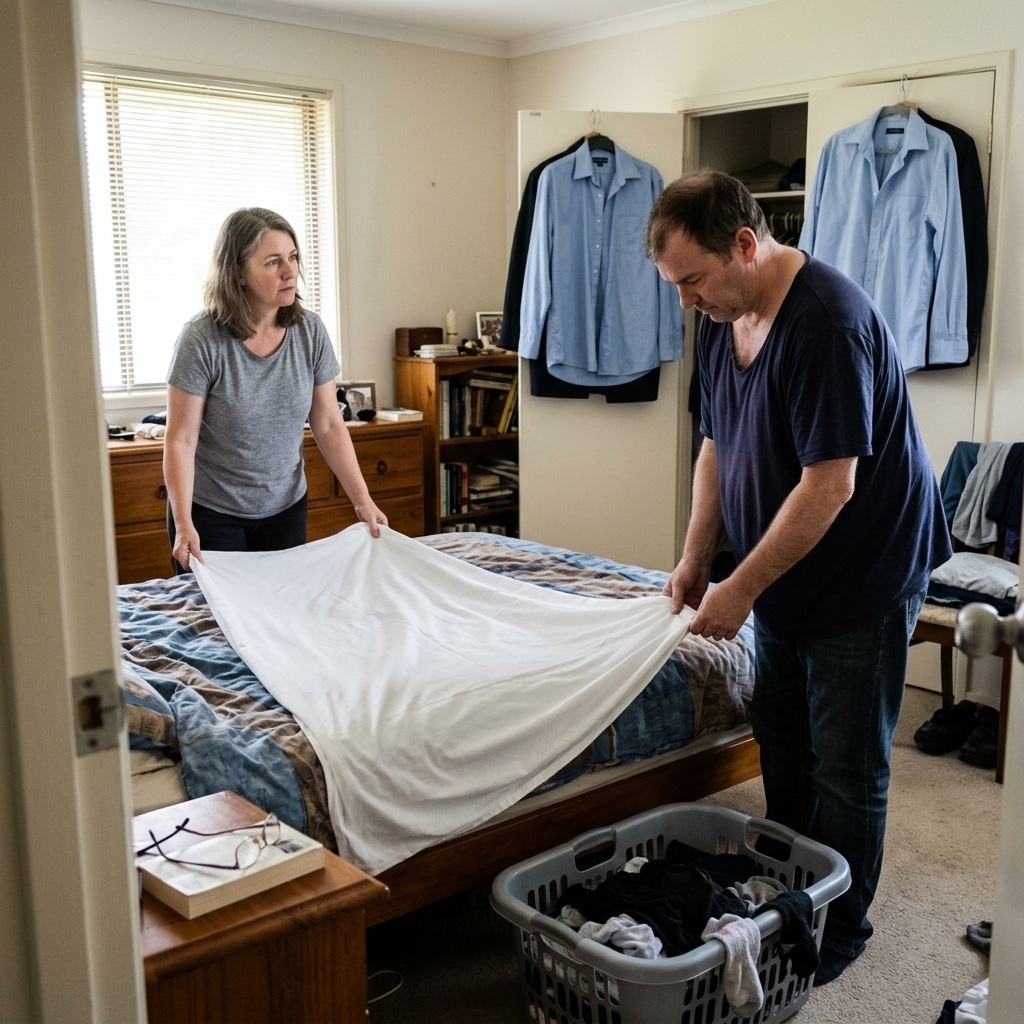
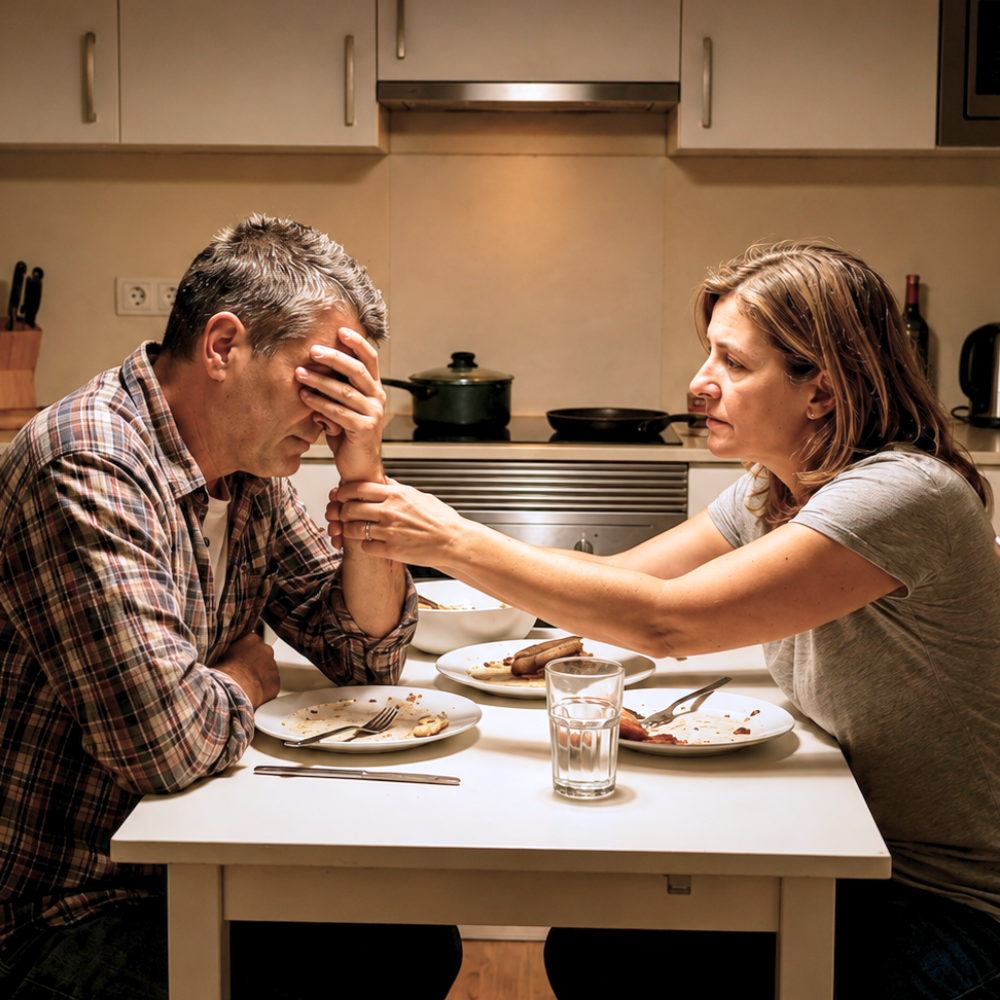
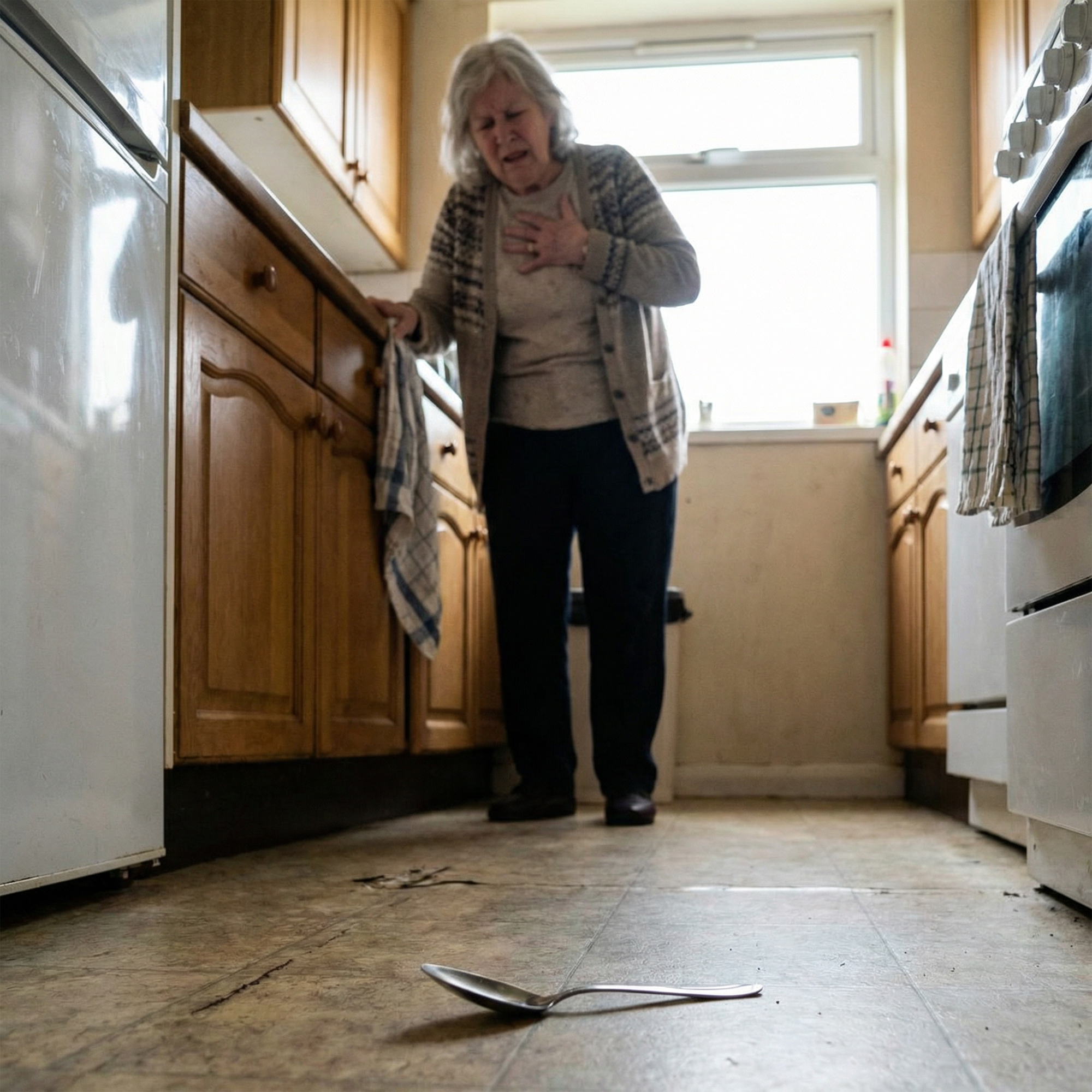
My mom's doctor said her RA is under control. Her inflammation markers are good. Her swelling is down. The medication is working exactly as it should. So why is she still losing her independence? Why can't she garden, quilt, cook the meals she used to love making? That's when I realized: "medically managed" and "functionally capable" are two completely different things. My mom raised four kids. She cooked every meal from scratch. Sewed our Halloween costumes. Gardened every weekend. Quilted blankets for each grandchild. Her hands were always moving. Always creating. Always caring for someone. Now she can't open a jar of pasta sauce. I'm 43. My mom is 68. And I'm watching the strongest woman I know lose her independence one small task at a time. It started about five years ago. She'd mention her hands feeling stiff in the mornings. She'd shake them out, flex her fingers, and get on with her day. Then she started asking me to open jars when I'd visit. "My grip isn't what it used to be," she'd laugh. Over the next year, the list of things she couldn't do kept growing. Couldn't button her blouse without struggling. Couldn't use her garden shears. Couldn't knead dough for the bread she used to make every Sunday. She'd make excuses. "I'm just tired today." "My hands are cold." "I don't feel like cooking." But I knew. She was losing the ability to do the things that made her feel like herself. Finally, she went to her doctor. Got referred to a rheumatologist. Rheumatoid arthritis. They put her on medication to manage the immune response and control inflammation. Within a few months, her labs looked better. The swelling went down. Her rheumatologist said the treatment was working. And it was. Medically speaking, she was being managed well. But functionally? She was still losing ground. She stopped gardening because she couldn't grip the tools. Stopped quilting because her fingers were too stiff to hold the needle properly. When I'd visit, I'd find her sitting more. Doing less. Shrinking back. Not because she was sick. Not because she was in constant pain. Because her hands wouldn't cooperate. Because the physical function wasn't there even when the inflammation was controlled. And here's what broke my heart: She wouldn't ask for help. My mom was the one who helped everyone else. The one who solved problems. The one you called when you needed something. Now she needed help opening jars, buttoning shirts, opening packages. And she'd rather struggle alone than admit she couldn't do it. I knew if I offered to help, she'd wave me off. One day, I watched her struggle open a bottle of water. "Mom, you're on medication. Your doctor says you're doing well. Why are you still struggling like this?" She just looked at me. "This is just how it is with RA. The medicine helps, but it doesn't give back what you’ve lost." That's when I realized something. The medical system had done its job. They'd controlled her immune response. Managed her inflammation. Her bloodwork looked good. But they weren't addressing the tissue-level function that was stealing her quality of life. My mom wasn't asking to be cured. She just wanted to open a jar. To button her own shirt. To feel capable again. So I started researching. Not alternatives to her medication. She needed to stay on her prescribed treatment. But I wanted to understand why a 68-year-old woman whose inflammation was controlled still couldn't open a jar. That's when I came across research on BPC-157. It's a peptide your body naturally produces in gastric juice. Studies showed it could activate tissue repair pathways and support collagen synthesis. The research was legitimate. Published studies, real science. But here's where it got complicated. Every forum I found had people using injectable BPC-157. Research chemicals from gray-market suppliers labeled "not for human consumption." My mom wasn't going to inject herself daily with unlabeled vials. That wasn't realistic. So I looked into oral supplements. I bought three different oral BPC-157 products over the next few months. All from major retailers. All had thousands of reviews claiming life-changing results. All showed certificates proving 99% purity. I figured if any of them worked, we'd see improvement in her grip strength, her morning stiffness, her ability to do basic tasks. My mom took them faithfully for two months. Nothing changed. I was ready to conclude the whole thing was overblown internet hype. But then I found a research article that explained exactly why those supplements didn't work. Standard oral BPC-157 uses an acetate salt formulation that gets completely destroyed by stomach acid. The peptide never makes it past your digestive system intact. It breaks down before it can reach damaged tissue. Bioavailability with acetate formulations? Less than 10%. So companies can sell "99% pure" BPC-157 that does absolutely nothing because the formulation ensures it never gets absorbed. Acetate salt is cheap to manufacture, and companies make massive profits selling products they know don't work, while people like my mom continue struggling. That's when I learned about Arginine Salt stabilization. Arginine Salt is a different formulation that protects BPC-157 from stomach acid degradation. The peptide stays molecularly stable through digestion and actually gets absorbed intact. Bioavailability with Arginine Salt? 99.9%. That's not a minor difference. That's the difference between flushing money down the toilet and actually getting the peptide into your system, where it can support damaged tissue. I found one pharmaceutical-grade brand using Arginine Salt stabilization. Third-party tested for bioavailability, not just purity. I asked my mom if she'd try one more. She trusted me enough to say yes. Week 2: She mentioned her hands felt slightly less stiff in the mornings. Not dramatic, but noticeable. Week 4: She opened a jar without asking for help. First time in months. Week 6: I watched her button her blouse without the struggle I'd seen before. Week 8: She spent an hour in her garden. Came inside smiling, said her hands felt more cooperative. By month 3, she was doing small tasks I hadn't seen her do in over a year. By month 6, she quilted her first blanket since her diagnosis. The hands that used to create, care for, and provide for everyone were cooperating again. Not because BPC-157 cured her RA. It didn't. But because when you give your body BPC-157 that's actually absorbed, that's protected from stomach acid and delivered to tissue intact, something changes. Collagen production pathways activate. Blood flow increases to areas with poor circulation. Tissue repair mechanisms that slow down after age 30 start working more efficiently. My mom is still on her RA medication. Still sees her rheumatologist. Her treatment plan hasn't changed. But now she also takes pharmaceutical-grade BPC-157 with Arginine Salt protection every morning. This isn't about replacing medical treatment. This is about supporting the tissue-level function that medication doesn't directly address. I would recommend it to anyone whose parent is dealing with: - RA that's medically managed but functionally limiting - Morning stiffness that steals independence - Grip weakness affecting daily tasks - Loss of ability to do activities they love - Watching their quality of life shrink despite "good labs" Just 2 capsules a day could help support: 💧 Tissue flexibility and morning readiness 💧 Collagen pathways involved in joint structure 💧 Blood vessel formation to areas with poor circulation 💧 Grip strength for daily functional tasks 💧 The physical tissue piece medication doesn't address 💧 Recovery capacity that declines with age 💧 Gut health while supporting joint tissue 💧 Independence and quality of life But before you buy any BPC-157 for someone you love, there's one critical thing you need to remember: Acetate formulations break down in stomach acid before ever reaching damaged tissue. To make sure you're getting BPC-157 that's actually absorbed and delivered to tissue intact, it must have: ✓ Arginine Salt stabilization for 99.9% oral bioavailability ✓ Protection from stomach acid degradation ✓ Third-party testing for bioavailability, not just purity The only brand I've found that meets that standard is Healthletic. My mom takes it every morning. And I've recommended it to friends whose parents are dealing with similar struggles. I hope it helps your loved one, too.
Here Is Why Your Chronic Pain Never Goes Away
Injuries, inflammation, and digestive problems don't just slow you down—they steal your quality of life. Whether you're an athlete facing recovery plateaus, someone battling persistent joint pain that conventional treatments miss, or dealing with gut issues that mainstream medicine hasn't resolved...
LEARN MORELike this ad? Make it yours.
Crush rebuilds this exact creative around your product — your brand, your colors, your offer — in about a minute.