
Inactive· since Mar 8, 2026
- 4
- days it ran
- 0
- relaunches
Ad copy
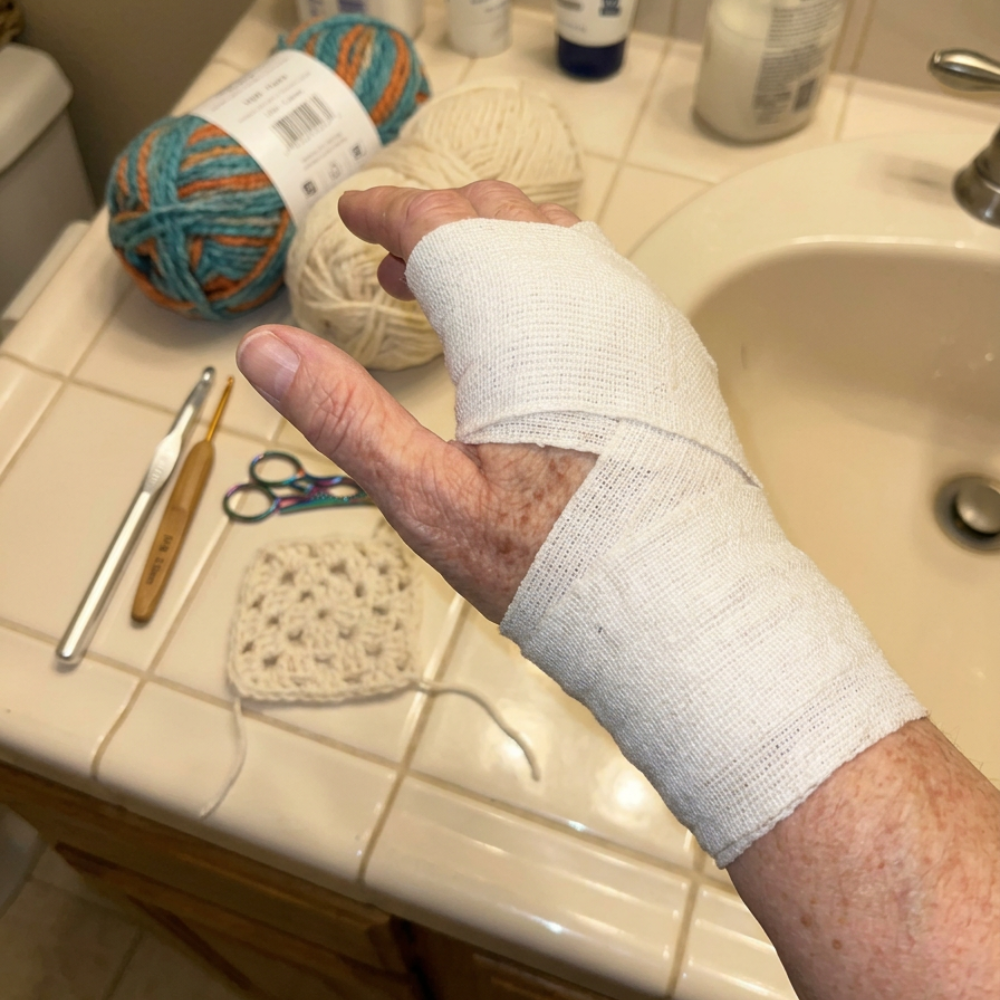
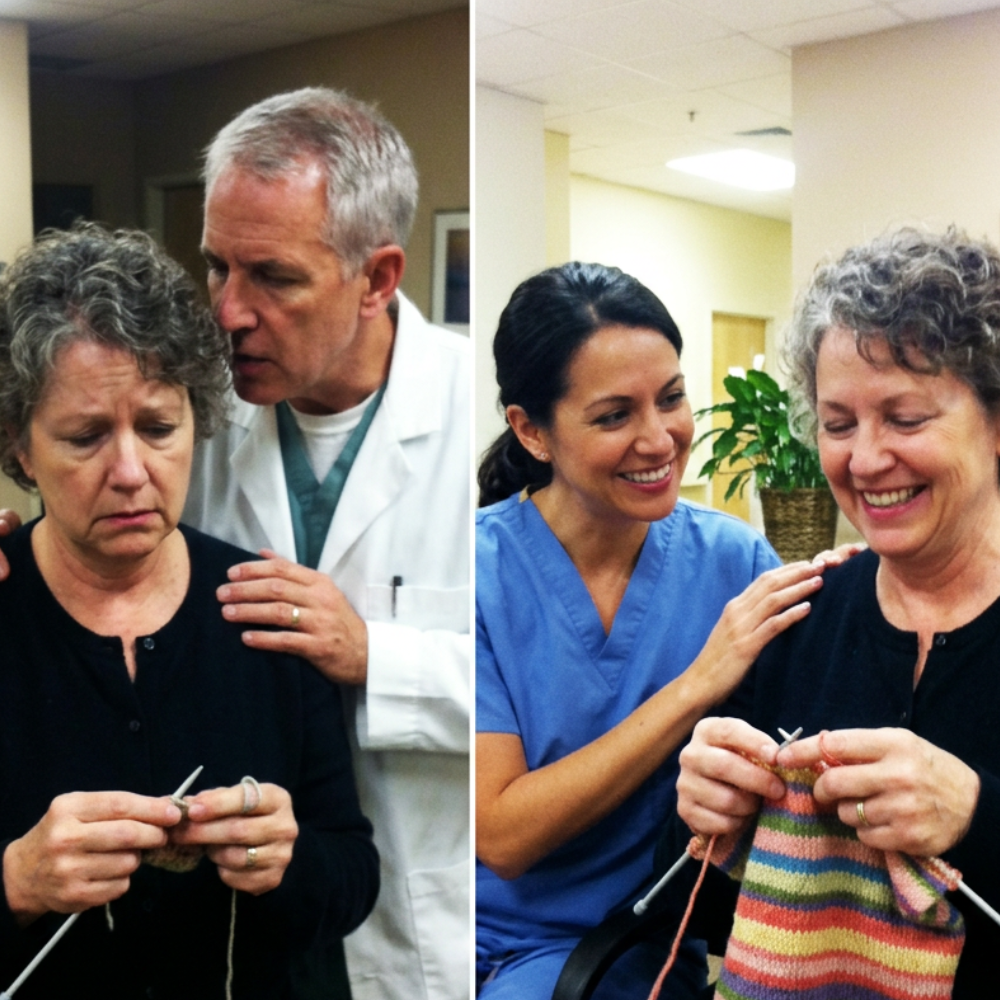
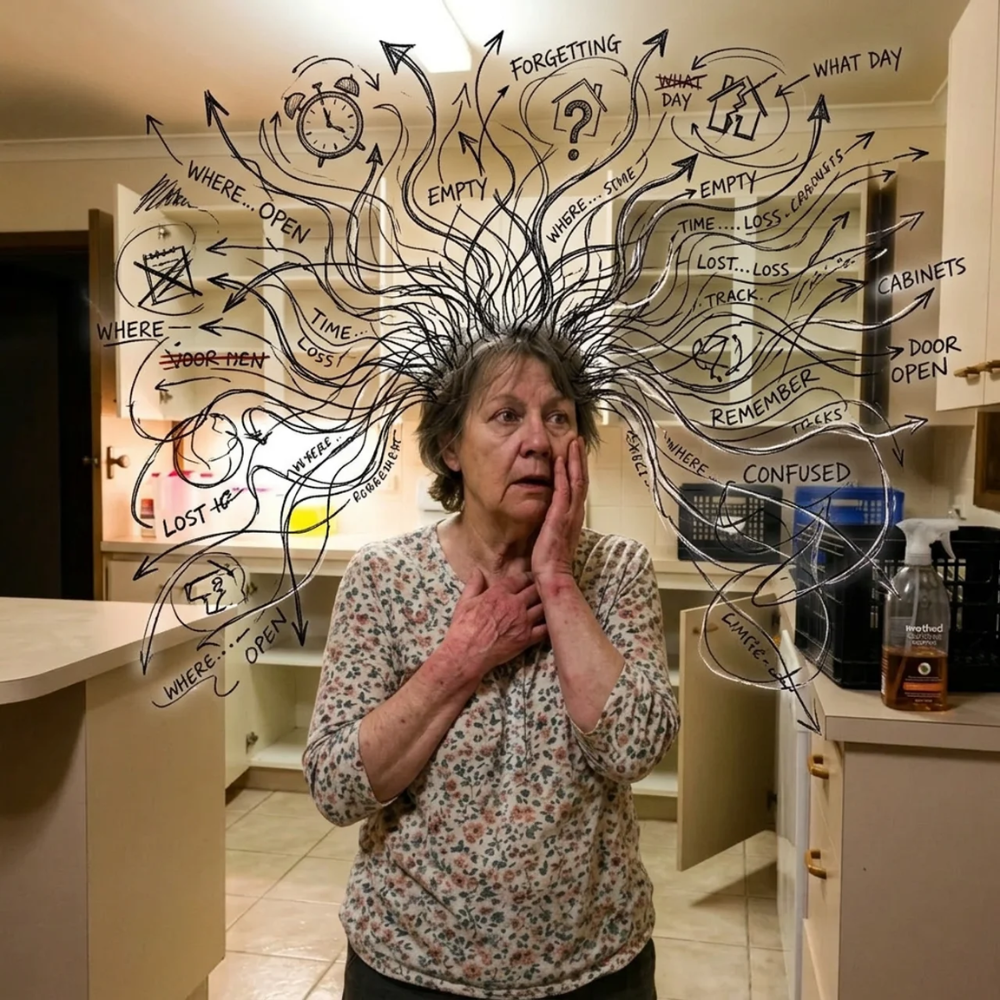
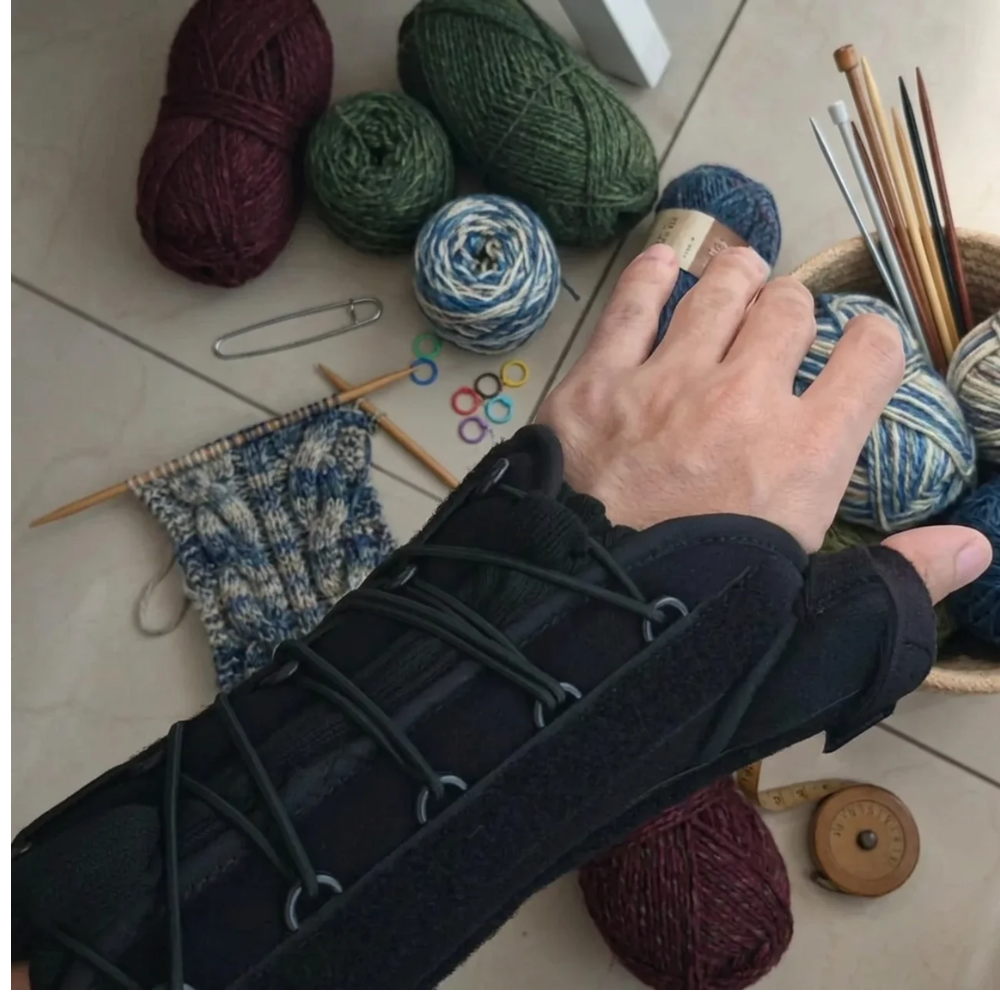
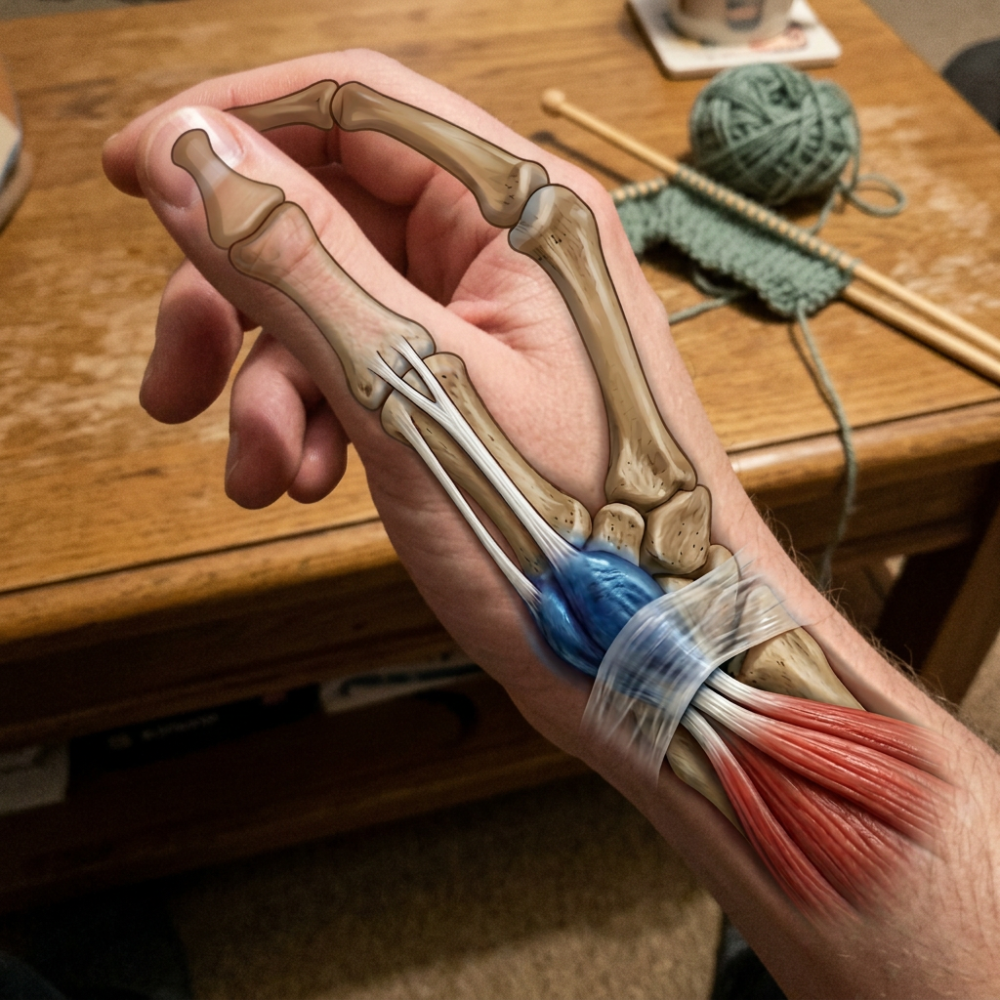
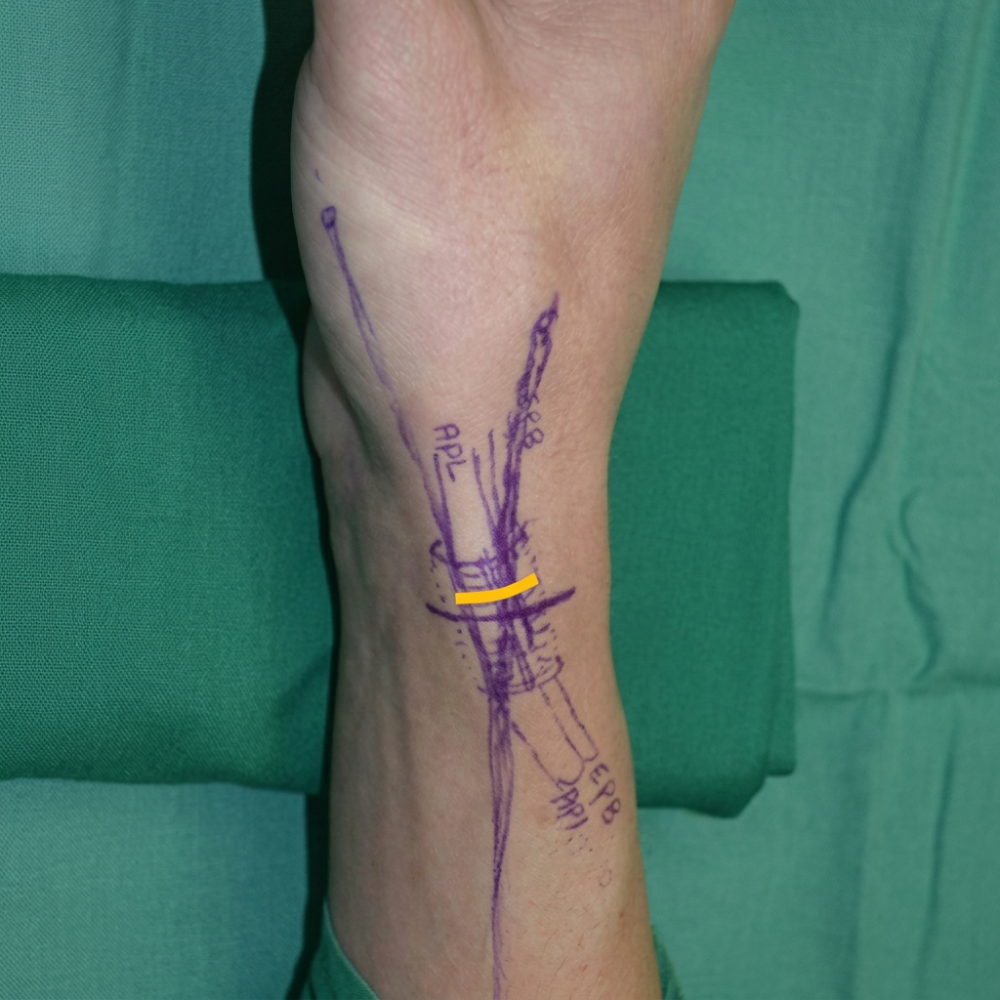
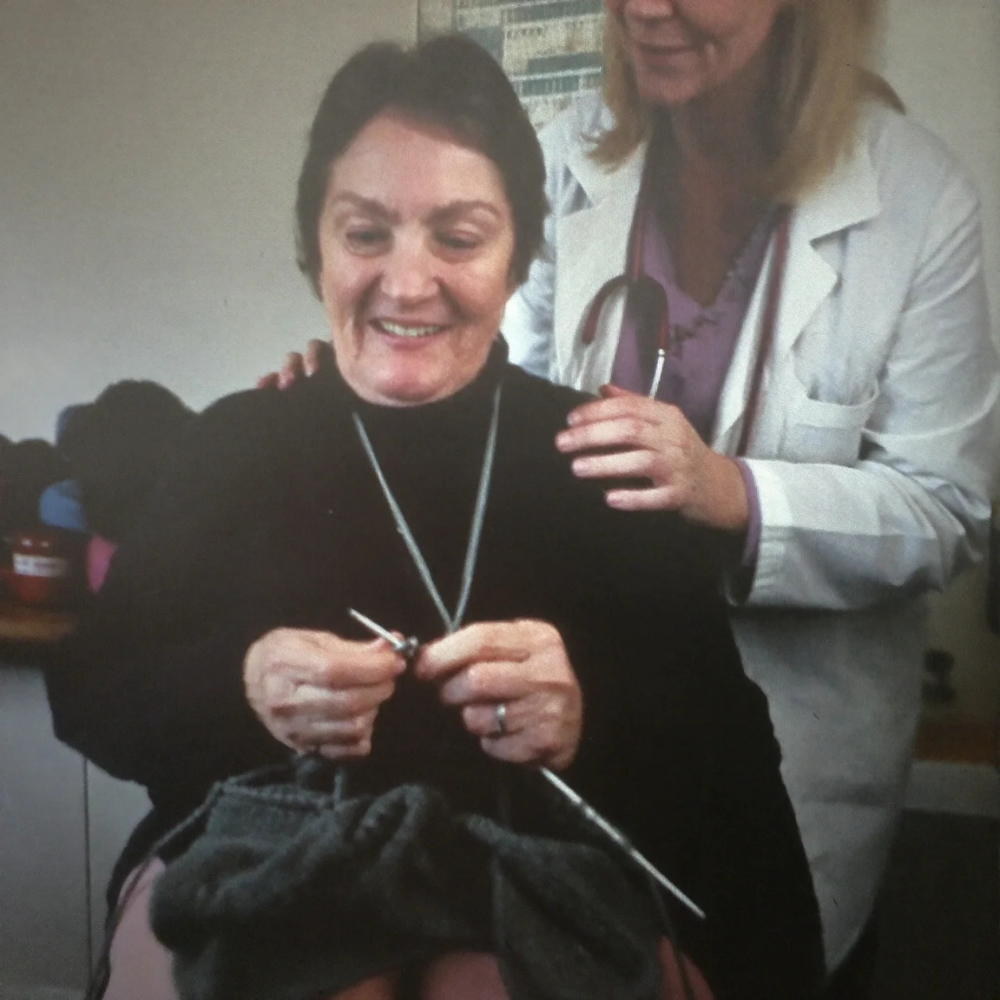
My male doctor told me to quit knitting. My female doctor told me to keep going. Same diagnosis. Completely different outcome. I want to tell you about both of them. Because one almost ended my knitting. And the other saved it. Dr. Marcus was efficient. I’ll give him that. I came in with wrist pain, numbness in three fingers, and a question I’d been afraid to ask for months. He looked at the nerve conduction results his nurse had run the week before. He said: “Moderate carpal tunnel. The nerve is compressed. You need to stop all repetitive hand activities and we’ll discuss surgical options at your follow-up.” I said, “I knit.” He was already typing. “You’ll need to stop that.” I said, “For how long?” He didn’t look up. “Until the inflammation resolves. Could be weeks. Could be longer. But the repetitive motion is what’s causing the compression. If you keep doing it, you’ll need the surgery sooner.” I sat there waiting for him to ask a follow-up question. How often do I knit. How long has this been going on. What it means to me. Anything. He didn’t. He handed me a referral for a surgical consult, a prescription for a night splint, and a pamphlet about carpal tunnel release. The pamphlet had a stock photo of a woman typing at a computer. I’m not a typist. I’m a knitter. I’ve been knitting for thirty-eight years. But he didn’t know that because he never asked. I drove home and called my friend Gayle. Gayle is in my knitting group—Wednesday nights, six of us, same table at the coffee shop for eleven years. She picked up on the second ring and I just said it: “He told me to stop.” Gayle didn’t say anything for a moment. Then she said: “You’re not going to.” She wasn’t asking. But I did stop. For three weeks. Because I was terrified. The word “surgery” was sitting in my chest like a brick. And every time I looked at my needles, I heard his voice: if you keep doing it, you’ll need the surgery sooner. Those three weeks were some of the worst of my life. And not because of the pain. Here’s what nobody tells you about being a lifelong knitter who suddenly can’t knit. It’s not one loss. It’s a cascade. I stopped going to Wednesday nights. I couldn’t sit at that table with my hands empty while five other women had yarn in their laps. Gayle texted me after the first week: Where are you? I said I was resting my wrist. She texted back a heart. But I could feel the distance already. Without the evening sessions, my anxiety came back. I don’t mean mild worry. I mean the chest-tightening, jaw-clenching, 2 AM spiraling that knitting had been holding at bay for years. My hands would start the phantom motion—fingers working invisible yarn—and I’d catch myself and feel this rush of grief that didn’t make sense for something that wasn’t a death. Except it was. My daughter noticed first. She called on a Tuesday and said, “Mom, you sound different.” I told her I was fine. She said, “You sound like you did after Dad left.” That’s when I knew it had gone too far. Because she was right. The flat voice. The no-plans evenings. The not caring what I ate for dinner. Taking away my knitting hadn’t just taken away a hobby. It had taken away the single most effective thing I had for managing my own mind. I called Gayle. I told her everything. The anxiety. The emptiness. The fact that I’d tried reading, puzzles, television, and none of it came within a mile of what knitting does for my head. Gayle said: “Get a second opinion. Not from another surgeon. From someone who actually works with people who use their hands.” She gave me the name of a hand specialist her sister-in-law had seen after a quilting injury. A woman. Dr. Levine. I got in ten days later. Dr. Levine already had the nerve conduction results I’d had forwarded. She read through them. Then she closed the folder and looked at me. “Tell me about the knitting.” Nobody had ever said that to me in a medical office. Not in thirty-eight years of crafting. So I told her. How long I’ve been doing it. How often. What it does for my anxiety. What it means to my friendships. What the last three weeks without it had felt like. She listened to all of it. Then she said: “Show me how you hold your needles.” I mimed the motions. She watched my wrists. Not my fingers. She had me do it again, slower. She pointed at the small lateral shift my right wrist made with each stitch. “That movement,” she said. “Hundreds of times per minute. For hours. For thirty-eight years. With nothing stabilizing the joint.” She pulled up the nerve conduction results on her screen. “Dr. Marcus isn’t wrong. The nerve is compressed. But what he didn’t explain—or possibly didn’t investigate—is why.” She said in her experience with crafters, the compression almost always comes from chronic inflammation. Not nerve damage. The wrist has been absorbing hundreds of tiny unsupported micro-movements per minute for decades. That repetitive micro-instability inflames the soft tissue. The swollen tissue presses on the nerve inside the carpal tunnel. That’s what causes the numbness, the tingling, the dead hand at 3 AM. But the nerve itself? Usually intact. Being squeezed, not destroyed. “So when Dr. Marcus said stop the activity, he was treating the inflammation,” she said. “But he wasn’t addressing what’s creating the inflammation. That’s why three weeks of rest barely changed anything for you. The instability was just waiting for you to come back.” I asked why the rigid brace didn’t help. She said because it locks the wrist completely. Useful for sleep. Useless for knitting. And compression gloves target the fingers and palm—not the wrist joint where the instability lives. Then she opened a drawer and handed me a compression wrist sleeve. Thin. Flexible. It wrapped only the wrist joint. Fingers completely free. “This stabilizes the wrist during movement. It doesn’t stop the movement. It supports the joint through those micro-shifts so the tendons aren’t absorbing all the impact alone. If the micro-stress decreases, the inflammation decreases. And when the inflammation decreases, the pressure on the nerve eases.” She looked at me. “I’m not going to tell you to stop knitting. I’m going to tell you to knit with support. And we’re going to retest in eight weeks.” I put the sleeve on in her office. Drove straight home. Sat in my chair. Picked up my needles for the first time in three weeks. Ten minutes. No numbness. Twenty minutes. My wrist felt steady. Present. Like something was holding it from the outside. Forty-five minutes. I was crying. Not from pain. From the realization that I was knitting. Actually knitting. After three weeks of believing I might never do this again. I knitted for an hour and twenty minutes that night. I texted Gayle at 9:47 PM: I’m coming Wednesday. She texted back: Finally. It’s been ten weeks. I knit every night. Hour and a half, sometimes two hours. The numbness is gone. The 3 AM dead hand is gone. I went back to Dr. Levine for the eight-week retest. Grip strength improved. Nerve response improved. Inflammation markers down. She said keep going. I’m back at Wednesday nights. Same table. Same women. Same coffee. Gayle looked at me across the table last week, needles in both our hands, and said, “You look like you again.” I haven’t scheduled the surgery. Not because I’m ignoring the diagnosis. Because the diagnosis is changing. Because the nerve wasn’t damaged. It was being squeezed by inflammation that had a cause nobody had bothered to look for. Two doctors. Same test results. One said stop. The other said let me look closer. If you’ve been told to stop knitting—or crocheting, or quilting—because of carpal tunnel, I’m not telling you to ignore your doctor. But I am telling you that not all doctors ask the same questions. And the one who finally asks “Show me how you hold your needles” might give you a very different answer than the one who hands you a pamphlet with a picture of a woman at a keyboard. That pamphlet is still in my glove box. I keep it there to remind myself how close I came to accepting the wrong answer. Link is below.
Like this ad? Make it yours.
Crush rebuilds this exact creative around your product — your brand, your colors, your offer — in about a minute.