
Inactive· since May 2, 2026
- 132
- days it ran
- 0
- relaunches
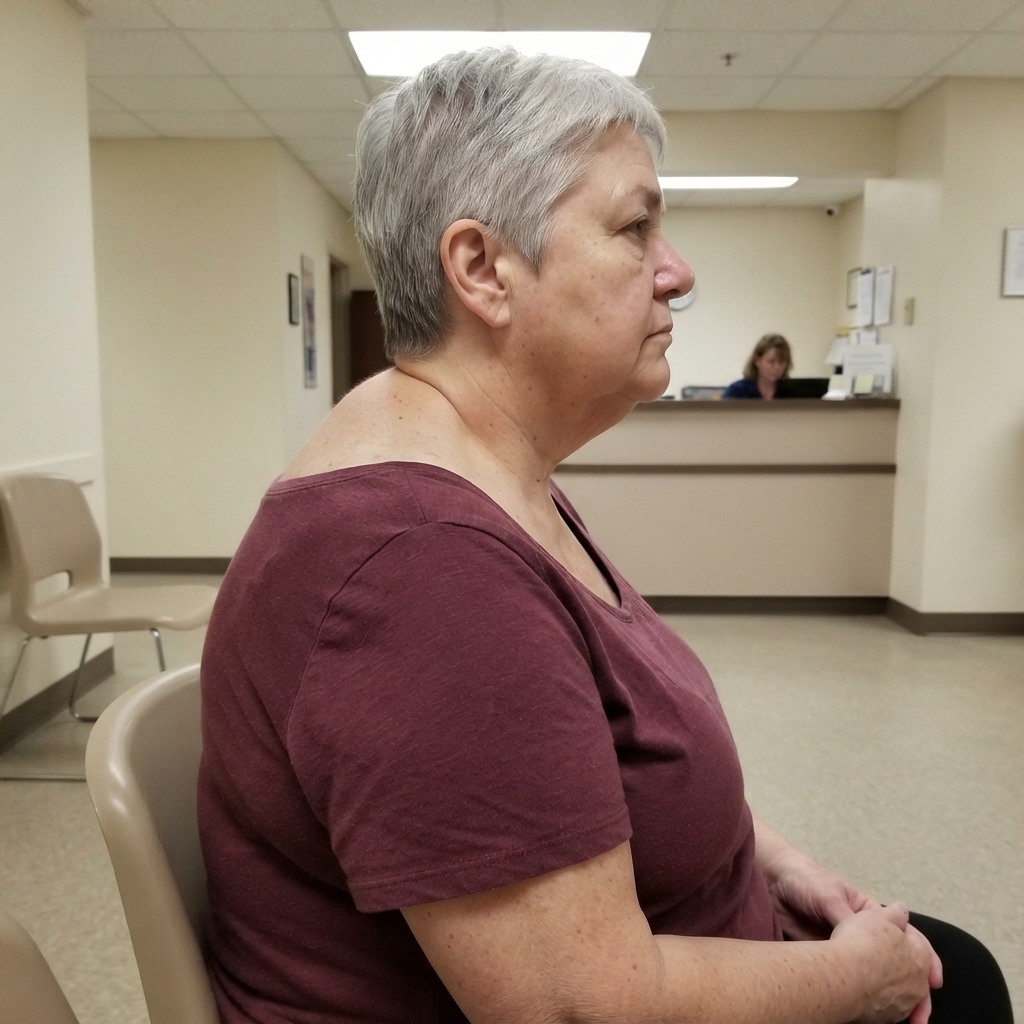
Ad copy
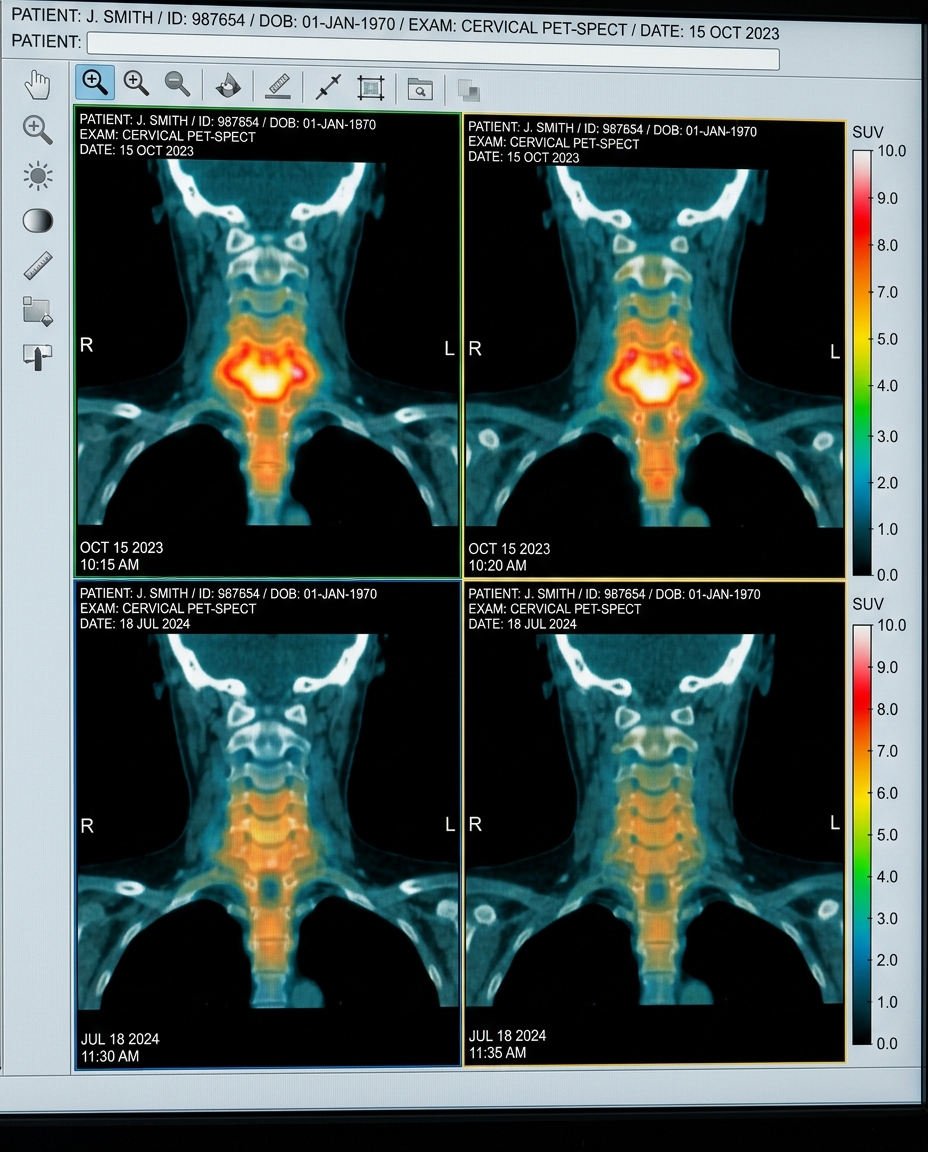
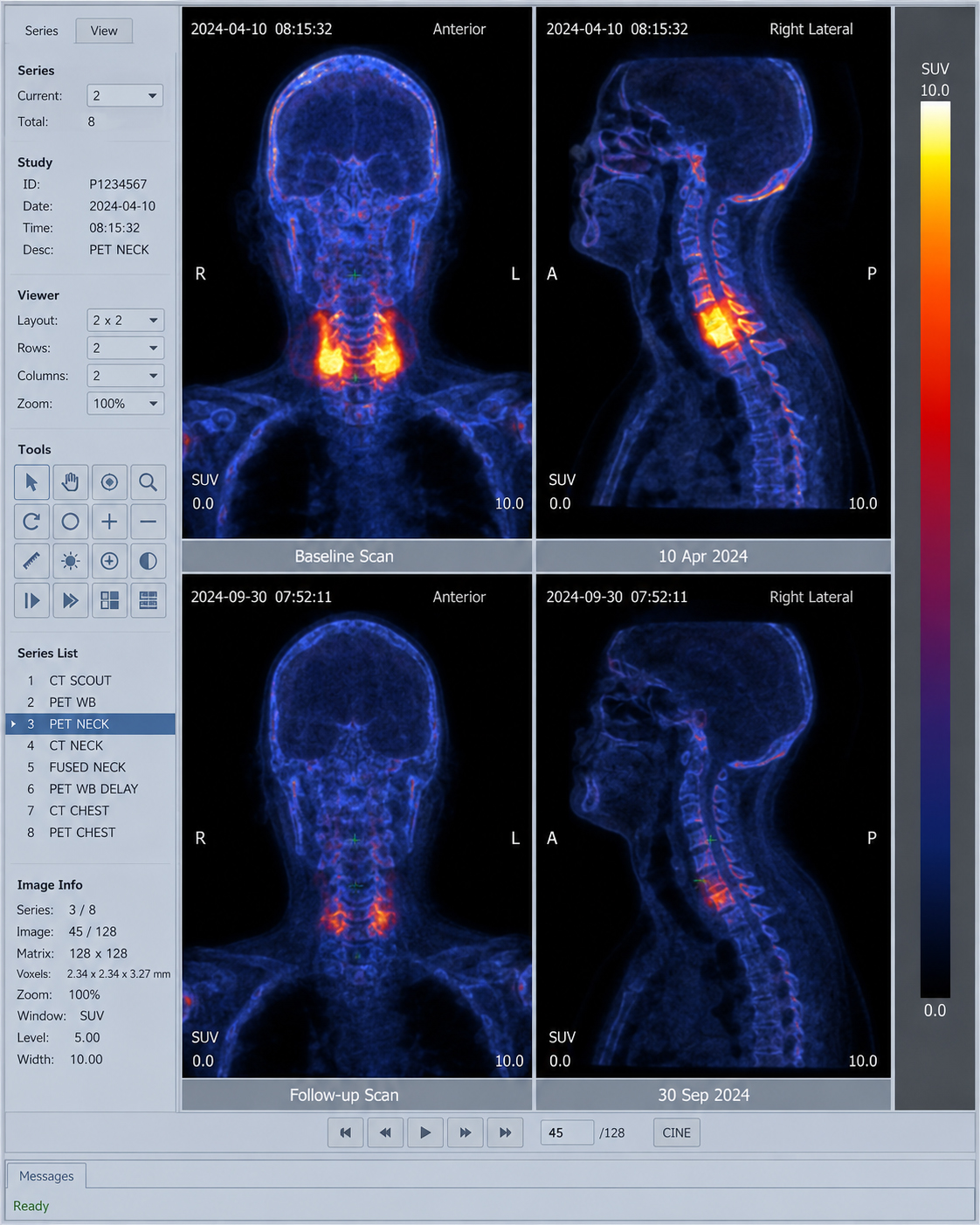
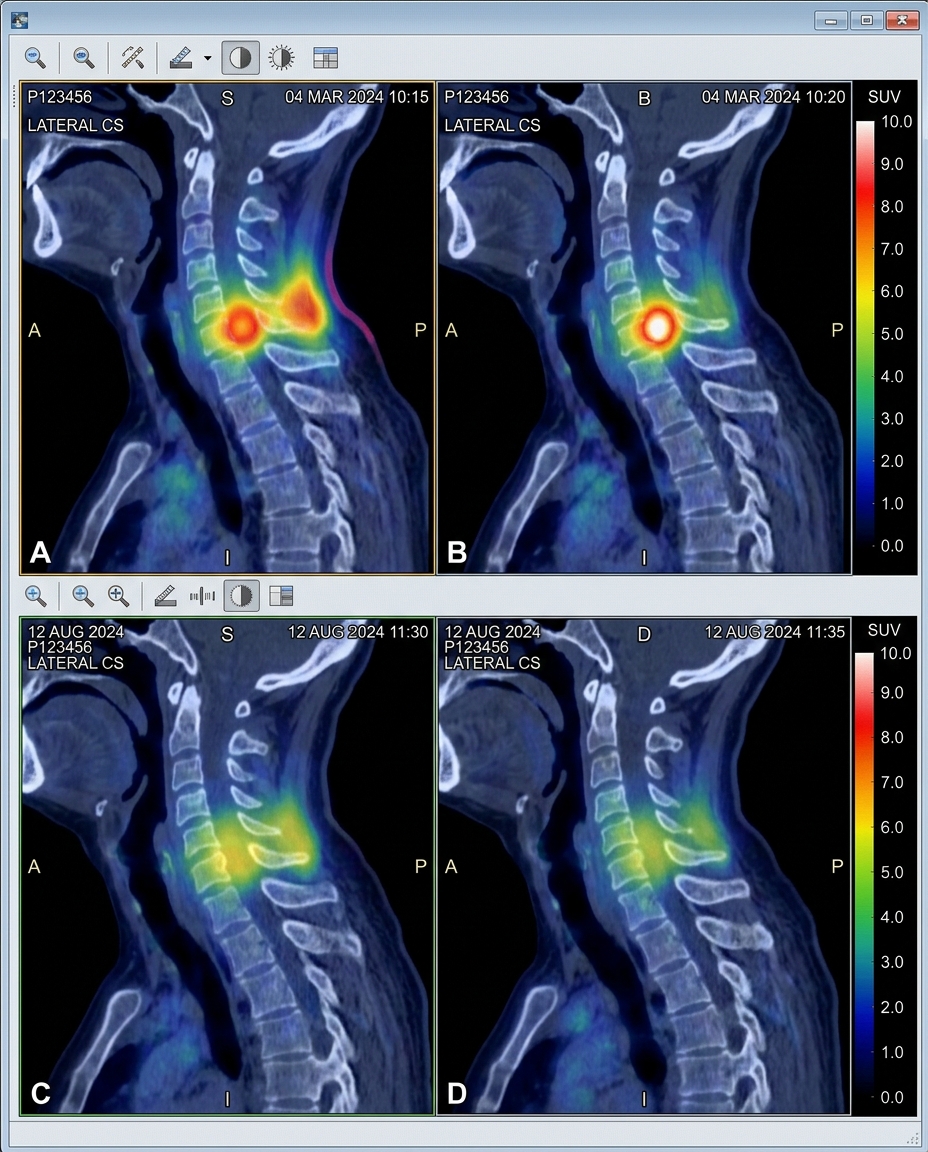
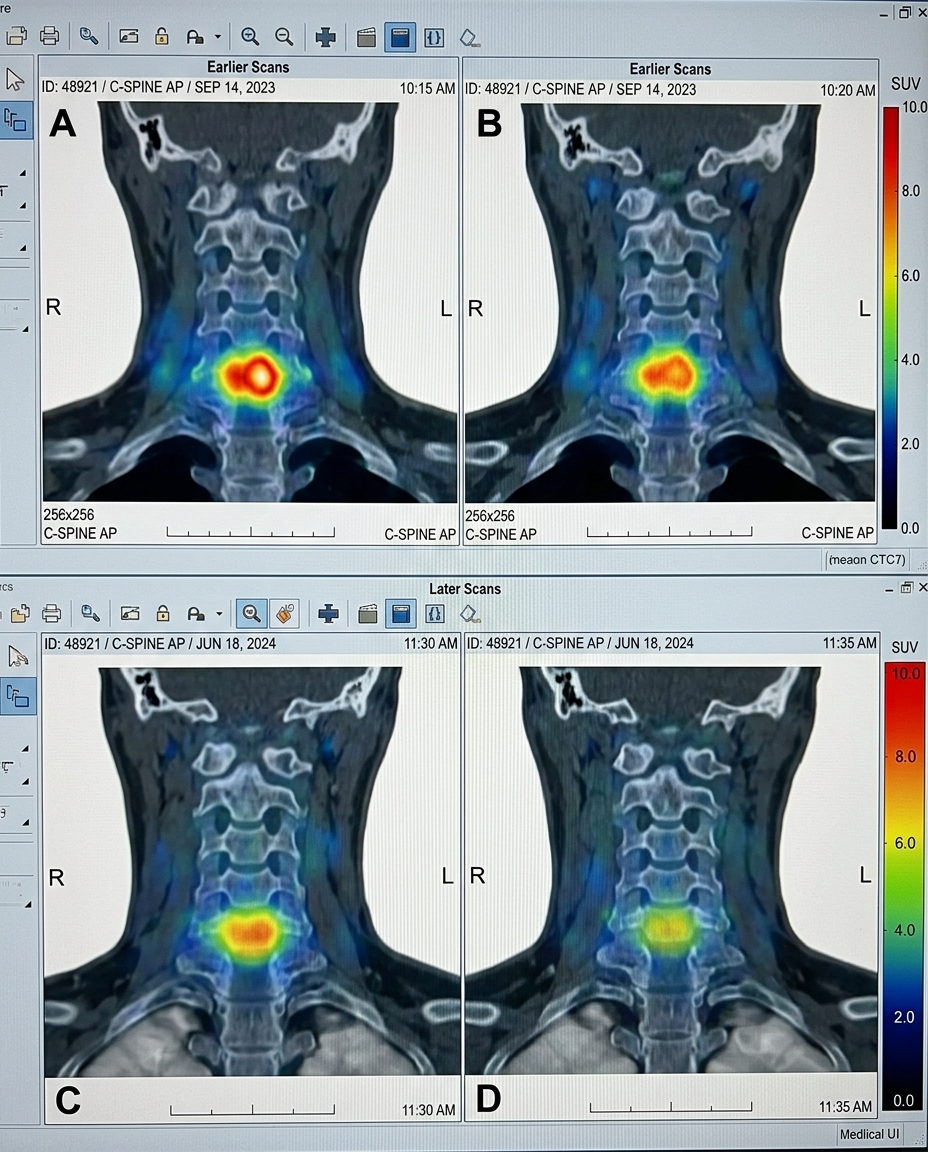
I went from a neck hump that had been building for 3 years to my specialist asking if I'd had some kind of clinical procedure done. You should've seen the look on her face when I told her it was ten minutes before bed on my living room floor… I feel like I have to let this out, because if I can help just one person from spending the rest of their life stepping back from every family photo, then it's worth it. Because what actually worked for me was something my chiropractor specifically told me wasn't going to make a difference. Let me back up. I started noticing the rounding about four years ago. The first year wasn't bad. The second year I started calculating necklines. The third year I started stepping back from photos. Last year I accepted it. I had been in chiropractic for two years. Twice a week. Every single week. I was doing the exercises every morning before coffee. Wearing the brace until the marks on my shoulders stopped fading before lunch. And I was STILL watching my head sit further forward every time I measured. At some point you stop trying to reverse it and start just… managing around it. Five blouses. Hair down. Step to the side. That's your life now. So one night I'm doing my usual thing. Glass of wine on the couch, scrolling through posture forums on Facebook, reading other people's stories, feeling like I was the only one who'd done everything right and gotten nothing. And I see this woman talking about suboccipital release. Now I'd already tried everything in this category. Multiple times. The foam roller. Did nothing except feel like I was lying on a rolling pin. Rolled it up and down my upper back for six weeks. Nothing. The cervical wedge. The kind chiropractors recommend. Used it every night for two months. My chiropractor said "that's good, keep going." Nothing changed. The contour pillow. The expensive one. Slept on it for three months. Maybe the best sleep I'd had in years but my measurements didn't move. The massage ball at the base of the skull. Used it morning and night for six weeks. Religiously. Nothing. So I almost kept scrolling. But she said something that stopped me. She said she'd tried all the same stuff. Foam roller, wedge, pillow, massage ball. None of it worked. And then she explained WHY none of it worked. And it was so simple I felt almost embarrassed for not thinking of it myself. She said when you use a broad posture tool — any of them — the pressure distributes across a wide area. Your thoracic spine. Your general neck muscles. The surface tissue. But the suboccipital contracture lives at two very specific pressure points at the exact base of the skull. C1 and C2. Right where the skull meets the spine. Broad pressure across the upper back never reaches those points. A cervical wedge angles the neck but makes no contact at the suboccipital location. A massage ball disperses the force too widely to deliver sustained pressure at the precise anatomical coordinates. She said it's like trying to unlock a specific door by pouring water on the whole building. The lock you need to turn is precise. Everything you tried was aimed at the wall. That's when it clicked for me. I'd been using posture tools for three years thinking they weren't working. But it wasn't that posture tools don't work. It's that applying broad pressure to the wrong location is the worst possible way to release a contracture that lives at an exact anatomical point. Think about it. The research on suboccipital contracture release is built around sustained compression at the exact C1-C2 pressure points held for 8 to 10 minutes. Not broad pressure. Not approximate location. Exact placement. Exact duration. Gravity-assisted delivery so the force never lets up. That's not what a foam roller delivers. That's not what a cervical wedge delivers. There's a reason for that. The C1-C2 suboccipital pressure points aren't connected to your thoracic spine. I commented on her post asking what she used instead. She told me about something called Cevera. Two foam nodes engineered for the exact C1-C2 suboccipital pressure points. Gravity-assisted — your own head weight providing the sustained downward force. Ten-minute protocol before bed. I looked it up. Read everything on their site. And I just sat there staring at my phone hoping this one would be different. Because I'd done this exact thing so many times before. Find something new, get a tiny bit of hope, spend the money, and then… nothing. I ordered it without telling my husband. It showed up three days later. I waited until he went to the store and opened it in the bedroom. Two foam nodes, nothing fancy. "How much was that one." Not even a question. Just flat. He didn't even look up when I showed him. First two weeks, not much happened. I kept using it morning and night but I wasn't getting my hopes up. I refused to get my hopes up. Then around week three, something weird started. The tightness at the base of my skull — the one that had been the first sensation of every single morning for three years — started feeling different when I woke up. Not gone. Just… different. Quieter. I didn't tell anyone. I was not going to say anything until I had something worth saying. Week four, something happened that I wasn't ready for. I was getting dressed and I reached for something without doing the neckline calculation first. I was already wearing it when I realized I hadn't checked. I just stood there for a minute. My husband came upstairs. "You look different. Did you change your hair?" Week six, I measured my forward head translation. I stared at the number. Measured again. Down from where it had been for two years. Week eight, I went to my chiropractor for my regular appointment. She did the assessment. Looked at the measurements. Looked at me. Looked at the measurements again. "Okay. What happened." "What do you mean?" "Your forward head translation has reduced significantly. Your C7 tissue is measurably softer. That doesn't just happen." She leaned back in her chair. "Did you start a new program? See another specialist?" "No. I started using a suboccipital release tool at home." She just stared at me. Then she said "I told you those home tools don't reach the right structures." She looked at the measurements one more time. Then back at me. And I swear I saw something cross her face. Like she wanted to say something but couldn't. Because she's a practitioner. And practitioners don't say stuff like that. "Well… whatever you're doing, your numbers are better. So." Three years of twice-weekly appointments moving nothing. Eight weeks of ten minutes before bed on my living room floor moving everything. That was five months ago. I'm not done. I want to be clear about that. I still have the history of three years of progression. I still have days where the tightness is more present. I still have bad days. But I'm not calculating my neckline every morning. Last weekend my daughter asked me to come stand in the family photos at her anniversary party. And I walked into the group and stood there and smiled. The whole time. No stepping back. No calculating my angle. She has no idea what that meant to me. But my husband did. Because he watched from across the room. That's what this gave me. Not a miracle. Just… me back. Or at least enough of me that I might actually enjoy the next family gathering instead of managing through it. I'm not going to sit here and tell you this will fix everything. I'm not going to tell you it's magic. I've seen enough of those wellness product ads to know how that sounds. But if you've been using posture tools and wondering why the hell nothing is working — it's probably not the approach. It's the location. Your suboccipital contracture doesn't live in your upper back. Stop trying to release it from there. EDIT: I keep getting messages asking exactly what I'm using. It's called Cevera. I thought I mentioned it but here's the link: 👉 https://trycevera.com/pages/adv-womens-wellness-report Their site explains the whole direct delivery thing way better than I can.
My neck hump had been growing for 3 years. My specialist asked if I'd had a clinical procedure done.
Cevera
LEARN MORELike this ad? Make it yours.
Crush rebuilds this exact creative around your product — your brand, your colors, your offer — in about a minute.