
Active· since Jun 10, 2026
- 95
- days running
- 0
- relaunches
Ad copy
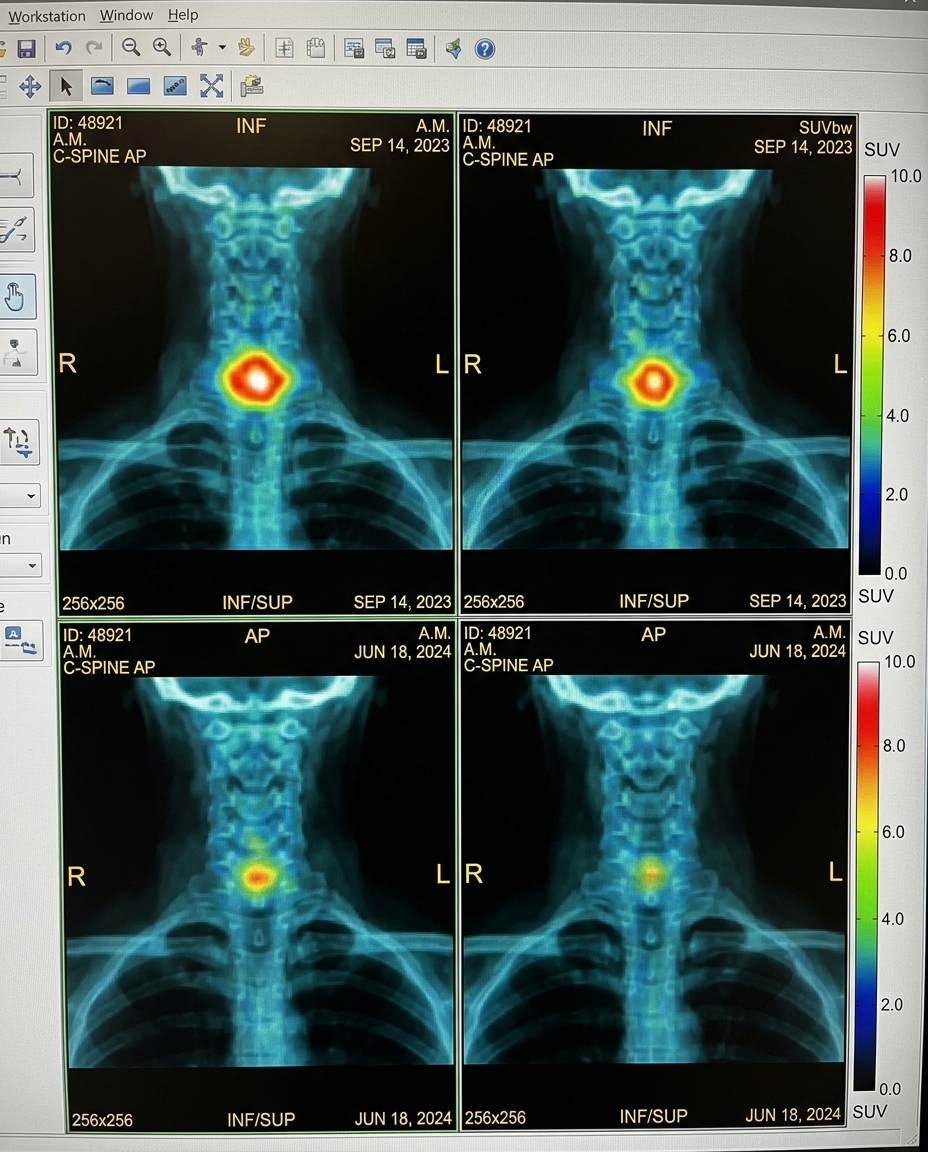
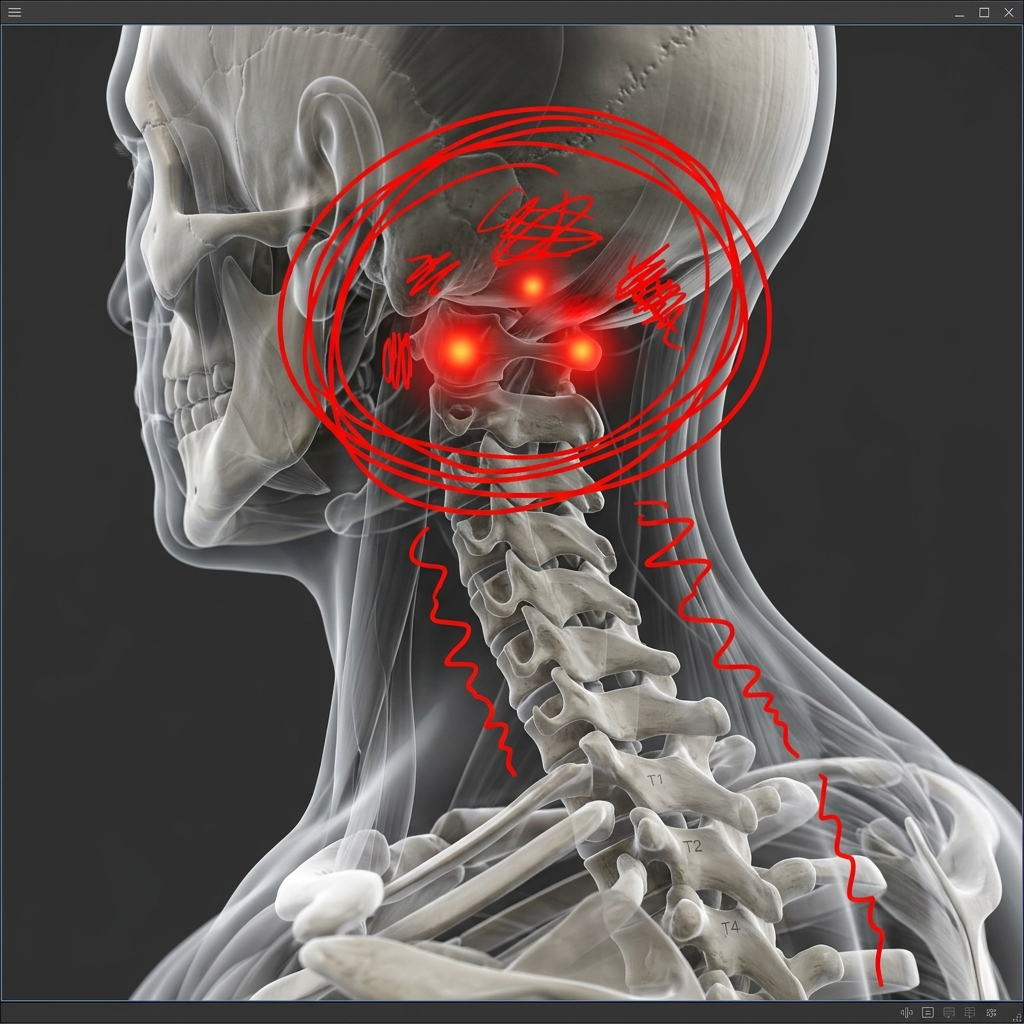
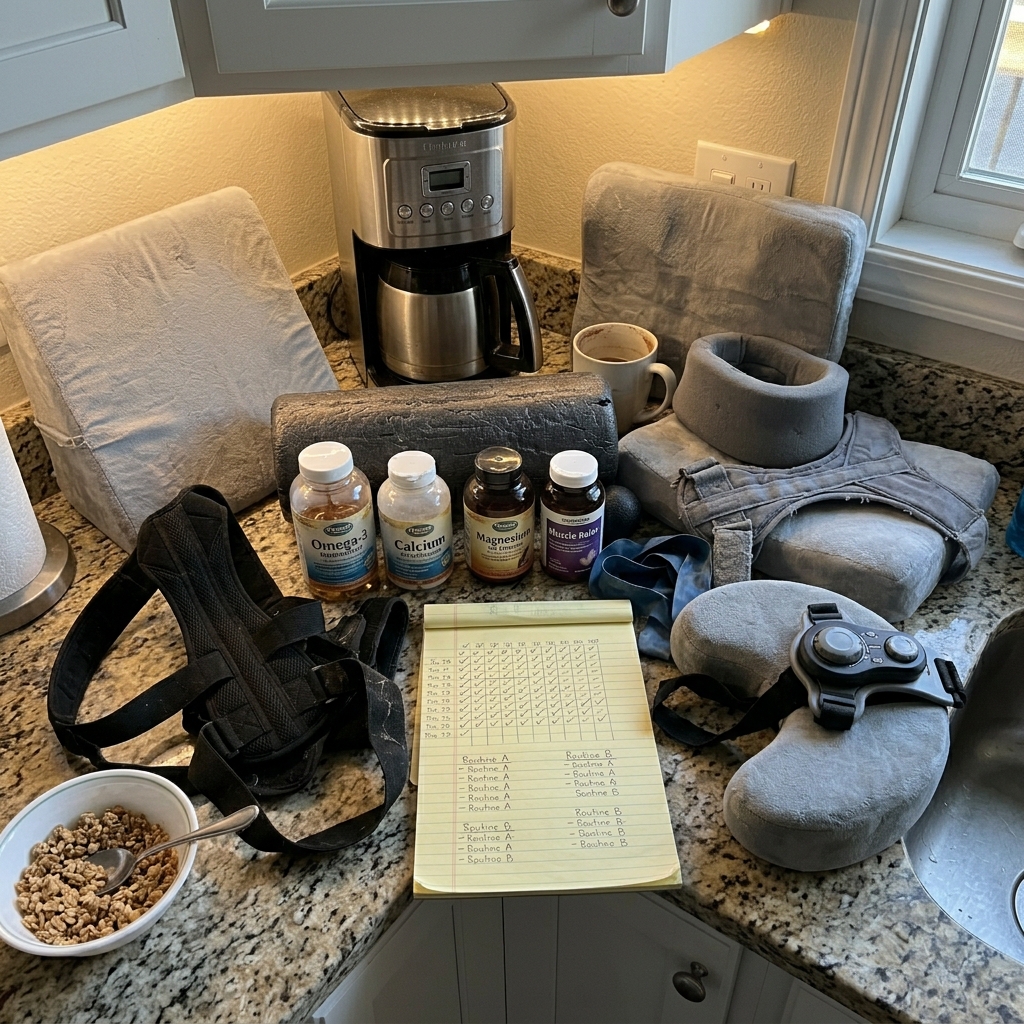
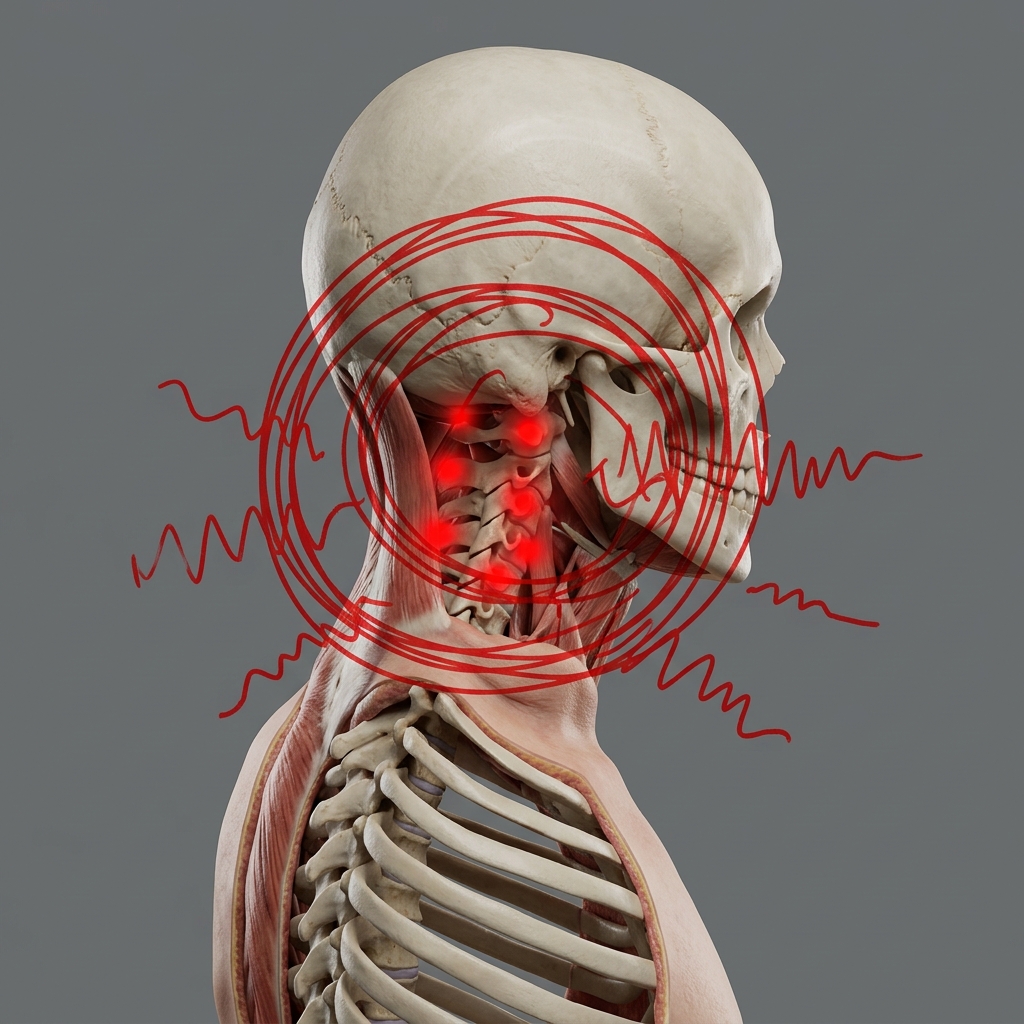
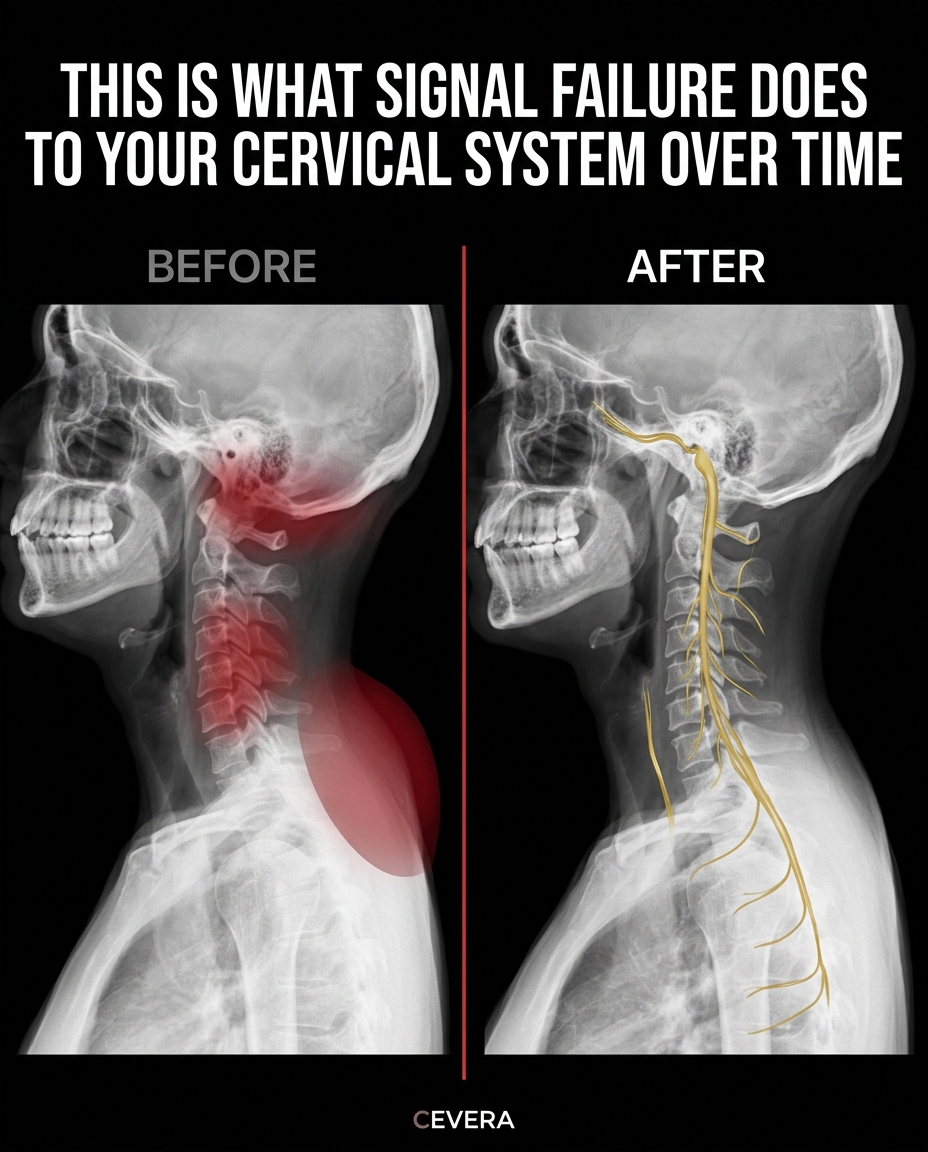
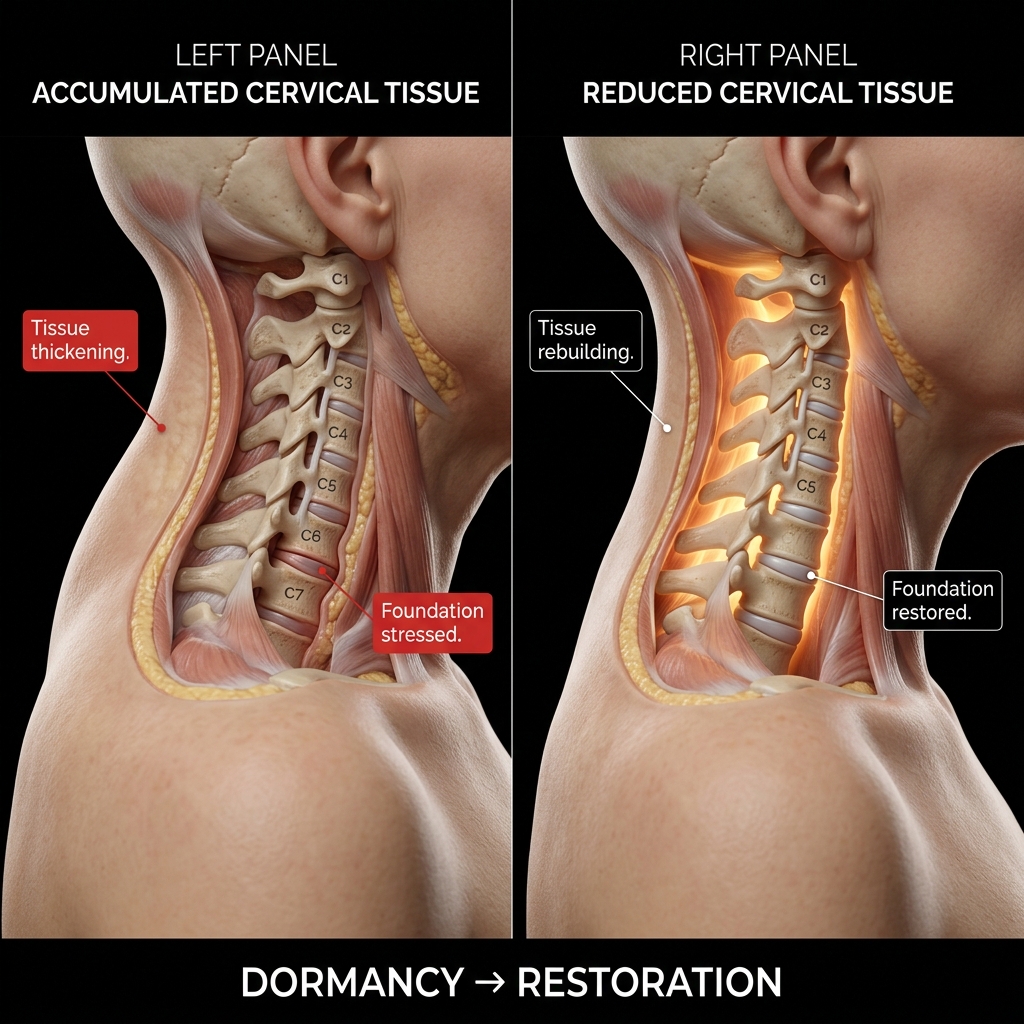
How I reduced my neck hump measurably in 12 weeks and cancelled the escalated management my specialist said was my only option. --- Ninety days ago, my specialist told me I needed escalated indefinite management. Significant tissue progression on my cervical zone. Twice-weekly sessions. Indefinitely. Hundreds of dollars a month. No clear end point. She said it was my only option. Tissue doesn't reduce on its own. If I waited, the progression would become fixed structural change. I walked out in tears. Sat in my car staring at my reflection in the rearview mirror. The cervical line looked more prominent than I'd ever allowed myself to acknowledge. I'm 62. I've attended my sessions consistently my entire adult life. Do my exercises every morning. Never miss a management appointment. I've always been compliant. And somehow I needed indefinite escalated management with no end in sight. I went home, opened my laptop, and started researching. What I found over the next 90 days changed everything. (Spoiler: I never started that escalated protocol. What I'm about to share is the cervical biomechanics research that explained exactly why my tissue kept building. Read this to the end before you commit to your own escalation.) --- Day 89. I fell into a rabbit hole. I started with "what to expect from escalated cervical management." What I found concerned me. Stories of months of twice-weekly sessions with no lasting change. The translation improving in session and re-engaging overnight. One woman wrote: "I've been on escalated protocol for two years. My practitioner says it's working. My tissue is still building." Then I went deeper. Looked for actual research on whether escalated management produces lasting tissue reduction. That's when I found it. There's no consistent clinical proof that escalated session frequency produces lasting tissue reduction in established cervical progression. The sessions mobilise the joint above the contracture. The tissue measurements improve temporarily. But the published research doesn't show lasting structural change. And I started seeing the patterns. "I had an intensive protocol 18 months ago. Tissue came back to the same measurements within weeks of finishing." "Spent thousands on escalated management. It looks better in session but my specialist says I need another round for a different zone now." I had 90 days before my escalation start date. And I was starting to think it wasn't going to fix anything. --- Day 89-70. I went to war on my own routine. Morning exercises every day without exception. Foam roller twice daily. Cervical pillow every night. Postural awareness throughout the day. Screen reduction. Everything the management guidelines had told me to do. Day 70. Twenty days gone. Tissue still building. Morning calculation still the same. Three weeks doing every single thing the field had told me to do. Nothing had changed. --- Day 68. I went back to my specialist. "I've been doing everything you told me. Nothing is changing. What am I missing?" She barely looked up from her notes. "Sometimes progression just continues. The escalated protocol is the only way to address this properly. We should confirm your start date." That was it. That was her answer. She didn't want to figure out what was driving my tissue progression. She just wanted me on that protocol. I walked out angrier than I'd walked in. --- Day 65. That night, I asked a different question. Not "how to stop neck hump progression." But: "Why does cervical tissue keep building in the first place?" I scrolled through pages of the same answers. Accumulated load. Poor posture. Genetics. Aging. Then I found a forum thread that stopped me. Someone had posted: "Why do women in certain communities have cervical tissue progression rates 60% lower than Western patients despite similar daily load patterns?" I had to know why. That question led me to a cervical biomechanics study from a European research university. I sat there at 1 AM reading it. --- The researchers had done something different. They didn't study posture. They didn't study session frequency. They studied the release mechanism itself. They assessed patients with active tissue progression and compared them to patients whose tissue was stable. And they found something the management field hadn't been addressing. The progressing patients had a dormant release mechanism. Not weak. Not damaged. Dormant. The muscles at the base of the skull — right where the skull meets the spine — are supposed to fire a release signal after every forward movement throughout the day. That signal tells the cervical muscles to let go and return the head to center. After years of accumulated forward load, those muscles gradually stop firing the release signal reliably. The head stays pulled forward continuously. The body builds tissue at the cervical base to absorb the stress. Not because of bad posture. Not because you moved wrong. Because the release signal those muscles were supposed to fire has gone quiet. It's not damage. It's dormancy. --- I read that paragraph three times. Because if it was true, it explained everything. Why my tissue kept progressing. Why my daily routine didn't change anything. Why my specialist couldn't tell me what was actually causing the ongoing progression. And it explained something else. It explained why escalated management fails. An escalated session mobilises the joint above the dormant release mechanism. It improves the translation temporarily. The measurement looks better leaving the session. What it doesn't do is fire the release mechanism directly. The dormant muscles are still not receiving the signal. The tissue keeps building. The measurements come back. Sometimes in the same zone. More often, the progression spreads. It's like pruning branches while the root keeps driving growth. The surface looks better for a season. But the root was never addressed. The branches grow back. Sometimes thicker than before. That's why so many of those forum stories had tissue coming back. I had been about to commit to indefinite management that would never address why my tissue was progressing in the first place. I wasn't doing the wrong exercises. I wasn't attending the wrong sessions. I wasn't aging faster than other people. My release mechanism had gone quiet. And nothing I'd been doing had been designed to wake it up. --- I kept reading. The same researchers had asked: if tissue keeps building because the release mechanism is dormant, what happens if we deliver the exact inputs the mechanism needs to fire directly? They ran a clinical trial. 612 patients with active tissue progression. The patients delivered direct input to the suboccipital release mechanism twice daily. After 12 weeks: 89% showed measurable tissue stabilisation. 34% showed measurable improvement in tissue index. The tissue wasn't just stopping. It was reducing. But the input they used wasn't standard management. Standard sessions deliver input above the release mechanism — mobilising the joint above it. That's why every session, every protocol, every device designed for the management approach does nothing lasting for tissue progression. The input is delivered at the wrong address. The researchers tested different input combinations to find what actually reached the mechanism. They found their answer in three simultaneous inputs at the exact C1-C2 suboccipital address. In plain words: exact placement at the base of the skull where the release mechanism lives, gravity-assisted sustained delivery through the head's own weight, and a minimum ten-minute hold — long enough for the release signal to fire completely rather than just begin. When all three were delivered simultaneously at the exact address, the release mechanism fired. New tissue didn't form to compensate for continuous forward pull. The existing tissue began to reduce. Just like a muscle rebuilds when given the right stimulus. The release mechanism wakes up when given the right inputs. --- Now I knew what to look for. Exact C1-C2 placement. Gravity-assisted sustained delivery. Ten-minute minimum hold. All three simultaneously. I searched online. Most products labeled "cervical support" used broad pressure at the wrong address. Wouldn't reach the mechanism. After hours of searching, I found one company that matched exactly what the researchers described. Cevera. Two precision foam nodes at exact C1-C2 anatomical placement. Gravity-assisted delivery through the head's own weight. Ten-minute protocol before bed. Third-party documented mechanism specifications. $44.95. I'd been told indefinite management was my only option. I was 62. I'd been told for years that established tissue progression couldn't reverse. I was skeptical. But my escalation start date was already on the calendar. I had nothing to lose. I ordered it that night. --- Day 60. Two weeks in. Morning calculation noticeably shorter. The morning awareness that had been my first sensation every day for three years started easing. Day 48. Four weeks in. The wardrobe was opening up. I reached for the open-collar blouse without calculating first. Then I realized what I'd done. Stood in the bedroom staring at the hanger. Started crying. Day 34. Six weeks in. I appeared in a family photograph without stepping to the back. A real, unplanned photograph. The kind I'd been avoiding for two years. I didn't even think about it. Then I realized what I'd done. Stood in the kitchen looking at the image on my daughter's phone. Started crying. Day 20. Eight weeks in. I looked at my cervical line in the mirror under bright bathroom light. The tissue looked reduced. Less prominent at the cervicothoracic junction. I took a photograph. Compared it to one from Day 89. The difference was visible. --- Day 6. Twelve weeks in. I went in for my pre-escalation measurement appointment. The practitioner took her measurements. Stopped. Took them again. Site 1: 3.1cm down to 2.2cm. Site 2: 2.9cm down to 2.0cm. Measurable tissue reduction. In 12 weeks. My specialist looked at the chart, then back at my cervical zone. "You don't need the escalated protocol. Whatever you're doing, keep doing it." I walked out and cancelled the appointment that afternoon. --- Here's what I wish someone had told me 90 days ago. Escalated indefinite management as the only option to stop tissue progression is outdated thinking. The cervical biomechanics research proved that tissue reduces when the release mechanism finally receives the inputs it needs. Your tissue isn't broken. The release mechanism is dormant. Wake it up. --- I'll leave the link below to the tool I used. 👉 https://trycevera.com/pages/adv-womens-wellness-report --- P.S. It's been 21 days since I cancelled my escalation. Twenty-one days since I deleted the countdown from my phone. The two sites my specialist said needed indefinite management are stable. The tissue is still reducing. $44.95 once. Instead of hundreds of dollars a month for management that doesn't address the actual cause. If you have an escalation date on your calendar — read the cervical biomechanics research before you commit to that protocol. 👉 https://trycevera.com/pages/adv-womens-wellness-report
Like this ad? Make it yours.
Crush rebuilds this exact creative around your product — your brand, your colors, your offer — in about a minute.