
Active· since May 26, 2026
- 114
- days running
- 0
- relaunches
Ad copy
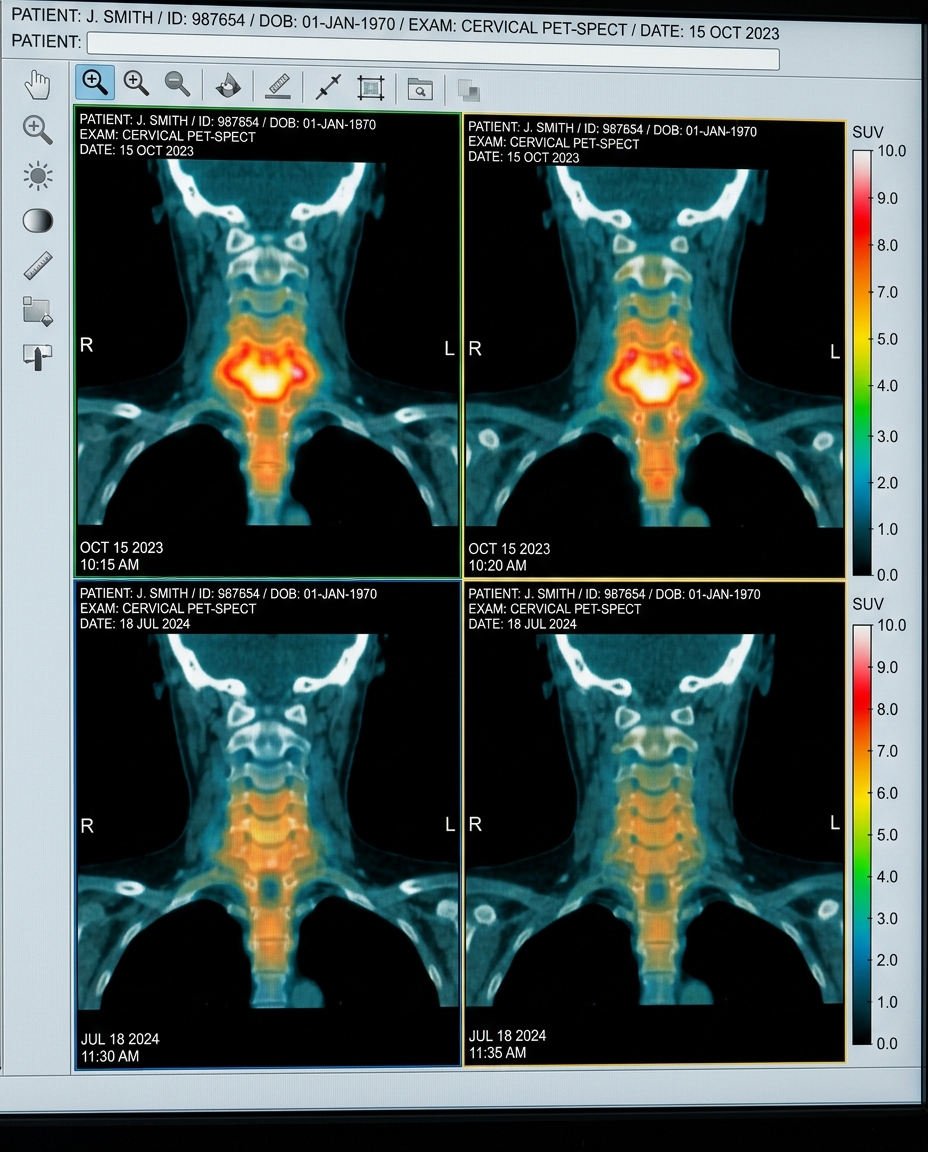
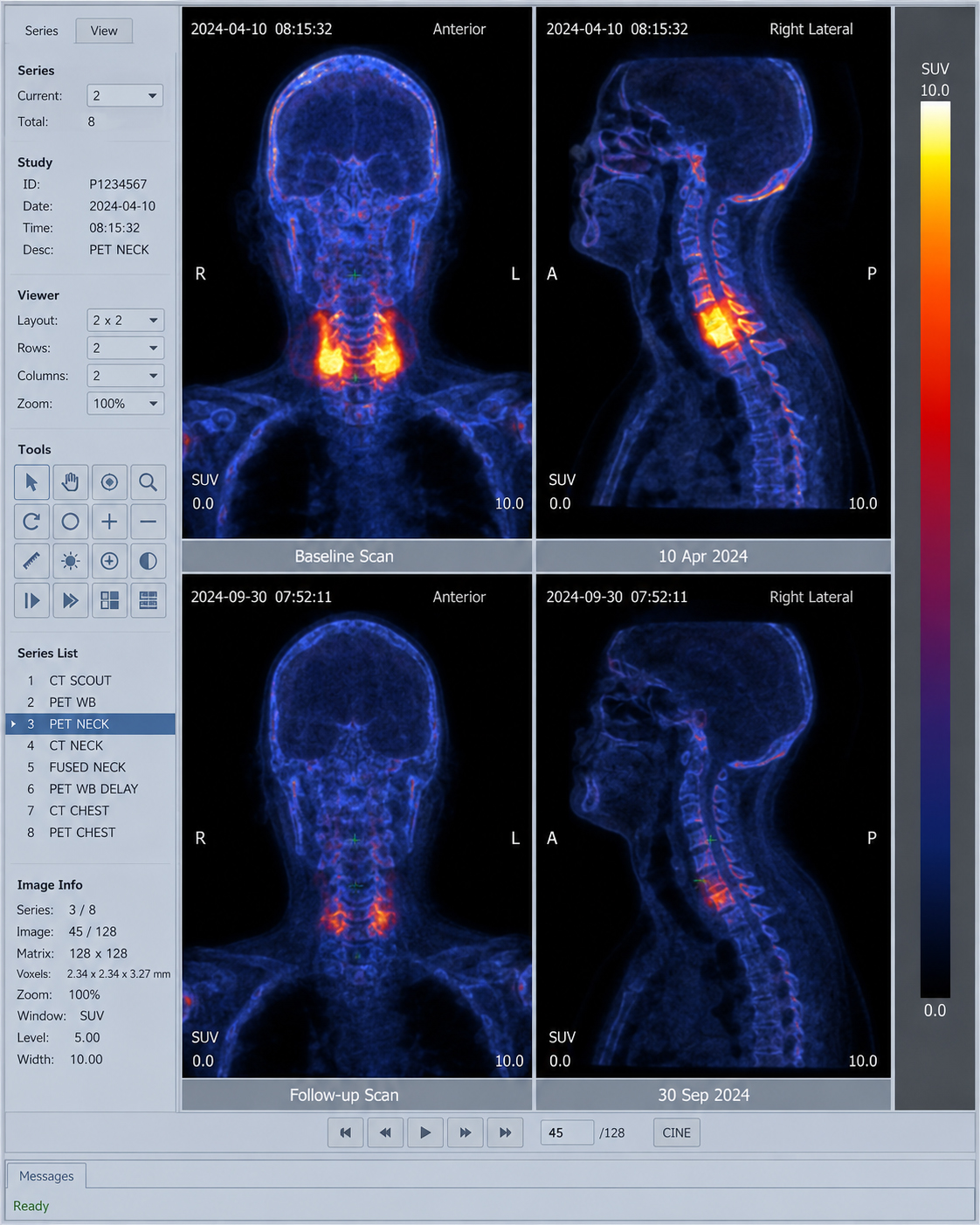
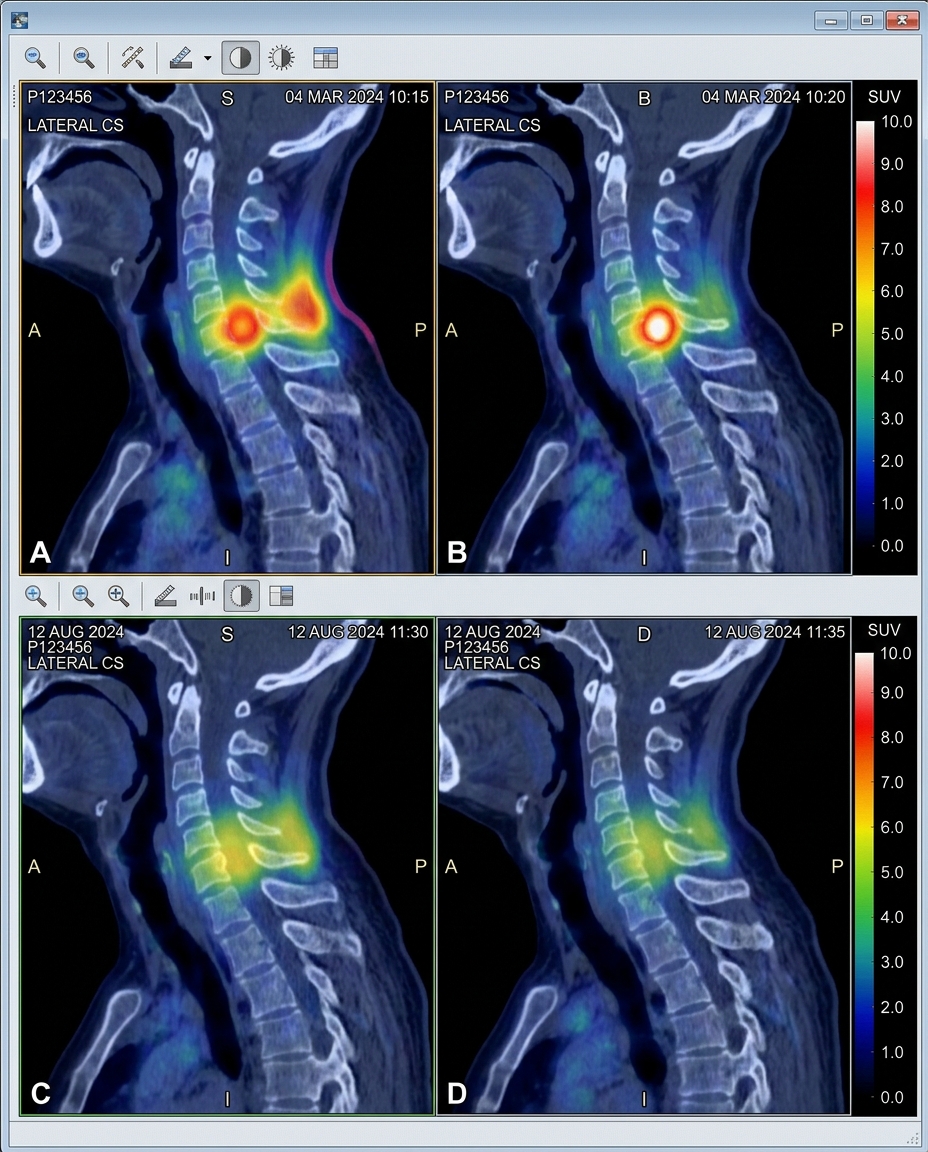
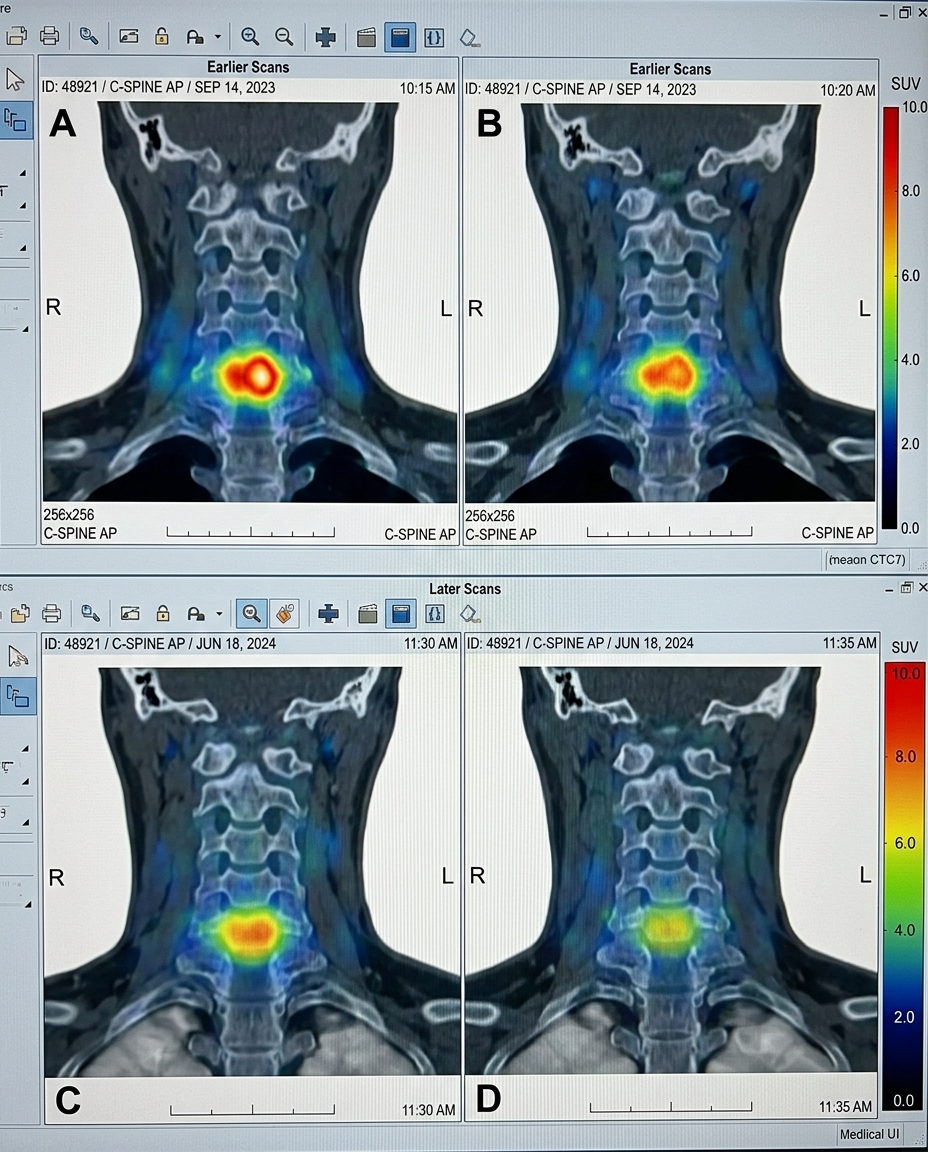
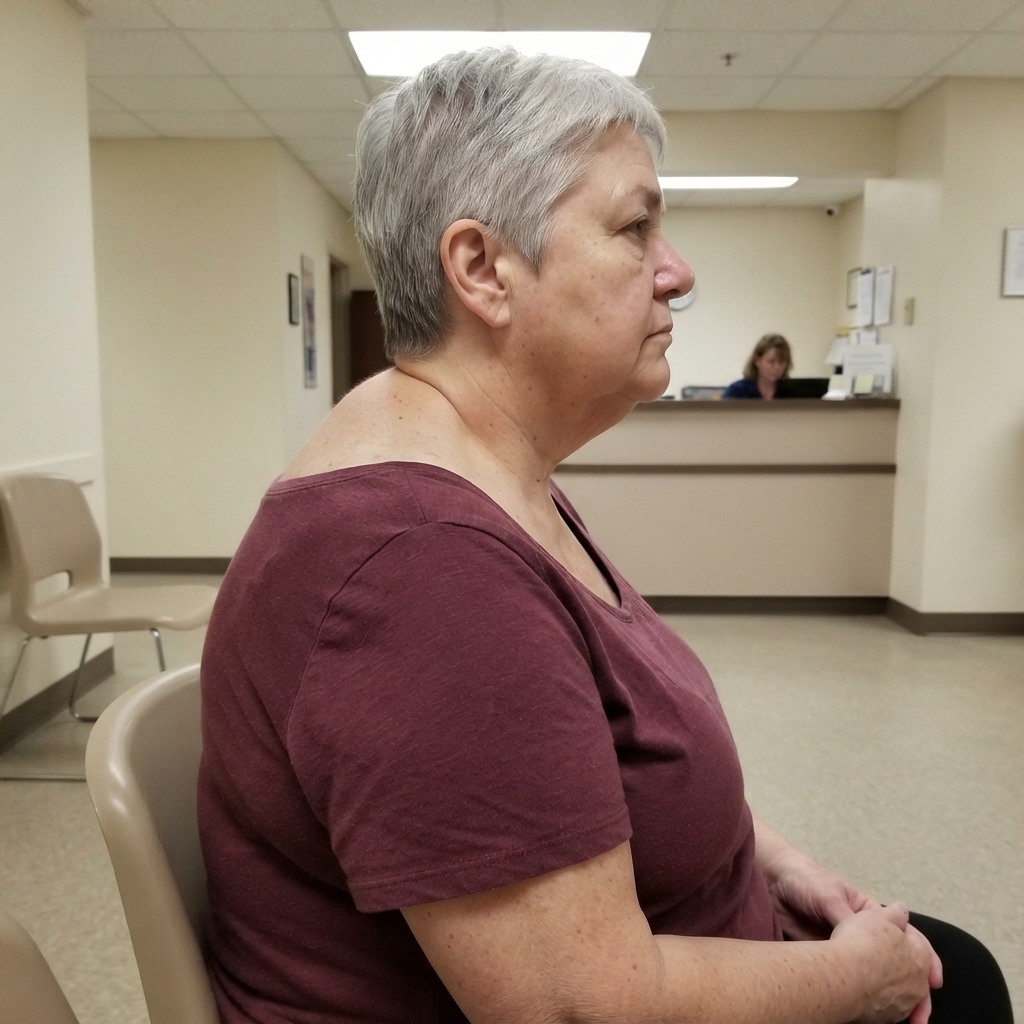
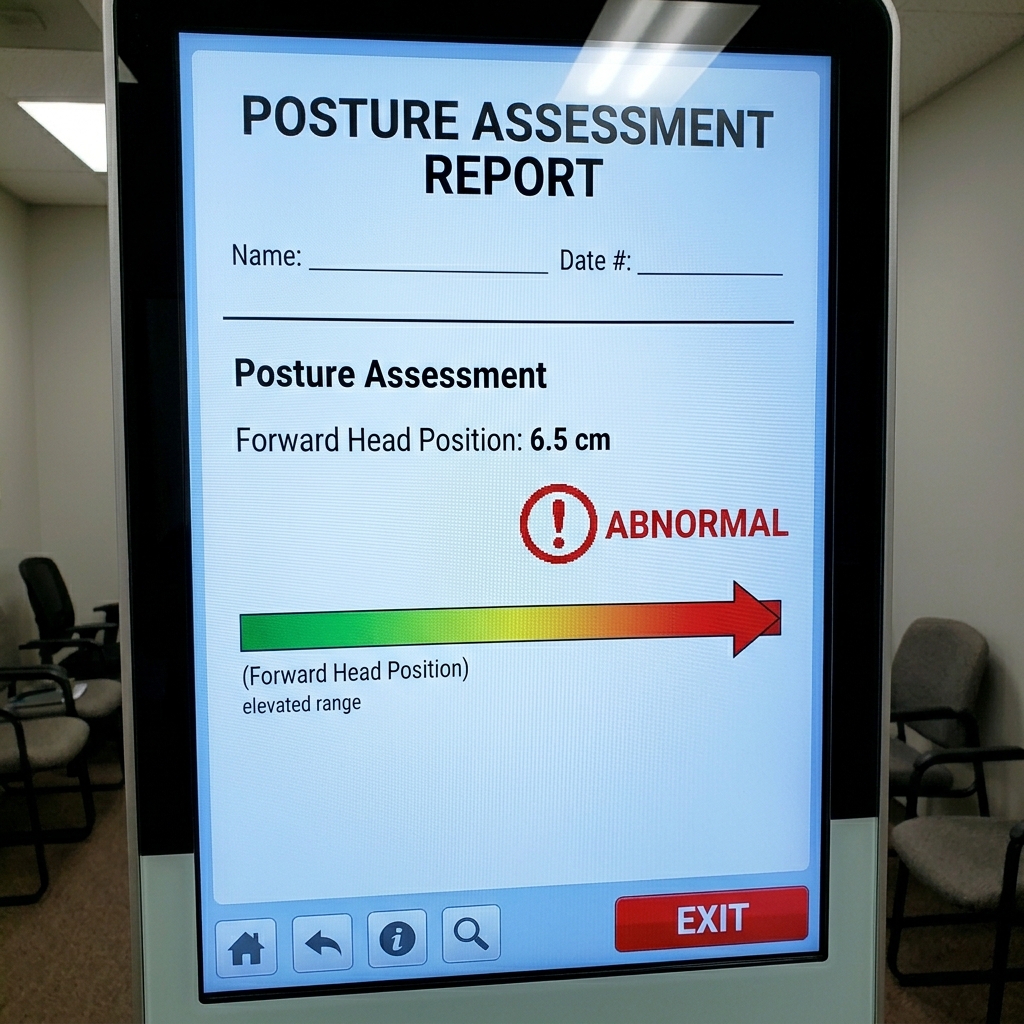
If your practitioner tells you consistent adjustments alone will stop your neck hump from growing, ask her one question. "Are you restoring my brain-muscle signal?" Watch her face. She won't have an answer. That's the problem. Everything they told me about stopping my neck hump was technically correct. And none of it worked. Not because they were lying. Because they were leaving out the one thing that actually mattered. I am 54 years old. My practitioner told me at my January appointment. Calm voice. Steady eye contact. The way you tell someone something you've been building up to for a while. "Your forward head position has increased since your last visit. That's early-stage progression. I want to see you again in six months. If this hasn't improved, we're looking at more intensive intervention." Six months. That was the window. She handed me a printed sheet. Lifestyle modifications for cervical posture management. I'd seen it before. My mother got the same sheet fifteen years ago. Reduce screen time. Strengthen the posterior chain. Improve ergonomics. Sleep position awareness. Stay consistent with adjustments. "Follow these guidelines and we should see improvement," she said. I drove home. Sat in the driveway. Called my husband David. "She wants me on a more intensive protocol if it doesn't improve by July." Silence. David's mother had watched her neck hump consolidate for years. His voice got tight. "Then we fix it by July." I believed him. I believed the sheet. I believed everything they told me. That was my first mistake. Lie number one: "Reduce your screen time and the progression will slow." I gutted my daily routine. Every unnecessary scroll. Every evening on the couch with my phone. Every habit that put my head down for more than a few minutes. Gone. David bought an ergonomic stand for my laptop. We adjusted every surface in the house. I tracked my screen time on an app. Stayed under two hours every single day. For three months. My forward head position in April: unchanged. One millimetre of improvement. Three months of restructuring my entire daily life. One millimetre. I called my practitioner's office. The nurse said, "Sometimes it takes longer. Keep going." Here's what nobody told me. Screen time reduction slows the rate of new load accumulation. But it does nothing to restore the brain-muscle signal that's already been cut. The deep cervical muscles that have already been switched off don't switch back on because you put your phone down. The inhibition that's already established keeps driving the progression — whether you're looking at a screen or not. I wasn't the problem. I was just changing my habits for no structural reason. Lie number two: "Strengthening exercises will bring the progression under control." I started a cervical strengthening program in February. Three days a week. Thirty minutes of targeted exercises. I hadn't been consistent with any exercise program in years. By April I felt stronger. More body awareness. My posture felt different during the day. My forward head position in April: unchanged. Same measurement. Three months of disciplined exercise. Same measurement. My physio said, "Give it time." My husband said, "At least you're stronger." My practitioner said, "The exercises are helping, even if the numbers don't show it yet." Here's what nobody told me. Strengthening exercises ask inhibited muscles to respond. But the brain has already decided those muscles should stay off. You can exercise consistently for months and the inhibited muscles never fully engage — because the signal asking them to respond is broken. The exercises work the surrounding muscles. The switched-off muscles stay switched off. The math didn't work. But nobody did the math. They just said "keep exercising" and sent me home. Lie number three: "A posture brace will hold the correction." David found this one. He'd been researching alternatives every night after I went to bed. Trying to find something. Anything. "A corrective brace," he said one morning. "There are reviews. Holds the head back. Retrains the position. Real therapist recommendations." I looked it up. He was right. Practitioners were recommending them. I ordered one. I wore it every day for eight weeks. My forward head position in May: unchanged. I tried a different model next. Six weeks. One millimetre. Total reduction after nine months of screen restriction, regular exercise, ergonomic adjustments, and two different braces: 2 millimetres total. My July appointment was six weeks away. The progression was continuing. I could feel it. Nine months of effort and the needle had barely moved. I sat in the bedroom one night after David went to bed. Just sitting in the dark. Thinking about his mother. She started her management protocol at 56. Two years older than me. Within a year the wardrobe had reorganized itself. Then the photos. Then the family gatherings she stopped attending. She fell into the habit of standing behind everyone in every photograph. His sister said she stopped recognizing herself in mirrors. The protocol controlled the visible narrative. It didn't stop the progression. Didn't stop the tissue consolidating. Didn't give her back the necklines she'd stopped wearing. Didn't put her back in the front of the photos. She died having spent fifteen years managing something that was never fixed. I didn't want that. I didn't want the protocols. I didn't want to become her. But nothing else was working. David found me in the bedroom. Sat on the edge of the bed. "Talk to me." "Everything they told me to do, I did. Screen time. Exercises. Braces. Nine months. It barely moved." "So what do we do?" "I don't know. I'm starting to think it doesn't matter what I do. His mother had it. My mother had it. Maybe it's just how it goes." "Don't say that." "Why not? I did everything right. Look at the measurements." He was quiet for a long time. Then: "Maybe you did everything right but aimed at the wrong target." I didn't understand what he meant. Not then. A week later he forwarded me an article. Written by a researcher who studied why posture interventions fail for a significant percentage of neck hump patients. The article explained something I'd never heard from any practitioner. After decades of accumulated forward load, your brain begins shutting off the deep cervical muscles that hold your head back. This is called neuromuscular inhibition — your nervous system's way of protecting an overloaded muscle by cutting the signal that keeps it active. Without that signal, your head drifts forward continuously. Your body builds compensatory tissue at the base of your neck to absorb the load. The reason the braces didn't work wasn't because braces don't work. It was because braces ask inhibited muscles to respond — and inhibited muscles can't respond to asking. The signal asking them to engage is broken. Standard posture tools apply external pressure or resistance. They never restore the brain-muscle signal that's been cut. The clinical studies showing real reduction used direct electrical muscle stimulation — EMS — to bypass the broken signal entirely and force the inhibited muscles to activate directly. I checked the tools I'd been using. Neither addressed the brain-muscle signal. Just external positioning and resistance. No way to know if a single inhibited muscle fiber had been reactivated. Nine months. Two braces. And I'd been wearing devices that worked around the inhibition the entire time. The article mentioned one approach formulated differently. Cevera. Direct EMS reactivation instead of external positioning. Engineered specifically for the deep cervical muscles. 8 unique massage programs and 19 adjustable intensity levels — the actual reactivation mechanism. 15 minutes, whenever it suits you. I ordered it that night. Five weeks until my July appointment. The device arrived on a Monday. I used it that afternoon for the first time. Fifteen minutes later I felt it. Like something had switched back on. A specificity in the exact base of my neck that nothing else had ever reached. I sat up. Moved my head left, then right. Something was different. Day 10: I woke up and reached for an outfit without the calculation. Not because I'd decided to stop. Because it just wasn't there. I stood there for a moment just processing it. I had gotten dressed without a mirror check for the first time in months. Week 1: the constant morning tightness at the base of my neck — there every day for two years — started easing. David noticed I was moving differently through the mornings. He didn't know about the device yet. Week 2: I turned my head in the car without bracing for the pull. Did it twice before I realized I'd stopped anticipating it. Week 3: reached for a scoop neck I hadn't worn in over a year. Put it on. Stood in front of the mirror. Didn't reach back for the turtleneck. Four weeks. The day before my July appointment: I had my forward head position measured independently. Down 1.4 centimetres from baseline. I sat staring at the measurement. Checked it again. Same result. At the appointment the practitioner took her reading. Looked at her baseline. Looked at today's. Looked at me. "Your forward head position has reduced significantly. What did you change?" I told her about the neuromuscular inhibition research. The broken brain-muscle signal. The difference between asking inhibited muscles to respond and bypassing the signal entirely with EMS. She listened. Pulled up the Cevera information. Read the mechanism. Long pause. "Continue what you're doing. I want to see you in three months. If these numbers hold, no intensive intervention." No intensive intervention. I walked to the car. Called David. "Down 1.4 centimetres. No escalation." He didn't say anything for a few seconds. Then he just said, "Good. That's good." That's all he needed to say. That was fourteen weeks ago. My forward head position this morning: continuing to improve. Consistent. Stable. No ongoing appointments. No braces. No outfits calculated around the same problem. Here's what I know now that I wish I'd known in January. Screen time reduction helps slow new accumulation. Exercises help the muscles that aren't inhibited. Generic braces are external positioning around an inhibition they never reach. And practitioners default to the protocols they were trained on — even when those protocols aren't enough. The one thing nobody mentioned was the brain-muscle signal. The connection your body actually uses to hold your head back. The thing that gets cut after decades of accumulated load. The thing that explains why posture changes alone weren't enough for me and probably aren't enough for you. Cevera delivers direct EMS reactivation to the deep cervical muscles. The actual mechanism that matches the research. Your brain-muscle signal restores. Your head repositions. Your tissue begins to reduce. Not in nine months. In weeks. Try it for up to 90 days. Track your measurements. If it doesn't work, full refund. No questions. Then bring your measurements to your practitioner. And watch the escalation conversation disappear. "Nine months of doing everything 'right.' Two millimetres to show for it. Five weeks of Cevera and my forward head position dropped 1.4 centimetres. The lifestyle changes weren't wrong. They just weren't enough. My body needed the one thing nobody told me about. Now it has it." — Dorothy Callahan P.S. — I felt something different within the first session. Saw my first real measurement reduction by the end of week one. Hit my target by week four. My practitioner cancelled the escalation conversation entirely. The screen time reduction and exercises didn't fail me. My brain-muscle signal failed me. Cevera fixed that. P.P.S. — Your next appointment is coming. The clock is ticking. Stop wasting months on solutions that can't get you there alone. Order now. 👉 https://trycevera.com/pages/adv2-womens-wellness-report
The Question She Can't Answer
Cevera, direct EMS reactivation for the deep cervical muscles — not surface massage, not joint mobilization. Targets the neuromuscular inhibition driving neck hump progression. 90-day guarantee. Try Cevera today.
LEARN MORELike this ad? Make it yours.
Crush rebuilds this exact creative around your product — your brand, your colors, your offer — in about a minute.