
Active· since May 20, 2026
- 118
- days running
- 2
- relaunches
Ad copy
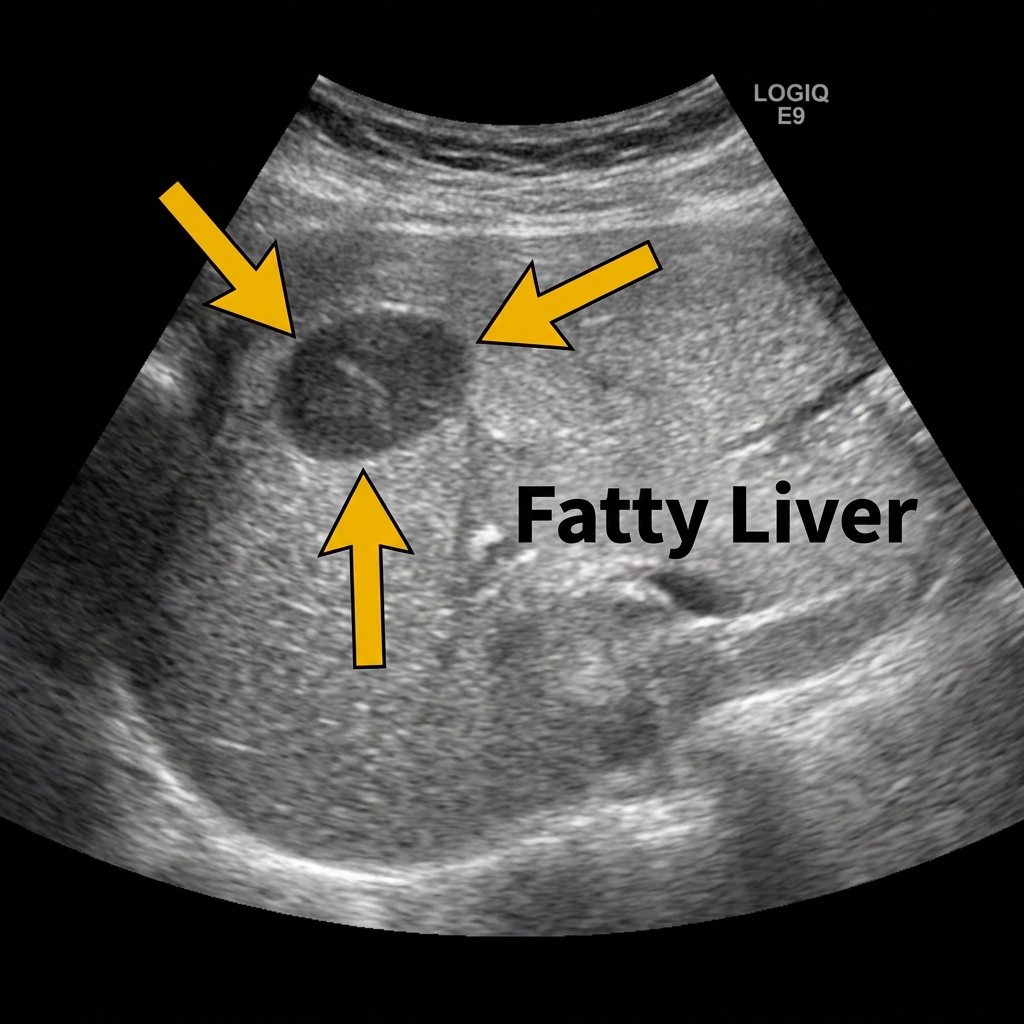
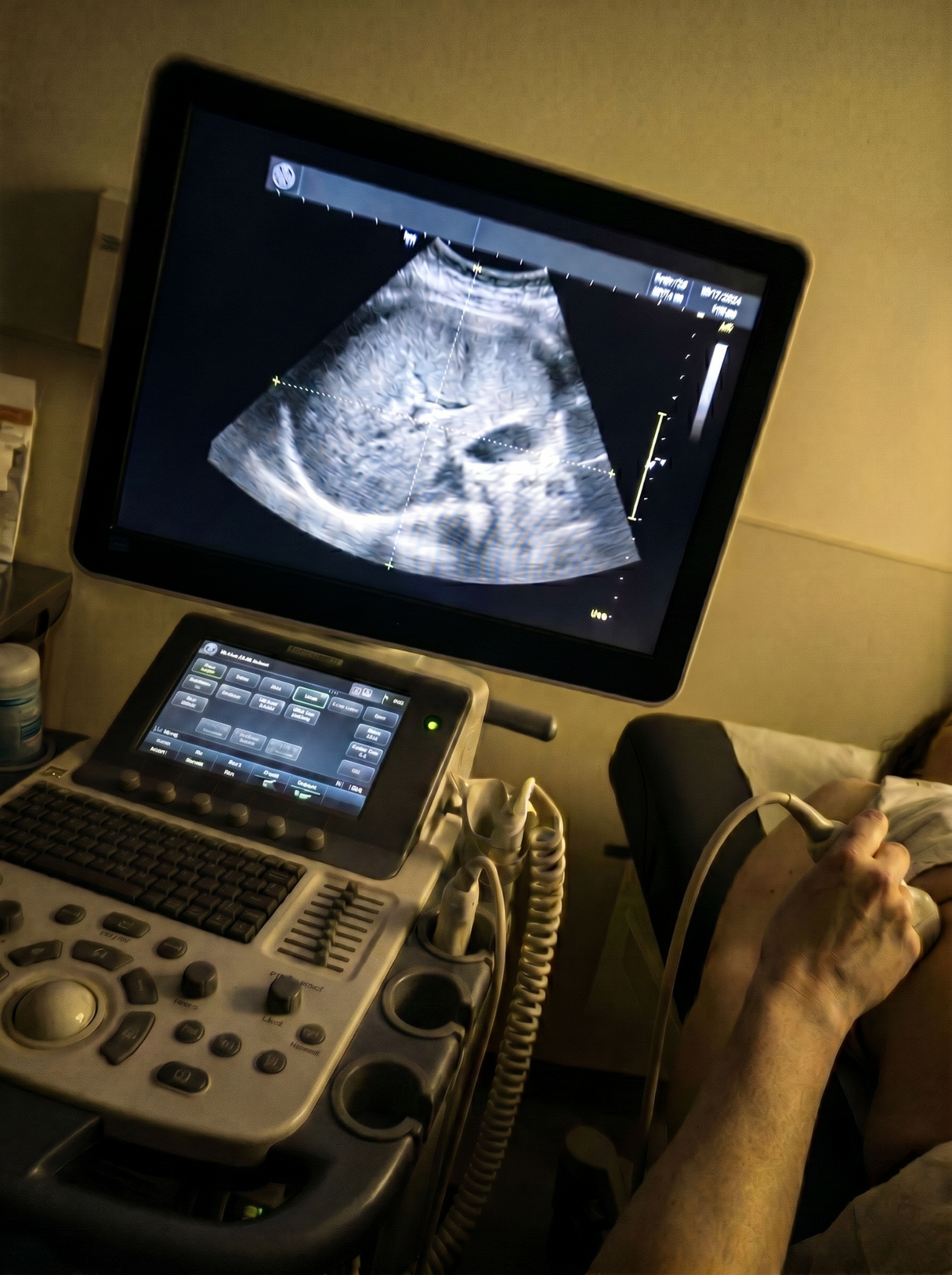
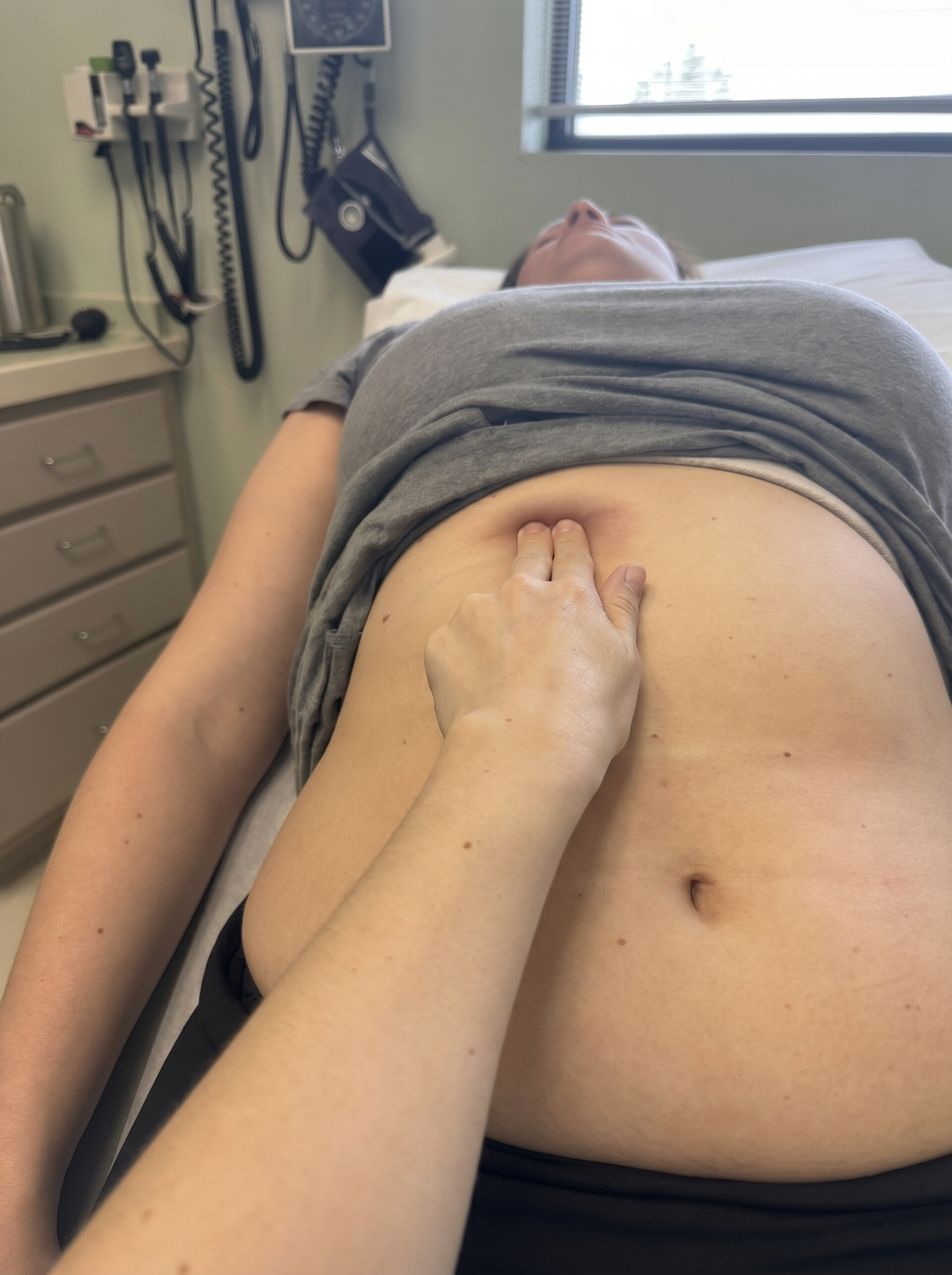
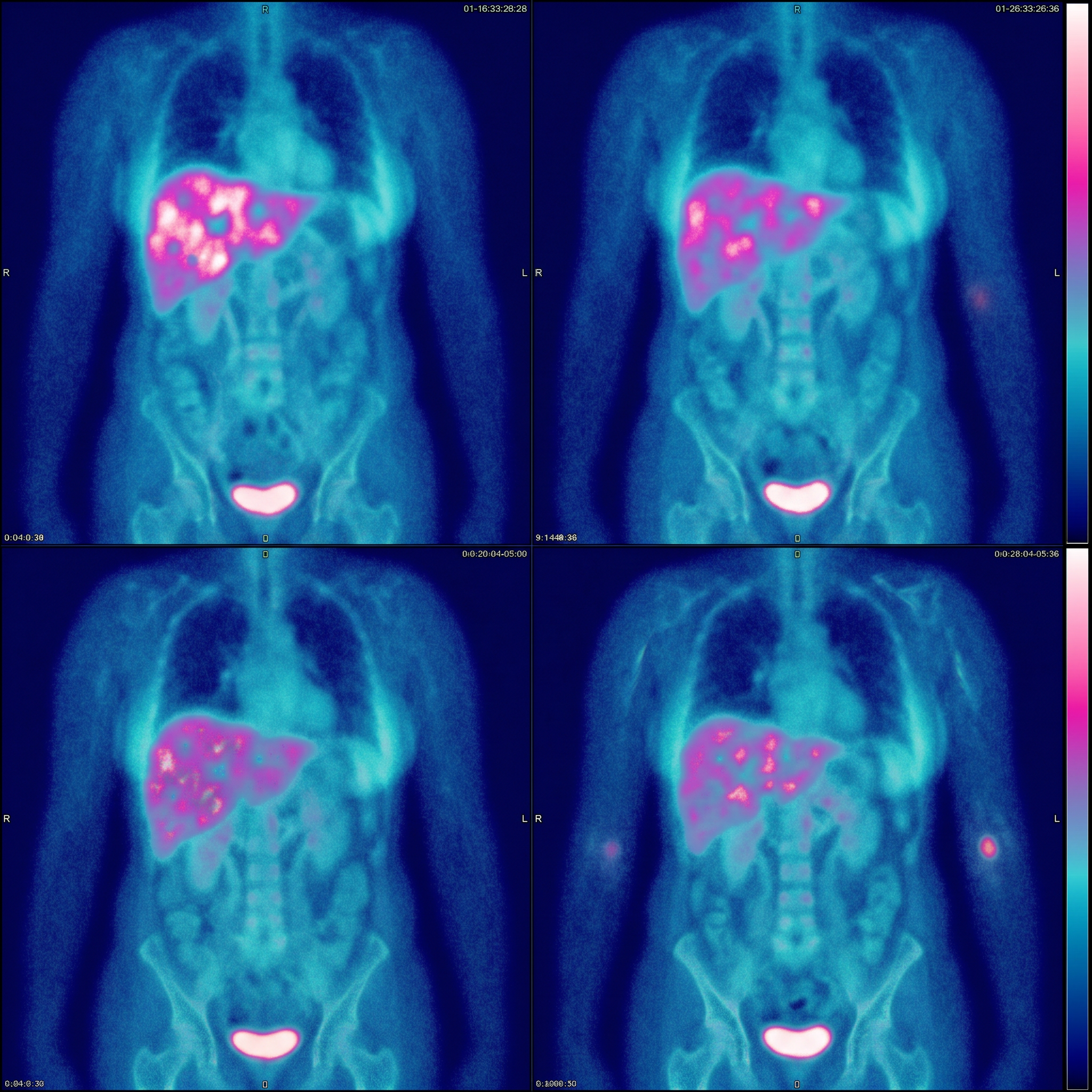
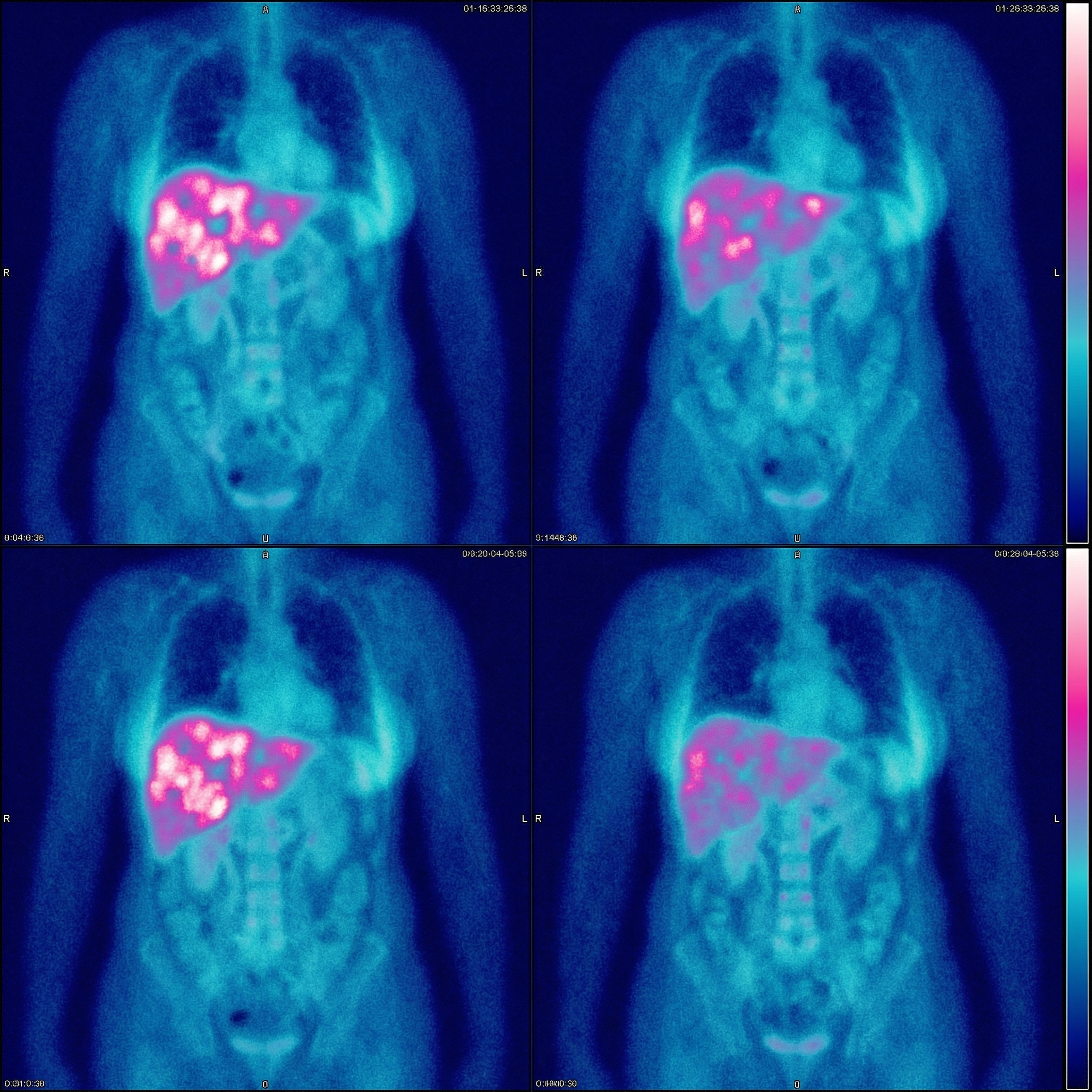
I've watched too many fatty liver patients end up on a transplant list to keep my mouth shut about this. If you've been told "just lose weight" for fatty liver, I need to tell you something your primary care isn't telling you. My name is Jennifer Stevens. I've treated over 200 fatty liver patients in 15 years as a clinical nutrition and integrative medicine specialist. And when a patient walks into my office with elevated ALT after their primary care said "lose weight, we'll recheck in a year," I already know what their fibroscan will show 5-10 years later if nothing changes. Advanced fibrosis. The same glutathione depletion driving their elevated ALT is silently scarring their liver tissue right now. And at 51, when my own ALT came back at 62, I knew exactly what my primary care was about to tell me. And exactly what he wasn't. Your elevated ALT isn't a "watch and wait" problem. It's a glutathione emergency happening at the cellular level. I've been treating fatty liver for 15 years. I've seen hundreds of patients dismissed with "try to lose some weight, we'll recheck in a year." Most of them walked out, Googled the diagnosis on the drive home, and stopped at the supplement aisle on the way back. Milk thistle. Turmeric. Fish oil. One of those 15-ingredient liver detox blends. The supplements every fatty liver article on the internet eventually recommends. They took them for months. Some for years. Their bloodwork barely moved. And what's worse, they thought they were doing something about the problem. Because primary care sees you once. Writes the dismissal. Sends you home. They don't see you 5 to 10 years later when you're sitting in my office with a fibroscan reading 12+ kPa and the word "fibrosis" on your chart for the first time. But I do. Linda's mother. Diagnosed with fatty liver at 49. Same advice. Lose weight, recheck next year. Year after year. By 62 her enzymes had crept up enough that they finally ordered an ultrasound. Cirrhosis. By 65 she was on the transplant list. She died at 67 waiting. Her starting ALT was 58. Almost exactly what mine was. James, 31. Came to me with ALT 71. Normal BMI. What I'm ashamed to say I didn't recognize quickly enough was lean NAFLD. I gave him the same "milk thistle and Mediterranean diet" speech I'd been giving for years. He came back 18 months later with a fibroscan reading 13.4 kPa. F2-F3 fibrosis. Still reversible at that stage. But barely. He's the patient I think about at night. They had years. They just didn't know they had them. Because nobody had explained what their bloodwork was actually pointing at, or what was quietly building underneath those numbers while they waited for the next bloodwork results. The lab work was telling them the truth from the first appointment. The supplements they were taking didn't change anything. They just made them feel like they were doing something. My symptoms told me I was fine. My labs said otherwise. I felt fine. A little more tired than I used to be. Brain fog in the afternoon I told myself was my schedule. My weight had crept up but nothing dramatic. Then a routine annual physical caught it. My PCP looked at the panel and said what he says to every patient. "Standard plan. Try to drop some pounds, cut alcohol, recheck in six months." I knew it wouldn't work. That's not the point. I'm a clinical nutrition specialist. I'd watched over 200 patients try exactly that and watched their numbers stay exactly the same or even go up. So I ordered my own full liver panel. ALT 62. AST 47. GGT 71. I asked for a fibroscan. Because I know what elevated ALT actually means. Early fibrosis. Glutathione depletion at the cellular level. The kind of oxidative stress diet alone was never going to fix. My elevated ALT wasn't a "lose some pounds" problem. It was my liver's defense system being depleted faster than my body could rebuild it. And another year of "monitoring" would have masked the only early warning sign I had. Here's what primary care doesn't tell you because they don't follow long-term liver health outcomes. Your liver doesn't have nerve endings. It doesn't hurt. It doesn't swell painfully. It doesn't warn you. By the time your ALT is elevated, glutathione has been depleted for years. By the time fibroscan shows fibrosis, the damage has been progressing in silence. You're not "just getting older" or "stressed" or "carrying a few extra pounds." Your liver cells are losing the molecule they use to defend themselves. The same process pushing your ALT up is quietly progressing toward fibrosis underneath. Right now. Roughly 1 in 4 patients with NASH progresses to cirrhosis within 10 years. By the time most fatty liver patients are diagnosed, the damage is already at F2 or F3. Your fatty liver isn't embarrassing. It's your 5 to 10 year early warning system. And milk thistle silences that alarm while the fibrosis advances. So I tried what patients try. Diet. Mediterranean style. Cut alcohol entirely. Walking every morning. Improved how I felt a little, but ALT stayed elevated. Supplements. Milk thistle. Turmeric at 1g a day. Fish oil. A liver detox blend with 15 ingredients I couldn't pronounce. 18 weeks of disciplined dosing. Bloodwork came back. ALT 60. I lost 2 points. 18 weeks of doing exactly what I'd been telling 200 patients to do. Nothing was reversing the glutathione depletion driving the ALT. But I kept thinking about something that made no sense. The liver is one of the only organs that can fully regenerate itself. Fatty liver CAN reverse. Even early fibrosis CAN reverse. The scientific research proves it. So why wasn't mine reversing? And why hadn't my patients' livers reversed either? October 8th. Late at night. I was reviewing 18 months of patient outcome data in my home office after a long shift. Couldn't sleep. My own ALT had just come back at 60. I wasn't looking for anything specific. If I'm being honest, I was pretty desperate. I'd compiled outcomes for every patient I'd put on milk thistle for at least six months. Average ALT change at 6 months. Average change at 12 months. Average change at 18 months. The numbers stopped me cold. Patients on milk thistle showed no statistically meaningful improvement compared to patients taking nothing at all. Eighteen months. 200+ patients. Almost zero meaningful difference. I sat there staring at a spreadsheet I should have run five years earlier. I was the doctor recommending milk thistle for 15 years. And I was wrong. Then I pulled up the small subset. The ones who'd done their homework. They'd quietly added something else on their own while I was still recommending milk thistle. NAC. N-Acetyl Cysteine. Some had bought the cheap version after Googling. 600mg standard capsules from Amazon. $14.99. Their numbers barely moved either. Maybe a few points, then they plateaued. That sent me down another rabbit hole. Standard NAC capsules have a serious bioavailability problem. Stomach acid destroys most of the NAC before it ever reaches your liver. Studies put the absorption rate at 6 to 9 percent. So a 600mg capsule? Your liver actually sees maybe 40 to 50mg. That's a quarter of the clinical study dose, absorbing at less than a tenth of what gets swallowed. No wonder my own patients on standard NAC supplements saw nothing. But the small group who'd found liposomal NAC at 1,200mg? Those numbers told a different story. The liposomal delivery wraps the NAC in a phospholipid shell that survives stomach acid and delivers it straight to the cell. Same technology used in advanced pharmaceuticals. Their ALT was moving. Real movement. The kind of result I'd been hoping for in 15 years of practice but never actually seen. I'd been a clinical nutrition specialist for 15 years. I'd studied liver biochemistry my entire career. And I'd never properly understood why milk thistle wasn't doing the job. Milk thistle sits on the outside of a liver cell and absorbs some free radicals. That's its job. But it can't give your liver the raw material to rebuild what's been depleted on the inside. NAC can. It delivers cysteine straight to the cell, the one amino acid your liver needs to start making glutathione again. One protects what's left. The other restores what's missing. It's the same amino acid ER's use when someone overdoses on Tylenol and their liver is in acute failure. They don't give them milk thistle. They don't give them turmeric. They give them NAC. Same molecule. Same mechanism. Same problem. The difference is speed. Acute liver failure happens in hours. Fatty liver takes years. But the root cause is pretty much identical. A 2025 randomized trial out of NCT06105060 tested NAC head to head against rosuvastatin and Vitamin E in 135 NASH patients. NAC was the only compound that showed significant antifibrotic activity. The ONLY one. At 12 AM, I ordered liposomal NAC. 1,200mg per serving. The clinical study dose. Not the 600mg standard capsules from Amazon I'd watched patients buy and see nothing from. I didn't expect miracles. But for the first time in 15 years, the mechanism was sound. The bottle arrived three days later. I started October 12th. 2 capsules in the morning with food. 10 days in, I noticed the brain fog wasn't there. I'd just driven home from a 12-hour clinic day and my head felt as clear as it could be. First time in months. Three weeks in, my husband noticed before I told him. "You're not running on coffee anymore," he said over breakfast. "What changed?" I hadn't told him I was taking anything. "Different approach," I said. "Whatever you're doing, keep doing it." Eight weeks in, I got my ALT rechecked and fibroscan rechecked. When the numbers came up, I stared at the screen for almost one minute. ALT: 31. Down from 62. 50% reduction in 8 weeks. AST and GGT both back in normal range. Fibroscan: 6.4 kPa. Down from 8.2. The drop wasn't subtle. It was the kind of movement I'd been promising patients for 15 years and never seeing. My elevated ALT was resolving because my glutathione was being replenished. I printed both panels. Walked them down to the next clinical review meeting. Dr. Patel looked at the panels. Looked at me. Looked back at the panels. "Jennifer, what protocol did you put yourself on? ALT doesn't drop this fast on diet alone." I explained the glutathione depletion. The cysteine precursor mechanism. The liposomal delivery. The 1,200mg clinical dose vs the 600mg most of our patients were buying. He studied the numbers for another minute. "And you said your fibroscan improved too?" "From 8.2 to 6.4 in eight weeks." He was quiet for a moment. "I need to start asking my fatty liver patients about whether they've ever tried NAC at clinical dose." I cancelled my hepatologist consult. But I started telling patients something primary care doesn't. I started with Linda. 54. Three years of doing everything her doctors told her. Cut all sugar. Mediterranean diet. Walked every morning. Lost 22 pounds. Took milk thistle twice a day for eight months. Tried lymphatic drainage drops her sister found on Facebook. Her ALT when she started? 72. Her ALT after three years of all of that? 69. Three points. Three years. That was her reward for doing everything right. Linda sat across from my desk and said, "I'm not going to be my mother. But nobody will tell me what to do besides losing weight." So I told her what I'd just figured out. 10 weeks on the same protocol I'd put myself on. 1,200mg liposomal NAC. Two capsules in the morning. Her ALT at 10 weeks: 34. Down from 72. At her 8-week follow-up, her husband pulled me aside in the hallway. He said, "I don't know what you gave her, but she's sleeping through the night for the first time in two years. Whatever you're doing, keep doing it." I'm not telling you this because I'm against milk thistle. Milk thistle has a place. It's a gentle hepatoprotectant. It might marginally slow some forms of acute oxidative stress. But it doesn't replenish glutathione. It doesn't address the biochemical mechanism causing fatty liver progression. It doesn't move ALT meaningfully in the patients who need it most. It temporarily protects the outside of liver cells while the depletion progresses inside. Your elevated ALT is warning you. The same glutathione depletion driving your ALT is quietly scarring your liver tissue underneath. And you have two choices. Wipe the outside of your liver cells with milk thistle while the depletion progresses inside. Or replenish what's missing and let your liver heal. I think about what I almost did. I almost wasted years the way my own patients had wasted theirs. I almost let my own ALT climb on a milk thistle protocol I'd already proven didn't work. I almost became the patient I see in my office 5 to 10 years later, wishing someone had told them their elevated ALT isn't the full picture. Because once your fibroscan shows F2 to F3, your treatment options narrow. Once cirrhosis is on your chart, the damage is permanent. Once you need a transplant evaluation, your life changes forever. There's a new drug called Rezdiffra. FDA-approved in March 2024 for advanced fibrosis. It costs around $47,000 a year and only addresses fibrosis after it's already developed. NAC has been used in hospitals for over 60 years. It's about $1 a day. And it addresses the depletion before fibrosis develops. You don't get a second warning. Your elevated ALT is your first warning. The only warning you can still act on. Your elevated ALT is your check engine light. Milk thistle is electrical tape over the warning indicator. The engine is still failing. You just can't see the light anymore. But I see it every day in 200 patients' lab work. Every single one of them says the same thing. "I wish someone had told me elevated ALT was actually treatable." Someone just told you. You can't unhear it. The choice is yours. Replenish your glutathione, and you potentially reverse fatty liver before it becomes fibrosis. Or try to heal the outside of your liver cells with milk thistle, and risk everything underneath. I'm a clinical nutrition specialist. I understand glutathione metabolism at a molecular level. And I chose to replenish my own depletion before it progressed to fibrosis. That's all I'm asking you to consider. Give your liver a chance to heal before you accept "monitoring" or risk a hepatology referral. Your elevated ALT is giving you years of advance warning. Use them. Eight weeks. That's all it took my ALT to drop from 62 to 31 and start reversing early fibrosis on imaging. Eight weeks of replenishing glutathione instead of wiping the outside of cells. This is the liposomal NAC I bought: https://orvialabs.co/products/liposomal-nac P.S. The liposomal NAC protocol I used is Orvia Labs Liposomal NAC. 1,200mg per serving. The clinical study dose, not the 600mg under-dose most patients are buying on Amazon. Liposomal delivery so it survives stomach acid and actually reaches your liver cells (standard NAC capsules have 6-9% bioavailability, so most of it never reaches your liver). If you've been told "just lose weight" for fatty liver, and you've been taking milk thistle, and you have any cardiovascular risk factors, metabolic syndrome, type 2 diabetes, or family history of liver disease, get a baseline ALT/AST/GGT panel. Take liposomal NAC at 1,200mg for 8 to 12 weeks. Get follow-up labs. Compare your numbers. Orvia Labs backs the protocol with a 90-day money-back guarantee. If your numbers don't move on the 90-day protocol, you get every dollar back. No questions. The 3-bottle bundle is the protocol I'd recommend. Buy 2, the third is free. That drops the cost to $0.69 a day and saves you $87 versus single bottles. Exactly 90 days, which is the study window. Orvia is small. They've sold out twice this year already. If your bottle ships, take it. If it's already out of stock, get on the waitlist before the next batch. You can always go back to milk thistle if it doesn't work. But you can't undo cirrhosis if your elevated ALT tried to warn you and you silenced it with a supplement that wasn't doing the job. I wish someone had told me this 15 years ago when I started telling patients to just lose weight and trying milk thistle. I can't get those years back. But I can tell you now. Don't waste the time you have. This is the liposomal NAC I bought: https://orvialabs.co/products/liposomal-nac
Like this ad? Make it yours.
Crush rebuilds this exact creative around your product — your brand, your colors, your offer — in about a minute.