
Inactive· since May 25, 2026
- 56
- days it ran
- 1
- relaunches
- 6,577
- EU reach
Ad copy
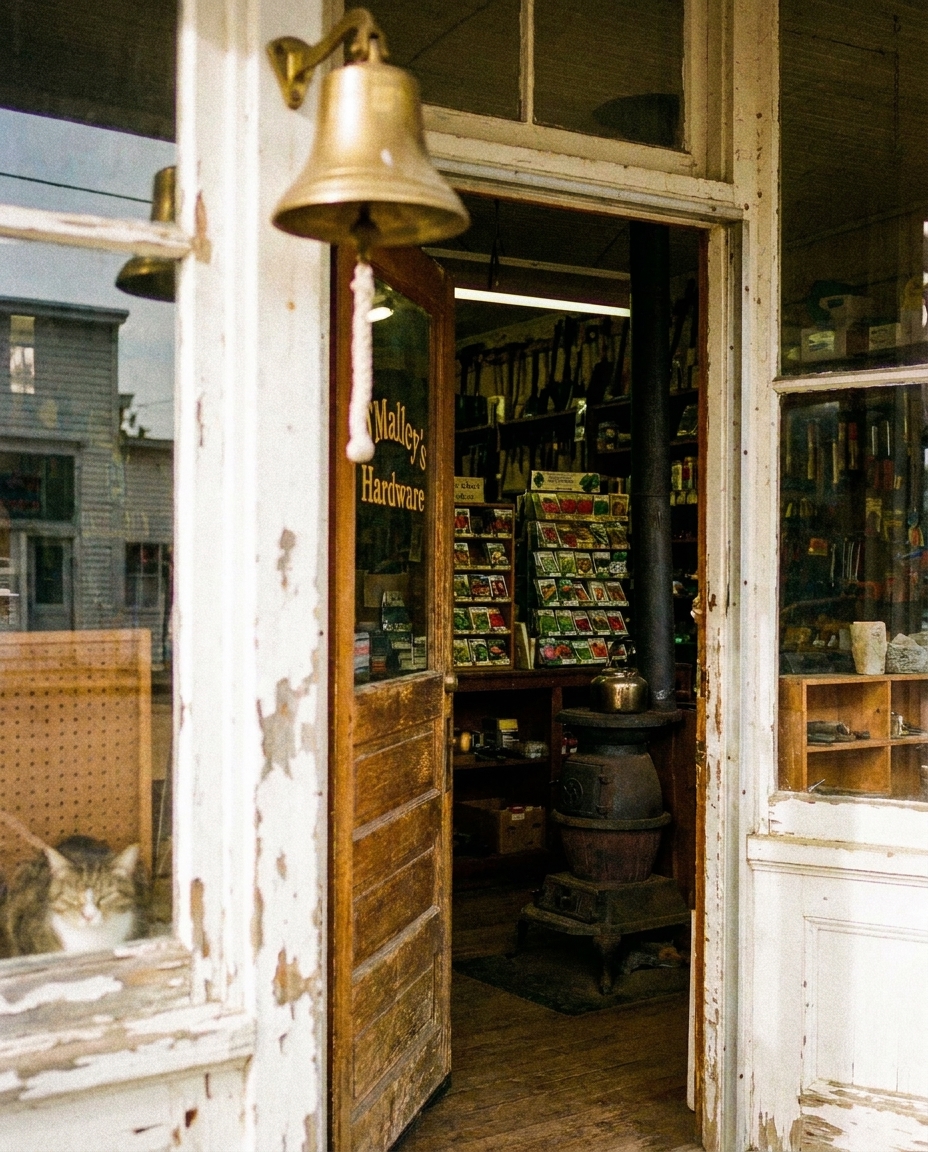
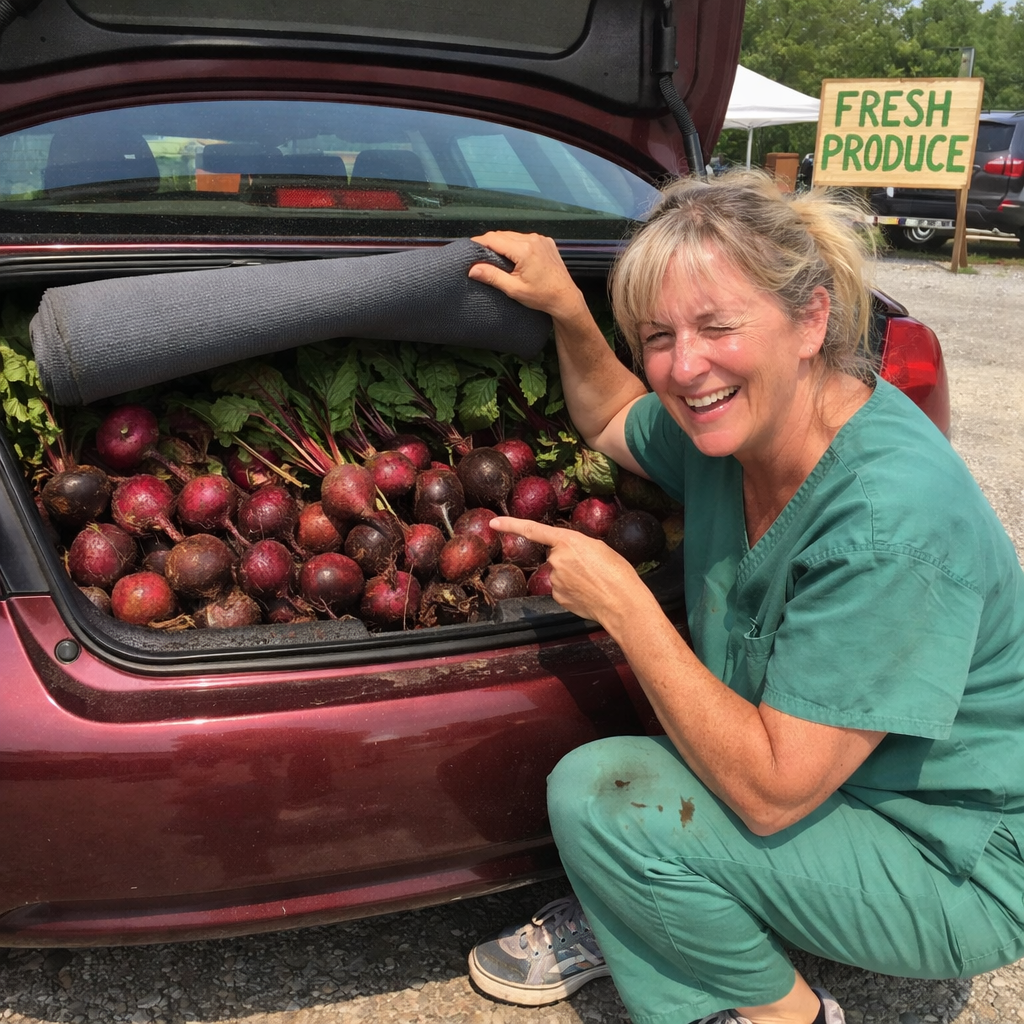
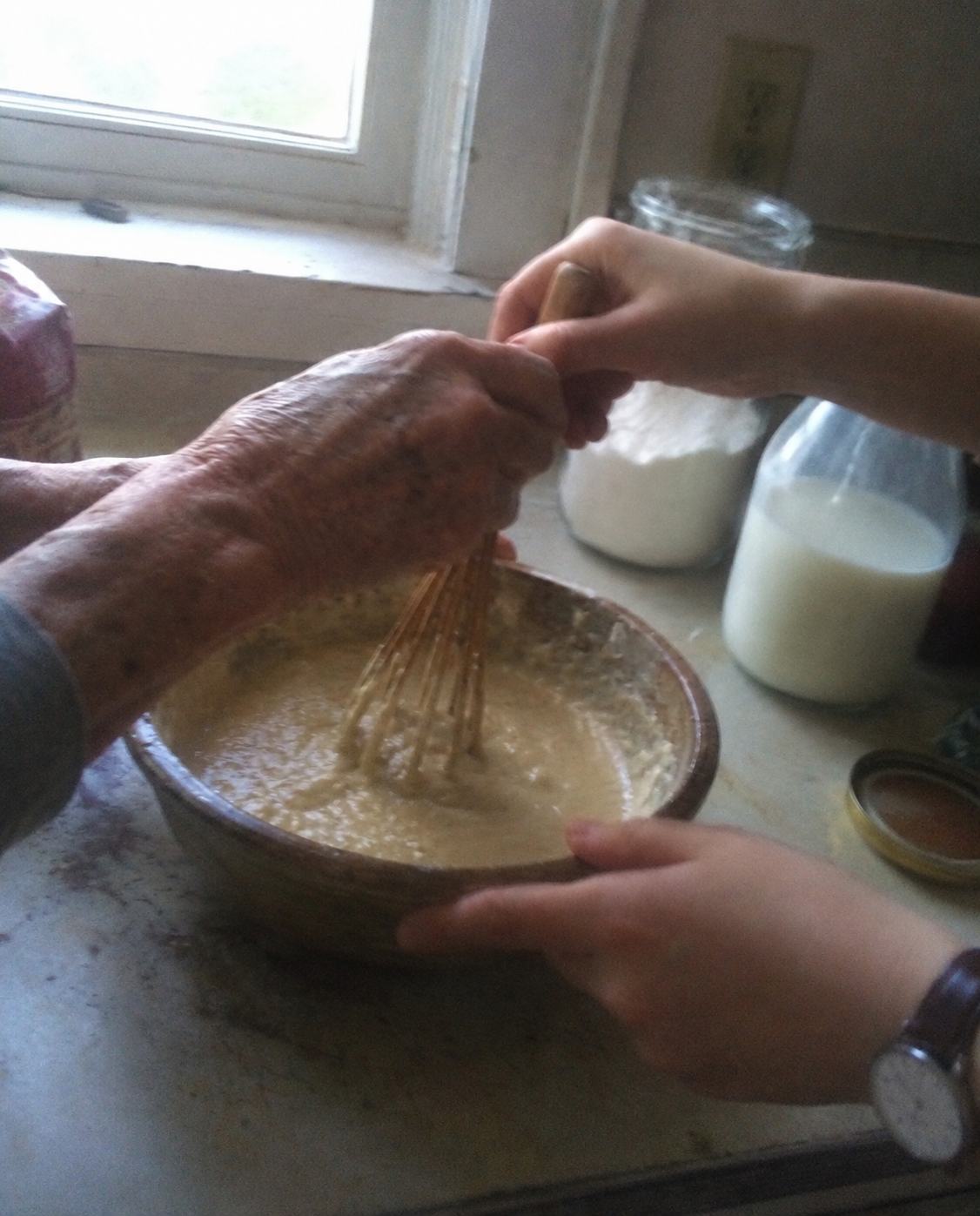
I Stopped Picking Up My Grandson Eighteen Months Ago. He's Four. He's Started Asking Why. I'm 58. I have a daughter, a son-in-law, and one grandson. His name is Theo. He'll be five in November. Up until about eighteen months ago I picked him up every single time I saw him. It wasn't a thing. It was just what you do. Then it was a thing. Then I stopped doing it. He hasn't asked his mother. He's asked me directly. Twice now. The first time was in October. He held his arms up at the front door when I came over for Sunday dinner and I knelt down to hug him instead and he said: "Grandpa. Why don't you pick me up anymore?" I told him grandpa's back was tired. He said: "Oh. Okay." He went and got his trucks out of the bin. The second time was three weeks ago, in his backyard. He'd climbed up on the picnic table and asked me to lift him down. I lifted him with one hand under each armpit and set him on the grass, and the second the weight came off my back I made a noise without meaning to. Not a word. A sound. He looked up at me from the grass and he said: "Did that hurt?" I told him no. He said: "Are you fibbing?" He'd just learned the word "fibbing" that week. I told him yes. I was fibbing. It hurt a little. He thought about it for a second. Then he said, in the serious way four-year-olds say things they're trying out for the first time: "Maybe you should not pick me up if it hurts your back." I said okay. He patted my hand. The way his mother does. He went off to play. I stood there in my daughter's backyard and I had a moment I'm going to write down. I had it because I'd just been parented by a four-year-old. He'd been gentler about it than I'd been gentle with myself in two years. I'm going to back up. I want to tell you what eighteen months of accumulating aches actually looks like, because I think people who haven't been through it write about it like it's a single thing. It isn't a single thing. It's about forty things. Here are some of them, in no particular order. My hands. My hands started complaining around month six. I noticed it first opening a jar of pickles for my wife. The lid wouldn't move. I'd been opening that jar for her — that exact brand, that exact jar — since 1991. The lid moved. I didn't. She didn't say anything. She got the rubber jar opener out of the drawer and handed it to me without comment. We have a rubber jar opener now. It lives next to the toaster. I'd never owned a rubber jar opener in my life. My knees. The knees started about a year ago. Coming down the stairs in the morning was where I'd notice it. Going up was fine. Coming down was where my body would have an opinion. I started taking the stairs sideways in the morning. Just for the first flight. I didn't even realize I was doing it for about three months. My wife pointed it out one morning. She said: "Why are you walking down sideways." I said: "I'm not." I was. I started taking the stairs forward again on willpower for about a week. Then I went back to sideways. My shoulder. My right shoulder, specifically. Not the whole thing — just the front. The thing the doctor would later call "anterior" when I finally went to see him. I couldn't reach the top shelf of the cabinet over the refrigerator anymore. I'd been putting the holiday platters on that shelf since 1998. I started leaving the platters on the dining room buffet year-round. My wife rearranged the buffet to accommodate them. She didn't say anything about it. I didn't either. That's the part that's hardest to write down. The not saying. She watched me get smaller for a year and she didn't say anything because she knew I'd take it the wrong way if she did. I know how I would have taken it. I would have said: "I'm fine. Just getting old." I said "I'm fine. Just getting old" to myself approximately eight hundred times in eighteen months. It was not true. I knew it was not true. I kept saying it. The thing nobody tells you about being a man in his late fifties is that "getting old" stops being a metaphor and becomes a fact, and the fact is uglier than the metaphor. In the metaphor, you're a slightly grayer version of yourself. In the fact, you wake up and inventory damage every morning before you put your feet on the floor. I started doing that around month four. I'd wake up and lie there for a minute and run a check. Back? Stiff but workable. Right shoulder? Tight. Left knee? Talking to me. Right elbow — the one I'd hurt playing softball in 1994 — quiet today. Good. Hands? Both stiff. The right ring finger especially. Hip? Hip was a sometimes thing. Today, no. Neck? Yes. Slept wrong again. It was like reading a weather report from inside a house I owned. The weather was bad in different rooms on different days. I started bracing for it. I want to be careful about this part because I don't want to be melodramatic, but I also want to be honest. Bracing for your body becomes a way of life. You don't notice you're doing it. You just notice you're tired all the time and you don't know why. The bracing is the why. You're holding yourself slightly tense in advance of the next thing that's going to hurt, and you do that all day, every day, without noticing. I noticed once. I was on a fishing trip with my brother in June of last year. We were on the water for about six hours. For about twenty minutes — sometime around the third hour — I forgot about my body. I caught a small bass and let it go and watched the line, and I forgot. When I noticed I'd forgotten, I felt the bracing come back. It came back like the lights coming on. I almost cried in front of my brother. I didn't. But I came close, and I'm a man who hasn't come close to crying in front of his brother since our father died. I went to my doctor. I want to be honest about how that conversation went, because I think most men over fifty have had some version of it. He examined me. He pressed on things. He moved my shoulder around. He had me bend forward and touch my toes — I got to about mid-shin — and he had me stand up from a squat without using my hands. I couldn't. He sat down at the desk and he typed for a minute. He said: "John, your bloodwork is fine. Your blood pressure is fine. Cholesterol's creeping a little, we'll keep an eye on it. But what I'm seeing here isn't disease. It's wear." He said "wear" the way you'd say "weather." He said: "Your body's been carrying you since 1966. You've been a roofer most of your working life. You've got the joints of a man who's been doing what you've been doing for thirty-eight years. Some of this we can address. Some of it we can support." He talked about losing fifteen pounds. He talked about an anti-inflammatory diet — fish, leafy greens, less of the things I love. He talked about gentle movement, daily, even if it was just a walk. He talked about ice and heat. He talked about ibuprofen — sparingly, he said, because long-term it's not your friend. He talked about physical therapy if I wanted to go that route. He did not push pills. I respected him for that. I went home with a list and a referral and a feeling I want to describe carefully. The feeling was: I have been given homework, and the homework is being a sixty-year-old man who eats his greens. That's true. It's also depressing. The reason it's depressing is not that the homework is bad. It's that the homework is what you do when you've stopped being a different kind of man. I'd been a man who could pick up his grandson. The homework was: be a man who can't pick up his grandson, but who eats his greens. I did the homework anyway. For three months. It helped some. The weight came off — twelve pounds. The walks helped my mood more than my body. The diet I half-followed and half-resented. The aches were still there. The bracing was still there. The mornings still started with the inventory. I want to tell you about an afternoon at the hardware store. This is the part where the story turns and I want to write it carefully because the man it's about, who I'm going to call Dale because I never asked his last name, is a real man I had a real twenty-minute conversation with in May of last year, and I haven't seen him since. I went to the hardware store on a Saturday afternoon to buy a replacement gasket for the kitchen sink. The one in our house is a 1986 American Standard and I'd been jerry-rigging the gasket for about two years. The hardware store I go to is the old one on the south side of town. Not the box store. The one where the floors are wood and there's a coffee pot on a side counter for customers. I was in the plumbing aisle staring at the gasket selection when a man came up next to me. He was maybe sixty-five. White hair. Carhartt vest. He was leaning on the shelf the way men lean when their hips are talking to them. He looked at the gasket display. He looked at me. He said: "American Standard?" I said: "Yep." He said: "Eighty-something?" I said: "Eighty-six." He nodded. He said: "Third one from the left. The one with the black ring. Don't waste your time with the others." I picked up the third one from the left. He said: "Take two. The cheap rubber ones go in five years and the metal collar around them is what makes it last. Buy a backup. Put it in the basement." I picked up two. He said: "Now you don't have to come back for ten years." I laughed. He laughed. Then he stood there leaning on the shelf for a second too long and I watched him decide whether to keep going or to walk away. He kept going. He said: "You looked tense when I walked up." I said: "Did I?" He said: "Your shoulders. You were holding them up around your ears." I said: "It's a Saturday. I've got a list." He said: "It's not the list." I looked at him. He looked at me. He said: "I had that look for about three years. I know what it looks like." I didn't say anything for a second. He said: "You don't have to tell me what hurts. I already know." I asked him what he meant. He pointed at himself. He said: "Hips. Lower back. Right shoulder. Both hands. Right knee. Left knee — that's a newer one. Neck most mornings. Right elbow when the rain comes in." He said it like a man reading a parts inventory. I felt my body sag a little. Because somebody had said it out loud. I told him my list. He listened. He didn't say much when I was done. He said: "Yep. That's the one." I asked him what "the one" was. He said: "The big stack. The forty things that aren't a disease. The thing the doctor calls wear and tells you to eat fish about." I laughed again. Bitterly this time. He said: "I'm not going to tell you it goes away. It doesn't go away. I'm telling you it can get a little smaller. And the bracing can get a little smaller. And the inventory in the morning gets shorter." I asked him how. He said: "Two things, mainly. Both of them are slow." He told me the first one. Which was that he'd started swimming three times a week. Not laps. Just being in the water for forty minutes. Walking the shallow end. Floating. Doing whatever didn't hurt. The pool at the YMCA, which costs eight dollars to drop in. He said the water took some of the bracing off. Not all of it. Some. He said his shoulders had been around his ears for years and they were a little lower now. He said his sleep had gotten better. Not perfect. Better. I asked him the second thing. He looked at me for a second like he was deciding whether to tell me. Then he said: "I started taking a beetroot supplement about a year ago. My wife found it. She's a researcher — not a doctor, just a careful reader. She'd been looking for something that supported the inflammation side of what was happening to me without being a painkiller." He said the brand was Rosabella. He said the thing that mattered, mechanically, was the processing. He said beetroot has been studied for a long time for cardiovascular wellness and for supporting the body's natural antioxidant balance — and that the body's antioxidant balance is connected to the inflammation conversation in ways that aren't simple but are real. He said the active compounds — he called them betalains — are heat-sensitive. Most beetroot products are processed in ways that degrade the compound. Rosabella cold-presses at low temperatures. He said: "It's a small operation. A farming community in Lancaster County. I'm not telling you it cured me. I'm telling you it's the second leg of what I've been doing. The water is the first leg. This is the second." I asked him how long it had taken to notice anything. He said: "About six weeks before I'd say I noticed. About four months before my wife said anything. She'd been watching. She didn't tell me until she was sure." I said: "What did she say." He said: "She said: 'You're a little less braced.'" I stood there with two gaskets in my hand. He said: "Check with your doctor before you add anything. Don't take a stranger's word for it. Take your doctor's. But I'd tell you to look at it." I said: "I will." He said: "What's your name." I told him. He said: "I'm Dale." I said: "Thanks, Dale." He nodded. He picked up a bag of toilet bolts off the shelf next to him and walked toward the register. I stood there for another minute. Then I followed him to the register. Because I'd realized I wanted to ask him one more thing. When I got there, the kid at the register was bagging Dale's bolts. I said: "Dale, one more thing. The grandson question — does the body let you do that again." Dale looked at me. He didn't smile. He said: "Mine does. I've got two grandkids. I pick them both up. Not the way I used to. I'm careful about it. But I do." He paid in cash. He turned to me. He said: "Pick the boy up, John. Find a way to pick him up. That's the actual point." He walked out of the store. I stood there at the register holding two gaskets. The kid said: "Find everything alright?" I said: "Yeah. I think I did." I'm going to compress the next part because I want to respect your time. I went home. I sat at the kitchen table with my wife. I told her about Dale. I told her about the swimming. I told her about the supplement. She listened the whole way through. When I was done she said: "You want to look into it." I said: "Yeah." She said: "Okay. Let's look into it." We read for two evenings. The supplement page held up. The cold-pressing thing made sense. The mechanism — the body's natural antioxidant balance, the relationship to general inflammatory load, the structure-function-language way the science was talked about — made sense to a careful reader and didn't overclaim. I called my doctor's office on Monday. I left a message with the nurse. I told her what it was. I asked her to check with the doctor whether it was a sensible thing to add to what I was already doing. She called back the next afternoon. She said: "He looked at it. He said it's a food-based supplement, and there's good research on antioxidant support. He's fine with you adding it. Tell him at your next visit." She paused. She said: "John, are you swimming yet?" I said: "No." She said: "Get on it." I joined the YMCA the next morning. Now. I want to tell you about a specific Saturday morning. Five months in. Theo had come over to spend the night. He hadn't done that since before the picking-him-up thing had become a thing. My daughter and son-in-law had a wedding to attend and they'd asked us, and my wife and I had said yes the way grandparents say yes — quickly, before they can change their minds. He arrived Friday night. We made spaghetti. He helped me set the table. He stood on a step stool at the sink and "washed" his hands for what felt like a long time. He went to bed at 8:30 in the guest room — what used to be my daughter's room — with the lamp on the way he likes it. I read him three Frog and Toad stories. He fell asleep before the third one was done. I sat on the floor next to the bed for a minute after he was asleep. Just listening to him breathe. I want to tell you what happened the next morning. He woke up at 6:42 a.m. He came padding down the hall in his pajamas. He came into our bedroom. He stood next to my side of the bed and put his hand on the mattress. He said: "Grandpa. I'm awake." I sat up. I did the inventory, because the inventory is still what I do — five months in, it's still what I do, I'm not going to lie to you about that. But the inventory was shorter that morning. Back? Workable. Not great. Workable. Shoulder? Loose enough. Knees? Quiet. Hands? The right ring finger was talking. Everything else was okay. Hips? Quiet. It was the shortest inventory I'd had in two years. I got out of bed. My wife was still asleep. I said: "Let's get breakfast, buddy." He said: "Okay." I bent down — and this is the part I want to write carefully — I bent down and I picked him up. I picked him up under the armpits the way I'd been doing it for four years before I stopped. I lifted him to my chest. He was forty-one pounds — I knew because his mother had told me at the door — and he was warm and a little damp from sleep. I held him for a second. He put his arms around my neck. He said: "You picked me up." I said: "I did." He said: "Does your back hurt?" I said: "A little. But it can do this." He said: "Okay." He didn't say anything else. I carried him down the hall. I carried him down the stairs — going forward, not sideways — holding the railing with one hand and him with the other arm. We made pancakes. He stood on the step stool and stirred the batter with a wooden spoon that was a little too big for his hand. I poured the first pancake into the pan myself because the batter was hot. He flipped it when I told him to. He missed. The pancake folded. He laughed. I laughed. We ate three pancakes apiece. When his mother and father came to pick him up at 11, he ran to the door. He said: "Grandpa picked me up this morning." My daughter looked at me. She didn't say anything. She just looked at me. Her eyes filled up. She turned and pretended to look for something in her purse. I knew what she'd been carrying. I'd been carrying it too. She'd been watching her father shrink for a year and a half, and she'd been telling herself the same story I'd been telling myself — that this is what happens to men in their late fifties, that there isn't anything to do about it, that we just have to make peace with the smaller version of him. She'd been making her own peace. She didn't have to anymore. I want to be careful about what I'm claiming. I added the supplement to a bigger set of changes. I'd started swimming. I'd been eating better. I'd been losing weight. I'd been walking. I'd been doing the things my doctor told me to do. I cannot tell you which part of that did what. Bodies are complicated. I'm a roofer. I'm not a scientist. What I can tell you is that the combination got me to a Saturday morning where I could pick up my grandson. I don't know which capsule, which lap, which kale salad tipped me. I know that the bracing got smaller. The inventory got shorter. The mornings stopped being a parts list. If something in this sounds familiar — if you've been doing the inventory, if you've been walking down stairs sideways, if you've stopped picking up someone you love because your body has been costing you more than it used to — the only thing I'd encourage you to do is what I did. Call your doctor's office. Tell whoever answers what you want to add. Ask whether it's sensible. If they say yes, you have a place to start. If they say no, you have a piece of information about your own body you didn't have before. I'm not a doctor. I'm not in healthcare. I'm a 58-year-old retired roofer with two new knees on the horizon if I don't keep doing what I'm doing, a wife who married me when we were both 24 and has been waiting two years for me to come back, a daughter who is the best person I know, and a grandson who used the word "fibbing" on me three weeks ago and changed my life with it. I'm writing this down so the next man standing in front of a gasket display with his shoulders around his ears might find a Dale of his own. If you're the wife of one of those men — leave this open on a tablet on the kitchen counter. Don't say anything about it. We men do not change our minds when we're being talked to. We change them when we're standing in a hardware store on a Saturday afternoon and somebody we've never met says the thing out loud. I can't be in your husband's hardware store. But I can leave this here. ~ John K. P.S. — Rosabella has a 90-day money-back guarantee. If you're not satisfied for any reason, every penny back, no questions asked. That's a sensible policy. Give it at least six weeks before you decide anything. Bodies are slow. Inflammation is slower. Dale told me four months. He was about right. P.P.S. — I went back to the hardware store in October to buy a snow shovel. I looked for Dale. He wasn't there. I asked the old guy at the register if he knew a Dale who came in regularly. White hair. Carhartt vest. Sixty-something. The old guy laughed. He said: "Description fits about forty of my customers." I said: "He'd know me. He told me to buy two gaskets in May." The old guy thought about it. He said: "Dale Whitaker. Comes in every couple weeks. You want me to tell him anything if he comes in?" I said: "Tell him John says thank you." The old guy wrote it on a Post-it and stuck it on the cash register. I don't know if Dale got the message. I haven't seen him. But the Post-it was still there in February. I checked. The old guy noticed me looking at it. He said: "Haven't seen him in a while. He'll be back. They always come back." I hope so. If you're reading this and your name is Dale Whitaker and you live in central Pennsylvania and you bought toilet bolts in May of last year — thank you. If you're not Dale, but you've been some other man's Dale at some other hardware store on some other Saturday, thank you on his behalf. We don't always say it out loud. We should. P.P.P.S. — Rosabella is a small operation. I waited eleven days for my second bottle because they were between bottlings. I keep an extra in the cupboard now. If you decide to try it, that's worth knowing — they're not Amazon. They make what they make. When it's gone they make more, and sometimes you wait. I'd rather wait for a good thing than rush a bad one. P.P.P.P.S. — I want to say one more thing about Theo, and then I'll stop. Last weekend he came over with my daughter. He ran in the front door. He held his arms up. He didn't ask me anything. He just held his arms up. I picked him up. He weighs forty-three pounds now. He grew a little. I picked him up anyway. He put his arms around my neck. He didn't say anything about it. He's done asking. He just expects me to do it now. That's the part I'd want to leave you with, if you're a grandfather of one of those small boys who hold their arms up at front doors. They stop asking eventually. They stop asking because they've learned the answer. You get to decide what the answer is. You get to decide for a while. After a certain point you won't get to decide anymore. The answer will just be what your body says. Don't wait for that point. Pick the boy up. Find a way. That's the actual point. That's what Dale told me in a hardware store on a Saturday in May. He was right. https://track.tryrosabella.com/4a8944d3-6841-4daa-bcd5-c063901eeae6 Individual experiences vary. These statements have not been evaluated by the FDA. This product is not intended to diagnose, treat, cure, or prevent any disease.
Support stamina and heart health every day
LEARN MORELike this ad? Make it yours.
Crush rebuilds this exact creative around your product — your brand, your colors, your offer — in about a minute.