
Inactive· since Apr 21, 2026
- 141
- days it ran
- 0
- relaunches
- 3,024
- EU reach
Ad copy
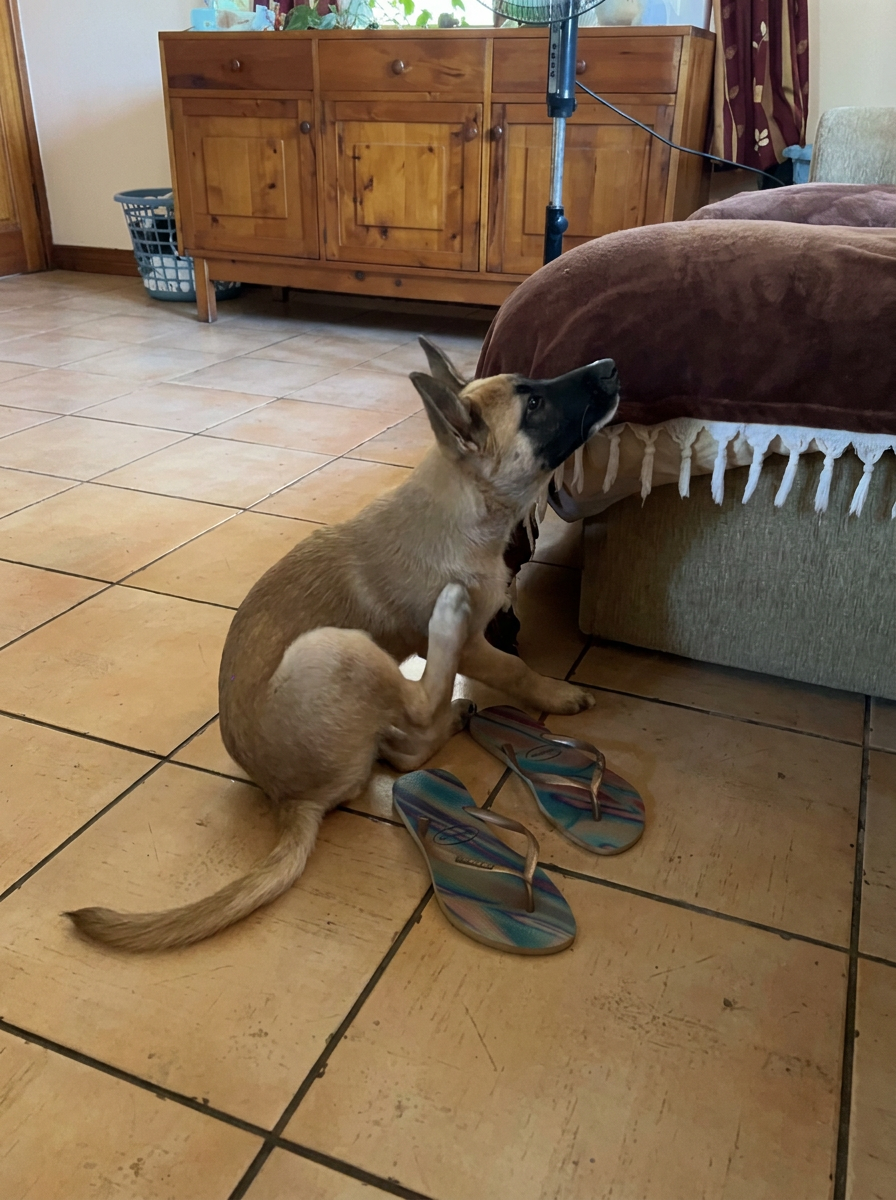
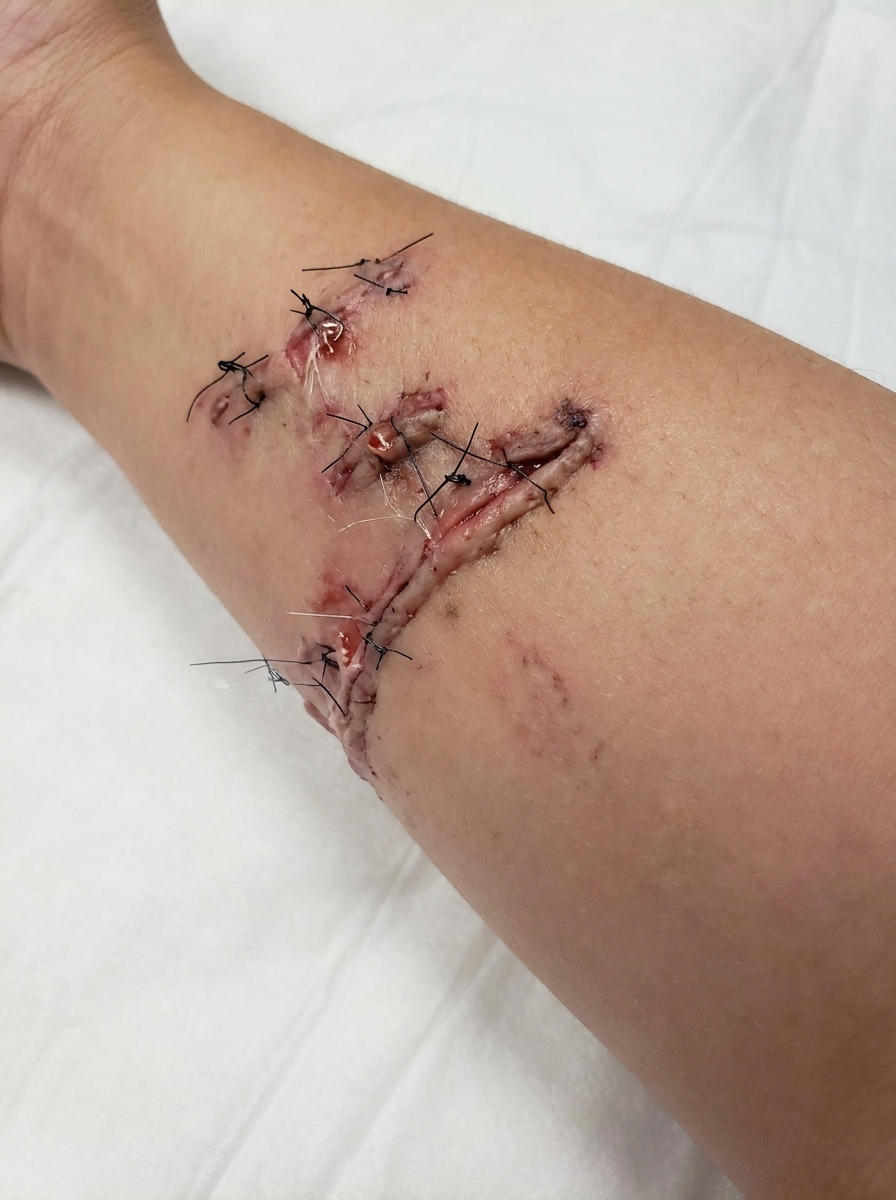
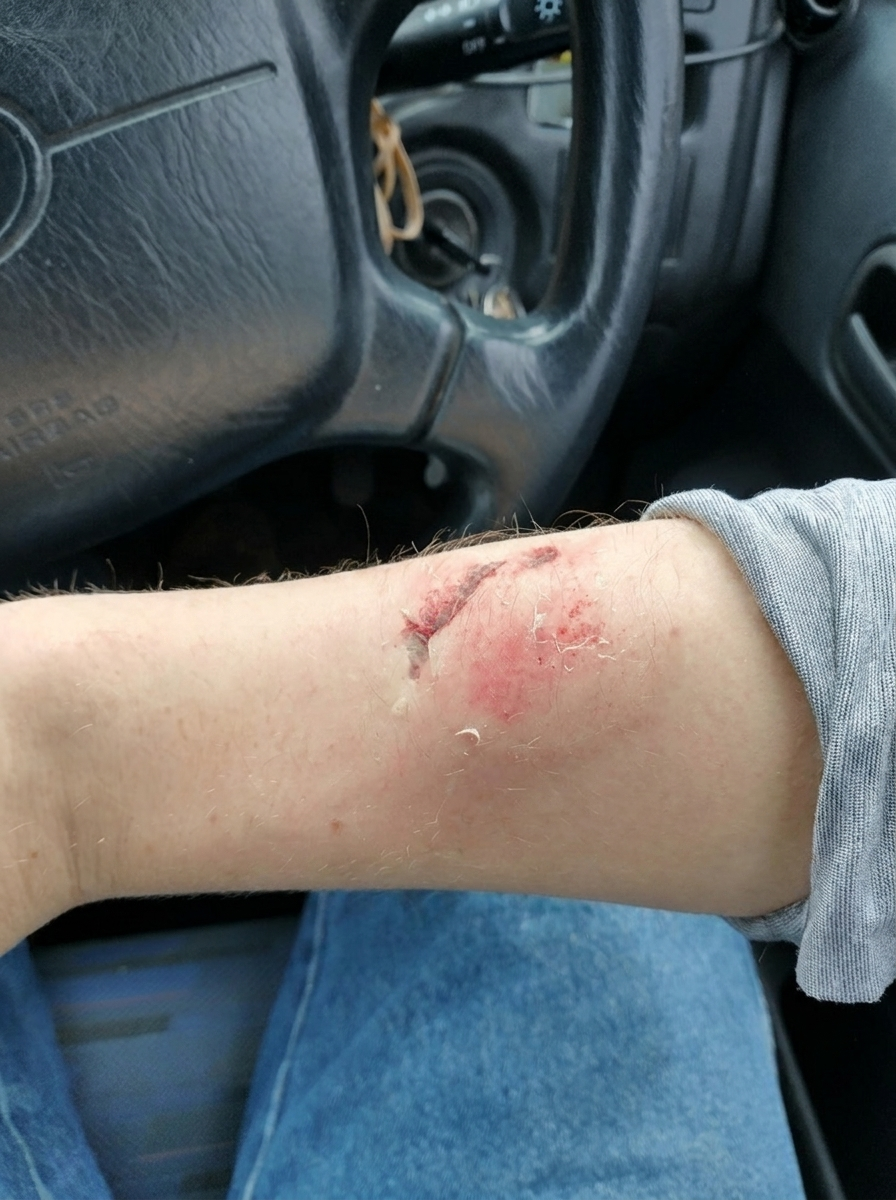
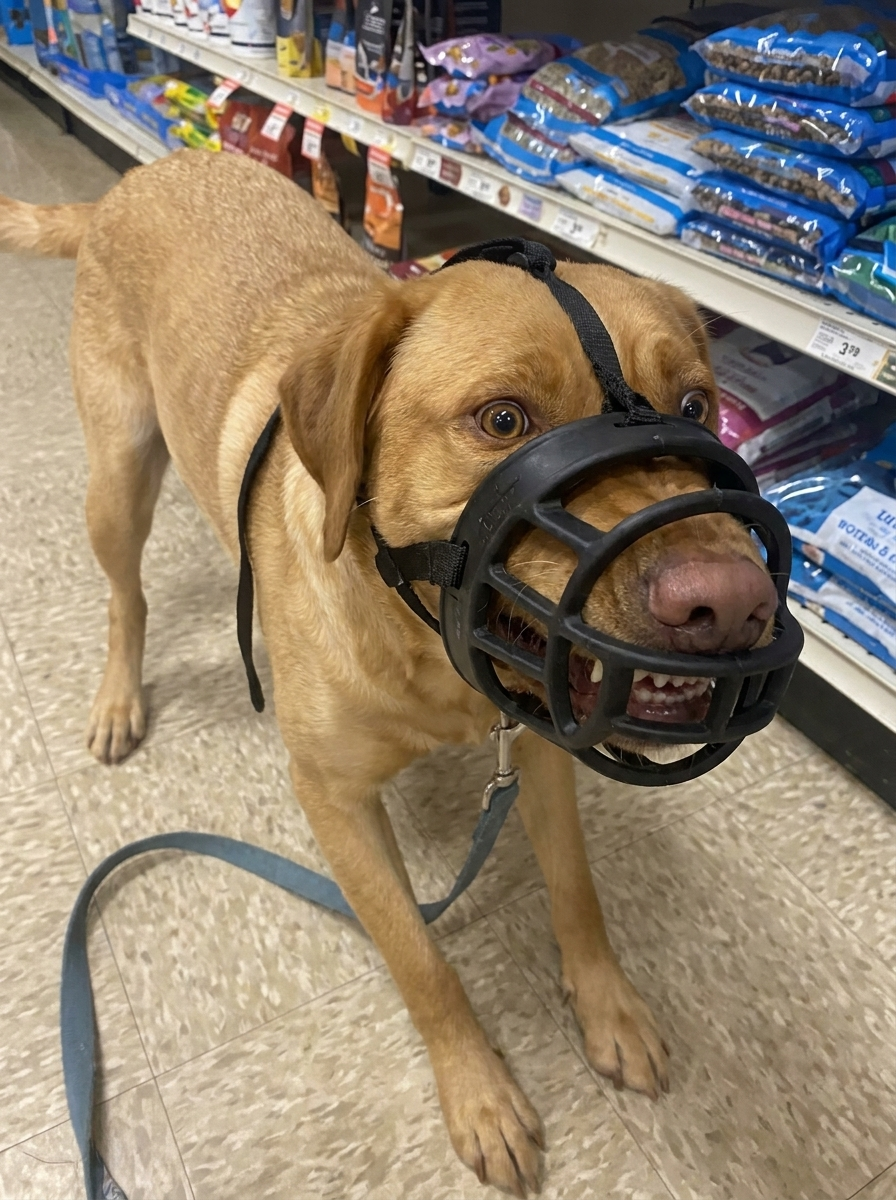
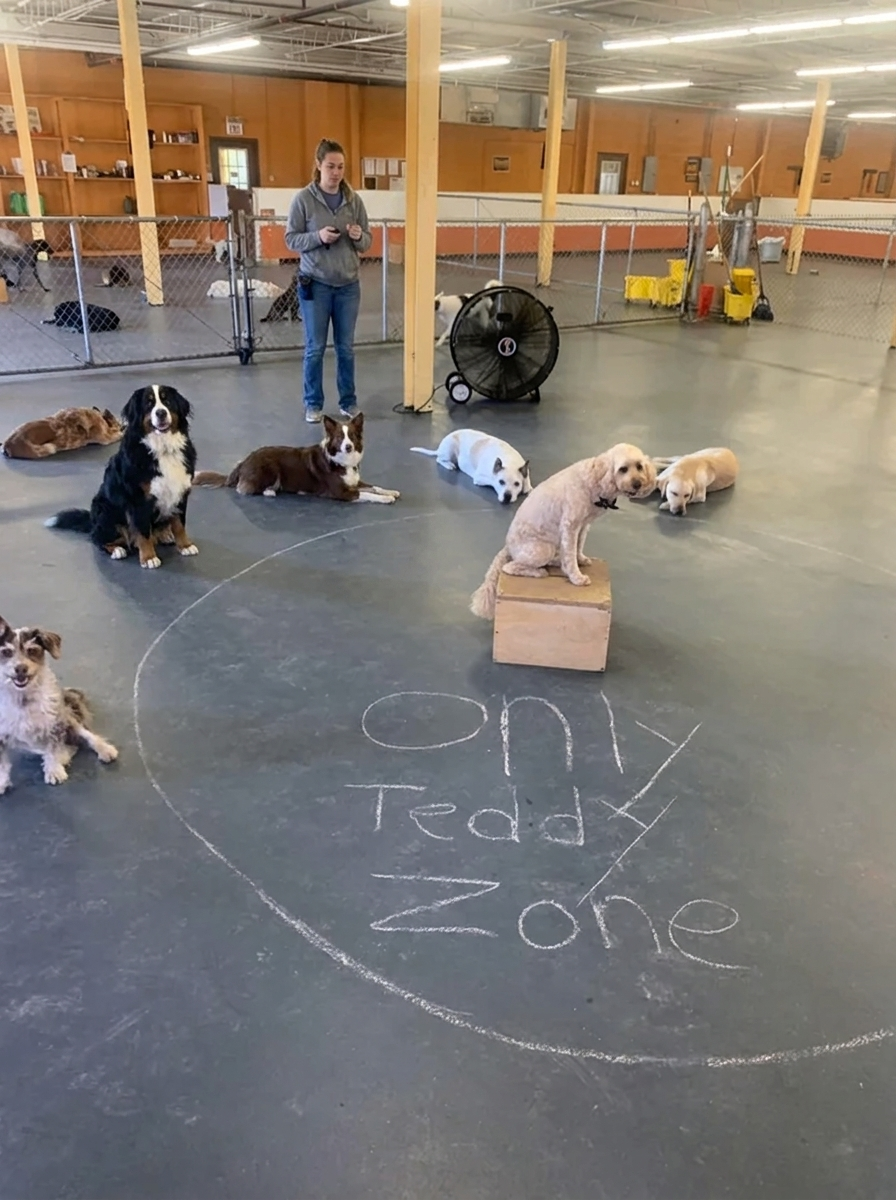
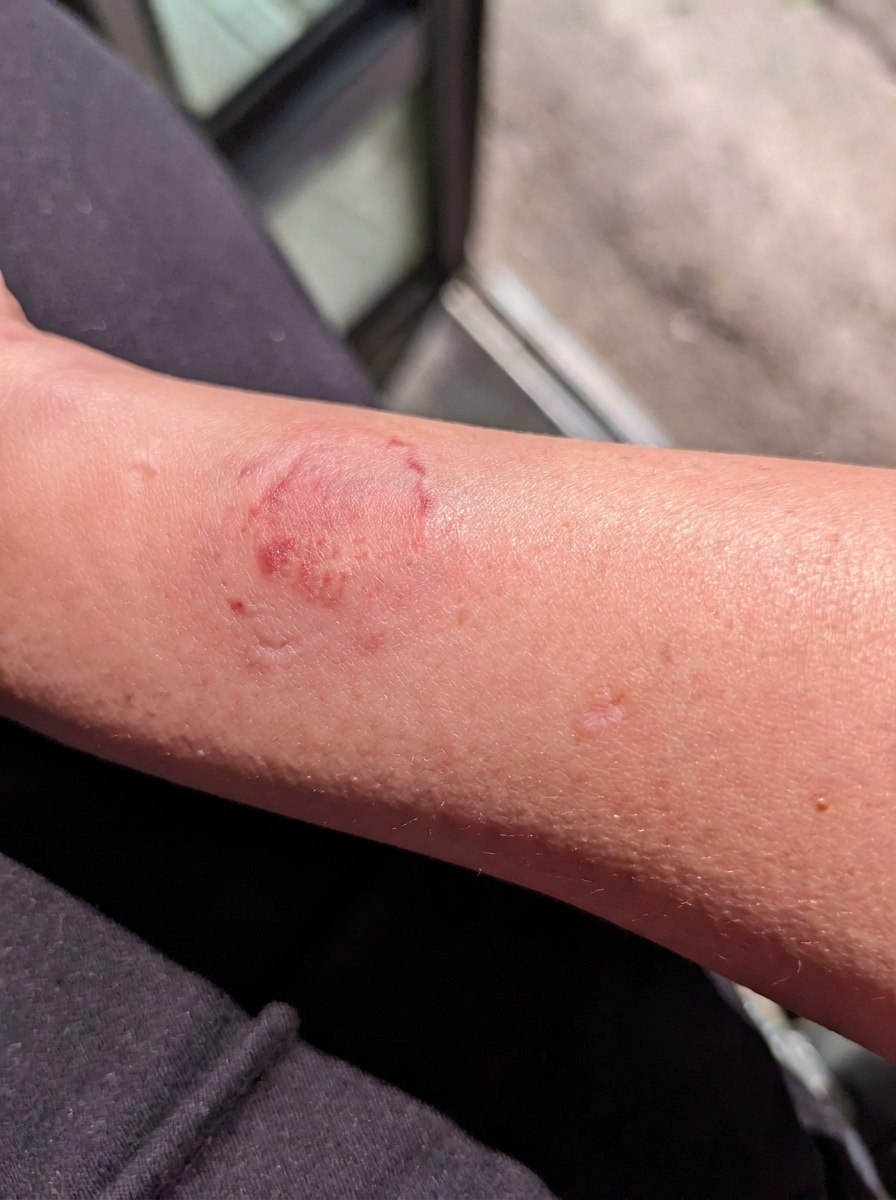
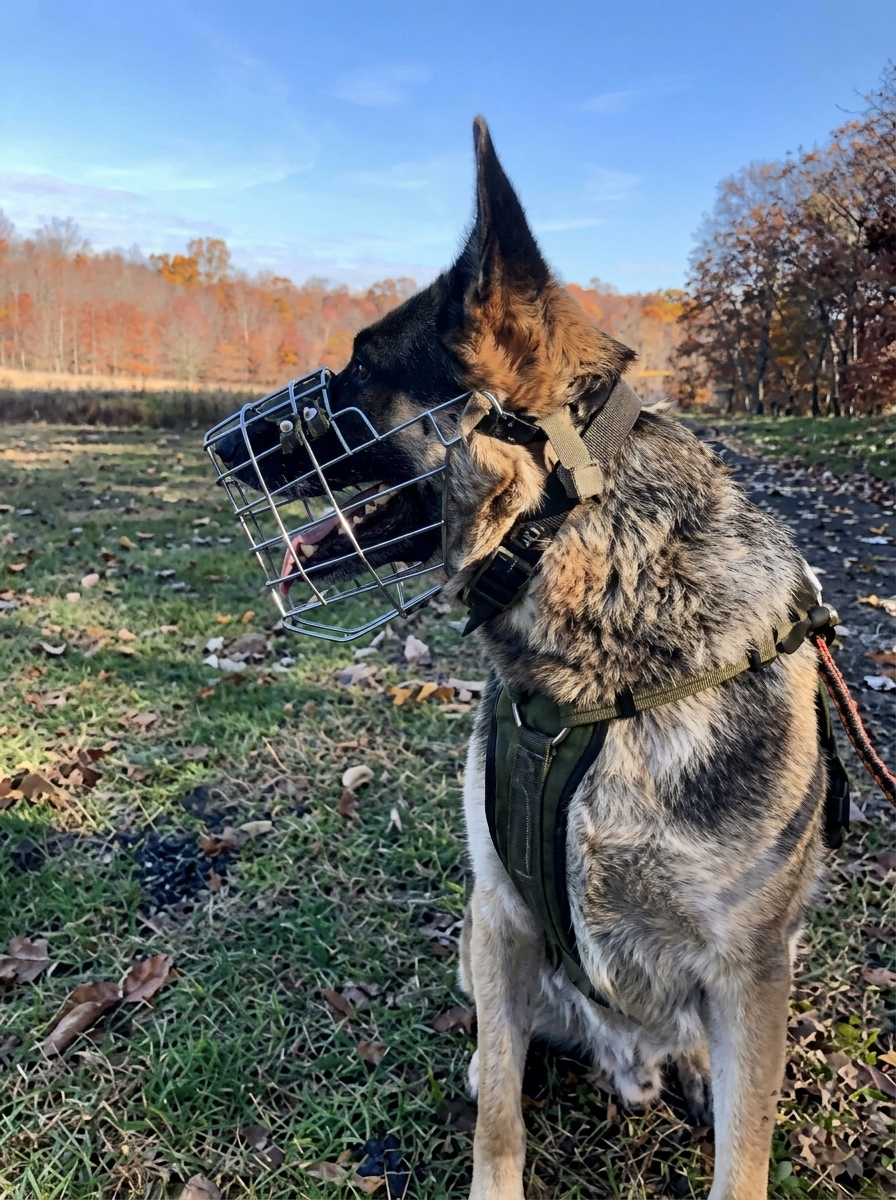
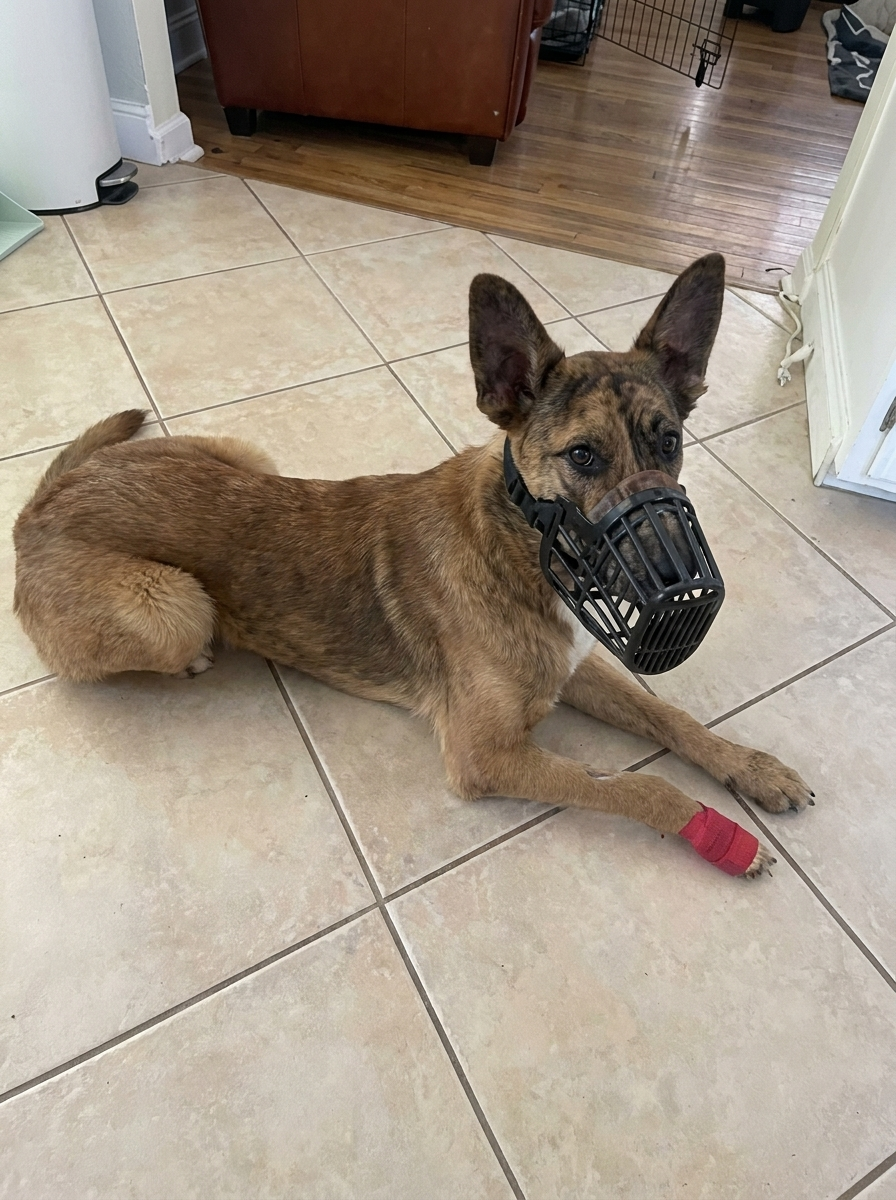
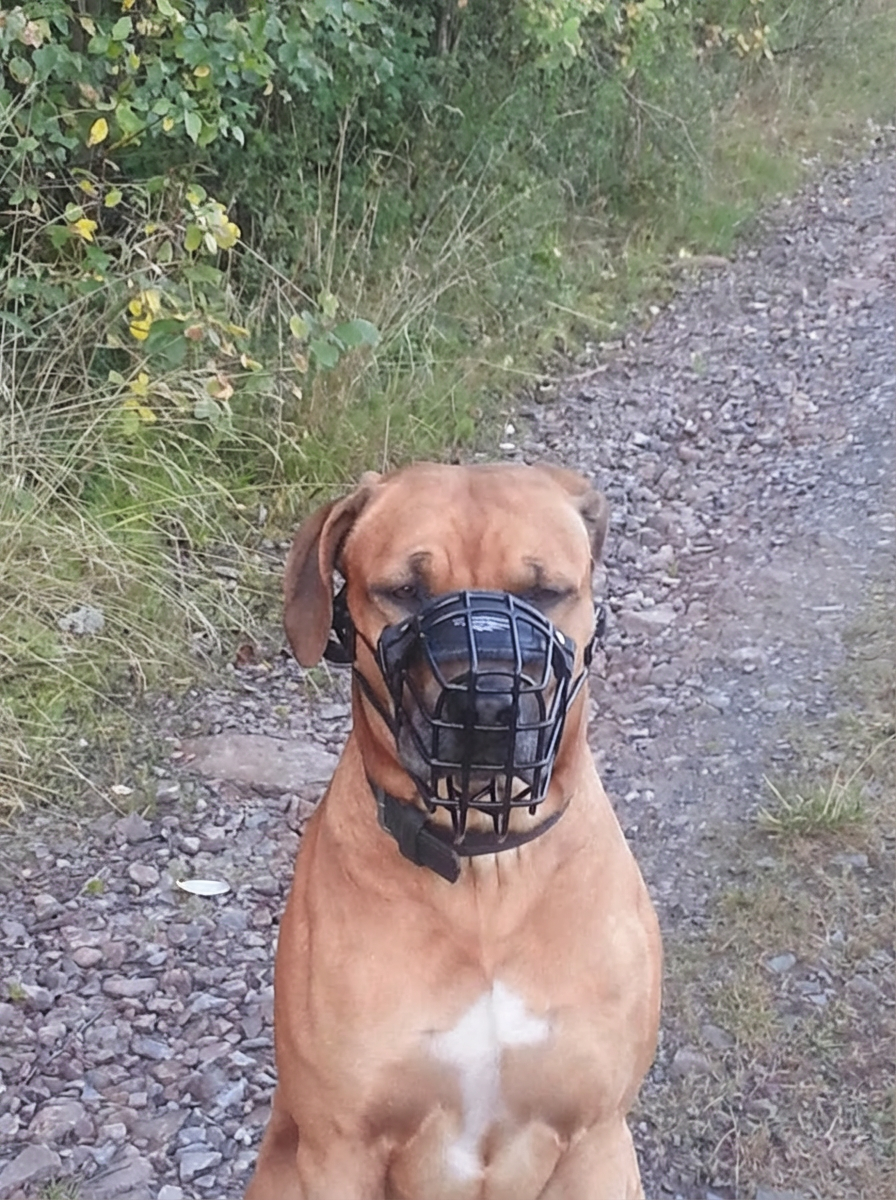
I've been a veterinarian for fourteen years. In that time I've watched a lot of dogs get euthanized for behavioral reasons. But last spring, I watched three happen in the same six-week period. Three different owners. Three different dogs. Three different training histories. Same outcome. And all three of those owners had done everything right. My name is Dr. Angela Ross, DVM. Along with Dr. Michael Chen and Dr. Laura Vasquez, we run Northgate Veterinary Behavioral Center — a clinic that specializes in dogs with behavioral and anxiety-related conditions. Between us, we've assessed over 24,000 dogs in sixteen years of practice. What I'm about to share with you is not something we learned in school. It's something we discovered because three dogs died and we refused to accept that there was nothing more we could have done. Here's what happened. The first dog was a 5-year-old Rhodesian Ridgeback named Atlas. His owner, Christine, was a dog trainer herself. Not a hobbyist — she ran group classes and had trained hundreds of dogs. She knew reactive dog protocols inside and out. Atlas had been reactive since he was eighteen months old. She'd tried everything she taught her own clients. Counter-conditioning. Desensitization. BAT protocol. Muzzle training. Careful threshold management. Private sessions with two different behaviorists she personally respected. He improved. Slowly, significantly, and then — he stopped improving. Plateaued at a level that still required maximum management on every single walk. He never bit anyone. Until he did. A child came around a blind corner on a cycle path. No warning. Too close. Atlas lunged, and the child went down. Superficial injury. But the law didn't distinguish between superficial and severe. Christine called me that evening from outside the animal control facility. She could barely speak. "I did everything, Angela. Everything I know how to do. He still bit someone." I had no answer for her. The second dog came in three weeks later. A 4-year-old Border Collie named Pip, owned by a couple who had worked with him diligently for two and a half years. Pip had bitten a postman on their own property. He was surrendered the following morning. I was the one who signed the behavioral assessment that led to euthanasia. I went home that evening and sat in my kitchen for a long time. Dr. Chen found me there. He'd been thinking about the same thing. "Three dogs," he said. "Six weeks. All of them had extensive training histories. All of them failed in the end." He put three files on my kitchen table. Atlas. Pip. And a third — a Staffordshire Bull Terrier named Jax who had been referred to us eight months earlier and had been euthanized by his previous clinic two weeks ago after a bite incident at a dog park. Dr. Chen looked at me. "What do all three have in common that we haven't looked at?" We sat there for a long time. And then Dr. Vasquez said something that changed everything. "We've tested their thyroid. Their bloodwork. Their hormones. Has anyone ever tested their gut?" The silence that followed was uncomfortable. None of us had. Not once. Not with any reactive dog. Not in sixteen years of combined behavioral practice. Because gut health wasn't in the behavioral protocol. It wasn't in the textbooks. It wasn't something that came up in the referral notes from general practitioners. We started reading that night. And what we found made all three of us feel like we had fundamentally failed a category of patients for our entire careers. Here's what they don't teach you in vet school about reactivity: Over 79% of dogs with chronic reactivity have severely compromised gut health — specifically, critically low postbiotic metabolite production and measurable gut microbiome dysbiosis. Not severe enough to cause obvious digestive symptoms. Not bad enough to show up on a standard blood panel. But damaged enough to fundamentally disrupt the gut-brain axis — the communication system between the gut and the brain that regulates emotional responses, threat perception, and behavioral regulation. Because here is the biological reality that no training protocol accounts for: 95% of serotonin — the neurotransmitter responsible for calm, regulated behavior — is produced in the gut. Not in the brain. In the gut. When the gut microbiome is compromised, serotonin production drops. The vagus nerve — the direct communication highway between the gut and the brain — carries disrupted signals upward. The brain interprets those disrupted signals as a state of threat. Fight-or-flight becomes the permanent default. And the dog lunges. Not because the training was wrong. Not because the owner was inconsistent. Not because the dog is "dominant" or "aggressive" by nature. Because their gut cannot produce the neurochemical foundation that behavioral regulation requires. Training assumes a brain that can be regulated. A brain without serotonin cannot be regulated — not reliably, not under pressure, not when the trigger appears too fast and too close on a cycle path. We understood this for the first time that night in my kitchen. And we understood something else: every reactive dog we had ever seen had been assessed for everything except the one thing that was actually driving the behavior. We made a decision. For the following four months, we would run comprehensive gut microbiome analyses on every reactive dog that came through our clinic — including pulling stored samples from recent cases we still had access to. We tested 94 dogs. 74 had severely compromised gut health and critically low postbiotic metabolite production. That's 79%. Dogs on raw diets. Dogs on prescription hypoallergenic food. Dogs on premium grain-free kibble. Dogs whose owners had spent thousands ensuring they ate the best possible diet. It made no difference. Gut dysbiosis in reactive dogs wasn't primarily driven by food quality. It was driven by chronic stress. And reactive dogs live in chronic stress. Every walk is a stress event. Every trigger encounter floods the system with cortisol. Chronic cortisol elevation damages the gut lining. A damaged gut lining produces less postbiotic metabolites. Less postbiotic production means less serotonin. Less serotonin means more reactivity. The cycle feeds itself. And every training session that pushes a dog over threshold — even with the best protocols — creates another cortisol spike that makes the gut worse. We had been inadvertently making the underlying biological problem worse while trying to fix the behavioral surface. I called Christine after I understood this. She listened for a long time without speaking. "So the training was right," she said finally. "But it couldn't work because the biological foundation wasn't there." "That's exactly it," I said. "Would it have saved Atlas?" I couldn't answer that honestly. I don't know. The timing might have already been too late. What I know is that we owe it to every dog we see from this point forward to check the gut before we assume training is enough. The next question was what to do about it. We assumed postbiotic supplementation was the answer. But we needed to know what was actually available — and whether any of it was what it claimed to be. Dr. Chen took the lead. He spent six weeks sourcing every gut health and calming supplement available for dogs. Fourteen products in total. Some of the best-selling brands on the market. He sent them all to an independent laboratory for third-party analysis. What came back was worse than we expected. PetCalm Advanced Probiotic ("Clinically Formulated"): Live bacteria only. Zero postbiotic metabolite content. In a dog with a compromised gut lining, live bacteria cannot colonize. This product was functionally useless for the dogs we were seeing. NaturVet Quiet Moments ("Vet Recommended"): L-theanine, melatonin, thiamine. Addresses the brain. Zero gut mechanism whatsoever. The product was treating symptoms of the problem, not the source. Zesty Paws Calming Bites ("Best Seller — Over 50,000 Reviews"): Tested positive for bacterial contamination from improper storage. The probiotics listed on the label were dead before the bottle was sealed. Not only ineffective — potentially harmful. VetriScience Composure Pro: Postbiotic blend listed on label. Lab analysis showed postbiotic content at 12% of the claimed level. 88% of the active ingredient: absent. We'd been watching clients spend $40-80 a month on products that either couldn't work by mechanism or were contaminated, mislabeled, or significantly under-dosed. Dr. Vasquez spent the following weeks calling manufacturers directly. Demanding Certificates of Analysis. Requesting batch-specific testing documentation. Asking for the research underlying their formulations. Most wouldn't provide it. Several didn't return calls at all. Then she called CalmAxis. They answered immediately. She asked for their Certificate of Analysis. It arrived by email within forty minutes — from an accredited independent laboratory, batch-specific, testing purity, potency, and contamination across every listed compound. She asked about their postbiotic formulation specifically. They explained the mechanism in precise clinical detail: postbiotic metabolites — the beneficial compounds that healthy gut bacteria produce — delivered directly to the gut lining, bypassing the colonization requirement that makes standard probiotics ineffective in dogs with damaged gut microbiomes. Including the short-chain fatty acids and neuroactive postbiotic compounds that support serotonin synthesis through the gut-brain axis. She asked about contamination testing. Every batch, not just at product launch. She asked about the research basis for their formulation. They provided it. We ordered and sent it to the same independent lab. The results: ✅ Postbiotic content matched label claims — over-delivered by 4% ✅ Neuroactive metabolite profile confirmed at therapeutic levels ✅ Zero heavy metal contamination ✅ No fillers, no binders, no artificial ingredients ✅ Pharmaceutical-grade purity across all tested parameters For the first time in six weeks of testing, we had a product we could actually recommend. We introduced it into our clinical protocol alongside behavioral intervention — not as a replacement for training, but as the biological foundation that makes training possible. The results we've seen since have changed how we practice. Marco's dog Rex, a 6-year-old German Shepherd, had bitten twice in eighteen months — both incidents requiring medical attention. His owner had been told by two previous clinics that euthanasia was the responsible recommendation. Week 2 on CalmAxis alongside our behavioral protocol: First walk in three months where Rex passed a dog without lunging. Week 4: Consistent threshold management for the first time — able to take treats within visual distance of other dogs. Week 8: Rex passed a dog at ten feet on a narrow path. Looked. Kept walking. "I was told to put him down," Marco told me at the eight-week review. "I almost did. I'm glad I didn't." Diane's dog Sadie, a 3-year-old Pit Bull mix with a bite history that had cost Diane two apartments: Week 3: First time in two years Sadie walked past a dog on the same street without vocalizing. Week 6: Sadie passed a dog coming out of a side gate — no warning, close range — and redirected to Diane without lunging. Month 3: Diane found a new apartment. Landlord met Sadie first. Said yes. These are not stories about training working harder. These are stories about what happens when you give the gut what it needs to support the brain — and then let the training do what training can actually do when the neurological foundation is intact. If your dog shows any of these signs, their gut-brain connection is likely compromised right now: → Lunges at dogs, people, cyclists, or moving objects on walks → Threshold getting lower over time — reacting to things that didn't trigger before → Cannot take treats when a trigger is visible — over threshold physiologically → Reacts even with distance and management tools in place → Training progress that plateaus and doesn't continue improving → Escalating from lunging to snapping, or snapping to contact → Multiple trainers with partial but incomplete results Reactivity that doesn't respond to training isn't a training failure. It's a biological failure at the gut level — and no amount of counter-conditioning fixes a brain that can't regulate because it doesn't have the serotonin to do so. Don't buy from Amazon — counterfeits have been reported. Only order directly from trycanislabs.com. The only supplement the three of us recommend after fourteen products tested: CalmAxis. 👉 trycanislabs.com/products/calmaxis-chews P.S. Atlas was euthanized six weeks before I understood what I've just told you. Christine trained dogs professionally for eleven years and did everything correctly. It wasn't enough — because the biology wasn't there to support what the training required. If your dog's reactivity is escalating despite training, the gut is the first place to look. Not the last. P.P.S. None of us receive compensation from CalmAxis. We recommend it because it's the only product that passed independent laboratory testing across every parameter we required — and because we've now seen what happens when you address the gut-brain connection in reactive dogs alongside behavioral intervention. After fourteen products, twenty-four thousand dogs, and sixteen years of practice, it's the only recommendation we can make with confidence. Your dog deserves the complete picture.
79% of reactive dogs in training have this gut issue. Three veterinarians discovered what the pet supplement industry has been hiding from dog owners for years.
After testing hundreds of dogs, we finally found something that's both safe and actually works.
ORDER NOWLike this ad? Make it yours.
Crush rebuilds this exact creative around your product — your brand, your colors, your offer — in about a minute.