
Inactive· since Jun 3, 2026
- 10
- days it ran
- 1
- relaunches
Ad copy
I've prescribed too many testosterone protocols to stay quiet about this. If your endocrinologist just told you your T is low and you should start a protocol, I need to tell you something they're not. I've prescribed testosterone replacement therapy to roughly 3,000 men over 22 years as a board-certified endocrinologist focused on male hormonal medicine. When a 47-year-old man walks into my office with total T at 380 ng/dL and asks me whether he should start TRT, I already know exactly where he's heading if he follows the standard protocol. Six to eighteen months before his endogenous production has shut down. Two years before his testicles have atrophied measurably. Three years before any attempt to come off the protocol triggers months of hormonal crash. Five years before his fertility is functionally gone. Then locked-in lifetime dependency. Then secondary cardiovascular concerns from hematocrit elevation. Then the protocol stack creeping wider — adding HCG, adding anastrozole, eventually adding a thyroid medication. I'm Dr. Vincent Marsh. Board-certified endocrinologist with a sub-specialty focus on male hormonal medicine. 22 years in practice. I still prescribe TRT — but only when the endogenous decline is genuinely beyond the point of vascular reversibility. Klinefelter syndrome. Pituitary failure. Men whose testicular function is genuinely beyond what can be restored. What I see every day? Men in their 40s and 50s being started on TRT who should never have gotten there. Men whose low T was reversible six months ago — and isn't anymore because we replaced the output with exogenous testosterone while the underlying vascular dysfunction progressed. And I was part of the system escalating them. I've been prescribing TRT, HCG, anastrozole, and managing male hormonal protocols for 22 years. I've seen thousands of men start on testosterone gel — Androgel or Testim, 50mg daily. Worked moderately for two months, total T climbed from 380 to 520. Then their endocrinologist switched them to injection because absorption from gel is inconsistent. Started at 100mg weekly. Total T climbed to 700. Then estradiol started climbing as the body aromatized the extra testosterone. Added anastrozole to block aromatization. Then their HCG dropped because LH and FSH were suppressed. Added HCG injections to preserve testicular function. Year 2, fertility testing showed sperm count had dropped by 80%. Year 3, the patient tried to come off and crashed — total T dropped to 180 within three weeks, fatigue, depression, complete loss of libido. He restarted the protocol. By year 5, he was on testosterone, HCG, anastrozole, and increasingly a sleep medication because the hematocrit elevation was disrupting his sleep architecture. And I've watched what happens 5, 7, 10 years into that escalation. The 32-year-old who started TRT at 28 for a borderline-low total T of 410. Five years on injections. His wife wanted kids. His sperm count was zero. Repeat testing six months later, still zero. We tried to recover endogenous function. We did clomiphene. We did HCG monotherapy. We did a 14-month taper. His sperm count climbed to barely measurable levels but never recovered to a fertile range. They adopted. He still has not forgiven me for starting him on the protocol at 28 when his low T was almost certainly vascular and reversible. The 48-year-old. Started TRT at 44. Estradiol climbed within four months — he developed visible breast tissue. Anastrozole was added but he was already past the threshold for spontaneous reversal. Three years later, gynecomastia surgery. Surgical complications. Eight months of recovery. He still wears compression garments under work shirts. He told me at his last visit that if anyone had warned him this could happen, he would have explored alternatives first. The 55-year-old. Diabetic. On TRT for 7 years. Came in last year asking if there was any way to come off. Hematocrit was 53, climbing each year despite phlebotomy. Blood pressure climbing. He had read about increased cardiovascular risk in long-term TRT users. We attempted a taper. Within three weeks his total T dropped from 720 to 180. Severe depression. Suicidal ideation. We restarted within four weeks. His attempt to come off lasted 28 days. He is on TRT for the rest of his life, with three secondary medications managing the side effects of the primary medication. I see them in follow-up. They're grateful for the libido I gave them back. The energy. The muscle mass. The masculine identity they thought they were losing. But I know what they lost. They had time, before they hit the TRT prescription, to reverse the vascular damage driving their endogenous decline. Years to address what was actually happening inside their testicular microvasculature. Years to save themselves from a protocol that, once started, locks the door behind them. Their low T was giving them a warning the entire time. Testosterone replacement just turned up one number — circulating T — while the underlying vascular dysfunction kept progressing. By the time the protocol was fully optimized, the testes had atrophied to a point where natural production couldn't return. When my own T started dropping at 50 — from 720 down to 510 over 18 months — I almost wrote my own prescription. I'd been doing this for 19 years at that point. I knew the protocol. I had the samples in my office. I almost started myself on a low-dose injection regimen. But something stopped me. I went looking for what was actually happening inside testicular microvasculature when total T declines in middle-aged men — and what could potentially reverse it before I needed the prescription I had been writing for two decades. What I found made me furious that I'd been telling men "let's start a protocol" for 22 years without ever telling them what was structurally happening to their hormonal machinery. Here's what endocrinologists don't tell their TRT patients, because we were never trained to. Most endocrinologists treat low T as a Leydig cell problem. The standard model says the cells in your testes that produce testosterone are exhausted or aging out, and exogenous testosterone is needed to replace what they're no longer making. This model is wrong for the vast majority of middle-aged men presenting with total T between 350 and 500. The Leydig cells aren't exhausted. They're starved. Three things are happening simultaneously inside your testicular microvasculature, and TRT addresses none of them. The first is microvascular endothelial dysfunction. The tiny blood vessels supplying your testes have lost their ability to produce nitric oxide on demand. Vessel diameter drops. Blood flow to the Leydig cells drops. The cells are still alive. They are still capable of producing testosterone. They are simply not receiving the oxygen and substrate they need to do their job. The second is oxidative stress at the cellular level. The reduced blood flow elevates reactive oxygen species inside the Leydig cells. The mitochondria that drive testosterone synthesis become damaged. Synthesis efficiency drops. The third is HPG axis dysregulation. As your testosterone drops, the brain initially compensates by increasing LH signaling — telling the testes to produce more. But chronic vascular insufficiency eventually exhausts the compensatory response. LH levels normalize at lower output. The whole system settles into a new, lower equilibrium. TRT addresses none of this. Exogenous testosterone bypasses the entire axis — your testes stop receiving LH signals, the Leydig cells stop trying to produce testosterone, and the vascular dysfunction continues to progress underneath while the lab number on your panel reads "normal." That is not treatment. That is a managed decline disguised as restored function. I started researching what could actually repair testicular endothelial damage. A 2024 study in Aging and Disease confirmed that sustained activation of a receptor called TRPV1 — sitting inside the endothelial cells of every blood vessel in your body, including the testicular microvasculature — triggers continuous nitric oxide synthase activity and restores normal vessel function in compromised tissue. The compound that activates TRPV1 is capsaicin. From cayenne pepper. A 2017 study in Atherosclerosis demonstrated that sustained capsaicin exposure restored endothelial function across the vascular system. The mechanism applies to testicular microvasculature exactly as it applies to coronary or penile microvasculature — the same cells, the same receptor, the same restoration. I had never prescribed capsaicin in 22 years of practice. The catch is delivery. Capsaicin is fat-soluble. In dry powder capsules it gets destroyed in stomach acid before reaching the bloodstream. The research uses oil-suspended capsaicin combined with piperine, which increases capsaicin absorption by 2000%. I found Aurivita Capsaicin Power. 3mg capsaicin per serving, pre-dissolved in cold-pressed avocado oil. BioPerine for absorption. Plus the supporting stack — berberine, beetroot, K2, hawthorn, cinnamon, turmeric, Korean ginseng — that work alongside TRPV1 activation in the broader endothelial repair cycle. Three softgels daily. Week 4. Morning erections more consistent. Energy through the afternoon. The pre-dinner crash I'd been managing with coffee at 4pm was gone. Week 10. Repeat hormone panel. Total T at 612 ng/dL — up from 510 at baseline. Free T at 13.4 pg/mL. Estradiol at 26 — perfect range. LH at 5.2 — normal endogenous signaling. Week 14. Total T at 680 ng/dL. Numbers I had not seen in my own bloodwork since I was 41. Without TRT. Without injections. Without any hormonal intervention. I started telling endocrinology patients in my practice — the ones whose low T was within the range that vascular intervention could plausibly reverse — to try capsaicin for 12 weeks before we started TRT. Brian. 47. Total T 380. Considering TRT. We agreed to try Aurivita for 14 weeks before signing the prescription. Total T at week 14: 580. Cancelled the TRT plan. Eighteen months later still maintaining naturally in the high 500s. Jamal. 52. Started TRT four months prior. Total T was 690 on protocol. Estradiol creeping up. Added Aurivita alongside the TRT. Endogenous LH started recovering. Over twelve months, reduced the TRT dose progressively. Off TRT entirely at month 14. Total T holding at 540 endogenously. Stuart. 58. On TRT for 7 years. Fertility gone — not the goal anymore. Hematocrit elevated, blood pressure climbing. Added Aurivita alongside the existing protocol. Hematocrit normalized over 8 months. BP dropped 12 points. Free T held steady. The secondary cardiovascular concerns that had been my main worry for him stabilized completely. In 22 years I had never seen testosterone profiles reverse like that. I am not telling you this because I am against TRT. It gives function back to men whose testicular machinery is genuinely beyond repair. Pituitary cases. Surgical castration. Klinefelter patients. It works exactly as designed for the population it was actually designed for. But for the vast majority of middle-aged men presenting with total T between 350 and 500 ng/dL, the underlying problem is vascular, not glandular. TRT replaces the output while the vascular damage progresses underneath. It does not address microvascular endothelial dysfunction. It does not restore Leydig cell perfusion. It does not preserve fertility. It locks the patient into a protocol that, once started, almost never comes off. And I see what happens 5-7-10 years into that. The atrophied testes. The lost fertility. The failed taper attempts. The secondary medication stack. The lifetime dependency. Your symptoms right now — low energy, declining libido, soft erections, your endocrinologist talking about starting a protocol — they are your warning. And you have two choices. Start TRT and close the door behind you. Or activate TRPV1, give your testicular microvasculature 90 days to demonstrate whether it can recover, and find out whether the prescription is actually necessary before you commit to a lifetime of it. I think about what I almost did. Not just starting myself on TRT. That is not the point. I almost spent the next decade with atrophied testes, locked into a protocol my own research told me wasn't necessary, watching my own endogenous machinery permanently shut down because I had been too impatient to give it 90 days to recover first. Aurivita Capsaicin Power costs $54 for 60 servings. Less than $1 a day. Compare that to the trajectory: $200+ monthly on testosterone injections. Plus HCG. Plus anastrozole. Plus the eventual sleep medication for hematocrit-driven insomnia. Plus the fertility specialist appointments if you ever want children. Plus the indefinite cost of being on a hormonal protocol for the rest of your life. 120-day money-back guarantee. Use it for three full months. Get a baseline total T, free T, estradiol, LH panel before you start. Retest at 90 days. If your numbers haven't moved, send back the bags — full or empty — and get a full refund. No questions. I have never had a pharmaceutical company offer that on a TRT prescription. I have never seen testosterone come with a money-back guarantee. Activate TRPV1 now. Find out whether your testicular machinery can still recover before you commit to a lifetime without it. https://aurivita.co/products/cayenne-pepper-softgels — Dr. Vincent Marsh, MDBoard-Certified Endocrinologist, 22 Years in PracticeMale Hormonal Medicine Specialty P.S. If your endocrinologist has already drafted your TRT prescription — you are not too late, but you have less time than they're telling you. Activate TRPV1 first. Give your testicular microvasculature 90 days to demonstrate whether it can recover. If your numbers don't move in 90 days, the TRT prescription is still waiting. But once you start TRT, the door closes behind you. Within 4-8 weeks your endogenous production suppresses. Within 6 months your testicles begin to atrophy. By year 2, coming off is a 6-12 month crash. Use the warning window your body is giving you now.
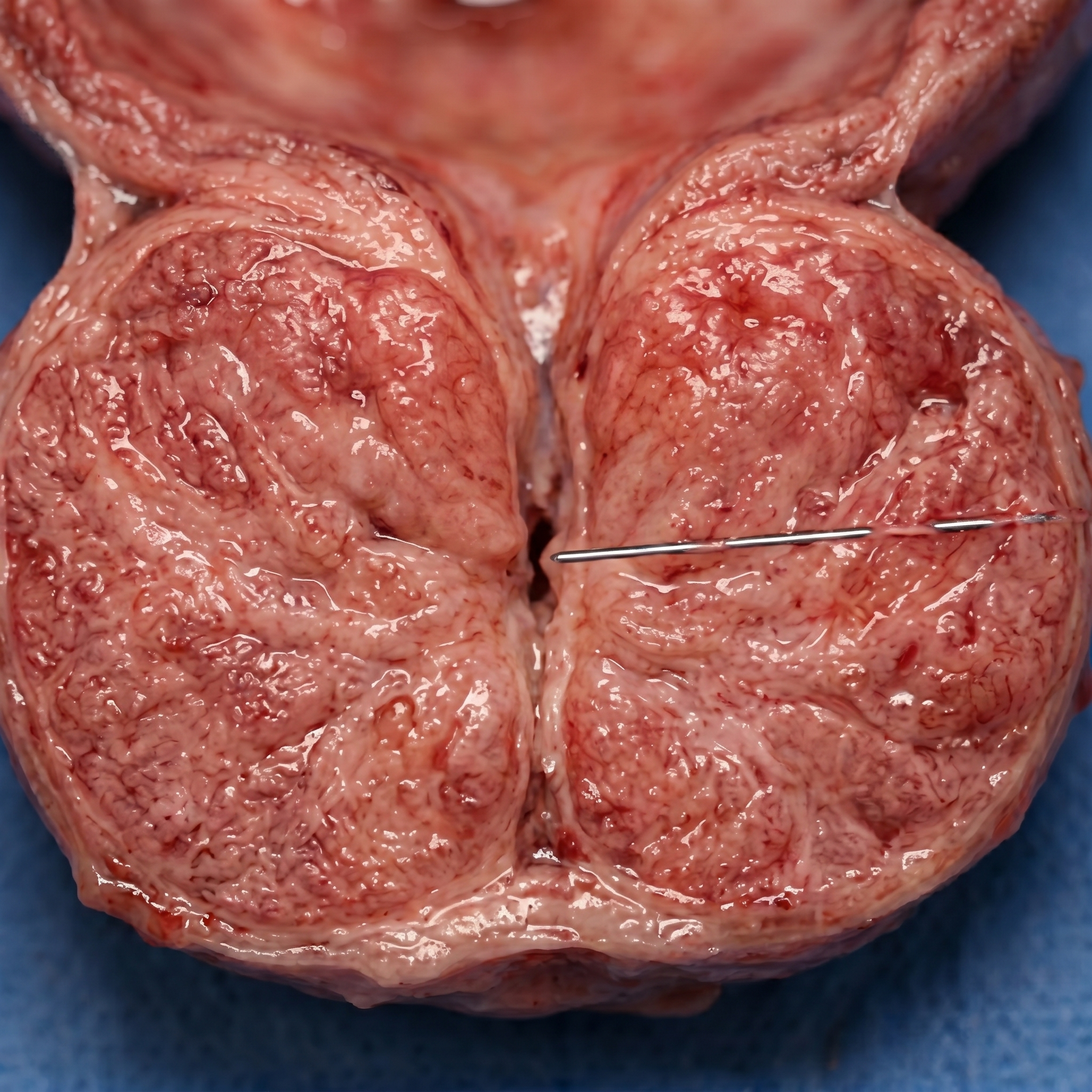
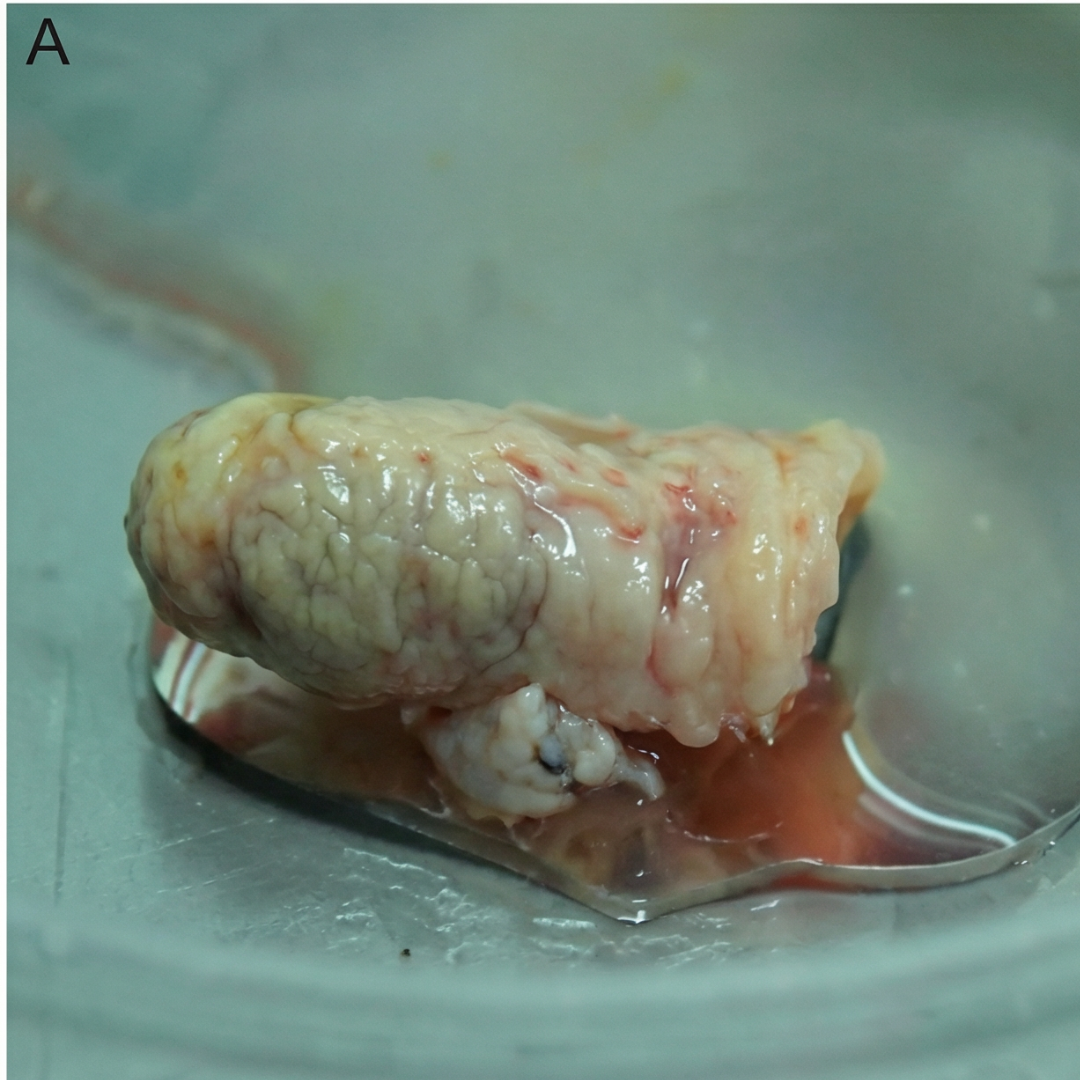
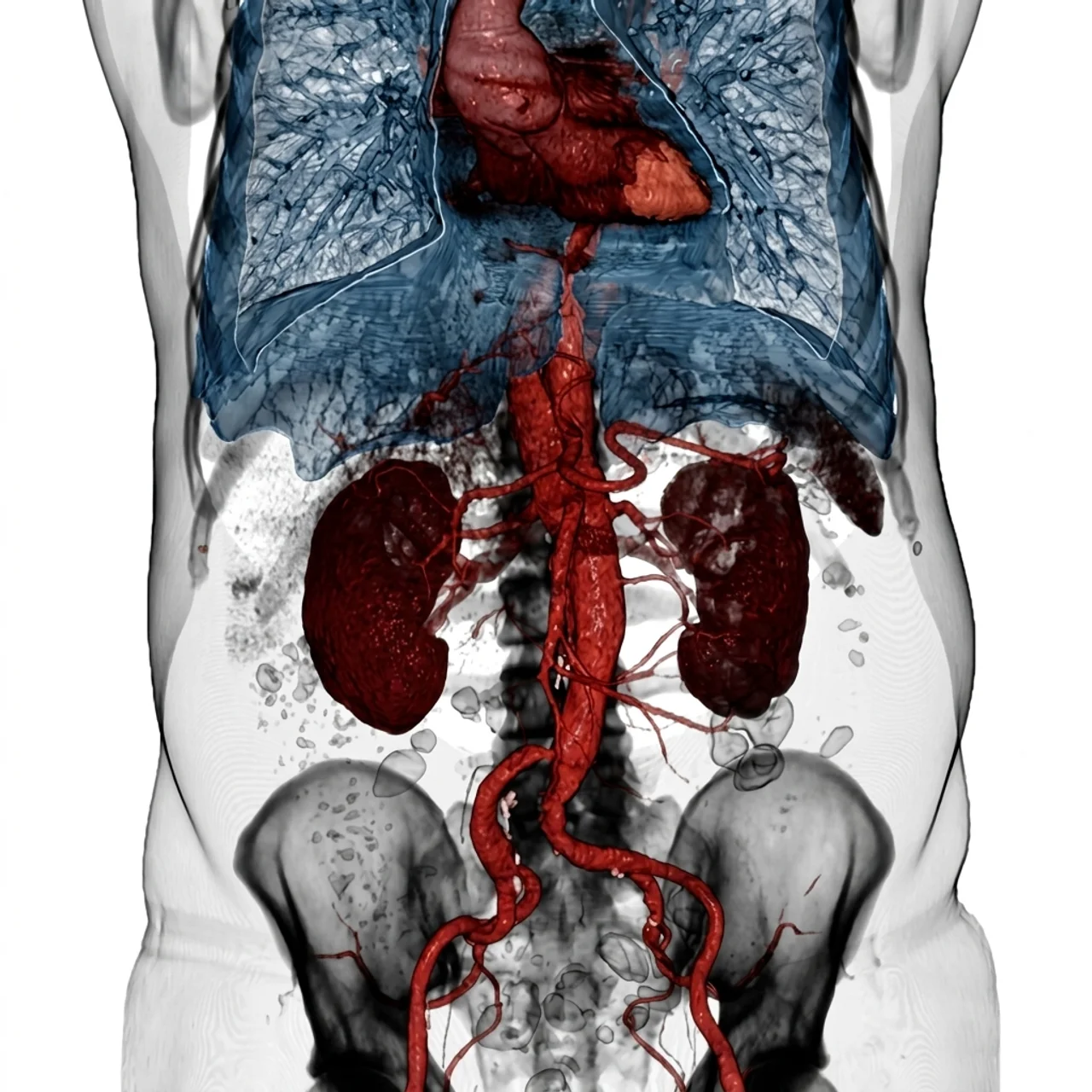
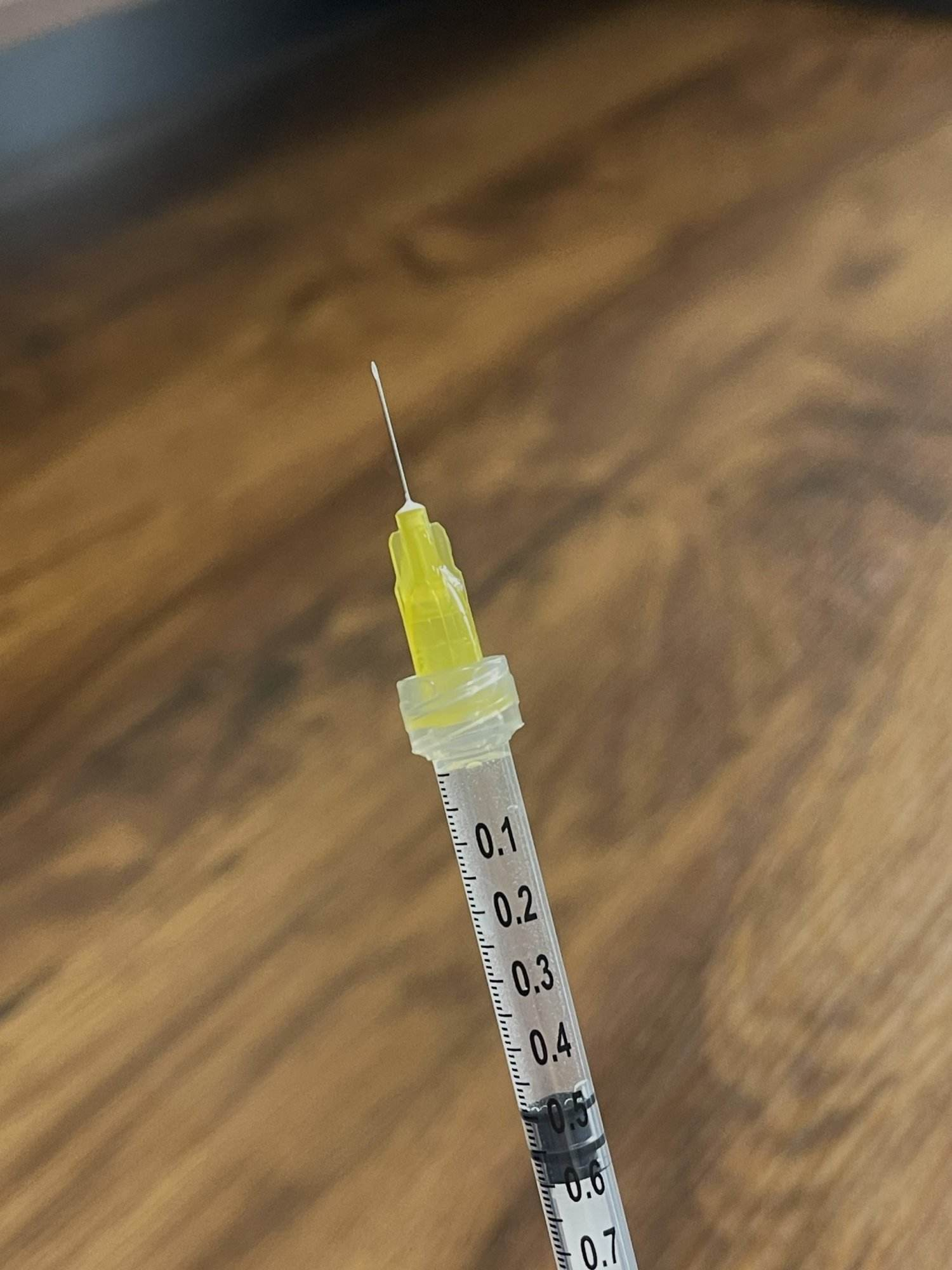
Once Your Testicles Atrophy at Month 6, They Don't Come Back.
Support strong circulation today with our powerful cayenne pepper formula. 180 softgels and 60 servings per bag.
LEARN MORELike this ad? Make it yours.
Crush rebuilds this exact creative around your product — your brand, your colors, your offer — in about a minute.