
Active· since Jul 11, 2026
- 64
- days running
- 0
- relaunches
Ad copy
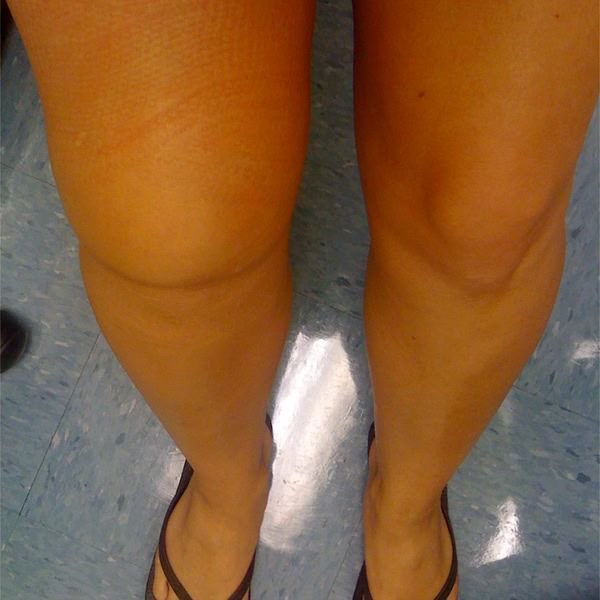
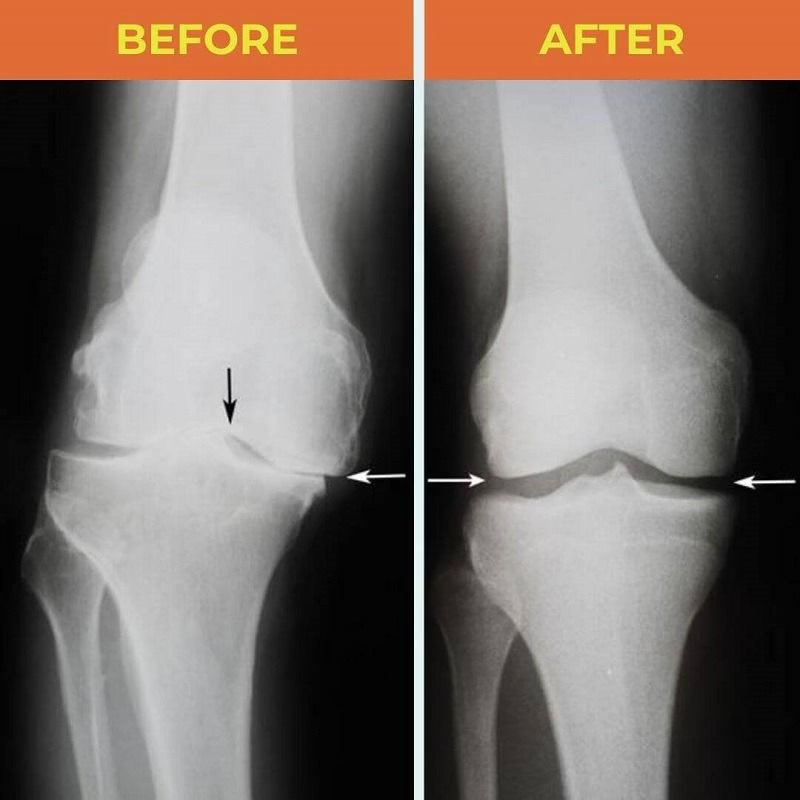
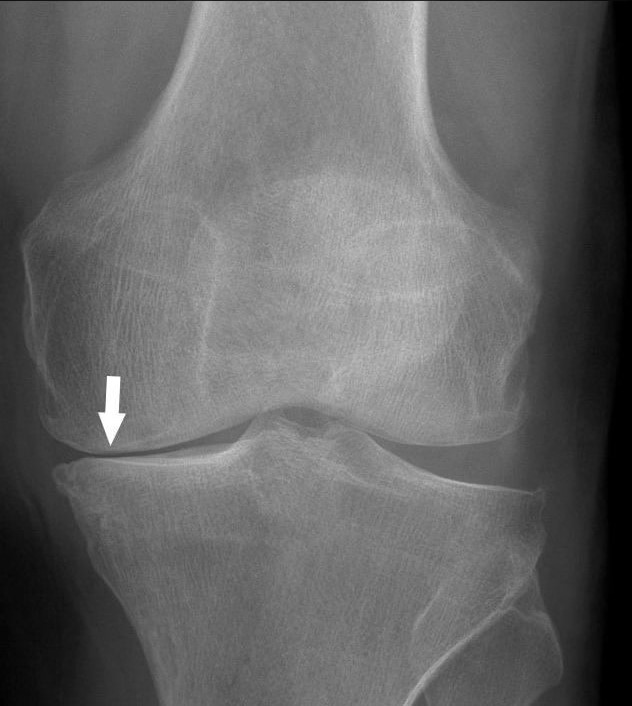
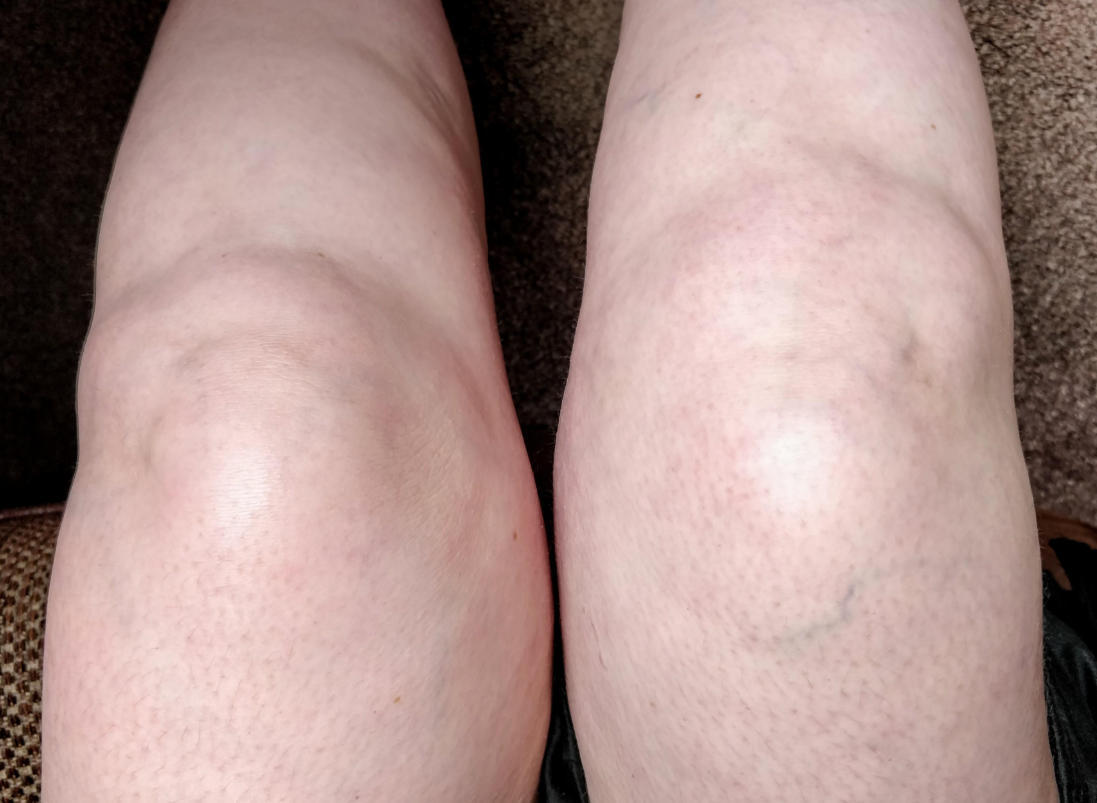
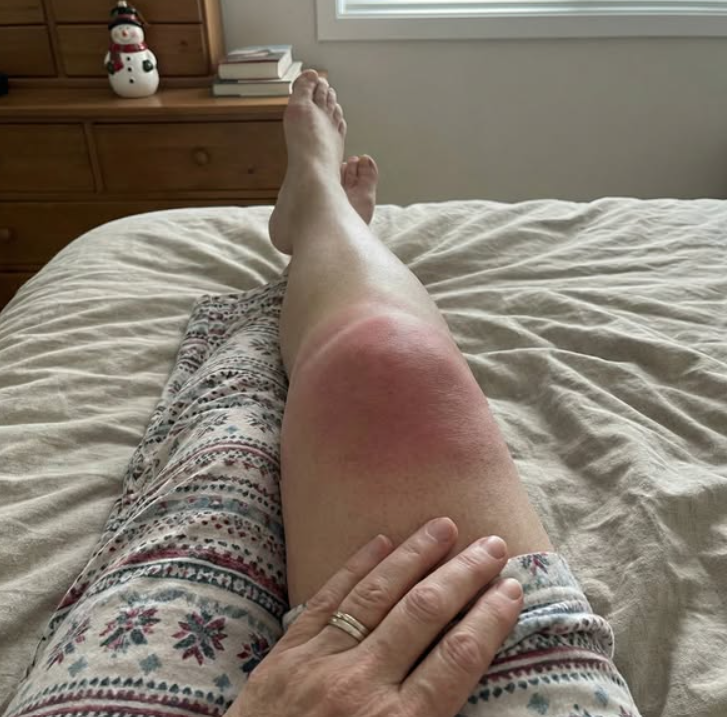
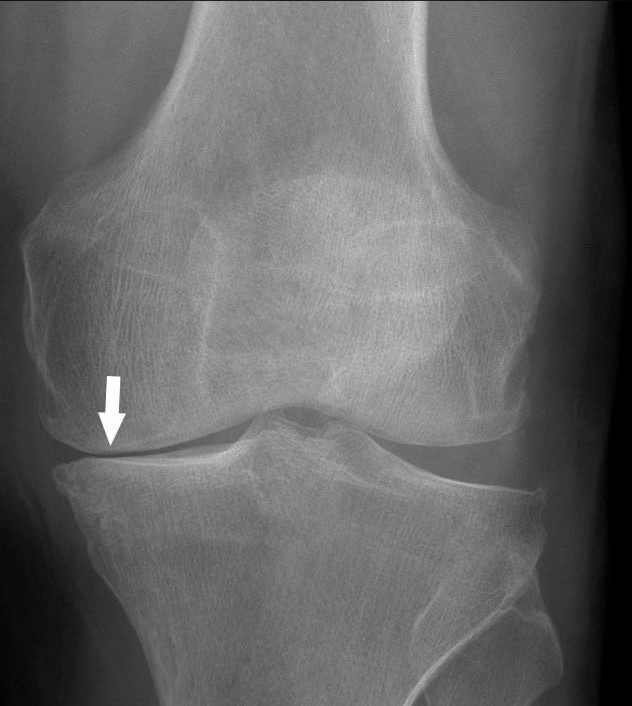
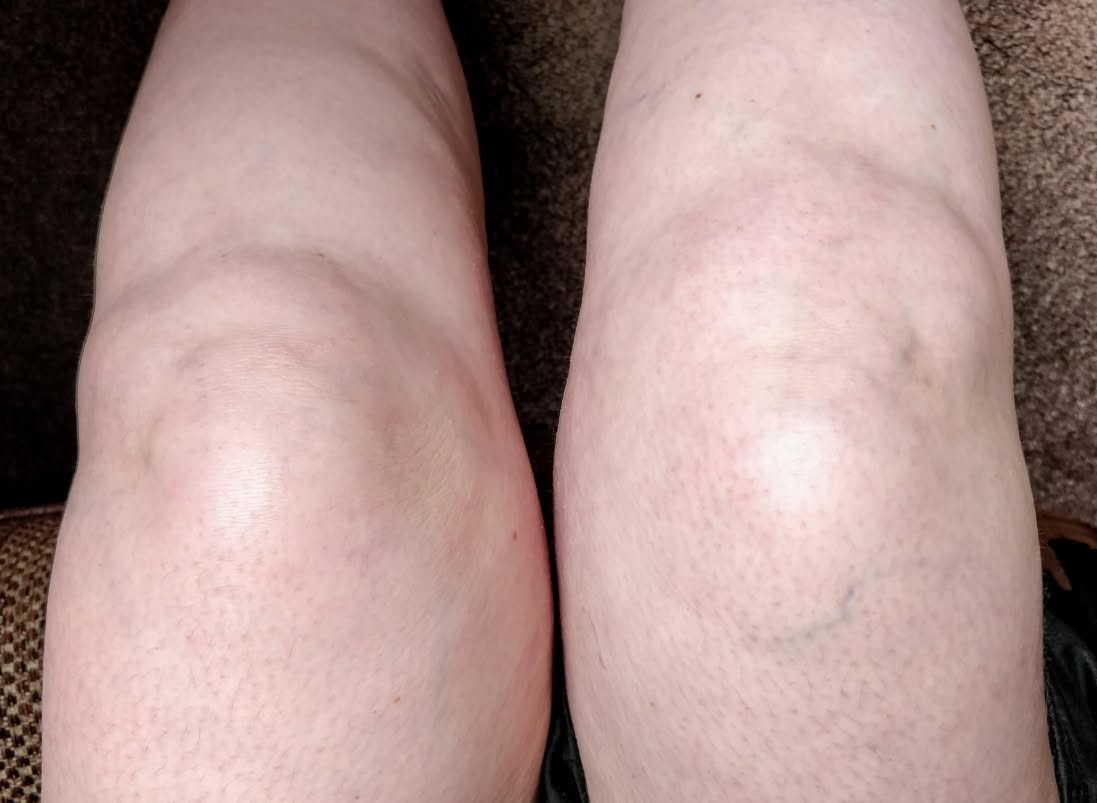
Friends, if you have bone-on-bone knee pain and a doctor circled the empty space on your X-ray and said "there's nothing there"... what if that diagnosis is based on outdated science? I know that sounds impossible. But stay with me, because what I discovered might change everything about how you see your knee pain. 👇 Two years ago, I sat in my orthopedic surgeon's office hearing those exact words. I'd worn my hiking boots to the appointment. Came straight from trying to do the Greenway — made it a quarter mile before turning back. I didn't even change shoes. Just drove straight there with mud still on the soles. He didn't look at the boots. He looked at the X-ray. "You're bone-on-bone. There's nothing there. When you're ready, we'll schedule your knee replacement." My husband drove me home in silence. He didn't say "maybe we should get another opinion." He didn't say "let's keep looking." He just drove. That night I found him on the computer. He'd bookmarked three articles about knee replacement recovery timelines. How to prepare the house. What to expect the first six weeks. He never showed me. Never brought it up. I saw the tabs open on his laptop the next morning. He'd already accepted it. Before I had. At 64, I wasn't ready for surgery. So I tried everything else. Physical therapy hoping to "strengthen around the damage" ($1,800) PRP injections promising to "delay surgery" ($2,400) Stem cell therapy that "might avoid surgery completely" ($8,000) Every supplement that claimed to "rebuild cartilage naturally" Cortisone shots that worked for 3 weeks, then failed My bathroom cabinet became a $12,000 graveyard of surgical avoidance. Each treatment was my desperate attempt to buy more time, to find another way. And each one failed, pushing me closer to accepting that surgery was inevitable. I walked out of every doctor's appointment with the same verdict: "When you're ready..." As if it was only a matter of time before I surrendered to the operating table. But eight weeks ago, while researching "alternatives to knee replacement" at 2 AM, I stumbled across something that made me question everything my surgeon told me. A forum where hundreds of women were talking about Dr. Campbell, an orthopedic surgeon from Chicago who's helped over 12,000 people with bone-on-bone knees avoid surgery completely. At first, I was skeptical. Another "miracle cure" promising what medicine couldn't deliver? But then I read his article about what "bone-on-bone" actually means and why the standard medical interpretation might be wrong. And I realized something that made me furious: What if I've been suffering under a false limitation this entire time? Here's what Dr. Campbell explained that my surgeon never told me: The phrase "bone-on-bone" comes from what doctors see on an X-ray: missing cartilage between your bones. They've been trained to interpret this as "the bones are grinding together, causing pain." That interpretation has been medical standard for decades. But here's the problem with that interpretation: If bone-on-bone contact caused the pain, then everyone with cartilage loss would have the exact same level of pain all the time. But that's not what happens. Some people with severe cartilage loss have minimal pain. Others with the same X-ray have unbearable pain. Your pain fluctuates day to day, hour to hour, even though the cartilage loss on your X-ray stays exactly the same. Something is still changing. And it's not the cartilage on the X-ray. Which means the missing cartilage isn't actually causing your pain. The X-ray shows what's missing. But it doesn't show what's actually broken. Think about it: If the cartilage loss was the cause, then: Why does physical therapy help temporarily before the pain returns? Why do some days feel better than others with the same missing cartilage? Why do cortisone shots work for a few weeks, then stop working? The answer? Because you've been treating visible damage instead of the real root cause. And here's what made me furious when I understood this: Every treatment I tried was designed to either rebuild the missing cartilage or strengthen muscles around the knee. But if the missing cartilage isn't causing the pain, then of course those treatments couldn't work. I spent $12,000 and two years of my life treating the wrong problem because my doctor was reading my X-ray based on outdated science. Not because my doctor was incompetent. But because the medical system is trained to look at an X-ray and see missing cartilage as the problem to solve. So they offer solutions that either replace the joint entirely (surgery) or try to rebuild what's missing (PRP, stem cells, supplements). But if you're treating the wrong problem, no amount of treatment will help. It's like trying to fix a flat tire by washing the car. You're working hard on the wrong thing. When I read Dr. Campbell's explanation of what actually causes the pain in bone-on-bone knees, something clicked. It explained why nothing had worked. Why the pain came and went despite the same X-ray. Why I felt like I was fighting a losing battle. I wasn't losing because I wasn't trying hard enough. I was losing because I was fighting the wrong enemy. The real cause of the pain is something completely different. Something that can be addressed without surgery, without trying to rebuild cartilage, without any of the treatments that failed me. For the first time in two years, I had hope that wasn't tied to surrendering to surgery or accepting permanent limitation. I decided to try his recommendations. I followed them exactly for 30 days. Within the first week, I felt something fundamentally different than anything I'd experienced from any other treatment. By week three, I was moving in ways I hadn't moved since my diagnosis. My husband noticed before I said anything. I caught him watching me come down the stairs one morning. And the morning after that. Like he was checking if it was real. The bookmarked surgery articles disappeared from his laptop. He didn't delete them with any announcement. They just went. The way they appeared. By week four, I cancelled my surgical consultation. I pulled my hiking boots out of the hall closet. Had to shake a dead spider out of one of them. That's how long they'd been sitting there. Same boots I wore to that appointment. Still had mud on the left sole. Yesterday, I led my neighborhood hiking group for the first time in two years. Six miles through the trails I thought I'd lost forever. The woman who thought she was gone? I got her back. Not by rebuilding my cartilage or strengthening my muscles or accepting surgery as inevitable. But by finally addressing what was actually causing the pain instead of chasing what showed up on the X-ray. And I'm not the only one. Those 12,000 people Dr. Campbell helped? They all had the same "bone-on-bone, surgery is your only option" diagnosis. They all avoided surgery by addressing the real root cause instead of the visible damage. I've already told every woman in my book club, my yoga class, my neighborhood about this. Because if something reveals that you've been suffering under a false limitation, you don't keep that to yourself. So if you're struggling with bone-on-bone knee pain... If you've been told surgery is your only option... If you've tried treatments that didn't work and you don't understand why... If you're tired of living under a diagnosis that might be based on outdated science... I've attached the link to Dr. Campbell's article below. It's the same article that explained why the "bone-on-bone" diagnosis might not mean what your doctor thinks it means. The article that showed me I'd been accepting a false limitation for two years. The article that gave me back the active, capable woman I thought was permanently gone. Here's the article that changed everything — https://trycloudix.com/pages/review-15-a P.S. — I'm not saying this will work for everyone. But if you've been told "bone-on-bone means surgery is inevitable," don't you deserve to know if that interpretation is actually based on outdated science?
Like this ad? Make it yours.
Crush rebuilds this exact creative around your product — your brand, your colors, your offer — in about a minute.