
Inactive· since May 20, 2026
- 42
- days it ran
- 0
- relaunches
Ad copy
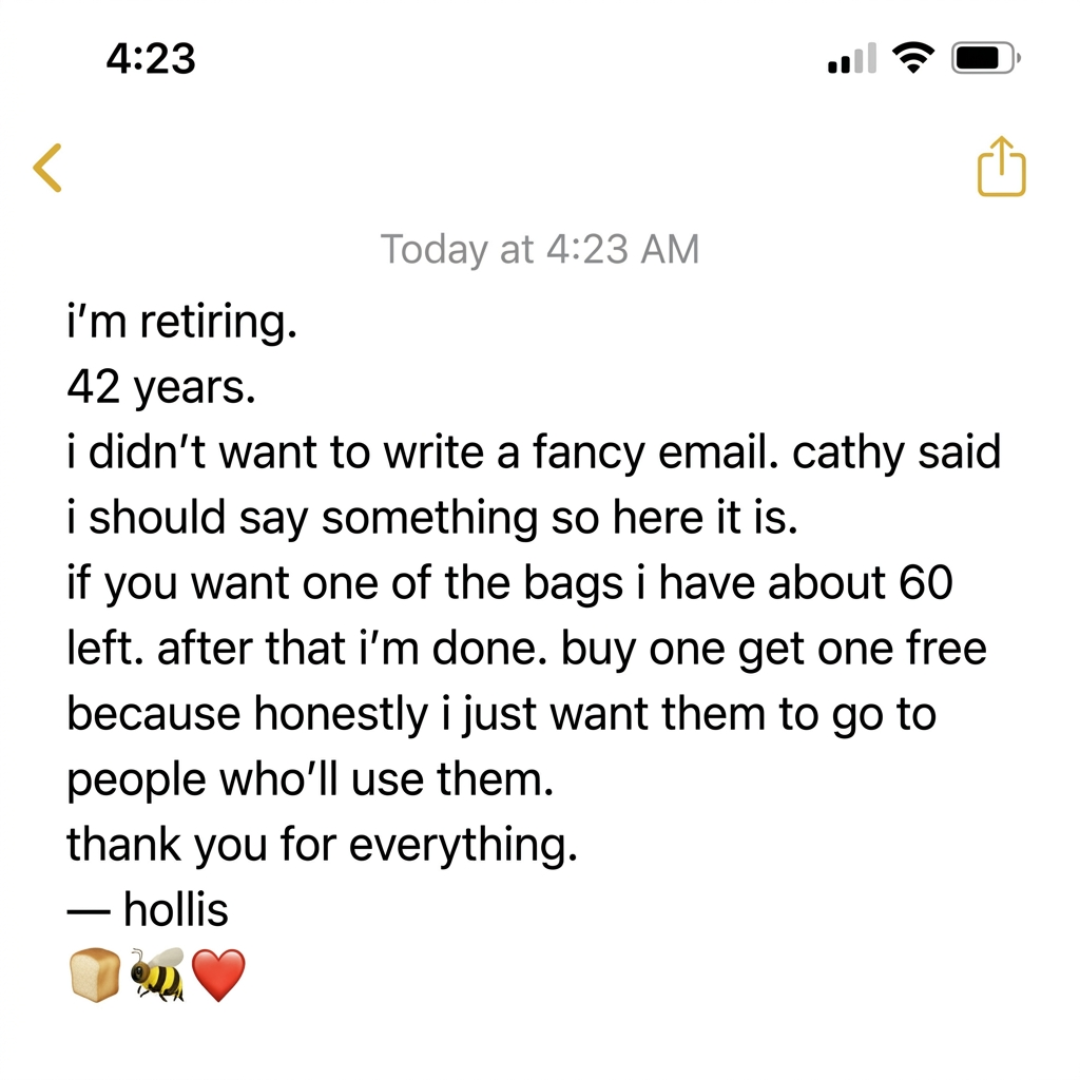
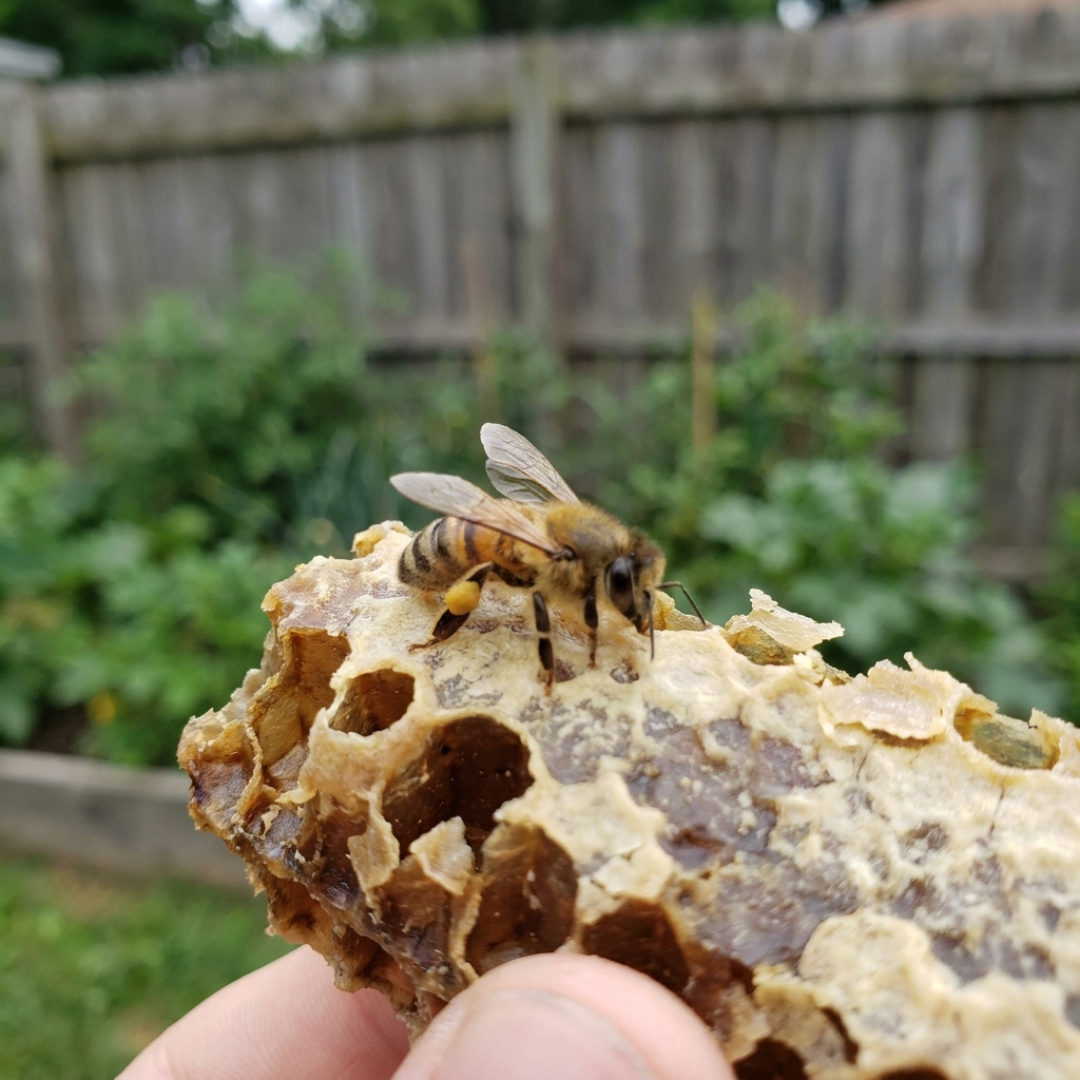
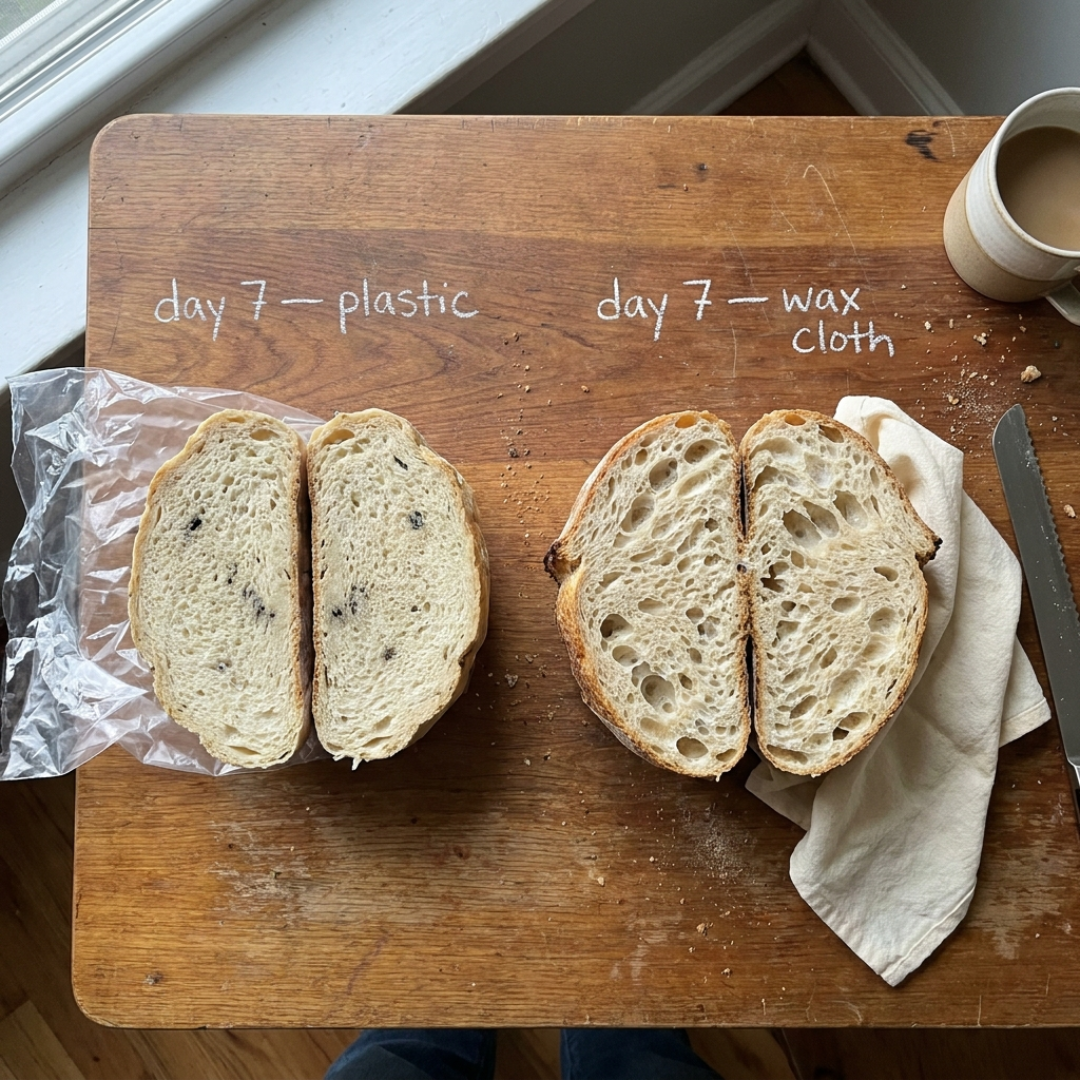
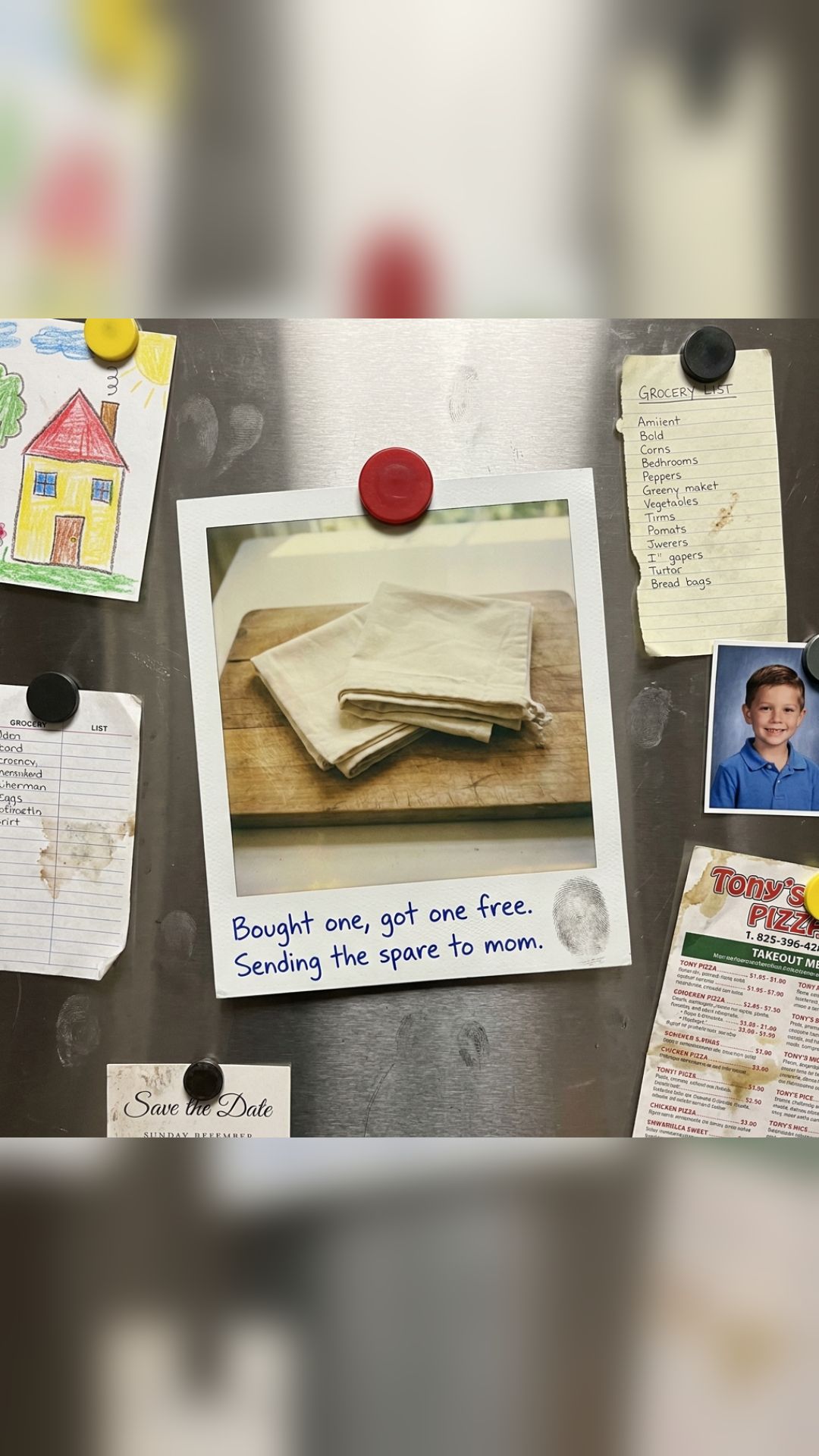
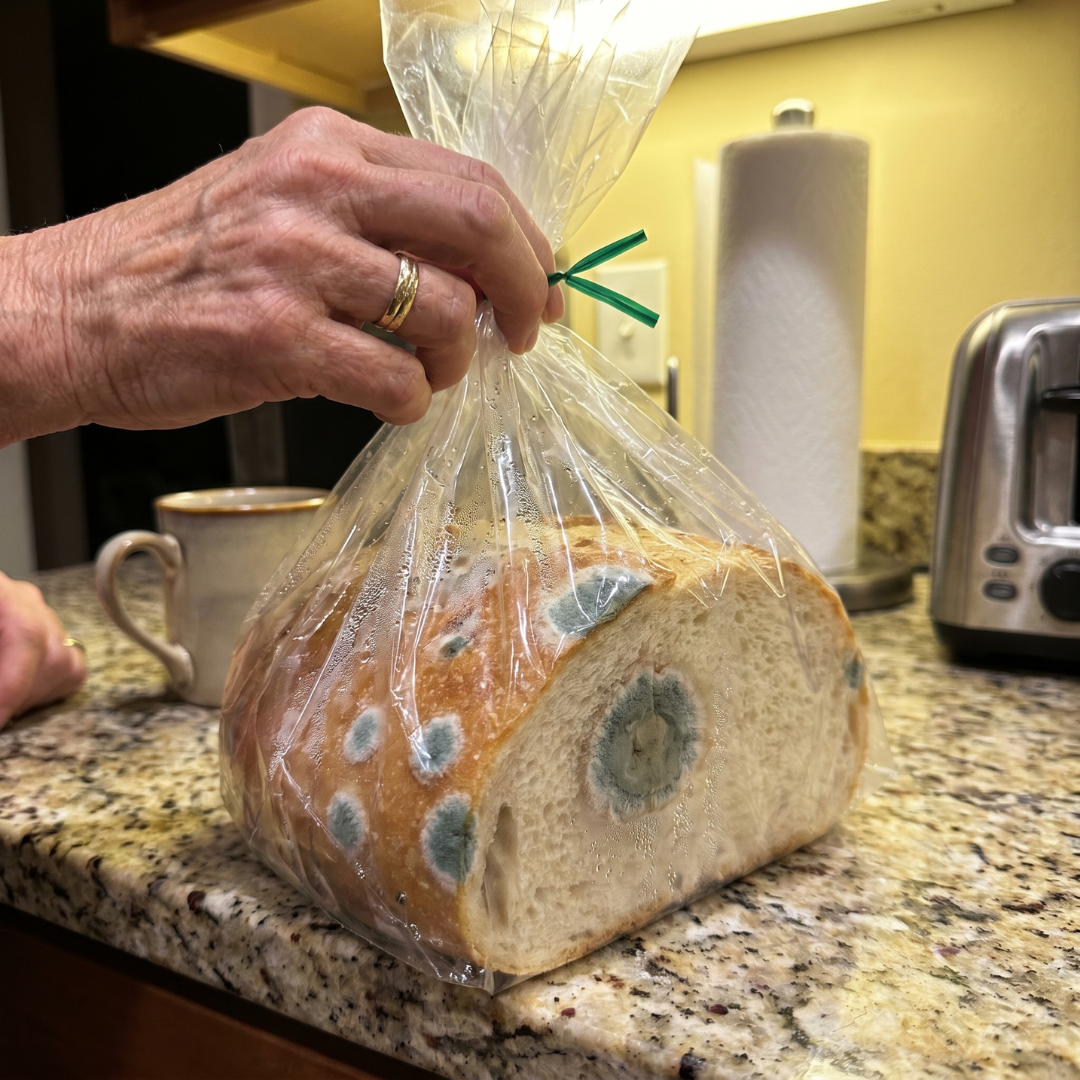
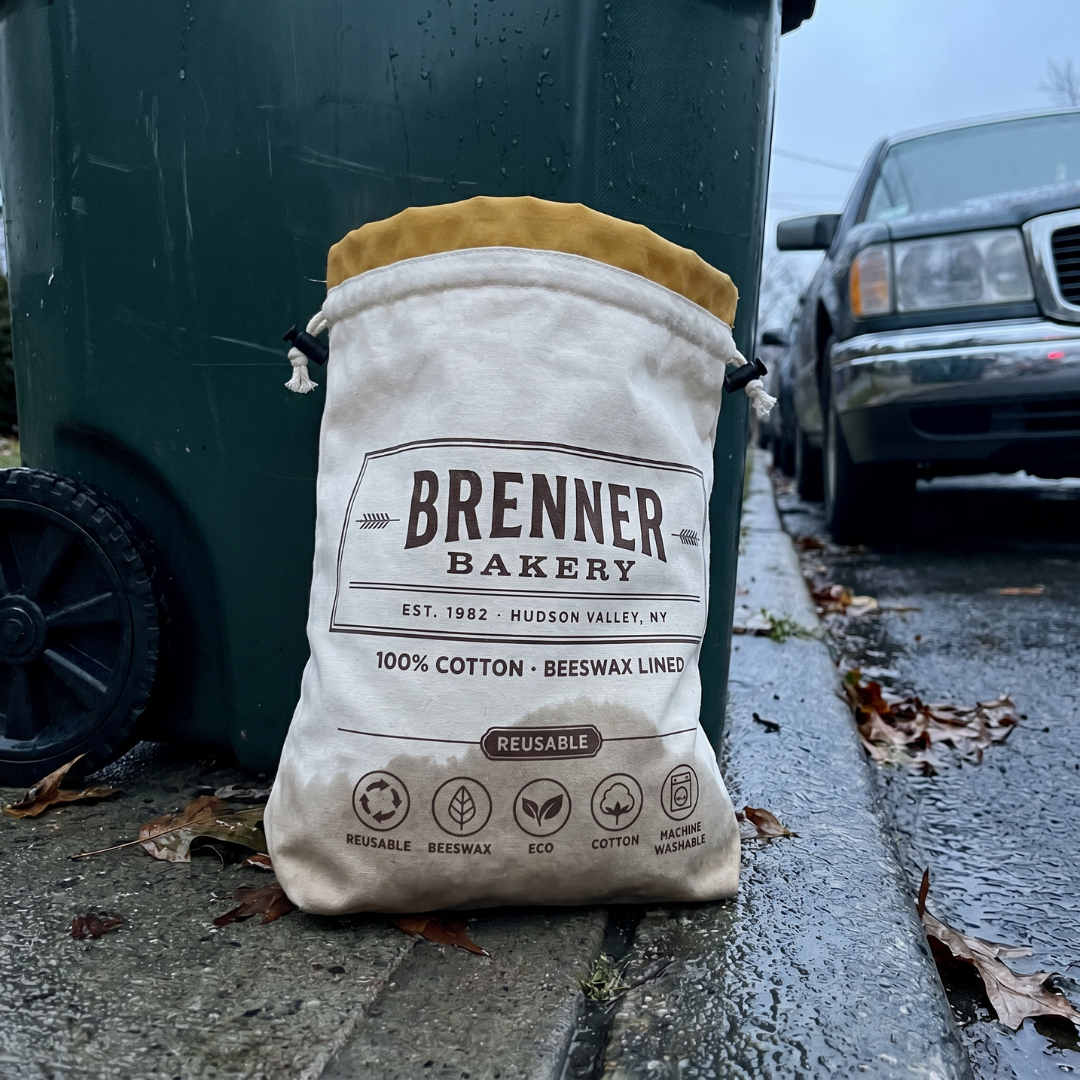
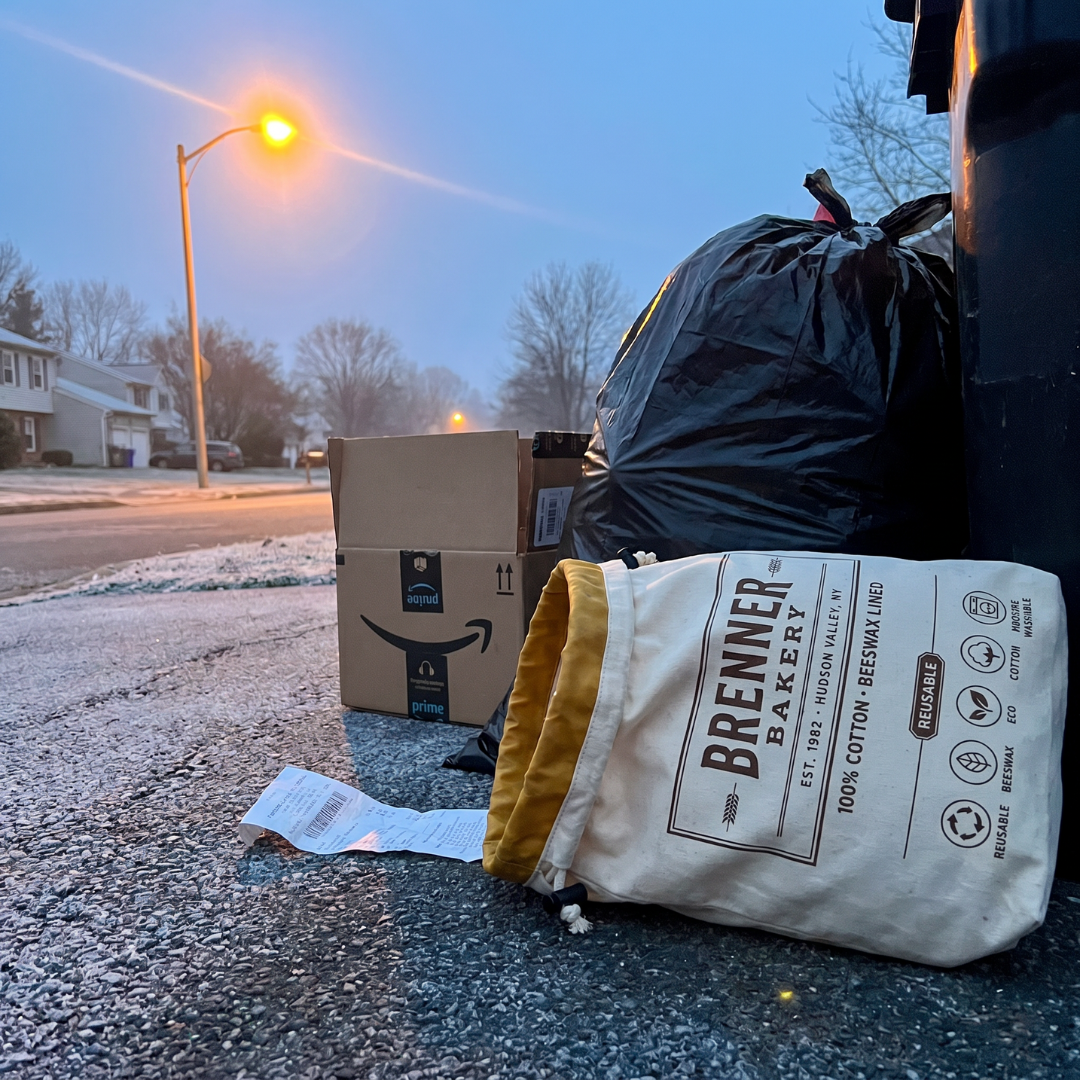
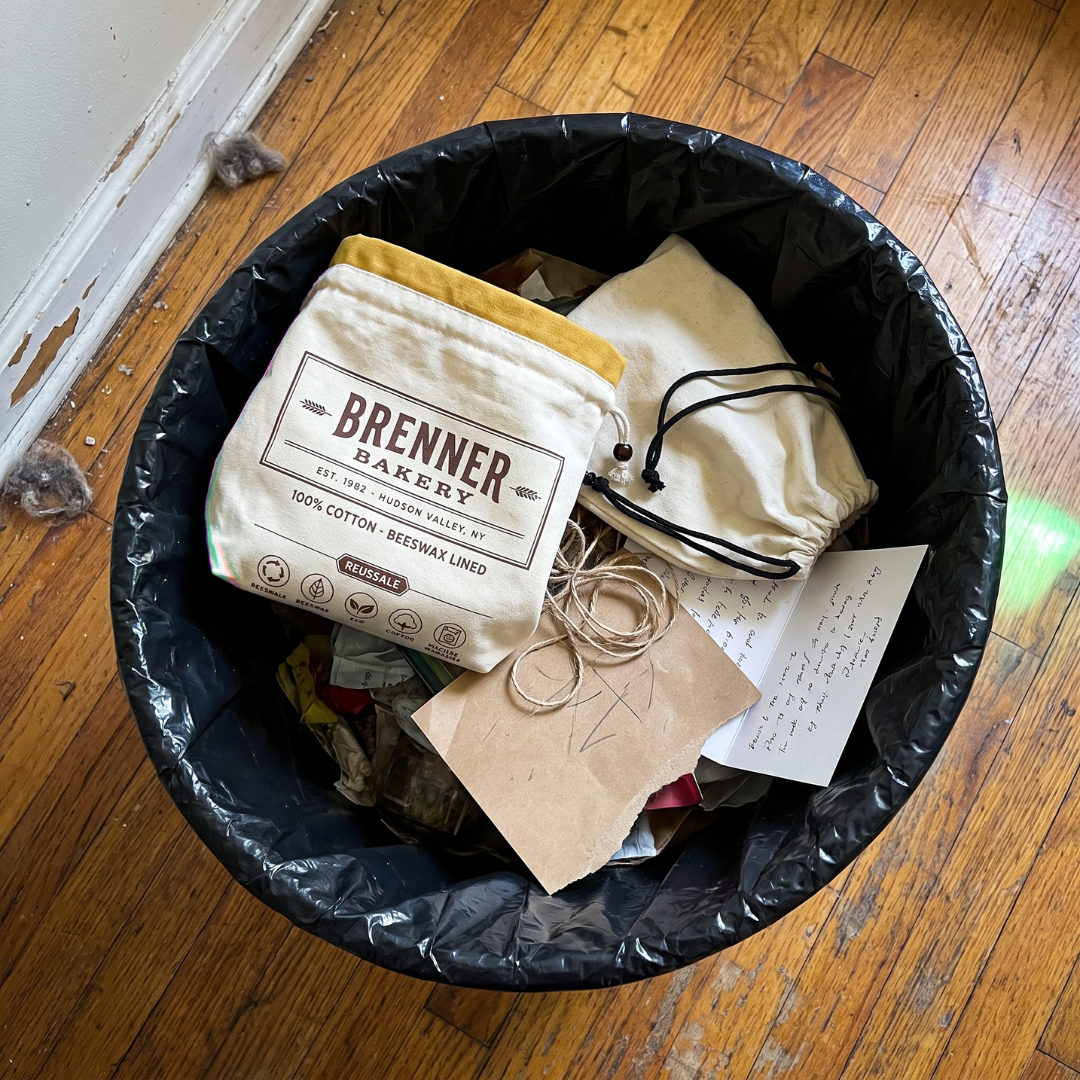
I posted a photo of a Wednesday loaf in my sourdough group last month and an old baker in the comments told me my hydration was fine. The problem was happening after the oven. Six weeks later I've stopped throwing bread out entirely and I don't really know what to do with myself on Sunday nights anymore. His name is Hollis. He's seventy. He used to run a small bakery outside Rhinebeck, New York. Forty-two years, same starter, same oven. He retired this year. I only know any of this because somebody else in the group mentioned him and I went looking. He doesn't post much in the group. He'll drop a one-line comment on a crumb shot now and then. The kind of comment that tells you he's looked at a hundred thousand loaves in his life and yours is the one he's looking at right now. He liked one of my photos in February. I remember because I checked his profile after to see if he was legit. There was a picture of him standing in front of a brick building with flour on his apron. He looked exactly like you'd expect a man named Hollis to look. The Wednesday photo I posted was the same Wednesday photo I'd been posting for five years. Crust soft. Crumb dense in spots. A grey patch starting in the fold near the bottom. I wrote underneath it that I had been baking for five years and I still couldn't get past Wednesday. Hollis replied with two sentences. He said the loaf was beautiful on Sunday. He said I'd been blaming the wrong part of the process for the entire five years. I sat with that for a while. Five years of standing in my kitchen at eleven o'clock at night with a plastic bag in one hand and a linen towel in the other trying to choose which failure I wanted this week. Plastic gave me mould by day three. Linen gave me a brick by day two. Bread box did nothing. The fridge made it worse, somehow, every time, and I never understood why. The freezer turned every morning into toast. We didn't start baking so my family could eat freezer toast. I asked him what I was supposed to be doing. He typed slowly. One paragraph at a time. He said bread releases moisture for three to five days after baking. Not hours. Days. The crumb is almost half water and that moisture has to leave the loaf at the right speed. Too slow and condensation builds inside whatever you've wrapped it in and mould takes hold. Too fast and the crumb dries out and you get a brick by Tuesday. Every storage method Americans use does one or the other. There is no American storage method that manages both. He said the fridge is the worst of all of them because it sounds logical but it does the most damage. Cold accelerates starch retrogradation. That's the chemical process that hardens bread. Six times faster than the counter. The fridge doesn't preserve bread. It ages it faster than leaving it out. I knew it. I'd known it for years and never had the words for it. Two sentences from someone who'd actually thought about it and there was my entire nightly routine described and dismantled. I asked him what he used. He said his grandmother had a beeswax bread bag. His mother had one. He had one his whole life. When he opened his bakery in 1982 he kept a stack of them by the register for the regulars. Cotton fabric saturated with real beeswax. Semi-permeable. Lets moisture pass through at the speed bread needs. The wax is naturally antimicrobial because bees produce it to protect hives that sit at thirty-five degrees and eighty percent humidity year round. Mould can't grow on beeswax. If it could there would be no bees left on earth. He said European home bakers have used this exact method for two hundred years. France. Germany. Denmark. The tradition never made it to America because plastic arrived first and the older knowledge just stopped being passed down. I ordered a beeswax bag from Amazon that night. Fourteen dollars. It was thin. The wax felt like someone had rubbed a candle on a dish towel. By day two it was flaking onto the crust. Little amber bits stuck to the bread. By day four there was mould on the bottom seam. Second one. Better reviews, higher price, longer description. After one rinse the coating washed straight out. Plain cotton underneath. Bread dried out overnight. Third. Sixteen dollars. The wax cracked along the folds within a week. Three bags. Forty four dollars. All useless inside a month. I went back to Hollis. He wasn't surprised. At all. He said most beeswax bags sold online aren't beeswax bags. They're cotton with synthetic wax sprayed on the surface for the label. Twenty percent beeswax, eighty percent paraffin. The wax sits on top of the fabric instead of being saturated through the fibres. One wash and it's gone. One fold and it cracks. He said the difference between real saturation and surface coating is the difference between soaking a sponge and painting a wall. Paint chips off. A saturated sponge stays saturated for years. He said he still made them himself. Same method his grandmother used. Heated wax pressed slowly into thick organic cotton at low temperature until the fibres are fully filled. He sewed them at his kitchen table in the evenings now that the bakery had closed. He was finishing the last batch. I ordered two. One for me. One for my sister who'd been listening to me complain about bread for years. When it arrived I could feel the difference before I opened the package. Heavy. Stiff but not rigid. The wax was through the entire cloth, not on top of it. A faint smell of honey and old wood. The Amazon bags had felt like cotton with a label on. This felt like something that had been made by a person. Sunday I baked. Let it cool. Put it in the bag. Turned off the kitchen light and went to bed. And the strange part wasn't the bread. It was that I just walked out of the kitchen and didn't think about it. Didn't stand there running through options. First time in five years. Wednesday I opened the bag braced for the usual. Pressed the crust. Firm. Cut a slice. Crumb tore soft and clean. I stood there for a moment because five years of Wednesday failures trains you to expect failure and when it doesn't come you don't know what to do with the bread. Friday we finished the loaf. Nothing in the bin. Same flour. Same starter. Same oven. Same recipe I'd been making for five years. Different bag. I've been using it for two months now. Hollis is closing the bakery this year and finishing the last of the bags from his kitchen table. His wife Cathy mentioned in their notes that he still wakes up at three-thirty in the morning out of habit. I believe it. If you want one, I'd order soon. He's stopping when this batch is gone. Link below. The recipe was never the problem. It was always the bag. 👉 https://brennerbakery.com/products/premium-100-cotton-beewax-bread-bag
Like this ad? Make it yours.
Crush rebuilds this exact creative around your product — your brand, your colors, your offer — in about a minute.