Natural Gut Remedies
 Facebook ad: “If antacids work then why does it still burn?”
Ran for 89 days, from August 8 to November 5, 2026, the last day Crush saw it.
Run by Natural Gut Remedies on Facebook. Crush is not the advertiser and does not verify its claims. See this ad in Meta's Ad Library(opens in a new tab)
Make your own version of this ad
Crush makes it, launches it in your own Meta ad account, scales the winners and pauses the losers.
About this ad
- Meta Ad Library ID
- 1315192860826535
- Platforms
- Facebook, Instagram, Messenger and Threads
- Relaunches
- 0
Ad text
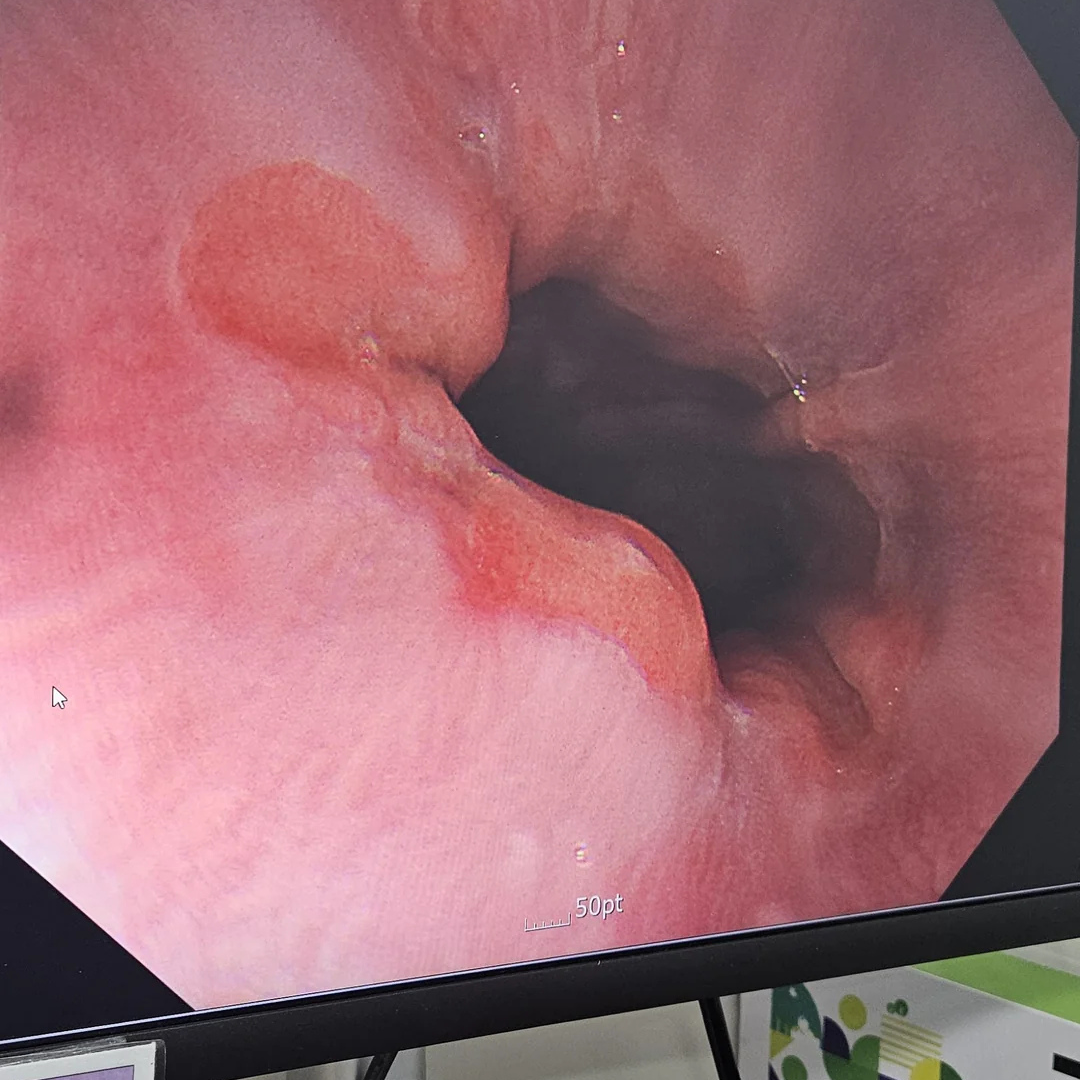
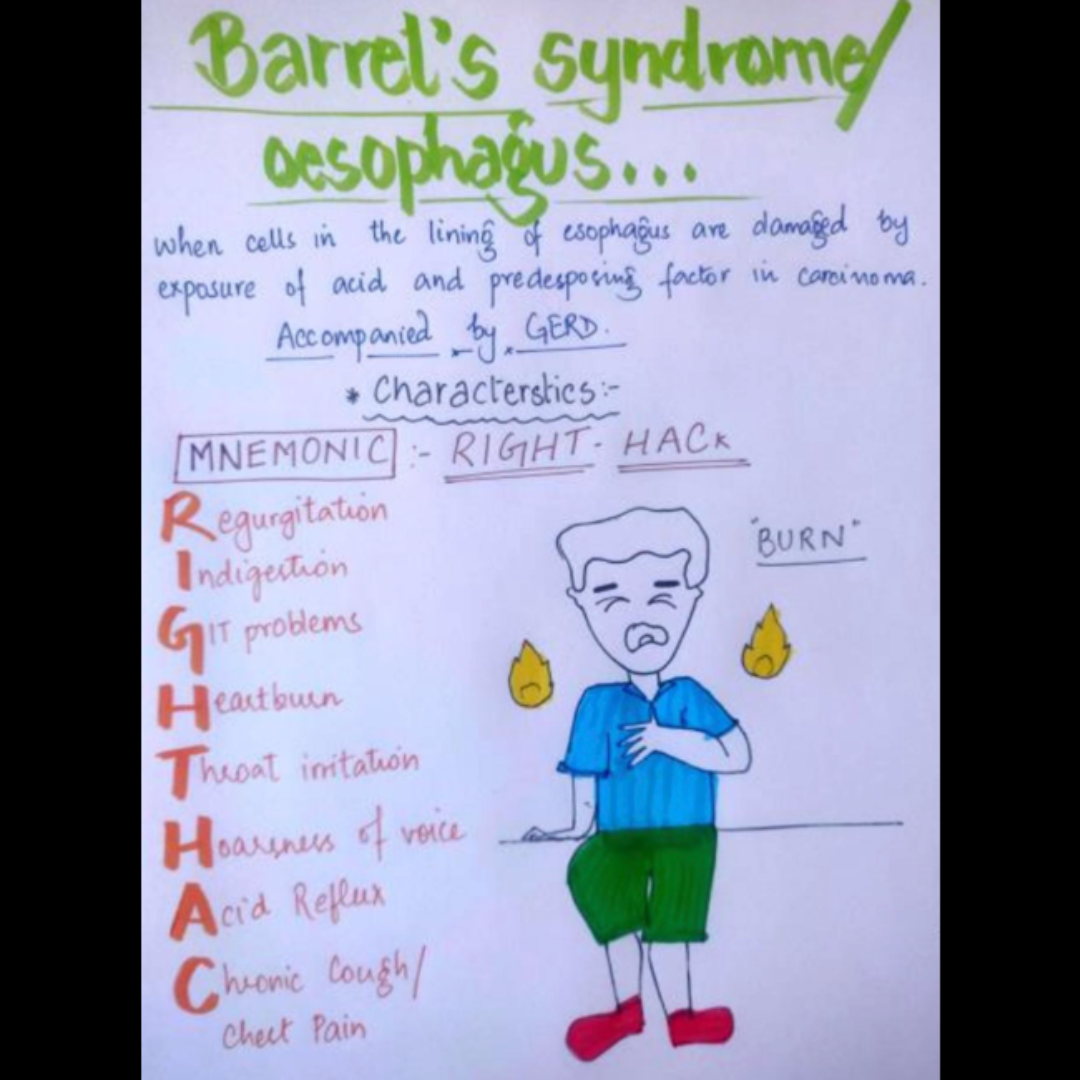
I'm a gastroenterologist who stopped following the standard Barrett's protocol with my own patients. Not because the science is wrong. Because it's criminally incomplete. And if you have Barrett's Esophagus and your doctor's only answer is "take PPIs forever and hope," you deserve to know what we're NOT telling you. For 12 years, I've done exactly what I was trained to do. Diagnose Barrett's. Prescribe maximum-dose PPIs. Schedule surveillance endoscopies every 2 years. Tell patients: "As long as it stays stable and doesn't progress, that's success." Then I got Barrett's myself — and realized I'd been giving incomplete treatment to hundreds of patients. I'm a board-certified gastroenterologist. Trained at a top residency program. Published researcher. 12 years in practice. I've diagnosed and managed hundreds of Barrett's Esophagus cases. And I genuinely believed I was providing excellent care. My standard protocol: Patient presents with chronic GERD → Order endoscopy → Diagnose Barrett's → Start omeprazole 40mg twice daily → Lifestyle modifications (no coffee, wine, triggers) → Surveillance endoscopy every 2 years If the Barrett's segment stays "stable" and doesn't progress to dysplasia, that's considered successful disease management. I've told patients that exact phrase hundreds of times: "Your Barrett's is stable. No progression. That's exactly what we want to see. Keep doing what you're doing." And they'd nod. Relieved. Because their doctor — their specialist — said "stable" means they're doing well. 18 months ago, I started having severe reflux symptoms. Burning after meals. Regurgitation at night. Chest discomfort. I'd been on low-dose omeprazole 20mg daily for mild GERD for years. Increased it to 40mg twice daily. Symptoms improved significantly within 2 weeks. But something felt off. The burning was controlled, but I had this persistent discomfort in my upper chest. Month 3: I scheduled my own endoscopy. I'm a gastroenterologist. I know better than to ignore persistent symptoms. My colleague performed the procedure. I was awake (we don't always sedate for diagnostic EGD in physicians — we know what to expect). Watched the monitor as he advanced the scope. Lower esophagus: salmon-colored mucosa. Irregular Z-line. Definite Barrett's changes. He took biopsies. I already knew. Week later: Pathology report confirmed it. Barrett's Esophagus, 3cm segment. Intestinal metaplasia present. Moderate chronic inflammation. No dysplasia. I sat in my office staring at my own biopsy report. Barrett's. Pre-cancerous metaplastic cells in MY esophagus. The same diagnosis I deliver to patients weekly. Now it was my tissue showing these cellular changes. I thought: "Okay. I'll do exactly what I tell my patients to do." Continued omeprazole 40mg twice daily. Eliminated all trigger foods: coffee, wine, chocolate, tomatoes, citrus, spicy food, anything acidic. Raised the head of my bed 6 inches. Stopped eating 3 hours before bedtime. Lost 15 pounds (even though I wasn't overweight). Did everything perfectly. Month 6: Symptoms were completely controlled. No burning. No regurgitation. Felt totally fine. I thought: "This is working. The PPIs are doing their job." Year 1: Follow-up endoscopy. My colleague performed it again. Results came back: "Barrett's esophagus present, 3cm segment. Moderate chronic inflammation. No dysplasia." I looked at the pathology report. Moderate chronic inflammation. Exactly the same as my baseline biopsy. Zero improvement in the inflammatory markers. And that's when I felt something I'd never felt before in my career: Rage. Not fear. Not sadness. Pure, white-hot rage. Not at having Barrett's. At the complete intellectual dishonesty of what I'd been telling patients for 12 years. "Stable is success." Is it? STABLE inflammation in pre-cancerous tissue is SUCCESS? I sat there and thought about every other inflammatory condition I manage: Crohn's disease with "stable moderate inflammation"? Unacceptable. We escalate to biologics immediately. Ulcerative colitis with "stable mucosal inflammation"? Unacceptable. We treat aggressively until we achieve mucosal healing. Rheumatoid arthritis with "stable joint inflammation"? Unacceptable. We add DMARDs and anti-TNF therapy. Chronic hepatitis with "stable liver inflammation"? Unacceptable. We treat until inflammatory markers normalize. But Barrett's Esophagus with "stable esophageal inflammation"? We call that SUCCESS and send patients home. We tell them they're doing great. Why? Because we don't have a pharmaceutical drug to address esophageal tissue inflammation. So we pretend it doesn't matter. We gaslight patients into thinking persistent inflammation in pre-cancerous tissue is acceptable management. It's not acceptable. It's pharmaceutical limitation disguised as "standard of care." I started pulling research. Not patient education materials from the American Gastroenterological Association. Not UpToDate treatment summaries. Actual published research on Barrett's tissue inflammation. Found study after study: "Persistent inflammatory cytokine elevation in Barrett's esophagus despite adequate proton pump inhibitor therapy" (Gastroenterology, 2018) "IL-6, IL-8, and TNF-alpha remain significantly elevated in Barrett's tissue independent of acid suppression status" (American Journal of Gastroenterology, 2019) "Chronic inflammation as independent predictor of progression to high-grade dysplasia and adenocarcinoma in Barrett's esophagus" (Gut, 2020) We KNOW inflammation persists despite PPIs. We KNOW it drives progression to cancer. We KNOW it increases malignant transformation risk. We just don't DO anything about it. Why? Because Merck doesn't make an "esophageal anti-inflammatory." AstraZeneca doesn't have a patented drug for IL-6 reduction in Barrett's tissue. Pfizer doesn't manufacture a pill that targets TNF-alpha in esophageal mucosa. So it's not in our treatment algorithms. We stick to what pharmaceutical companies gave us: PPIs. And we call incomplete treatment "evidence-based medicine." I felt sick. Not physically. Morally. Because I'd been doing this to patients for 12 years. Giving them acid suppression and calling it comprehensive Barrett's management. Watching their biopsies show "moderate inflammation" year after year. Telling them "stable is good." Knowing their inflammation persisted. Knowing inflammation drives cancer progression. But telling them everything was fine because I didn't have a prescription pad solution. Month 8: I went to the annual Digestive Disease Week conference. Sat through multiple presentations on Barrett's Esophagus management. Every single speaker: "Proton pump inhibitors are the cornerstone of Barrett's therapy." Not ONE mention of persistent tissue inflammation. Not ONE discussion of inflammatory cytokine pathways. Not ONE acknowledgment that we're only addressing one mechanism out of three. During the Q&A session, I stood up. Asked: "What about persistent IL-6 and TNF-alpha elevation in Barrett's tissue despite adequate PPI therapy? How are we addressing chronic tissue inflammation that drives progression?" The presenter — a well-respected academic gastroenterologist from a major university — paused. "That's an excellent question. Currently, we don't have FDA-approved targeted therapies for esophageal tissue inflammation beyond acid suppression. This is an area where future pharmaceutical research will hopefully identify therapeutic options." "Hopefully future research will identify options." Meanwhile, patients live with chronic inflammation in pre-cancerous tissue right now. And we tell them it's acceptable. We tell them "stable is success." I went back to my hotel room that night and started searching outside mainstream gastroenterology literature. If there's no pharmaceutical option, what does research in other fields show? Found a study published in Phytotherapy Research on chamomile extract (Matricaria chamomilla) for gastrointestinal inflammation. Published. Peer-reviewed. Legitimate research. Chamomile extract significantly reduced IL-6, IL-8, and TNF-alpha in esophageal tissue by 60% in patients with reflux esophagitis. Direct anti-inflammatory effect mediated through NF-κB inhibition. Mechanism clearly documented. Safety profile established over thousands of years of traditional use. I read the study three times. Why had I NEVER heard this mentioned at any gastroenterology conference? Why wasn't this in treatment guidelines? Why wasn't this discussed in fellowship training? Because AstraZeneca doesn't manufacture chamomile. There's no pharmaceutical sales representative taking me to lunch to discuss botanical anti-inflammatory mechanisms. No industry-sponsored CME course on chamomile's IL-6 inhibition. No profit margin in recommending a $30 supplement. So it doesn't exist in our treatment paradigm. Even though the research is published in peer-reviewed journals. Even though the mechanism is clearly elucidated. Even though the safety data spans millennia. If it's not patentable, it's not "real medicine." Then I found research on DGL (deglycyrrhizinated licorice root). DGL is deglycyrrhizinated licorice root — a medicinal plant used for over 3,000 years in Traditional Chinese Medicine, Ayurveda, and ancient Egyptian medicine specifically for gastrointestinal healing. The Japanese consume licorice tea daily for digestive health. In Chinese medicine, it's called "gan cao" and is one of the most frequently prescribed herbs for GI conditions. "Deglycyrrhizinated" means they've removed glycyrrhizin, the compound that can raise blood pressure, making it safe for long-term daily use without cardiovascular effects. The mechanism is fascinating from a physiological standpoint: DGL stimulates prostaglandin E2 synthesis in gastric and esophageal mucosa. Prostaglandin E2 signals epithelial cells to increase mucus production and accelerate cellular proliferation and differentiation. Clinical studies show 240% increase in protective mucus secretion and significantly enhanced epithelial wound healing rates. Studies specifically on esophageal tissue: "DGL promotes esophageal epithelial cell proliferation and mucosal repair mechanisms" (Journal of Ethnopharmacology) "Deglycyrrhizinated licorice accelerates healing of esophageal erosions and reduces inflammatory markers" (Phytomedicine) Again — published research in legitimate journals. Mechanisms documented at the cellular level. Safety profile extensively studied. But completely absent from every gastroenterology treatment guideline I'd ever read. Why? Follow the money. There's no profit in a gastroenterologist recommending a $30/month botanical supplement. There IS enormous profit in keeping patients on $300/month branded PPIs indefinitely. The pharmaceutical industry has no incentive to research or promote non-patentable treatments. And academic medicine follows pharmaceutical funding. Our conferences are sponsored by drug companies. Our CME is funded by drug companies. Our research grants come from drug companies. Our entire treatment paradigm is shaped by what's profitable to patent. Not by what's most effective for patients. I felt betrayed. Not by any individual. By the entire system I'd been trained in. A system that prioritizes profit over complete patient care. I'd been part of this system for 12 years. Prescribing PPIs and stopping there. Knowing it was incomplete. But telling myself "this is evidence-based medicine." Evidence-based? The evidence for chamomile and DGL exists. Published. Peer-reviewed. Mechanistically sound. We just ignore it because there's no profit margin. Month 9: I started taking DGL and chamomile myself. Found a product with transparent dosing: 400mg DGL + 75mg chamomile extract per serving. Clinical doses matching the research I'd read. Third-party tested for purity. Gummy format (easy compliance — I could take them consistently). Started 2 gummies twice daily alongside my continued PPI therapy. Not replacing the PPI. Adding the two mechanisms PPIs don't address: Mechanism 1: Acid suppression (PPI) ✓ Mechanism 2: Tissue inflammation reduction (Chamomile) — NOW COVERED Mechanism 3: Epithelial regeneration (DGL) — NOW COVERED Here's what happened: Month 1-2: Symptoms were already controlled by PPIs, so I didn't notice any symptomatic change. Month 3-4: Felt fine, but that's subjective. Month 6: Follow-up endoscopy (1 year after diagnosis). My colleague performed the scope. Results came back. I opened my pathology report: "Barrett's esophagus present, 3cm segment. MILD inflammation — improved from previous moderate inflammation. No dysplasia." Mild inflammation. IMPROVED. For the first time since diagnosis, my tissue inflammation had REDUCED. Not "stable." Actually IMPROVED. I looked at the detailed pathology notes: "Decreased inflammatory infiltrate compared to prior biopsy specimens. Reduced intraepithelial lymphocytic infiltration." The chamomile mechanism worked. NF-κB inhibition → reduced IL-6 and TNF-alpha production → decreased tissue inflammation. Measurable. Objective. Documented. For the first time in my entire career, I'd seen Barrett's tissue inflammation actually IMPROVE. Not from a pharmaceutical drug. From addressing mechanisms pharmaceuticals ignore. I started discussing this with my Barrett's patients. Carefully. Transparently. With full informed consent. "Your PPIs control acid. That's critical — keep taking them. But tissue inflammation persists despite PPIs. Here's published research on chamomile extract for IL-6 reduction and DGL for epithelial regeneration. These address mechanisms we're currently not covering in standard treatment." I showed them the studies. I explained the mechanisms. I told them about my own experience. Patient #1: 61-year-old male. Barrett's for 5 years. Four consecutive endoscopies showing "stable moderate inflammation." Started DGL + chamomile alongside his continued PPI therapy. Six months later: Follow-up endoscopy showed "mild inflammation — improved from moderate." First documented inflammation reduction in 5 years. He sat in my office with tears in his eyes. "Five years of being told 'stable is good enough.' This is the first time anything actually got BETTER. Why didn't anyone tell me this was possible before?" I didn't have a good answer. Because the honest answer is: "Because there's no pharmaceutical profit in it, and we only recommend what's profitable to patent." Patient #2: 58-year-old female. Barrett's for 3 years. Increasingly anxious about cancer risk despite "stable" scopes. Started DGL + chamomile. Next endoscopy: Inflammation reduced from moderate to mild. She said: "I've been doing everything right for 3 years. PPIs, diet, lifestyle. Why is this the first time I'm hearing about these other options?" Patient #3, #4, #5... same pattern emerging. Not 100% response rate. But approximately 70-80% showing objective reduction in tissue inflammation markers. Something I had NEVER seen with PPIs alone in 12 years of practice. My colleagues started noticing. One pulled me aside: "I've seen three of your Barrett's patients recently. All showing inflammation improvement on their biopsies. What are you doing differently?" I explained the research on chamomile and DGL. He looked uncomfortable. "You're recommending supplements? That's not evidence-based medicine." I pulled up the studies on my computer. Showed him peer-reviewed publications from Gastroenterology, Phytotherapy Research, Journal of Ethnopharmacology. "This IS evidence-based. Published research. Clear mechanisms. Safety data. Objective outcomes." He said: "But it's not FDA-approved for Barrett's." I said: "Neither is using PPIs for 20+ years continuously, but we do that off-label all the time. Neither is half of what we do in inflammatory bowel disease. The double standard is staggering." He walked away shaking his head. Another colleague was more direct: "You're going to get reported to the medical board for recommending non-standard treatments." I said: "I'm recommending published, peer-reviewed research alongside standard care. I'm not replacing PPIs. I'm completing the treatment paradigm PPIs leave incomplete. If Pfizer published the exact same chamomile study tomorrow under a patented synthetic derivative, you'd be prescribing it immediately." He had no response. Because it's true. If a pharmaceutical company published a study showing 60% reduction in esophageal IL-6 with a new drug, it would be front-page news at DDW. We'd be prescribing it within months of FDA approval. But because it's chamomile — a botanical that's been used safely for 3,000 years — we dismiss it. Not because the science is weak. Because the profit margin is zero. The double standard in our profession is absolutely staggering. Here's what I need you to understand: Your gastroenterologist is not lying to you when they say "stable is success." They genuinely believe it. Because that's what we're trained to believe in residency and fellowship. We're trained to think: pharmaceutical toolkit = comprehensive evidence-based medicine. Anything outside that toolkit = "alternative medicine" = not legitimate = not real science. Even when published research exists. Even when mechanisms are clearly documented. Even when safety profiles are established over millennia of human use. If it's not profitable to patent, it's dismissed as "not evidence-based." That's the uncomfortable truth nobody in academic medicine wants to acknowledge. But I'm acknowledging it. Because I'm done pretending that incomplete treatment is acceptable. I'm done telling patients "stable inflammation is success" when I know inflammation drives cancer progression. I'm done ignoring published research because it doesn't fit the pharmaceutical profit model. You deserve to know there are THREE distinct mechanisms in Barrett's Esophagus management: Mechanism 1: Acid suppression PPIs do this effectively. Keep taking them. Mechanism 2: Tissue inflammation reduction PPIs do NOT address this. You need direct anti-inflammatory action on esophageal tissue (chamomile extract targets IL-6, TNF-alpha via NF-κB inhibition). Mechanism 3: Epithelial tissue regeneration PPIs do NOT address this. You need cellular repair signaling (DGL stimulates prostaglandin E2 synthesis and epithelial proliferation). Your gastroenterologist will address Mechanism 1. They probably won't mention Mechanisms 2 or 3. Not because they don't care about you as a patient. Because they weren't trained to think beyond what pharmaceutical companies provide. I wasn't either. Until I got Barrett's myself. Until I got angry enough to look beyond what drug reps taught me in fellowship. Until I realized that "stable inflammation is success" is medical gaslighting. The research exists: Chamomile extract: 60% reduction in esophageal IL-6 and TNF-alpha (published in peer-reviewed gastroenterology journals) DGL: 240% increase in mucosal prostaglandin synthesis, accelerated epithelial healing (published in pharmacology journals) Both mechanisms clearly documented. Both with extensive safety data. Both addressing inflammatory and regenerative pathways that PPIs completely ignore. We just don't talk about it in mainstream gastroenterology. Because there's no profit. I take DGL + chamomile (400mg + 75mg) twice daily alongside my continued PPI. It reduced my inflammation from moderate to mild for the first time. It's what I now discuss with every single Barrett's patient in my practice. Not because I profit from it financially (I don't — I have zero financial relationships with any supplement companies). Because it completes the treatment paradigm that PPIs leave incomplete. And patients deserve complete care. Not just profitable care. The product I use personally and discuss with patients is third-party tested, has transparent clinical dosing, and clear formulation. If you want to try it, I'll leave the link right here: https://licollie.com/pages/ancient-root I'm sharing this not as marketing. But as a gastroenterologist who got angry enough at our profession's incomplete treatment to actually read the research we're ignoring. You deserve to know all three mechanisms. Not just the one that's profitable to patent. Disclaimer: These statements have not been evaluated by the FDA. This product is not intended to diagnose, treat, cure, or prevent any disease. Always consult your healthcare provider before making changes to your treatment plan.
Where the ad sends people
licollie.com
If antacids work then why does it still burn?
A forgotten Japanese remedy
See details: licollie.com(opens in a new tab)