
Inactive· since Jun 20, 2026
- 28
- days it ran
- 1
- relaunches
- 19
- EU reach
Ad copy
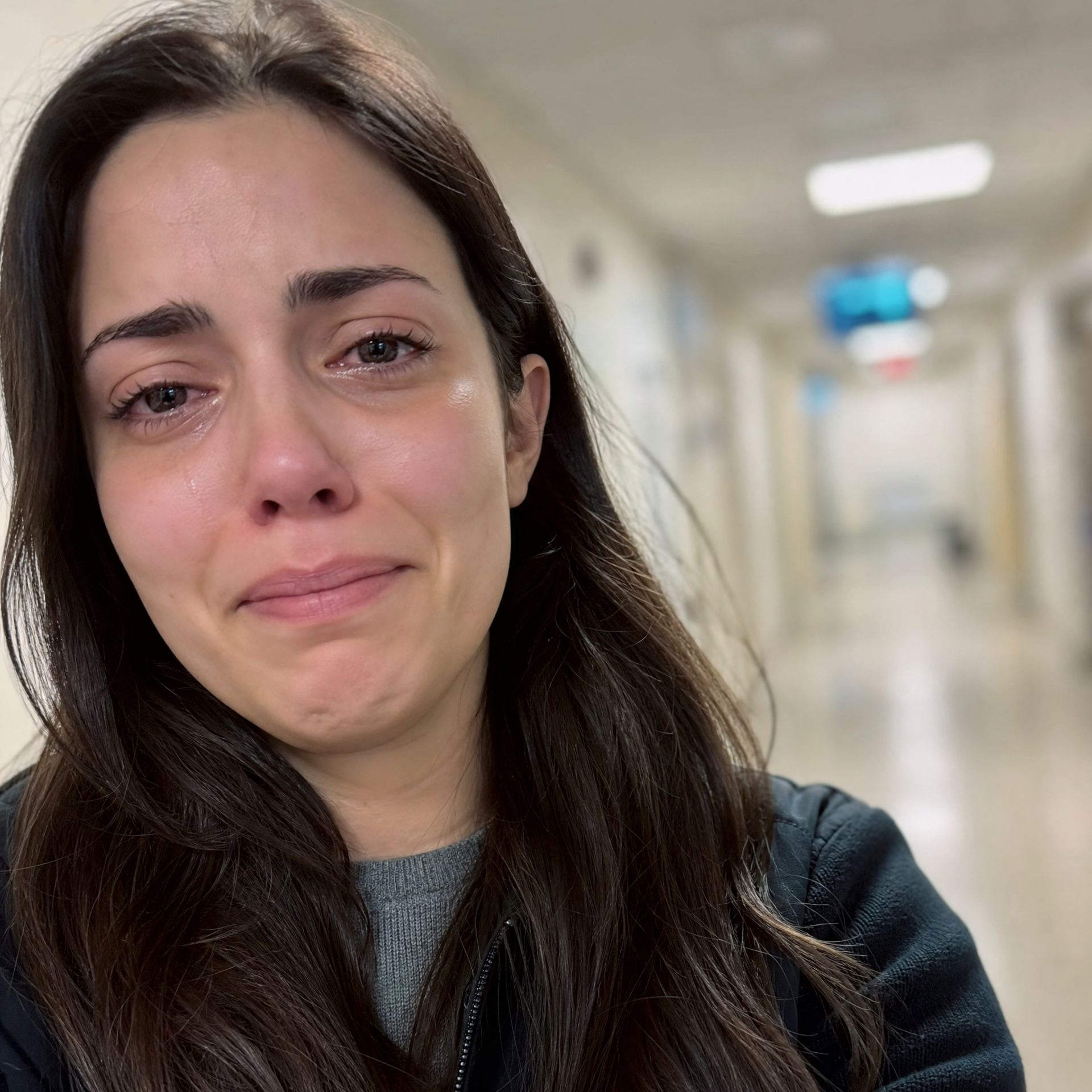
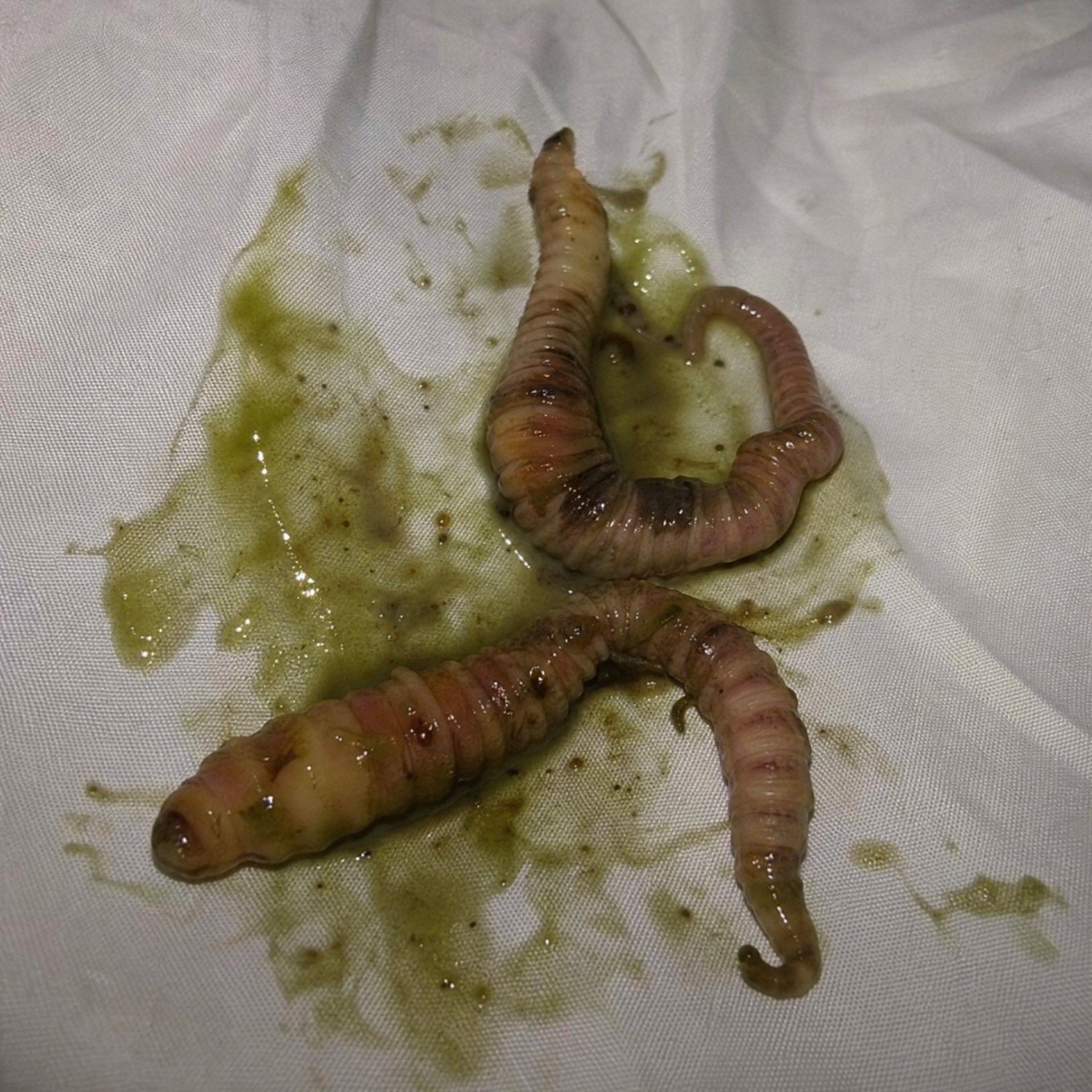
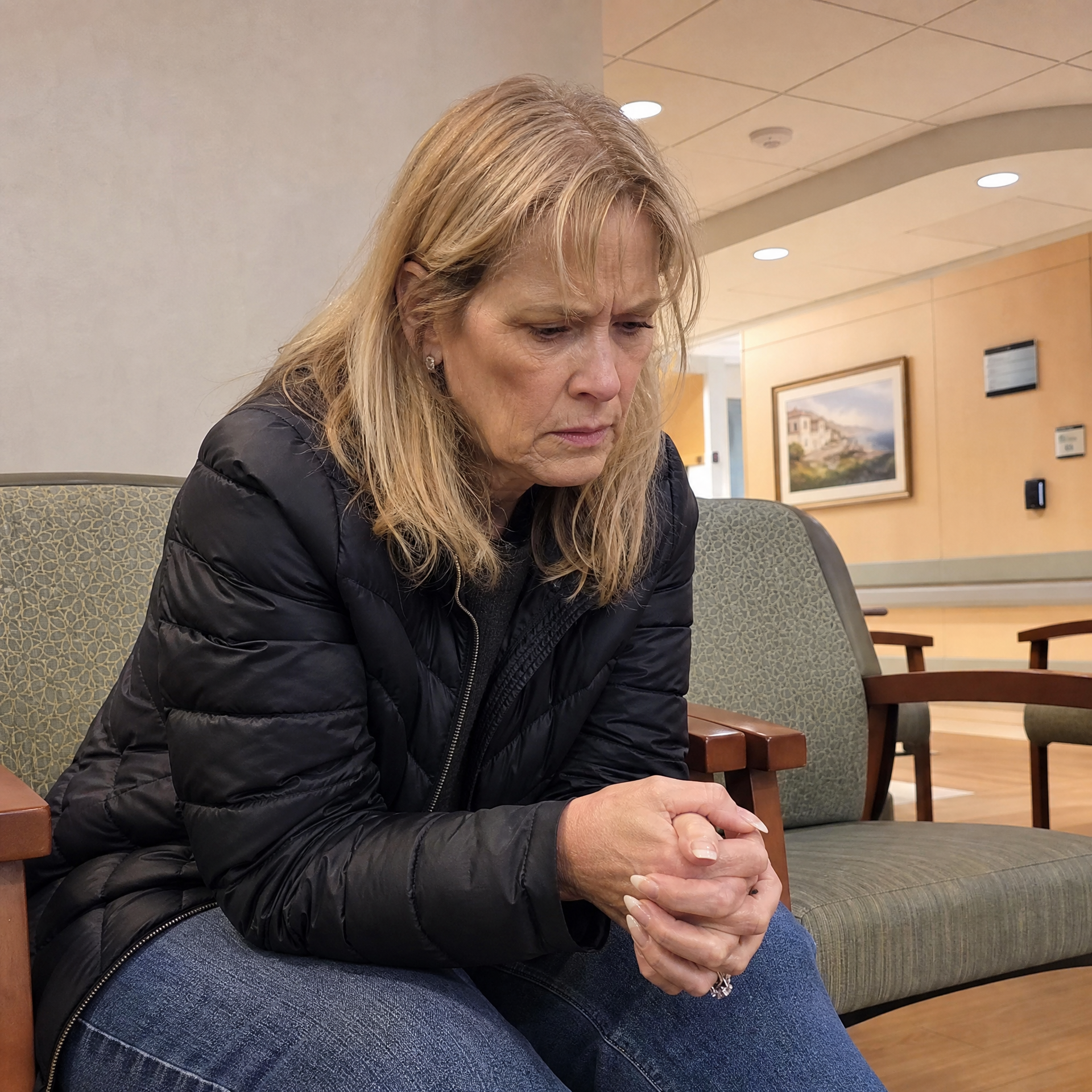
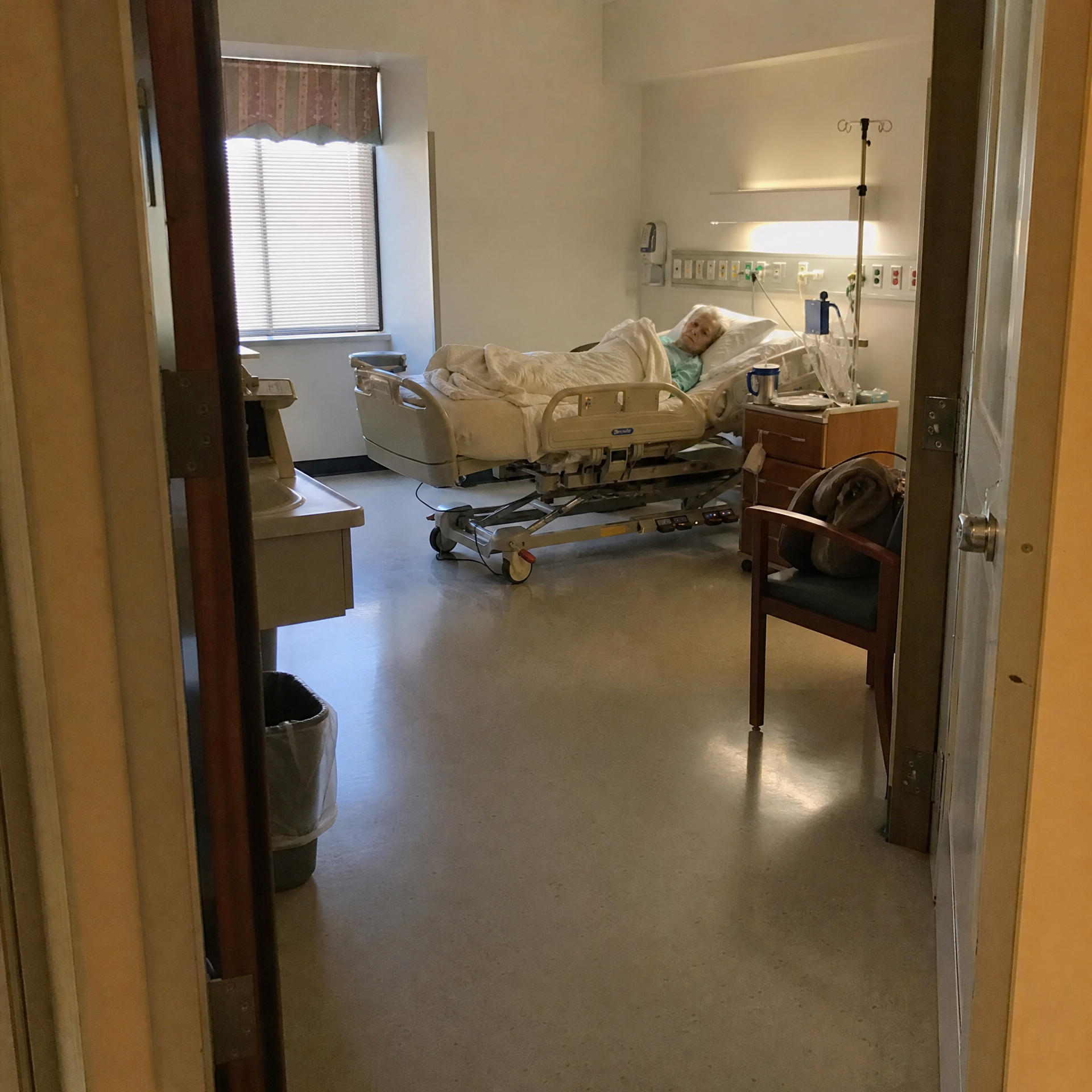
Three doctors stood in a hallway outside my mother's hospital room and told me they didn't know why she was dying. Her kidneys were struggling. Her liver enzymes were climbing. Her blood was wrong in ways they kept using words like "atypical" and "idiopathic" to describe. She was 71 years old and she was disappearing in front of me and the best hospital in Boise had three specialists on her case and none of them could tell me what was happening to her. I found the answer at 2 AM on a Tuesday night. Alone in the hospital cafeteria. On my laptop. Reading a research paper I'd found through a rabbit hole that started with a Google search I almost didn't type. The answer was alive. It had been inside my mother for years. And it had been drinking her blood so slowly and so steadily that by the time her organs started failing, every doctor who looked at her saw the damage but couldn't find the cause. I saved my mother's life with what I found that night. She is sitting in her kitchen right now, healthy, sharp, fifteen pounds lighter, with hair growing back that she'd been losing for six years. My grandmother wasn't as lucky. She died the same way my mother was dying. Same hospital. Same symptoms. Same doctors shaking their heads. Same word... idiopathic. My name is Karen. I'm 48 years old. My mother's name is Donna. She's 72. And I'm writing this because what almost killed her is inside millions of women right now and nobody is looking for it. Let me take you back to where it started. Not the hospital. Years before. My mother was always the strong one in our family. She raised me and my brother on her own after my father left. She worked as a legal secretary for 28 years. She ran the house, ran the finances, ran everything. She had a memory like a filing cabinet. She could pull a name, a date, a phone number out of thin air. She was sharp. Fast. Reliable. That woman started fading around 61. The first thing I noticed was the tired. Not normal tired. A heaviness. She'd call me on a Sunday afternoon and she'd sound like someone who'd been awake for three days. I'd say, "Mom, did you sleep?" and she'd say she slept nine hours and still couldn't get going. Then the hair. I noticed it at Thanksgiving. She was standing under the kitchen light and I could see her scalp through the top of her head. She'd always had thick, dark hair. Full. Now it was thinning at the crown and along the part and she was arranging it differently to cover it and hoping I wouldn't notice. I noticed. Then the fog. She'd be telling me a story and stop mid-sentence. The word she needed would just... leave. She'd stand there with her mouth open, hand in the air, fishing for a word that used to come instantly. I'd supply it for her and she'd wave her hand and say "you know what I mean" and move on. But I saw the fear flash across her face every time. Because she knew. She could feel her own mind getting slower. Then the legs. She told me one Christmas that her legs wouldn't stop moving at night. Buzzing, twitching, kicking. She said she hadn't slept more than three or four hours a night in months because the moment she got still, her legs started up. Her doctor put her on gabapentin. A nerve drug. Then the mood. She got quiet. Flat. She stopped calling as often. When I called her she'd say she was fine in a voice that sounded like she was reading the word off a card. Her doctor said depression. Gave her an antidepressant. Then the bloating. Her stomach would swell every evening. She'd unbutton her pants by 6 PM. She stopped going to restaurants. She stopped going to church. She stopped going much of anywhere because of the bathroom urgency that came with the bloating... thirty seconds of warning and if she wasn't near a toilet it was over. And through all of this, for ten years, she took an iron supplement every single morning. Because her ferritin was low. It had always been low. Her doctor said 17 was "within normal range" and the supplements would help and she should give them time. She gave them a decade. The number never moved. I didn't know what ferritin was at the time. I didn't know what it meant or why it mattered or why a number that a doctor called normal could leave a woman unable to stay awake past 2 PM. I learned later. I learned everything later. After the hospital. Let me tell you about the hospital. Mom called me on a Tuesday morning in March. Her voice was wrong. Thin. She said she'd been dizzy for three days and that morning she couldn't stand up without the room spinning. She said she'd vomited twice and her stomach was hard and distended. She said she was scared. I drove to her house and found her sitting on the bathroom floor. Her skin was gray. Her hands were cold. Her eyes were wrong... dull, like something behind them had dimmed. I drove her to the ER. They admitted her within two hours. Her hemoglobin was critically low. Her iron saturation was almost nonexistent. Her liver enzymes were elevated. Her kidneys were showing strain. Her inflammatory markers were through the roof. Three specialists over the next four days. Internal medicine. Hematology. Gastroenterology. They ran panels. They ran scans. They ran more panels. They could see the damage. Chronic intestinal inflammation. Mucosal erosion in the small intestine. Evidence of long-term blood loss in the GI tract. Iron stores depleted to a level that was putting her organs at risk. What they couldn't find was why. No ulcers. No tumors. No Crohn's. No celiac. The colonoscopy was clean. The endoscopy showed inflammation but no identifiable source. The hematologist used the word "idiopathic." Which means: we see the problem but we can't find the cause. My grandmother died of the same word. Grandma Rose. Mom's mother. She'd been sick the same way for the last fifteen years of her life. Same exhaustion. Same hair loss. Same fog. Same low iron that wouldn't respond to supplements. Same doctor calling it normal. Same slow decline. Grandma Rose was admitted to the same hospital at 68. Same symptoms. Same workup. Same word... idiopathic. They couldn't find the cause of her chronic blood loss and organ strain. They managed the symptoms. They gave her IV iron, which bumped her numbers up temporarily and then they dropped back down within weeks. She died at 69. Multi-organ complications secondary to chronic iron deficiency anemia of unknown origin. Of unknown origin. That phrase went on her chart and nobody questioned it. And now my mother was in the same hospital, with the same symptoms, at almost the same age, and three doctors were standing in the hallway using the same words. I refused to accept it. I could not sit in that hospital and watch my mother follow my grandmother into a medical file that said "unknown origin" and close the cover. I couldn't do it. Not with the internet. Not with every medical journal in the world accessible from a laptop in a hospital cafeteria at 2 AM. So that's where I went. I started searching that night after visiting hours ended. I sat in the cafeteria with a coffee that went cold three times and my laptop open and I typed every combination of terms I could think of. "Chronic iron deficiency resistant to supplementation cause." "Low ferritin won't respond to supplements." "Unexplained chronic GI blood loss women." "Idiopathic iron deficiency anemia women over 60." I read for three hours. Most of what I found was what the doctors had already considered. Celiac. Crohn's. Ulcers. Heavy menstruation, which wasn't applicable at 71. Cancer, which had been ruled out. Then I found a paper. It was in the American Journal of Tropical Medicine. Published years ago. About hookworm infection and iron deficiency anemia. Hookworms are parasitic worms that attach to the intestinal wall and feed on blood. They puncture the lining with cutting plates at their mouth. They secrete anticoagulants so the wound won't clot. They drink continuously. They move to new sites when old ones deplete. Every wound they leave behind keeps bleeding. In chronic infection... the kind that goes undiagnosed for years... the cumulative blood loss is enough to drain iron stores faster than any supplement can replace them. The paper reported ferritin levels in infected patients that were 60 to 80 percent lower than uninfected controls. Even in patients taking iron supplements. Because the parasites were consuming the iron as fast as it went in. I read the symptom list in the paper. Chronic fatigue. Cognitive impairment. Hair loss. Restless legs. Depression. Bloating. GI inflammation. Mucosal erosion in the small intestine. I was reading my mother's chart. Word for word. I was also reading Grandma Rose's chart. I kept reading. I found forum posts. Women on Reddit sharing stories that sounded exactly like my mother. Low ferritin for years. Iron supplements that didn't work. IV infusions that bumped the number up and then crashed back down. Hair falling out. Brain fog. Legs kicking at night. Every doctor saying normal. Then someone tested them for parasites. Positive. Treatment started. Ferritin rose for the first time in years. One post hit me so hard I had to close the laptop for a minute. "Parasites fixed my iron anemia. After 8 years of supplements that didn't work. The parasites were eating the iron before my body could use it. Once they were gone, my ferritin went from 14 to 78 in three months." I opened the laptop again and looked up hookworm prevalence in the United States. The CDC estimates over 60 million Americans carry Toxoplasma gondii alone. Hookworm, Strongyloides, Ascaris, and other intestinal species are documented in US populations. The standard stool test ordered by most doctors misses 80 percent of infections. Eighty percent. My mother had been seeing doctors for ten years. She'd been tested for celiac, Crohn's, ulcers, cancer. She'd had endoscopies and colonoscopies and CT scans. Nobody had run a parasite panel. Not once. In ten years. I walked into the hospital the next morning and I asked to speak with the attending physician. I told him I wanted a comprehensive ova and parasite panel with PCR molecular confirmation. Not the standard stool test. The comprehensive one. He looked at me like I'd asked for something unreasonable. He said parasitic infections were uncommon in domestic patients. He said the standard workup had been thorough. I said my mother's ferritin had been stuck at 17 for ten years despite supplementation and IV infusion. I said the literature shows hookworm as a documented cause of chronic iron-resistant anemia with GI mucosal erosion. I said the standard stool test misses 80 percent of infections. I said my grandmother died in this hospital with the same symptoms and the same word on her chart and nobody tested her either. He ordered the test. It came back in three days. Positive. Two species. Hookworm and Toxocara. My mother had been harboring blood-feeding parasites in her small intestine for what the infectious disease consultant estimated was "years, possibly a decade or more." The chronic blood loss from the feeding sites explained the iron depletion. The mucosal erosion visible on the endoscopy was consistent with hookworm attachment damage. The inflammatory markers were consistent with chronic parasitic immune activation. Every symptom. Every lab result. Every specialist's question mark. Answered by a test that nobody had ordered in ten years of treatment. I sat in my mother's hospital room and told her what they found. She looked at me and said, "What does that mean?" I said, "It means something has been living inside you and drinking your blood. For years. That's where the iron was going. That's why the supplements didn't work. The parasites were eating them." She was quiet for a long time. Then she said, "What about your grandmother?" I said, "I think the same thing, Mom." They started her on Albendazole in the hospital. Pharmaceutical antiparasitic. Within days her color changed. Her eyes brightened. The fog started lifting. By the time she was discharged a week later, she said she felt clearer than she had in years. Two weeks after discharge... the crash. Fog back. Fatigue back. Bloating back. The brief window of clarity slammed shut. The doctor prescribed another round. Same pattern. Two good weeks. Crash at three. They tried Mebendazole. Same. I pushed for Ivermectin based on what I'd been reading in the forums. The doctor prescribed it reluctantly. Ivermectin hit differently. Faster. Mom called me on day three and said, "Karen, I can think again. I can actually think." Her voice was different. Alert. Present. The mother I remembered from before the decline. Week two she was cooking. Reading. Staying up past 7 PM. Laughing on the phone in a way I hadn't heard in years. Week three. I was at her house when it happened. I saw the fog come back into her eyes between breakfast and lunch. Like someone slowly turning down a dimmer switch. By that evening she was on the couch, exhausted, bloated, legs already starting to buzz. She looked at me and said, "It's back." Two more rounds of Ivermectin. Same beautiful two weeks. Same collapse. I went back to the research. If three different drugs all crash at the same interval, the interval is the clue. Three weeks is the egg incubation period for most intestinal parasites. The drugs were killing the adults. The eggs were surviving in the intestinal walls. Three weeks later... new generation. New blood-feeders. New iron theft. And the drugs weren't addressing the biofilm... the protective slime shield the parasites build. Or the die-off toxicity... dead parasites rotting in situ and releasing toxins. Or the fungal and bacterial overgrowth in the damaged gut. Four problems. Every drug handling one. I spent two weeks in that hospital cafeteria after visiting hours. Every night. Laptop open. Coffee going cold. Researching what could address all four problems at once because I was not going to watch my mother cycle through another crash. I found the seven compounds individually. Wormwood. Clove. Black walnut hull. Pumpkin seed. Oregano oil. Soursop. Garlic. I ordered them all separately. I tried to combine them myself. Measured doses based on the research papers. Mixed them into a tincture in my kitchen. I gave it to Mom. It was crude. The proportions were guesswork. She took it for a week and passed some material but the bloating didn't change and the energy didn't shift the way it had on the Ivermectin. The compounds were right but the formula was wrong. The ratios mattered. The form mattered. The sequence mattered. And I was a legal secretary's daughter with a laptop and a desperate heart, not a pharmacologist. I posted in one of the forums asking if anyone had found a combination protocol that actually worked long-term. That contained all seven compounds in the right proportions. Three women messaged me within 24 hours about the same person. An older woman in Vermont. Retired nurse. Seventy-nine years old. Had been working with women like my mother for forty years. Out of a farmhouse. Not a clinic. A farmhouse outside Burlington where women came from across the country after the medical system had failed them. Her name was Margaret. She didn't have a website. She didn't have social media. The only way to reach her was through someone who already knew her. One of the women gave me a number. I called the next morning. Margaret answered on the third ring. Her voice was calm and steady. The voice of a woman who had been answering this exact phone call for decades. I told her about my mother. About the hospital. About the ferritin stuck at 17 for ten years. About the hookworm diagnosis. About the Albendazole that crashed and the Mebendazole that crashed and the Ivermectin that gave us two beautiful weeks and then took them away. I told her about Grandma Rose dying at 69 with "unknown origin" on her chart. I told her about my homemade tincture that had the right ingredients and the wrong formula. She listened for almost twenty minutes without saying a word. When I finished she said, "Your mother is not unusual. I have been working with women like her for forty years. The symptoms are always the same. The doctors' responses are always the same. And the reason the pharmaceutical protocols cycle and crash is always the same four problems that nobody in conventional medicine addresses simultaneously." She told me about the biofilm. About the eggs. About the die-off toxicity. About the dysbiosis. She explained each one the way I'd read about them, but with a specificity that only comes from watching it happen in hundreds of patients over four decades. Then she said something that changed how I understood everything. "Your tincture had the right compounds. But the proportions are everything. Too much wormwood relative to oregano and the biofilm isn't broken before the wormwood reaches the colony. Too little clove and the eggs survive. Not enough pumpkin seed and the die-off creates a toxic crash that's worse than the infection. The sequence, the ratio, the concentration of each compound relative to the others... this is what I've spent forty years refining." I asked her how she'd learned all of this. She told me about her grandmother. A woman named Ilona. A folk healer in a village in eastern Hungary. A village where parasites were so endemic that half the children didn't survive to adulthood and women were old by 35. Ilona's mother had been the village healer before her. She grew herbs behind the house. Wormwood. Garlic. Oregano. Cloves. She made a preparation twice a year and treated every family that came to her. The families who took the preparation were healthier than those who didn't. Everybody in the village knew it. Nobody questioned it. Ilona took over when her mother died in 1919. The wars had brought soldiers from three different armies through the village. New parasite species. Worse infections. Children dying. Women wasting away. The village doctor from the city came, looked at the swollen bellies and the wasting and said malnutrition. He left. Ilona stayed. She spent two years refining her mother's formula through the worst conditions the village had ever seen. She added black walnut hull from a Romani family. She tripled the clove dose when she observed the three-week relapse pattern and figured out the eggs were surviving. She added pumpkin seed when she saw patients getting worse before they got better and realized the dead parasites were rotting inside them. She discovered that giving oregano before wormwood dramatically improved the response, though she didn't know the word biofilm. By 1922 the families taking Ilona's formula were surviving. The ones who weren't... weren't. In 1923 Ilona left Hungary. She wrote the formula on a piece of butcher paper, sewed it into the lining of her coat, and walked onto a steamship with her five-year-old daughter and eleven dollars. She settled near Burlington, Vermont. She grew her herbs in the yard. She made the formula for fifty years. Her granddaughter Margaret watched her the whole time. Margaret became a nurse. She worked in hospitals for thirty years. And quietly, on the side, she began using Ilona's formula with women who came to her with the same symptoms the village women had. Bloating. Fatigue. Fog. Hair loss. Iron that wouldn't hold. Margaret added soursop in the 1970s after a Brazilian patient brought her the leaves. A second kill mechanism. Dual pathway. She refined the proportions over forty years until every ratio was precise. "Forty years," Margaret said to me on the phone. "Thousands of women. I know what the formula needs to be because I've watched it work and watched it fail and adjusted it until the failure rate approached zero." I asked her if I could see the farmhouse. She said yes. I drove to Vermont the following weekend. Six hours from Boise through three connecting flights and a rental car on a road that turned to dirt the last two miles. The farmhouse was small. White. Set back from the road behind a yard full of herbs. I recognized the wormwood immediately because I'd been staring at pictures of it for weeks. Tall, silvery-green, along the fence line. Oregano in raised beds. Garlic. Cloves drying on racks in a shed behind the house. Margaret met me at the door. She was 79. Thin, straight-backed, clear-eyed. She moved slowly but precisely, the way someone moves who has been doing careful work for a long time. She showed me the garden. She showed me the preparation room. Glass jars. Copper measuring tools. Handwritten labels in a script I recognized from the notebook she later showed me... Ilona's notebook, written in Hungarian, with measurements and observations dating back to 1920. She showed me how she prepares the formula. The sequence. The temperatures. The timing. She showed me why liquid matters... why a capsule can't deliver these compounds to a compromised gut the way sublingual delivery can. Under the tongue. Into the bloodstream in minutes. Bypassing the gut that's too damaged to absorb anything properly. I spent three hours in that farmhouse. When I left, she gave me a bottle. Brown glass. Hand-labeled. She said, "Give this to your mother. And tell her that every woman who has come through my door with a ferritin under 20 and parasites in her gut has walked out of here with a ferritin above 70 within three months. Every one." The formula had been made available more broadly about three years earlier. A younger woman Margaret had mentored set up small-batch manufacturing. Third-party tested. Same formula. Same proportions. Same liquid sublingual delivery. Lumvelle Wild-Harvested Wormwood Drops. I flew home with the bottle in my carry-on. I drove straight to my mother's house. I put it on her kitchen table next to the iron supplement she'd been taking for ten years and I told her everything. About Margaret. About Ilona. About the village. About the butcher paper sewn into the coat lining. About a hundred years of women refining a formula that addresses the four problems no pharmaceutical can solve alone. She looked at the bottle. She looked at me. And she said the line I will carry for the rest of my life. "My mother should have had a daughter like you." I said, "She did, Mom. Grandma Rose had you. You just didn't have the information. Now you do." She started Lumvelle that night. Week 1. Drops under the tongue before bed. Bitter, warm, herbal. Margaret's proportions. Ilona's ingredients. By day three, passing material. By day five, clarity. Legs quiet without gabapentin for the first time. Week 2. Bloating going down. Energy building. She called me and said, "Karen, I think the iron is finally staying. I can feel it." Week 3. The wall. I drove to her house every day that week. Albendazole crashed here. Mebendazole crashed here. Ivermectin crashed here. Three drugs. Same wall. Day 15... clear. Day 17... clear. Day 19... clear. Day 21... clear. She came downstairs on day 21 and I was at her kitchen table and I looked at her face and her eyes were bright and she said, "It's holding, Karen." It held. Because Ilona solved the egg problem in 1920 with clove. Because Margaret refined the biofilm disruption for forty years. Because pumpkin seed was pulling the dead parasites out before they could rot. Because the formula addresses four problems at once while every drug I'd tried addressed one. A hundred years of women figuring this out. And my mother was alive because of them. Week 4. Her brain came back. Phone numbers. Names. Dates. The filing cabinet was open again. Week 6. Blood draw. Ferritin: 48. I called the lab to confirm. In ten years it had never been above 22. Week 10. Ferritin: 71. Above optimal for the first time in her life. Week 12. New hair growth along her hairline. She called me crying. "Karen, my hair is coming back." She tapered off gabapentin. Off the antidepressant. Both treating downstream symptoms of iron depletion caused by parasites nobody tested for. With the parasites gone and the iron restored, the symptoms resolved on their own. Fourteen months now. Ferritin: 91. Hair thicker than since her 50s. Brain sharp. Legs still. Energy all day. Bloating gone. Bathroom normal. She cooks Sunday dinner. She goes to church. She drove to Portland alone last month. Five hours each way. She is 72 years old and she is sitting in her kitchen right now because I refused to accept the word that killed my grandmother. Now I need to talk to you. What if I hadn't been in that cafeteria at 2 AM. What if I hadn't typed that search. What if the paper about hookworm hadn't come up. What if I'd accepted "idiopathic" the way Grandma Rose's doctors accepted it. What if I'd let them start the third round of Albendazole instead of pushing back. What if the woman in the forum hadn't messaged me about Margaret. My mother would be dead. Or in a facility. Or sitting in a chair unable to move past noon with a ferritin of 17 and five doctors saying normal while something drank her blood. Every one of those what-ifs was a door that almost didn't open. And every woman reading this right now is standing in front of the same door. If you are a woman over 60 and your ferritin has been low for years. If iron supplements don't move the number. If your doctor calls 15 or 18 or 22 "within normal range" while your hair thins and your brain fogs and your legs kick all night and your energy is gone by noon and you're depressed and anxious and cold and craving sugar you can't resist and your stomach bloats every evening and the bathroom controls your schedule. You are where my mother was. And you are where Grandma Rose was. And the only difference between those two outcomes is whether someone asks the question nobody is asking. Where is the iron going? If you are the woman I just described... consider that the iron is going to something living inside you. Something that feeds on blood. Something the standard stool test misses 80 percent of the time. Something that also explains the bloating and the bathroom and the fog and the cravings and the skin and every other symptom that's being treated as a separate condition by a separate doctor. If you are the daughter reading this... the one who calls her mother twice a day and pretends she's not checking on her. The one who noticed the hair thinning at Thanksgiving. The one who supplies the word when Mom loses it mid-sentence. The one who found the memory care brochure on the counter and put it in her purse and cried in the car. I was you. I was exactly you. And my mother is alive because I didn't accept what the doctors were telling me. Lumvelle Wild-Harvested Wormwood Drops. Ilona's formula. Margaret's refinement. A hundred years of women's knowledge in a brown glass bottle. Seven compounds. Four problems. Liquid under the tongue. Take it with your iron supplement. The Lumvelle removes the thief. The iron rebuilds what was stolen. Together they do what neither can do alone. 👉 https://lumvelle.com/products/lumvelle-wormwood-drops 90-day money-back guarantee. Three full months. If the ferritin doesn't move, if the hair doesn't stop falling, if the fog doesn't lift, if the legs don't quiet, every cent back. No questions. They batch small. They sell out. If you're reading this and it's available, don't wait. 👉 https://lumvelle.com/products/lumvelle-wormwood-drops P.S. If you're the daughter... send this to your mother. Or order it for her. She won't do it herself. Mothers don't. They take the iron pill and accept the number and trust the doctor and put everyone else first and by the time someone finally fights for them it's almost too late. My grandmother had no one who fought for her. My mother had me. Be the daughter who fights. You won't regret it. I promise you. 👉 https://lumvelle.com/products/lumvelle-wormwood-drops P.P.S. I sat at my mother's kitchen table last Sunday while she served pot roast and mashed potatoes and green beans to eight people. She was on her feet for three hours. She carried dishes. She laughed. She remembered everyone's name and everyone's story and she told two of her own without losing a single word. Fourteen months ago she was in a hospital bed with three doctors in the hallway saying they didn't know why she was dying. I knew. Because I asked. 👉 https://lumvelle.com/products/lumvelle-wormwood-drops P.P.P.S. The first week you'll feel the shift. Or your mother will. Lightness. Clarity. Legs quieter at night. The drops taste bitter and herbal under the tongue... the taste of something old and serious and real. By week two the bloating starts easing. By week three... the week that destroyed us five times with three different drugs... this holds. Ilona solved the egg cycle in 1920. Margaret refined the proportions for forty years. The wall that every pharmaceutical hits doesn't exist for this formula. Because it was built by women who spent a century figuring out how to break it. P.P.P.P.S. My mother spent ten years on iron supplements that didn't work. An $800 IV infusion that vanished in six weeks. Four years of gabapentin. Three years of antidepressants. Three rounds of antiparasitics that cycled and crashed. Thousands of dollars treating the symptoms of a thief nobody tested for. Lumvelle costs less than one IV infusion. It comes with a 90-day guarantee. The hospital that almost watched her die never guaranteed anything. P.P.P.P.P.S. The wild Mediterranean wormwood in Lumvelle is harvested from a specific region in limited seasonal quantities. When this batch is gone, it's gone. Ilona harvested hers from a hillside above her village. There was only so much and it grew on its own schedule. Same principle. If your mother's next blood draw is in 30 to 60 days and you want her doctor to see a ferritin that finally moved... start now. 👉 https://lumvelle.com/products/lumvelle-wormwood-drops My grandmother died at 69 because nobody asked where the iron was going. My mother is 72 and her ferritin is 91 because I asked. The question is simple. The answer is in a bottle that traces back a hundred years to a woman who sewed a recipe into her coat and carried it across an ocean because she knew it was the most important thing she owned. She was right. Where is your iron going?
Like this ad? Make it yours.
Crush rebuilds this exact creative around your product — your brand, your colors, your offer — in about a minute.