Two Glasses Later
Two Glasses Later Facebook ad: “What My Specialist Said at 47”
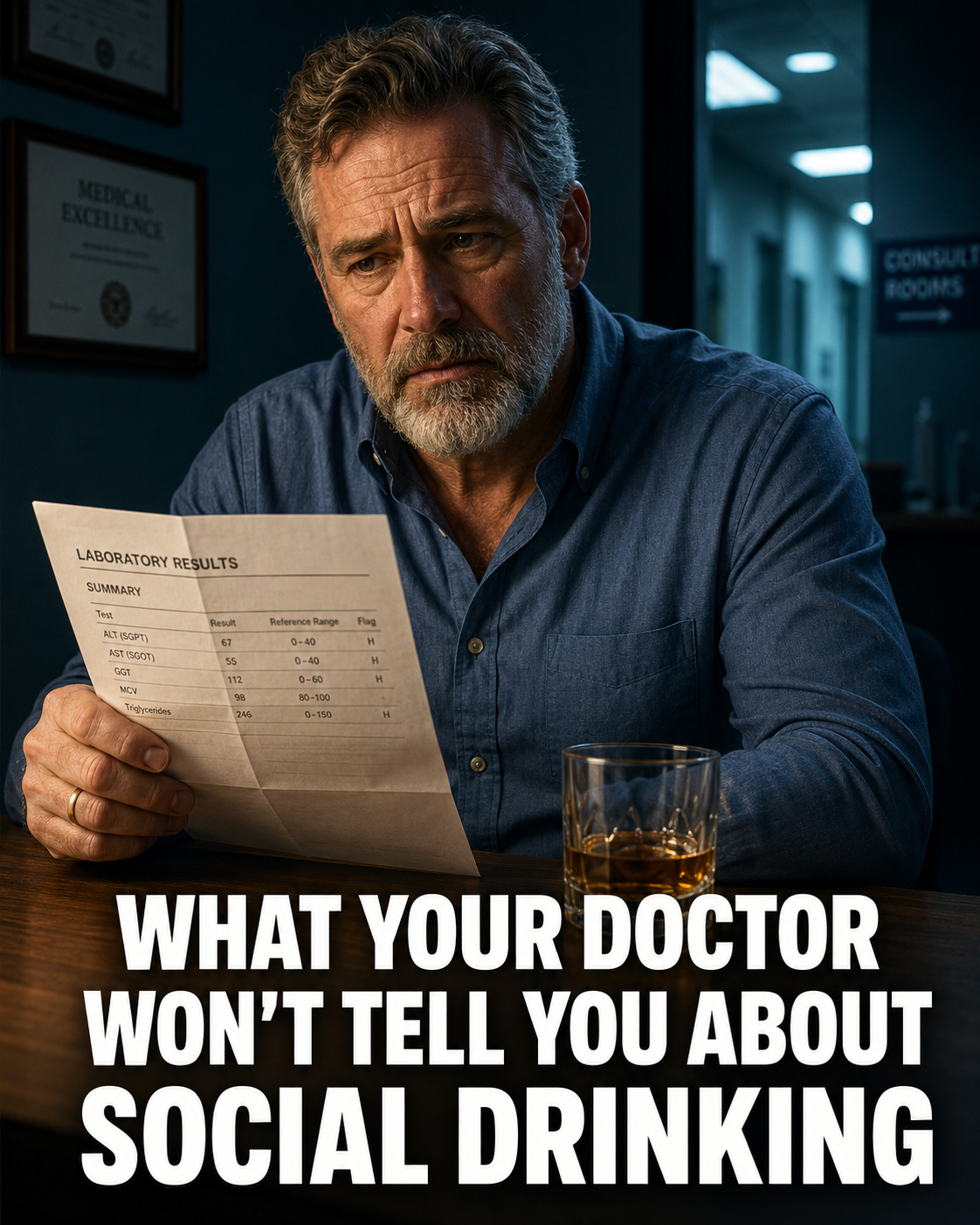
Ran for 1 day, from June 6 to June 7, 2026, the last day Crush saw it.
Run by Two Glasses Later on Facebook. Crush is not the advertiser and does not verify its claims. See this ad in Meta's Ad Library(opens in a new tab)
Want an ad like this for your product?
Crush makes new ad images for your product from this ad: your logo, your product photo, your offer.
Trials from $19.95 USD, then $79.95 USD a month. Cancel anytime.
About this ad
- Meta Ad Library ID
- 1319005267001409
- Platforms
- Relaunches
- 0
Ad text
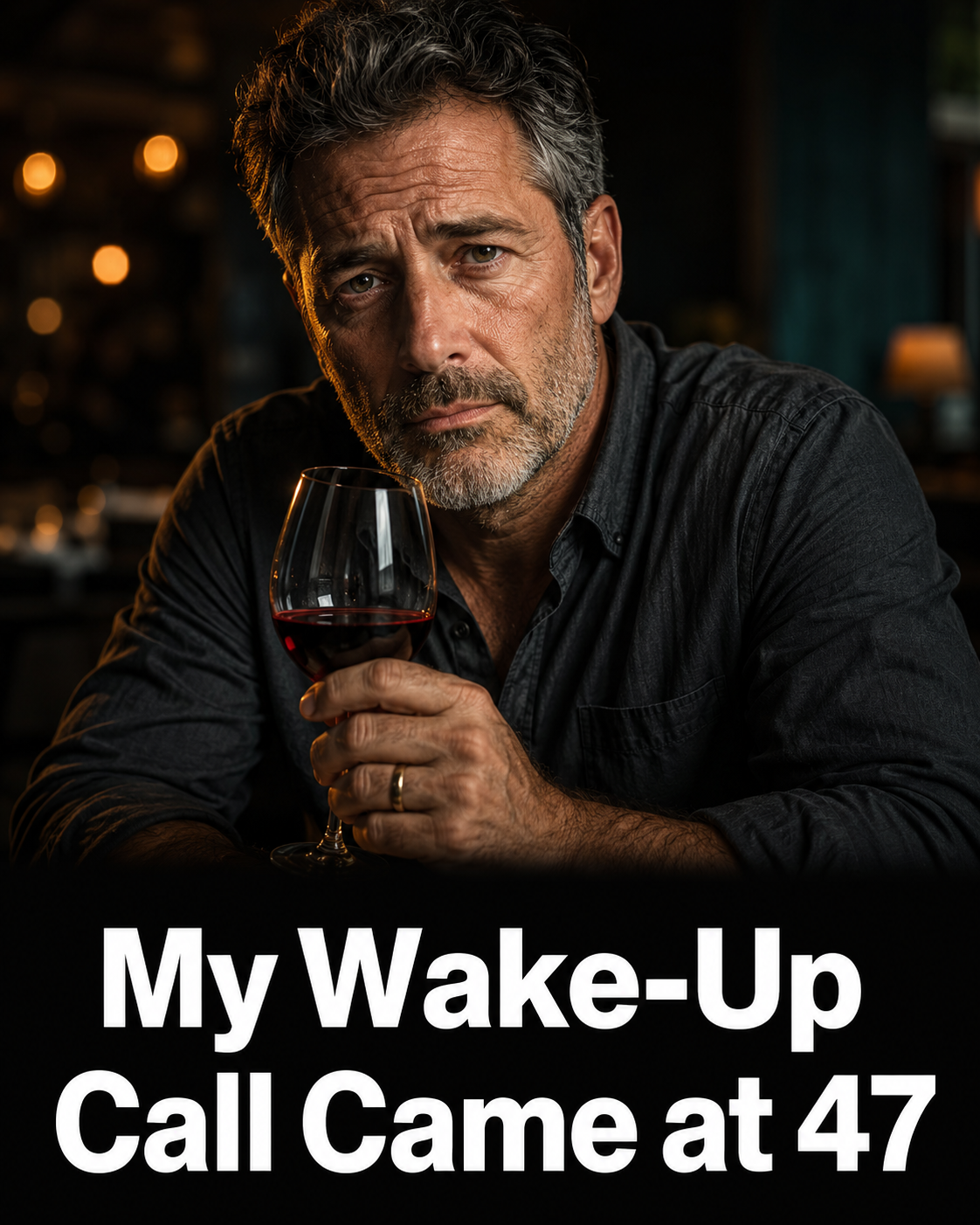
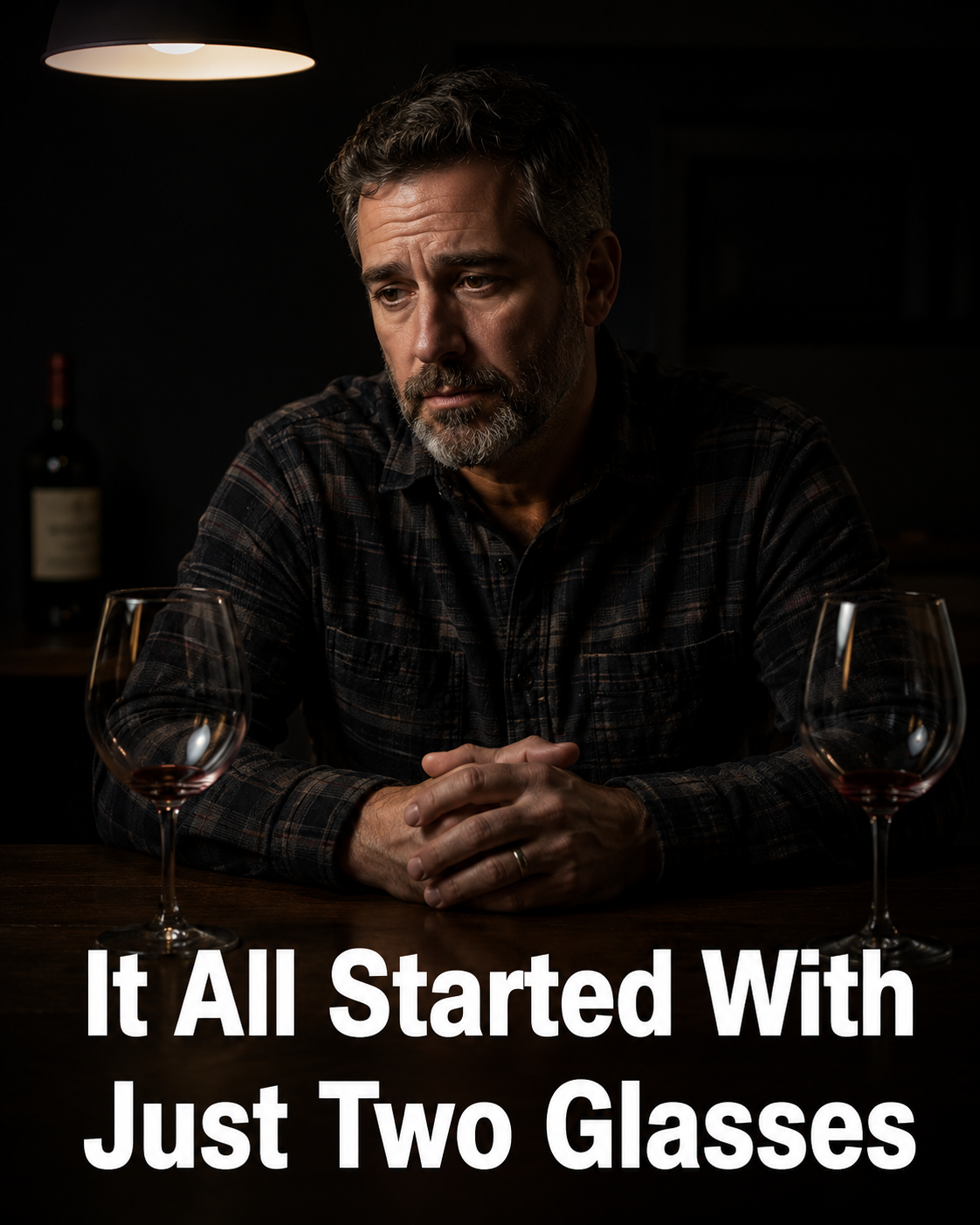
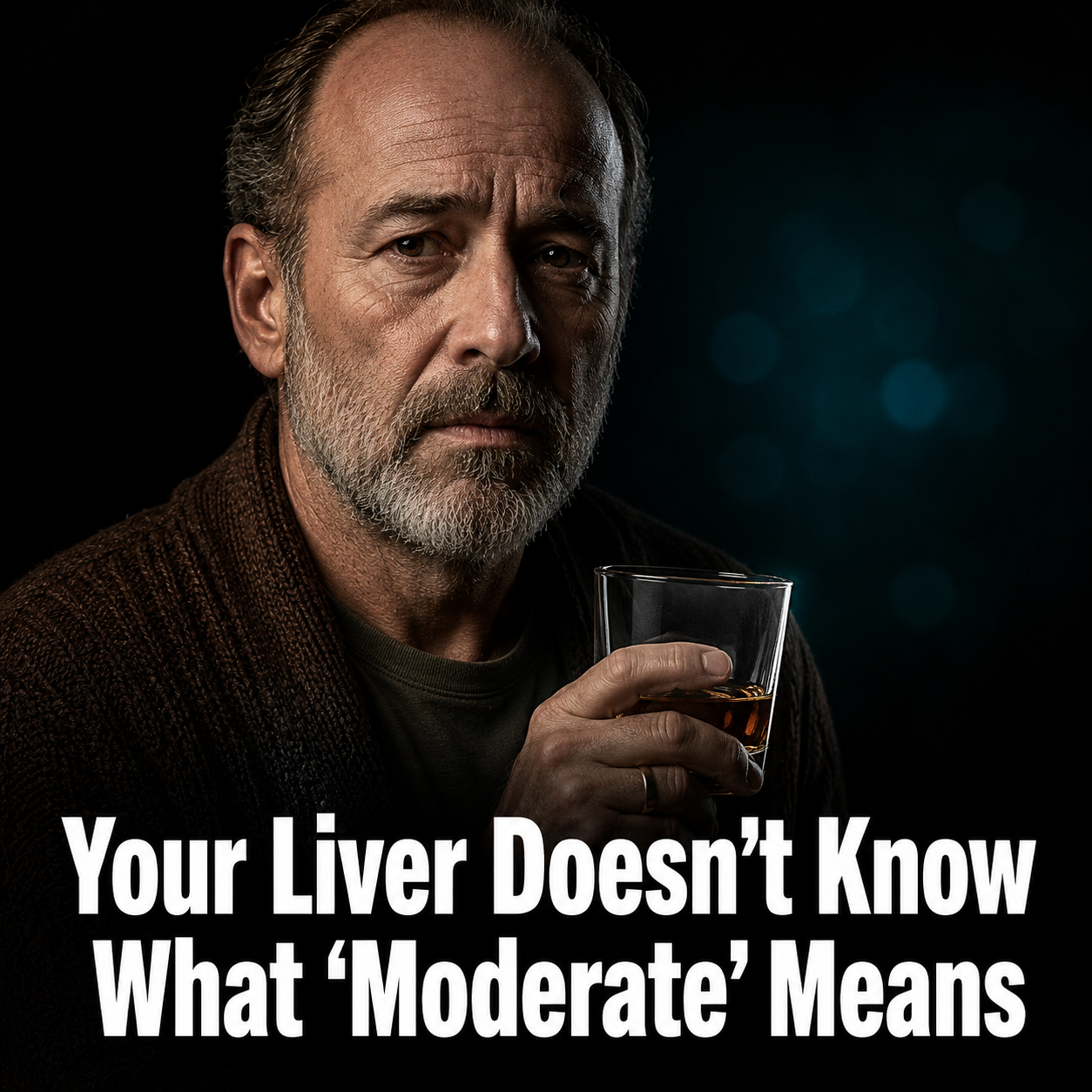
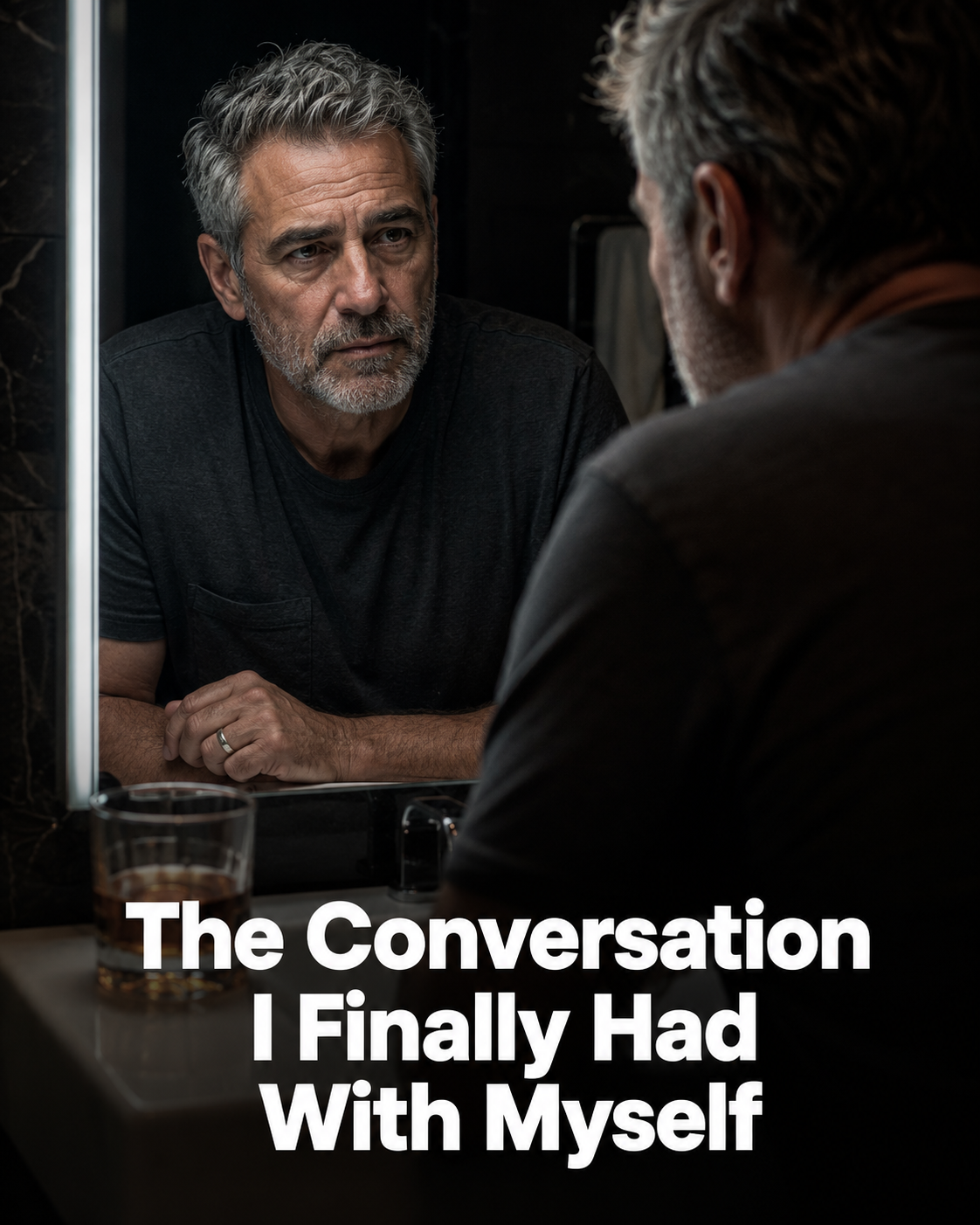
I was 47 when my specialist said the sentence I couldn’t get out of my head. Not 67. Not 72. Forty-seven. Still working full-time. Still exercising. Still eating better than most guys I knew. Still telling myself I was doing pretty well for my age. Then he looked at my results, looked back at me, and explained that my current liver function and drinking patterns were starting to point toward future health problems if I kept treating my routine like it was harmless. I remember hearing the words but not fully accepting them. Because in my mind, this wasn’t supposed to be my story. I wasn’t a heavy drinker. I wasn’t the guy drinking alone at noon. I wasn’t missing work. I wasn’t hiding bottles. I wasn’t waking up and reaching for something just to get through the day. I was a normal man with a normal life. Weekend wine. Business cocktails. Dinner drinks. Golf outings. Client events. The kind of drinking that doesn’t look like a problem because everyone around you is doing it too. That was what made the appointment so hard to process. There was no dramatic warning sign. No emergency room visit. No family intervention. No one pulling me aside and saying, “You need help.” Just a specialist, a few numbers, and one very uncomfortable truth. The habits I had been calling normal were starting to add up. I drove home that day quieter than usual. No radio. No phone call. Just me replaying the appointment in my head. I kept thinking, “How did I miss this?” Because I had done all the things men do when they want to feel like they are still in control. I worked out enough to justify the drinks. I ate reasonably well during the week. I avoided the really bad habits. I told myself wine was different than liquor. I told myself client dinners were part of business. I told myself I could stop whenever I wanted, because technically I could. But that wasn’t the point. The point was that my body had been keeping score even when I wasn’t. That was the part I didn’t understand. I had always thought about alcohol as something temporary. You drink. You sleep. You wake up. Maybe you feel rough. Then you move on. That was the whole story in my head. But here’s what I didn’t know. The effects of regular drinking can build quietly over years. Not always in a dramatic way. Not always with one obvious symptom. More like a debt. A little bit here. A little bit there. A weekend. A dinner. A trip. A celebration. A stressful Thursday. A business cocktail that felt necessary. Decades of “not that much” quietly becoming more meaningful than I wanted to admit. That phrase stayed with me. Health debt. Because that was exactly what it felt like. A bill I didn’t know I was creating. And the timing was what scared me most. I had spent years working to build a life I could enjoy later. A good career. A stable home. A future where I could travel more, spend more time with family, and enjoy what I had built. But what if the habits I used to get through the present were quietly stealing from that future? That thought hit me harder than any hangover ever had. Because I didn’t want to become the guy who finally had the time and money to enjoy life, but not the energy or health to actually live it. After that appointment, I started noticing things I had been ignoring. The Monday mornings that felt heavier than they should. The brain fog after work dinners. The way my sleep seemed lighter after drinking. The afternoon crashes I blamed on age. The stiffness and sluggishness I blamed on stress. The feeling that my body was recovering slower than it used to. None of it felt serious on its own. That was the problem. It was too easy to explain away. I blamed work. I blamed travel. I blamed getting older. I blamed restaurant food. I blamed poor sleep. I blamed everything except the pattern that kept showing up around alcohol. And because I still looked fine, I kept telling myself I was fine. That is a dangerous sentence for a man in his forties. “I’m fine.” It can mean you are fine. Or it can mean you have learned to ignore the early signs. When I spoke with Dr. Sarah Chen, a liver specialist, she explained it in a way that finally made sense. Decades of regular social drinking can create pressure on more than just the liver. It can affect inflammation. Gut health. Nutrient absorption. Hormonal balance. Oxidative stress. Energy. Sleep quality. Immune function. The body doesn’t separate these things into neat little boxes the way we do. It all connects. That was the part that made me feel foolish. I had been treating my body like a machine with unlimited parts. As long as I could still start it in the morning, I assumed nothing serious was happening under the hood. But the warning wasn’t always a breakdown. Sometimes the warning was a slow change in performance. The fog. The fatigue. The slower recovery. The sense that my energy was not as dependable as it used to be. And I had been using coffee, discipline, and denial to push through it. After that, I tried to fix it the way I usually fixed things. I made stricter rules. Less wine during the week. Fewer cocktails at dinners. More water before bed. Better breakfasts. More gym time. A few random supplements from the cabinet. But none of it felt like a system. It felt like I was reacting after the fact. Like I was trying to negotiate with the damage instead of supporting my body consistently. The hardest part was that completely cutting out alcohol didn’t feel realistic for my life. I know that is not the perfect answer. But it was the honest one. My career involved dinners, events, conferences, and client relationships where drinking was often woven into the social fabric. I didn’t want to pretend that would disappear overnight. But I also couldn’t keep pretending there was no long-term cost. That was the tension. I wanted to protect my future self without acting like my present life wasn’t real. That was when I found Daily Restore. At first, I expected another basic liver supplement. A loud label. A few trendy ingredients. A vague promise about detox. But this was different because it was built around the specific problem I had finally started to understand. Not just the morning after. The cumulative effect. The oxidative stress. The nutrient depletion. The liver support. The long-term maintenance. The idea was simple. If alcohol places repeated demand on the body, then support should be repeated too. Daily. Not only after a rough night. Not only when you feel guilty. Not only when a doctor’s appointment scares you into paying attention. Daily Restore was designed for health-conscious drinkers who want to support the systems alcohol affects most. It included NAC to support glutathione, the body’s master antioxidant. Milk Thistle, standardized for silymarin, to support liver health. DHM to support alcohol-processing and recovery pathways. B vitamins to help replenish nutrients that regular drinking can deplete. And additional support for mood, focus, stress, and sleep balance. For the first time, I wasn’t looking at alcohol support as a hangover issue. I was looking at it like future health maintenance. That changed everything for me. I started taking it with breakfast. One simple capsule. Then an additional capsule before drinking on social occasions. Nothing dramatic. Nothing complicated. No big announcement. Just a routine I could actually follow. And mentally, that mattered. Because I stopped feeling like I was leaving everything to chance. I wasn’t pretending alcohol had no effect. I was finally respecting that it did. Over time, the change I noticed was less about one big moment and more about how I felt inside my routine. Mornings felt less like punishment. My energy felt more stable. The heavy, slow feeling after social events did not feel as inevitable. I felt like I was doing something responsible for the man I wanted to be ten years from now. That may not sound dramatic. But for me, it was. Because men are very good at waiting until something becomes urgent. We wait until the pain is loud. We wait until the numbers are worse. We wait until someone we love gets scared. We wait until our future starts sending invoices for the choices we made quietly in the present. I’m not telling you this because one supplement makes alcohol harmless. It doesn’t. I’m not telling you this because it replaces cutting back, medical advice, bloodwork, or a real conversation with your doctor. It doesn’t. If you have liver concerns, abnormal labs, take medication, or feel like alcohol is hard to control, you should speak with a qualified healthcare professional. But I am telling you because I wish I had understood the “future self” part sooner. I spent years thinking the question was, “Can I handle drinking tonight?” The better question was, “What is this costing the man I want to be later?” That question changed how I looked at everything. The business cocktails. The weekend wine. The casual second drink. The recovery days I pretended were normal. The warning signs I kept filing under stress and age. Looking back, my body was not betraying me. It was giving me information. I just didn’t want to read it. I wish I had paid attention before a specialist had to say it out loud. Because your future self is not some abstract person. He is you. Just older. And he will inherit every routine you keep repeating today. Learn more about the simple 60-second daily ritual built for health-conscious drinkers who want to protect their future self before the warning signs get harder to ignore.
Where the ad sends people
the-60-second-ritual.com
What My Specialist Said at 47
Clifford Haynes shares how regular social drinking can affect long-term liver support and future health.
Learn more: the-60-second-ritual.com(opens in a new tab)