
Inactive· since Jul 24, 2026
- 24
- days it ran
- 0
- relaunches
Ad copy
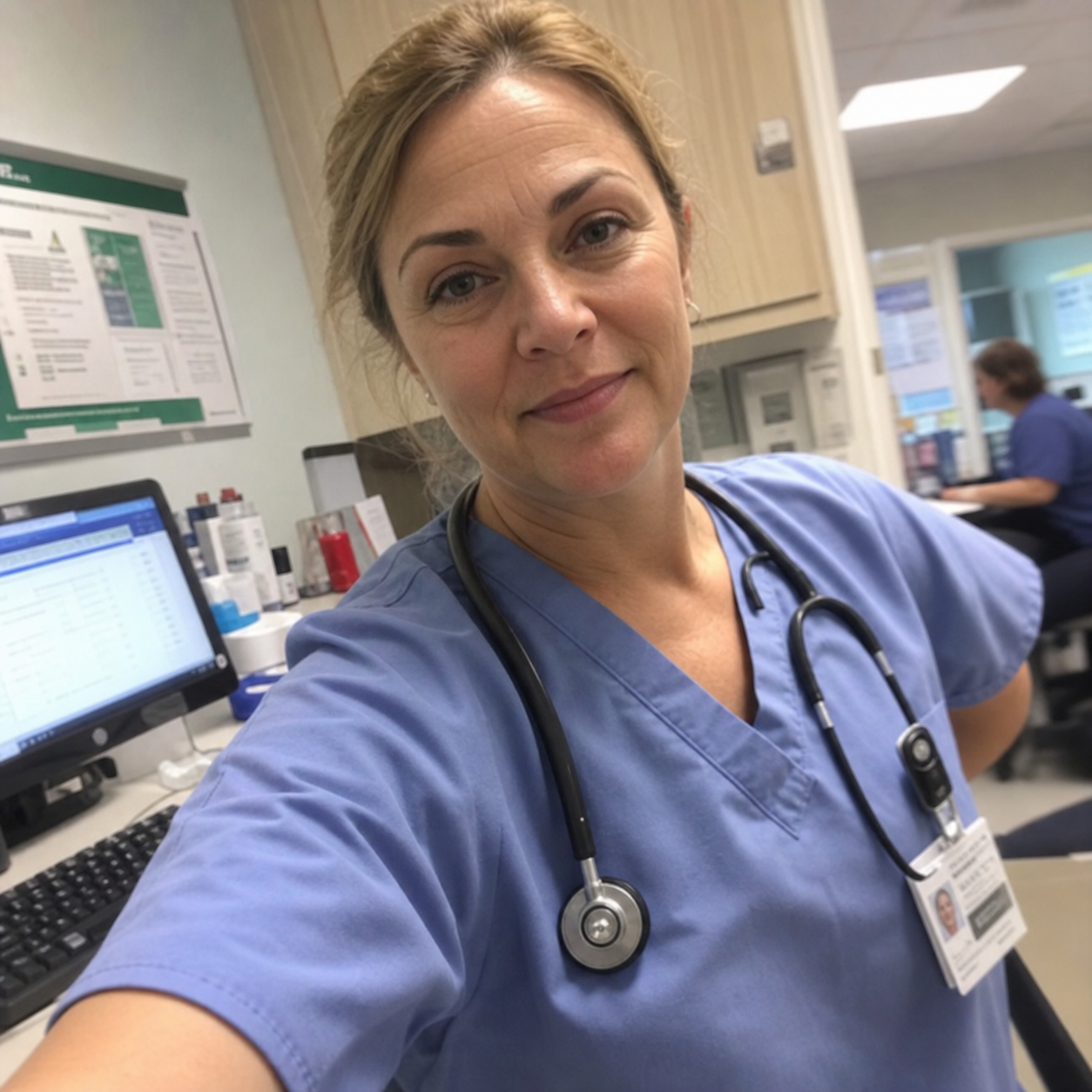
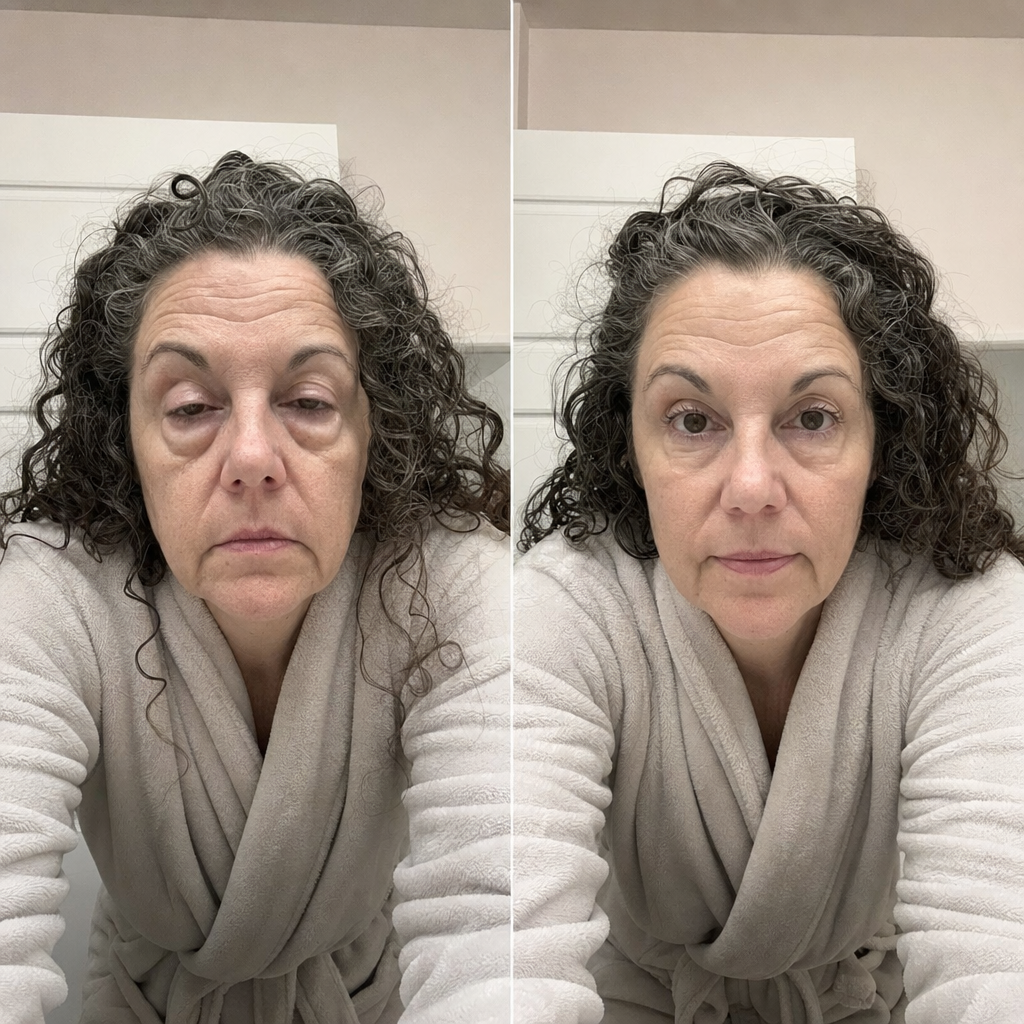
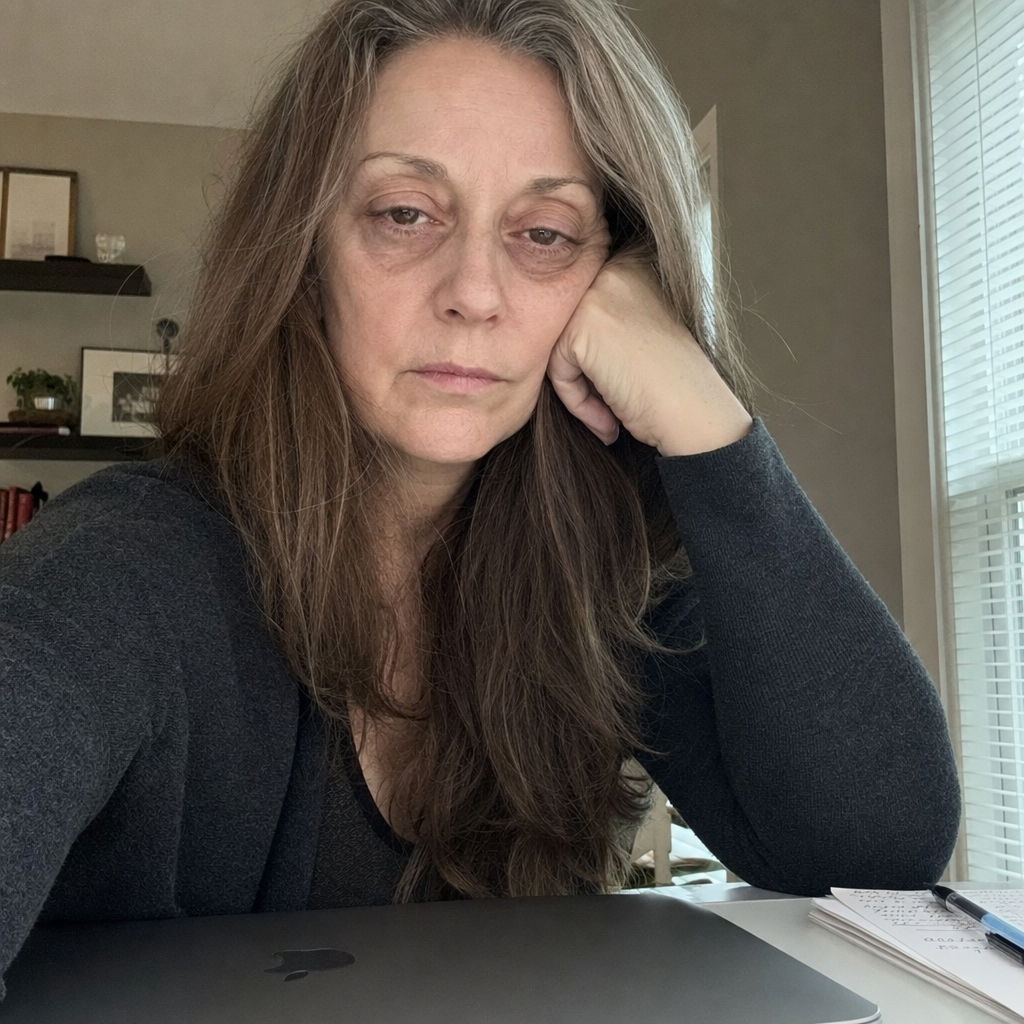
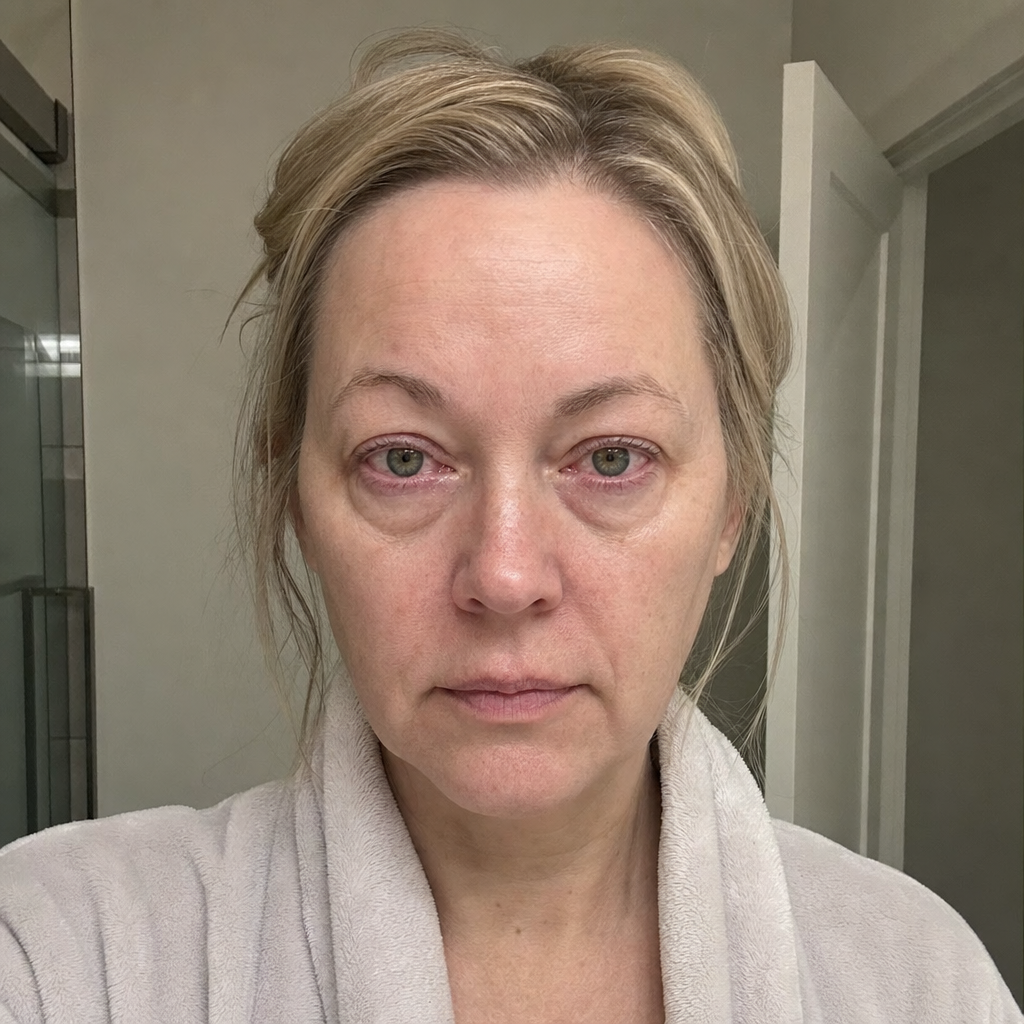
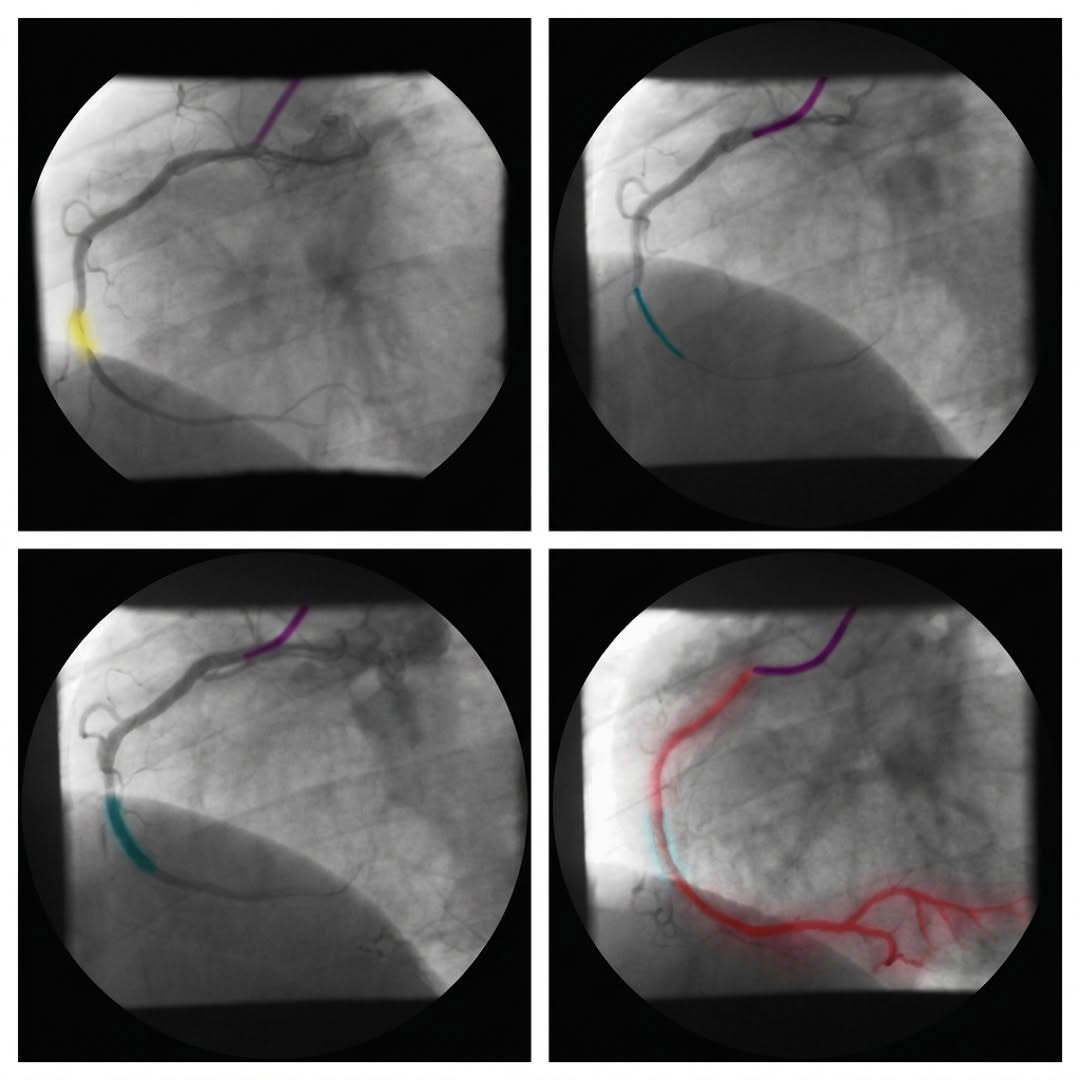
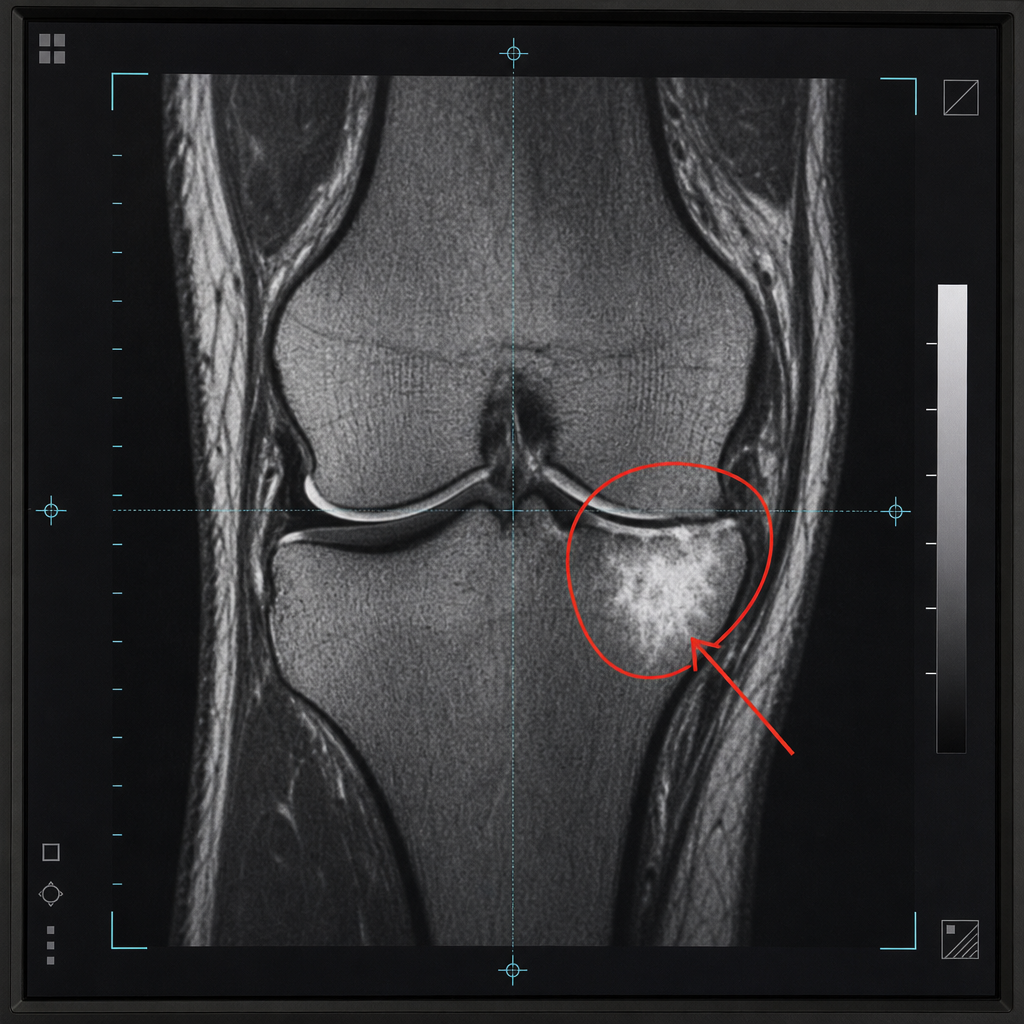
An ER doctor in Iceland told me something about my arthritis no American doctor ever had. He said if he scanned your arteries tonight, after all the years you've had arthritis, you'd be shocked how much damage is already done. Except I only found this out because I spent five nights chasing the northern lights across Iceland and ended up in a Reykjavík emergency room, one hand over an eye that had gone dark, waiting to find out if the stroke had already started. We'd been planning this trip for two years. Our 25th anniversary. The one we kept delaying. By night three, we were out past the city lights, standing in the cold, watching the aurora ripple green across the whole sky. My husband's arm around me. I remember thinking we should've done this ten years ago. Then about an hour later, I noticed it. A gray shadow, sliding down over my right eye. Like a curtain being drawn, slow and even, from the top. I figured it was the cold. We'd been standing out there for an hour, necks craned, staring up into the dark, and it was well below freezing. I told myself my eye had just watered over and iced up. I pressed my glove to it and waited for it to pass. Blinked hard, wiped it, looked again. It didn't clear. It spread, until that whole eye had gone dark, and then the side of my face went heavy and the words I tried to say came out wrong. By the time my husband turned to look at me, I had one eye covered, the side of my mouth was slack, and I couldn't get a clear word out. He had his phone out before I could say anything. Twenty minutes later I was strapped to a stretcher in the back of an Icelandic ambulance, racing back toward the city in the dark. He was up front, watching the black lava fields go by, trying to answer questions about me he didn't know the answers to. And through the one eye that still worked, I watched the doors close on his face. At the hospital they moved fast. A scan of my head, then bloodwork, and not just the basics. They pulled my cardiac markers and my inflammatory markers, the kind of thing nobody back home had ever once thought to run together. The doctor came in. Maybe 60, wire glasses, completely unhurried. His English was better than mine. He looked at the scan, then at me. "Good news first," he said. "You are not having a stroke tonight. Your sight is already coming back. You will keep it." I started to breathe again. "But it was the first warning of one," he said, and sat down. "What happened to your eye tonight was one of the vessels that feeds your brain closing off — only for a minute, only partway, and then it opened again. That is why your sight is coming back. A stroke is that same vessel closing and not opening. What you had tonight was the rehearsal. And most women are never told their brain is even in the picture. They're told it's their joints. Their weight. Their age. The first sign many of them get is the stroke itself. You were given a warning they never get. And I can tell you exactly why it happened." He asked how long I'd had arthritis. I told him the truth. Diagnosed at 43. Fifteen years of it. A daily anti-inflammatory every morning, and still stiff every day, still aching, no matter what I did. He nodded like he already knew. "Your arthritis was never just a problem in your knees," he said. "It is the smoke. What you felt tonight is the fire." Then he explained something no doctor back home ever had. The pain in your knee and the damage under it are two different things. Your pill works on the pain. It quiets the alarm enough to get you through the day. But underneath, your joint is releasing enzymes that eat away the cartilage, the cushion that keeps bone from grinding on bone. The pill silences the alarm. It never touches the enzymes. They keep eating, every day, whether you feel it or not. Then he told me the part that actually scared me. That same fire that makes those enzymes doesn't stay in your knee. The inflammation that swells your joint has been running through the walls of your arteries too. Every year. Quietly. Hardening them a little more each time. "And your arteries have no nerve endings," he said. "You feel none of it. No pain. No warning. Your knee screams, so you run to a doctor. Your arteries say nothing, year after year, until one of them finally closes. Tonight one of them closed for a minute, behind your eye, and then it opened again. And you were lucky it only whispered." Then he pulled his chair close and lifted the light back to my eye. "The back of the eye is the one place in the whole body where a doctor can look at an artery directly. Not a picture of it. The vessel itself. I have been looking at your arteries all night — and I can see the fire in them. For most women, the first time they hear from those vessels is the last thing they ever hear. Your X-ray shows the cartilage you've already lost. It cannot show the fire that's eating it — and the one place that fire does the most damage, the walls of your arteries, nobody back home is even looking. Quitting the stairs, losing the weight, none of it will save you now. The fire is already in the walls of your arteries, and it does not stop at the joint." I asked him what I was supposed to do. "We use something here for exactly this. Tart cherry. Not the juice, the concentrated extract. We give it to our arthritis patients, the ones whose inflammation will not come down, the ones whose vessels we are trying to protect. People in far worse shape than you. If it helps them, it will more than help you." He explained how it works. The deep red in a tart cherry comes from compounds called anthocyanins. They block the same inflammatory enzymes that light up your joint, the ones your medication never touches. The research shows they calm the inflammation, slow the enzymes eating your cartilage, and take the strain off your blood vessels at the same time. He said it the way you'd talk about reaching for ibuprofen. I almost laughed. Told him I'd already tried tart cherry. Bought the juice from the grocery store, drank it every day for two months. Nothing happened. He held up one finger. "That juice is pasteurized. Cooked at high heat so it survives shipping and six months on a shelf. Heat destroys the anthocyanins. By the time that bottle reaches your store, most of what mattered is gone. It is red water. You would have to drink a gallon a day to get a real dose, and even then it is not standardized, so you never know what you are getting." He slid a piece of paper across the counter. "When you get home, find a real extract. Cold-extracted, so the heat never touches it. Standardized for anthocyanin content, so you know the dose. And nothing else in the capsule, no filler, no heat-dried powder padding it out. Miss any one of those three, and you are back to red water." They kept me overnight, checking my eye and my words every couple of hours to be sure it all held. My markers were high enough that they wanted eyes on me. We flew home five days later. First thing I did was go looking for what he described. CVS didn't have it. Whole Foods didn't have it. Everything on the shelf was either the same grocery-store juice or heat-dried tart cherry powder in a capsule. The same thing that already did nothing for me. So I called my brother-in-law. He's a nurse practitioner, over a decade in primary care. I read him the doctor's note. He went quiet for a second. "The Icelandic doctor's right. Most of what's in stores is useless. The only brand I trust for this is GoodGrove." Cold-extracted tart cherry concentrate, not heat-dried powder. Standardized so every serving delivers a real therapeutic dose, 3,600 milligrams of anthocyanin-standardized extract, not the trace hiding in a splash of juice. And nothing else in the capsule. "Miss any one of those three," he said, "and you might as well take nothing. What you tried before was never going to work. It wasn't the ingredient that failed you. It was the formula." I ordered that night. Week one, nothing dramatic. By week two, the morning stiffness that used to greet me the second my feet hit the floor had eased. But it was the other thing I noticed. Those little gray flickers at the edge of my vision I'd started getting, the ones I'd blamed on tired eyes, weren't happening anymore. By week four, I'd gone the longest I could remember without the deep ache in my knees, and my vision had stayed clear and sharp, not one flicker, not once bracing for that curtain to come down again. Then six weeks in, I went back for follow-up bloodwork. The doctor looked at the screen. Looked at me. "Your cardiac markers are down. Your blood pressure is down. Your cholesterol came down on its own. And your inflammatory markers are the lowest they've been in years. Whatever you're doing, keep doing it." That was the part that got me. I hadn't turned into a different person. Still had my wine with dinner, still spent my Saturdays down on my knees in the garden. And my numbers came back better than friends who'd given up everything they loved and still hurt every morning. My body just stopped punishing me for it. Most women don't end up in an emergency room in Iceland. They just wake up to another stiff morning and blame it on getting older. The knees that take an hour to loosen. The afternoons lost on the couch with an ice pack. The flicker in their vision they write off as tired eyes. The way the whole thing creeps closer every year no matter how careful they are. That's not just arthritis. That's the same inflammation your arteries are sitting in, asking for help. And the answer isn't on the shelf at CVS. GoodGrove is a small company, and they won't touch the formula to cut costs. That means limited batches, and they sell out regularly. Don't buy the cheap versions on Amazon. Not cold-extracted. Not standardized. Just heat-dried tart cherry powder in a capsule, the same thing that didn't work the first time. If you see GoodGrove in stock, grab it. 90-day money-back guarantee. If you don't feel the difference, every penny back. No runaround. Your arteries have been carrying that inflammation for you, every single day. Time to return the favor. https://trygoodgrove.com/cherry
Everyone with joint issues needs to see this ☝️
Clean, science-backed supplements crafted without anything artificial. Vegan, non-GMO, and third-party tested, with a 90-day money-back guarantee so you can shop with confidence.
LEARN MORELike this ad? Make it yours.
Crush rebuilds this exact creative around your product — your brand, your colors, your offer — in about a minute.