
Inactive· since May 9, 2026
- 86
- days it ran
- 1
- relaunches
Ad copy
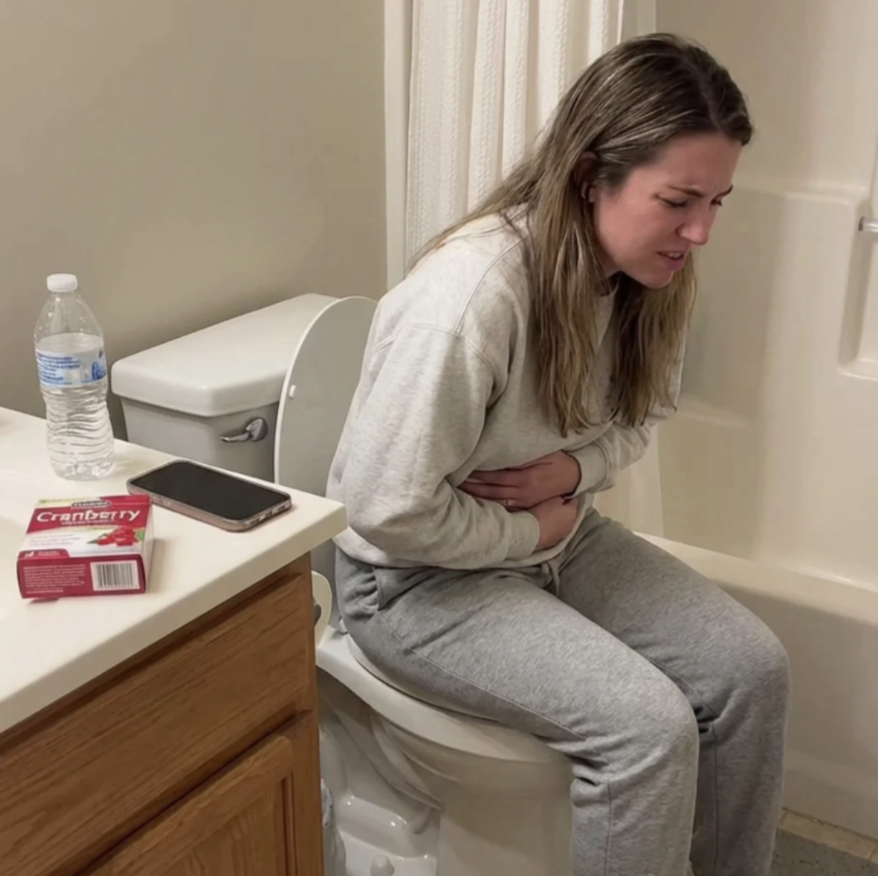
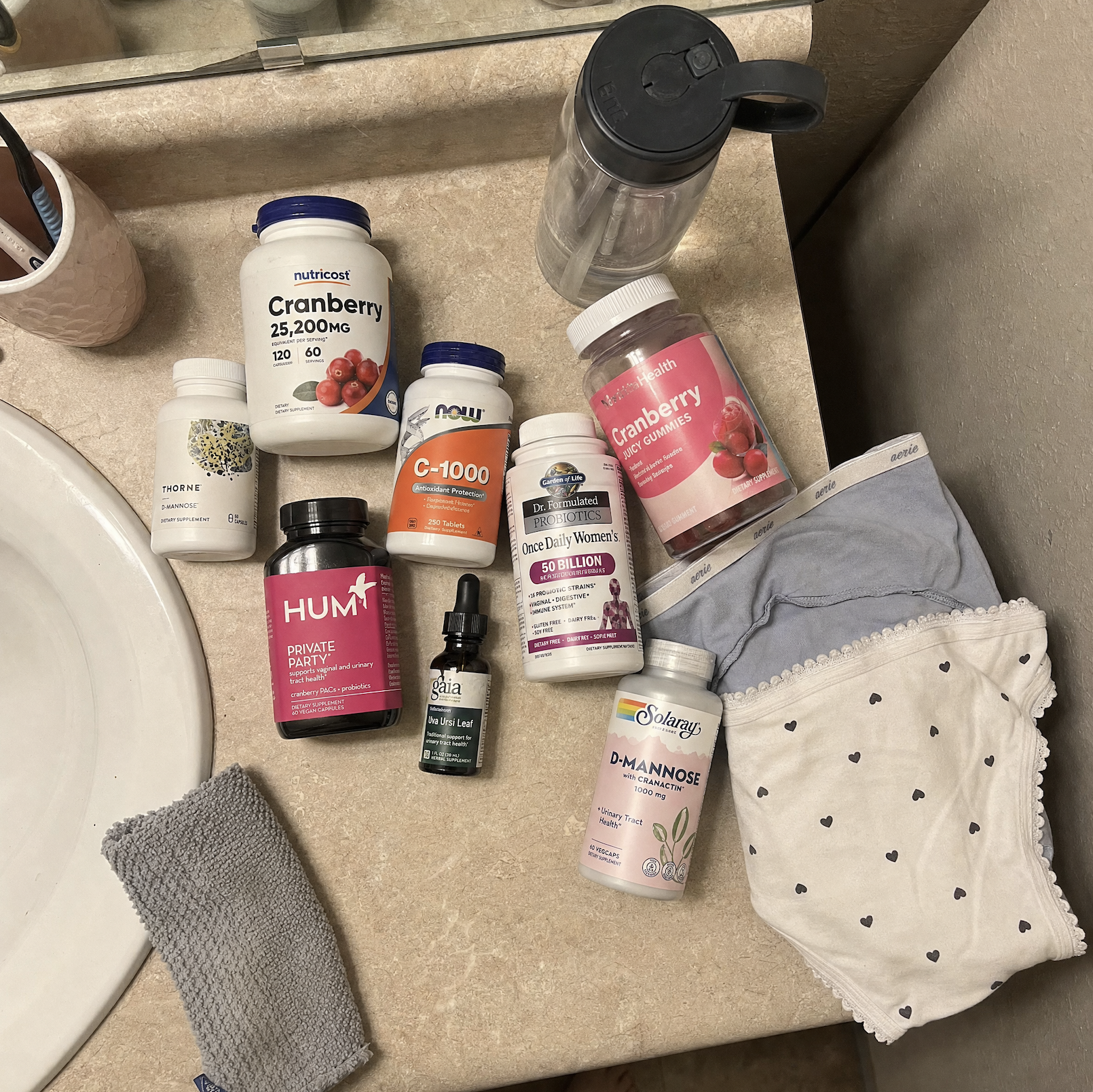
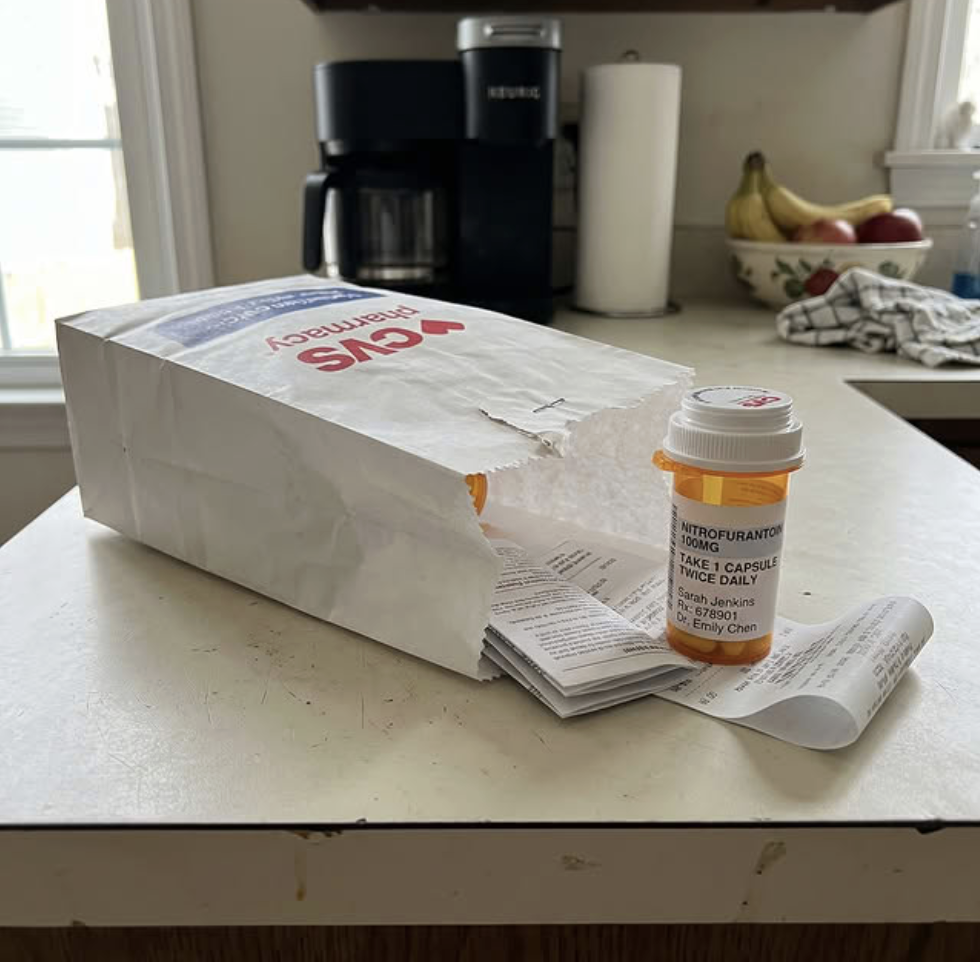
I Refused Daily Antibiotics for 2 Years. Here's What Happened to My Recurring UTIs. I've been a nurse practitioner in women's health for 24 years, and recurring UTIs are one of the hardest things I watch my patients go through. Not the infections themselves. The cycle. The phone call every few weeks — the same voice, the same exhaustion, the same "it's back." The same prescription called in. The same temporary relief. And then the same call again a month later. I've sat across from women who have done everything right. Every lifestyle change. Every supplement. Every piece of advice their doctors and the internet have given them. And they're still sitting in my office, again, with the same infection they had six weeks ago. I've watched women stop traveling. Stop being intimate with their husbands. Stop making plans more than a week out because they never know when the next one is going to hit. I've watched confident, vibrant women slowly become afraid of their own bodies. And every time, the only tool I've had to offer them is another round of antibiotics. Or a referral. Or the conversation I dread most — the one where I have to suggest daily prophylactic antibiotics. A low-dose antibiotic, every single day, indefinitely. Just to keep the infections from coming back. I've had that conversation probably a hundred times. It never gets easier. Because I know where this leads.. ======== I know because I watched it happen to my mother. My mom started getting UTIs in her early fifties. Right around menopause, like so many of my patients. Her doctor put her on antibiotics — a standard course, nothing unusual. Cleared it up. She felt fine for a couple of weeks. Then it came back. Another course. Then another. By the end of the first year, she'd been on antibiotics six times. Her doctor started talking about a daily prophylactic. Low-dose Macrobid. "Just to stay ahead of it," he said. She agreed because she trusted him. Because she was exhausted. Because she didn't know what else to do. She was on that daily antibiotic for almost eight years. And I watched what it did to her. The gut problems started within the first few months. Bloating so bad she'd unbutton her pants after every meal. Nausea that came in waves. Foods she'd eaten her whole life suddenly didn't agree with her. She went to a GI specialist who ran every test and told her it was probably IBS. Put her on a low-FODMAP diet. Nobody connected it to the antibiotic she was taking every single day. Then the yeast infections started. One after another. Because the antibiotic wasn't just killing the bacteria causing her UTIs — it was wiping out the Lactobacillus colonies that kept everything else in balance. So now she was on an antibiotic AND an antifungal. Two medications to manage the side effects of a treatment that wasn't even fixing the original problem. Her energy disappeared. She used to be the person organizing holidays — decorating, cooking for twenty people, staying up wrapping presents after everyone went to bed. By year five on the daily antibiotic, she was asleep on the couch by eight o'clock. She stopped hosting. She stopped volunteering at church. She told me once, very quietly, that she felt like she was getting old faster than she was supposed to. And after all of that — the gut problems, the yeast infections, the exhaustion, the IBS diagnosis, the antifungals on top of the antibiotics, a life that got smaller every year for eight years — the UTIs still came. Not as often. Maybe three or four a year instead of six. But they never stopped. Let me say that again because I need you to understand what I watched my mother trade. She gave up her digestion. She gave up her energy. She gave up hosting holidays and volunteering at church and staying awake past eight o'clock. She gave up foods she'd eaten her whole life. She spent eight years taking a pill every single day, and at the end of those eight years she was still getting UTIs. Still sitting in that same doctor's office. Still hearing the same thing — "let's adjust the dose." The medication didn't solve the problem. It just made her sicker in new ways while the original problem continued underneath. She traded her quality of life for a marginal reduction that never once came close to actually stopping the infections. Eight years. And she was worse off than when she started — because now she had the UTIs AND the gut damage AND the yeast infections AND the exhaustion. The antibiotics didn't just fail to fix it. They added to the bill. That always stayed with me. Not as a daughter — as a clinician. Because if eight years of daily prophylactic antibiotics couldn't stop the infections, then we weren't treating the right thing. The antibiotics were never going to work — because there was something they couldn't reach. I just didn't know what it was yet. ======== About two and a half years ago, it started happening to me. I was 52. Just past menopause. And I got my first UTI in probably fifteen years. I wasn't concerned. I treated it. It cleared. Six weeks later, it came back. I treated it again. Then again. And again. Four infections in seven months. I sat in my own bathroom at two in the morning with that burning sensation and thought — this is exactly how it started for my mom. This is the same trajectory. And I know exactly where it leads. My physician ran the standard workup. Culture positive for E. coli, as expected. Prescribed Macrobid. We talked about my options. And then she said it. "Have you thought about a low-dose prophylactic? Daily Macrobid, just to get ahead of—" "No." It came out harder than I intended. She looked at me. "I'm sorry," I said. "I just — my mom was on a daily prophylactic for eight years. I watched what it did to her. I can't go down that path." She nodded. She understood. But she didn't have anything else to offer me. So I did what I tell my patients not to do. I tried to handle it myself. D-mannose after sex and before bed. Standardized cranberry extract — the 36mg PAC version, not the grocery store juice. Vaginal probiotics. I was already on systemic HRT and vaginal estrogen. I adjusted my diet. I was militant about hydration. Four months of doing absolutely everything right. Two more infections. At that point, I started to understand something about my patients that I hadn't fully grasped before. The helplessness. Not the helplessness of not knowing what to do — the helplessness of doing everything you're supposed to do and having it not be enough. That's a different kind of hopeless. And it's the one I'd been watching women sit across from me and feel for 24 years. Now I was feeling it myself. ======== About three months into this, one of my long-term patients came in for a routine follow-up. Margaret. Mid-sixties. Recurring UTIs for almost seven years. I'd personally managed her through probably thirty infections. We'd tried everything together — every supplement, every lifestyle modification, every rotation of antibiotics. She'd been on daily prophylactic Macrobid for the last two years. I was expecting the usual. Another refill. Another conversation about whether the prophylactic was still worth the side effects. But something was different about her. She seemed lighter. She was wearing a dress I hadn't seen before. She laughed at something my nurse said in the hallway — a real laugh, not the polite one. I pulled up her chart. "Margaret, when was your last UTI?" She smiled. "Fourteen months ago." I looked at the screen. Looked at her. Back at the screen. Fourteen months. This was a woman who'd been averaging one every five to six weeks for seven years. "What changed?" She leaned forward a little, like she was about to tell me a secret. "I found something. And I know how this sounds coming from a patient to a nurse practitioner. But this is the only thing that's ever actually worked. Not managed it — stopped it." She told me she'd been taking a supplement. Something with propolis — bee propolis. She'd found it through a women's health group online. She was very specific that it wasn't the regular kind. That she'd tried regular propolis before and it hadn't done anything. This was different. The brand was called Melliva. I'll be honest. I smiled and nodded and made a note in her chart. But inside, I was skeptical. After 24 years in this field, I've heard every supplement story there is. Patients swear by things that, when you look at the data, have no meaningful clinical effect. It's usually placebo combined with natural symptom fluctuation. But Margaret wasn't like that. She was sharp. She was a retired professor. And she'd been in that cycle for seven years — long enough that I could rule out fluctuation. Fourteen months with no infection. I went home that night and I couldn't stop thinking about it. ======== So I started looking into it. Not as a patient browsing the internet. As a clinician going through the research. And that's when I found the biofilm literature. I'd heard the term before — biofilms come up in wound care, in catheter infections, in dental research. But I had never once — not in my training, not in 24 years of practice, not in a single continuing education course — heard anyone connect biofilms to recurring UTIs. But the research was there. And it wasn't fringe. These were published studies from European universities, peer-reviewed journals, clinical microbiologists. The mechanism was simple enough that I felt almost embarrassed for not knowing it. When E. coli infects the bladder, it doesn't just float in the urine. It adheres to the bladder wall and forms a protective matrix around itself — a biofilm. A wall. The bacteria sit behind that wall where antibiotics can't reach them. The antibiotic clears what's floating in the urine — that's why the culture comes back clean, that's why the symptoms go away. But the colony behind the wall is still there. Intact. Waiting. And when the antibiotic course is over, they re-emerge into an environment that now has fewer defenses than it did before. Because the antibiotic wiped out the protective Lactobacillus along with everything else. That's why the infections keep coming back. Not because of hygiene. Not because of non-compliance. Not because of bad luck. Because we've been treating the bacteria we can see and ignoring the ones we can't. I sat at my kitchen table reading this at midnight and felt something I hadn't felt in a long time. Anger. Not at anyone in particular — at the gap. The gap between what the research clearly showed and what I'd been taught. What I'd been practicing. What I'd been telling my patients for over two decades. I had been managing a symptom cycle. Not treating a cause. ======== The next question was obvious. What breaks down a biofilm? The research pointed to propolis. Specifically, certain flavonoid compounds in propolis that had been shown to disrupt biofilm matrix structures. This wasn't new — European researchers had been publishing on this for years. So propolis was what Margaret had been taking. But here's where my clinical training actually helped me, and where I think most women get lost. I went on Amazon and looked at what's actually being sold as "propolis supplements." It's a mess. Most of them are raw propolis powder — ground-up bee resin in a capsule. Mostly wax and filler. The active compounds — the flavonoids that the research actually tested — are present in trace amounts. You'd need handfuls of capsules to approach anything resembling a clinical dose. And that's before you even consider contamination. Bees are foragers. They collect resin from plants within a 3-to-5 mile radius of their hive. If there's commercial agriculture nearby — pesticide-treated crops, herbicide runoff, anything — those chemicals end up in the propolis. In the honey. In everything the hive produces. Most commercial propolis comes from hives near farmland. It's contaminated before it ever reaches the bottle. The studies that showed real biofilm disruption used a specific type — Brazilian green propolis. From hives deep in the Atlantic Forest of Brazil, where the bees feed on a native plant that produces uniquely high concentrations of the active compounds. No commercial agriculture for miles. No pesticide contamination. And the extraction matters. Heat destroys the compounds. Most companies use heat processing because it's cheap. The studies used cold-extracted propolis, where the active compounds stay intact. I ordered one of the popular Amazon brands anyway. 1,000mg raw propolis. Took it for six weeks. Still got an infection. Tried another one — a "biofilm defense" blend with enzymes and some probiotics. No propolis at all. Eight weeks. Nothing. Then I went back to what Margaret had told me. She'd been specific. She'd said most propolis didn't work. She'd said this one was different. Melliva. I looked them up, expecting to be disappointed again. Brazilian green propolis. Cold-extracted. Standardized to actual active compound levels. Sourced from remote hives in the interior of São Paulo state — no commercial agriculture within 80 kilometers. And it wasn't just propolis. It included fermented bee bread — a natural source of Lactobacillus and Bifidobacterium. The exact probiotic strains the bladder needs to rebuild the defenses that antibiotics destroy. Break the wall. Rebuild what was lost. In that order. My next checkup was in eight weeks. If I got another infection before then, I knew what was coming. The prescription. The daily prophylactic. My mother's path. I ordered it that night. ======== Week one. Nothing I could feel. I took it every morning and tried not to think about it. Week two. No infection. That alone wasn't unusual — I could go two weeks between them sometimes. But I noticed something I hadn't expected. The low-grade urgency I'd been living with — that constant background feeling of needing to pee, even when I didn't — had quieted down. Not gone. Just quieter. Week three. Still nothing. I was checking my calendar. Three weeks was usually my outer limit. Week four. Four full weeks. No infection. I didn't want to trust it yet. But my body felt different. Calmer. Like something that had been inflamed for a long time was settling down. Week six. I realized I'd gone a full day without thinking about it. Not once. No calculating when my last bathroom trip was. No scanning for the first hint of burning. No preemptive cranberry. I just lived my day. It sounds like such a small thing. It's not. Week eight. Two months. I went back to my physician. She pulled up my chart. Looked at the gap. "When was your last UTI?" "Nine weeks ago. And nothing since." She looked at the screen for a long time. "What did you change?" I told her. The biofilm research. The Brazilian green propolis. The bee bread. What the studies showed. Why most propolis supplements don't work. She listened. She asked questions. She wrote down the name. And she didn't reach for her prescription pad. ======== That was eleven months ago. I have not had a single infection. But I want to tell you what actually changed, beyond the number on my chart. I sleep through the night now. Not because I was waking up with infections — because I was waking up with anxiety. That 2am jolt where your body half-wakes and the first thing your mind does is scan for symptoms. Is it starting? Do I feel it? The scan stopped somewhere around month three, and I didn't even notice until my husband mentioned that I'd stopped tossing. I'm intimate with my husband without doing math afterward. Without lying there calculating. Without waking up the next morning and immediately checking for that first whisper of burning. That mental ritual is just… gone. I didn't realize how much of my relationship I'd surrendered to this problem until it stopped taking it. Last month, my daughter invited me on a girls' trip. Three nights. Shared bathroom. A full day of wine tasting. A year ago, I would have said no. I would have invented an excuse because I couldn't face the possibility of being trapped in someone else's bathroom at 3am with an infection, trying to be quiet, trying not to ruin everyone's weekend. I said yes. I went. I didn't think about it once. I came home and sat in my car in the driveway for a minute before going inside. Because I realized I'd just done something I thought I'd lost. Something so basic that most people wouldn't even think about it. I went on a trip without being afraid of my own body. ======== I went back through my patient list after all of this. I thought about every woman I'd put on a prophylactic antibiotic. Every woman I'd counseled through the same cycle. Every woman who'd sat in my office doing the defensive list — "I DO pee after sex, I DO drink water, I DO wipe correctly" — with that look in her eyes that I now understood from the inside. The look that says: I know I'm not doing anything wrong. So why does everyone keep acting like I am? I started sharing what I'd learned. Carefully. Not replacing treatment plans — adding context. Explaining the biofilm research. Explaining why the cycle keeps repeating. Explaining what the antibiotics can and can't reach. The response has been overwhelming. Women crying in my office. Not from sadness — from relief. Because someone finally explained to them what was actually happening. And it wasn't their fault. ======== If you're reading this and you recognize yourself — the cycle, the antibiotics, the supplements that don't work, the hygiene lectures, the slow loss of spontaneity and confidence and closeness — I'm not going to tell you to do anything. I'm just going to tell you what I wish I'd known two years ago. What I wish I'd known twenty-four years ago, when I started managing women through a problem I didn't fully understand. The bacteria aren't floating around waiting to be killed. They're behind a wall that antibiotics can't reach. Every round of antibiotics clears what's visible and destroys the defenses that were keeping the rest in check. That's why the cycle gets worse. That's why nothing has worked. It was never your hygiene. Melliva is what broke the cycle for me, and it's what I now share with my patients who ask. Brazilian green propolis from remote hives where there's not a pesticide for 80 kilometers — to break the wall. And fermented bee bread to rebuild the bacterial defenses that years of antibiotics have destroyed. They have a 90-day money-back guarantee. Take the full protocol. If it doesn't work, you get every penny back. Here's where I got mine: [link] — Karen Mitchell, NP P.S. — A few things I wish I'd known before ordering. Most propolis supplements are not this. They're raw powder from contaminated hives, heat-processed, with a fraction of the active compounds. If you've tried propolis before and it didn't work, that's why. I tried two brands before Melliva and neither did anything. The source and the extraction method are everything. P.P.S. — Margaret — my patient who started all of this — she came in for her annual last month. Twenty-six months with no infection. She's off the prophylactic antibiotic entirely. Her gut problems have resolved. She told me she feels like she got five years of her life back. She's not wrong.
I hope this helps :)
Introducing the only formula that breaks down bacterial biofilms and restores your vaginal ecosystem — so you can finally stop worrying about odor, infections, and discomfort.
LEARN MORELike this ad? Make it yours.
Crush rebuilds this exact creative around your product — your brand, your colors, your offer — in about a minute.