Emily Grace Anderson
 Facebook ad: “3 Stages of Nighttime Bladder Failure”
Ran for 2 days, from October 28 to October 30, 2026, the last day Crush saw it.
Run by Emily Grace Anderson on Facebook. Crush is not the advertiser and does not verify its claims. See this ad in Meta's Ad Library(opens in a new tab)
Make your own version of this ad
Crush makes it, launches it in your own Meta ad account, scales the winners and pauses the losers.
About this ad
- Meta Ad Library ID
- 1325898356232985
- Platforms
- Facebook, Instagram and Threads
- Relaunches
- 0
Ad text
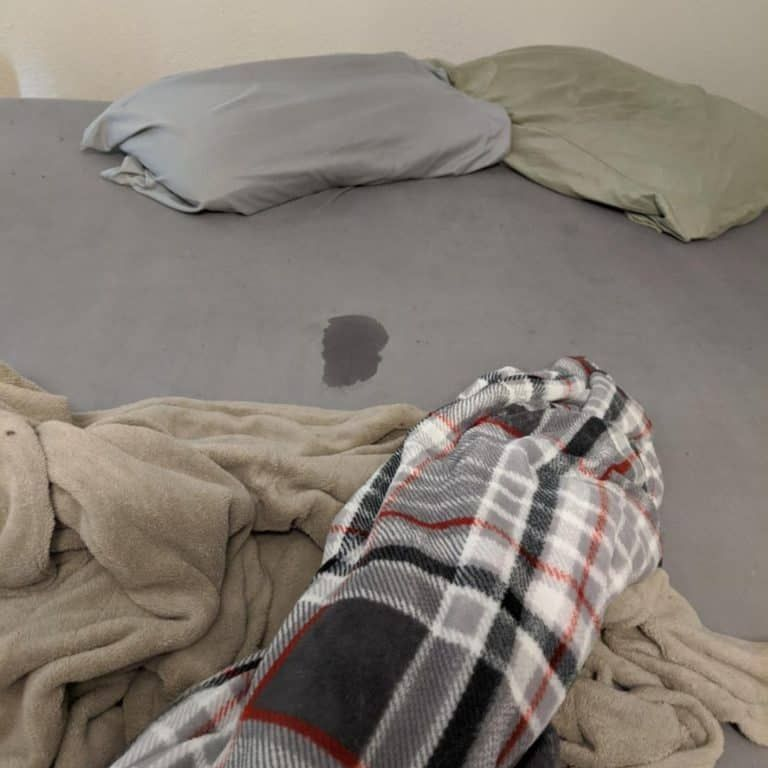
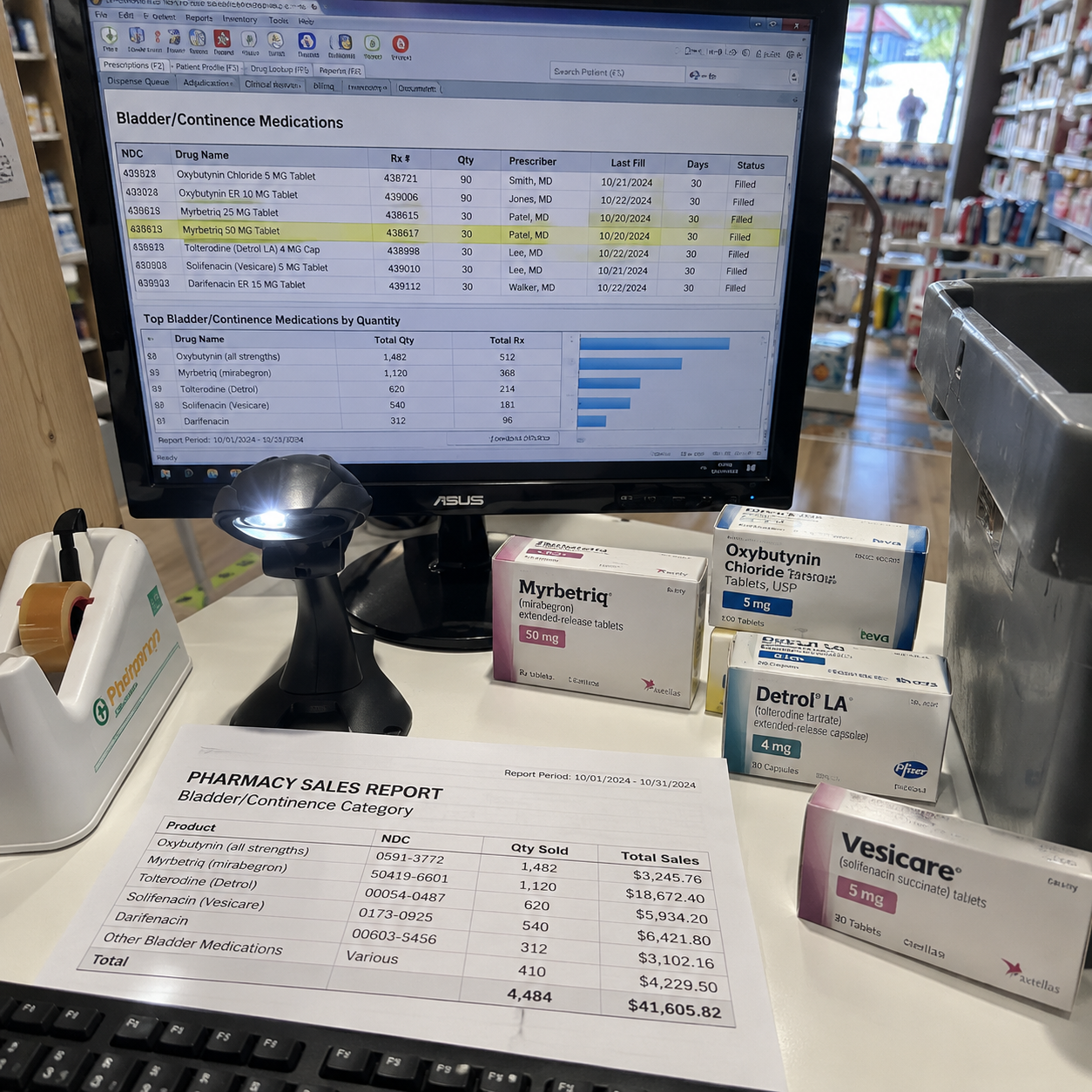
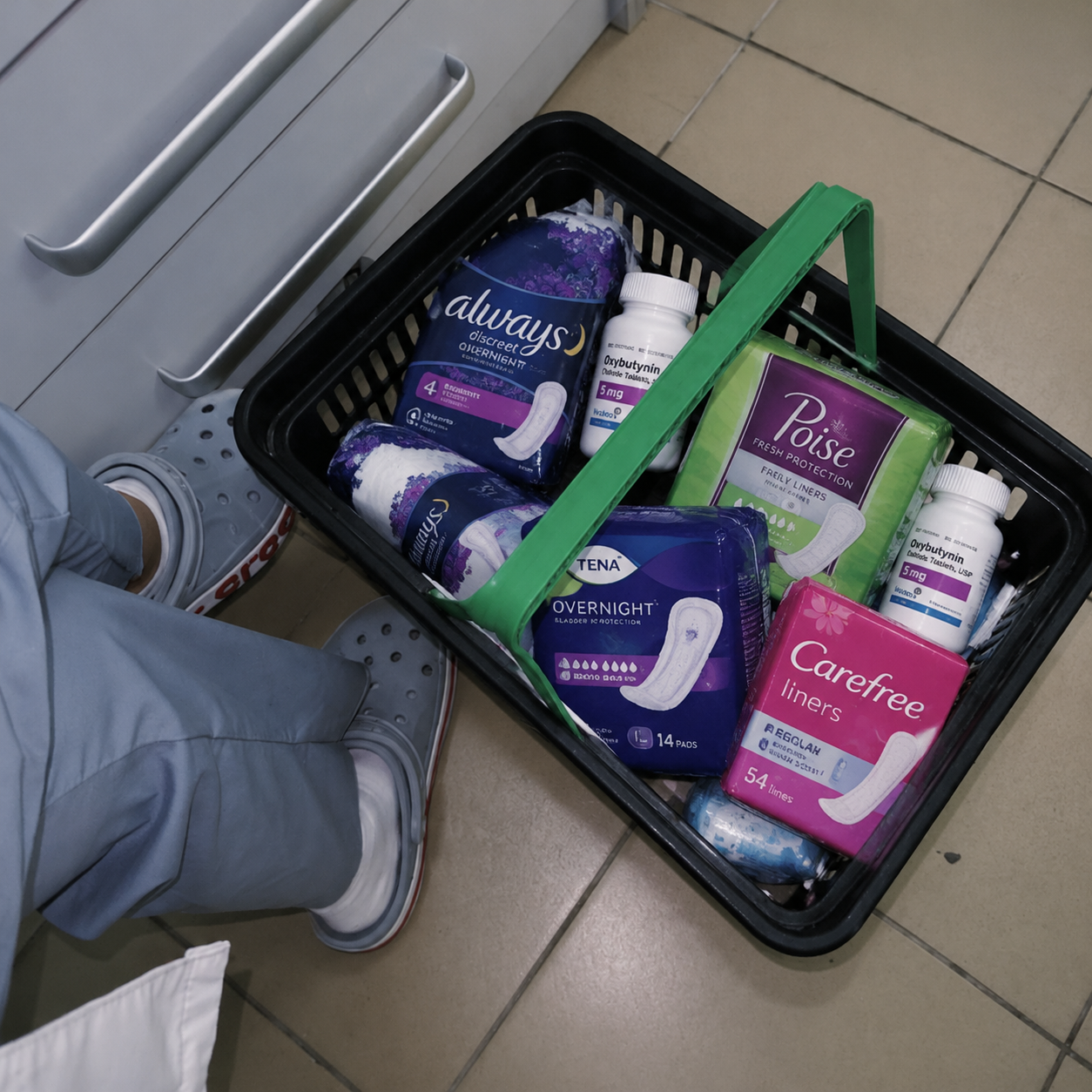
There are three stages of nighttime bladder failure. Stage 1 is cutting off your water at seven in the evening. Stage 3 is the plastic sheet on the mattress. Here is how to know if you're in Stage 2. I'm a pharmacist. After 31 years behind a counter in a small Ohio town, the scariest thing I see isn't a wrong dose. It's a woman over 60 who believes that waking up three or four times a night to pee is just part of getting older. It isn't. I know, because I can see where each of these women is headed, just from what she puts on my counter. Stage 1 women ask me for a tea. Stage 2 women ask me to put the bag where nobody can see it. Stage 3 women don't ask me anything at all. And not one of them knows why it keeps getting worse, year after year, no matter what she does. Let me start with who I am, and why I began keeping notes on the women who walk up to my counter. My name is Emily Anderson. I'm 62. I've been a pharmacist for 31 years, the last 24 of them at an independent pharmacy in a small town in Ohio. I know most of my customers by their first names. I know their grandkids' names. I know who takes a blood thinner and who takes three different pills just to sleep. And I know who is quietly losing a fight with her bladder. Nobody tells a pharmacist. A woman will say "it's nothing" to her husband and "it's just age" to her doctor. But the counter doesn't lie. You can't hide a refill. You can't hide what's in your basket. Over the years I noticed that these women didn't wander. They moved in one direction, slowly, and almost always in the same order. I started calling it the three stages. Nobody taught me that. I made it up behind the register, one refill at a time. Stage 1 is cutting off water. It starts so quietly that it doesn't feel like a problem. She's 58, or 60, or 63. She's up once in the night. Maybe twice. So one evening she decides to stop drinking anything after dinner. Then after four. Then she's rationing sips by lunchtime. She buys a package of thin liners "for the odd sneeze." She buys a box of bedtime tea, because someone at church swore by it. She tells me with a little laugh that her bladder is "getting lazy." I'd like to say I never did it myself. But some months ago, at six minutes to seven on a Tuesday evening, I stood at my kitchen sink and poured a full glass of water down the drain. I'd been up three or four times a night for weeks. I was tired in a way coffee couldn't touch. And I'd decided that being thirsty was cheaper than being awake. My husband walked in and saw me do it. He didn't say anything. He just looked at the glass, and then at me. I had tried everything I'd tell a customer to try. A bedtime tea. Less coffee. A pelvic floor app on my phone that pinged me at lunch. Going "just in case" before every car ride. Each one bought me a week of hope. Then the nights went right back to what they were. And I'm a pharmacist. If I couldn't make it stop, what chance did a woman with no one to ask? Here's what makes Stage 1 so sneaky. It works. A little. The first week she cuts off her water, she's up one less time. She feels clever. What she doesn't see is what comes next. Her mouth is dry. She gets headaches. She gets constipated. And what does come out is darker and stronger, which, I'd later learn, is exactly what a sensitive bladder can't stand. So within a year, the less she drinks, the louder her bladder complains. Stage 2 is the pill. One day she comes in with a prescription. Oxybutynin, usually. Sometimes Myrbetriq. I know what these do. I counsel on them every week. Oxybutynin blocks the signal that tells the bladder muscle to squeeze. Less signal, less urgency. Myrbetriq relaxes the muscle itself. Different route, same job. Both turn the volume down. And I do my job. I tell her about dry mouth, constipation, and the foggy feeling some women get. I tell her to call her doctor if it's too much. She nods the way people nod when they've stopped listening. For the first few months, it helps. Then comes a refill pattern I could draw from memory. Month three, the dose goes up. Month eight, a second drug joins the first. The thin liners become overnight pads. And she stops letting me hand her the bag. She says, very quietly, "Could you put that in a bag where nobody can see?" I always do. I have never once let on that I notice. Here is how to know if you're in Stage 2. One. You're up at least three times a night, and the trips aren't big. You go, you barely pass anything, and you're back in bed within a minute. Two. You've started arranging your whole evening around when to stop drinking and when to take your pill. Three. Your bathroom trips feel like emergencies, even though your bladder isn't actually full. Two out of three? You're in Stage 2. I'm sorry. I know that isn't what you hoped I'd say. Stage 3 is the plastic sheet. I see Stage 3 at my counter more often than I'd like to admit. It doesn't start with a dramatic night. It starts with one accident in bed. One wet sheet at four in the morning. She strips it herself, quietly, so her husband won't wake. She runs the washing machine before sunrise and hopes the noise doesn't carry. Then it happens again. So she comes to me for a waterproof mattress cover. She buys the cheapest one. She never reads the box. A week later, she's back for a thicker one, because the cheap one "makes noise." That's always the phrase. It crinkles. Let me tell you about Dolores. I've changed her name and a few details, because Dolores isn't one woman. She's a woman I see in different faces over and over. If you're reading this, you may recognize her. You may be her. Dolores was 71. She'd managed a school cafeteria for thirty years, and she was the kind of person who never dropped a ball. She'd been on Oxybutynin for three years, and then Myrbetriq on top of it. One afternoon she came to the counter with a waterproof mattress cover and a stack of bed pads. She set them down, and she didn't look at me. "Emily," she said. "I haven't slept next to my husband in two years." I waited. "Forty-six years married. And I told Hal I snore." She'd moved into the guest room. She told him it was the snoring. He believed her, or he pretended to, which she said was somehow worse. "I can hear the plastic every time I roll over," she said. "And I can hear him not asking." Then she looked up, and she asked me a question. "If these pills are working, Emily, why does it get a little worse every single year?" I opened my mouth, and nothing came out. I'm a pharmacist. I can tell you what every one of those pills does. I can tell you the dose, the half-life, and the side effects. And I could not tell her why they never seemed to catch up. I told her to ask her doctor. "I did," she said. "He told me it's my age." I closed up that night, and I stayed at the pharmacy for another two hours. I pulled up the refill history for women on these drugs, with the names off my mind and just the pattern in front of me. Dose up. Second drug added. Pads, then thicker pads. The same staircase, over and over. I stopped looking at the pills. And I started looking at the bladder itself. For the next two months, I read after closing. Every night. Not about the muscle, which every drug and every exercise is aimed at. About the wall. Here's what I learned, in the plainest words I can find. The inside of your bladder is lined with a very thin, slippery coat. Scientists call it the GAG layer. Its job is simple. Urine isn't just water. It carries salts and acids your body is trying to get rid of. That coat keeps all of it off the sensitive wall underneath. Every day, a little of that coat wears away, the way the finish wears off a front step. When you're younger, your body rebuilds it as fast as it wears. Estrogen helps with that job. After menopause, estrogen drops, and the rebuilding slows down. Not stops. Slows. Think of the varnish on an old kitchen table. For years, you can set a hot cup anywhere on it and nothing happens. Then one day you notice a pale ring. Not because that cup was hotter than the others. Because the varnish had worn thin in that spot. After that, every cup leaves a mark. And the bare wood underneath starts to soak things up. Your bladder wall is that wood. The salts and acids in your urine are the hot cups. When the coat gets thin, the wall gets irritated by urine it used to ignore. And an irritated wall sends the "I'm full" signal early. Not when the bladder is full. When it's a third full. Then half. Now think about the middle of the night. During the day, you're busy. You're walking, talking, distracted. At two in the morning, lying still in the dark, a bladder that's reporting "full" too early is the loudest thing in the house. Now look at the three stages again. Stage 1 is when the coat first thins in a few spots. The bladder reports "full" a little too soon. You wake one more time than you used to. You cut off your water, and you tell yourself it's habit. Stage 2 is when the thin spots spread. The bladder reports "full" at the halfway mark. You're up three, four times, barely passing anything. A pill quiets the report, but the wall underneath keeps getting more irritated. Stage 3 is when there's hardly any coat left in places. The signal fires so often and so hard that the bladder stops waiting for you. And the plastic sheet goes on the bed. I started calling it the GAG Shield Breakdown. Not because the shield vanishes overnight. Because it wears down in stages, and every stage looks like a different problem. I want to be clear. This is how I make sense of it. It isn't a diagnosis, and I'm not a doctor. If you have burning, blood in your urine, fever, or pain, call your doctor today. That's the answer to Dolores's question. The pills weren't failing. They were doing exactly what they were built to do, which is quiet the signal. They just weren't built for the thing that was getting worse, year after year, underneath. Once I saw it, I couldn't unsee every basket I'd ever rung up. The liners and the tea. The prescription in the bag. The plastic sheet. Three different shopping trips, one worn-thin coat. Now here's why nothing Dolores tried ever caught up. Cutting off water. It feels logical. But it makes your urine stronger, and strong urine can irritate a thin coat even more. You're not protecting the wall. You're leaving it with less to dilute what it can't handle. Oxybutynin and Myrbetriq. They quiet the signal. That's all. I've handed them over a counter more times than I can count, and I can tell you, they were never designed to touch the coat. They turn the volume down on a bladder that's still being irritated. Kegels. They strengthen the muscle. I'd never tell a woman to stop them. But the trouble here isn't a weak muscle. It's a worn wall, and no amount of squeezing rebuilds a coat. Pads and mattress covers. They catch what happens after. They cost money every month, and they don't touch the reason. Cranberry pills on their own. They were built for one job. The wall needs more than one. Every shelf in my pharmacy is full of products for the muscle, the signal, and the leak. When I went looking, I couldn't find one built around the coat. Dolores wasn't failing. Her treatments were each doing exactly what they were designed to do. None of them was designed for this. So I asked a different question. Not "how do I quiet the bladder?" But "what does a body need to keep that coat in repair, and calm the wall while it does?" Six names kept coming up. Hyaluronic Acid. It's the part of the coat that holds water, which keeps it slick and flexible. Doctors have used it inside the bladder for years for lining problems. Taken by mouth, it's studied as a way to support the lining. Sea Buckthorn. A berry packed with the fatty acids your body uses to keep moist linings healthy. In northern Europe, people have used it that way for generations. Red Clover Extract. Plant compounds that act like a very gentle cousin of estrogen on tissue that has lost its supply. It isn't hormone therapy, and it doesn't replace it. Cranberry Extract. Not for infections, which is what most women think it does. Studied here for helping keep the bladder wall calm and less reactive. Magnesium. The mineral your nerves use to pass signals back and forth. Many women over 60 get less than they need, and almost nobody checks. Pumpkin Seed Extract. Studied for bladder muscle tone, which means helping the bladder hold and empty the way it should. Six ingredients. Each one had a job. None of them was a miracle. But together they were the first thing I'd seen that tried to support the coat, instead of just quieting the alarm. There was just one problem. If I rang these six up at my own register, as six separate bottles from six different brands, the receipt would come to around $180 a month. And I'd be asking a woman to remember six sets of directions at six different times of day. I know women. They'd quit by week three. Then a sales rep left a sample on my counter and said, "You should look at this one." I almost tossed it. I get a dozen of those a week. Then I turned the bottle around and read the label. All six. In one formula. It's called UroControl. I read that label the way I read every label. What's in it. How much. Whether it belongs near the medications my customers take. I'm not a doctor, and I can't tell you it's right with yours. That's a question for your own pharmacist. Two capsules a day, with breakfast. The regular price is $59.99. The introductory price is under $30. It's HSA and FSA eligible, and there's a 90-day money-back guarantee. I took it myself first. That's my rule: nothing goes in a customer's hands that hasn't been in my own body. Two capsules with breakfast every morning, and nothing else changed. Out of habit, I kept cutting off my water at seven. For the first two weeks, nothing. I'll be honest. I looked at the bottle and thought, great, another sample for the shelf. Week three, I forgot. I poured myself a cup of tea at eight o'clock, and I didn't think twice about it. I woke up at five in the morning, and I lay there looking at the ceiling. I'd slept almost the entire night. I checked the clock twice. I didn't believe it. By week five, I'd stopped counting the evening hours. I stopped cutting off my water. I drank a glass of it before bed and fell asleep anyway. By week seven, my husband said, "You haven't gotten up in a while." I told him I'd been getting up once. He said, "That's a while." Then I did what I had to do. I told Dolores. I can't recommend a supplement the way I recommend a drug, and I'm careful about that. So I told her what I'd found, and what I was taking, and why. I told her to talk to her doctor first. I told her I'm her pharmacist, and that she should not change one thing about her prescriptions on her own. She took her pills like always. She added the capsules every morning. For the first two weeks, nothing. She called me twice to say she thought I'd made a mistake. Week three, she came in and said, quietly, "I think I slept until four." Week six, she said, "Emily, I put the plastic sheet in the closet. Just in case. But it's in the closet." Week nine, she came to my counter, and her basket held one thing. A birthday card. "For Hal," she said. "He turns seventy-five on Saturday." She put it down. Then she looked at me, with her whole face, for the first time in two years. "I'm back in our bed," she said. "He told me the house is too quiet when I'm not breathing next to him." I didn't have a thing to say. So I rang up a birthday card, slid it into a bag, and handed it over. She carried it out the door in her bare hand, in front of everyone. I still look in baskets. I can't help it. After 31 years, it's what I do. But I don't look away anymore. If you're reading this and you're in Stage 1, I want you to hear me. You're not lazy. Your bladder isn't lazy. Stop pouring out your water. If you're in Stage 2, I know what you're doing. You're asking for the bag where nobody can see. You don't have to hide. And if you're in Stage 3, if you've already moved to the guest room, if you've already told someone you snore, I'm sorry. I'm so sorry. But it isn't too late to ask a different question. Please don't wait until the plastic sheet is permanent. Don't wait until your husband stops asking. Don't wait for another evening of pouring your own water down the drain. It isn't age. It's a protective coat that's wearing thin in stages, and it can be supported at any one of them. Please talk to your doctor or pharmacist before you change anything you already take. UroControl goes alongside your care. It doesn't replace it. Most people need about 8 to 12 weeks to see lasting changes. Give it that long. You have 90 days to decide, and if your body doesn't respond, you send it back. The link is below. secure.trylovy.com/adv4-gag-s Go get it.
Where the ad sends people
secure.trylovy.com
3 Stages of Nighttime Bladder Failure
Cutting off water at seven? Getting up 3 or 4 times a night? A small-town pharmacist shows the pattern she sees at her counter, and what it points to.
Learn more: secure.trylovy.com(opens in a new tab)