
Inactive· since Apr 27, 2026
- 57
- days it ran
- 0
- relaunches
Ad copy
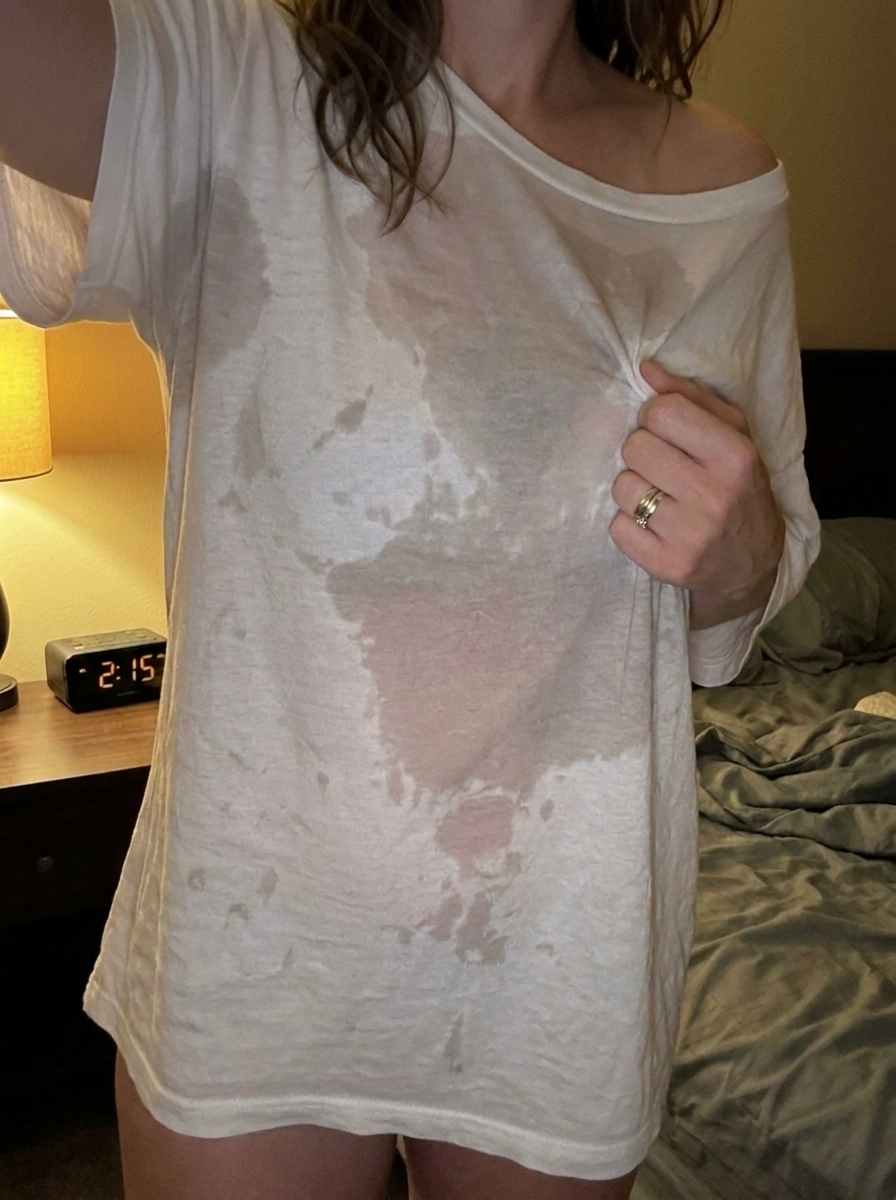
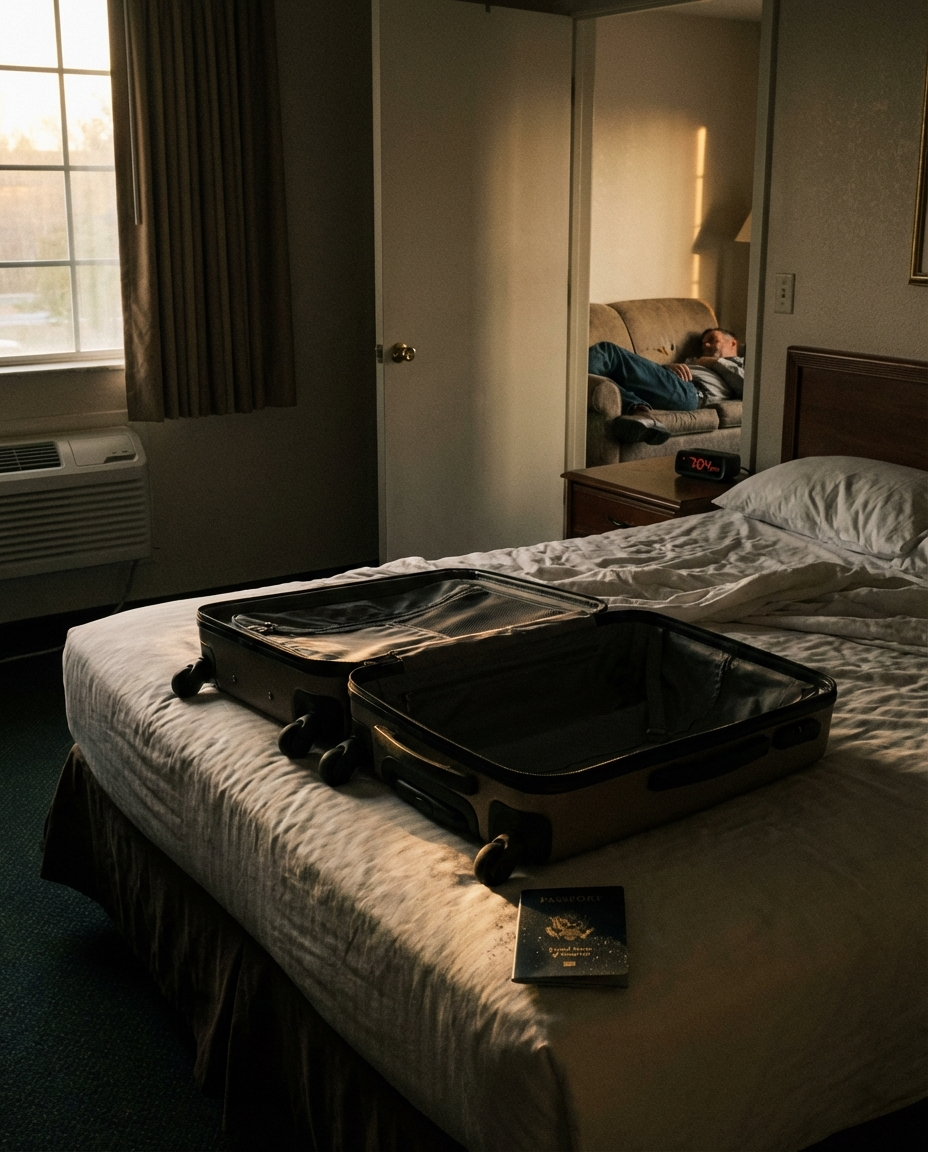
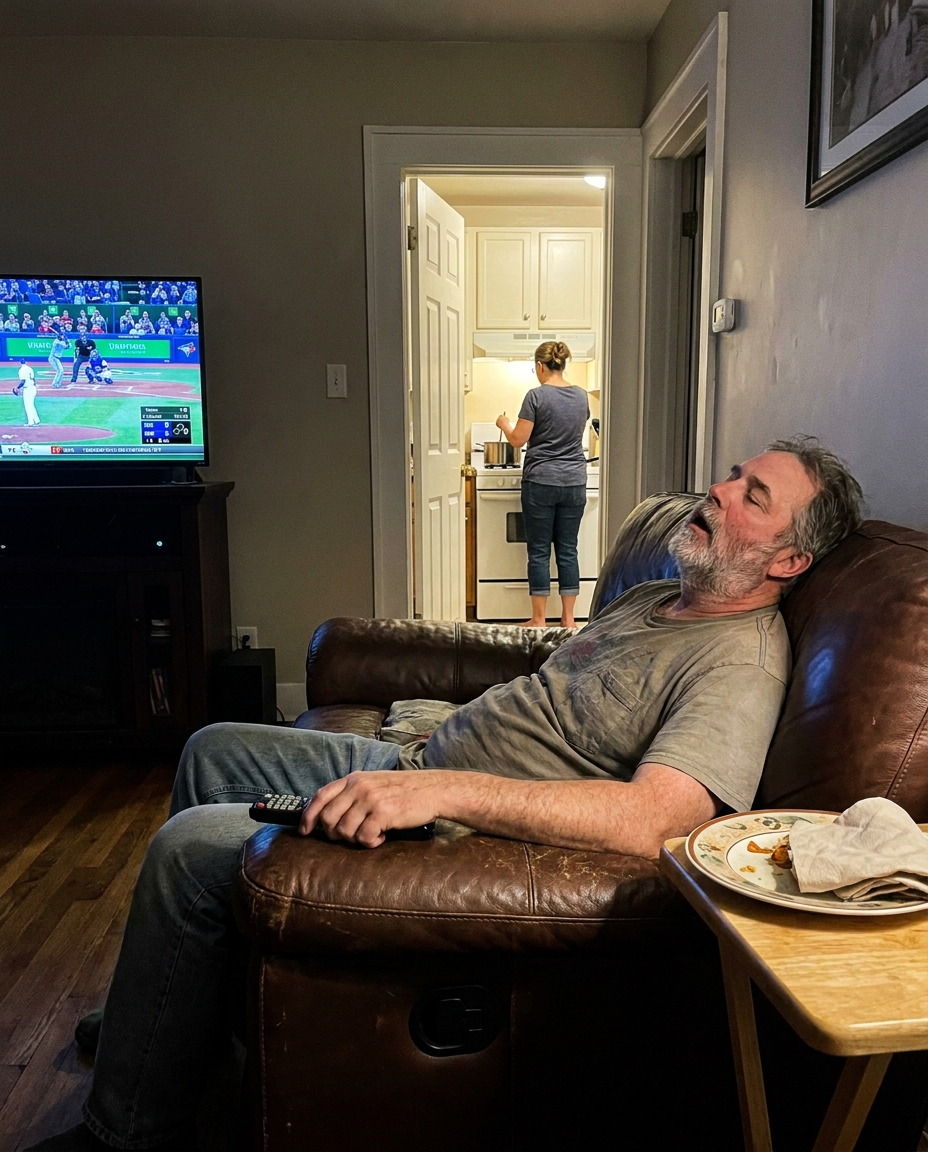
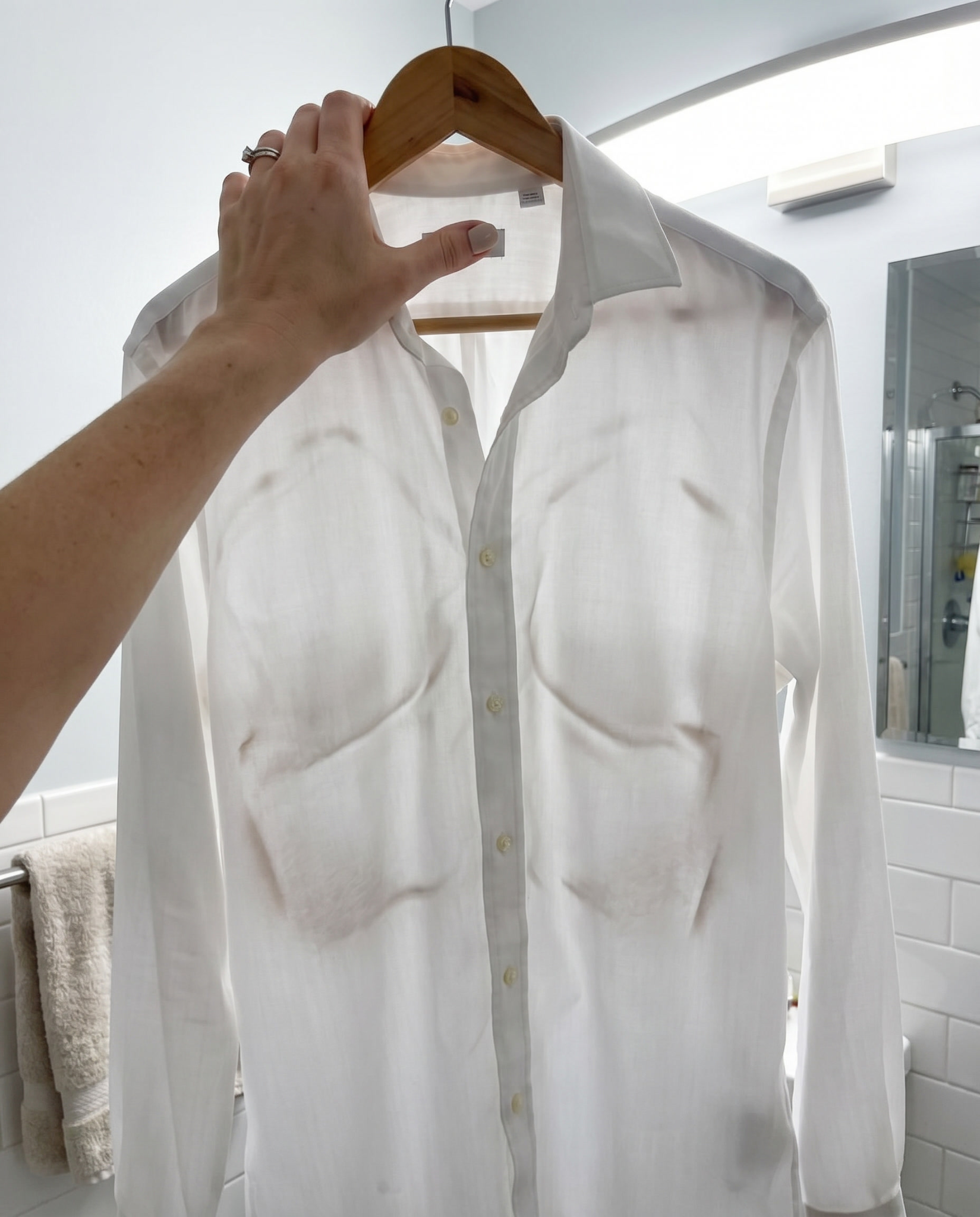
My husband stopped kissing me without his shirt on at 44. I didn't notice right away. I mean — how do you notice something that stops happening? It's a slow absence. A thing that used to be there and then, one morning, isn't. For twenty-one years, Dan would get ready for bed the same way. He'd come out of the bathroom in his boxer briefs, brush his teeth standing up, get in bed, roll toward me, kiss me goodnight. No shirt. Never a shirt to bed. Never once in twenty-one years of marriage. And then, starting sometime around his 44th birthday, he started coming to bed in a t-shirt. At first I thought it was a temperature thing. We had a cold snap in February. Then I thought it was a sleep thing. Then I thought, maybe he just wants to wear a shirt, there's no rule, leave it alone. But it wasn't just at night. He started wearing undershirts to the pool. He used to be the first guy in the water on Memorial Day weekend. Last summer when my brother Tom's family came over, he sat in a camp chair on the patio the whole afternoon in a navy polo. I brought him a beer. He said, "Thanks, Linda." He didn't look at me. I watched my husband disappear that day. If you're a woman reading this and something about what I just wrote made your stomach drop — stay with me. I know what you're thinking. I thought it too. I thought he was having an affair. I really did. For about forty-eight hours I was certain of it. Every sign lined up. The avoidance. The shame. The way he looked away. The closed phone. The suddenly- wanting-to-sleep-in-a-shirt. But I've known Dan since I was nineteen. I know his tells. And when I finally sat on the edge of our bed one Sunday morning and said, "Honey. Talk to me. What is going on?" — he started crying. He said, "Look at me." He stood up. He peeled off his t-shirt. And for the first time in about eighteen months I really looked at my husband's body. His chest had changed. I don't know how to describe this to you without sounding cruel. He had breasts. Not big ones. Not the kind that draw stares. But unmistakable. Soft mounds of tissue behind his nipples that weren't there when we got married. Tissue that stuck out slightly when he stood straight and pooled when he sat down. The nipples themselves looked puffier than I remembered. Darker. Like they were carrying weight they hadn't had before. Dan sat back down on the edge of the bed with his shirt in his hands and said, "I've been hiding this for two years." Two years. I had not noticed. I live with this man. I sleep next to him. I do his laundry. And I had not noticed because I hadn't looked. I want to tell you what happened next because this is the part that matters. This is the part I want every wife in America to hear. I asked him if he'd been to the doctor. He said no. He said, "Linda, what am I supposed to tell the doctor? That I have breasts? They'll laugh at me." I made the appointment. I drove him myself. Our family doctor, Dr. Karen Whitman — she's been with our family for fifteen years — took one look at Dan's chest and said four words that changed everything. "Dan. This is hormonal." Not fat. Not age. Not stress. Hormonal. She sent us home with a lab slip. Two weeks later we were back in her office. And she drew us a picture. Dr. Whitman took out a prescription pad and drew a body. She drew a big red circle around the belly. "This," she said, "is where the problem starts." She explained that belly fat — visceral fat specifically — doesn't just sit there. It's an active tissue. It produces an enzyme called aromatase. And aromatase converts testosterone into estrogen. The word estrogen hit me. I think I actually said, out loud, "But Dan doesn't make estrogen." She looked at me gently. "Every man makes some estrogen. It's normal. But when you have belly fat producing a lot of aromatase, and on top of that you have cortisol from chronic stress — which also activates aromatase — and on top of that you have a 44-year-old man whose testosterone is already declining naturally — you get a runaway conversion. His body is turning his own testosterone into estrogen. And estrogen builds breast tissue." She looked at Dan. "In women, we call this a healthy menstrual cycle. In men, we call it gynecomastia. And it's more common than anyone in this country wants to admit." Dan asked her the question I was holding back. "Doc. What do we do?" Dr. Whitman said something I will never forget. "I will not put Dan on testosterone replacement therapy. Ever. That's the first thing every man I see in here with gyno asks about, because that's what the ads tell him. TRT will make this worse. More testosterone means more substrate for aromatase, which means more estrogen, which means more breast tissue. And it will shrink his testicles. Permanently, for a lot of men." She leaned forward. "What we need to do is block the aromatase naturally. Close the loop. There are three minerals and plant compounds that do this extremely well when combined. Zinc, because it's a cofactor the enzyme needs — low zinc, reduced conversion. Shilajit, a trace mineral compound that supports free testosterone without adding exogenous testosterone. And Ashwagandha — specifically the KSM- 66 extract — which has been clinically demonstrated to reduce cortisol by nearly 28% over 60 days. Drop the cortisol, drop the aromatase. Support testosterone without flooding the system. Block the conversion." She wrote it all down. She said, "You can buy these separately. Or you can find something that combines them. Either way — this, not hormones, is the path." I want to stop and tell you what I saw in Dan's face when Dr. Whitman said those words. My husband, who had been hiding this for two years, sat up straight. I watched his shoulders — which had been curled inward for eighteen months — start to relax. He took a breath. A real one. And he said, "So it's not permanent." Dr. Whitman said, "It's not permanent. And it's not your fault." Dan cried again in the car on the way home. I did the research that night. I sat at our kitchen island with my laptop and a glass of iced tea and I read labels for three hours. Most of what's out there is garbage. Underdosed. Full of stimulants that would make cortisol worse. A few were legit. One in particular stood out — a mushroom coffee made by men, for men, out of Colorado. Every ingredient Dr. Whitman had listed was in it, at effective doses. Zinc Glycinate. Shilajit. Ashwagandha KSM-66. Plus Tongkat Ali for free testosterone support. Lion's Mane. Chaga. Fifteen calories per cup. Certified organic. No sugar, no fillers. 365-day money-back guarantee. I ordered two bags and I didn't tell Dan. I wanted to see if it worked without placebo. I made him a cup every morning starting the following Tuesday. I told him I had switched the brand of coffee. I didn't say why. Week one, nothing visible. But he was less irritable in the evening. I noticed it before he did. Week three, I was folding laundry in our bedroom and he walked by in a t-shirt and I realized — something had changed about his chest. I couldn't put my finger on it. It was subtle. But it was there. Week five, he came to bed without a shirt for the first time in eighteen months. He didn't say anything. He didn't announce it. He just climbed into bed the way he used to. And he kissed me the way he used to. I didn't say anything either. I just kissed him back. That was four months ago. Dan goes to the pool now. He took his shirt off at my brother's Fourth of July party last weekend. He stood in the yard holding a hot dog and talking to my dad about the Cowboys and his chest looked like a 44-year-old man's chest. Not athletic. Not cut. Just flat. Normal. The way it was supposed to look. He got back to his body. And he got back to me. I want to say this to every wife reading this. If your husband has started wearing shirts he didn't used to wear — if he's pulled back from the pool, from taking off his shirt to mow the lawn on a hot day, from climbing into bed without a shirt — do not assume it's an affair. Do not assume it's depression. Do not assume it's him pulling away from you. Look at him. Really look at him. And ask him, with your whole heart, what's going on. Because there's a decent chance he's been carrying this alone for a year. Or two. Or three. And he's ashamed. And he thinks no one, especially not his own wife, could understand. And he will not bring it up. You have to bring it up. You have to be the one to say, "We are going to figure this out." And then you have to know that the answer is not TRT. The answer is not a cream. The answer is not waiting it out. The answer is blocking the aromatase — the enzyme his own belly fat is producing — with the three ingredients Dr. Whitman wrote down for us. Take advantage of 40% off + free shipping. Limited stock on this offer. 365-day money-back guarantee — if it doesn't work, we'll return 100% of your money. Click the link below and grab yours now. P.S. I'm writing this with Dan's permission. He asked me to use our real names and our real story. He said, "If one other guy reads this and doesn't have to hide in his own home for two years, it was worth it." P.P.S. If you're a husband reading this and your wife handed you this article — she's not trying to shame you. She's trying to save you. Let her.
He stopped kissing me shirtless at 44. I thought it was stress. It was worse.
Balls and Brains
LEARN MORELike this ad? Make it yours.
Crush rebuilds this exact creative around your product — your brand, your colors, your offer — in about a minute.