
Active· since Jun 23, 2026
- 89
- days running
- 2
- relaunches
Ad copy
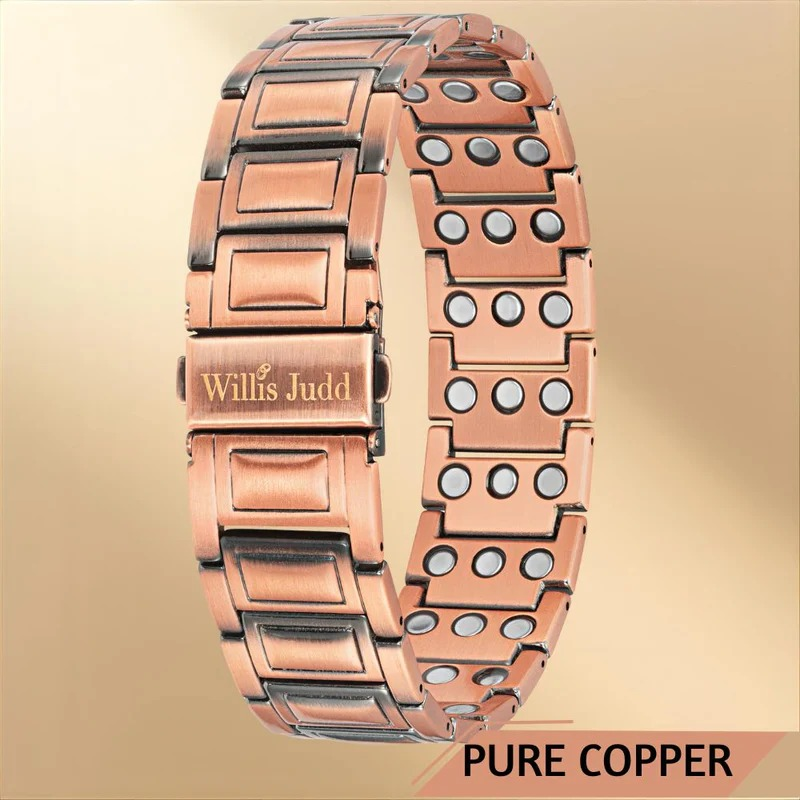
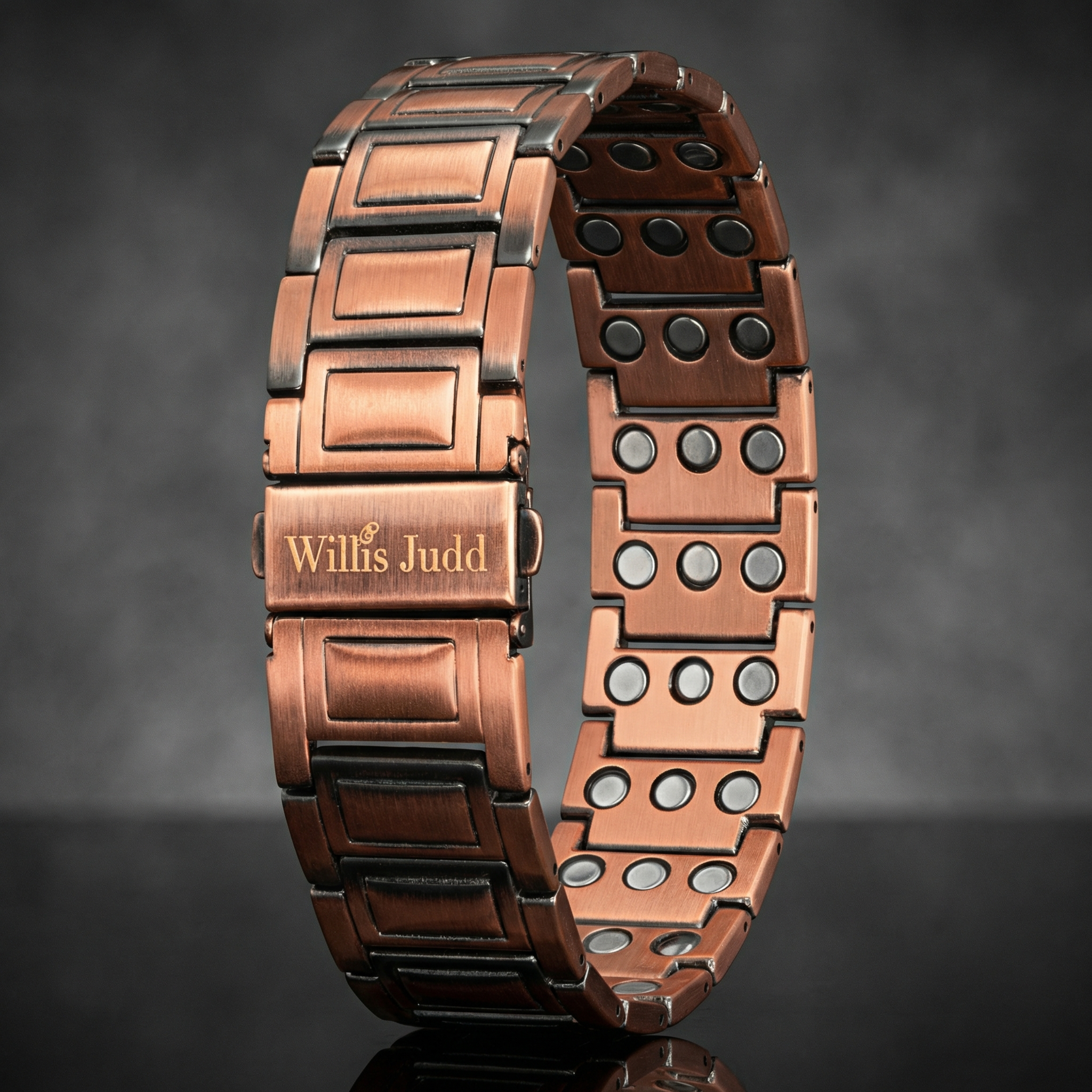
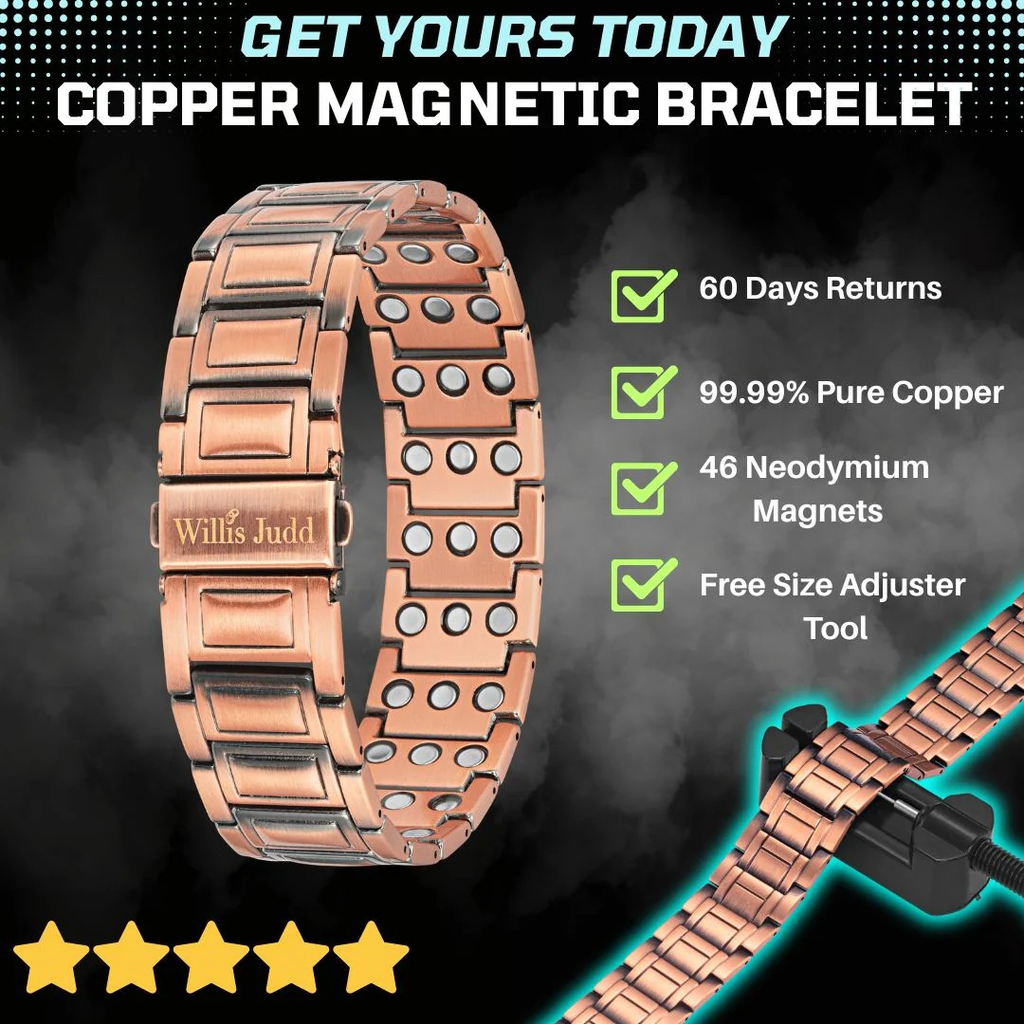
I felt my granddaughter start to slip out of my arms, and I could not close them. She was four weeks old. Eight pounds of brand-new life, and my own two arms would not answer me. I watched her slide toward the hardwood floor, and the only sound I could make was a noise I have never made before or since. My daughter crossed that room faster than I have ever seen a human being move. She caught her baby six inches from the floor. Six inches. I spent thirty-two years as a firefighter. These hands carried people out of burning buildings. I once brought a grown man down three flights of stairs over my shoulder with one arm and held the rail with the other. These hands were the most dependable thing about me. People trusted their lives to them, and my hands never once let them down. And here I was, sixty-eight years old, in my own living room, and they wouldn't hold a sleeping infant. Let me back up, because there's no way for you to understand that morning without the rest of it. My daughter Emily had Grace last spring. First grandchild. You know what that does to a man. I'd waited my whole life to be a grandfather, and I had a thousand plans for that little girl. I was going to teach her to fish. To ride a bike. To not be afraid of the dark. And the very first job, the only one that mattered in those early weeks, was simply to hold her so her exhausted mother could close her eyes for twenty minutes. That was the one thing I was supposed to be able to do. But something had been happening to my hands for a couple of years, and I'd been lying to everybody about it. Including myself. It started the way it always does. Stiff in the mornings. Ten minutes, and I was fine. I blamed thirty-two years of hauling hose and forcing doors. Then came the throbbing at two in the morning, deep in the knuckles, the kind that wakes you and won't let you back down. And then the grip started going. That was the part that scared me, even before Grace. My hand would close around something, and then a few seconds later, without my permission, it would just begin to open. I dropped a full mug of coffee on the kitchen tile. Then my keys, over and over. Then a jar of sauce that exploded across the floor. I started noticing my hand had let go of things a half-second before my brain even registered I'd dropped them. A firefighter learns to trust his hands above everything else. And mine had started making decisions without me. I did what everybody does. I tried to fix it quietly, so nobody would know. I started with the ibuprofen. Then more than I should, until my stomach turned on me. It dulled the ache. It did nothing for the grip. I bought the wrist braces, the neoprene ones. I'd peel them off at night and my wrists felt a decade older than I was. I took the glucosamine, the turmeric, the fish oil the size of my thumb. A whole shelf of bottles, and not one of them gave me back a hand I could trust. I finally went to the doctor. He pressed on my swollen knuckles and handed me the word every man my age dreads. "Arthritis. It's just age. Keep taking the ibuprofen." I even tried a cheap copper bracelet off the internet, twelve dollars, because a guy at the firehouse reunion swore by his. It turned my wrist green in a week and snapped soon after, and I decided the whole copper thing was a gimmick for desperate fools and threw it in a drawer. Remember that I thought that. It comes back later. So that was the truth I was hiding the morning I took Grace from Emily so she could nap. I knew my grip had been failing. I told myself I'd be careful. I told myself I'd sit down. I told myself a lot of things. And then I stood by the window because the light was pretty on her face, and somewhere in those two minutes my arms simply stopped holding her, and the floor came up, and my daughter screamed, and a noise came out of me that I can still hear. Grace was fine. Emily caught her. She didn't even wake up. But I will never forget the look on my daughter's face when she stood up holding her baby and looked at me. It wasn't anger. It was worse. It was the look of a woman who has just understood that she can no longer hand her child to her own father. I gave Grace back, and I went and sat in my truck in the driveway, and a man who'd run into burning buildings for three decades sat there and shook. After that, I stopped holding her. I'd ask to, and then I'd find a reason not to. I'd say my back hurt. I'd say I had a cold and didn't want to pass it on. Emily knew. She never said a word, and I loved her for it, and it killed me. For three months, I was a grandfather who admired his only grandchild from across the room. I watched other people hold her. I watched her learn to smile at the ceiling fan instead of at me. And every night I lay awake at two in the morning with my hands throbbing, wondering if this was just the beginning of the long slide my own father took. It was Mike who pulled it out of me. Mike rode the medic unit alongside my engine for twenty years. We'd seen the worst nights this town ever had, side by side. He's retired now too. And at Grace's first birthday party, he watched me sit in the corner the whole afternoon and never once pick her up. He came and sat down next to me with a paper plate of cake and said, "All right. What's going on with your hands? And don't tell me nothing, because I watched you not hold that baby for three hours." And I don't know if it was Mike, or twenty years of trusting that man with my life, but it all came out. The grip. The drops. The window. The six inches. Mike got quiet. Then he said, "Nobody's ever explained to you what's actually happening, have they. Come by the house Tuesday. I think you've been fighting the wrong fight this whole time." We sat at his kitchen table that Tuesday and Mike, being a medic, started drawing. "Tell me when your hands are worst," he said. The mornings, I told him. Always. And the grip, all day, the way it lets go on its own. "Right," he said. "Now let me tell you why the grip is the first thing to fail, because it's not random, and once you understand it you'll understand everything you tried and why none of it worked." He drew a body with the heart in the middle. "Your heart's the pump. It pushes blood out against gravity and distance. And your hands are the very end of the line. The furthest outpost you've got. The worst circulation in your whole body, even when you're young and strong." He pointed at my hand. "Your grip doesn't actually live in your fingers. It runs on small muscles and tendons that need a steady, constant supply of good blood to keep firing. To hold. To stay closed. The second that supply drops, the grip is the very first thing to let go. It takes more sustained blood flow to hold a fist closed than almost anything else those little muscles do." "Now here's the part that explains your two a.m.," he said. "In an inflamed joint, the body makes waste. Junk. Good circulation flushes it away as fast as it's made. But in an older hand with poor flow, it doesn't get flushed. It pools. It settles. And at night, when you lie dead still for eight hours and your circulation drops even further, it thickens and sets like cold grease in a pan." "That's your stiff mornings. That's the throbbing that wakes you. And that grip giving out without warning? That's a hand so starved of steady flow that the muscles can't even be relied on to stay closed." I sat there at his table feeling like he'd been standing in my living room by that window. "So here's why everything you tried did nothing," Mike said. One finger. "The ibuprofen floods your whole body to reach a few knuckles, and it's long gone by two in the morning when you're stillest and it's worst. You were medicating the alarm, not the cause, at the one hour the medicine wasn't even in you." Two fingers. "The brace. A joint needs movement to drive blood through it. You strapped it down so it'd hurt less, and a joint that stops moving stops getting flushed at all. You weren't healing it. You were teaching it to seize." He put his hand flat on the table. "Every single thing you tried was aimed at the pain after the fact. Not one of them does a thing about the circulation overnight, which is the whole entire problem." I asked him the question that had been eating at me. "Mike. You did this for a living. Why has no doctor ever told me any of this?" He shrugged. "Because there's no prescription at the end of it. 'Keep the blood moving through your hands overnight' isn't a pill. There's nothing to bill. It's not a conspiracy, it just doesn't make anybody money, so nobody says it." Then he got quiet. "Which brings me to the part you're going to think is foolish." "That twelve-dollar copper bracelet you threw in a drawer," he said. "You had the right instinct and the wrong object." I told him copper was a gimmick. Turned me green. Broke. He let me finish. "You bought plated zinc. A whisper of copper sprayed over pot metal. That's why it went green and snapped. You weren't wearing copper. You were wearing a costume over cheap junk." "But solid copper, real copper, against the skin, is a different thing entirely. Copper's a trace mineral your own body uses to help build the connective tissue in your joints and to help settle the inflammation we just talked about. A tiny, steady trickle, all day long. And here's what nobody stops to think about." "We've quietly stripped copper out of modern life," Mike said. "Our grandparents drank from copper, cooked in copper, their pipes were copper. They took in a trickle of it all day without ever knowing. We swapped every bit of that for steel and plastic, and after fifty the body pulls less of it out of food anyway. We've been slowly starved of one of the oldest minerals we were built to absorb." I asked him about the magnets. He was honest with me, and that's the only reason I believed the rest. "The magnets, I'll be straight with you, the research is split, and I'm not going to lie to a man I've pulled bodies out of car wrecks with. Some studies say a magnetic field helps the surface circulation along. Some show nothing. I'm not promising you magic." "But the whole point is you wear it twenty-four hours a day. Through the night. While you're lying still and everything's setting. It's the one thing in this entire conversation that's actually working during the hours that cause your mornings. Everything else clocks out when you go to bed. This doesn't." He stood up. "I can't promise you anything, and I won't. But the real one, solid copper with proper magnets, is about eighty dollars, and they give you your money back for sixty days. So let me ask you something, brother." "At eighty dollars you can get back, what exactly are you protecting? You haven't held that baby in three months. What's your pride worth next to that?" "And listen," he said at the door. "This is slow. It's circulation. You'll wear it two weeks and swear it's doing nothing, and then one ordinary day you'll catch yourself doing something you couldn't do. Give it a month. Day and night. And don't you dare buy another twelve-dollar one." I ordered it that night. The real one. The solid kind. It's called Willis Judd. Eighty dollars. Pure solid copper the whole way through, with the real magnets. The men's model. I went to bed wearing it, with every bit of my doubt still intact, because a man my age has earned his doubts. Now let me tell you the honest truth about what happened, because the dishonest version of this story would have me healed by morning, and that is not how it went. The first week, I felt almost nothing. I wore it day and night and still woke at two with my hands throbbing, and I damn near decided Mike had talked a fool into a bracelet. The only difference was a band of copper on my wrist while I lay there. But I'd given him my word, and I keep my word. And somewhere in the second week, I noticed I'd carried a full mug of coffee from the counter to the table without that little flicker of fear that my hand might let go. It just held. I stood there a second, because I hadn't trusted my own hand in over a year. By the third week, the mornings were easier. The two a.m. throbbing got shorter, then rarer. I started sleeping clear through. And the dropping, the thing that scared me most, the random letting-go, I realized one day it hadn't happened in over a week. By the fourth week, my wife Susan noticed before I'd said a word. She watched me twist the cap off a jar at the sink, one try, no theatrics, and she set down her dish towel. "Something's different with you," she said. I told her about Mike, and the kitchen table, and the plumbing, and the copper. She turned my wrist over to look at the bracelet, and she didn't say anything, but her eyes filled up, because she'd watched me sit in that corner at the party too. But the morning I will remember until the day I die came about ten weeks in. Emily was over with Grace, and the baby was fussing, and without thinking, the way you used to, I said, "Here, give her to me." Emily froze for half a second. I saw it. I don't blame her for it. And then she handed me my granddaughter. I sat down in the chair, both arms, and I held that little girl against my chest until she fell asleep. And my arms did not fail. They held her the way they once held a grown man coming down three flights of stairs. I held her for forty-five minutes and I would not let anyone take her, and Emily sat across from me and cried, and neither of us said one word about why. Now, I'm not going to lie to you the way that cheap bracelet did. I still get a stiff morning here and there. It is not a cure, and it is not magic. Mike would knock me flat for using either word. It's a steady trickle of real copper and a bit of magnet on my wrist, doing the one thing none of my pills or braces ever did. Working through the night. Through the still hours when everything used to settle and seize. Slowly, over weeks, it gave me back a grip I could trust. And with it, it gave me back the one job that ever truly mattered. Holding my granddaughter without being afraid. So here's why I'm telling strangers the most shameful morning of my life. Somewhere out there is a man about my age reading this, and his hands have started letting go of things without asking him. Maybe you've already dropped something you shouldn't have. Maybe there's somebody small in your life you've quietly stopped picking up, and you've told yourself it's your back, or a cold, or that you're just tired. I know exactly what you're protecting. I protected mine for three months and it cost me the first season of my granddaughter's life. Don't. It's called Willis Judd. Solid copper the whole way through, not the plated junk that turns you green and snaps in a week. Real magnets. You wear it day and night, and the night is the whole point, because the night is what causes the morning. It's about eighty dollars, and more than fifty thousand people are already wearing one, and it's backed by a full sixty-day money-back guarantee. So you can wear it every day and every night for two months, and if your hands are no different, you send it back and you're out nothing but the postage. Give it the full month before you judge it. This works slowly, the way Mike said it would. Any man who promises you a miracle by morning is selling you something I wouldn't put on my own wrist. And please, don't grab the cheap plated ones to save a few dollars. I made that mistake once, and all it bought me was a green wrist and more wasted time I'll never get back. My father spent the last ten years of his life with his hands folded in his lap, watching the rest of us live. For three months last year, I was becoming him, and I could feel it. I'm not going to fold my hands in my lap. I've got a little girl to teach to fish, and to ride a bike, and to not be afraid of the dark. And these hands are going to be there to catch her. Don't wait until the day you're holding something you cannot afford to drop. Go put it on, give it the month, and go get your hands back.
Tingling in your hands… what’s really going on?
That strange tingling feeling in your hands… ever looked it up? A lot of people notice their hands feel different as they get older. Sometimes it’s stiffness after working, that random tingling feeling after a long day, or the occasional pins and needles from typing, lifting or even scrolling o...
LEARN MORELike this ad? Make it yours.
Crush rebuilds this exact creative around your product — your brand, your colors, your offer — in about a minute.