Sarah Collins
Sarah Collins Facebook ad: “Get Grounded While You Sleep!”
Ran for 11 days, from June 18 to June 29, 2026, the last day Crush saw it.
Run by Sarah Collins on Facebook. Crush is not the advertiser and does not verify its claims. See this ad in Meta's Ad Library(opens in a new tab)
Want an ad like this for your product?
Crush makes new ad images for your product from this ad: your logo, your product photo, your offer.
Trials from $19.95 USD, then $79.95 USD a month. Cancel anytime.
About this ad
- Meta Ad Library ID
- 1330720088407448
- Platforms
- Facebook, Instagram, Audience Network, Messenger and Threads
- Relaunches
- 1
- EU reach
- 39,143
Ad text
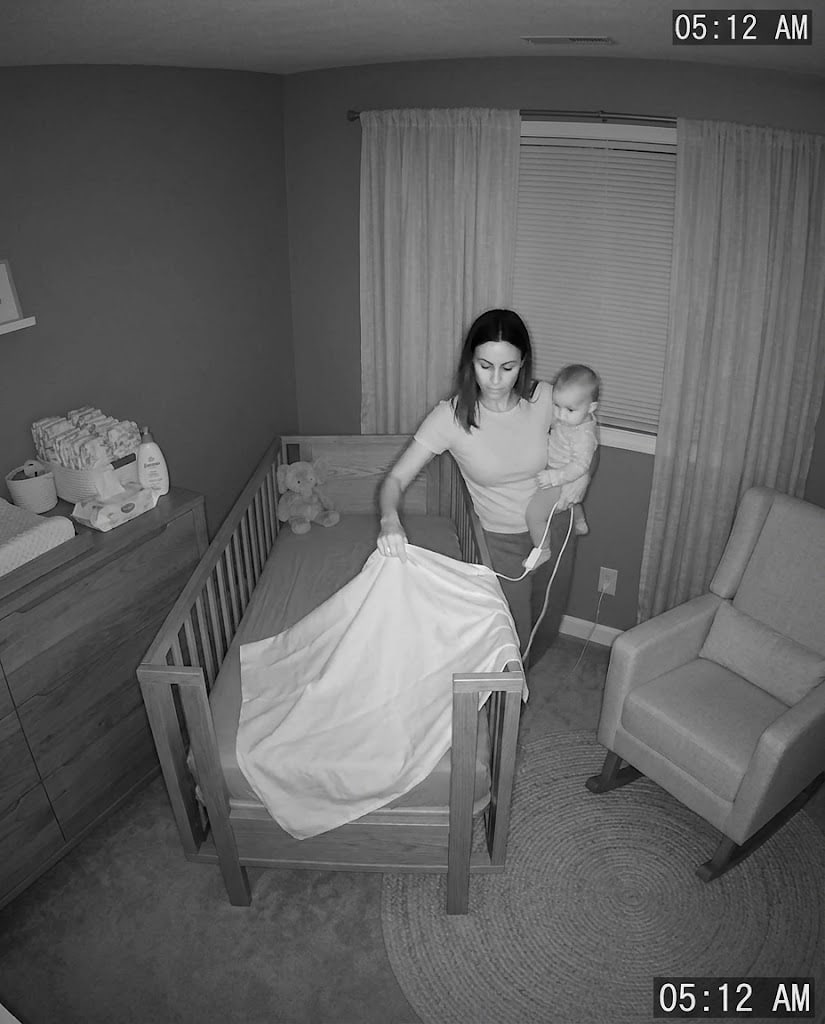
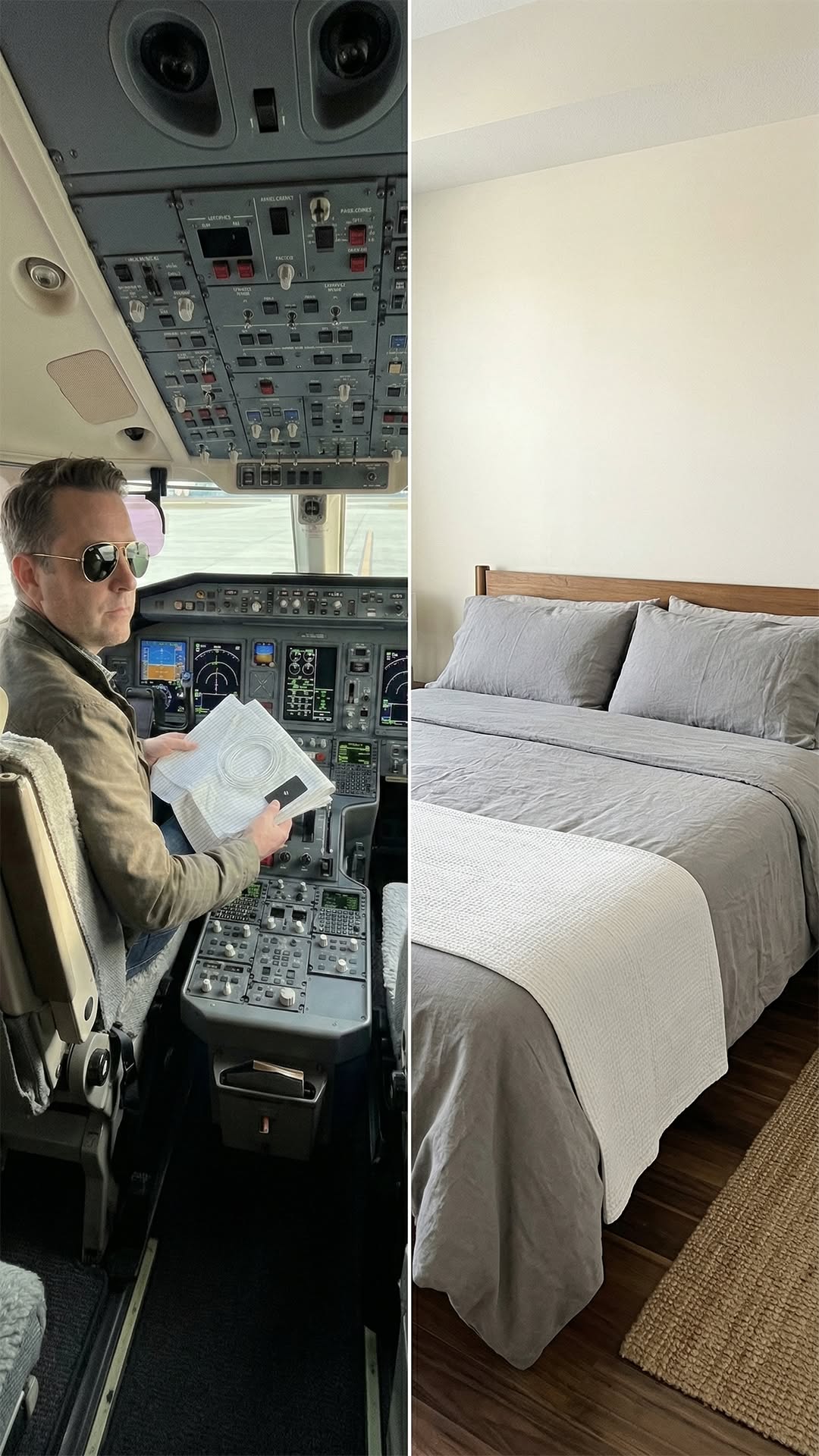
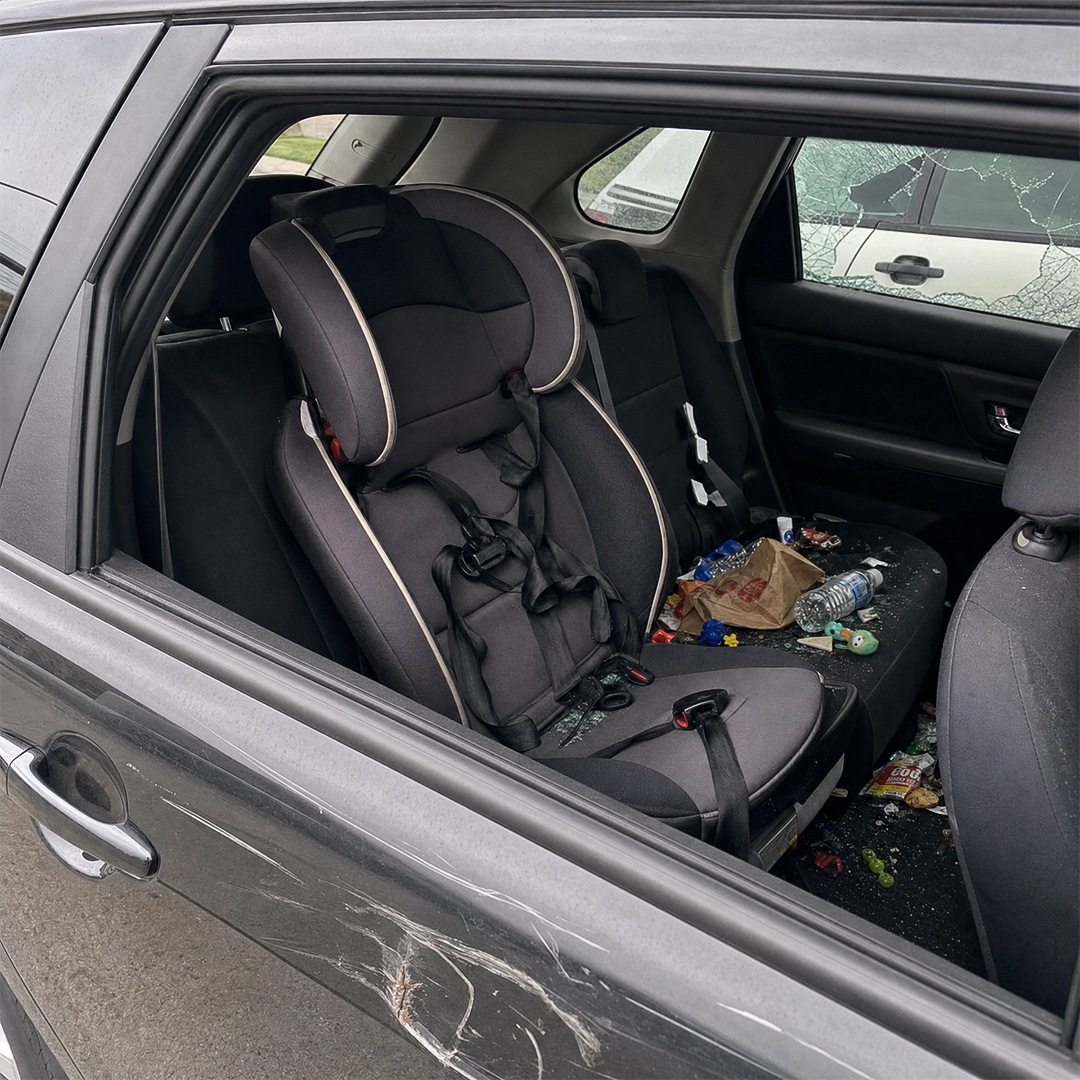
A 58 year old woman died in a car crash last Tuesday. She wasn't drunk. She wasn't texting. She blacked out behind the wheel. Her blood pressure spiked so hard that her brain lost blood flow for just a few seconds. Hands went limp. Foot stayed on the gas. The car drifted across the center line and hit an SUV head on. Her 7 year old granddaughter was in the back seat. She survived. The woman didn't. I've been a cardiac step-down nurse for 19 years. I was on shift when they brought her in. Her blood pressure medication was in her purse. Amlodipine 10mg. She'd been on it for 11 years. Her numbers at her last checkup were 126 over 80. Controlled. Managed. Textbook. She did everything right. The patients that stay with me aren't the ones who ignored their health. They're the ones who did everything their doctor told them to do, took every pill, showed up to every appointment, and still ended up in my unit. The ones where I pull the chart and find a medication list a mile long and numbers their doctor called "beautifully managed." And they're still here. In a hospital bed. Because something failed them that nobody named. If your doctor has you on Lisinopril, Metoprolol, Losartan, or Amlodipine and you've been told your pressure is "under control," keep reading. If you're taking your medication every day and still getting headaches, that pounding behind your eyes, the dizziness when you stand up too fast, moments where you have to grab a counter to steady yourself, keep reading. If your numbers keep creeping up no matter what you do, keep reading. Because after 19 years I finally understand why blood pressure medication fails the people who depend on it most. I've had three patients in the last two years alone who came in after cardiovascular events with "controlled" pressure on paper. A 64 year old retired postal worker. Lisinopril for eight years. His cardiologist had called his last reading "excellent." He had a TIA — a mini-stroke — while eating breakfast. His wife found him slumped over his cereal bowl. He couldn't speak for six hours. A 71 year old woman. Metoprolol for twelve years. Never missed a dose. She collapsed in a grocery store parking lot. The store manager did CPR until the ambulance got there. When I reviewed her chart, her last three blood pressure readings were all under 130. Every one of them. Every time, the same conversation at the bedside. The family looking at me. "But his pressure was under control. How did this happen?" After years of that conversation, I stopped being able to accept the answer nobody was giving. High blood pressure is dangerous. Nobody disputes that. But if the medication is doing its job and patients are still landing in my unit, then bringing the number down alone isn't enough. Something else is happening that nobody is fixing. I carried that question for years. I followed protocols. I gave the medications. I told families the pressure was managed. Then last November, during our annual staff health screening, the cuff read 148 over 92. They ran it again. 151 over 90. I sat there in my scrubs in the same hallway where I'd walked patients to telemetry a hundred times. And my own numbers were telling me I was on the road I'd watched so many of them travel. The hospitalist, Dr. Reeves, didn't hesitate. "Sarah, you know the drill. Lisinopril. 10mg. We'll recheck in 90 days." She handed me the prescription. I folded it, put it in my scrub pocket, and went back to my shift. I never filled it. Because that prescription was the same one sitting in the chart of every patient I'd watched deteriorate while their numbers looked fine on paper. The drug would bring my number down. I'd seen what came next anyway. I wasn't going to become one of my own patients. So I started reading. And what I found in three weeks made 19 years of watching people decline on medication suddenly make sense. Here's what they teach in nursing school. High blood pressure means too much force against the vessel walls. Medication brings the force down. Number drops. Risk drops. The first part is true. Here's what they never explained about why the pressure is high in the first place. Your blood vessels aren't hollow tubes. They're living tissue. The inner surface of every artery is lined with a thin layer of living cells called the endothelium. When that lining is healthy, it produces a molecule called nitric oxide. Nitric oxide tells your vessel walls to relax and expand. Blood flows smoothly. Pressure stays balanced. But that lining is exposed to everything moving through your blood. Decades of processed food. Blood sugar fluctuations. Stress hormones. Chronic inflammation. Year after year, oxidative stress — driven by an excess of free radicals in the bloodstream — corrodes that lining the way rust corrodes the inside of a pipe. Slowly. Invisibly. Until one day the surface that was smooth and functional is raw and damaged. Once the endothelium is damaged, it stops producing nitric oxide properly. Without it, vessels can't relax on their own. They stay tight. Blood forces its way through. The heart works harder with every beat. That's high blood pressure. Not a problem that lives in the blood. A problem that lives in the wall. And here's why it never gets better on its own. The harder blood pushes through a damaged vessel, the more it tears up the lining. More damage means less nitric oxide. Less nitric oxide means tighter vessels. Tighter vessels mean more pressure. More pressure means more damage to the wall. A cycle that feeds itself. Year after year. That's why your pressure was "a little high" five years ago and higher at every appointment since. That's not just aging. That's a cycle accelerating. And if that cycle keeps running, the damage reaches your brain. The blackout behind the wheel. It reaches your heart. The call your family gets at 3 AM. Now here's why nothing you've tried has stopped it. Blood pressure medication forces your vessels open with chemicals. The number on the cuff goes down. Your doctor says great. But the endothelium? Still damaged. Still not producing nitric oxide. Still getting worn down by every heartbeat. The drug forces the pipe open wider while the inside keeps corroding. That's why the dose goes up. That's why a second pill gets added, then a third. The wall was never addressed. The cycle never stopped. And that's why the side effects come. The dry cough. The fatigue that hits by 2 PM. The brain fog. The swollen ankles. The dizziness when you stand. Those aren't random. That's the price your body pays when a chemical forces open a system designed to regulate itself. The medication manages the number. It never fixes the wall. I'd tried other things too, before this all crystallized for me. Magnesium, which relaxes the muscle around the vessel but can't reach the inner lining. Beet root, which adds nitric oxide from the outside but doesn't address the damaged wall that stopped producing it in the first place. Fish oil, which reduces some circulating inflammation but doesn't repair the structural damage already done to the endothelium. Everything I tried worked somewhere else. Nothing worked on the wall. That's the blind spot. That's what I'd been watching play out in my unit for 19 years. The answer came from a direction I didn't expect. A patient I'll call Mr. Okonkwo. 68 years old. Hypertension for twelve years. On two medications. He came in for a routine cardiology follow-up and his numbers were the best I'd seen on him in years. His cardiologist noticed and asked what had changed. He said he'd been sleeping on a grounding sheet for four months. I wrote it down because I write everything down. And that night I went looking. What I found was a body of research I hadn't known existed. Not wellness blogs. Peer-reviewed papers. Cardiologists and physiologists at major institutions studying what happens to the human body when it reconnects with the Earth's natural electrical charge. Here's the mechanism. And I want to explain this carefully because it's the part that took me the longest to follow — and then the part I couldn't stop thinking about once I did. The Earth carries a continuous negative electrical charge on its surface. It's maintained by the planet's electromagnetic activity and the constant interplay between the atmosphere and the ground. For virtually all of human history, the human body was in constant physical contact with that charge. Bare feet on soil. Sleeping close to the ground. The connection was unbroken. In the last century, we severed it. Rubber-soled shoes on every foot. Elevated beds with synthetic materials. Paved surfaces everywhere. We live our entire lives electrically insulated from the ground our biology spent hundreds of thousands of years in contact with. That matters because the free radicals I described earlier — the ones corroding your endothelium year after year — are positively charged molecules. They cause oxidative damage by stealing electrons from the cells they contact, including the cells lining your arterial walls. The Earth's surface is dense with free electrons. Negatively charged. When you make direct physical contact with the ground — or with a conductive material connected to the ground — those electrons transfer into your body. And when they reach your bloodstream, they do something specific. They neutralize the free radicals. Directly. A negatively charged electron meets a positively charged free radical and the free radical is disarmed. It can no longer steal electrons from your vessel wall. The oxidative assault that has been corroding your endothelium for years starts to slow. When the assault slows, the wall can begin to recover. The endothelial cells that were damaged start to repair. And as they repair, they begin producing nitric oxide again. Not because something added nitric oxide from outside — because the wall that makes it is functioning again. When nitric oxide returns, your vessels relax on their own. Not because a drug forced them. Because the endothelium is doing what it was designed to do. Blood flows with less resistance. The heart doesn't have to push as hard. Pressure drops. And when pressure drops, the wall stops getting shredded. The cycle, the one that has been accelerating for years, starts to break. The research showed exactly this. Published studies on grounded subjects showed normalization of cortisol rhythm — important because chronically elevated cortisol is one of the primary drivers of oxidative stress and arterial stiffness. Grounded subjects showed improvements in blood viscosity, which directly affects vascular pressure. And they showed measurable reductions in the inflammatory markers most closely associated with endothelial damage. Not managing the force. Addressing the wall. I pulled every study that cited the original research. I read Gaétan Chevalier's work on grounding and cardiovascular markers. I read the 2013 inflammation study. I read a clinical review summarizing over a decade of earthing research. The mechanism held up across all of it. I sat at my kitchen table at midnight with a cold cup of tea and I thought about my 71 year old patient whose numbers were perfect on paper and who collapsed in a grocery store parking lot. Her medication forced the vessel open. Nobody addressed the wall. The free radicals kept corroding it, year after year, until it gave. There was something that could have addressed it. Nobody told her. I ordered a GroundingWell sheet the next morning. GroundingWell sheets are made from organic cotton with pure silver fiber woven directly into the fabric. Not a coating. Not a surface treatment. The silver is in the weave, which means the conductivity is uniform across the entire surface and doesn't degrade with washing. Silver is one of the most electrically conductive natural materials that exists. The sheet connects through a grounding cord to the ground port of your wall outlet, which runs through your home's wiring to the grounding rod in the soil outside. You're connected to the Earth's electron field for as long as you're lying on it. All night. Every night. I'm a nurse. My standard for evidence is a chart, not a feeling. So I bought a blood pressure cuff for home, started logging readings every morning before I got out of bed, and told myself I'd give it 90 days. The first two weeks, the readings moved around the way they always had. Nothing I'd call a signal. Week three, I noticed the 4 AM waking had stopped. I'd been waking most nights between 3:30 and 4:30 with my heart already running, the kind of alert that takes an hour to come down from. I started sleeping through to my alarm. It happened enough nights in a row that I stopped dismissing it. Week four, three mornings in a row: 139 over 86. 137 over 84. 138 over 85. I went back through my log. My average in the three weeks before I started had been 149 over 93. Eleven points systolic. Without a pill. I didn't tell anyone yet. I kept logging. Month two, a nurse on my floor named Patricia — 57, on Losartan for six years, ankles so swollen by end of shift she kept a second pair of shoes in her locker — stopped me in the break room and asked what I'd changed. She said I looked different. Less like I was bracing for something. I told her. She ordered a sheet that night. Month three, I went to Dr. Reeves with my log. She looked at 90 days of morning readings. Looked at the trend line. Looked up at me. "You never filled the Lisinopril." "No." "Your average over the last two weeks is 128 over 79." "I know." She was quiet for a moment. Then: "Tell me exactly what you did." I told her everything. The endothelium. The free radicals. The electron transfer. The grounding research. The GroundingWell sheet. The 90 days of readings. She asked me to send her the studies. I sent them that evening. Seven papers. She didn't push the Lisinopril. She said come back in three months. I walked out of that office and stood in the parking lot for a few minutes just breathing. I thought about the 64 year old postal worker slumped over his cereal bowl. About the woman who blacked out with her granddaughter in the back seat. About every chart I'd pulled over 19 years where the medication was doing its job and the patient still ended up in my unit. The medication managed the number. Nobody addressed the wall. The electrons that could have been neutralizing those free radicals were never there because nobody was sleeping grounded. The cycle kept running. That was four months ago. My last two weeks of readings are averaging 124 over 77. No prescription. No side effects. No dry cough, no brain fog, no swollen ankles, no exhaustion by 2 PM. Patricia's ankles are back to normal. She's wearing her regular shoes through a full shift for the first time in two years. I want to say this directly to you, if you've read this far. Blood pressure medication manages the force inside your vessels. It does not address what has been damaging the wall that controls them. That's why people take it for years and the numbers keep creeping up. That's why the dose goes up. That's why a second pill gets added. The cycle is still running underneath, and the wall is still corroding, because nothing is addressing the free radicals doing the damage. Grounding addresses the free radicals. Every night, while you sleep, electrons from the Earth transfer into your body and neutralize the oxidative assault on your arterial walls. The wall starts to recover. Nitric oxide comes back. Your vessels relax the way they were designed to. Pressure drops not because something forced it, but because your body is finally doing what it always knew how to do. GroundingWell is the only product I found built to actually deliver this. Organic cotton. Pure silver woven into the fabric so the conductivity doesn't wash out, doesn't degrade, holds permanently. A grounding cord included. Straightforward setup. They offer a 90-day guarantee. Track your own readings. If the numbers don't move, send it back. I'm not telling you to stop your medications. That's between you and your doctor. I'm telling you what the research supports and what I've watched happen in my own readings and in the nurses on my floor who tried it after I did. The cycle that has been running inside your vessels for years has a mechanism. And that mechanism has an answer that nobody in a clinical setting is talking about. I spent 19 years watching the blind spot put people in my unit. I'm not staying quiet about it anymore. 👉 https://www.groundingwell.com/products/groundingwell-bedsheet ~ Sarah Collins, RN, Cardiac Step-Down Unit, 19 years P.S. The 90-day guarantee is what got me to order. I needed to know I wasn't throwing money at something that wouldn't show up in my log. Four months later the readings are still coming down and I've never thought about sending it back. P.P.S. Patricia told two more nurses on our floor. Both started last month. One of them came up to me last week and said her morning readings are already down eight points after three weeks. She said "Sarah, why doesn't anyone talk about this." I didn't have a good answer for that. I still don't. P.P.P.S. If you have a family member on blood pressure medication whose numbers keep climbing no matter what they do, please show them this. Not because I'm certain it will work for them. Because they deserve to know the mechanism that their medication isn't addressing. They deserve to make that decision with the full picture. More than one person I've described this to has said "I wish someone had told me this years ago." I hear that every time like a small failure. Pass it on.
Where the ad sends people
groundingwell.com
Get Grounded While You Sleep!
The GroundingWell™ Bedsheet channels Earth's electrons into your body, promoting deeper sleep, reduced stress, and faster healing while you rest.
Learn more: groundingwell.com(opens in a new tab)