COPD and Me
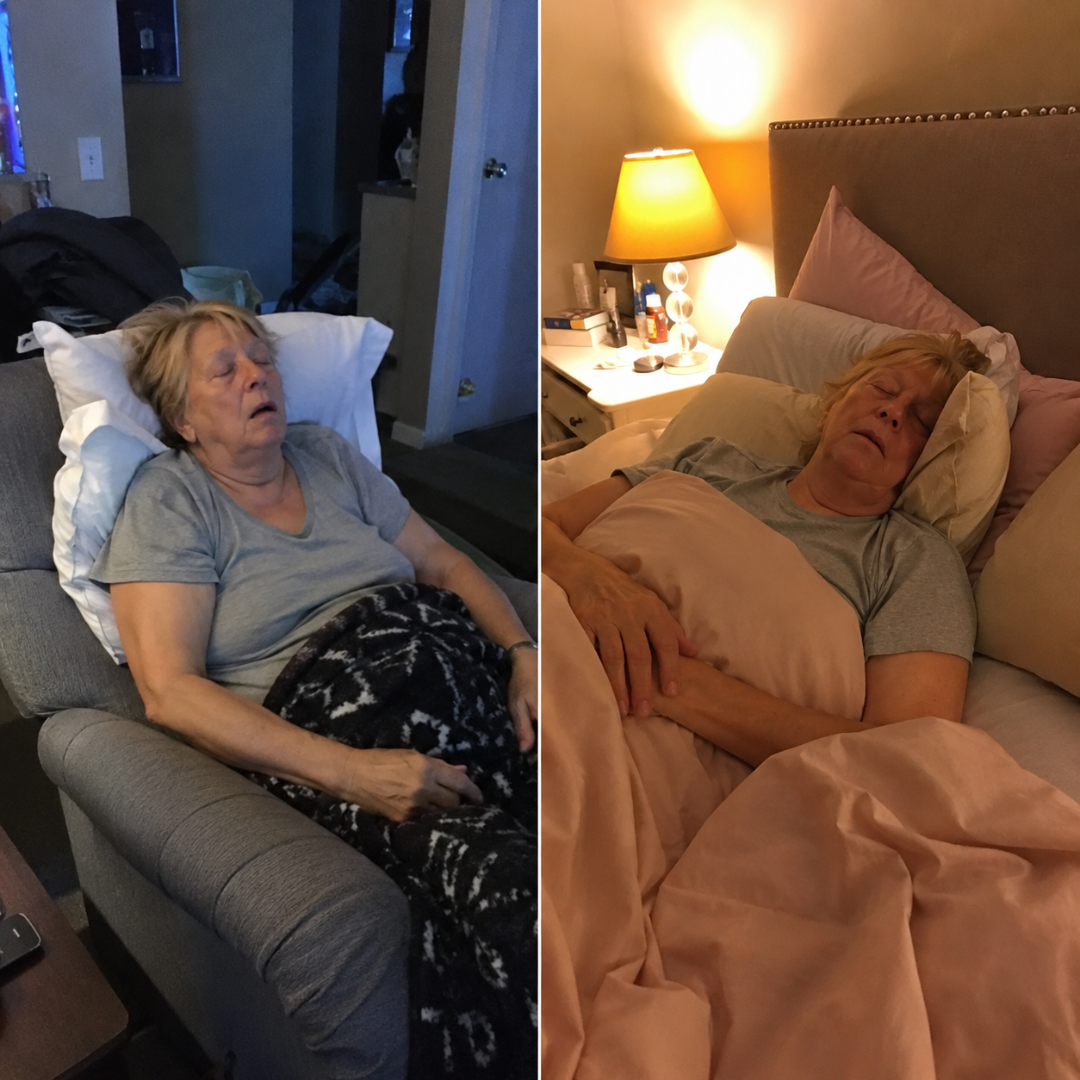
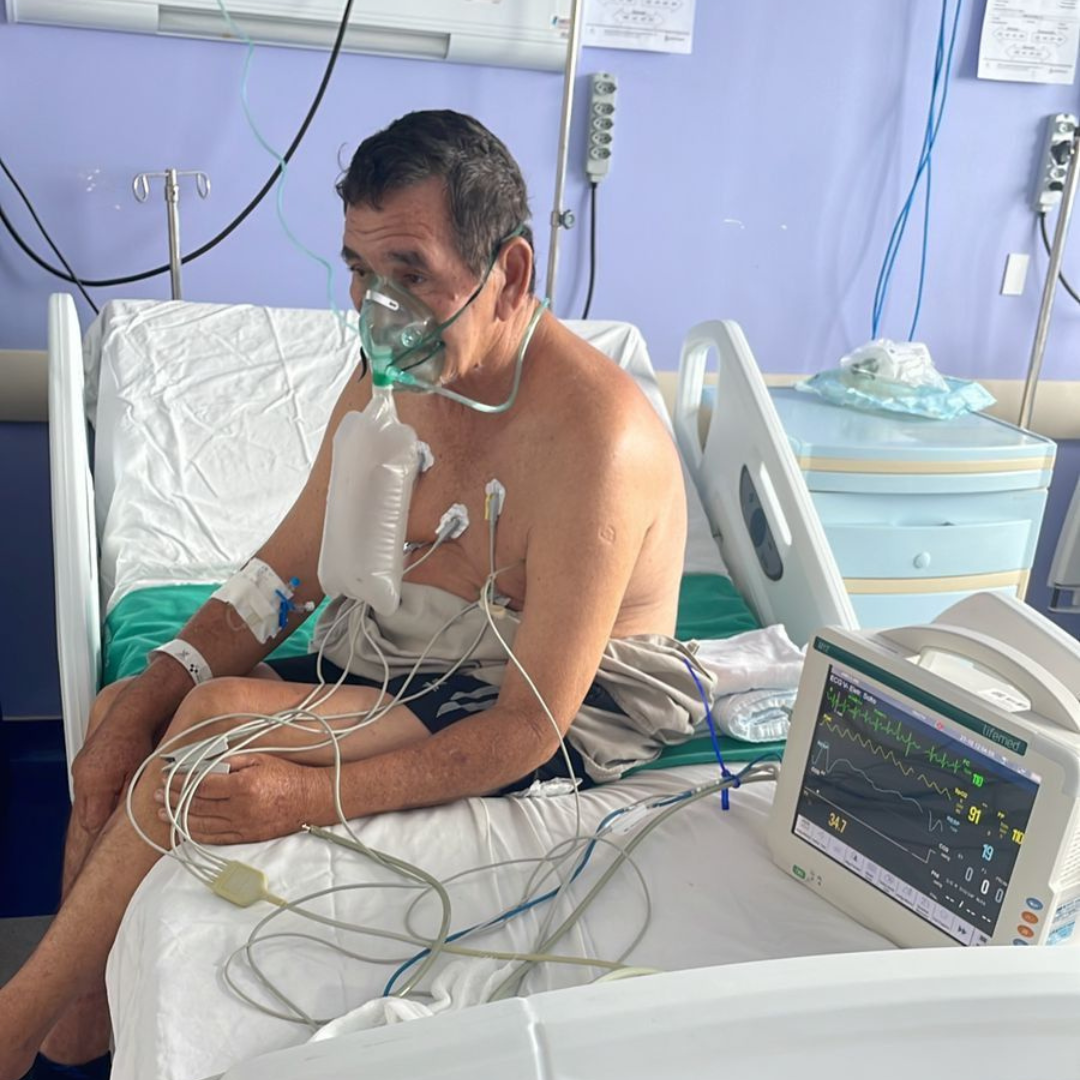
 Facebook ad: “I Watched My Dad End Up On Oxygen. Then I Got The Same…”
Ran for 138 days, from May 31 to October 16, 2026, the last day Crush saw it.
Run by COPD and Me on Facebook. Crush is not the advertiser and does not verify its claims. See this ad in Meta's Ad Library(opens in a new tab)
Make your own version of this ad
Crush makes it, launches it in your own Meta ad account, scales the winners and pauses the losers.
About this ad
- Meta Ad Library ID
- 1331545448927353
- Platforms
- Facebook, Instagram, Audience Network, Messenger and Threads
- Relaunches
- 1
- Niche
- Business & Money
Ad text
My dad was diagnosed with end-stage COPD four years ago. By the time they took it seriously, he was already being fitted for an oxygen concentrator. I swore I wouldn't let the same thing happen to me. And by the end of this, you're gonna be furious. Because there are three things happening right now: One — Your lungs are screaming for help with warning signs you're being told to ignore Two — The medical system's answer to COPD is "use your inhaler" and wait until you're sick enough for an oxygen tank And three — There's a multi-billion-dollar industry that profits every single day your lungs keep getting worse while you get no real solutions So let me tell you what happened with my dad, because his story is gonna change how you see everything. For FIVE YEARS, my dad complained about the same things. Hacking every morning and bringing up nothing but foam. Waking up 3, 4, sometimes 5 times a night choking on a rattle he couldn't clear. Sleeping propped up because lying flat made it worse. Constant exhaustion that no amount of sleep could fix. A chest that felt heavy and tight like something was sitting on it. He told his doctor about it. Every single visit. You know what they said? "Use your inhaler." "It's the smoking catching up with you. COPD is progressive." "Your numbers are a little down but nothing to worry about yet." Nothing to worry about YET. That word — "yet" — should have been a five-alarm fire. Because what "yet" really meant was: "We're going to watch your lungs slowly fail and not do a damn thing about what's actually choking you until you're sick enough to need a machine to feed you air." By the time they finally took it seriously, my dad was at 30% lung function. End-stage. On oxygen 24/7. His pulmonologist sat him down and said he needed to prepare for life on a concentrator. Tethered to a twenty-five-foot hose. Canisters when he left the house. Or get on a lung transplant evaluation list and pray. I watched this man who used to coach my baseball team, who used to work 12-hour shifts without complaining, who used to be the strongest person I knew — I watched him break down at the kitchen table because he couldn't walk to the mailbox without stopping to catch his breath. Because nobody helped him when they could have. Nobody told him that hacking up foam every morning while the deep stuff stayed buried wasn't just "the COPD." That waking up 5 times a night choking wasn't just "getting older." That the heaviness, the fatigue, the not being able to lie flat — all of it was his lungs sending distress signals that every single doctor he saw either dismissed or told him to "monitor." And here's the part that still makes my blood boil: Not ONE of those doctors, in five years of appointments, ever talked to him about what was actually coating his airways. Not one of them mentioned that there were compounds that could reach the hardened layer in his lungs that the inhalers never touched. Not one of them said "Hey, let's try to actually clear what's choking you before your lungs fail completely." Because there's no money in that. There's no recurring revenue in a patient who gets better. But oxygen equipment, specialist visits every three months, the steroids, the hospital admissions every flare-up? That's tens of thousands of dollars a year. Per patient. Per YEAR. You do the math on why they'd rather wait. So fast forward to 14 months ago. I'm 52 years old. Former smoker — quit at 45, thought I'd dodged it. I go in for my annual physical. Spirometry comes back and my doctor calls me. "Your FEV1 is a little low. We're seeing some obstruction. We need to keep an eye on this." Keep an eye on it. The EXACT same words they used on my dad before everything went sideways. And then I noticed it myself. The morning cough. Hacking into the bathroom sink, doubled over, bringing up nothing but thin foam while I could feel something deeper that wouldn't come up. Getting up twice a night choking. Then three times. That wet rattle in the middle of my chest that wouldn't clear no matter how hard I coughed. Lying flat starting to feel wrong. Catching myself reaching for a second pillow. And this bone-deep fatigue. Not tired. EXHAUSTED. Like my body was working overtime just to move air. I knew exactly what was happening. Because I'd watched it happen to my father. And I made a decision in that moment that changed everything. I am NOT going to sit here and "monitor" my lungs into failure. I am NOT ending up tethered to an oxygen tank for the rest of my life. There HAS to be something I can do NOW. So I did what the doctors told me. Used the inhaler exactly as prescribed. Avoided cold air. Stayed away from anything scented. Did the breathing exercises. Three months later? Follow-up spirometry. FEV1? Same. Maybe slightly worse. The morning cough? Still there. Every single day. The night choking? Still waking me up. My doctor's response? "We'll keep monitoring. If it gets worse, I'll refer you to a pulmonologist." I sat in my car in that parking lot for 20 minutes. Just staring at the steering wheel. Because I'd done EVERYTHING they told me to do. Every single thing. And it wasn't enough. And their only plan was to keep watching while my lungs kept failing. That's when I stopped listening to the system and started doing my own research. I went deep. Clinical studies. PubMed. Pulmonology journals. Forums full of people dealing with the exact same thing I was dealing with — including a flood of people who'd quit smoking and gotten WORSE, not better, and couldn't understand why. And every mainstream source was parroting the same useless advice: "Use your inhaler. Avoid triggers. Manage the symptoms. Wait for it to get bad enough for intervention." But then I found something. A study out of a European respiratory hospital that stopped me cold: 70% of former smokers with progressive COPD had bronchial walls coated in a layer of hardened mucus that standard treatments completely missed. A coating. A second layer. Cemented onto the airway walls — that no inhaler and no expectorant ever reached. Now stop for a second. You know what's crazy? We spend our whole lives being told smoking "damages your lungs," but nobody ever explains what's actually still choking you years after you quit. Nobody mentions that the real problem isn't the smoke that's gone — it's the hardened coating it left behind. Here's what I found out about why it builds up: Your bronchial walls are lined with millions of tiny hairs called cilia that sweep mucus and debris up and out of your lungs every minute of every day. That's how lungs clean themselves. But cigarettes don't just irritate the cilia — they paralyze them. The hairs stop moving. And the mucus they were supposed to sweep out has nowhere to go, so it settles onto the wall and hardens, layer on layer, year after year. Like creosote caking the inside of a chimney that's never been swept. That's why my dad got worse for years on medication. That's why I was getting worse despite quitting. The cigarettes were the cause. The hardened coating they left behind was the actual problem — and it doesn't dissolve on its own. And here's what nobody talks about: the reason every remedy I'd ever heard of fails isn't the ingredients. It's the delivery. Anything you swallow — capsules, syrups, teas — gets destroyed by stomach acid. Less than 1% ever reaches lung tissue. That's exactly why hospitals use nebulizers and inhalers for emergencies and never pills. To reach the coating, the compounds have to go straight to the airway. And the research kept pointing to four specific botanicals that act on exactly this problem — when they're delivered the right way: Eucalyptus dissolves the lipid bonds holding the cemented mucus to the bronchial wall. Calendula breaks down the hardened coating and wakes the paralyzed cilia underneath so they start sweeping again. Licorice root clears the deep inflammation in the tissue so the wall can release the coating. Peppermint fires the cough reflex from below the cemented layer and pushes the loosened coating up and out. Four plants. One delivery method that actually reaches the wall. Dissolving what's stuck, waking the cilia, clearing the inflammation, pushing it out — all at once. But nobody tells you this. Because there's no patent on four plants. No pharmaceutical company making billions off a botanical spray. No recurring oxygen-and-inhaler revenue if your lungs actually clear. So I started looking for something that delivered these compounds the right way. And here's where I hit a wall. Most lung products are garbage. Eucalyptus capsules — swallowed, destroyed. "Lung detox" teas — brewed into water, straight to the stomach. Chest rubs — sitting on the skin, never reaching the wall. Underdosed. Heat-processed. The wrong delivery entirely. I tried two different brands from Amazon for six weeks. Nothing changed. Morning cough still there. Still choking at night. Still exhausted. I was about to give up. But then I found a thread where a woman said she'd been using a specific botanical spray — eucalyptus, calendula, licorice root, peppermint, delivered as a fine mist straight into the airway — and within two weeks she was bringing up dark mucus she'd never been able to reach. Within three weeks she stopped choking at night and slept flat for the first time in over a year. Real reviews. Real people posting their results. Not some glossy marketing page — actual customers describing the exact dark mucus the research had described. So I ordered it. It was called Naturva. I'm not gonna lie, I was skeptical. I'd been burned by supplements before. But at this point, what did I have to lose? My lungs were already trending the wrong direction and the medical system's answer was "keep watching." I started using it every morning and every night. Two sprays, straight into the airway. Thirty seconds. Week one? Honestly, by day three my morning cough changed. The mucus was darker. Thicker. Things shifting that hadn't moved in years. Week two? I made it from breakfast to lunch without that hand on my chest. And one night I only got up once instead of three times. Day twelve? I'll never forget it. Standing at the bathroom sink where I'd hacked up nothing but foam for a year, I brought up thick, rope-like strands. Dark brown, almost black at the edges. Denser than anything I'd ever coughed up. I just stared at it. That was the coating finally letting go. The darker it is, the longer it was stuck. Week three? I slept through the night flat on my back for the first time in over a year. No second pillow. No waking up choking. SIX STRAIGHT HOURS. I actually thought something was wrong when I woke up because I wasn't used to not being interrupted. Week six? The chest heaviness was lifting. My wife noticed before I did. She said "You're not coughing in the mornings anymore." And the exhaustion — that bone-deep fatigue that made every afternoon feel like a wall — it was fading. Eight weeks in? The morning cough was almost gone. I'd stand at that same sink out of habit and most mornings my chest was clear. The way breathing is SUPPOSED to feel. I went back for my follow-up spirometry at four months. Sat in the exam room waiting for my doctor. Heart pounding. Because this was the moment of truth. She walks in. Looks at her laptop. Looks at me. Looks back at the laptop. "Well," she says, "your FEV1 has actually come up. Your numbers are trending in the right direction. Whatever you're doing, keep doing it." No pulmonologist referral. No talk about "monitoring for oxygen." Just "keep doing it." I've been using it for 11 months now. My numbers? Continue to improve at every checkup. My sleep? I sleep flat through the night almost every night. No more 3 AM choking. The morning cough? Gone. Completely gone. The chest heaviness? Gone. I can take a full breath again. My energy? I feel like I did ten years ago. No more afternoon crashes. No more dragging myself through the day. I broke the cycle. My dad lost his lungs while doctors watched and waited. I cleared mine by giving my lungs what they actually needed — the right compounds, delivered the right way, to the layer nobody else was reaching. This is the protocol they don't tell you about. Because the second you dissolve that coating and get your cilia firing again, you don't fit their business model anymore. You don't need their oxygen equipment. You don't need their "monitoring" that never actually fixes anything. Your lungs start doing their JOB again. Now here's the thing I need you to understand: The longer you wait, the thicker the coating gets. Every month it stays is another month of it hardening on your bronchial walls, narrowing your airway, pooling fresh mucus on top every night. Right now, if you're hacking up foam every morning while the deep stuff stays buried, waking up choking, sleeping propped up, dealing with that heavy chest and bone-deep fatigue, and your doctor's telling you to "use your inhaler" and "keep monitoring" — your lungs are asking for help. But if you wait six months? A year? The coating adds up. The function drops. And then one day you're sitting in a pulmonologist's office hearing the word "oxygen" and wishing you'd done something when you still could. Every week that goes by, someone dealing with early COPD decline realizes they should have acted sooner. They ignored the morning hack. They accepted the nighttime choking as "just getting older." They trusted the system to catch it in time. And the system didn't. So if you're dealing with ANY of this: → Hacking up foam every morning while something deeper won't come up → Getting up 2, 3, 4+ times a night choking on a rattle you can't clear → Sleeping propped on pillows or in a recliner because lying flat makes it worse → A chest that feels heavy and tight no matter how you use your inhalers → Bone-deep fatigue that no amount of sleep fixes → Doctor telling you to "use your inhaler" and "keep monitoring" → Terrified of ending up on oxygen like someone you know → You quit smoking and somehow feel WORSE, not better → Feeling like your lungs are breaking down and nobody has answers → Brain fog so thick you can't think straight by 2 PM ...this is literally the time. Not in six months when you're sitting in front of a pulmonologist hearing words you never wanted to hear. Right now. A respiratory health journalist named Dr. Barbara Miller wrote a clear five-point article explaining the two-layer mucus, why everything you swallow can't reach your lungs, and exactly what each of the four botanicals does. The link is below — that's where you'll find it, and where you can grab a bottle. Use it every morning and night for three weeks. Check what comes up. Track your sleep. See how your chest feels. Naturva is running a promotion right now — 65% off, free shipping, 60-day money-back guarantee. They're a small company and stock moves fast. Because the medical system isn't coming to save your lungs. They profit too much from what happens when they fail. You have to save yourself. Go get it. And use the breath you get back to finally stop worrying about your lungs and start living your life again. 👉 https://naturvahealth.com/pages/listicle2
Where the ad sends people
lunghealthtips.com
I Watched My Dad End Up On Oxygen. Then I Got The Same Phone Call😢
"Your FEV1 is low, we'll keep an eye on it." The exact words they used on him before everything went sideways. I wasn't going to monitor my way onto a tank. Here's what I did instead.
Learn more: naturvahealth.com(opens in a new tab)