
Active· since Jun 17, 2026
- 88
- days running
- 0
- relaunches
Ad copy
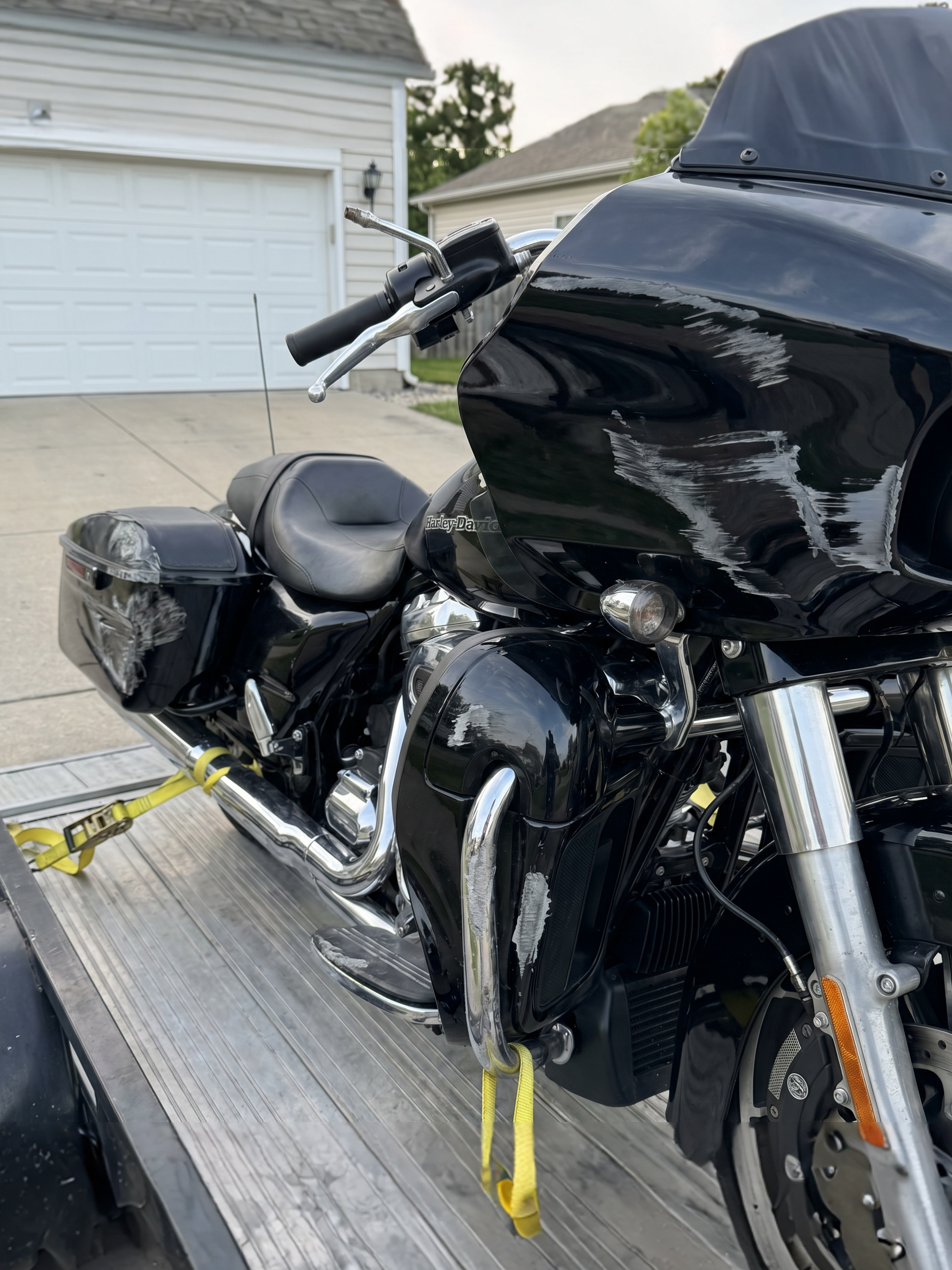
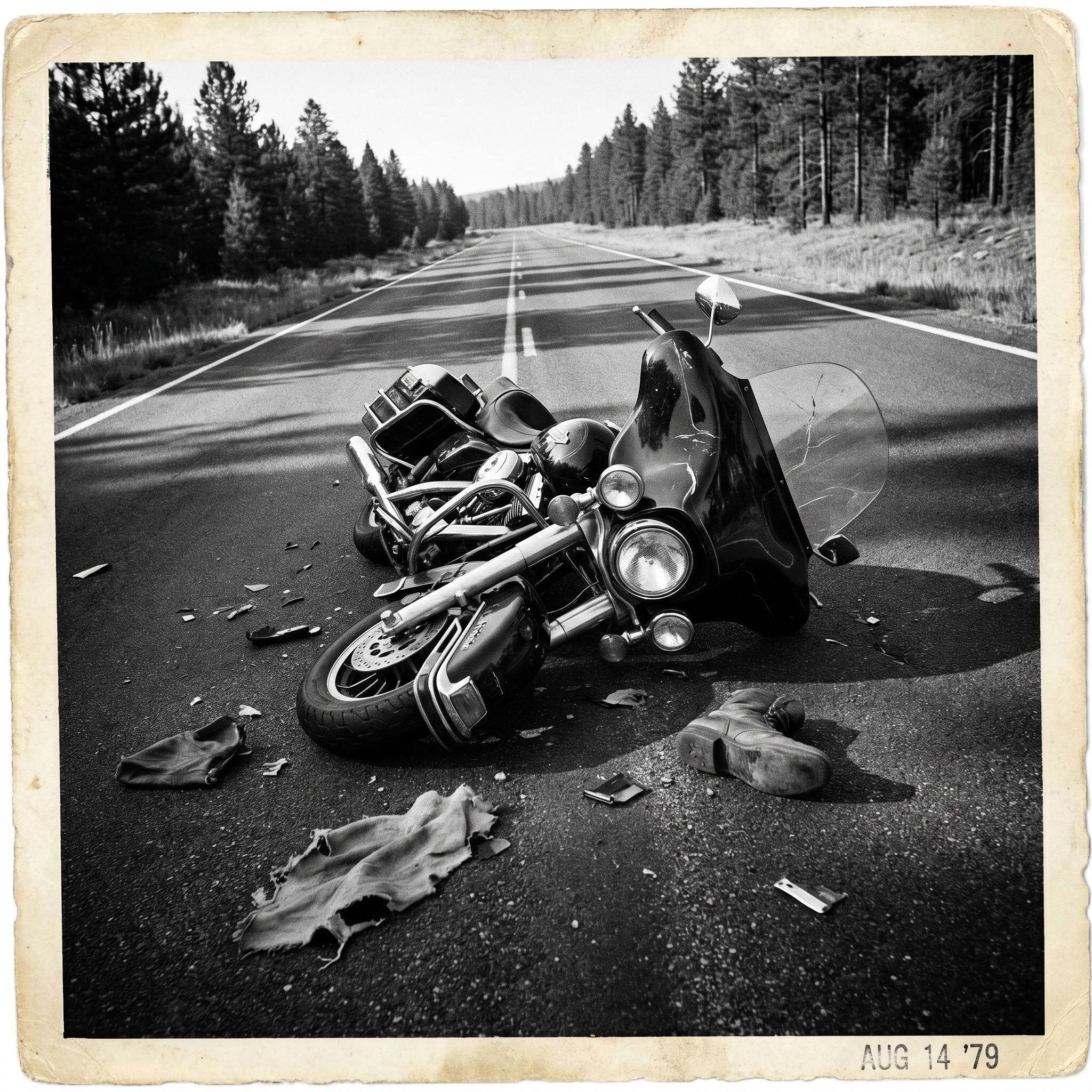
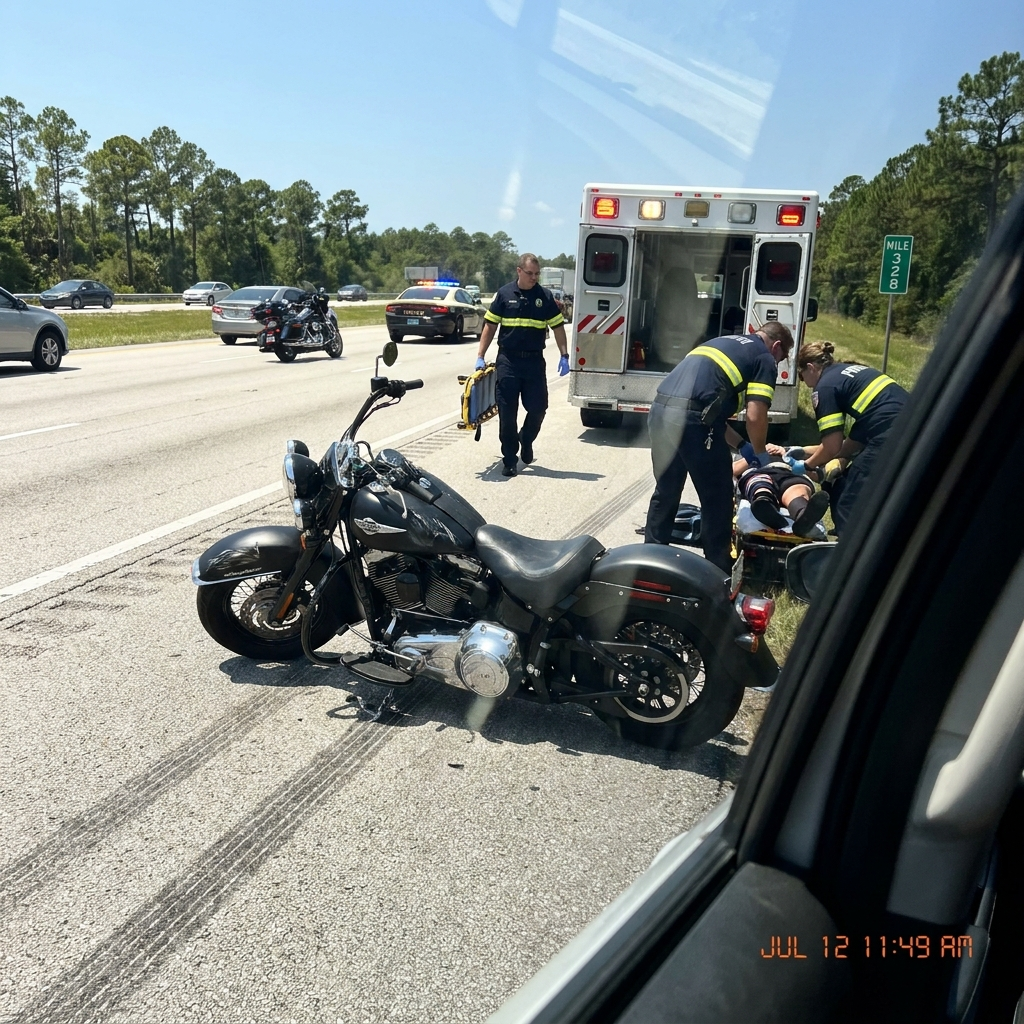
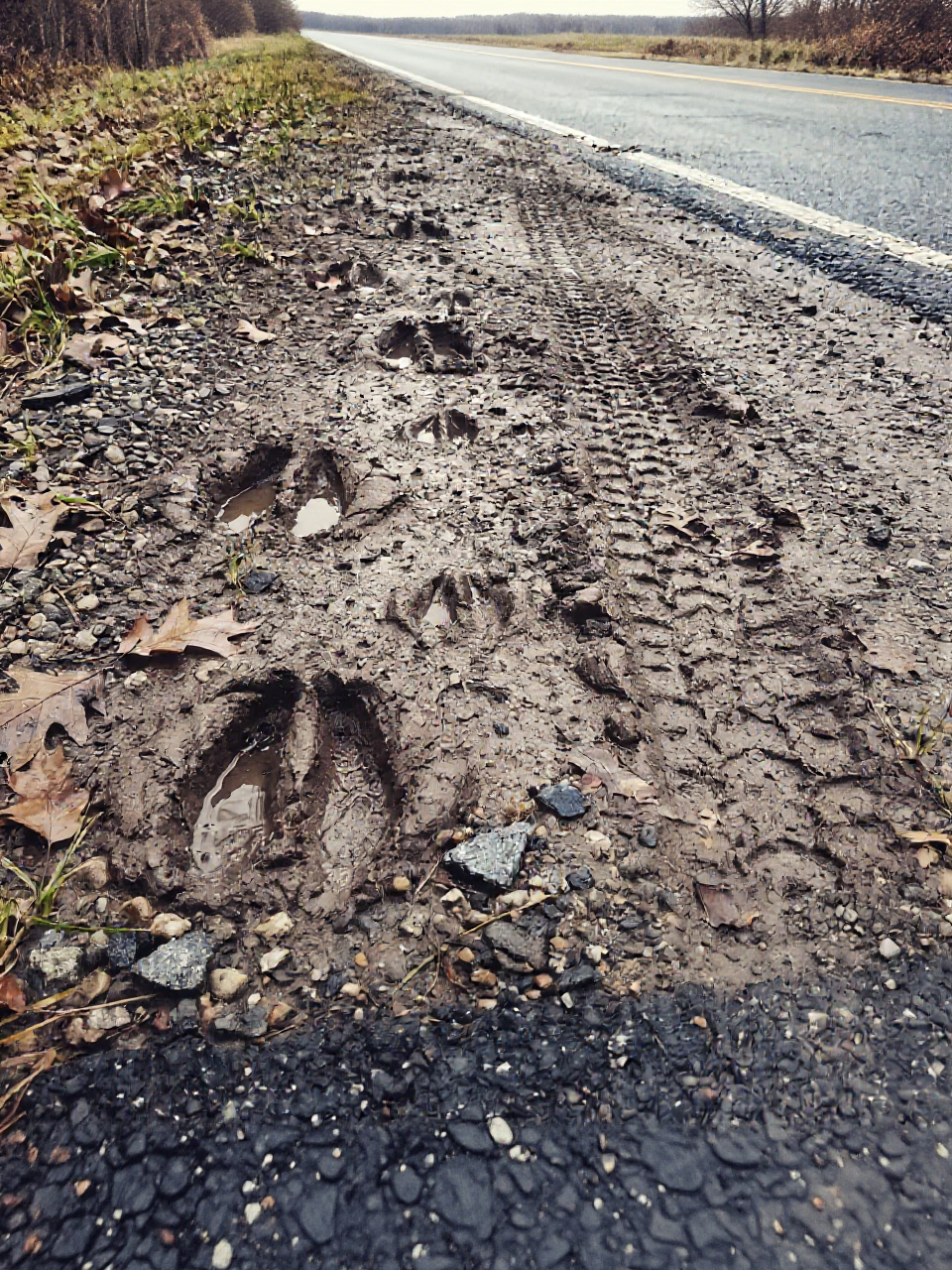
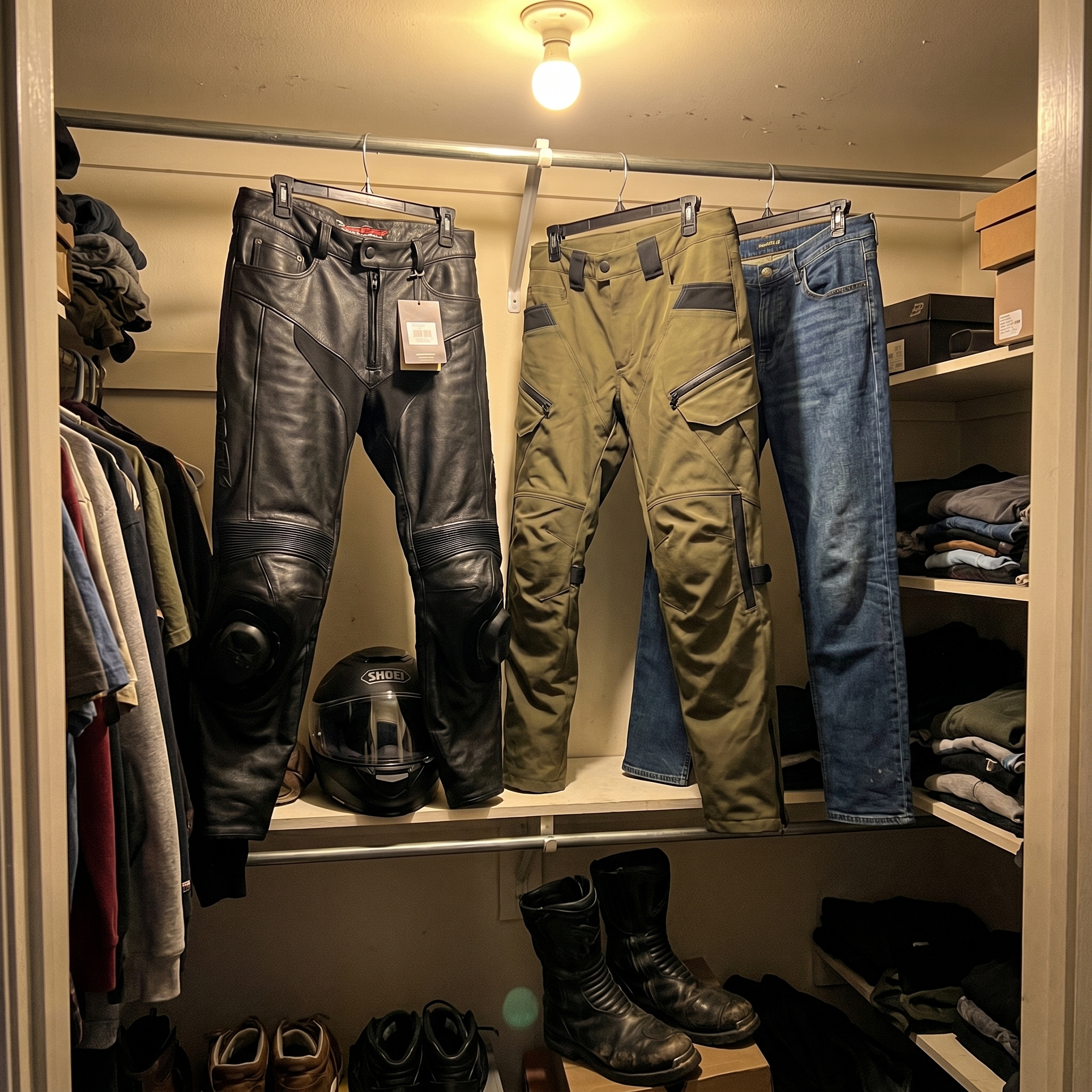
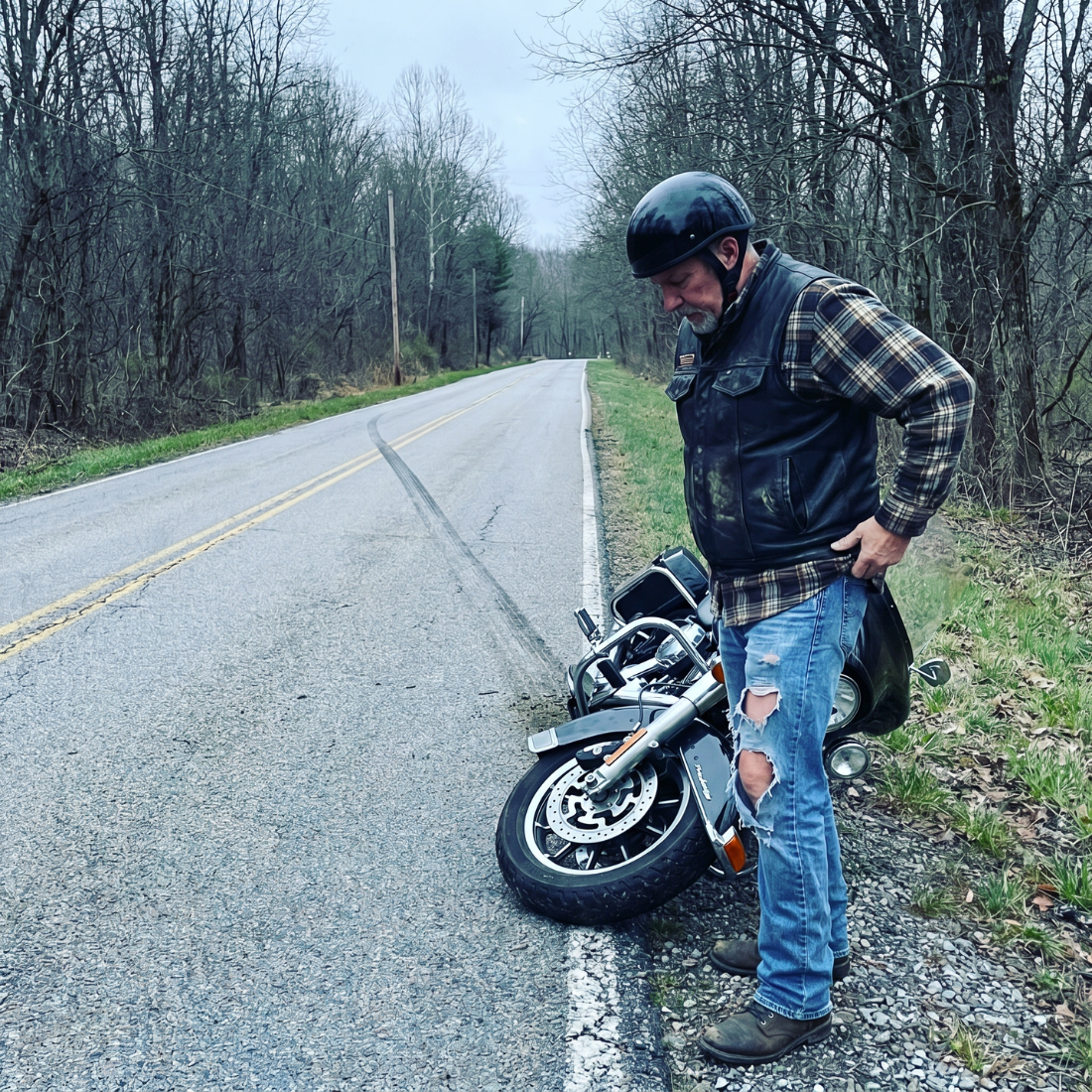
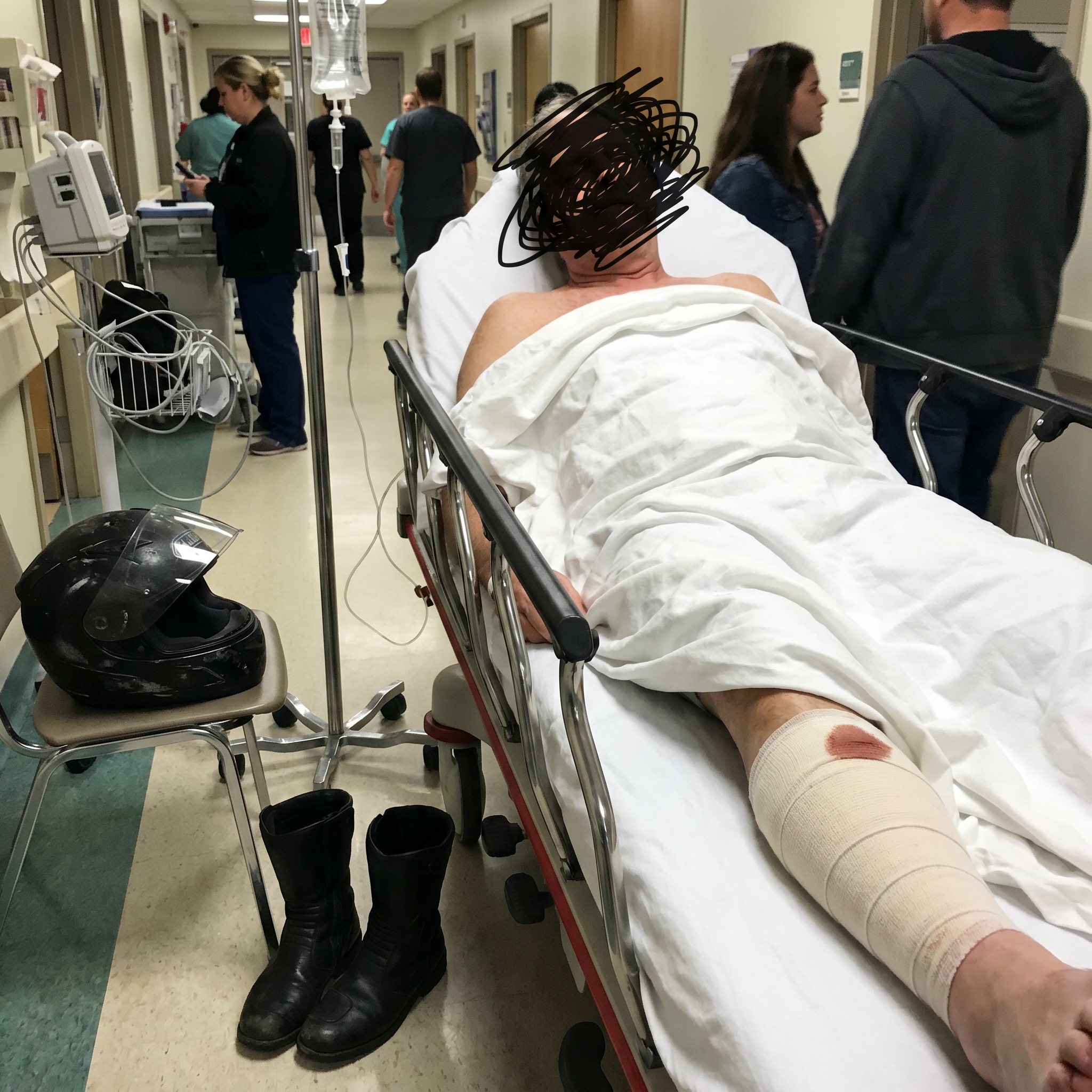
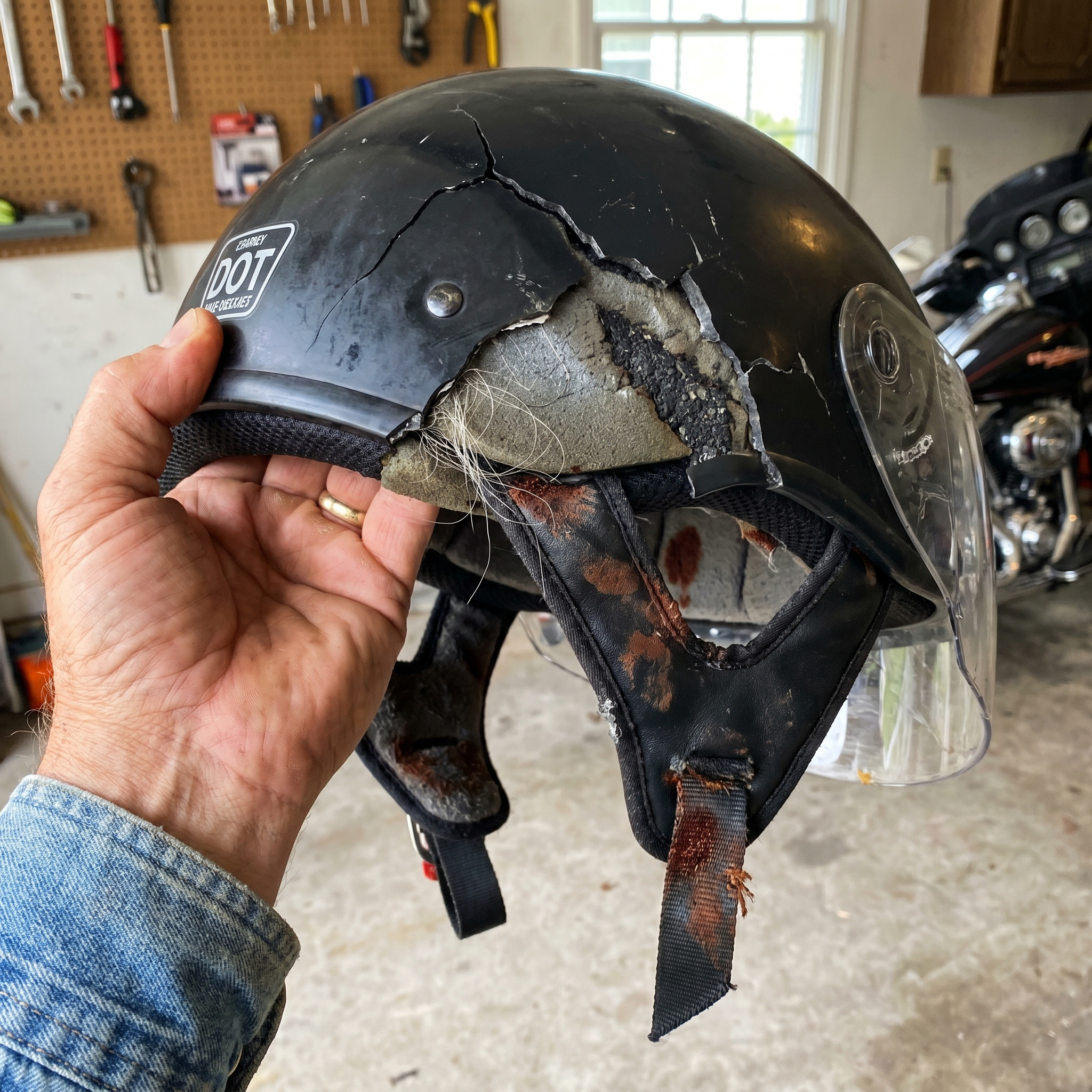
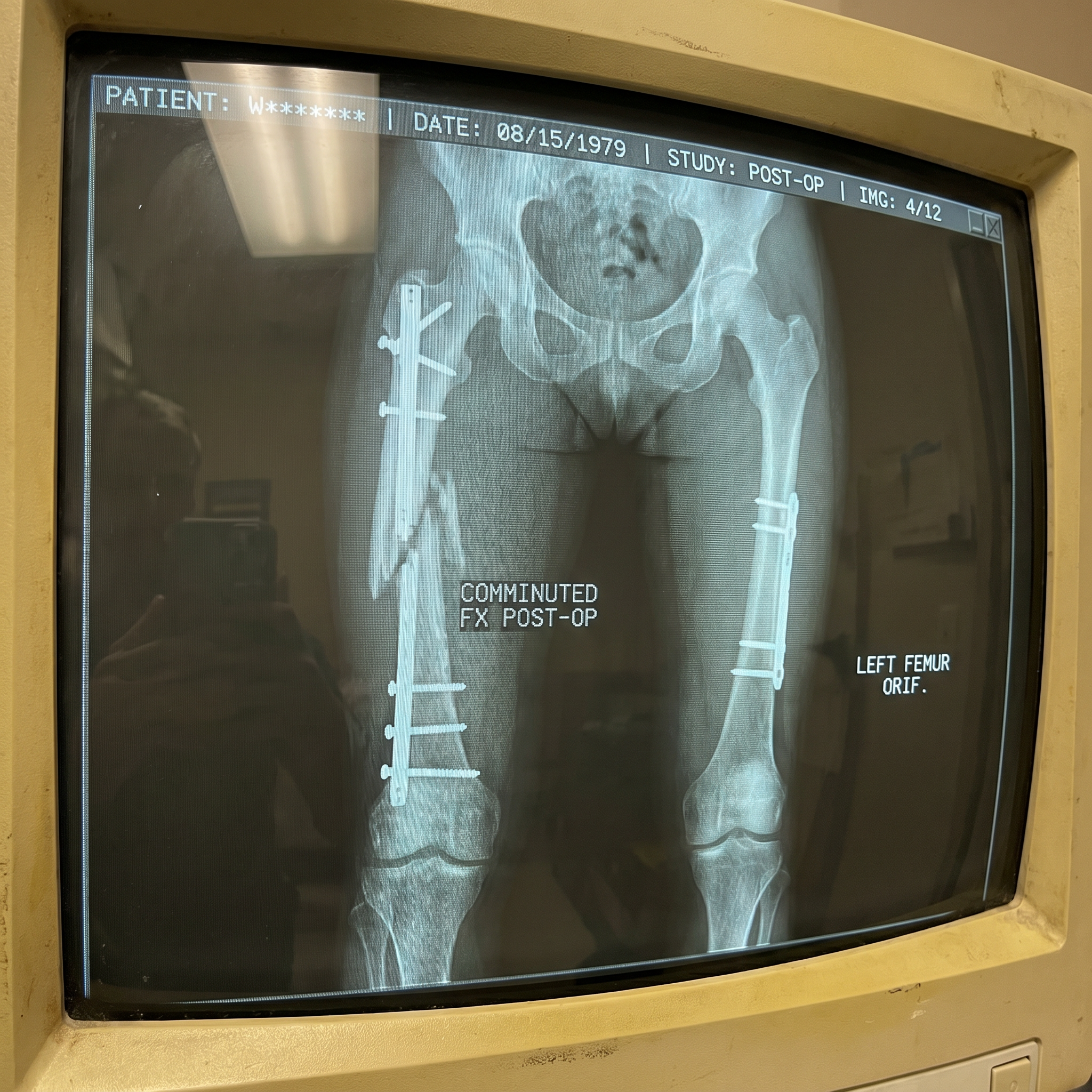
I broke both my femurs in 1979 on a Harley Shovelhead. I didn't ride for 27 years. Then I wasted 18 more years and $1,089 on gear that was never built for me. Last October, a trauma surgeon in Tallahassee sat me down and told me why — and I got so angry I sat in her parking lot for 25 minutes before I could drive home. My name is Earl Peterson. I'm 73 years old. I live in Wakulla Station, about 18 miles south of Tallahassee. I'm writing this at 4:30 in the morning because I can't sleep. I need to tell you what happened to me in 1979. What a trauma surgeon named Rachel Holbrook told me last October at an appointment that was supposed to be about something else. And what I finally found, after 18 more years of wasting money on the wrong products, that changed everything. If you're over 50 and you ride — especially if you ride a cruiser in a hot state, in jeans, because everything else is worse — please read to the end. I lost 27 years of my life to fear after 1979. I lost 18 more to a gear industry that was lying to me. I'm not getting any of that back. You still can. The crash. Sunday, August 12th, 1979. I was 27. I was riding a 1978 Harley-Davidson FLH Electra Glide — a Shovelhead, full dresser, vivid black with orange accent stripes. I'd bought it used for $2,800 two years before, which was a month and a half of my take-home pay. Route 65 north of Tallahassee, 8:15 AM, 73 degrees and climbing. I was heading to the Blue Plate Diner in Monticello to meet my brother Danny for coffee. I was wearing Levi's 501s, a white t-shirt, and a denim jacket I'd owned since high school. Red Wing boots. No helmet. Florida didn't require one and I was 27 years old and I was immortal. The deer came out of the tree line to my right. A young buck, maybe 120 pounds. I had one second. I remember locking eyes with him and thinking the single word no. I don't remember the impact. What I remember is being on my back on the asphalt, staring up at pine trees and blue sky, hearing a wet grinding sound from inside my own legs every time I tried to move. I looked down. My jeans were shredded hip to knee. There was something white sticking out of my right thigh that I thought was fabric for about three seconds before I understood it was bone. A woman had stopped. She was driving home from 8 o'clock Mass, still wearing a yellow dress with white buttons. She knelt on the road in her good dress and held my hand for 14 minutes until the ambulance came, saying "Honey, you just stay with me, honey. You just look right here at me." I have thought about her every year on August 12th for 46 years. I don't know her name. At Tallahassee Memorial they told my wife Linda that both my femurs were broken. The right one was a comminuted open fracture — the bone exploded into seven pieces, three of which came through the skin. Four hours of surgery to put a titanium rod through the center and screw the fragments back onto it. Then two more hours picking asphalt, gravel, pine needles, and pieces of denim out of open wounds. On day two, a nurse named Patricia pulled a piece of gravel from my hip the size of a pencil eraser. It had been embedded there for 31 hours. 11 days in the hospital. 14 weeks in a wheelchair. 18 more on crutches. A cane for 22 months. I walk with a limp to this day. Total cost in 1979 dollars: $47,000. Insurance covered $11,400. Linda and I took a second mortgage for $28,000. Her brother lent us the remaining $7,600 from a coffee can in his kitchen, on a handshake. We had a three-year-old son at home named Michael. He is 49 now. He does not remember his father before the crash. His earliest memory of me is sitting on the edge of a rented hospital bed in the living room, because I couldn't climb the stairs, eating a peanut butter sandwich Linda had cut into four pieces because she was afraid I'd choke eating it flat. I sold the Electra Glide from the hospital bed on day six. Linda took $890 for it. The bike was worth double. I did not touch a motorcycle again for 27 years. The 27 years. I told myself a lot of things during those years. That riding was stupid. That I'd gotten away with eight years and a deer had finally called the debt. That Michael and Linda deserved a man who wasn't gambling with his legs every Sunday. None of it was true. The truth is I was terrified, every day, and I was grieving. Every time I heard a V-twin rumble past my hands went cold. Every time I saw a Harley in my peripheral vision on I-10 I'd grip the steering wheel like I was bracing for an impact. 27 years of that. Linda knew. She watched me for 14 years without saying anything. Then in 1993 — I'd turned 41 — we were on the back porch with a beer and she said: "Earl. You need to buy another bike." I said no. She said, "You've been grieving that motorcycle for 14 years. Please." I said no again. She didn't bring it up for 13 more years. 2006. I retired from Florida State University in April 2006. The day of my retirement party I drove home, sat in my truck in the garage, and cried for two hours. Not about retirement. About a motorcycle I hadn't sat on in 27 years. The next morning I drove to Tallahassee Harley-Davidson and bought a 2006 Road King. Vivid Black. $2,000 cash deposit from a coffee can I'd been hiding in the garage for eight months. I came home and told Linda. She stared. Then she laughed. Then she cried. Then she said: "Earl Peterson. It is about goddamn time." I was 58. And then I spent 18 years making a mistake the gear industry is quietly counting on every rider my age to make. When I came back to riding in fall 2006, I was obsessively afraid. I'd spent 27 years imagining what I'd do differently, and the top of the list was: I will never, ever ride in jeans again. I drove to Big Cypress Cycle Gear in Tallahassee. The kid behind the counter — 26, full-sleeve tattoos — walked me to a wall of leather. Italian brand. 1.3mm full-grain cowhide. CE-rated knee and hip armor. $489. "This is what serious riders wear," he said. "Leather's the gold standard." I bought them. Three weeks later I took a 28-mile loop on the Road King. Last week of June in Florida. 91 degrees by 11 AM. By mile 14 I thought I was having a cardiac event. My legs inside that leather had to be 110 degrees. I could feel sweat pooling in the bottom of my boots. My heart was racing. I got tunnel vision. I pulled into a Chevron in Monticello and sat on the curb in the shade for 55 minutes. A guy pumping gas came over and asked if I needed an ambulance. I had spent $489 on what the shop told me were the best pants money could buy, and I couldn't finish a 28-mile ride. I went back. The kid walked me to the next wall. Adventure-style textile. German brand. Armored. Zippered vents. $380. Wore them four months. They were maybe 6 degrees cooler than leather. But they were enormous — built for guys crossing Death Valley on BMW GSes with 60 pounds of camping gear. On a Road King going to the Blue Plate with Linda, I looked like I was parachuting into Kandahar. The vents were 4-inch vertical slits that flowed air at 55 mph but did nothing at a stoplight. And the CE armor slid two or three inches down my shin on every ride longer than 40 minutes. Third pair: Kevlar-lined jeans. $220. Looked like Levi's. The armor pads were thin foam that slid around in fabric sleeves. The "aramid panels" were 9 inches by 6 inches, positioned roughly over the knee and hip. In 1979 I'd gone down at 45 mph in Levi's and lost both femurs. What I was now wearing was Levi's with a 9x6 piece of Kevlar sewn onto it. I was 59. I had $1,089 in failed riding pants hanging in my closet. So I did what every rider my age eventually does. I gave up and started riding in regular Wrangler jeans for short trips. 13MWZs, $24 at Tractor Supply. I told myself it was only for short rides. Only when it was hot. Only on back roads. I rode in Wrangler jeans for 18 years. Dr. Holbrook. October 14th, 2025. My primary care doctor referred me to an orthopedic surgeon for a follow-up on my old fracture site. New pain in my right hip. Dr. Rachel Holbrook is in her early fifties. Short brown hair going grey. Wears hiking boots in the office. Did her residency at Vanderbilt, spent eight years as a trauma surgeon at Vanderbilt Medical Center before moving to Florida. She looked at my hip X-ray. Told me the pain was arthritis from the old injury. Nothing concerning. Then she asked me a question no doctor had ever asked me before. "Mr. Peterson. Are you still riding?" "Yes, ma'am. Road King. 2006." "What are you wearing when you ride?" I told her. She was quiet for a long time. Then she said: "Can I say something completely outside the scope of this appointment? It's about motorcycle gear. I probably shouldn't say it because it's not my lane. But I've had four riders over 60 come through my trauma network in the last six years with injuries they should not have survived, and every single one of them was wearing jeans. Three didn't walk normally again. One died on the table from complications. He was 68." I told her to go ahead. What she said next, I've played back in my head a hundred times. I'm writing it down as close to verbatim as I can. "When you crashed in 1979, you were 27. Your body had every advantage. Peak bone density. Peak healing capacity. You got lucky with an injury that — let me be clear — would have killed a 73-year-old man." She pulled up a stock X-ray of a shattered femur. "If you sustained this exact same injury next week at 73, the outcome would be: 40% chance of surgical survival without major complications. 30% chance of survival with chronic disability. 20% chance of death in the first six months from pneumonia, blood clots, or cardiac events. 10% chance of a non-ambulatory outcome — wheelchair permanently." She paused. "Mr. Peterson, your bones are at 64% of the density they had in 1979. Your skin is 20% thinner. The gear that failed you in 1979 — the Levi's, the denim jacket — will not just fail you if it happens again. It will kill you. That's not dramatic. That's the medical reality." Then she said the thing that made my hands shake. "And the motorcycle gear industry — this is the part I'm actually angry about — has spent 40 years engineering products for three markets. Not yours." She held up three fingers. "One: young sportbike riders. Leather's designed to survive a 120 mph racetrack slide for 30 seconds. That's why it's hot — it's supposed to be hot. For a 24-year-old on a Ducati, leather is the right answer. For you on a Road King in 95-degree heat, leather is actively dangerous — it causes heat stroke in men your age, which causes crashes." "Two: adventure-bike tourers. Textile. Designed for weight, carrying capacity, gravel. Made bulky on purpose. That's the right product for a 45-year-old on a GS crossing the Andes. It is not the right product for you." "Three: urban commuters. Kevlar jeans. Designed around how you look, not what happens when you hit pavement. If you crash at 45, they're denim with a rhinestone on it. They will not save you." She put her hand down. "The market that should exist — a 73-year-old on a cruiser in Florida, needing CE Level 2 impact armor that stays in place, a shell that resists abrasion at 50 mph, ventilation that works at a stoplight, and a silhouette that doesn't make him look like he's reporting for duty — that market is worth hundreds of millions of dollars a year. There are roughly 6 million registered riders over 55 in the United States. We are the fastest-growing segment in the sport. And we are served by nothing." Then she looked at me. "Mr. Peterson, I'm going to tell you something I would never say in a deposition. The next time you go down in Wranglers, you will probably die or be permanently disabled. And I am tired — tired — of watching men your age come through my clinic with injuries entirely preventable by gear the industry has had the technology to build for 15 years and chosen not to, because we are not the demographic their marketing departments care about." She stopped. I said nothing for a full minute. Then I asked her what I should do. "Go home. Do your own research. Find the companies building for us. They exist. They're small. They sell direct — the dealer channel won't carry them, because dealers stock what the legacy brands push, and the legacy brands aren't going to cannibalize their own leather lines. You'll have to find them yourself." I walked out to my truck. Sat in the driver's seat. Did not turn the key. I sat there for 25 minutes. I was thinking about 18 years of cooking to death in leather. I was thinking about the $1,089 in my closet. I was thinking about the woman in the yellow dress. I was thinking about every guy in my HOG chapter — Bill, Ray, Doug, Frank — riding in Wranglers to the Blue Plate in 95-degree heat, one bad intersection from becoming Dr. Holbrook's next case file. I was so angry I couldn't drive. Finding RoadArmor. I spent three weeks after that appointment in a research spiral. CE certification standards. Australian motorcycle trauma data. The MAIDS report. Forums for older riders, which are brutal and depressing places. I was looking for a product that did four things: CE Level 2 armor that stayed in place, ventilation that worked at a stoplight, and a silhouette that didn't look like adventure gear. I couldn't find it in any mainstream store. Not Big Cypress, not the HD dealer, not any big online retailer. Products that ticked three boxes always failed on the fourth. Then my HOG chapter friend Bill Mosley texted me at 9:17 PM on a Wednesday. Bill is 68. Retired postal worker. His wife Evelyn died of pancreatic cancer in 2019, and he almost sold his Softail that Christmas because he couldn't face riding alone. Bill had just come back from Daytona Bike Week. At a gas station in Deland he'd talked to a woman on a Dyna wearing pants he'd never seen before — olive green, looked like cargo pants, but with clearly visible armor at the knees. He asked. She told him. His text was one line: "Earl. Check these out. Some outfit called EKON, made for guys like us." The moment I almost sent them back. The pants are called RoadArmor. I ordered Army Green, size 38. $149. They came with a free belt and a 60-day money-back guarantee, which was the only reason I clicked buy after $1,089 of disappointments. They arrived in six days. I took a 22-mile ride that Saturday. 71 degrees. Perfect November weather. And here's the honest part: I came home and told Linda I didn't know yet. Because leather feels fine at 71. Adventure textile feels fine at 71. Wranglers feel fine at 71. Everything works at 71. The test was going to be when it got hot. So I rode them for two weeks, quietly skeptical. I'd been burned too many times. I thought: these are adventure textile in a different shell. The armor's going to slide. Something is going to be wrong. Two weeks in, I'd opened the return shipping label in my email on a Friday night. I sat with the cursor hovering over the print button for 20 minutes. Linda walked past the desk and saw the screen. "Earl. What are you doing." "Sending these back. They're going to be like the others." She looked at me for a long time. Then she said: "Earl Peterson. You are 73 years old. You spent 27 years grieving a motorcycle you lost. You spent 18 years in the wrong pants because you were too tired to keep trying. A woman at a gas station told Bill about these, and Bill told you, and you've worn them for two weeks on easy days. Don't you dare send them back before you've given them a real chance. Ride them in August. Then decide." I closed the laptop. The stoplight. The real ride was the following Saturday. 58 miles. 79 degrees at start, 84 by Monticello. Coming back on US-19, I caught a long light at Tram Road. I was sweating — not heat-stroke sweating, just normal riding-in-84-degrees sweating. I reached down and unzipped the horizontal vents across my thighs. And I felt something I had not felt in 18 years of riding in Florida heat. Air. Moving across my legs. While the bike was standing still at a red light. It's a small thing. I know it is. If you haven't spent 18 years cooking to death every summer on a cruiser, I understand it doesn't sound like much. But at that intersection, it was proof. Proof Dr. Holbrook had been right. Proof there had been a fourth option the whole time. Proof an entire generation of men my age had been defaulting to one of three wrong choices because the industry never bothered to build what we actually needed. The light turned green. About 300 yards later I realized I was crying on the bike, which I hadn't done in 46 years of riding. That night I couldn't sleep. I got up at 2:15, walked out to the garage in the dark, and sat on the Road King with the lights off for an hour. I was thinking about the 40 years — 27 of fear, 18 of the wrong gear — I'd given away without knowing there was another choice. I went back inside, made coffee, and started writing this. Three months in. Week 4. 110-mile ride to Perry and back. 84 degrees outbound, 89 coming home. I was not physically wrecked when I got home. For 18 years, any ride longer than 80 miles in over 80 degrees used to leave me shaky for the rest of the day. Linda would bring me Gatorade in the recliner and I'd nap for two hours. Week 6. First surprise thunderstorm. Zipped the vents shut in four seconds, rode 40 minutes in steady rain. The inside of the pants was bone dry. Month 2. Put 1,400 miles on the Road King in February. More than I'd ridden in any three-month stretch since 2006. The chapter. Bill Mosley ordered the same week I did. Three weeks later he told me, at a stoplight, through the open window of his Softail, that he'd taken a spontaneous solo ride down to St. Marks on a Wednesday afternoon for no reason except that it was a nice day. He hadn't done that since Evelyn died in 2019. I had to check my phone so he wouldn't see my face. Ray Mickelson, 74, ordered in February. Ray had a triple bypass in 2022. His cardiologist had told him to "seriously consider" giving up the motorcycle. Ray called me the week his pants arrived: "Earl, I think my cardiologist was actually telling me to give up the leather, not the bike. I just didn't know it." He's been riding three days a week since. His blood pressure dropped 12 points. Doug Henshaw, 71, ordered in March. Hadn't ridden in four years because of Florida heat. His Softail had been expensive garage furniture since 2021. He rode 38 miles the first day his pants arrived. Texted me that night: "I forgot what this felt like." Frank Meyers, 66, retired Jacksonville firefighter, ordered in April. Frank doesn't text. He left me a 47-second voicemail last week. The entire message was: "Earl. These damn pants. Earl. These damn pants. Earl. Call me back." Seven guys in the Tallahassee HOG chapter are wearing RoadArmor now. Six of us are over 65. What Dr. Holbrook said in April. I saw her at a six-month follow-up. Hip scan was fine. I told her the story. She nodded slowly. Then she said: "Mr. Peterson. Can I tell you something? I shouldn't say this in an exam room and I'm going to say it anyway. If I could walk into every HOG chapter meeting in the southeastern United States and hand every rider over 60 a link to the pants you're wearing, I would. I'm a trauma surgeon, not a motorcycle marketer. I've been watching men in your demographic die of preventable injuries for 20 years. I'm telling you, and you can tell whoever you want." I wrote it down in my phone in the parking lot so I wouldn't lose it. I need to be extremely clear about something. Nobody paid me to write this. I don't work for EKON. Nobody sent me a free pair. I paid $149 on my Visa ending in 4412 on November 24th, 2025. I bought a second pair December 15th. I bought a third pair for my brother Danny for Christmas — he's 69, lives in Valdosta, Georgia, rides a Heritage Softail, had been wearing Wranglers for the same reason the rest of us had. I'm a 73-year-old retired facilities engineer. I rode a 1978 Shovelhead into a deer on Route 65 on August 12, 1979. I lost 27 years to fear. I spent 18 years after that in the wrong gear because the motorcycle industry never built what I needed and never told me they weren't going to. I'm passing the truth along because I don't have 40 more years, and some of you reading this don't either. What I'd tell my 27-year-old self, if I could drive back to Route 65 on the morning of August 12, 1979. I'd tell him the deer is coming. He cannot outride it. Deer are not something you outride. I'd tell him that in 1979, the gear industry has not built what he needs. Leather is for racers. Jeans are for everyone else. He has no choice. In 2026, there is no excuse. There is gear that breathes. There is CE Level 2 armor that stays in place. There is a shell that survives 45 mph on Florida asphalt. There is ventilation that works at a stoplight in July. There is a silhouette that lets you walk into a diner afterward without changing clothes. If you're reading this and you're over 50, you ride a cruiser, you live in a hot state, and you've been in Wranglers for "short trips" because leather is too hot and adventure gear is too bulky and Kevlar jeans are Levi's with a rhinestone — You have the same choice I had last October in Dr. Holbrook's parking lot. You can accept what the industry has sold you for 40 years. Or you can refuse it. The simple part. The pants are called RoadArmor. The company is EKON. They sell direct — your local shop doesn't carry them because the dealer channel stocks what the legacy brands push. $149 for one pair. $249 for two. Free belt included. 60-day money-back guarantee. Here's the link: https://ekontravel.com/products/roadarmor-pants Try them. Ride them on a 90-degree day. Stop at a light, unzip the vents, see what happens. If they don't change everything, send them back. That's the whole deal. The deer is coming. Maybe not today. Maybe not this year. Maybe ten years from now, on a road you've ridden a hundred times, on a morning that starts like any other, with a young buck stepping out of a tree line while you have one second to do nothing about it. In 1979, I had no choice. I can live with what happened that morning because there was nothing else I could have done. What I cannot live with is the 18 years afterward. That was a choice. The industry was selling me the wrong thing. Nobody told me anything else existed. You know now. Whatever you do next is on you. — Earl Peterson Wakulla Station, Florida April 2026 P.S. The $489 leather pants are still hanging in my closet. Linda refuses to let me throw them out. "Earl, you paid five hundred dollars for those, we are not throwing them out." Untouched since October 16th, 2025. I marked the date on the tag with a Sharpie. P.P.S. My son Michael — 49 now, the one whose first memory of his father is a hospital bed in the living room — called me in February. He asked if I would teach him to ride. Forty-six years after his father came home from Tallahassee Memorial in a wheelchair, my son wants to learn. I told him yes. We're going to Tallahassee Harley-Davidson in June to pick out a Sportster. The first thing we're buying, before the bike, before the helmet, is a pair of pants. The pants I'm wearing right now. If you have a father, a brother, a husband, or a friend over 55 who rides — send this to him. Not for EKON. Not for me. For him. The deer is coming for someone you love. Please.
I didn't ride again for 27 years.
In 1979, I was wearing jeans. Both femurs broken. 18 months of surgeries. Here's why I don't ride in jeans anymore.
SEE DETAILSLike this ad? Make it yours.
Crush rebuilds this exact creative around your product — your brand, your colors, your offer — in about a minute.