
Active· since Jun 6, 2026
- 102
- days running
- 0
- relaunches
Ad copy
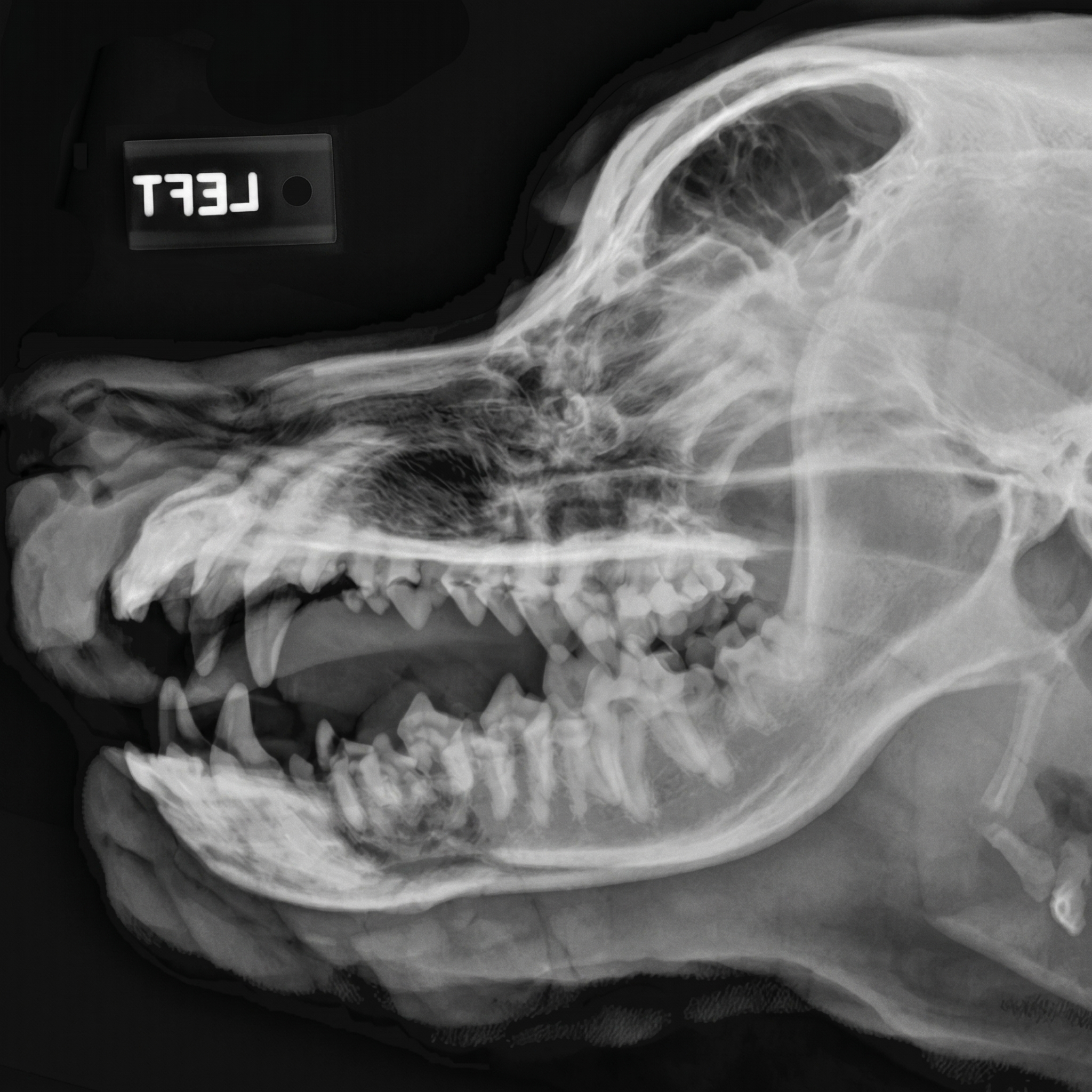
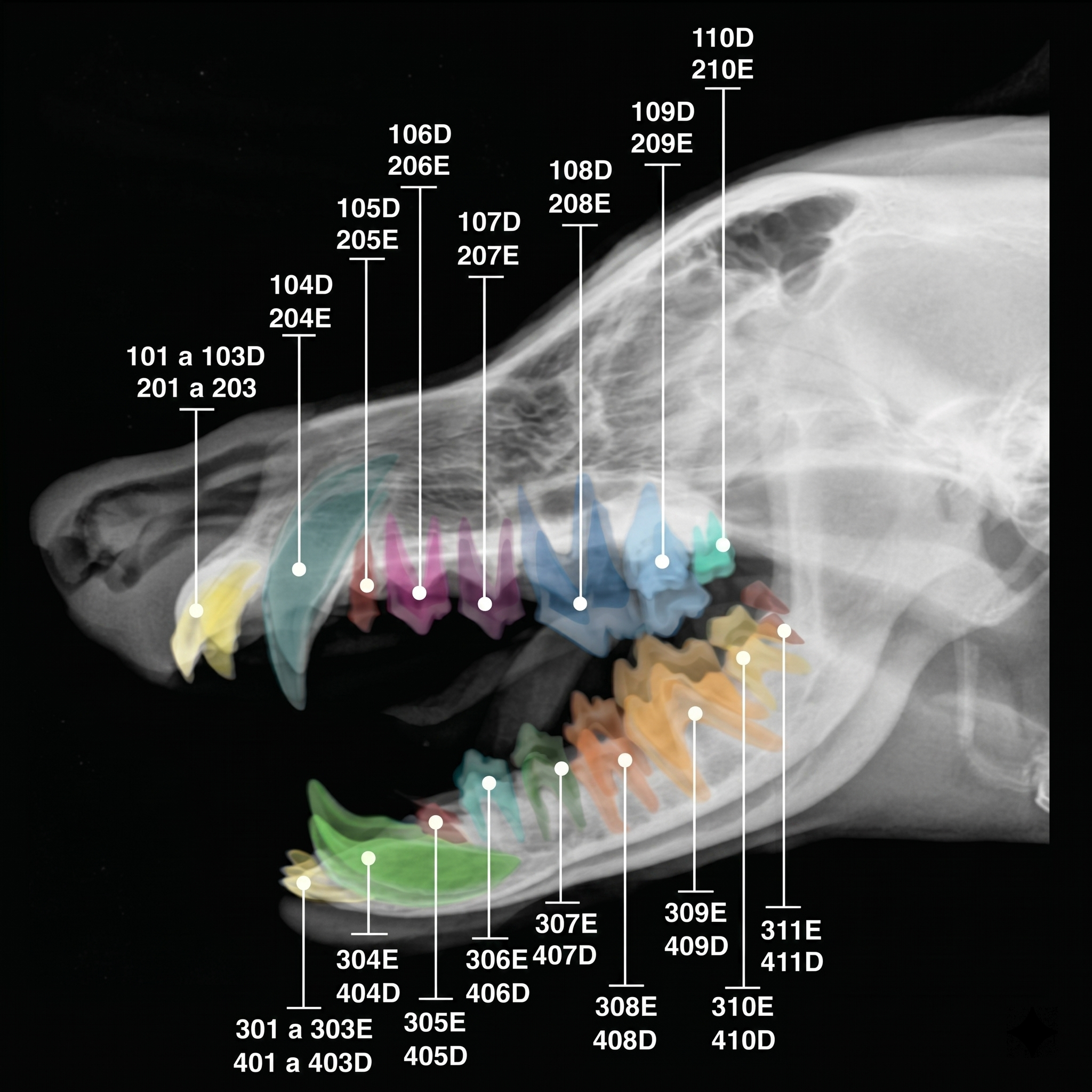
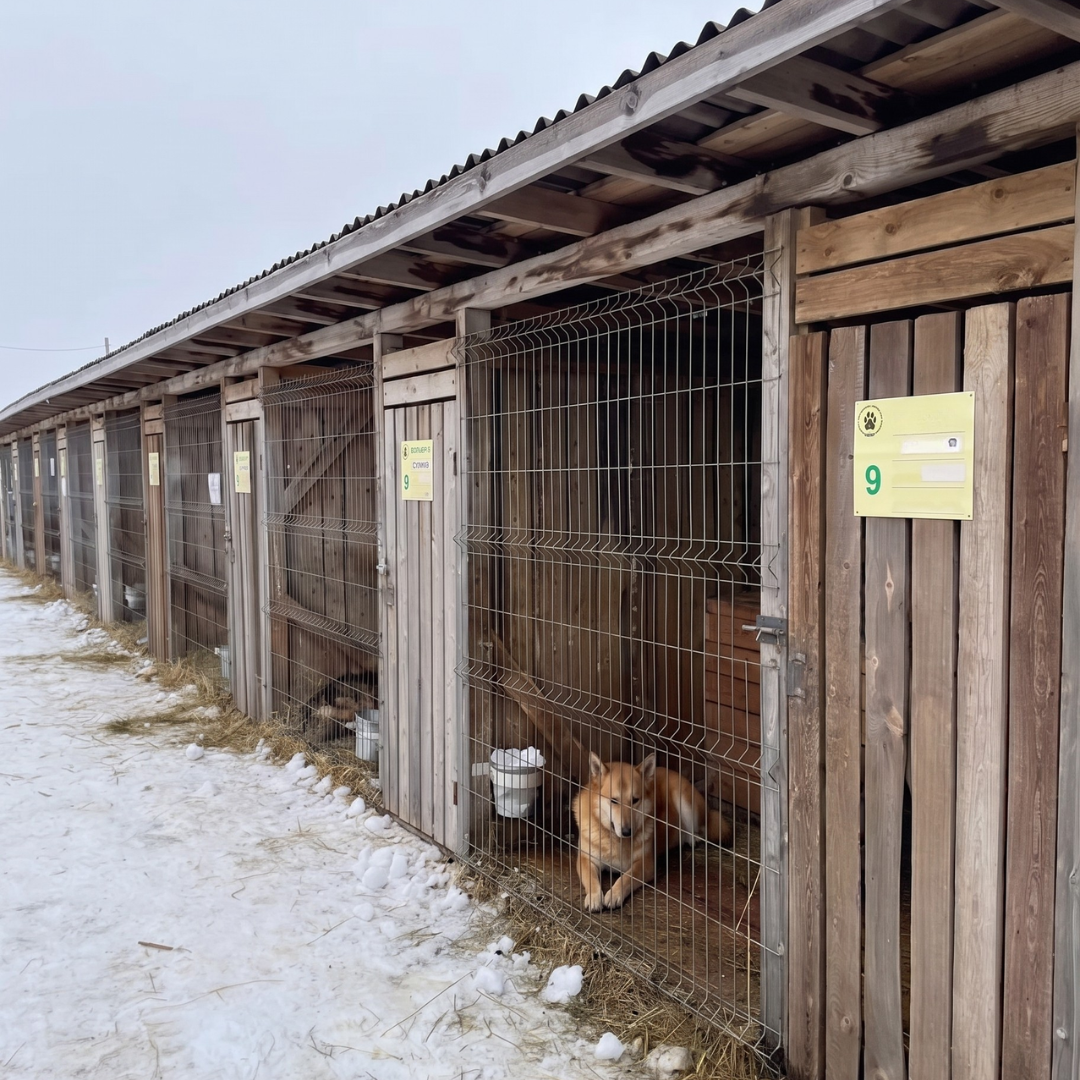
I was about to send 47 dogs to euthanasia, until I found the dental protocol most vets can't mention. If you've got a senior dog and your vet has recommended a dental cleaning in the last six months, I need you to read this before you schedule it. The procedure they call "routine" kills senior dogs every week in clinics across this country. Their owners are told the bloodwork was perfect. Their owners are told it was a one-in-a-million complication. It's not. After three sleepless nights, I found what the industry doesn't want to talk about—because there's no money in a thirty-eight dollar bottle, and a lot of money in surgery. Not a safer way to put them under. Not brushing. Not the anesthesia-free cleaning you've probably already googled. Here's what I found. And what I do instead. I'm Susan. For eleven years I've run a rescue for senior dogs — the ones every other shelter turns away because they're "too old to adopt out." Right now I've got 47 of them. Most came the same way — somebody loved that dog for a decade, then a vet bill showed up they couldn't pay, and the dog ended up at my gate. P.S. I can't tell you where we are, and I hope you understand why. We're already stretched thin caring for these 47 dogs, and we can't take any more. I didn't sleep for a week last spring after 3 dogs died. What I found should have been taught in vet school. But the veterinary industry has been sitting on it — because it threatens the most profitable procedure in veterinary medicine. Here's what happened. The first one was Rosie. 9:42 AM on a Tuesday. She was eating her breakfast like normal. 9:47 AM she walked over to her water bowl and her legs gave out. By 10:03 AM she was gone. In my arms, on the kitchen floor. Five minutes from a normal morning to nothing. How is this even possible? I ask the vet ran every test he could think of. Bloodwork was clean. Kidneys looked fine on the panel. Heart sounded okay. Her teeth weren't even that bad — a little tartar, gums looked normal. He shrugged and said it was just her time. Two more dogs went the same way over the next four months. Different ages. Different breeds. Clean bloodwork. Teeth that looked okay. Hearts that sounded okay. The only thing all three of them shared was bad breath. That was it. That was the only thing. I sat in my truck after the third one and stopped believing it was just bad luck. Something was wrong. Something nobody was telling me. And I knew which dog was going to be next. Benny. Thirteen years old. Came to me eight months earlier from a family who couldn't afford him anymore. Before that, two other homes had given him up. Before that, a year on a chain in someone's backyard. By the time he got to me he was skin and bones, terrified of hands moving near his face. Eight months in, he finally trusted me. Slept by my bed. Followed me to the feed barn every morning. And I was watching him go downhill. His mouth was the worst one in the building. Brown tartar caked on every tooth. Gums so swollen they bled when he chewed — he'd stop halfway through dinner, whimper, then force himself to finish. Breath that smelled like something was rotting inside him. And I couldn't shake the feeling that whatever killed those three dogs was already inside his mouth too. I had tried everything I knew to try. Dental chews — half the dogs swallowed them whole, the other half wouldn't touch them. Water additive — most of the bowls just sat there going bad. I'd even tried brushing. With 47 dogs. I'll just say I had bite marks up both arms by week two. Nothing was working. I'd already lost three dogs. And Benny — the dog who had already been failed three times before he ever got to me — was next. So I picked up the phone and called the vet to book the cleaning. Full anesthesia. The whole thing. Because that's what you do, right? When everything else has failed and your dog is dying — you put him under and let the vet scrape it off. I had no idea what was waiting for me at that clinic the next morning. Next morning. I prepped him myself. Held his head in my lap while the tech shaved a patch on his leg for the IV. Watched the vet walk over with the anesthesia. Then the vet did something I wasn't expecting. He sat down on the floor next to me. Looked at Benny. Looked at me. And he said, "Susan, I need you to know something before we do this. We lose dogs like Benny on this table every week." It stopped me cold. Because I had already lost two dogs at my shelter the same way. Different years, different clinics. Both seniors. Both went in for a routine cleaning. Neither one came back. I had told myself those were freak things. Bad luck. The price of running a rescue full of old dogs. Then he kept talking. He said, "It happens across this country. Every week. Senior dogs. Perfect bloodwork. Owners doing everything right. They go under for a routine cleaning and they don't come back up." "And I know how that sounds with me about to push this needle. But this is the only tool we have. By the time a mouth looks like his, nothing else we were taught works. We were trained to scale and polish. There's no chapter in vet school on what to do instead." I looked down at Benny. His eyes were half closed. He trusted me. He had been failed by three people before me and he was lying there because he trusted me. "Don't push it," I said. "Get him off the table." The vet looked at me for a long second. Then he nodded and put the syringe down. Because here is what nobody had ever said to me out loud in eleven years. For a senior dog, anesthesia is never "routine." It doesn't matter how clean the bloodwork is. It doesn't matter how good the vet is. When you put a thirteen-year-old dog under, you're asking old organs to do something old organs aren't built to do. And I had almost just done it. To Benny. I stood up to carry him out to the truck. The vet stopped me at the door. He said, "Before you go, there's a vet about four hours from here who runs a senior dog rescue. Dr. Emily. She does things differently. I don't fully understand her approach, but I've had clients drive out there and come back with their dogs' mouths looking 100% better.” "I'm not endorsing anything. I'm just telling you — if I had to choose between this table and a four-hour drive, I'd drive." He had handed me a card on the way out. Just a name and an address written in pen. No phone number. No website. That night, I typed "Dr. Emily" into Google. Nothing. No clinic page. No reviews. No LinkedIn. Not a single thing. I tried different spellings. I tried "senior dog rescue" and the state name. I tried searching the address itself. Nothing. For a doctor who supposedly had clients driving four hours to see her, the woman didn't exist. That's when the suspicion started. I've been around long enough to be suspicious of doctors who don't exist online. And I know what a scam looks like. A doctor with no online footprint, in a town I'd never heard of, recommended by a vet I'd only met once — that's three flags before I've even left the house. But every time I walked past Benny's bed I'd hear the same line in my head. If I had to choose between this table and a four-hour drive, I'd drive. The man had told me he loses dogs like Benny every week. And then he handed me a card. With a name no search engine had ever heard of. On the fourth morning I loaded Benny into the truck and started driving. I pulled in four hours later, eyes burning from the drive. What I Saw in the First 10 Minutes Made Me Want to Throw Up The place didn't look like a clinic. It looked like a working farm. A long gravel driveway, a barn, fenced runs in the distance, dogs barking somewhere I couldn't see. A handwritten sign by the gate that just said "PRIVATE PROPERTY." A woman in jeans and a fleece walked out to meet me. Gray hair pulled back. Boots covered in mud. She didn't smile. "Help you?" she said. I told her my name. Told her my vet had given me her address. Said I was looking for Dr. Emily. She looked at me for a long second. "There's no shelter here," she said. "You've got the wrong place." I stood there for a beat. The dogs were still barking behind her. "There's dogs barking right now," I said. "My personal dogs." "In an outdoor run, behind a 'private property' sign, at an address a vet four hours from here gave me?" She didn't answer. Just looked at me. So I told her the vet's name. Told her exactly what he'd said to me on his clinic floor — that he loses dogs like Benny every week, that he didn't fully understand her approach, that if he had to choose between his own table and a four-hour drive, he'd drive. Her face changed. "What's the name of the dog you brought?" she asked. I told her. Benny, thirteen, in the truck. She looked past me at the truck. Then back at me. "Come on," she said. She didn't introduce herself for another twenty minutes. She walked me down a path I wouldn't have known was there. Past the barn. Through a gate I couldn't see from the driveway. To a row of kennels tucked behind a stand of trees. Twelve dogs. All seniors. All the ones nobody else would take. She stopped at a kennel with a printed photo taped to the door. "This is Cooper," she said. "Fourteen years old. Came to me five months ago." I looked at the photo and my stomach dropped. Brown cement caked on every tooth. Gums so swollen they had turned purple. Two lower teeth with the roots exposed where the gums had pulled away. I had seen that mouth a hundred times. It was Benny's mouth. It was every old dog I'd ever taken in. The photo was dated five months ago. She crouched down and lifted Cooper's lip. I bent down next to her. What I saw made no sense. Cooper's gums were pink. Firm. Not a drop of blood anywhere. And the brown cement that had coated his teeth five months ago — softening. Flaking off on its own. My hands started shaking. "How?" I asked. She didn't answer right away. Kept her hand on Cooper's head for a long second. Then she said, "To understand it, you need to see a few more dogs' teeth." She walked me back outside. Past every kennel. Lifted lips. The first one — old terrier. Pink gums. I thought maybe it was a coincidence. The second — old shepherd mix. Same thing. The third — old beagle. By the time she let his lip down I had stopped being able to swallow. I wasn't looking at twelve dogs anymore. I was looking at Rosie. I was looking at the two others I had buried after her. Three dogs I had told myself I couldn't have saved. And here in front of me were twelve seniors with the kind of mouth I had only ever seen on a puppy — telling me I could have. I could have saved every one of them. My face changed before I could stop it. I had to turn my head away so she wouldn't see. She didn't say anything. Just kept walking. Kept lifting lips. By the time we got back to the barn my hands were shaking. I sat back down. "So what are you using on them?" She leaned back and said something that almost made my heart stop. “Oral probiotics,” she said. I'd never heard of it. "How does it work?" "Think of your dog's gum line like a parking lot," she said, her face changing. "There are only so many spaces." "Right now, in Benny's mouth and in every senior dog you've got back home, those spaces are packed. With the bad bacteria. The kind that cause the smell. The kind that cause the bleeding. The kind that get into the bloodstream every time the dog chews." "Probiotics are good bacteria. Live ones. You spray them into the mouth, and they move into the gum line and take up every parking space before the bad bacteria can." "No space means no bad bacteria. No bad bacteria means no rot, no smell, no infection — and nothing left to travel into the bloodstream and kill the dog from the inside." Everything I'd been taught about old dogs and their mouths was mechanical. Scrape. Polish. Pull. Surgery, surgery, surgery. She was telling me the real fight wasn't mechanical. It was bacterial. You don't win a bacterial fight with a scaler. You win it with more bacteria. The right kind. "Why has no one told me about this?" I asked. She shrugged. "Because it's not patentable. It's not sexy. And it doesn't require a $200,000 dental suite." She leaned forward. "You want to know why most vets don't talk about oral probiotics?" I shook my head. "Because a $1,200 dental cleaning is more profitable than a $38 bottle of probiotics. That's it. That's the whole thing." She wasn't wrong. "I'm not saying anyone's being dishonest. Most vets have no idea this exists. It wasn't in any textbook I studied. The system is built around the expensive procedure. The cheap door exists. Nobody's standing there pointing at it." Think about your dog right now. Breath that smells like something is rotting. Brown or yellow buildup along the gum line — even a thin line. Gums that bleed when they chew. Even a little pink on a toy counts. Dropping food. Chewing on one side. Refusing treats they used to love. If your dog has even two of those signs — the bacteria are already in the bloodstream. Reaching the heart. Reaching the kidneys. Causing damage that doesn't reverse. Your vet calls it "moderate" and tells you to "monitor it." I was monitoring Rosie too. But I'm a scientist before I'm a believer. If oral probiotics actually worked, why hadn't I heard about them? And more importantly — were they safe? So that night I ordered eight dental sprays. The Amazon bestsellers. The "vet recommended" ones. The five-star reviewed ones. I paid for them out of money I didn't have. When they came, I sent every bottle to the vet who had refused to push the needle on Benny. I asked him to test them. He picked up two bottles. Read the back labels. His jaw tightened. "Most of these are garbage, Susan. I can already tell. Give me four days to confirm it." What the Lab Results Revealed Made Me Want to Scream Four days in, the vet called me back. He was angry. I could hear it before he even said hello. Seven of the eight had something in them he wouldn't put near a dog he cared about. One had heavy metals. One had something that could damage a senior dog's heart. One smelled like bleach the second he opened it. One had been sitting in a warehouse so long the live bacteria were dead — and the bottle had grown its own infection inside. "These are the bestsellers," he said. "Every one of these is on the front page of Amazon when you search for dog dental spray." Then he said something I won't forget. "Susan. If you'd bought any of these on your own and used them on Benny, you would have made him worse. Some of them you would have made him a lot worse." If you've ever bought a dental spray off Amazon for an old dog — there's a real chance you bought one of the seven. There was exactly one bottle that came back clean. A brand called MiloLabco. I called him back to verify. Asked him if he was sure. He said, "I checked it twice. Cleanest commercial version of that approach I've ever seen on a shelf." Pure, live probiotics. The exact strains Dr. Emily had described at the shelter. No heavy metals. No hidden fillers. No contamination. It was the only product that actually matched what Dr. Emily was using. I Tested It on My Own Dog (And What Happened Scared Me) The bottle from MiloLabco arrived three days later. That night I stood in my kitchen holding it. Benny was on his bed in the corner. He hadn't eaten dinner. His mouth was open the way it had been for weeks — that smell of something rotting filling the whole room. I'm not a soft woman. I bury dogs at this rescue. I've held them in my lap while the vet pushed the needle. My hands don't shake. They were shaking now. Because if this didn't work, I knew what was waiting in the morning. The same table. For Benny first. Then one by one for the 46 others behind him. Anesthesia I couldn't pay for. For a procedure that had already taken two of my dogs. This was it. There was nothing after this. I knelt down next to him. "Old man," I whispered. "Let's try something." He opened one eye and pushed his head into my hand the way he always did. I lifted his lip. His gums were still swollen. Still bleeding at the edges. The tartar was still thick and brown. I sprayed twice along his gum line. He licked his chops. Didn't fight me. Didn't gag. Just rested his head back on the bed and closed his eyes. That was it. That was the whole treatment. I sat on my kitchen floor for a long time after, staring at him, thinking: this is either the dumbest thirty-eight dollars I've ever spent, or it's about to save my dogs' lives. On Day 3, I woke up to Benny standing next to my bed. He'd come down the hall from the kitchen — something he hadn't done in months because his mouth hurt too much to walk that far without a break. He pushed his face into my pillow. And I didn't smell death. I didn't smell rot. I smelled… nothing. Just regular dog breath. "Holy hell," I said out loud, into the dark of my bedroom. I grabbed the flashlight off my nightstand and lifted his lip. His gums were less red. The swelling was down. A flake of brown stuff had already come loose on his bottom canine. Three days. Three days and a $38 bottle. It was working. Week 6: The Bloodwork That Made Me Cry Six weeks later, I drove Benny back to the same vet for bloodwork. Same senior panel. Kidney function. Liver enzymes. White blood cell count. Inflammation markers. When the vet came out with the printout, he didn't say anything at first. He just looked at the paper. Then at Benny in my lap. Then back at the paper. He sat down next to me. "His kidney markers improved, Susan. Not held steady. Improved. His liver enzymes are down. His inflammation is the lowest he's ever shown on a panel since he came to you." I couldn't speak. He put his hand on Benny's head. "I've been a vet for nineteen years. I have never seen a senior dog's bloodwork move in this direction without surgery. Not once." His voice cracked. I looked up at him and his eyes were wet. He smiled at me. A real one. "You did this, Susan. You and a thirty-eight dollar bottle." That's when I started crying. Not for Benny. Benny was going to be fine. For Rosie. For the two others I'd buried after her. For every old dog I'd taken in over eleven years and watched go downhill, telling myself it was just their time — when the truth was their time wasn't up. Their time had been stolen by something I could have stopped with a thirty-eight dollar bottle. The vet didn't say anything. He just kept his hand on Benny's head and let me cry. After a while I asked him, "Are you going to use this with your other senior patients?" He looked at me. "I already ordered three bottles for my clinic." That was six months ago. Since then, I've put every single senior dog in my shelter on this spray. All 47 of them. Plus the eleven new ones I've taken in since. The brown buildup that was caked on every tooth in this place — flaking off on its own. The bleeding gums — closed up. The breath that used to fill the kennels — gone. Forty-three of the original forty-seven showed visible improvement within thirty days. The four that didn't were the worst of the worst. Even those four stopped getting worse — they didn't heal, but they didn't keep dying either. Not one of them needed anesthesia. Not one of them needed surgery. I haven't lost a dog to a mouth problem in six months. After Benny's bloodwork came back, I stopped keeping this quiet. I started telling other rescue people. I started telling adopters. One of my adopters — Carol — took home a thirteen-year-old Cocker Spaniel named Mavis. Mavis had a mouth full of brown crust and gums so swollen they bled when she ate. Carol started the spray the day she got her. Four weeks later she called me crying. “Susan, she let me kiss her on the face for the first time. The smell is gone." Another rescue operator — Frank — runs a small senior dog rescue two counties over. He'd lost four dogs the same way — sudden, clean bloodwork, no warning. I told him exactly what I'm telling you now. He's been on it three months. Hasn't lost a dog since. My neighbor down the road — Margaret — has an old beagle named Cooper who'd been chewing on one side for two years. Her vet recommended a cleaning that was going to cost her two thousand dollars she didn't have. She got a bottle the day after I called her. Three weeks later at his checkup, the vet asked her what she was doing differently. Cooper's gums were pink for the first time he'd ever seen. Three different homes. Three different dogs. All saved by the same spray that saved mine. I could have stayed quiet. I could have kept my 47 dogs healthy and never mentioned this to anybody. But I didn't take in 47 senior dogs nobody else wanted just to keep quiet about the one thing keeping them alive. Not while there are owners out there about to bury theirs from something a thirty-eight dollar bottle can stop. You already know something is wrong with your dog's mouth. You've smelled it. You've seen the brown buildup on the back teeth. You've watched your dog drop food, chew on one side, or flinch when you go to touch their face — and told yourself it wasn't that bad yet. And every night you haven't done anything about it, you've gone to bed with that knot in your stomach. The one that says you should be doing more, but you don't know what else to try. You've tried. The brushing that turned into a wrestling match until your dog started hiding from you every time you reached for the toothbrush. The chews she swallowed whole without even touching her teeth. The water additive he refused to drink so now the bowl sits there untouched. The expensive dental treats that made her breath worse, not better. You didn't stop because you stopped caring. You stopped because everything you tried either didn't work, cost you a fortune, or made your dog afraid of you. That's not failure. That's the wrong tools. But the bacteria didn't stop when you did. They've been working every day. Every meal. Every bleed. Every breath. The Two Choices You Have Right Now Choice 1: Keep waiting. Keep brushing, even though your dog fights you. Keep giving dental chews she swallows whole in seconds. Keep avoiding the vet's cleaning recommendation because you're terrified of what happens on that table. And watch the bacteria keep flooding into your dog's bloodstream. Attacking the heart. Poisoning the kidneys. Damage that doesn't reverse. By the time the bloodwork catches it, you're not treating an infection anymore. You're managing organ failure. Or you're standing in your kitchen at 10:03 in the morning wondering how a healthy dog dropped dead between breakfast and the water bowl. Choice 2: Start managing the bacterial infection today. Use the same probiotic spray that saved Benny. And the 47 other senior dogs in my rescue who would have ended up on the same table he almost did. Stop the bad bacteria from taking over the gum line. Give the good bacteria a chance to crowd them out. And avoid the table I won't get on again — not for one of my dogs, and not for yours. The probiotic spray I use is from MiloLabco. 👉 https://milolabco.com/products/milolabco™-den?view=pre-sale It's $38 for a 2-month supply. That's $0.63 a day. Compare that to the $1,200 to $2,500 your vet will charge for a cleaning. Or the thousands you'll spend treating heart disease or kidney failure caused by an infection your vet told you to "monitor." I'm not telling you this because I get a commission. I run a senior dog rescue with 47 dogs in it. I don't have an affiliate code. I don't have a discount link. I'm telling you because Benny is sleeping at my feet right now. He'd be dead without that bottle. So would the 46 other senior dogs in my kennels. If it worked for them, it can work for yours. P.S. — Every time your dog's gums bleed when she chews, bacteria are entering her bloodstream. Every meal. Every breath. Traveling to the heart. Traveling to the kidneys. Quietly burning through the function those organs have left. By the time the bloodwork catches it, most of that function is already gone. The smell is the warning. Don't wait until it's the eulogy.
My vet refuses to put my dog under anesthesia for dental work.
Although I brush my dog every day, the vet said everything was fine and that it didn’t matter if they missed this.
SHOP NOWLike this ad? Make it yours.
Crush rebuilds this exact creative around your product — your brand, your colors, your offer — in about a minute.