
Inactive· since Jun 11, 2026
- 9
- days it ran
- 4
- relaunches
Ad copy
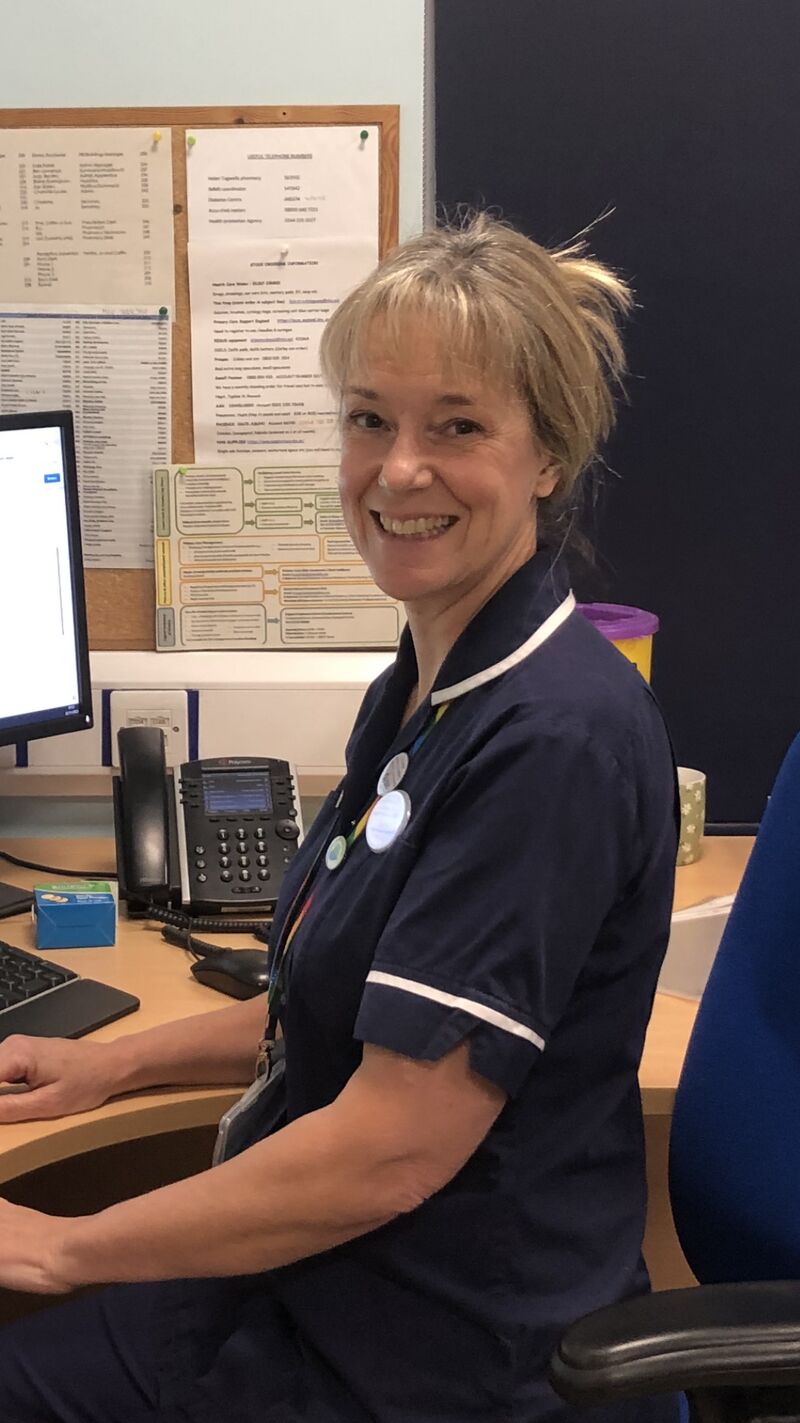
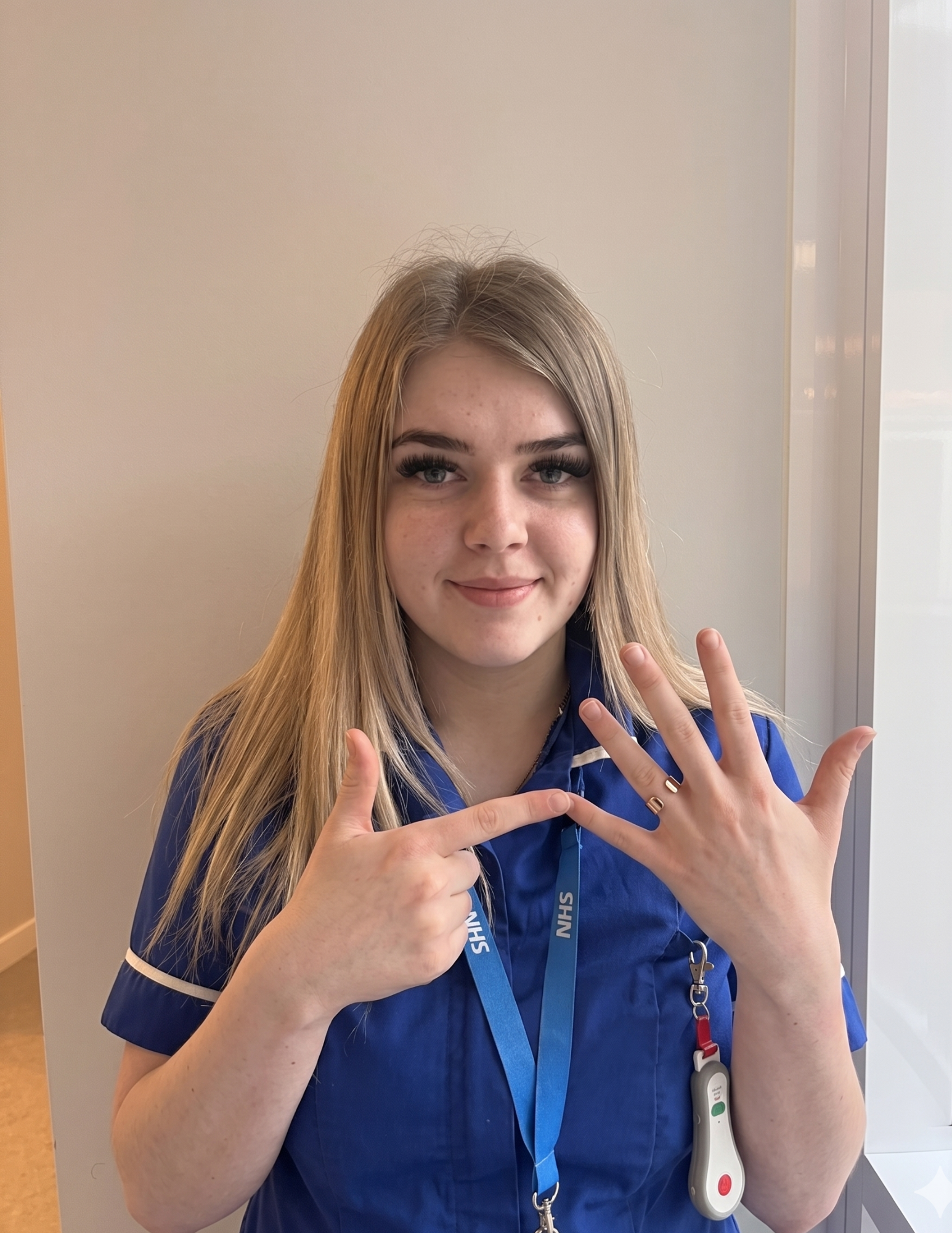
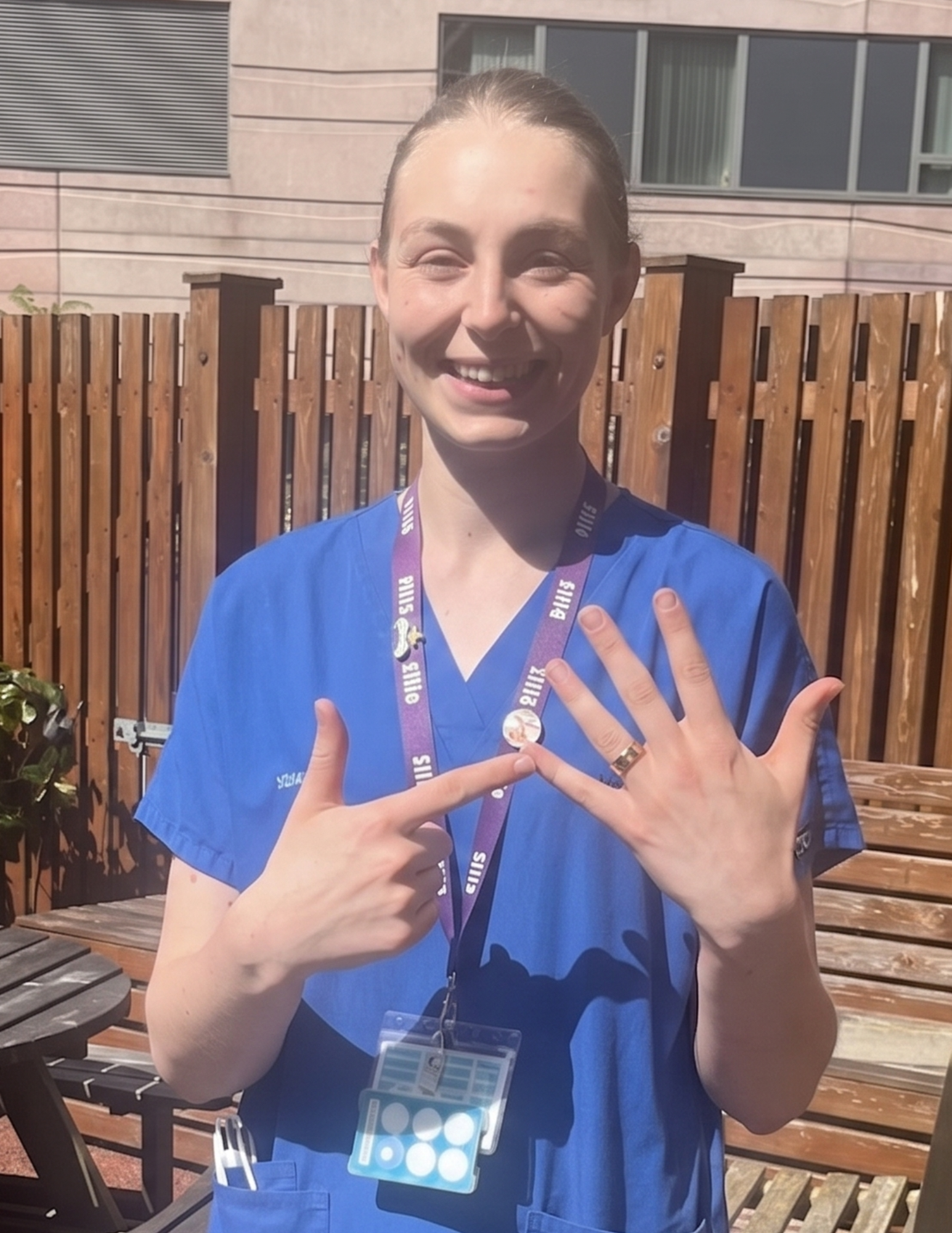
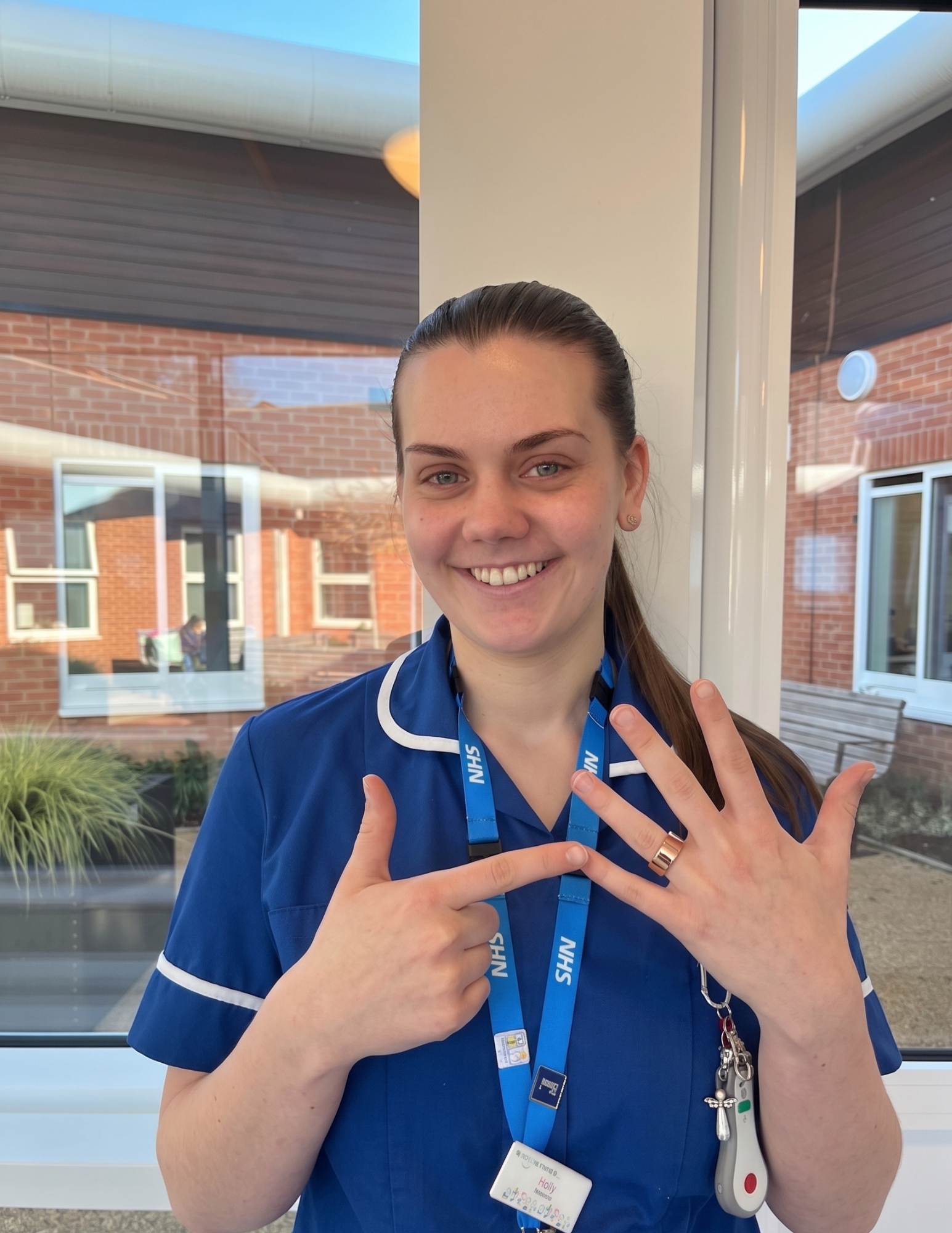
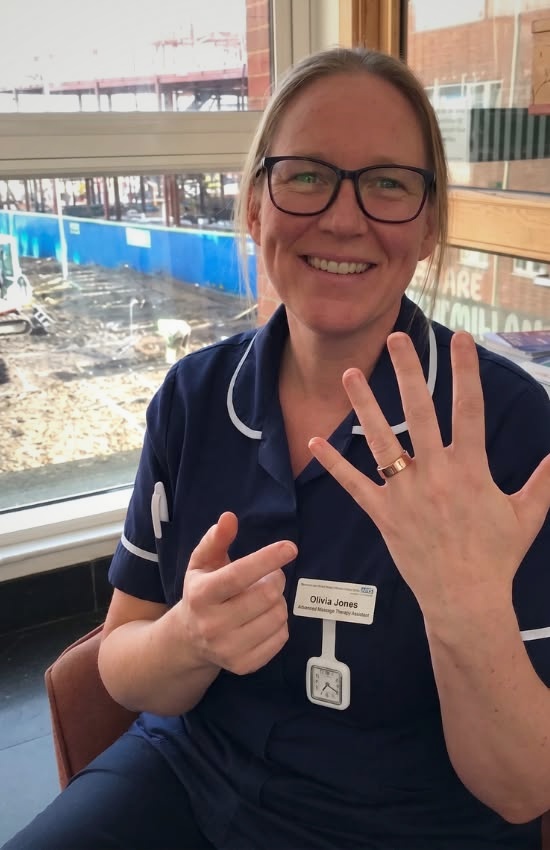
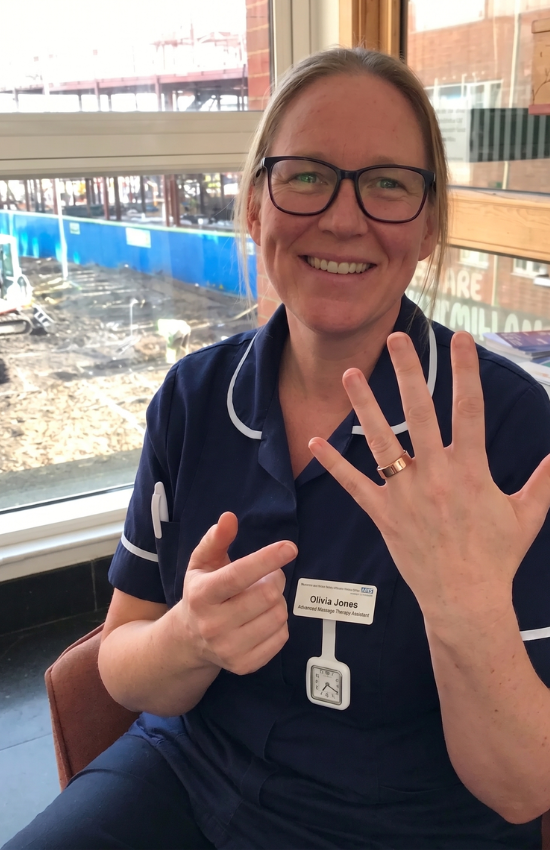
I'm 53. I've worked as a menopause specialist nurse at the Manchester Centre for Women's Health on Oxford Road for sixteen years. Every single week women sit in my clinic chair and tell me the same thing. They went to their GP. Their GP did exactly the right thing. Started them on HRT — oestrogen gel, Utrogestan at bedtime. The hot flushes settled. The mood lifted. And they still cannot fall asleep. I've watched this happen hundreds of times. So when it started happening to me, I knew exactly how it felt to have done everything right and still be lying awake at 1am. My name is Olivia. I'm 53. I live in Didsbury. I have worked in menopause care at the Manchester Centre for Women's Health for sixteen years. I am the nurse women see after their GP has started them on HRT and they still aren't sleeping. I want to tell you exactly what I see every week before I tell you what happened to me. The women who come to me all have the same story. Their GP was brilliant. Started them on HRT straightaway. No argument, no dismissal. The patches are on. The Utrogestan is taken every night at 10pm. Hot flushes — mostly gone. Night sweats — much better. Sleep — unchanged. They get into bed. They're genuinely tired. Their body is exhausted from months, sometimes years, of broken sleep. But the moment their head touches the pillow, the brain fires up. Thoughts. Lists. Anxieties. Replayed conversations. A low hum of dread they can't name. Lying there watching the clock. 11:15. 11:47. 12:30. 1:14. Finally drifting off somewhere around 2am. Alarm at 6:30. Day after day after day. Most of them have been doing this for two, three, four years. They've done everything the internet told them to do alongside the HRT. Magnesium glycinate from Holland & Barrett. Switched to taurate when that didn't work. Switched to threonate when a thread on Mumsnet swore by it. Nytol for a week. Groggy the next day. Kalms for a month. Nothing. No screens after 9pm. No caffeine after noon. No alcohol at all. Weighted blanket from John Lewis. Blackout blinds. Sound machine. Lavender spray on the pillow. CBT-i programme from their GP. They come to me having spent hundreds of pounds and months of effort. Still lying awake at midnight. I know exactly what to tell them. "Your HRT is doing what HRT does. It's replacing the hormones. It's managing the symptoms that come from hormone loss — the flushes, the sweats, the mood. But the sleep problem isn't a hormone deficiency problem. It's a cortisol problem. And HRT doesn't fix cortisol." I've been saying this to women for years. Then I started lying awake at midnight myself. I'm a menopause specialist nurse with sixteen years of experience. I found it difficult to describe the specific quality of that. My own GP — a colleague I've worked alongside for a decade on Oxford Road — prescribed me HRT at 51. She was right to. My symptoms were textbook perimenopause. The oestrogen gel went on every morning. The Utrogestan, 200mcg, every night at 10pm. The hot flushes eased. The brain fog lifted a little. I still couldn't fall asleep. Lying there at 11pm, mind completely switched on. The clinic schedule. A patient I was worried about. The pile of referrals on my desk. Nothing specific. Everything at once. Midnight. 12:45. 1:30. I was doing what I tell my patients not to do — watching the clock, calculating how many hours I'd get if I fell asleep right now, which of course made it worse. I knew the mechanism. I explain it every week. When oestrogen drops in perimenopause, it doesn't just cause hot flushes. Oestrogen has been quietly regulating your cortisol your entire adult life. Keeping it following its natural rhythm. High in the morning to get you up. Dropping through the day. Low at night so your brain can stand down and let you sleep. When oestrogen drops, cortisol loses that regulation. It stops following the rhythm. It stays elevated in the evening when it should be falling. It keeps the nervous system on low-level alert when it should be standing down. The brain stays switched on. You lie there exhausted and wide awake because your cortisol never got the signal that the day is over. HRT replaces the oestrogen. But it doesn't reset the cortisol rhythm that's already been disrupted. That's why women on HRT still can't fall asleep. The oestrogen is back. But the cortisol is still running on the old dysregulated pattern. I knew this. I said this to patients constantly. What I didn't have — what nothing in sixteen years of menopause nursing had ever given me — was anything that actually addressed the cortisol directly. It was a Tuesday. I'd been lying there since 10:45pm. I picked up my phone. I know you're not supposed to. I'm a menopause nurse. I tell women not to do this. I typed into Reddit: HRT not helping sleep cortisol still running what actually works. A thread. Hundreds of replies. Women describing exactly what I was experiencing. On HRT. Hormones sorted. Still can't fall asleep. Still lying there with a brain that won't switch off. And then a reply that stopped me completely. A woman who'd had the same experience for three years. On HRT, sleep unchanged. She wrote: "The HRT replaces what's missing. But cortisol doesn't reset automatically when the oestrogen comes back. The nervous system has been in threat mode for so long it doesn't know how to stand down anymore. You have to give it the signal directly. There are two acupressure points on the fingers that connect to the parasympathetic nervous system — the part of the brain that tells cortisol to stand down. Sustained gentle pressure on those points sends that signal continuously. Within a week I was falling asleep within twenty minutes. The brain just stopped. It finally got the message that the day was over." I read it three times. I've spent sixteen years in menopause nursing. I know the HRT pathway inside out. I know what oestrogen does and doesn't do. I had never once considered that the cortisol rhythm — once disrupted — needed a direct signal to reset. Not more oestrogen. Not a sleep supplement. A direct signal to the nervous system itself. Traditional Chinese medicine identified the exact nerve points that send that signal thousands of years ago. Specific acupressure points on the fingers that connect directly to the parasympathetic nervous system. The part of the brain responsible for telling cortisol: the day is over. Stand down. It's safe to sleep. Sustained continuous pressure on those points sends that signal to the brain around the clock. Cortisol drops at bedtime the way it's supposed to. The brain receives the stand-down signal. The thoughts slow. The hum of dread quiets. Sleep comes. I ordered the HealthRing by Lumine that night at 1:07am, lying awake in the dark, thinking: I have told hundreds of women that their cortisol needs to stand down. I have never once given them anything that actually tells it to. This is £32. If it does nothing I have lost £32. If it works I've finally found the piece that sixteen years of menopause nursing was missing. Day 4. Something quieter in the evenings. That background hum of alert — the one I'd stopped noticing because it had become normal — I notice it by its absence. Day 6. I get into bed at 10:30pm. I lie there. The thoughts start — and then slow. Like an engine being turned down rather than switched off by force. I check the clock at 11:04pm. I'm asleep by 11:20. I don't check what time that is because I'm asleep. Day 9. Asleep before 11pm. I haven't done that in three years. Day 14. A patient comes in. On HRT for six months. Sleep unchanged. Lying awake until 1am every night. She says: "The HRT has helped everything except the sleep. I don't understand why it's not working." I say: "The HRT is working. It's doing exactly what it's meant to do. But your cortisol rhythm is still disrupted. HRT doesn't reset that automatically." She says: "So what does?" I show her the ring on my finger. Day 28. Falling asleep within twenty minutes every night. Something I haven't done consistently since I was 48. The jaw — which I'd normalised so completely I'd stopped mentioning it even to myself — unclenched in week two and hasn't come back. The low-level anxiety I'd been calling work stress for two years. Quieter. Month two. I've updated how I open every new patient consultation. I still do everything I've always done. The HRT pathway. The oestrogen and Utrogestan. The CBT-i where it's appropriate. But now I have a different conversation first. I explain that HRT replaces the missing hormones. I explain that it doesn't automatically reset a cortisol rhythm that's been dysregulated for years. I explain that the reason women on HRT still can't fall asleep isn't that the HRT isn't working — it's that the cortisol never got the stand-down signal. And I show them the ring. If you're on HRT and you're still lying awake at midnight, if the hot flushes are better and the mood is better and you're still staring at the ceiling at 1am — your HRT is working. Your cortisol just never got the message. You are not broken. You are not someone for whom nothing works. You are someone whose cortisol rhythm got disrupted and never received the signal to reset. The hot flushes were the oestrogen. The sleep is the cortisol. And they need different things. That's what sixteen years of menopause nursing didn't teach me. And what a £32 ring did.
My answer to menopause
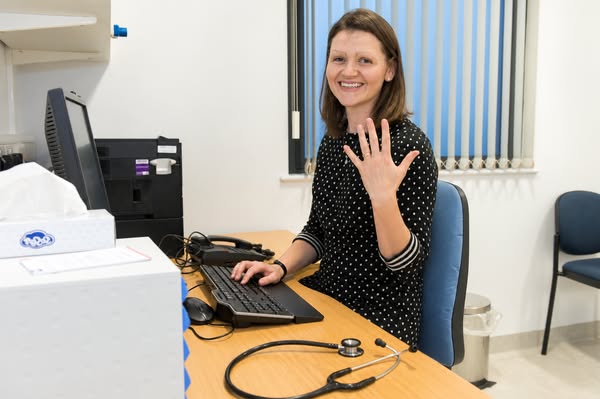
How this elegant new ring is helping thousands of women over 45 soothe stress, sleep issues, and stubborn menopause weight—when nothing else works, according to a leading doctor.
SEE DETAILSLike this ad? Make it yours.
Crush rebuilds this exact creative around your product — your brand, your colors, your offer — in about a minute.