
Inactive· since Jun 30, 2026
- 41
- days it ran
- 0
- relaunches
Ad copy
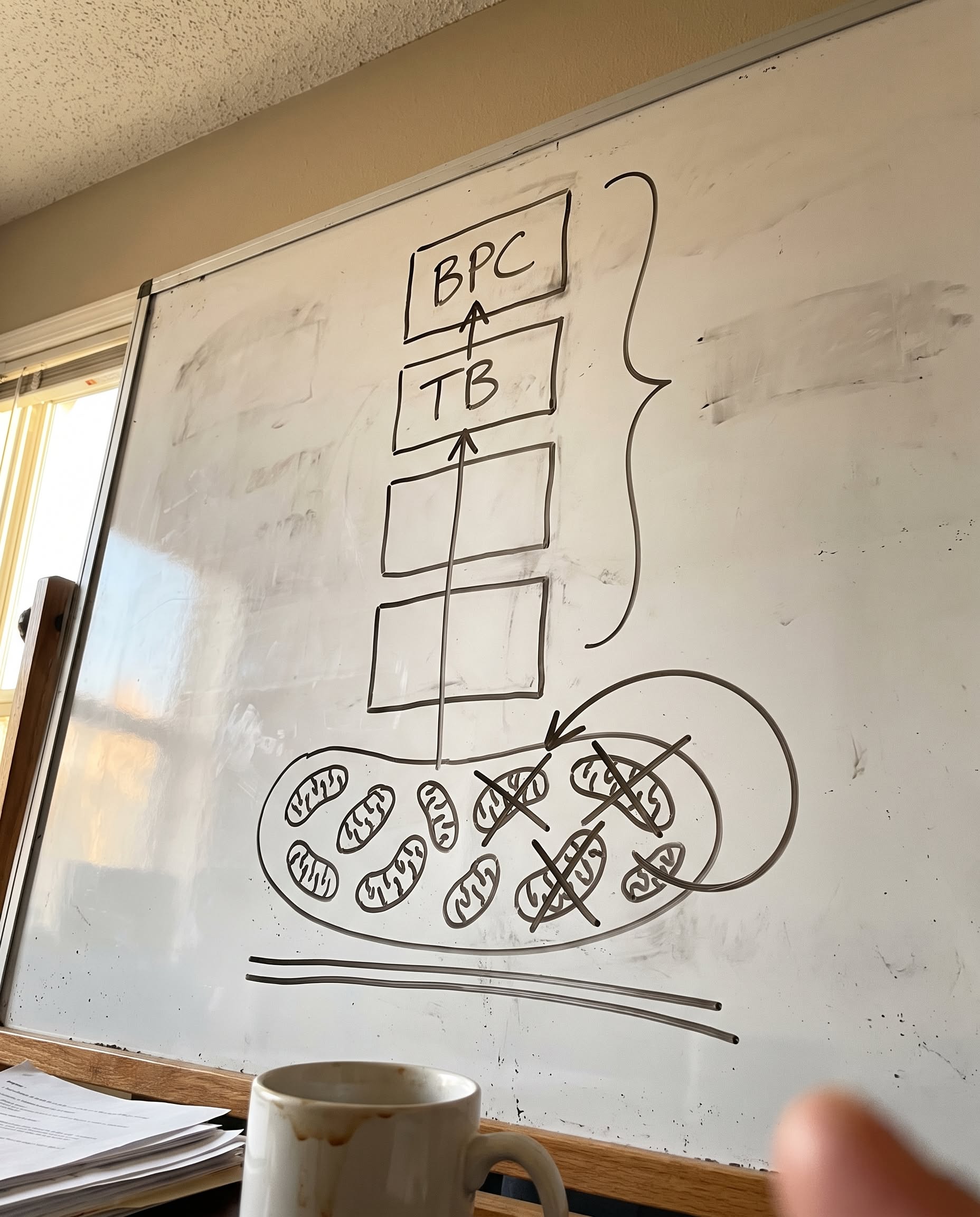
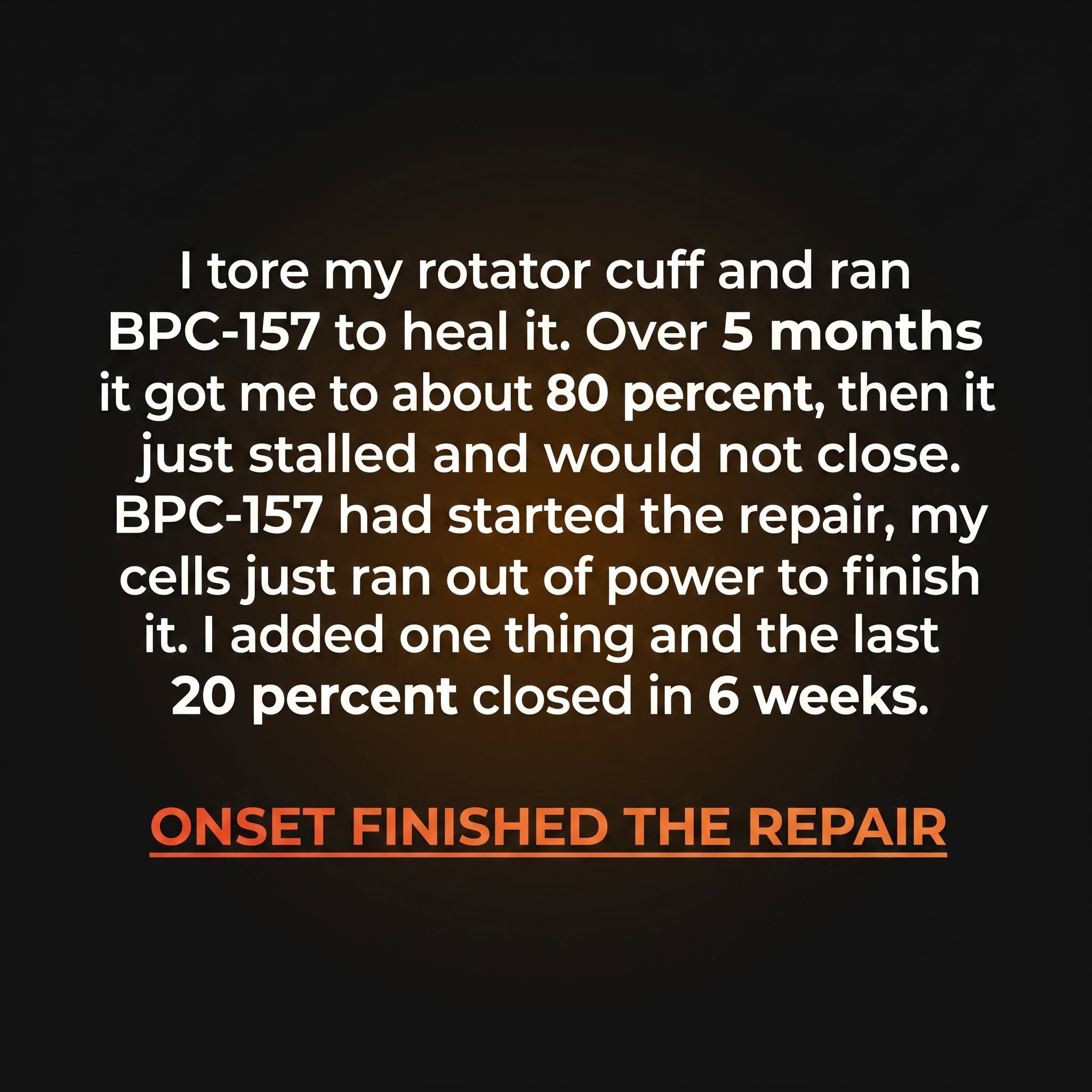
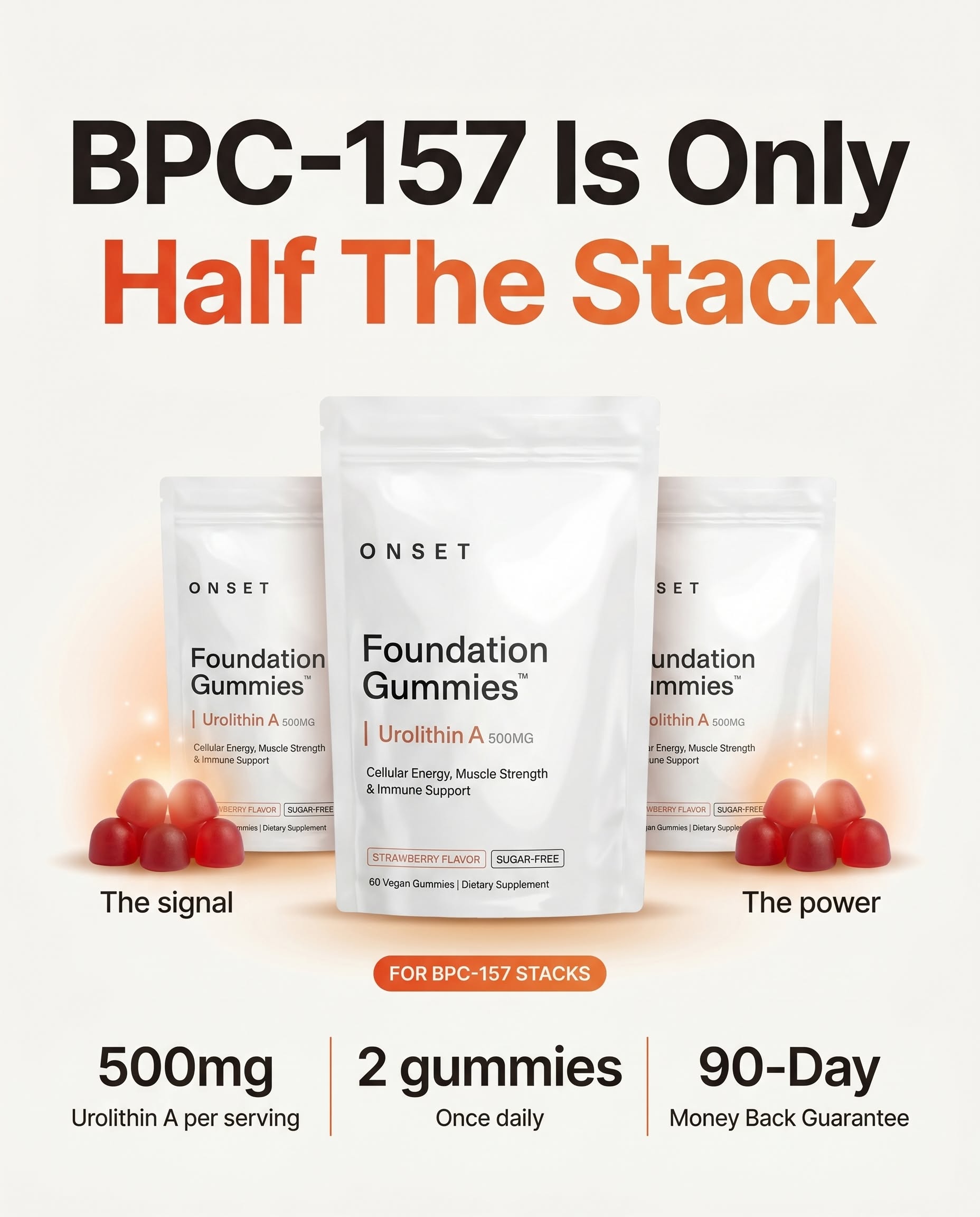
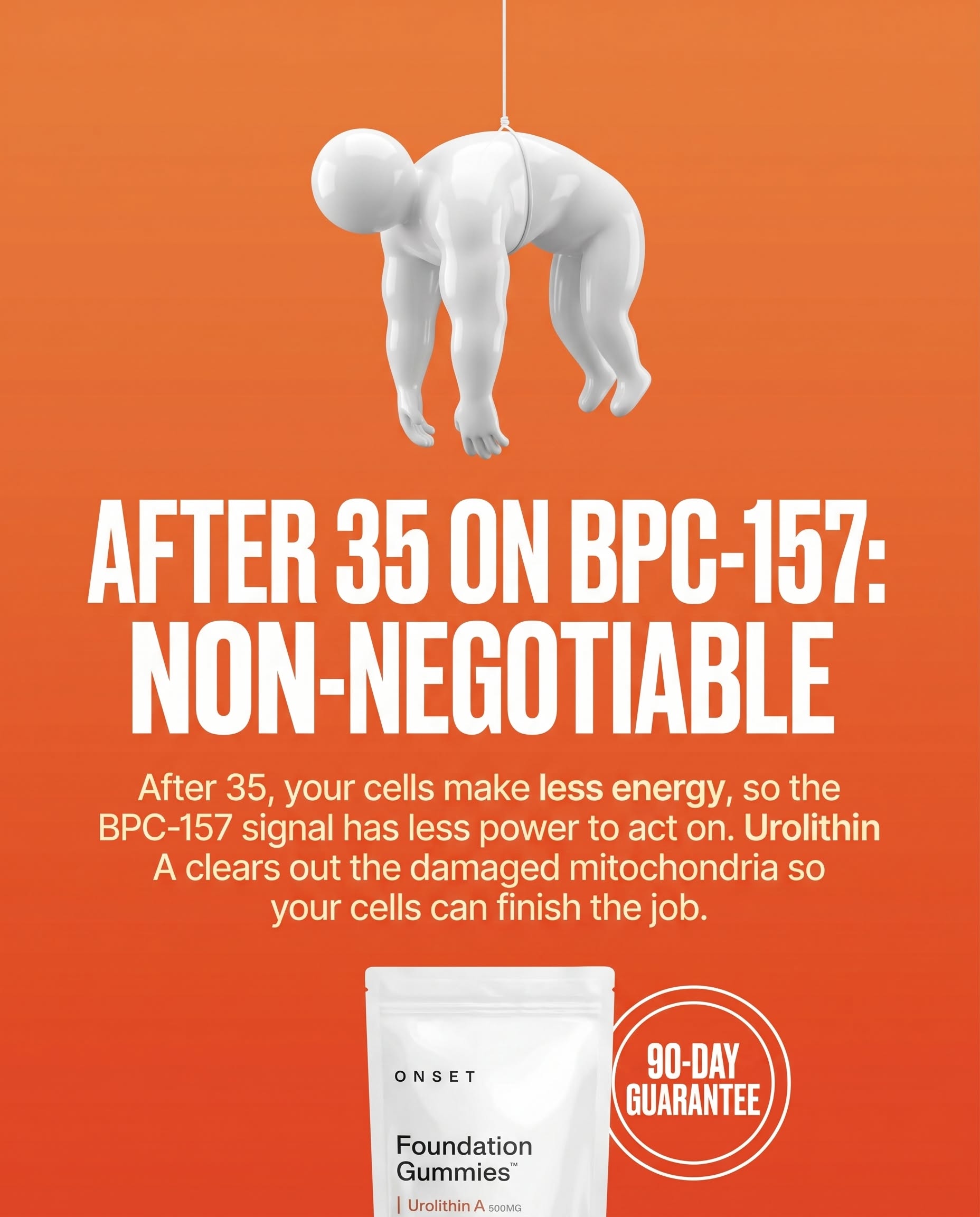
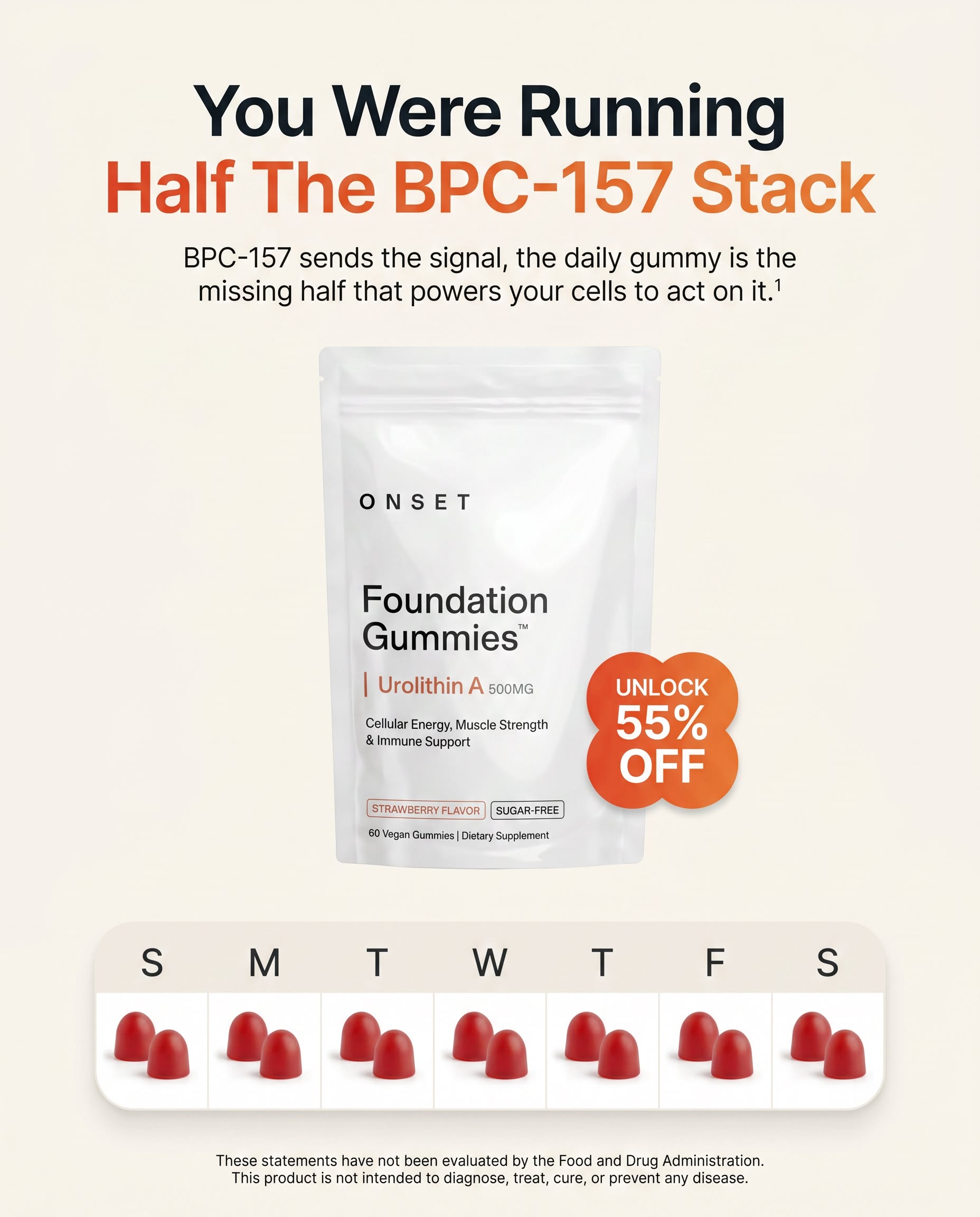
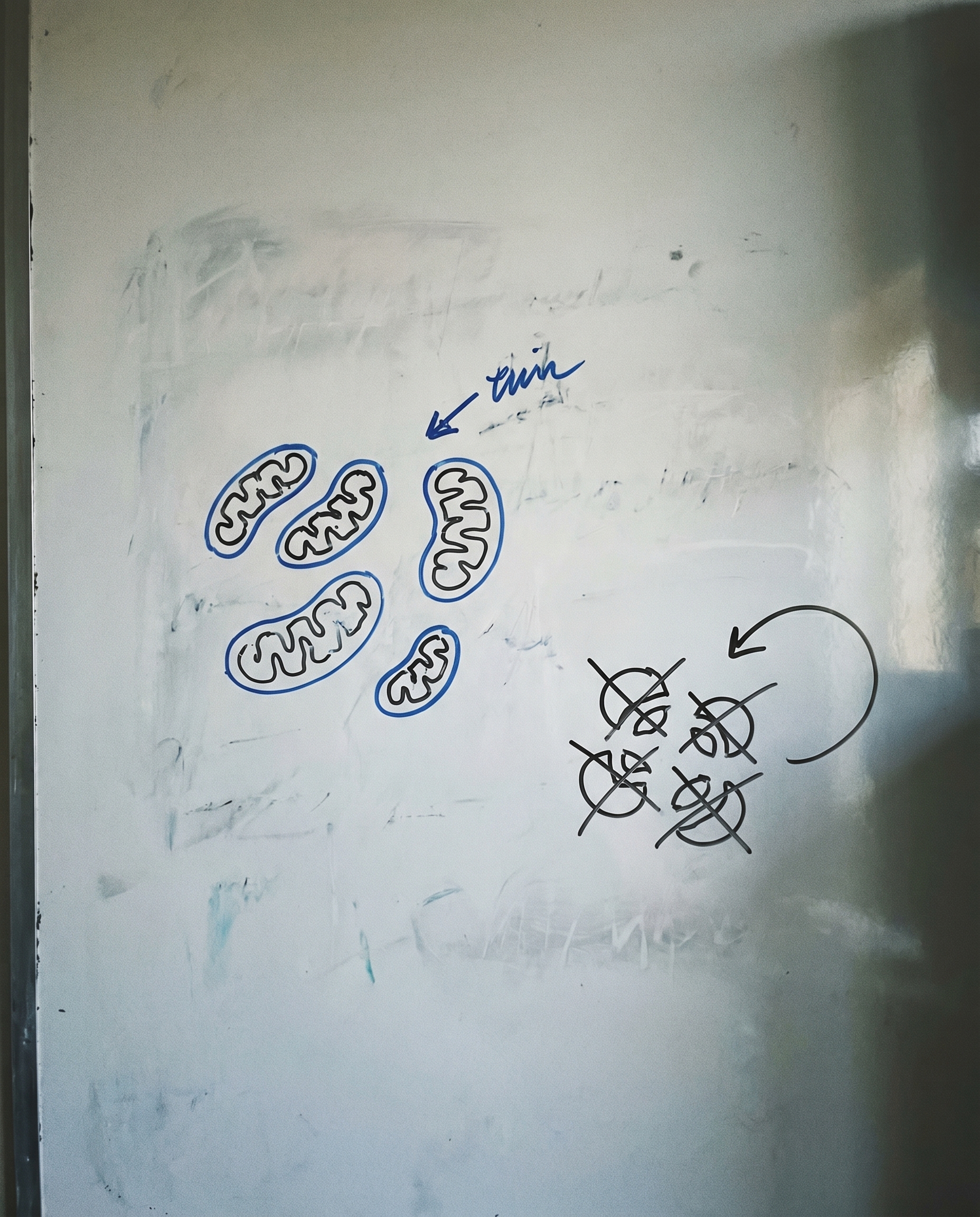
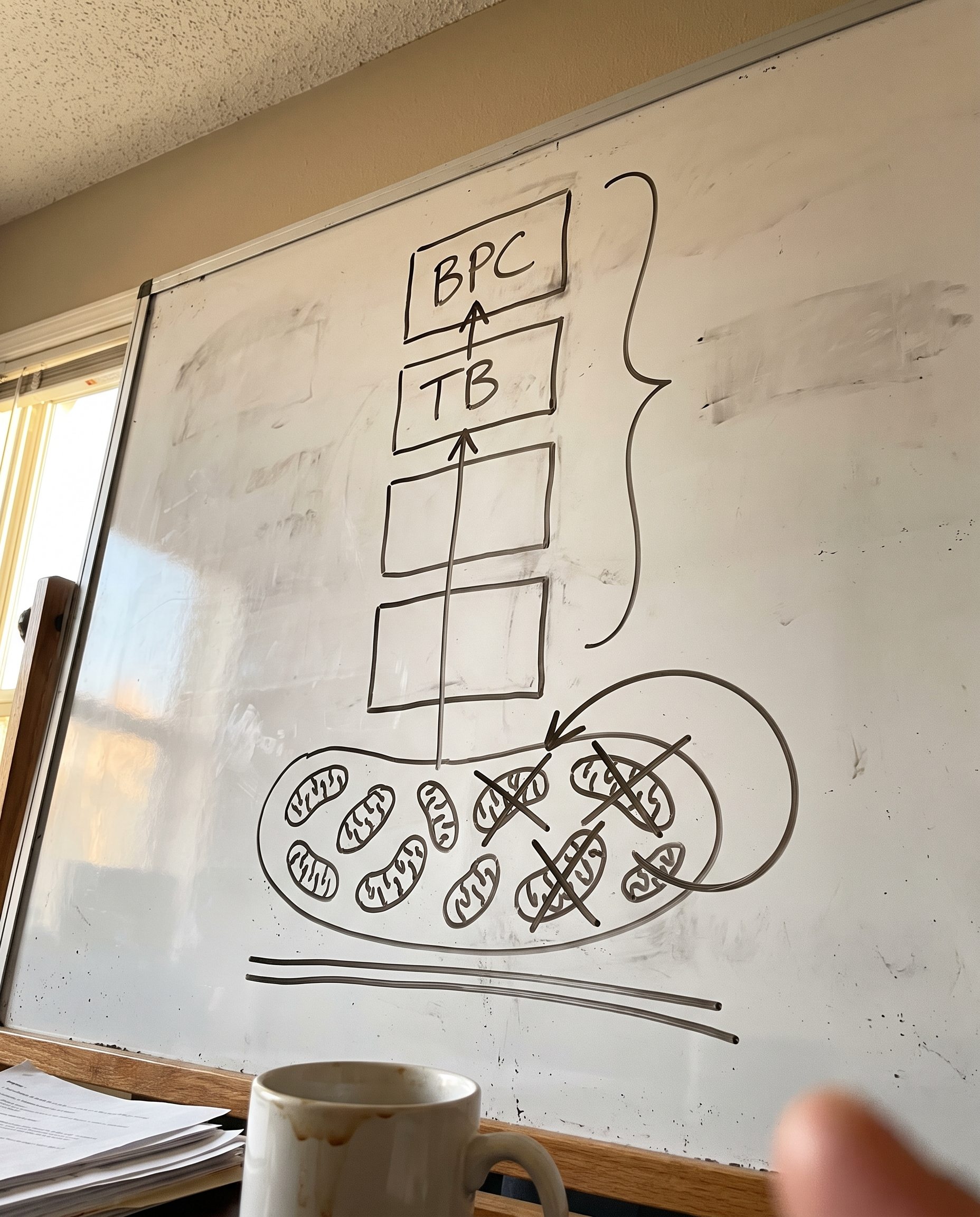
I have run BPC-157 for two years and I only just found out I was running it like a beginner. That sentence cost me a lot to write. Let me explain it properly. My name is Robert. I am forty-eight. I sell industrial fasteners for a living, which is the least interesting thing about me and the thing I will lead with anyway, because I want you to know I am not a doctor and I am not selling you a stack. I am a guy with a spreadsheet. I track my own bloodwork in a Google Sheet that my wife thinks is a sign of something. I get a DEXA scan twice a year. I read the studies, the real ones, not the Instagram carousel versions. I am the guy in the group chat who actually opens the PDF. This is not a story about a peptide that stopped working on me. I want to kill that idea right now, before you decide what kind of post this is. BPC-157 works. It worked on my shoulder. It worked on the elbow that used to wake me up at two in the morning. It is doing exactly what it is supposed to do. So this is not a "peptides are a scam" story and if that is what you came for you can scroll on. This is a story about being half-built and not knowing it. Here is how it started. Slow, the way these things always start. I have a fridge in my garage. Not for beer. For vials. SS-31 came and went. MOTS-c. A run of GHK-Cu. BPC and TB-500 as the constant, the two I always come back to, the two I would defend at a dinner party if anyone was foolish enough to bring it up. I knew my doses. I knew my cycles. I knew which vendor had real product and which one was selling bacteriostatic water with a story. I was, by every measure I cared about, a serious guy. And then the second round of BPC did less than the first. Not nothing. Less. The first time I ran it on the shoulder, the thing healed like I was twenty-five. Clean. Fast. The kind of result that makes you a believer. The second cycle, a year and a half later, on the same shoulder acting up again, I ran the exact same protocol. Same vendor. Same dose. Same everything. And it took longer. It dragged. It half-worked. My first thought was the thing every one of us thinks. Bad batch. So I switched vendors. Same result. My second thought was that I had built a tolerance, which is not really a thing with BPC the way I was imagining it, but the brain wants a tidy answer. My third thought was the ugly one. The one that sat in my chest at two in the morning. Maybe I am just getting old. Maybe this is the part where it stops working for me. That is the gut-punch, by the way. Not the dragging shoulder. The shoulder I could live with. It was the quiet idea that I had aged out of the one thing I was proud of being good at. That the serious guy was about to become the old guy telling stories about when his stack used to hit. I did what I do. I opened the PDF. For about six weeks I went down every wrong road there is. I figured the answer was more signal. That is the reflex. When the message is not landing, you send a louder message. I priced out adding a fifth compound. I read three forum threads where the consensus was "up the dose and pulse it." I almost bought a sixth vial for a problem I did not understand yet. I was about to do the most beginner thing there is, which is stack another signal onto a machine I had never once checked could answer the ones it already had. And then I read a sentence in a comment, of all places, under a video I had clicked on to make fun of. A guy who clearly knew the lane. He was answering someone who asked if BPC and TB-500 were worthless now, and he said no, not at all, those compounds are the message, they are signalling molecules, and then he wrote the line that stopped me. "The compounds you're running are the message. Your cells still have to have the power to carry it out." I read it four times. Because I had spent two years and a garage fridge worth of money obsessing over the message. The dose of the message. The purity of the message. The timing of the message. And I had never once asked the only question underneath it. When the message arrives, does the cell have the power to do what it says. So I went and learned. Not from an ad. From the boring stuff. Here is what I found, in the plainest way I can put it, because plain is the only way I trust anything now. A peptide like BPC is an instruction. It is a signal that tells the tissue to repair, to remodel, to lay down the new collagen, to do the work. That is the order. It is a good order. It is the order I was paying for. But carrying out that order costs energy. Repair is one of the most expensive things a cell does. And the energy comes from the mitochondria. The little engines inside the cell. You have heard of them since seventh-grade biology and then never thought about them again, which is exactly the problem. Here is the part nobody had told me. After about forty, the cell stops cleaning out its dead engines as fast as it makes new junk. The crew that is supposed to clear the burned-out mitochondria slows down. So you end up with a floor full of dead motors. Some still good. A lot just sitting there, taking up room, making nothing. So picture it. The signal lands. The order is written. "Repair this shoulder." And the cell turns to its floor of engines to find the power to do it, and half the floor is dead. The order is real. The order is fully written. The order just gets half-filled, because the power to fill it is not there. That was my second cycle. The signal was identical. The floor had gone dark. I drew it out for myself on the whiteboard in my home office. I am not artistic. It was ugly. A stack of little boxes, the top ones labeled with my peptides, the message going in at the top. And at the bottom, the part I had never drawn before in my life, a row of little engines. Some circled. A bunch crossed out. And an arrow running from that bottom floor all the way up through every box in the stack. I stood there and I looked at the bottom of the drawing and I realized the thing that actually rearranged me. I had built the top of the stack like a professional. And I had left the floor completely blank. I had been a beginner the whole time and I did not know it. I thought serious meant knowing your compounds. It does not. Anybody can memorize doses. Serious means understanding the whole machine. The advanced guys, the ones who actually get the results everybody else is chasing, they were not adding a fifth signal. They had quietly gone underneath the stack and powered the floor the other four were already firing into. And then they stopped talking about it, the way people do when they find the real edge. Beginners chase another vial. The serious ones power the floor it lands on. That is the line I cannot get out of my head. I have said it to myself in the garage a dozen times since. So I went looking for the floor. For what actually clears the dead engines and supports the cell making fresh ones. And it kept coming back to one molecule. Urolithin A. Now. Let me tell you what it is, and more importantly what it is not, because if I do not, you will hear it wrong, the same way I almost did. Urolithin A is not a peptide. It is not a hormone. It is not a GH booster. It does not signal anything. It is not another message to add to the pile. If anybody tells you it works "like a peptide," they do not understand it and you should not buy it from them. It does one thing, one floor underneath everything I was already running. It supports the cell's natural cleanup of the burned-out mitochondria. The technical word is mitophagy. The plain word is taking out the trash so the working engines have room to run and the cell can build new ones. In other words, it is the floor. The peptides write the order. This is what lets the cell actually carry it out. They are not competing. They were never competing. One is the message. One is the power to answer it. And here is the part that finally made me feel like an idiot in the good way, the relieved way. I had been injecting compounds to support the cell for two years. Intermittent. On a cycle. On, then off. And the floor, the cleanup, the part that has to be there every single day for the signal to land on something, I was leaving that to chance. I was running a daily problem with a part-time tool. Urolithin A is the daily one. You take it every day. It is oral. It is the floor that is just there, holding steady, every time one of my signals fires. The injections write the orders on their schedule. This clears the floor so the orders have somewhere to land. That was the gap in my whole protocol and I had never seen it because I was too busy being proud of the top of the stack. It also, and this is the only number I will give you, has an actual human trial behind it. A real one, in real people, not a mouse study someone stretched into a headline. That mattered to me more than I can say, because I have a low tolerance for the magic-powder economy at this point. I will be honest about the start, because if I am not, you will not believe the rest. The first two weeks, I felt nothing. Nothing. And I had also, like a fool, changed two other things that month, so even if I had felt something I could not have told you what caused it. I almost wrote the whole thing off. I am telling you that on purpose, because if I tell you it worked overnight you should close this page. It did not work overnight. It is a floor. Floors do not announce themselves. What happened was quieter and it took longer and it is the reason I am typing this. Around week five I noticed I had stopped thinking about the shoulder. That is the whole sentence. I had stopped thinking about it. The thing that woke me at two in the morning had become a thing I forgot to check. I went back through my Sheet, the boring one my wife makes fun of, and the recovery numbers I track after a heavy session were tightening up. The dragging was gone. The same BPC I had run six months earlier, on the same shoulder, now seemed to actually catch. I want to be careful here, because I hate it when people are not. I am not telling you Urolithin A healed my shoulder. It does not heal tissue. It does not repair anything. It is not a peptide and it never will be. What I am telling you is that when I finally put a floor under the signal I was already paying a fortune for, the signal started doing what it had done the first time. The message got a machine that could answer it. That is all. That is everything. The DEXA at my next scan was the part that made me quiet. Lean mass holding. Recovery markers better than the year before, when I was a year younger. I sent the screenshot to exactly one person, the guy in our group chat I actually respect, and he wrote back two words. "Welcome up." I knew what he meant. He had been on the floor for a year. He just had not bothered to tell the rest of us. So here is why I am writing this, to whoever has read this far, which means you are probably one of us. I think you might be where I was. I think you might have a fridge with vials in it and a protocol you are proud of and a quiet, ugly feeling that something that used to hit is hitting softer. I think you have been told that the answer is more. A higher dose. One more compound. The next thing. I do not think it is more. I think you have built a beautiful top half of a stack and left the floor blank, the same way I did, and the same way almost everybody does, because nobody makes money telling you the unglamorous part. The thing I added is called Onset. It is Urolithin A in a daily form. It is not a peptide and it does not pretend to be. It is the floor. Two gummies a day. That is the whole protocol. There is no cycle. There is no pinning. There is no off-week. It sits under everything you are already running, every day, and supports the cell clearing the dead engines so your signals land on a machine that can answer them. Let me do the math the way it actually sits in my head. One vial of a decent compound runs me more than this does in a month. I was about to buy a sixth vial to fix a problem a daily floor solved. This costs less than the thing I almost wasted my money on, and it is the layer every expensive vial in my fridge quietly depends on. I was not being frugal by skipping it. I was being a beginner. They keep it in stock in real batches, not endless ones, because the actual Urolithin A in it is not the cheap stuff and they will not cut it. So it does sell out. I have hit the empty page twice now and it is annoying. Order it when you can get it. And it comes with a ninety-day guarantee, which I almost did not mention because I have never used a guarantee in my life. But I will tell you the honest reason it matters. It means you can put the floor under your stack for three months and watch what your own signals do with a machine that can finally answer them. If nothing changes, you send it back. The only thing you are risking is finding out you were half-built this whole time, like I was. R. P.S. If you only remember one line from a stranger on the internet, remember this one. Beginners chase another vial. The serious ones power the floor it lands on. I spent two years on the wrong side of that sentence. P.S. The "it stopped working on me" feeling is not the peptide quitting and it is not you aging out. It is the floor going dark underneath a signal that is still firing perfectly. Light the floor before you blame the compound. P.S. This is not a peptide, a hormone, or a GH booster, and anybody who sells it to you as one does not understand it. It is the daily floor. Your compounds are the message. This is the power to carry it out. Keep your stack. I kept all of mine. P.S. If you are the guy in your group chat who actually opens the PDF, you already half-know this is true. Go open the one on Urolithin A. The human trial. Then come back and put a floor under the thing you are already proud of. P.S. Two gummies. Every day. Under everything. That is it. The rest of your protocol stays exactly where it is. You are not replacing anything. You are finally finishing the build.
More serious about my peptides. Not less loyal.
Everything in your stacj needs ATP to do its job. If your mitochondria are underperforming, your protocol is underperforming. Learn why this clinically proven compound is becoming the foundation of every serious peptide stack.
LEARN MORELike this ad? Make it yours.
Crush rebuilds this exact creative around your product — your brand, your colors, your offer — in about a minute.