
Active· since Jun 30, 2026
- 76
- days running
- 1
- relaunches
Ad copy
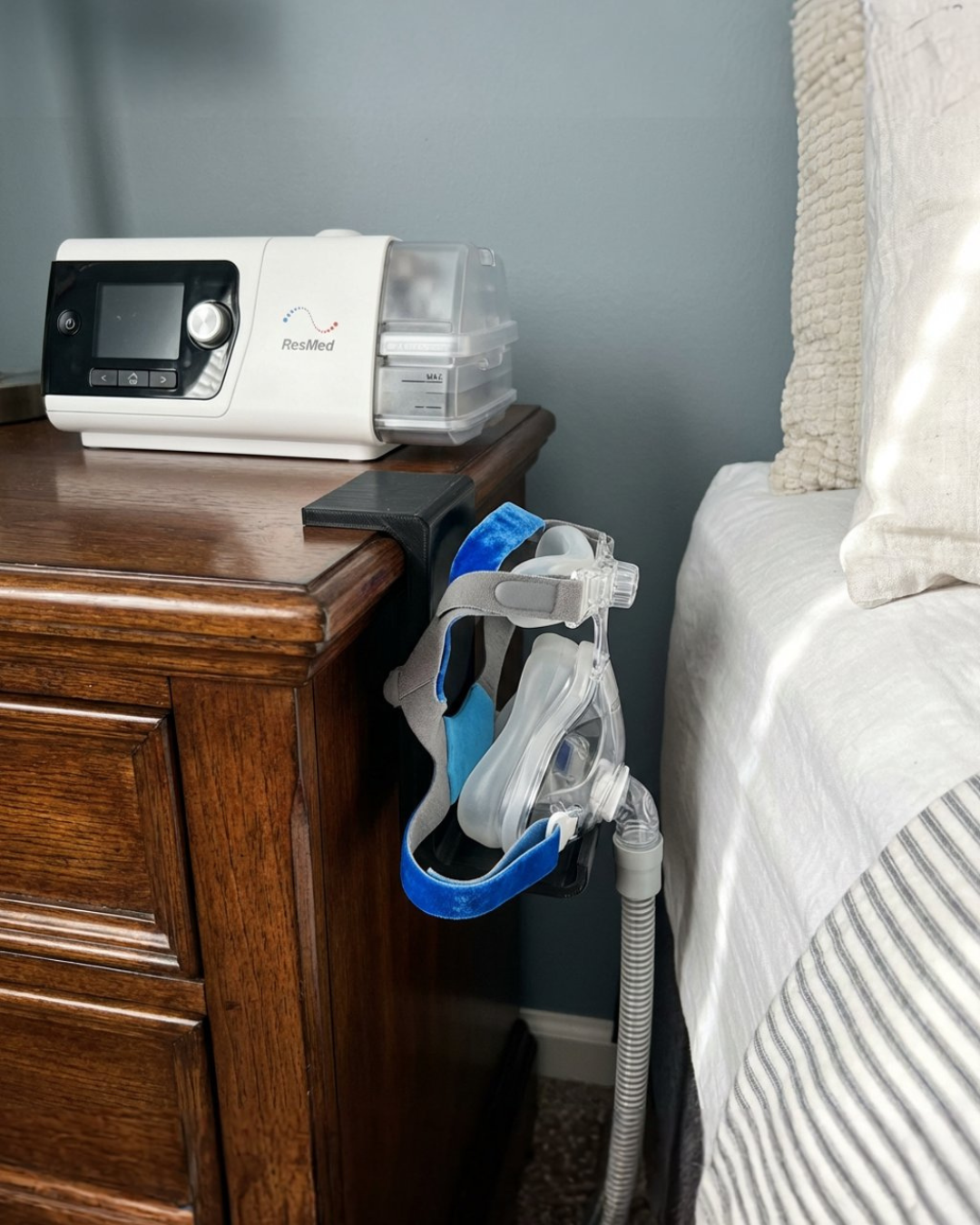
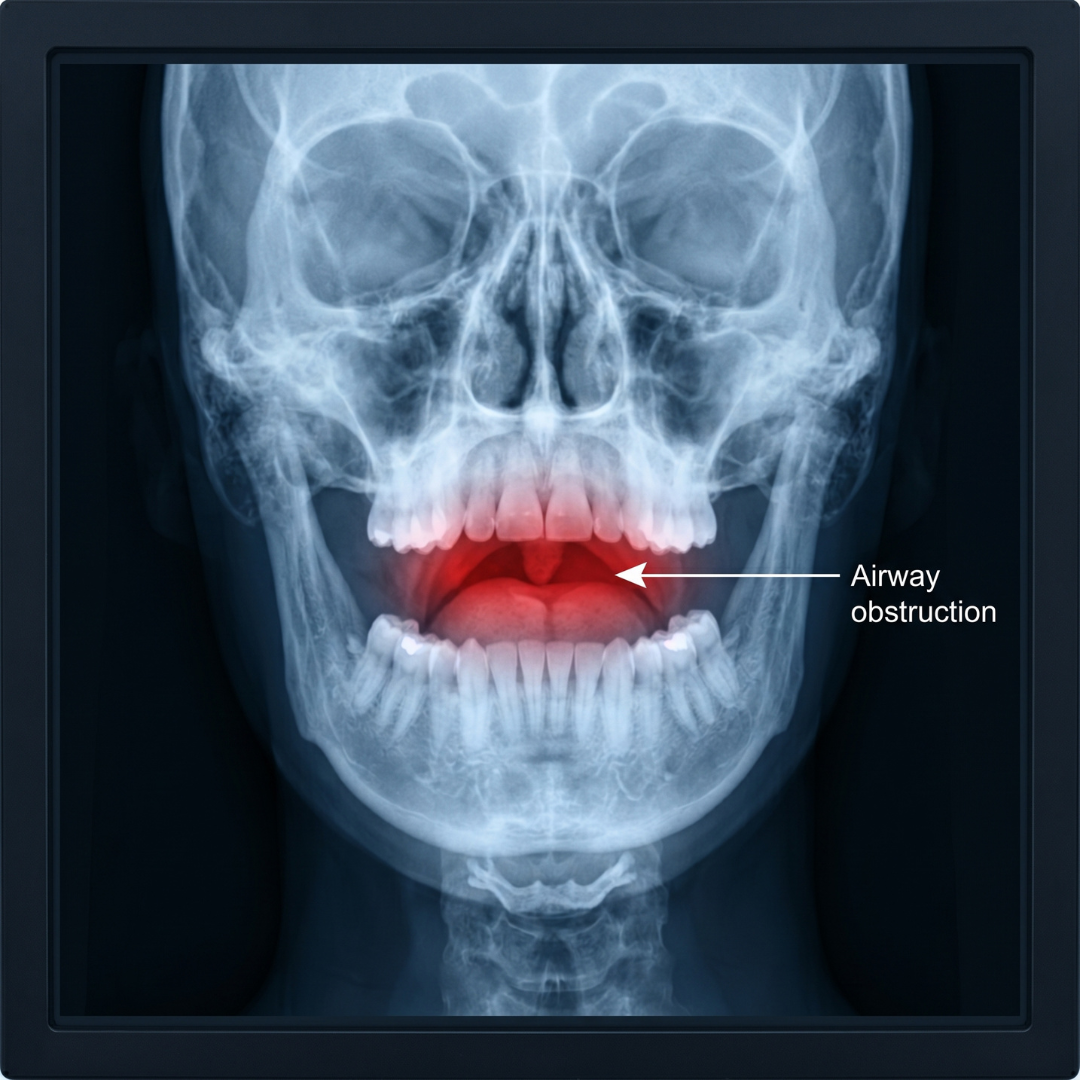
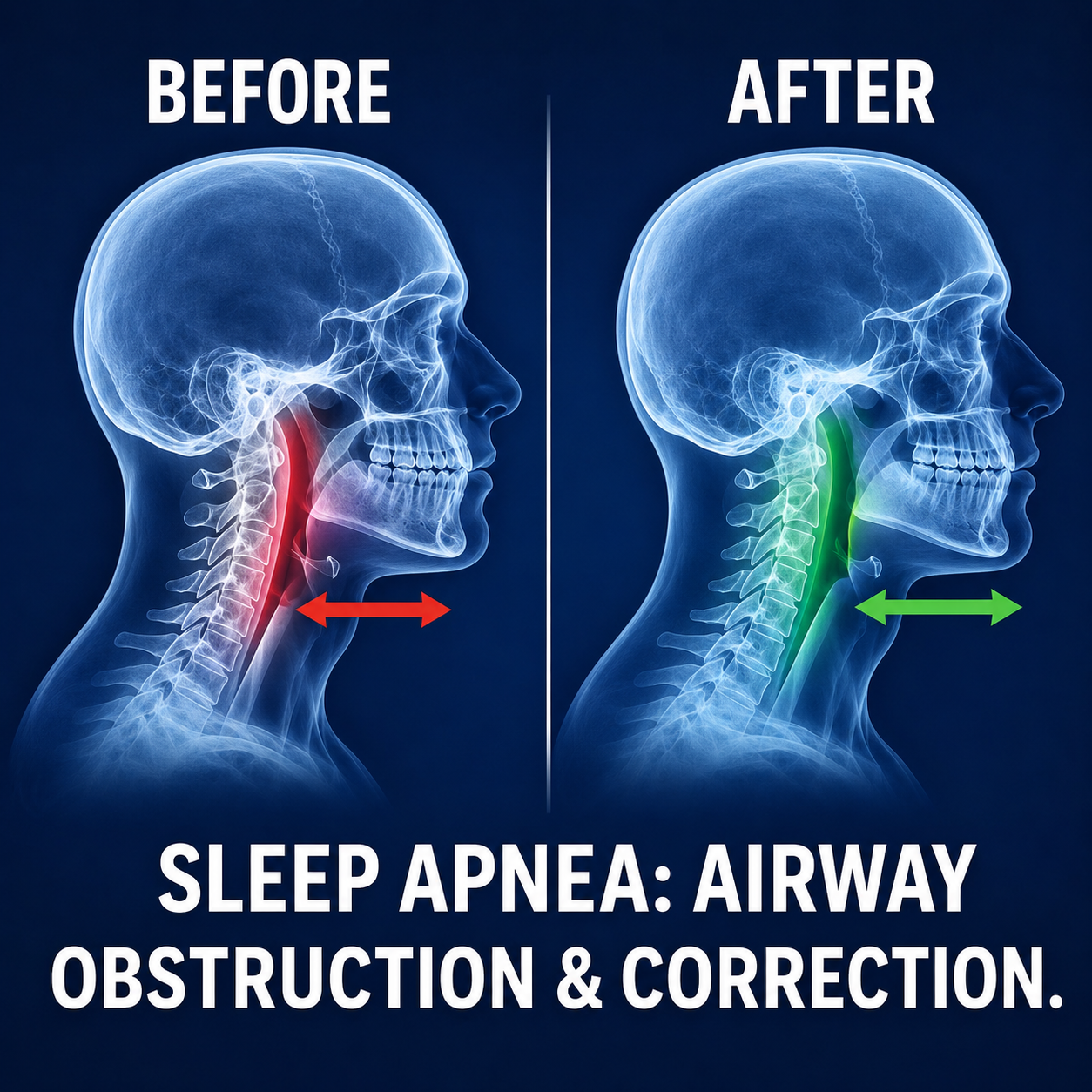
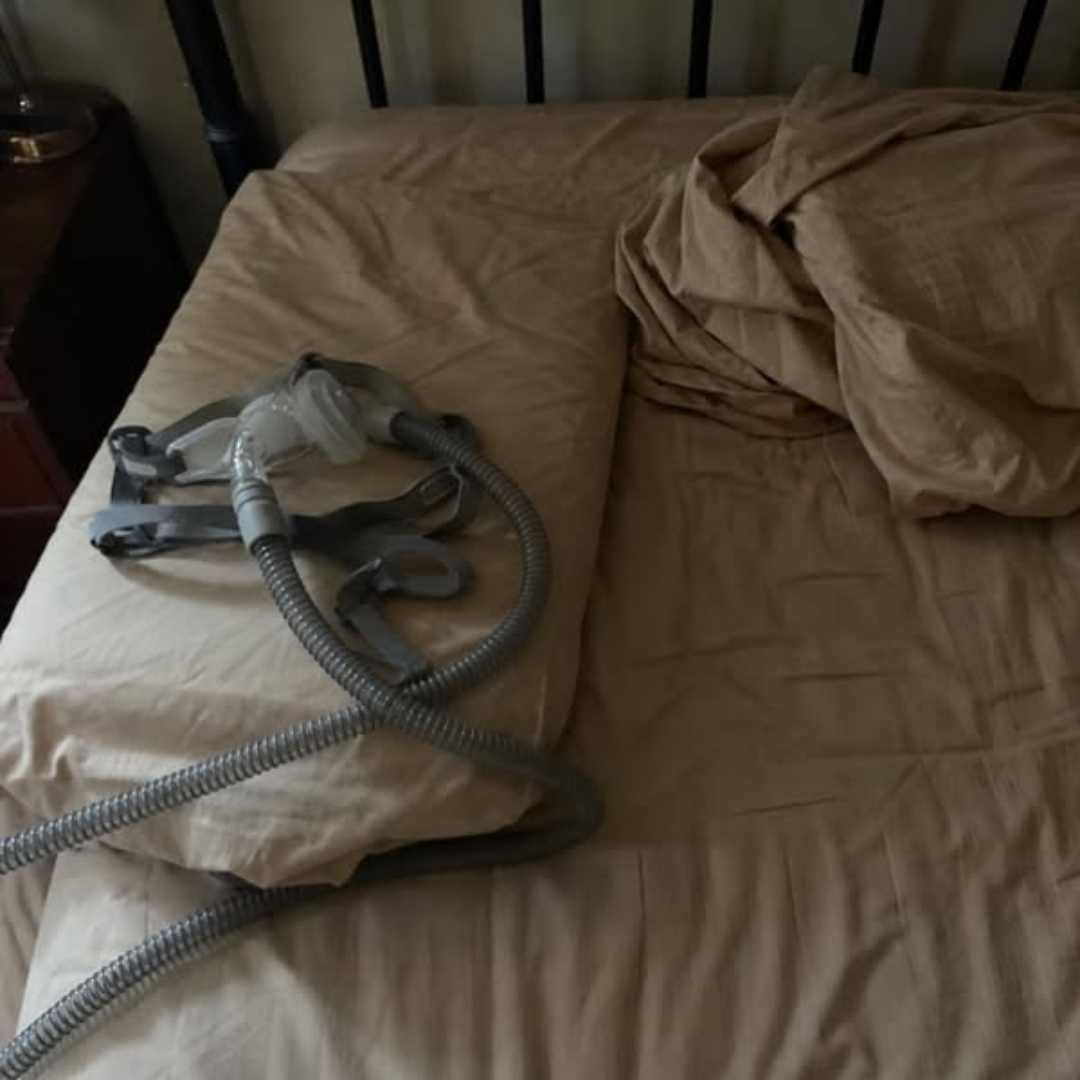
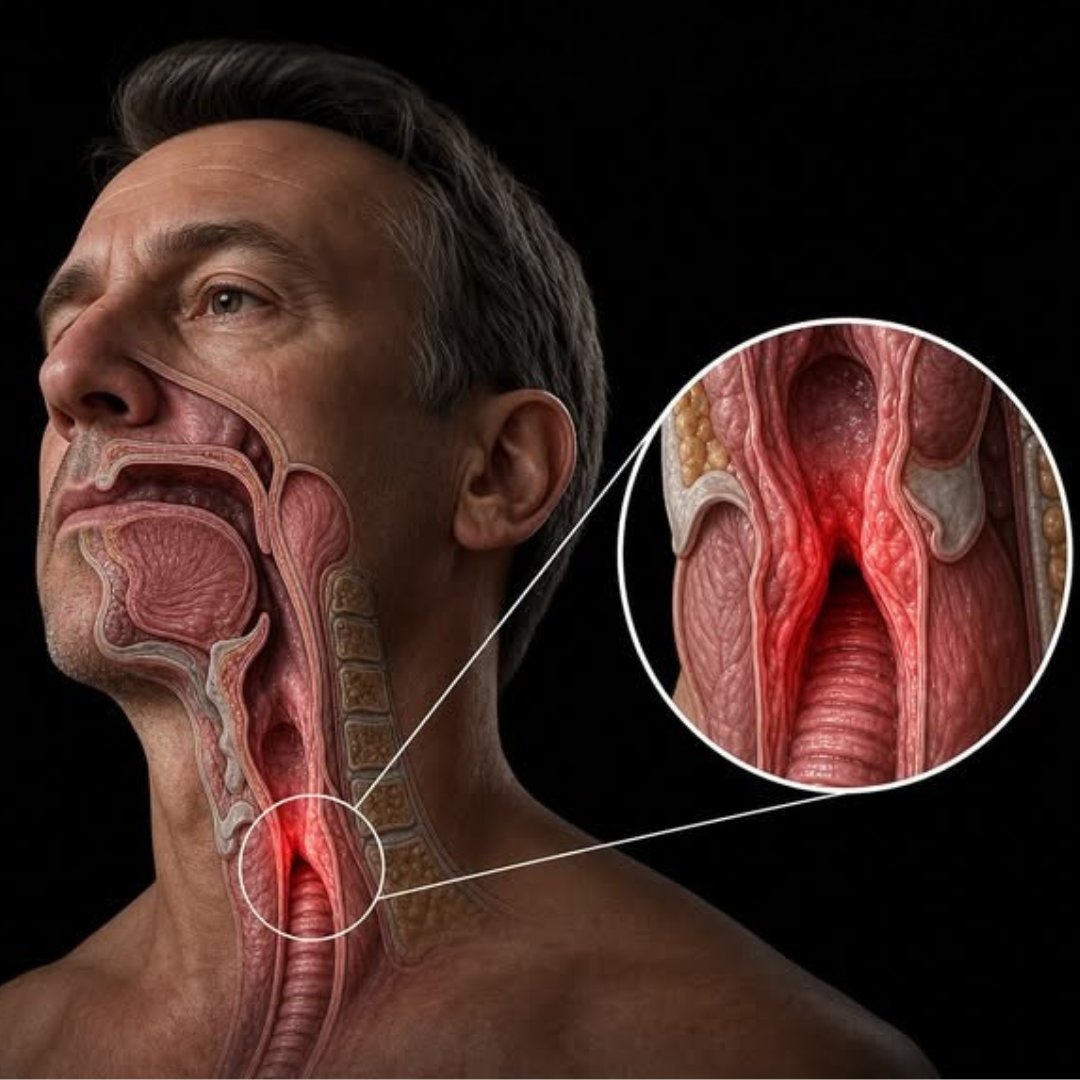
I spent 25 years as an NHS nurse. My husband stopped breathing 60 times an hour. They gave him a CPAP he hated. 7 month wait. I broke every rule and fixed him myself. Here's how. I want you to picture a bloke in his late fifties. Good bloke. Worked in a warehouse his whole life. Never asked for anything. Never complained. That's my Derek. Every night he goes to bed at ten. By ten-fifteen, he's snoring like a chainsaw with a grudge. By ten-thirty, he stops. Completely. Goes silent. Then he gasps, this horrible, ragged, drowning-man gasp, and starts again. I used to lie there counting them. Twenty. Thirty. Fifty. Sixty times an hour. You know what sixty apnoeas an hour means? It means once every minute, my husband's brain is being starved of oxygen. While he sleeps. While he's supposed to be resting. His heart's working overtime, his blood pressure's going through the roof, and his brain is basically having micro-strokes all night long. And I knew exactly what was happening. Because I'd seen it destroy people. I'd watched men, big strong men, younger than Derek, shuffle into my ward with oxygen tanks and heart monitors. Men who'd ignored their snoring for years because "it's just snoring, innit?" Men who'd woken up one morning and couldn't remember their own postcode. Men who'd nodded off at the wheel and wrapped their car round a tree. I'd held their wives' hands while the consultant delivered the news. I'd seen the look on their faces when they realised the snoring had been a warning sign they'd laughed off for a decade. So when Derek started, I didn't muck about. I marched him straight to the GP. And they sent him home with a leaflet. A leaflet. "Lose some weight," they said. "Try sleeping on his side." I nearly laughed in the woman's face. He's stopping breathing sixty times an hour and you're telling him to roll over? As if that's going to stop his throat from collapsing? I pushed harder. Got him a referral. Waited four months for the sleep clinic. Four months. While his brain was being starved of oxygen every single night. Finally gets the sleep study. Confirms what I already knew, severe obstructive sleep apnoea. AHI of 62. That's medical emergency territory in my book. So they prescribe him a CPAP machine. Great, I think. Finally. He tries it for three nights. The mask gives him sores on his nose. The hose wakes him up every time he rolls over. The pressure feels like someone's trying to inflate his lungs through a straw. He's claustrophobic, panicked, more exhausted than before he started. He takes it off at 2am and doesn't put it back on. Tries again the next night. Same thing. Third night, he refuses point-blank. He's not alone. You know the compliance rate for CPAP? About fifty percent. Half the people prescribed it give up within a month. So I ring the clinic. Explain what's happened. Beg for an alternative. They put him on a waiting list for a mandibular advancement device. Estimated wait: seven months. Seven more months. I put the phone down and I looked at him. Sitting there in his armchair, nodding off in front of the telly at half past seven in the evening. Grey-faced. Bags under his eyes like he's been in a fight. Getting up to pee four, five times a night because the apnoea's messing with his hormones. And I thought: they're going to let him die. They're going to let him die while he waits. Not on my watch. I'm not a doctor. I'm a nurse. Twenty-five years on acute wards, respiratory clinics, sleep disorder units. I've seen what works and what doesn't. I've seen the treatments that get prescribed because they're "standard care" even when patients can't tolerate them. I've seen the ones that work brilliantly that nobody talks about because there's no big pharmaceutical company pushing them. So I went digging. Not NHS guidelines. Not the standard protocols. I went to the research. The actual studies. The stuff that doesn't make it into GP surgeries because it doesn't come with a drug rep and a free pen. And I found something I'd heard whispered about in conferences but never seen in practice. NEMS. Neuromuscular electrical muscle stimulation. Sounds complicated. It isn't. It's a tiny device. Goes under your chin. You use it for twenty minutes in the evening while you're watching telly. It sends these gentle electrical pulses to the muscles in your throat. Not painful. Not uncomfortable. Just a little tingle, like a gentle massage from the inside. And what it does is simple: it tones those muscles up. Strengthens them. So when you fall asleep, they don't collapse back and block your airway. That's it. That's all apnoea is. Muscles go floppy. Airway blocks. Brain panics. You gasp. Repeat all night. Fix the muscles. Fix the apnoea. Seemed too simple. Almost insultingly simple, after all the palaver with masks and machines and waiting lists. But the studies were solid. Peer-reviewed. Clinical trials showing significant reduction in apnoea events. Some patients coming off CPAP entirely. I remembered a colleague from my hospital days, Dr Thompson, lovely man, left the NHS a few years back because he was sick of watching patients get handed CPAPs they couldn't tolerate. He'd posted this article online explaining the whole thing proper. Why the CPAP doesn't actually fix your throat, why those muscles keep collapsing, and how this NEMS thing retrains them while you sleep. Derek and I read it together. Twice. They offered a 90-day trial, money back if it didn't work. I'd seen enough in my 25 years to know the science was solid. Derek said, "What do we have to lose?" I said, "After that CPAP disaster, nothing." Ordered it that afternoon. It arrived three days later. Tiny box. Charging cable. Three sizes so you get the right fit. Instructions that actually made sense. Derek was sceptical. Can't blame him. After the CPAP disaster, he'd decided nothing was going to work. "Just try it for a week," I said. "If it's rubbish, I'll send it back and get the refund. Nothing to lose." Night one. He puts it in. Twenty minutes on the sofa, scrolling his phone. I asked him later what it felt like. "Weird," he said. "Not bad weird. Just... like my tongue's doing push-ups." Took it out. Went to bed. I lay there, waiting. Listening. The snoring started. But softer. Not the chainsaw. More like... a distant lawnmower. He had three apnoeas that night. I counted. Three. Down from sixty. Night two. Two apnoeas. Night three. None. Zero. He slept through until six in the morning without a single gasp. I cried. I'm not ashamed to say it. I lay there in the dark at half past five, listening to him breathe, actually breathe, normally, peacefully, and I cried. By the end of the second week, he'd stopped getting up in the night to pee. His blood pressure readings at the pharmacy were down fifteen points. He wasn't falling asleep in his chair anymore. By week four, he looked like a different man. Colour in his face. Spark in his eyes. He'd started walking again, proper walks, a couple of miles. Said he had energy he hadn't felt in years. He told me he felt like he'd "woken up from a coma he'd been in for a decade." Here's what makes me furious. The NHS spent thousands assessing Derek. Prescribed him a treatment he couldn't tolerate. Put him on a seven-month waiting list for the next option. All while his brain was being damaged night after night after night. And the thing that fixed him, actually fixed him, not masked it, not managed it, but fixed the root cause, arrived in three days with a money-back guarantee. I don't blame the individual doctors and nurses. They're drowning. Underfunded, overstretched, following protocols written by people who've never watched their husband stop breathing sixty times an hour. I blame the system. A system that pushes expensive machines and long waiting lists when simpler, smarter solutions exist. Derek's been using it for eight months now. Hasn't had a single apnoea event in six of those months. His last check-up, private, because the NHS won't see him for another year, showed his AHI had dropped from 62 to 4. Four. That's normal. That's "you don't have sleep apnoea anymore" territory. If you're lying awake at 3am listening to them stop breathing, hand on their chest, phone ready to dial 999, wondering if tonight's the night you lose them. Read Dr Thompson's full article below. https://tryrevivecare.co.uk/pages/snoring-sleep-apnea
Like this ad? Make it yours.
Crush rebuilds this exact creative around your product — your brand, your colors, your offer — in about a minute.