
Active· since Jun 2, 2026
- 109
- days running
- 0
- relaunches
- 70,220
- EU reach
Ad copy
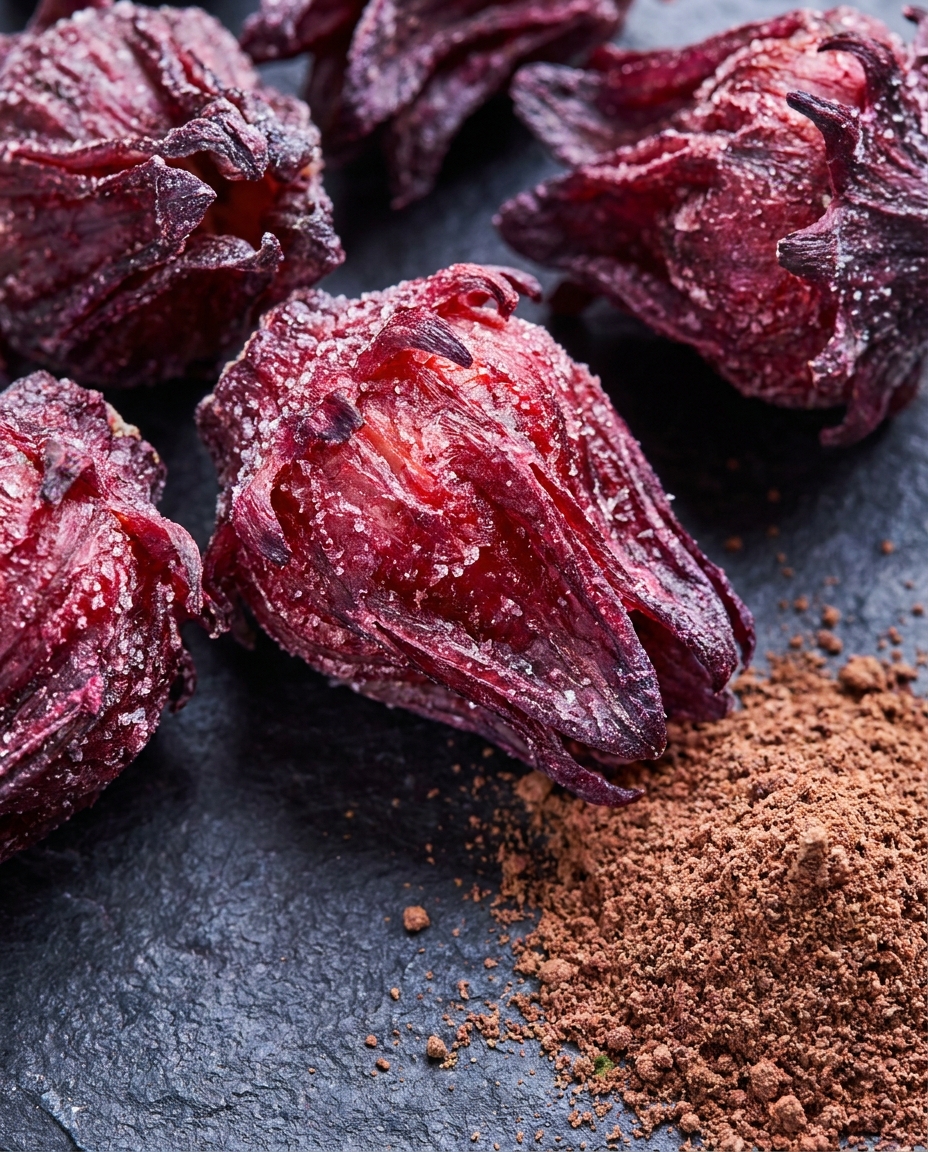
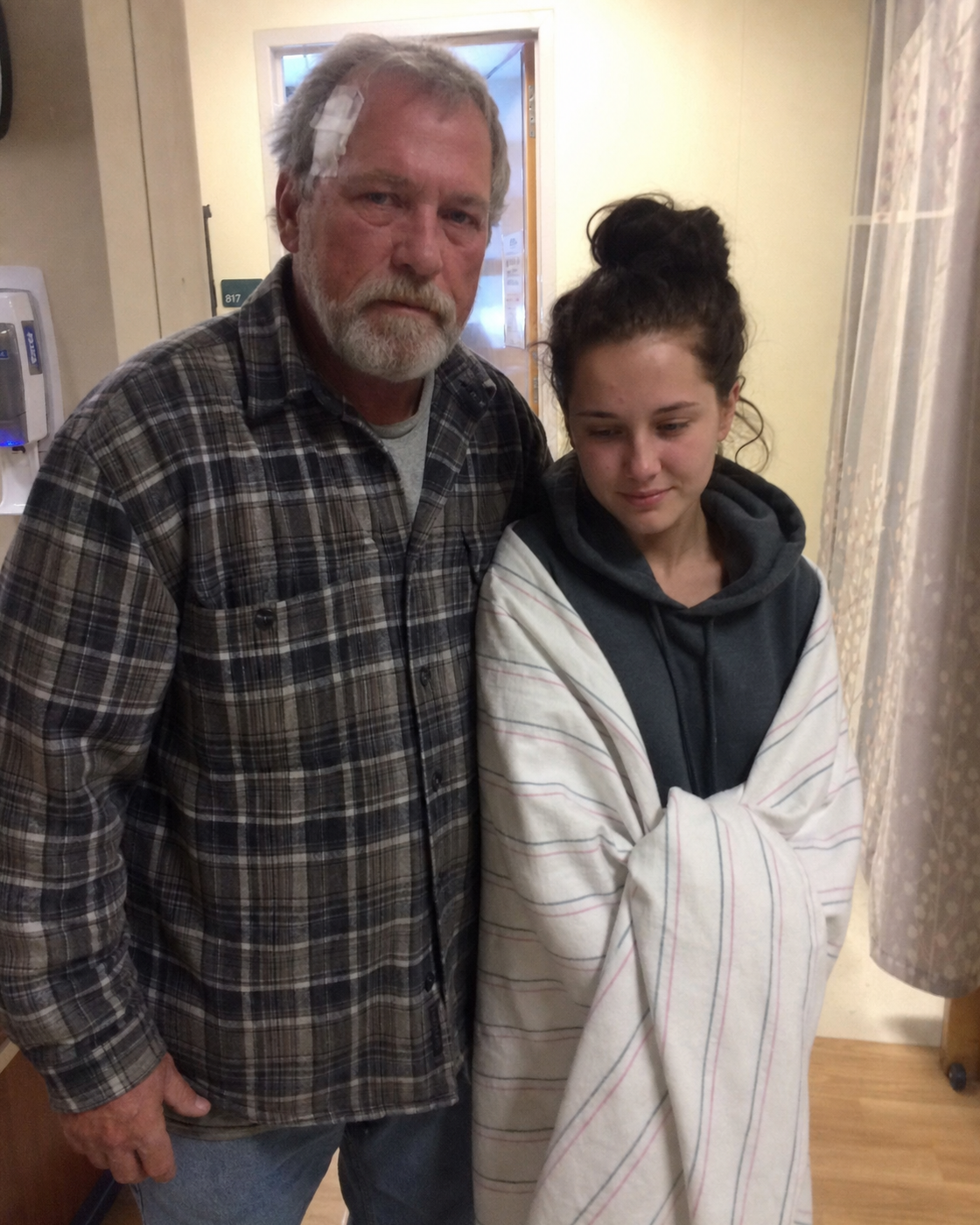
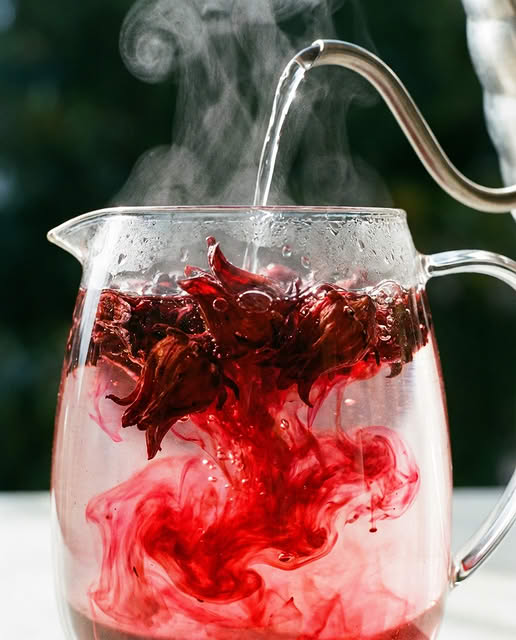
160/95. Doctor said take this pill every morning for the rest of your life. I said no. Eight weeks later she couldn't believe my numbers. Blood pressure is 160/95. Doctor says that's "stage 2 hypertension." Whatever that means. She's starting me on 10mg Lisinopril. One pill. Every morning. For the rest of my life, probably. I took the prescription. Walked to my car. Sat there. Couldn't drive. Couldn't move. Just sat there holding this piece of paper. Lisinopril 10mg. My father took this for twelve years. I don't know what to do. --- March 15th Didn't fill it yet. Husband asked why. I couldn't answer. Just keep thinking about Dad. He took it every single morning. 6:15 AM. Never missed a dose. Had this little pill organizer. Sunday through Saturday. Would show me every week - all seven days empty. "See? I'm taking it. I'm doing everything right." He'd show me his blood pressure readings too. Every six months. After the cardiologist appointments. "120/80. Doctor says it's perfect. The medication is working." But he wasn't working. Year 3, they let him go from the factory. "Performance issues." He'd been a supervisor there for fifteen years. Never missed a day before the blood pressure thing. But then he was calling in sick two, three times a week. "I just can't get out of bed," he'd say. "I sleep twelve hours and I'm more exhausted than when I went to sleep." His boss thought he was lazy. Making excuses. He wasn't lazy. He was dying. But his blood pressure was perfect. I keep coming back to that. If the medication was working - if his blood pressure was in the perfect range - why couldn't he get out of bed? That doesn't make sense. --- March 18th Doctor's office called. "You haven't picked up your prescription." I said I needed more time. The nurse sounded annoyed. "Your blood pressure is 160/95. You're at risk for stroke. This is urgent." Urgent. Dad's blood pressure was 118/75 when he died. "Perfect range." What's urgent is I don't want to end up like him. --- March 22nd Can't stop thinking about the dizziness. Dad started having dizzy spells in year 5 of taking the medication. I watched him try to stand up. Had to grab the wall every time. Sit back down for a minute before trying again. Couldn't drive anymore. Too dangerous. "You're just getting older," his doctor said. "Blood pressure medication can cause dizziness. Try getting up slower." He tried. Moved like he was ninety years old. Got worse every month. I remember Mom suggesting - not mean, just confused - "Maybe you're not drinking enough water?" He didn't speak to her for three days. Then one morning I found him in the bathroom. Just staring at himself in the mirror. Gripping the sink. Not crying. Just staring. "I can't even stand up without the room spinning," he said quietly. "Why does everyone think I'm not trying hard enough?" His blood pressure was 118/75. Perfect. But his body wasn't listening. I'm already getting dizzy spells. Three times this week. Haven't changed anything. What if it gets worse on the medication? What if my blood pressure goes to 118/75 and I can't drive anymore and everyone thinks I'm just being dramatic? --- March 25th The chronic fatigue. God, the chronic fatigue. Year 7. He just stopped doing things one day. Stopped working in the garage. Stopped fixing things around the house. "Dad. You used to love projects - " "I'm fine. Just tired." He wouldn't admit how exhausted he was. Not for two years. When he finally did - he was sleeping fourteen hours a day. Still exhausted. "Doctor says it's depression. Another pill." He never worked on projects again. Not in the garage. Not anywhere. I'm exhausted now. All the time. Can barely get through a workday. Falling asleep at my desk. Started looking up chronic fatigue syndrome last night. Researching what causes it. I'm 48. I'm researching chronic fatigue. Dad was 52 when the exhaustion started. --- March 28th Husband found me up at 3 AM last night. Sitting at the kitchen table with my laptop. Research articles everywhere. "Sarah. What are you doing?" "Research." He sat down. Looked at the screen. I'd typed: "do blood pressure medications work for everyone" First result: Medical journal. "25-30% of hypertension patients remain symptomatic on ACE inhibitors despite normalized blood pressure." Twenty-five to thirty percent. One in four. Maybe more. He didn't say anything. Just sat there reading with me. Clicked another link. Patient forum. "I've been on Lisinopril for eight years. My blood pressure is 'perfect.' I lost my job because I kept calling in sick. Nobody believes me when I say I can't get out of bed. They think I'm lazy. But I'm not lazy. I'm dying." That could be Dad writing that. Another post: "Chronic fatigue on blood pressure meds. Dizzy every time I stand up. Doctor says my numbers are fine. I'm not fine." Another: "Been on BP medication for fifteen years. Blood pressure perfect. But I'm exhausted, dizzy, can't think straight, no energy for anything. If the medication is working, why do I still feel this way?" Another: "My blood pressure is controlled with medication. Numbers look great on paper. But I feel like I'm dying inside. No energy. No life. Just existing." My husband looked at me. "These people... they sound exactly like your dad." "I know." "But their doctors say the medication is working." "I know." "So what's happening?" "I don't know. But I'm not filling that prescription until I figure it out." --- April 2nd Found something. Was searching "why blood pressure medication doesn't fix everything" and found a study. "Blood pressure medication forces vessels to dilate but does not address oxidative damage to blood vessel walls. Without adequate antioxidants, free radicals continue destroying vascular tissue regardless of blood pressure readings." Read it three times. Blood pressure medication forces your blood vessels open. But it does nothing about the damage that made them stiff and narrow in the first place. Free radicals - oxidative stress - are destroying the lining of your blood vessels. Every day. If your body doesn't have enough antioxidants to fight that damage... the medication is just forcing damaged vessels open. Temporarily. With chemicals. Blood pressure would look perfect. Because the medication is mechanically dilating the vessels. But your vessels are still being destroyed from the inside. Oh my god. What if that's what happened to Dad? --- April 3rd Couldn't sleep. Back at the laptop. Searched: "oxidative stress blood vessels hypertension" Article after article. "Chronic oxidative stress damages the endothelium - the inner lining of blood vessels. Damaged endothelium loses its ability to produce nitric oxide, the body's natural blood vessel relaxer. Result: Blood vessels become progressively stiffer. Higher medication doses required over time." There it is. That's the mechanism. That's the step. Free radicals destroy the blood vessel lining. The lining can't make nitric oxide. Vessels get stiffer. Blood pressure goes higher. Medication forces them open anyway. Numbers look good. But the damage continues underneath. Found a case study: "54-year-old male. Ten years on antihypertensive medication. Blood pressure optimal. Persistent fatigue, dizziness, cognitive decline. Testing revealed severe antioxidant depletion and endothelial dysfunction. Antioxidant intervention resulted in symptom resolution and reduced medication dependence." Ten years. Antioxidant depletion. They never tested Dad's antioxidant levels. --- April 4th Went down a rabbit hole. If oxidative stress is destroying blood vessels... what else does it do? Searched: "oxidative stress chronic disease cascade" "Chronic oxidative stress triggers systemic inflammation. Inflammation damages blood vessels further. Damaged vessels require higher medication doses. Higher doses cause more side effects. Side effects create more stress. More stress creates more free radicals. Creates a vicious cycle of increasing medication dependence." I sat back from the laptop. Stared at the screen. Dad's medication doses didn't stay the same. They increased over time. Year 1: 10mg Lisinopril. Year 3: 20mg Lisinopril. Year 5: Added HCTZ diuretic. Year 7: Added Amlodipine. Year 9: Added Metoprolol. Year 10: Doubled the Metoprolol. One after another after another. Like dominoes. What if it wasn't resistant hypertension? What if it was one problem - antioxidant depletion - letting free radicals destroy his blood vessels year after year? Medication forces vessels open. But oxidative stress keeps destroying the vessel walls. Vessels get stiffer. Need more medication. More medication, more side effects, more stress, more free radicals. Dad's doctors never tested the one thing that explains everything. Four specialists. Twelve years. Cardiologist. Nephrologist. Endocrinologist. Primary care. Not one looked at his antioxidant status. Not once. --- April 5th Why was Dad's oxidative stress so high? He lost his job. Year 3. They said he was lazy. Performance issues. He thought it was his fault. He had chronic fatigue everyone blamed him for. Year 5. His wife thought he was just getting old. He wasn't. He stopped doing projects. Year 7. Stopped fixing things. Wouldn't leave the house much. They put in a pacemaker. Year 10. Surgery. He couldn't remember things. Year 11. They wanted to start him on dementia medication. He was taking seven pills every morning. He was watching his body fall apart piece by piece while doctors kept saying his blood pressure was perfect. Of course his body was under oxidative stress. And nobody addressed it. Nobody gave his body the antioxidants it needed to fight back. So it just... cascaded. For twelve years. Until he died. --- April 8th I'm showing symptoms now. Not just the dizzy spells and fatigue. The heart palpitations. Racing heart at night when I try to sleep. Skipping beats during the day. Brain fog. Forgot an important meeting yesterday. Had to ask my assistant to reschedule everything. At work I lose my train of thought mid-sentence during calls. Have to ask people to repeat things three, four times. Sat in a presentation yesterday. Words on the screen didn't make sense. Read the same slide five times. Still couldn't comprehend it. This is how it started with Dad. Year 7. Couldn't remember his grandchildren's birthdays. Would forget conversations we'd had that morning. They ran cognitive tests. Said early dementia. But it wasn't dementia. His blood vessels couldn't deliver oxygen to his brain properly. And nobody checked that. I'm on the same path. --- April 10th Okay so it's oxidative stress. Antioxidant depletion. But what am I supposed to do about that? Can't quit my job. Can't stop worrying about money. Can't un-have this diagnosis. "Eat more fruits and vegetables." Everyone says that. My doctor said that last month. "Make sure you're getting enough antioxidants in your diet." As if I'm not trying. As if I'm choosing to have damaged blood vessels. I tried eating better. More berries. More leafy greens. Did it every day for six weeks. Nothing changed. Tried vitamin C supplements. Three different brands. Still exhausted. Started taking resveratrol. Still having palpitations. Because my body is under siege. THAT'S the problem. How do I fight twelve years of oxidative damage with a handful of blueberries? I need something that actually protects blood vessels. Not in theory. In reality. Biochemically. --- April 12th Searched "natural blood pressure support antioxidants" Hibiscus came up everywhere. Studies from universities in Iran, Nigeria, Mexico. "Hibiscus anthocyanins reduce blood pressure 10-15 points and protect blood vessel lining from oxidative damage." Okay. Ordered it. Amazon. Top rated. 4.5 stars. 12,000 reviews. Started drinking it Monday. --- May 24th Six weeks on the hibiscus tea. Nothing has changed. Still exhausted. Still dizzy. Still having palpitations. Brain fog getting worse. Wasted six weeks. Ordered a different brand. Whole Foods. Organic. More expensive. Maybe that matters. Starting today. --- July 19th Eight more weeks. Still nothing. I don't know what else to do. Follow-up appointment is in twelve days. Every morning I wake up exhausted. That deep, hollow exhaustion that doesn't go away no matter how much I sleep. Every time I forget something. Where I parked. What I walked into a room for. What I was saying. Every dizzy spell. Every heart palpitation at 3 AM. I see Dad. Year 1: High blood pressure. Year 3: Chronic fatigue. Year 5: Multiple medications. Year 7: Depression. Year 12: Pacemaker. I'm on Year 1. What comes next? --- July 27th Something weird happened today. I was in Whole Foods. Tea aisle. Just staring at all the hibiscus tea boxes. I'd tried two of them. Fourteen weeks combined. Zero results. Didn't have money to waste on more teas that won't work. Can't afford a functional medicine doctor. Insurance doesn't cover it. My cardiologist already dismissed me. "Your blood pressure is manageable. You're fine." I'm not fine. I don't know how I keep going. But I do. Two women talking one aisle over. " - it's not that hibiscus doesn't work. Most hibiscus tea uses low-grade flowers. Lowland grown. Barely any anthocyanins left by the time it's in the bag." I froze. Low-grade flowers? I walked over. "Excuse me. What did you say about hibiscus?" Older woman. Name badge said "Certified Herbalist." "Most hibiscus tea uses flowers grown at low altitudes. Mass production. But hibiscus produces antioxidants as a defense mechanism against UV stress. The higher the altitude, the more UV exposure, the more anthocyanins the plant produces. Lowland hibiscus has a fraction of the antioxidant content. You drink it, nothing happens." My chest tightened. "I've been drinking hibiscus tea for three months. Two different brands. Nothing changed." "Were they whole flower? High altitude?" "I... I don't know. The box just said 'hibiscus tea.'" "That's your answer. Most commercial hibiscus is lowland-grown, chopped into dust, and packed into teabags. The anthocyanins - the compounds that actually protect your blood vessels - they need whole flower, high-altitude hibiscus to be present in therapeutic amounts." "I'm taking it for my blood pressure. My doctor wants to put me on Lisinopril. Blood pressure is 160/95. But my father took that medication for twelve years and - " My voice cracked. "He developed chronic fatigue and heart problems on it. Ended up with a pacemaker." The herbalist's face changed. Softened. "And nobody ever addressed the oxidative damage to his blood vessels." "How did you - " "They never do. They test blood pressure. Say you're controlled or prescribe medication. But the medication just forces vessels open. It doesn't protect them from the free radical damage that made them stiff in the first place. That's why people take medication but keep getting worse. The numbers look perfect. But the blood vessels are still being destroyed underneath." She knows. Someone finally knows. "And without antioxidant protection, the damage keeps building," she continued. "Inflammation gets worse. Vessels get stiffer. Blood pressure creeps up. Doctor adds another medication. Then another. It cascades." "So the Lisinopril didn't cause my father's heart problems..." "No. But it didn't prevent them either. Because oxidative damage was the root problem. The medication treats the numbers. But it doesn't protect the blood vessels from what's destroying them." I couldn't breathe. Everything she's saying - it's what I found at 3 AM. All those studies. All those articles. But nobody in the medical system told me this. Four of Dad's doctors. Twelve years. This woman in Whole Foods just explained in two minutes what they never figured out. "How do I protect my blood vessels?" I asked. "I tried hibiscus tea. Two brands. Nothing worked." "Because you were drinking lowland hibiscus. Chopped up. Low antioxidant content. The clinical studies that showed real results used whole flower hibiscus. High-altitude grown. That's where the anthocyanin concentration is high enough to actually make a difference." She pulled out her phone. "Only one brand I trust. PiPi Tea. USDA Organic. Whole flower hibiscus. High-altitude grown. Third-party tested for potency. Certificate of Analysis published online. You can verify the antioxidant content before you buy." Certificate of Analysis. Third-party testing. Whole flower. High altitude. Not just "hibiscus tea" on a label with no standards. "How do I know it actually works?" I asked. "I can't afford to waste more money. I've already spent - " I didn't finish. Couldn't admit how much. "You'll feel a calming effect within 30-60 minutes of the first cup. Your blood vessels relaxing. That's proof the anthocyanins are reaching your bloodstream and doing their job. Then over 2-3 weeks, blood pressure starts dropping as the antioxidants protect and repair the vessel lining. If oxidative damage is the problem, nothing else works until you give your body the antioxidants to fight it." Within an hour? I don't have to wait weeks wondering? I pulled out my phone. Ordered it standing there in the Whole Foods aisle. --- July 29th The package arrived this morning. Made the first cup. 8:30 AM. Sat on the porch. Waited. Didn't believe it would work. Been disappointed too many times. 8:47 AM. Nothing. 9:02 AM. Nothing. 9:11 AM. Something shifted. A calm. Like someone released the pressure in my chest. Not drowsy. Not foggy. Not drugged. Just... lighter. The constant background tension - the tightness in my chest, the pounding pulse, the pressure in my head I didn't even know was there - It quieted. I stood up. Walked inside. No dizziness. Looked at myself in the bathroom mirror. My face looked less flushed. Less tight. The constant feeling of pressure behind my eyes - the one from high blood pressure - it wasn't as intense. 9:45 AM. Checked again. The calm is still there. Oh my god. It's actually doing something. --- August 5th One week. Woke up at 6:30 this morning. Alarm hadn't gone off yet. I just... woke up. Opened my eyes. Sat up. Got up. Didn't lie there for an hour willing my body to move. Didn't hit snooze five times. Just got up. Husband noticed. "You're up early." I couldn't explain it. I wasn't more rested. Slept the same number of hours. But getting out of bed didn't feel impossible anymore. Made breakfast. Took a shower. Got dressed. Didn't need to rest between each task. --- August 12th Two weeks. Checked my blood pressure at the pharmacy. 145/88. Didn't change anything else. Same stress. Same schedule. Just... dropped. And I went for a walk yesterday. Twenty minutes around the neighborhood. Didn't get dizzy. Didn't need to sit down. Heart rate stayed stable. My legs didn't feel weak and shaky. I just... walked. Came home. Didn't need to lie down for two hours. I can exercise again. --- August 19th Three weeks. Was in a meeting at work. Someone asked me a question. I answered immediately. Full, coherent answer. Didn't lose my train of thought. Didn't have that foggy feeling in my brain. Later I realized: I didn't forget where I parked that morning. Didn't walk into a room and forget why. Didn't lose my train of thought mid-sentence. The brain fog is lifting. --- August 26th Four weeks. No heart palpitations last night. Slept eight hours straight. No racing heart at 3 AM. Not waking up with my heart pounding. Not lying there feeling my pulse in my neck. Just... normal sleep. Checked my pulse when I woke up. Steady. Regular. No skipped beats during the day. Checked my blood pressure at the pharmacy. 140/85. Down from 160/95. Without medication. The pharmacist looked at the reading. "That's a nice improvement. Are you on medication?" "No. Just tea." She raised an eyebrow. "Whatever you're doing, keep it up." --- September 1st Called my sister tonight. "I can think clearly again," I told her. Silence on the other end. "Sarah... how?" I explained everything. The oxidative damage connection. Why blood pressure medication doesn't fix the underlying problem. Why Dad suffered even with perfect numbers. The difference between lowland hibiscus dust and whole flower, high-altitude grown hibiscus. The Certificate of Analysis. The difference between colored water and real hibiscus. "I felt it working within 41 minutes," I said. "First cup. A calm. Like someone turned down the pressure dial in my body. Then over the next few weeks - energy came back. Blood pressure dropped. Brain fog lifted. I can exercise without getting dizzy. No more palpitations." Her voice cracked. "If this works - if you don't end up like Dad - " "It's working. I promise." "I'm ordering it," she said. "Right now." --- September 8th Follow-up appointment today. Nurse took my blood pressure. Checked it twice: 138/84. Dr. Roberts came in. Looked at the reading. Looked at the chart. Frowned. Looked at me. "Sarah. Your blood pressure is 138/84." Silence. "Down from 160/95. Without medication." She waited for me to explain. I told her. Whole flower hibiscus tea. High-altitude grown. Antioxidant protection for blood vessels. Third-party tested. Certificate of Analysis. "Oxidative damage was destroying my blood vessel lining," I said. "The antioxidants in whole flower hibiscus protect the vessels. Let them relax naturally. My body is healing instead of just being forced open with chemicals." She typed notes. Nodding slowly. "Your symptoms?" "Better. Sleeping through the night. Energy is back. Brain fog is gone. No more dizziness. No more palpitations. I can exercise without crashing." She closed the tablet. Looked at me. "Whatever you're doing, continue. These numbers are improving without medication. We'll recheck in three months. If this trend continues, we may not need Lisinopril at all." May not need Lisinopril. No twelve years on medication with perfect numbers while my body falls apart. No cascade of additional medications. No pacemaker. I walked to my car. Got in. Sat there. Then I called my husband. "Blood pressure dropped to 138/84. Symptoms are better. No medication." I heard him exhale. Then his voice broke. "Thank God. Sarah, I was so scared you'd - " "I know. Me too." --- Today It's been eight weeks since I started PiPi Tea. Went to get my blood pressure checked this morning. Results: 132/80. Normal. Optimal. No medication. No following Dad's path. No Year 3 second medication. No Year 5 third medication. No Year 7 fourth medication. No Year 12 pacemaker. Went hiking with my daughter yesterday. Four miles. Up a mountain trail. Carried a backpack. Didn't even get winded. At the summit she grabbed me in a hug. "Mom! You did it! Can we do this every weekend?" My throat tightened. My eyes burned. Because the answer was yes. And because I thought about Dad. Who never got to say yes. Who spent twelve years too exhausted to hike. Too dizzy to climb. Too foggy to remember. While his blood pressure was perfect the whole time. I'm not following his path. I found the exit before the trap closed. --- What I Know Now: Blood pressure readings don't measure whether your blood vessels are healthy. They measure the pressure inside them. Those are different things. You can take blood pressure medication every day and still get worse - if oxidative stress is destroying your vessel walls underneath. Chronic diseases don't "just happen." They cascade. Free radicals damage blood vessels. Damaged vessels need medication. Medication controls the numbers but doesn't stop the damage. Vessels get stiffer. More medication needed. Over and over. Standard medical protocols don't address oxidative damage. Not because it doesn't matter. Because it's not in the protocol. Most hibiscus tea doesn't work. Lowland-grown flowers. Chopped into dust. Barely any anthocyanins. You're drinking expensive colored water. The version that works - whole flower, high-altitude grown, USDA Organic, third-party tested, Certificate of Analysis published - you can verify before you buy. You'll feel it working within an hour. The calming effect. Proof the anthocyanins reached your bloodstream. Then over weeks: symptoms improve. Energy returns. Dizziness stops. Brain fog lifts. Palpitations stop. Exercise becomes possible. Your blood pressure improves. Whether you're on medication or not. Because you gave your body the antioxidants to protect and repair your blood vessels. --- I'm writing this down because I want to remember. Six months ago I was terrified. Holding a prescription for the medication that failed my father. Watching my body start the same decline. Blood pressure 160/95. Symptoms worsening. No options. Thought I was trapped. But I wasn't. The trap was believing: - Blood pressure tells the whole story (it doesn't) - Medication always works if blood pressure normalizes (it doesn't) - Doctors test for everything relevant (they don't) - Chronic diseases are random bad luck (they're not) - Fatigue is psychological and can't be fixed biochemically (it can) - All hibiscus tea is the same (it's not) Once I stopped believing those things - once I saw the contradictions - the path became clear. Oxidative damage is destroying your blood vessels. Give your body the antioxidants to fight back, everything works again. Simple. Not easy. But simple. --- I don't know who will read this. Maybe no one. Maybe just me in ten years, looking back. But if you're reading this and you see yourself in my story - If your blood pressure is 160/95 like mine was. Or 180/110. Or 200/120. Or you're already on medication and your blood pressure is "perfect" but you still feel awful. If you're exhausted all the time. That deep exhaustion that doesn't go away no matter how much you sleep. The kind where getting out of bed feels impossible. Where basic self-care - showering, getting dressed - takes everything you have. If you get dizzy when you stand up. Have to grab the wall. Sit back down. Can't drive safely anymore. If you have brain fog. Forget where you parked. Walk into rooms and can't remember why. Lose your train of thought mid-sentence. If you tried to exercise and crashed. Extreme fatigue. Had to sit down. Now you don't even try. If your heart races at night. Palpitations. Skipped beats. Lying there at 3 AM feeling your pulse pound. If you have multiple diagnoses. Started with high blood pressure. Then diabetes. Then chronic fatigue. Then depression. Another diagnosis. Then another. If you're on five medications. Seven. Ten. And you still don't feel okay. If you can't afford another specialist. Insurance won't cover functional medicine. Your cardiologist says your blood pressure is controlled. But you're not okay. --- What I want you to know: If I hadn't overheard that conversation in Whole Foods, I'd be on Lisinopril right now. My blood pressure would probably be perfect within three months. And in five years, I'd probably need a second medication. In seven years, a third. In eight years, a fourth. In ten years, five medications. Just like Dad. Because the Lisinopril would "work" - it would normalize my blood pressure. But it wouldn't stop the oxidative damage. And free radicals would keep destroying my blood vessel walls. And the damage would keep triggering inflammation. And inflammation would keep making my blood pressure worse underneath. Over and over and over. But I had a choice I didn't know existed. I gave my body the antioxidants to fight back first. Not instead of medication. Not against medication. Just protected my blood vessels. So everything else could work. That choice changed everything. --- The brand is PiPi Tea. USDA Organic. Whole flower hibiscus. High-altitude grown. Third-party tested. Certificate of Analysis published at get.tryrosabella.com/rosabella/ny1/sp I verified it before I bought it. Saw the testing data. The anthocyanin content. The potency guarantees. I felt it working 41 minutes after the first cup. The calming effect. Proof the anthocyanins were active and reaching my bloodstream. Then week by week: symptoms improved. Energy. Clarity. Balance. Blood pressure. Blood pressure dropped from 160/95 to 132/80 in eight weeks. No medication needed. There's a 90-day guarantee. Try it. Track symptoms. If it doesn't work, get your money back. I risked nothing. And got my life back. --- I'm writing this because I needed to process what happened. How close I came to following Dad's path. How one conversation in a tea aisle changed everything. How turning over each false belief - one by one - revealed the truth underneath. If you read this and something clicks - if you see the contradictions I saw - if you realize your blood pressure being "perfect" doesn't mean your blood vessels are healthy - Then maybe this diary entry finds you at the right time. Maybe you're standing where I was six months ago. Holding a prescription. Terrified. Trapped. You're not trapped. There's an exit. I found it. You can too. - Sarah Chen January 2026 https://shop.pipitea.com/hbt/gr/ps
Natural Relief in Weeks
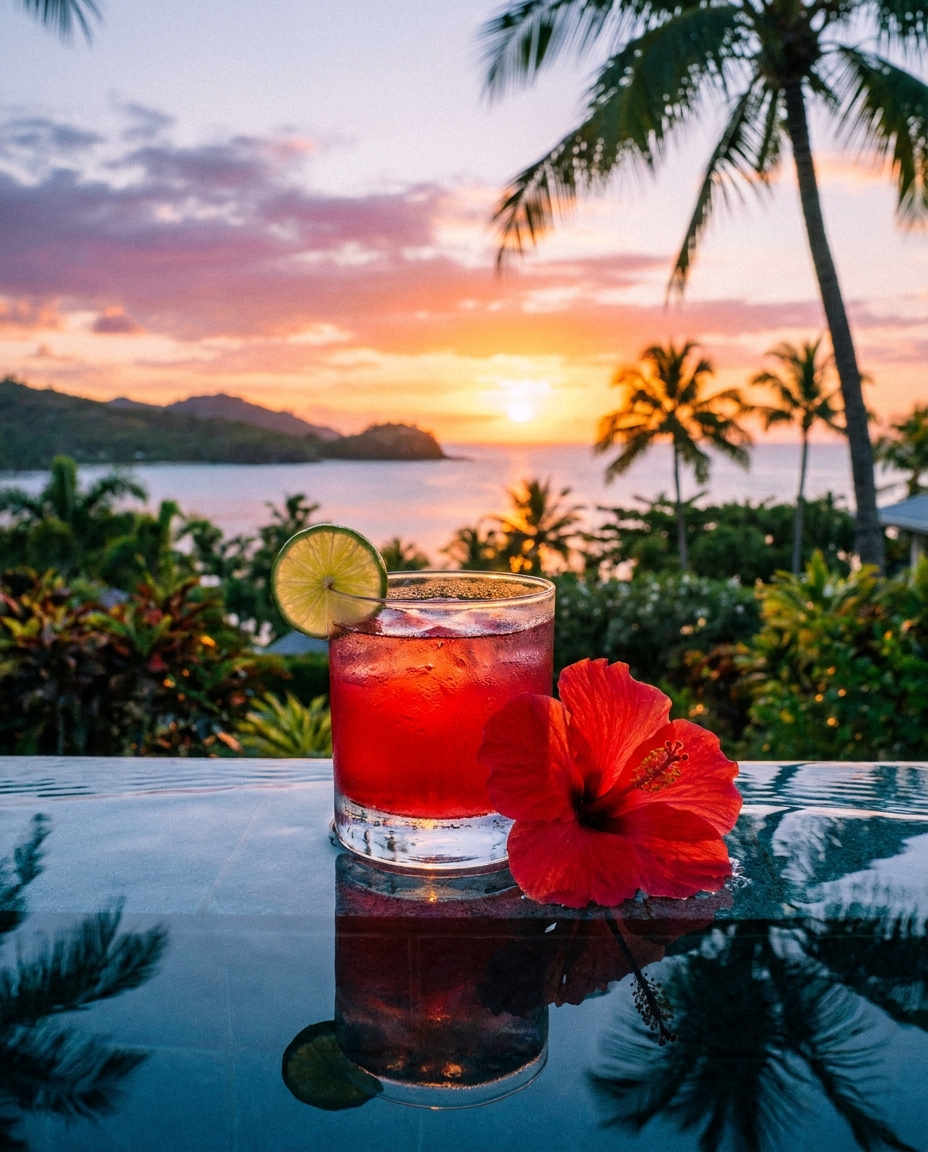
Looking for a daily drink that actually does something? Tired of choosing between "healthy but tastes like punishment" and "delicious but slowly destroying you"? There's a reason hibiscus tea has been treasured for centuries across cultures, from Egyptian royalty to Mexican Agua de Jamaica to modern...
LEARN MORELike this ad? Make it yours.
Crush rebuilds this exact creative around your product — your brand, your colors, your offer — in about a minute.