Dr. Robert Kellerman
Dr. Robert Kellerman Facebook ad: “The Pattern I've Tracked for a Decade”
Ran for 1 day, from April 10 to April 11, 2026, the last day Crush saw it.
Run by Dr. Robert Kellerman on Facebook. Crush is not the advertiser and does not verify its claims. See this ad in Meta's Ad Library(opens in a new tab)
Want an ad like this for your product?
Crush makes new ad images for your product from this ad: your logo, your product photo, your offer.
Trials from $19.95 USD, then $79.95 USD a month. Cancel anytime.
About this ad
- Meta Ad Library ID
- 1336440305042087
- Platforms
- Facebook, Instagram, Audience Network, Messenger and Threads
- Relaunches
- 0
Ad text
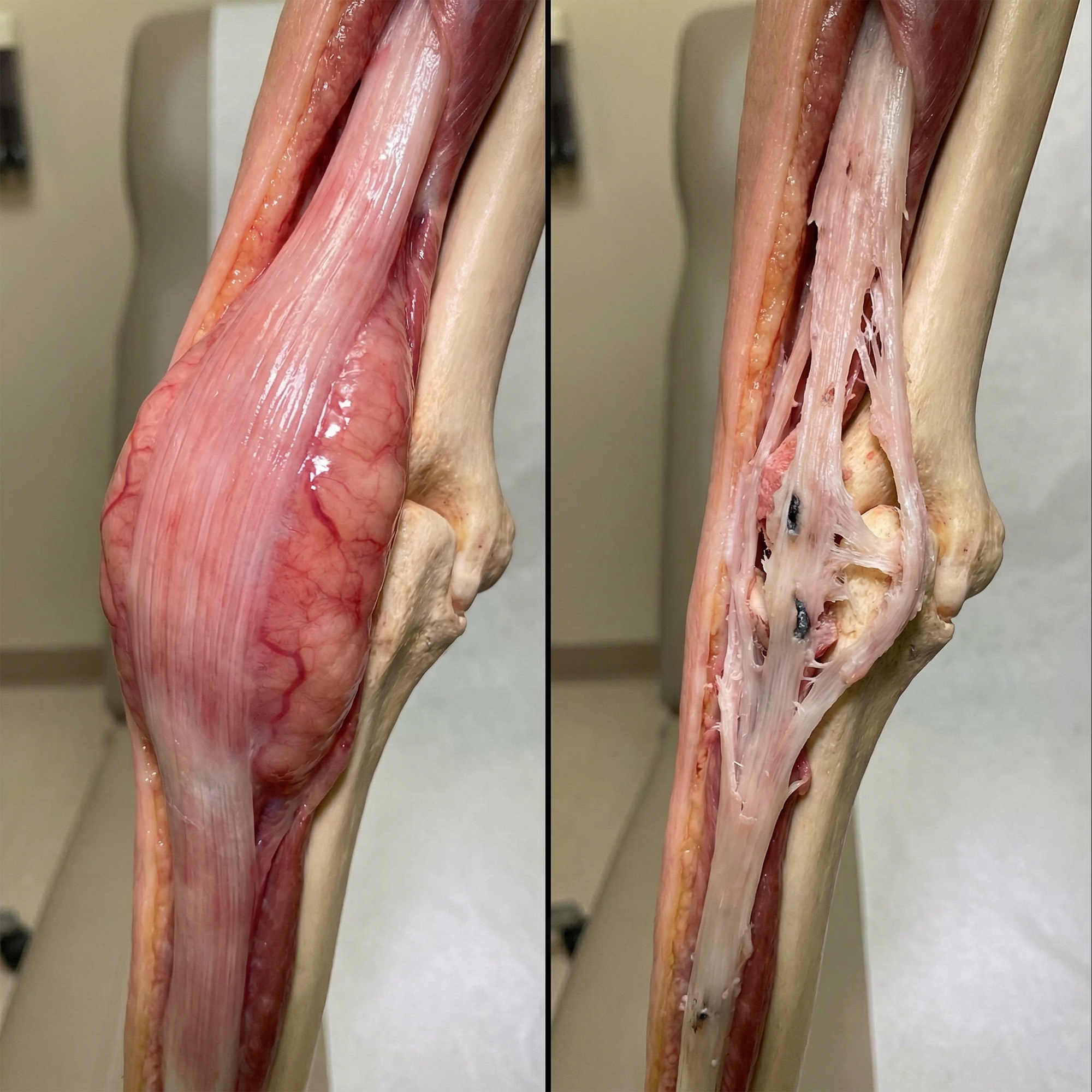
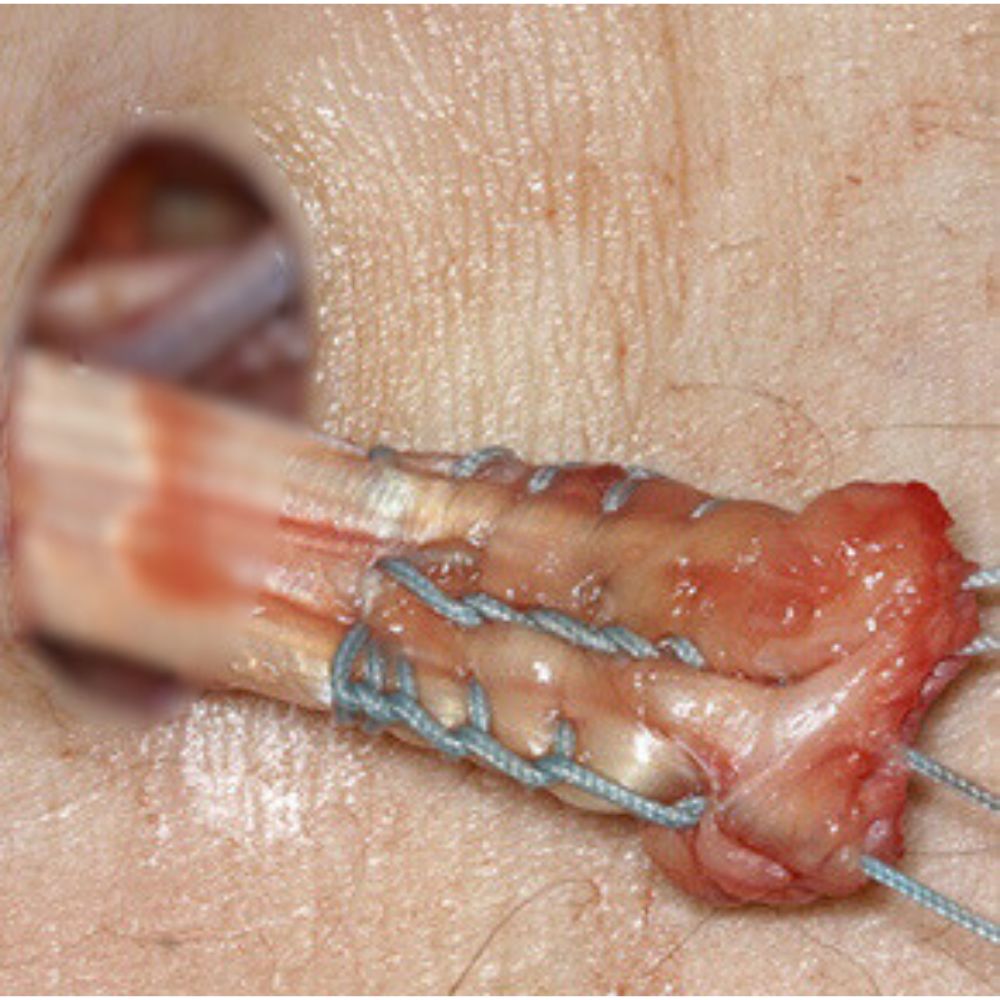
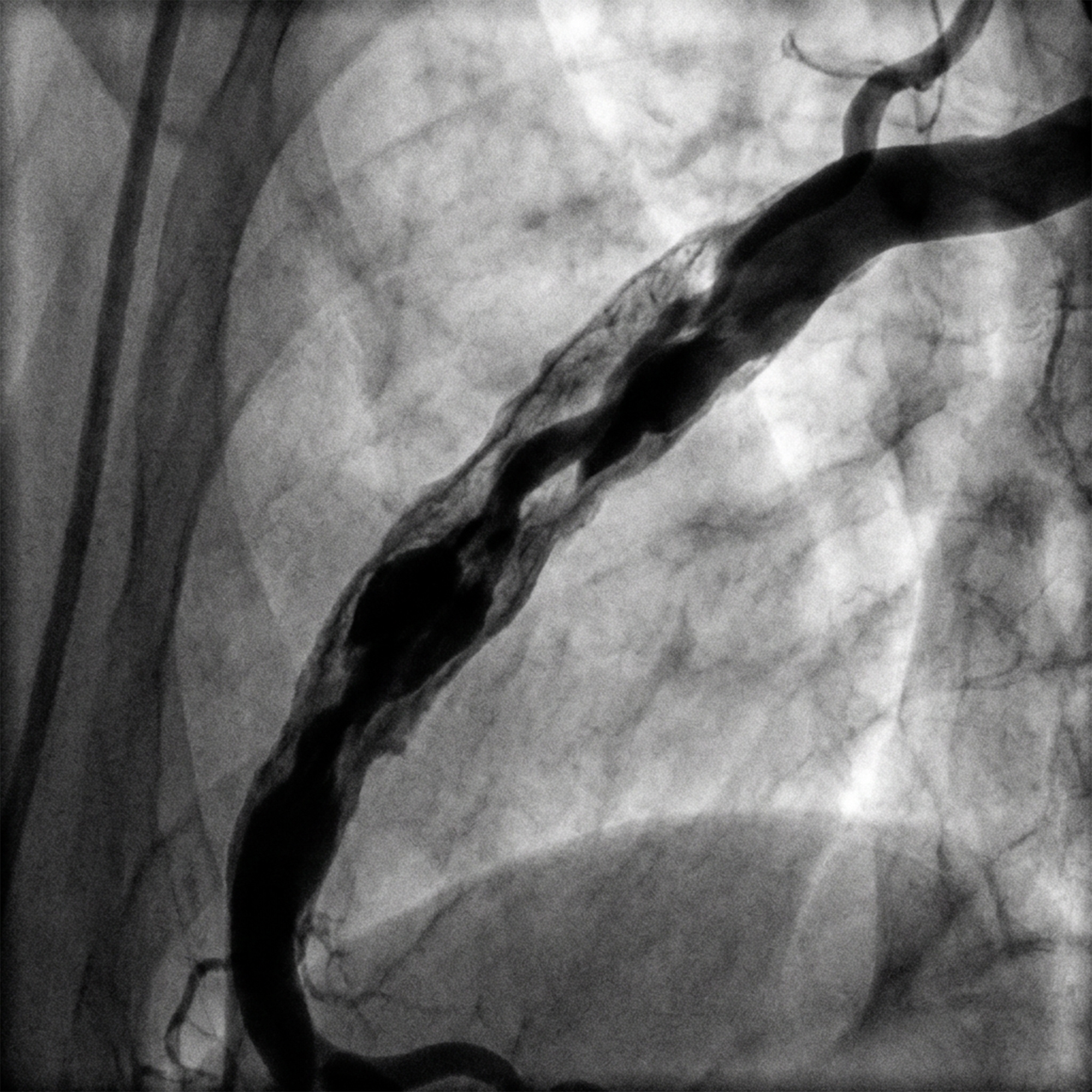
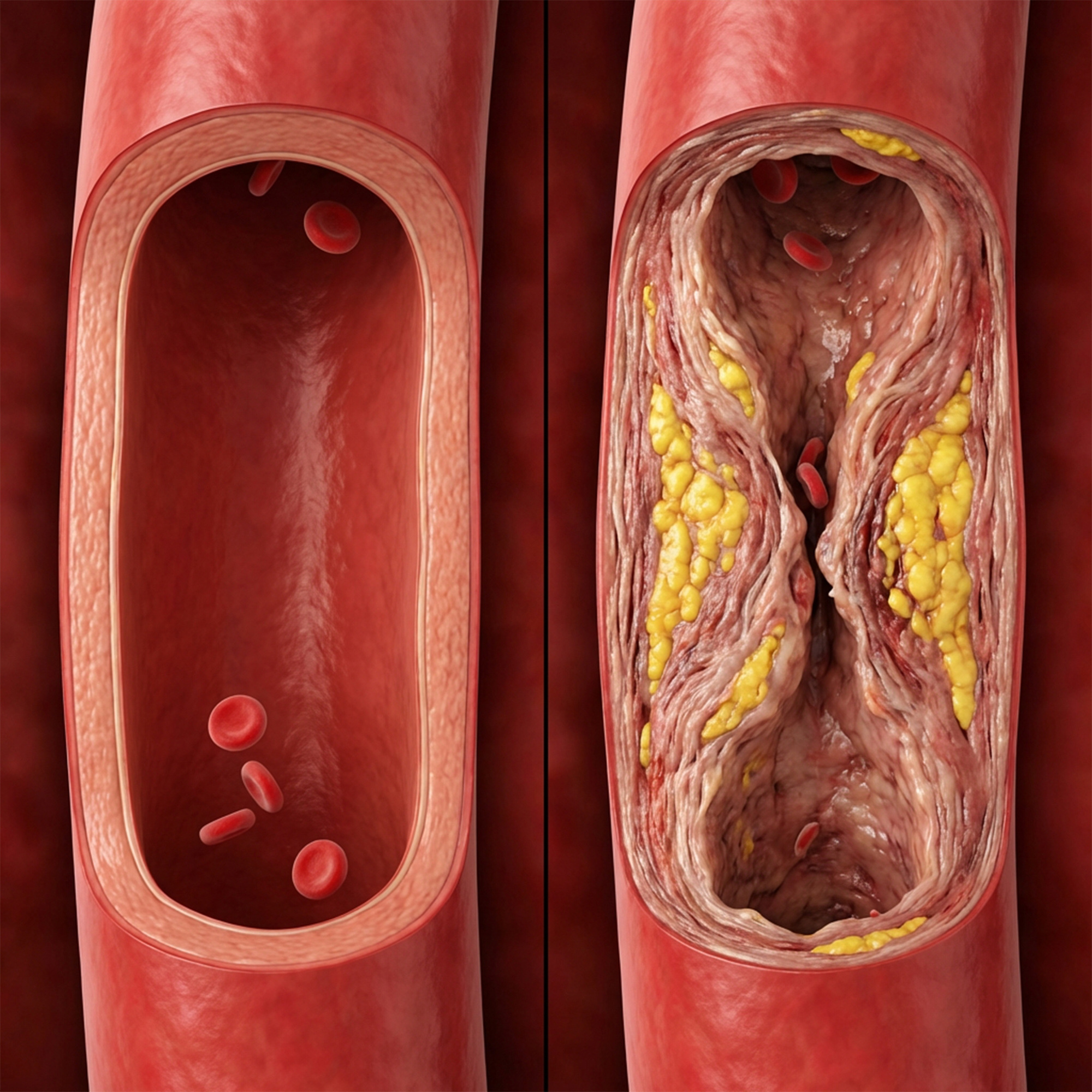
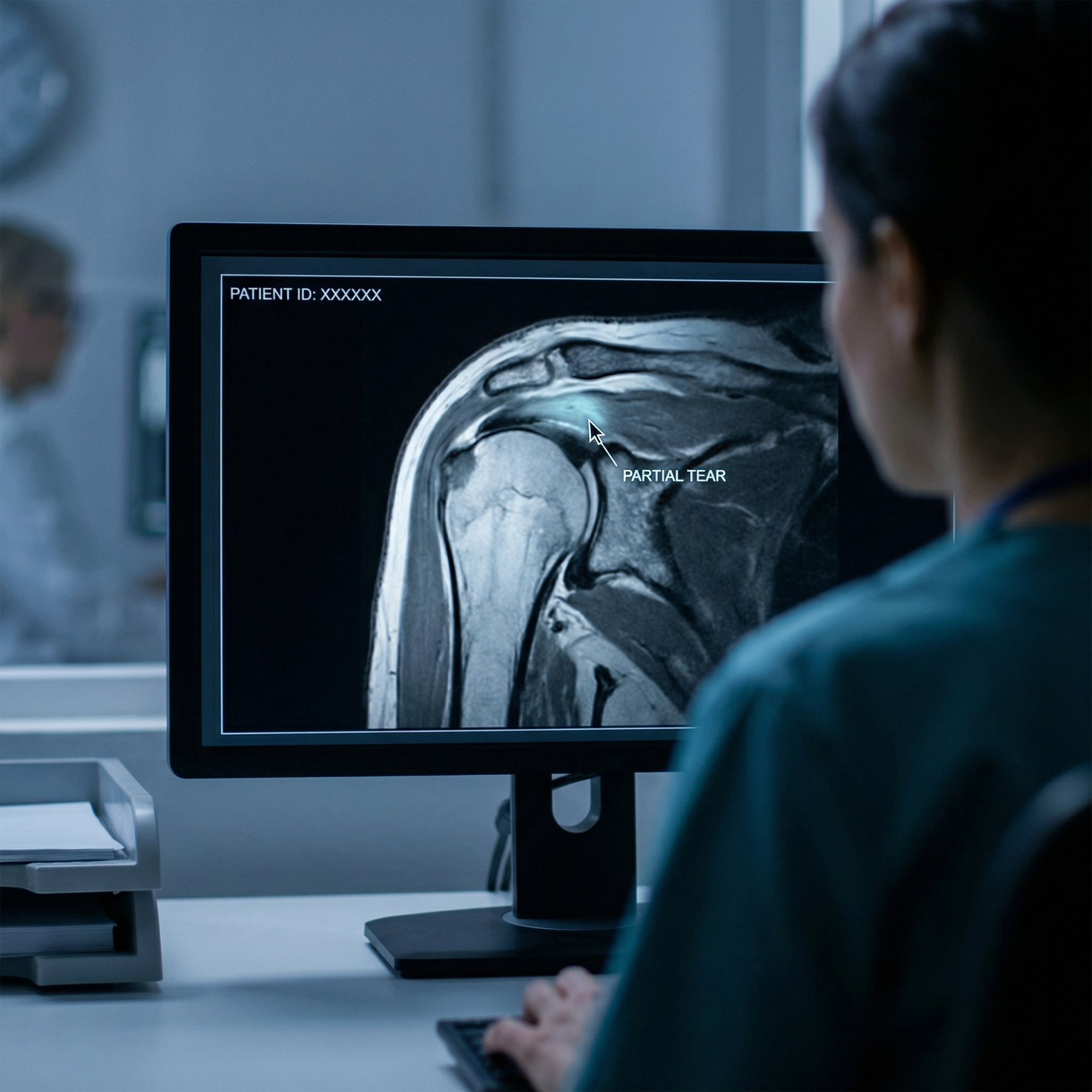
I'm an orthopedic surgeon. I've been repairing rotator cuff tears for 16 years. And I need to tell you something that's going to sound alarmist, but I've seen it happen too many times to stay quiet about it anymore. When your rotator cuff tears, your body doesn't just lose one shoulder. It starts destroying the other one, too. And almost nobody - not your primary care doctor, not your physical therapist, not even most orthopedic surgeons - will warn you this is coming. Here's the pattern I see in my practice every single week. Patient comes in with a torn rotator cuff. Right shoulder, let's say. Partial-thickness tear of the supraspinatus, maybe some tendinopathy, inflammation in the bursa. We do the standard protocol. Physical therapy. Maybe a cortisone injection. Conservative treatment first. Six months later, they're still struggling. We discuss surgery. Some patients go for it, some decide to just "live with it" and modify their activities. Either way - surgery or no surgery - I tell them the same thing at the end of the appointment. "Make sure you keep up with your exercises. Don't favor that shoulder too much. Try to maintain strength and mobility." Standard advice. Responsible medical care. But here's what I don't tell them, because honestly, most of them wouldn't believe me if I did. Eighteen months from now, there's a 60-70% chance they're going to come back to my office with pain in their OTHER shoulder. The "good" shoulder. The one that wasn't torn. And when I examine it and order an MRI, we're going to find the same thing. Rotator cuff tear. Tendinopathy. Inflammation. The bilateral cascade. I've been tracking this pattern for years. Patient records going back over a decade. And the numbers are consistent. If you tear your rotator cuff on one side and don't address the underlying cause of tissue degeneration, you have a 60-70% chance of tearing the other side within two years. Not because you're unlucky. Not because you're getting old. Because your body is doing exactly what bodies do when one shoulder stops working properly. It compensates. Let me explain what happens biomechanically when your rotator cuff tears. Your rotator cuff is a group of four muscles and tendons that stabilize your shoulder joint. When one of those tendons tears - usually the supraspinatus - your shoulder loses stability and strength. Simple tasks that used to require minimal effort now require more force to accomplish. Hoisting a tool bag. Reaching overhead to drill, wire, or hang something. Lifting a sheet of drywall or a heavy box into a truck. Your brain doesn't care that one shoulder is injured. It still needs you to function. So it does what it's designed to do. It shifts more of the load to your "good" shoulder. At first, this seems fine. Your good shoulder picks up the slack. You barely notice. But here's the problem. Your good shoulder wasn't designed to do the work of two shoulders. And every time you reach for something, lift something, push something, your good shoulder is now working at 150-200% of its normal load. Day after day. Week after week. Month after month. The tendons in your good shoulder start accumulating micro-tears. Inflammation builds up. Blood flow to the area decreases because the inflamed tissue doesn't circulate nutrients properly. And the rotator cuff tendons - which were already slowly degenerating after age 30 because that's what happens to everyone's tendons - now start degenerating faster. Because they're overworked. Overloaded. Breaking down under stress, they were never designed to handle. Eighteen months later, you wake up one morning, and your "good" shoulder hurts. You can't lift your arm overhead. Can't sleep on that side. Can't reach across your body without a sharp, catching pain. You come back to my office. I examine you. Order an MRI. Rotator cuff tear. The same injury. The other shoulder. The bilateral cascade. I've seen this pattern in hundreds of patients. Probably over a thousand at this point. And the worst part? They always say the same thing when I show them the MRI results. "But I didn't injure this shoulder. I didn't do anything to it. How did this happen?" And I have to explain to them that they've been injuring it every single day for the past 18 months by asking it to do the work their torn shoulder couldn't do anymore on the job. Their body compensated. And compensation costs. Now here's where this gets really frustrating. We know this happens. Every orthopedic surgeon who specializes in shoulders knows this pattern. Physical therapists who work with rotator cuff patients know this pattern. Sports medicine doctors know this pattern. It's not a secret. It's not controversial. It's documented in the medical literature. And yet almost nobody warns patients that fixing one shoulder doesn't prevent the cascade from destroying the other. You want to know why? Because there's no billable code for "preventing a future rotator cuff tear in the opposite shoulder." Insurance doesn't pay for prevention. They pay for treatment. So we treat the torn shoulder. We do PT. We do surgery if needed. We get you functioning again. And then we wait. Wait for the other shoulder to fail. Wait for you to come back with the same injury on the opposite side. And then we treat that one too. Two rounds of physical therapy. Two rounds of imaging. Two surgeries if you go that route. Double the revenue. I'm not saying doctors are deliberately letting the second shoulder fail for profit. Most of my colleagues are good people trying to help patients. But the system is designed to treat injuries, not prevent them. And preventing the bilateral cascade would require patients to understand that healing one torn rotator cuff isn't enough. You have to address the underlying tissue degeneration that allowed the first tear to happen. And you have to support the "good" shoulder that's been compensating while the torn one heals. But nobody tells patients this. So they fix one shoulder. Feel better. Go back to their normal activities and normal shifts. And 18 months later, they're back in my office with the other shoulder torn. I've watched this happen so many times that three years ago I started asking myself a question. If we know the bilateral cascade is coming, why aren't we preventing it? And the answer I kept coming back to was simple. Because the medical system doesn't have a tool for preventing rotator cuff degeneration. We can strengthen muscles with PT. We can reduce inflammation temporarily with cortisone. We can surgically repair torn tendons. But we can't regenerate damaged tendon tissue at the cellular level. We can't reverse the collagen breakdown that happens in rotator cuff tendons after age 30. At least, not with anything the medical system officially prescribes. That's when I started researching peptides. Specifically, BPC-157. It's a peptide your body naturally produces in gastric juice. And the research on it - particularly for tendon injuries - was compelling. Studies showing accelerated rotator cuff tendon healing. Increased collagen synthesis. Improved blood flow to damaged tissue. Reduced inflammation at the cellular level. Not just symptom management. Actual tissue regeneration. The kind of healing that could address the underlying tendon degeneration causing the bilateral cascade. I started paying attention to which of my patients were using BPC-157 on their own - because some were, after finding it through online research or peptide communities. And I noticed something interesting. The patients who used properly formulated BPC-157 during their recovery from a torn rotator cuff had significantly lower rates of developing tears in the opposite shoulder. Not zero. But instead of 60-70% developing a tear in the other shoulder within two years, it was closer to 20-25%. That's a massive difference. And it made sense biomechanically. BPC-157 doesn't just work locally at the injury site. It circulates systemically through your bloodstream. Which means if you take it to help heal your torn right shoulder, it's also supporting the tendons in your left shoulder that are being overworked from compensation on the job. It's reducing inflammation in both shoulders. Supporting collagen synthesis in both shoulders. Improving blood flow to the damaged tissue in both shoulders. You're healing the torn shoulder AND protecting the good shoulder from the compensation stress that would normally destroy it. That's the key to preventing the bilateral cascade. Address the tissue degeneration systemically, not just locally. Now here's where most people get BPC-157 wrong. They hear about it online. They order some oral capsules. Take them for a few weeks. Feel minimal improvement. And they decide it doesn't work. What they don't realize is that most oral BPC-157 is formulated incorrectly. The majority of oral BPC-157 supplements use something called acetate salt as the base compound. Acetate salt is cheap to manufacture. Supplement companies love it because the profit margins are great. But it has one critical flaw. Acetate salt gets completely destroyed by stomach acid before it reaches your bloodstream. You're swallowing capsules that break down in your gut and never make it to your rotator cuff tendons at all. Zero bioavailability. Zero tissue regeneration. Zero protection for your good shoulder. That's why injectable BPC-157 became popular in peptide communities. If you inject it subcutaneously, it bypasses your stomach and gets into your bloodstream intact. But most people don't want to inject themselves daily. And injectable BPC-157 has sourcing problems - gray-market suppliers, "research purposes only" labels, quality control issues. For years, if you wanted BPC-157 that actually worked, you either had to inject research chemicals or accept that oral versions were worthless. Until someone figured out the formulation problem. If you stabilize BPC-157 with arginine salt instead of acetate, it survives stomach acid and gets absorbed intact through your digestive system. Third-party testing shows 99.9% oral bioavailability with arginine salt formulation. Meaning the peptide actually reaches your bloodstream and circulates to both shoulders - the torn one and the good one. That changes everything. Because now you can take it orally, support healing in your injured shoulder, and simultaneously protect your good shoulder from the compensation stress that would normally tear it within 18-24 months. You're not just treating one injury. You're preventing the bilateral cascade. I've been recommending properly formulated oral BPC-157 to patients for about two years now. Not officially, you understand. I can't prescribe supplements. But when patients ask what else they can do to support healing and prevent the other shoulder from failing, I tell them what the research shows. And the results have been striking. Man in his late fifties. Came to me with a full-thickness supraspinatus tear in his right shoulder after years in the trades. We did surgery. Recovery went well. Six months post-op, he came back complaining of pain in his left shoulder. The "good" one. I examined him. Early signs of rotator cuff tendinopathy. Not torn yet, but heading that direction from compensating during his recovery. I told him about BPC-157 with arginine salt formulation. He started taking it. Three months later, the pain in his left shoulder was gone. Follow-up MRI showed the tendinopathy had actually improved. No tear developed. He's now two years post-surgery on the right shoulder. Left shoulder is still healthy. He broke the bilateral cascade. Guy in his early sixties. Partial tear in his left shoulder. Refused surgery, wanted to try conservative treatment. Started taking arginine salt BPC-157 along with his physical therapy. Eight weeks later, his pain dropped from a 7 to a 2. Range of motion significantly improved. MRI showed tissue healing. But here's the interesting part. He also reported that his right shoulder - which had been developing some clicking and mild discomfort from compensating on long shifts - felt better too. That's systemic healing. Both shoulders benefiting from one intervention. The bilateral cascade was prevented before it even started. I've taken it myself. I'm 58 years old. I've been a surgeon for 16 years. Years of repetitive overhead motion during surgeries. My right shoulder started developing some tendinopathy two years ago. Not torn, but I know where this leads. I've seen it in hundreds of patients. I started taking arginine salt BPC-157. Two capsules a day. Eight-week cycle. The discomfort went away. Range of motion improved. I can feel that my shoulder is more stable, more resilient. And I've continued taking it periodically - one week every month - as maintenance. Because I know what happens if I don't address the underlying tissue degeneration. One shoulder fails. Then the other. The bilateral cascade. And at 58, I'm not interested in having rotator cuff surgery on both shoulders before I'm 60. Now here's the critical part if you're going to try this. You need an arginine salt formulation, not acetate. And you need third-party testing verification to ensure you're getting real BPC-157 that hasn't degraded. Most brands won't specify which formulation they use. They'll just say "BPC-157" and hope you don't know the difference. The only brand I've found that consistently delivers results - the one I use myself and recommend to patients - is Healthletic. Pharmaceutical-grade BPC-157 with arginine salt stabilization. Manufactured in FDA-registered facilities. Third-party lab tested with publicly available certificates of analysis. I've tested other brands. Most don't work because they're using acetate or they're underdosed or the peptide has degraded before it reaches you. Healthletic is the only one I trust. Two capsules a day. Most people notice improvement in 2-4 weeks for pain and inflammation. Tissue healing takes longer - 6-8 weeks minimum. But the protection for your good shoulder? That's happening from day one. Because the peptide is circulating systemically. Supporting both shoulders. Reducing inflammation in both. Promoting collagen synthesis in both. You're healing the injured shoulder and preventing the bilateral cascade at the same time. Look, I understand the skepticism around supplements. Most are garbage. But properly formulated BPC-157 with arginine salt isn't like other supplements. It's based on actual research. It has a specific mechanism of action. It works at the cellular level to regenerate damaged tissue. And after watching hundreds of patients go through the bilateral cascade - tearing one shoulder, then the other - I can't ignore a solution that prevents it. Especially when the alternative is waiting for both shoulders to fail and dealing with two surgeries instead of one. The brand is Healthletic. I've added the link below. Don't wait until both shoulders are torn. Heal the injured shoulder. Protect the good one. Break the bilateral cascade. 👉 https://healthletic.io/products/body-protection-compound-bpc-157
Where the ad sends people
healthletic.io
The Pattern I've Tracked for a Decade
Healthletic BPC-157 is 99.9% orally bioavailable, 3rd party tested, and science-backed. Support gut health, joints, ligaments, and faster muscle recovery.
Learn more: healthletic.io(opens in a new tab)