
Active· since Jun 9, 2026
- 106
- days running
- 0
- relaunches
Ad copy
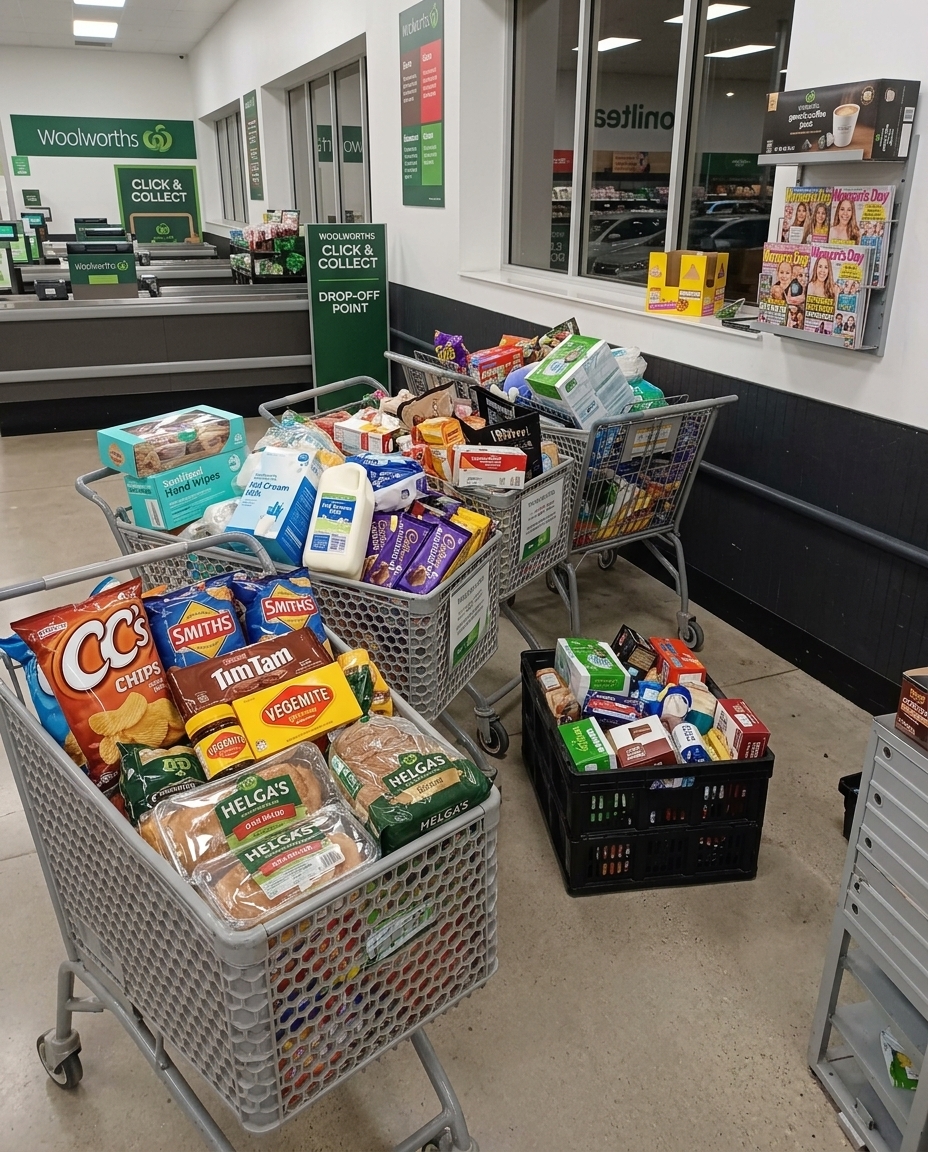
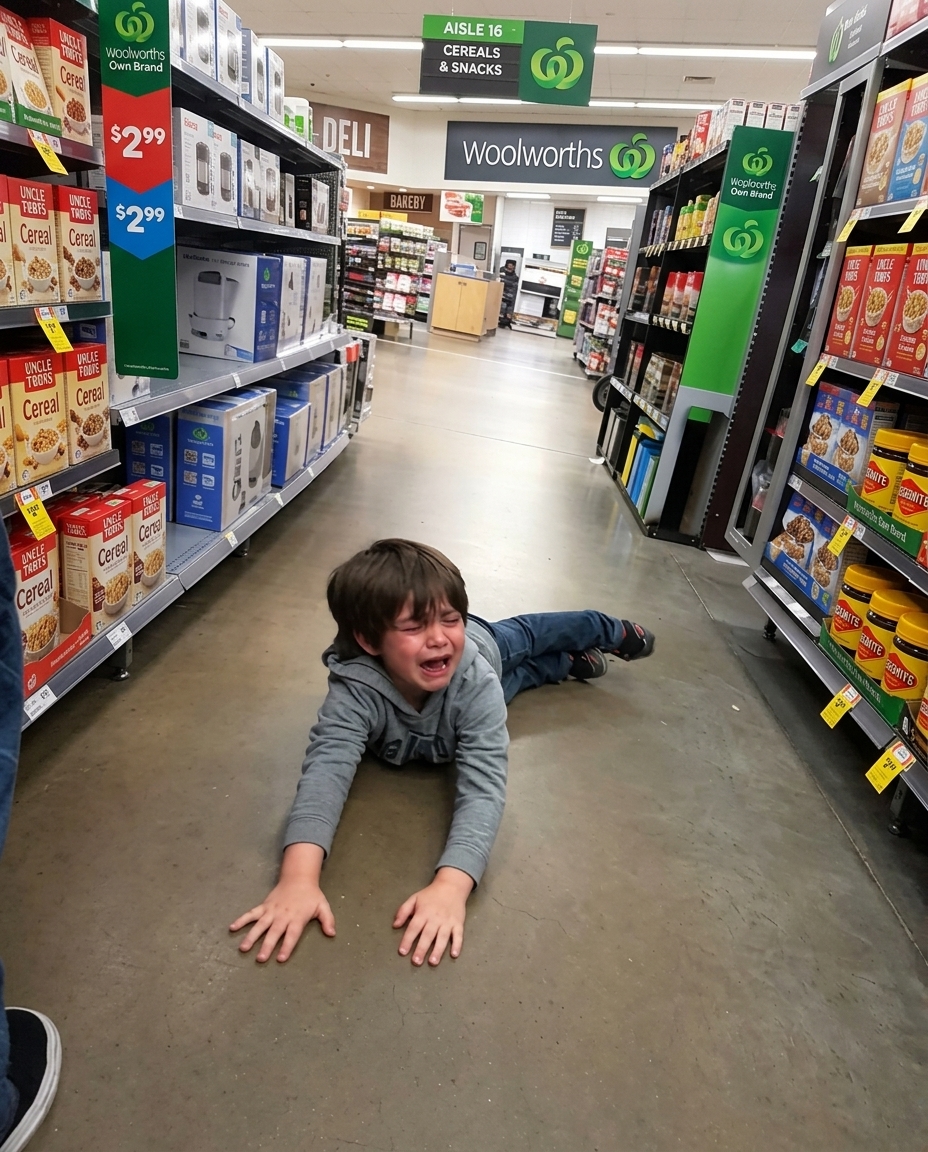
I left a full trolley in aisle 7 of Woolies and carried my screaming son to the car. He was on the floor having a meltdown while I was on my knees. Some lady walked past and said "You need to control your child." --- I picked him up, walked past her, and left everything in the trolley. We sat in the car park for 20 minutes before I could drive him home. My name is Melissa. I'm 34. My son is Caleb, he's 7. This post is about that day in Woolies, what I found out about his brain two months later, and why last Saturday we walked back through those same doors. Caleb was the kid I took everywhere. When he was three and four, Saturday mornings were our thing. I'd put him in the trolley and we'd do the whole grocery run together. He knew the difference between a mandarin and a clementine because I told him once and he never forgot. He'd wave at people in the aisles. One of the checkout ladies, Sharon, gave him a sticker every time we went through. He'd stick it on his shirt and wear it the rest of the day. He was the kind of kid people smiled at in public. He'd say hi to strangers. He'd tell the deli guy his name. I used to feel proud walking through a store with him. Kindergarten changed everything. His teacher emailed in term two. Caleb couldn't stay on the mat for group time. She said he just moved. Constantly. She'd redirect him and five minutes later he'd be rolling around on the floor. I called our GP. She said some kids take longer to settle in. By term three the emails were different. He pushed a boy off a chair. He threw a pencil case across the room. He ran out of the classroom twice in one week. At home the 3:30 meltdowns started. Every single day. The door opened and something released. Screaming. Throwing things. Hitting his sister. I'd spend from 3:30 to bedtime managing him. By 8pm I had nothing left. But home was private. Home had walls and closed doors. Public is what broke me. It started with restaurants. He'd last ten minutes before he was under the table or screaming because his chicken nuggets looked wrong. We stopped eating out. Then the playground. He shoved a kid off the equipment while three mums watched from the bench. I stopped going to the park. Then his mate's birthday party at one of those indoor play centres. Forty minutes in, Caleb threw a handful of tokens across the table because another kid won more tickets than him. The birthday boy's mum pulled me aside and said, "I think Caleb might need a break. Maybe you guys should head off." We left. He wasn't invited to the next one. Then Woolies. The first bad trip, he pulled a jar of pasta sauce off the shelf and it shattered. Glass and tomato all over the floor. A staff member cleaned it up and told me it happens all the time. It didn't feel like it happened all the time. The second bad trip, he had a full meltdown at the checkout because I said no to a Kinder Surprise. He dropped to the floor and screamed for six minutes straight. The woman behind us moved to another lane. The checkout lady wouldn't look at me. The third trip was the one where I left. We'd been inside twelve minutes. Caleb wanted to walk instead of ride in the trolley. I said fine. He made it through the fruit and veg. We turned into the cereal aisle and he saw something he wanted. I said not today. He grabbed it. I took it from him. He dropped to the floor. Full meltdown. Kicking. Screaming. Hitting the floor with both fists. His face was dark red. I got on my knees and tried to hold him. A woman walked past us, looked down at him, and said, "You need to control your child." I didn't say anything. I picked Caleb up. He was still screaming. I walked past her, past the trolley with half our groceries in it, past the checkout lanes, and out the doors. We sat in the car park for twenty minutes. Him in his car seat crying. Me in the driver's seat trying to breathe. That was a Tuesday in October. I didn't go back to Woolies. I didn't go back to Target. I didn't go back to any store with my son. I set up grocery delivery that night and told myself it was more convenient. It wasn't convenient. I was hiding. For four months I ordered everything online. I sent my husband to pick up scripts. I drove to the chemist alone after the kids were asleep. My world got smaller every week. Caleb asked me one morning why we don't go to the shops anymore. I told him we order our stuff online now because it's easier. He looked at me and said, "Is it because I'm bad?" I told him no. I pulled him into my lap and held him. But I didn't take him to the shops. That night after the kids went to bed, I told my husband what Caleb said. He was quiet for a while. Then he said, "Maybe we should talk to the paediatrician about medication." I said, "He's seven." He said, "I know." I tried everything before that conversation could happen. Hiya gummies for two months. Clean ingredients, good reviews. Nothing changed. Fish oil he spat out every time. The elimination diet. Three months of separate meals for a kid who only ate buttered pasta. The meltdowns went from daily to four times a week. That wasn't enough to walk into a shop. Our GP said, "He'll grow out of it." My mum said, "You just need a routine." Nobody said anything that helped. My sister-in-law Jess called in February. She's a paediatric nurse. Two kids of her own. She'd heard about the Woolies incident from my husband. She didn't call to make me feel better. She called to ask me questions. "What's he taking?" "Hiya. That's it." "What else have you tried?" "Fish oil. Magnesium. Three months of elimination diet." She went quiet. "Can I tell you something without you getting upset?" "Go ahead." "Hiya is a clean multivitamin. But there's nothing in it that reaches the part of the brain that's driving what you're seeing with Caleb." "What does that mean?" "Caleb's brain is building right now. Between ages five and twelve, his brain is developing the wiring for focus, impulse control, and emotional regulation. That building needs specific compounds. The vitamins you've been giving him support his general health. But none of them contain what the brain needs to actually regulate itself." "Then what does?" "There's a compound in saffron — properly standardised saffron, not the cheap stuff on Amazon — that's been shown in a clinical trial to support dopamine regulation directly. A 2019 trial. They compared it to methylphenidate — that's Ritalin. Same reduction in hyperactivity. Same improvement in focus and impulse control. Parents reported 70% fewer tantrums. Better sleep. And none of the side effects." "Jess, I've spent hundreds of dollars on things that did nothing." "I know. That's why I waited to call. But everything you've given him was general support. Nothing ever addressed the regulatory deficit underneath the behaviour." "So what do I buy?" "There's a product called VigorNatura. Saffron gummies for kids. The saffron is standardised to the exact concentration used in the trial — 0.3% safranal. They've also added GABA, which is the brain's calming neurotransmitter — the one that gives the brain an off switch. MCT oil so the compounds actually absorb properly. And magnesium glycinate, the most bioavailable form." "And you trust it?" "I've been giving it to my own kids for six months. And I've started recommending it to families I work with. That's how sure I am." I ordered that night. Week one, nothing. Caleb took them because they tasted like lollies. No change. I texted Jess on day five and said, "Same meltdowns." She said, "Two more weeks. Stop watching him like a science experiment." Day eleven. We were in the car on the way home from school. Caleb was sitting in his seat. Quiet. He pointed at a dog on the footpath and told me what breed he thought it was. He talked about dogs for three minutes. I didn't say anything because I was afraid to interrupt whatever was happening. Week three. His teacher sent an email. My stomach dropped when I saw her name. I opened it. "Hi Melissa, I wanted to let you know that Caleb has had a really good week. He's been managing transitions much better and staying focused during independent work. I'm really seeing a difference." I screenshot it and sent it to Jess. She sent back one word. "Finally." Week four. Saturday morning. I stood in the kitchen and made a decision. I told Caleb we were going to Woolies. He looked at me. Didn't say anything for a second. Then he said, "Can I push the trolley?" I said yes. We walked in through the same doors. Past the same checkout lanes. Into fruit and veg. He pushed the trolley. He was careful. He said sorry when the trolley bumped a display. We went through the cereal aisle. He pointed at a box and said, "Can I have that one?" I said yes. He put it in the trolley and kept walking. We checked out. Sharon was on the register. She said, "Hey buddy, haven't seen you in ages." He said, "We've been doing online for a while." I paid. We walked to the car. I loaded the bags. He climbed into his seat and buckled himself in. I sat in the driver's seat and cried. Because nothing happened. We did a normal, boring, Saturday morning grocery run. The kind of thing I used to do without thinking. And for four months I'd been too afraid to try. If you can't take your kid to the shops. If your GP keeps saying he'll adjust and it's been two years and he hasn't. If you switched to delivery and told yourself it's easier. If your kid has asked you why you don't go places anymore and you lied because you couldn't say the real answer. If a stranger has ever looked at you and your child and said something that made you feel like the worst mother alive. I'm not a doctor. I'm not a wellness influencer. I'm a mum who stopped leaving the house with her son because every public place made us both feel broken. What I know now is this. Caleb's brain was doing the most important building of his life between five and twelve. And nobody — not his GP, not Hiya, not the elimination diet, not the OT we saw for two months — ever gave him the one compound that tells the brain to regulate itself. I couldn't have known. Nobody told me. Nobody tells any of us. VigorNatura has a 60-day money-back guarantee. No questions asked. You email them and they refund you. You don't send the bag back. Here's what I'd watch for: The car ride home from school. Is he calmer in the backseat by week two? Transitions. Does going from one thing to the next stop turning into a screaming match by week three? The shops. Can you walk through a checkout lane without holding your breath? If nothing changes in 60 days, you get every penny back. But I'd bet you notice something by day eleven. I did. I just didn't say it out loud because I was afraid to jinx it. You can keep ordering delivery and telling yourself it's easier. You can keep avoiding the shops, the restaurant, the birthday party. You can wait for him to grow out of it. Or you can spend less than two dollars a day for 60 days and find out if his brain was missing the one thing nobody thought to give it. If it doesn't work, you've lost nothing. If it does, you get your kid back. You get your Saturday mornings back. You get to walk through a shop like everybody else. The link to VigorNatura is below. — Melissa P.S. One bag is a 30-day supply at 2 gummies per day. Less than two dollars a day. Watermelon flavour and he asks for them every morning. The window between five and twelve doesn't wait. His brain is building right now and every month matters. P.P.S. Jess started giving VigorNatura to both of her kids after she saw what happened with Caleb. Her youngest is four. She told me, "I'm not waiting for a problem to show up before I give his brain what it needs." She's a paediatric nurse and she recommends it to the families she works with now. That's how I know this isn't something I fell for. It's something real that I found.
Like this ad? Make it yours.
Crush rebuilds this exact creative around your product — your brand, your colors, your offer — in about a minute.