
Active· since Jul 4, 2026
- 73
- days running
- 1
- relaunches
Ad copy
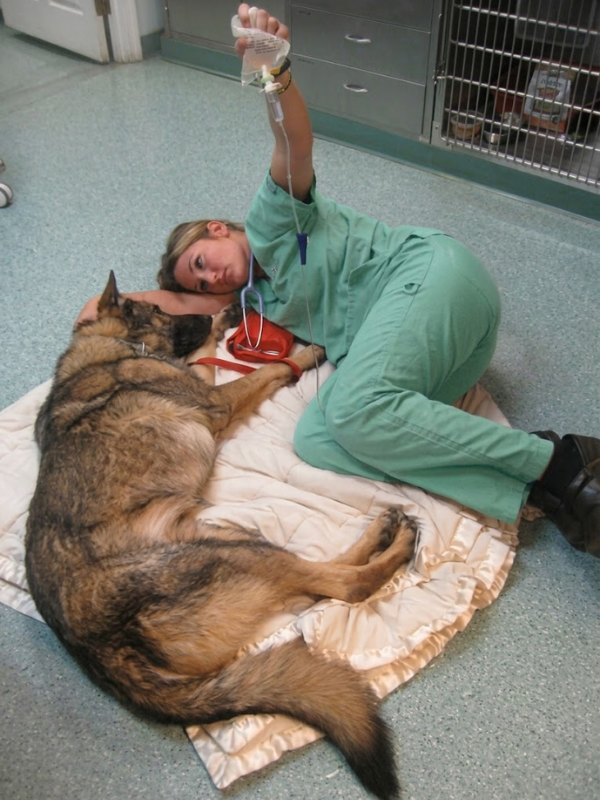
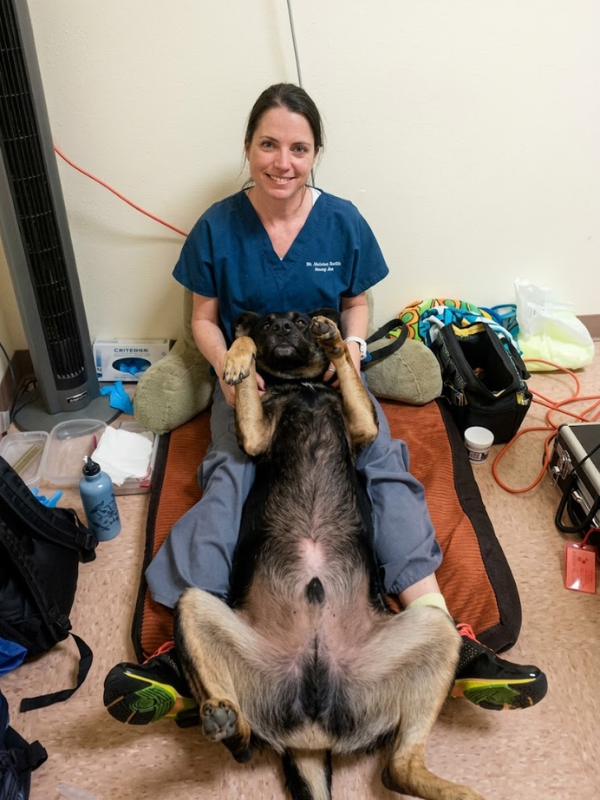
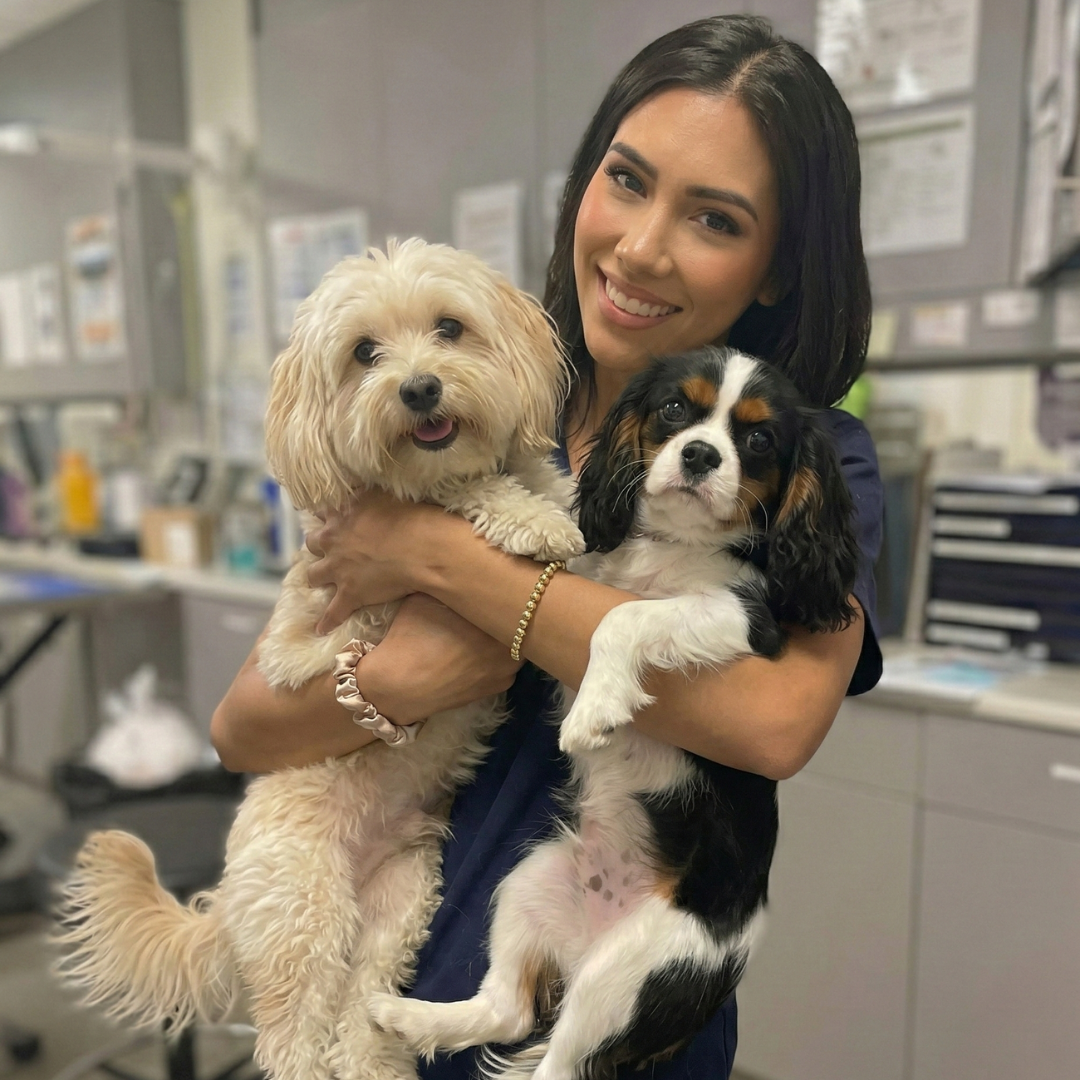
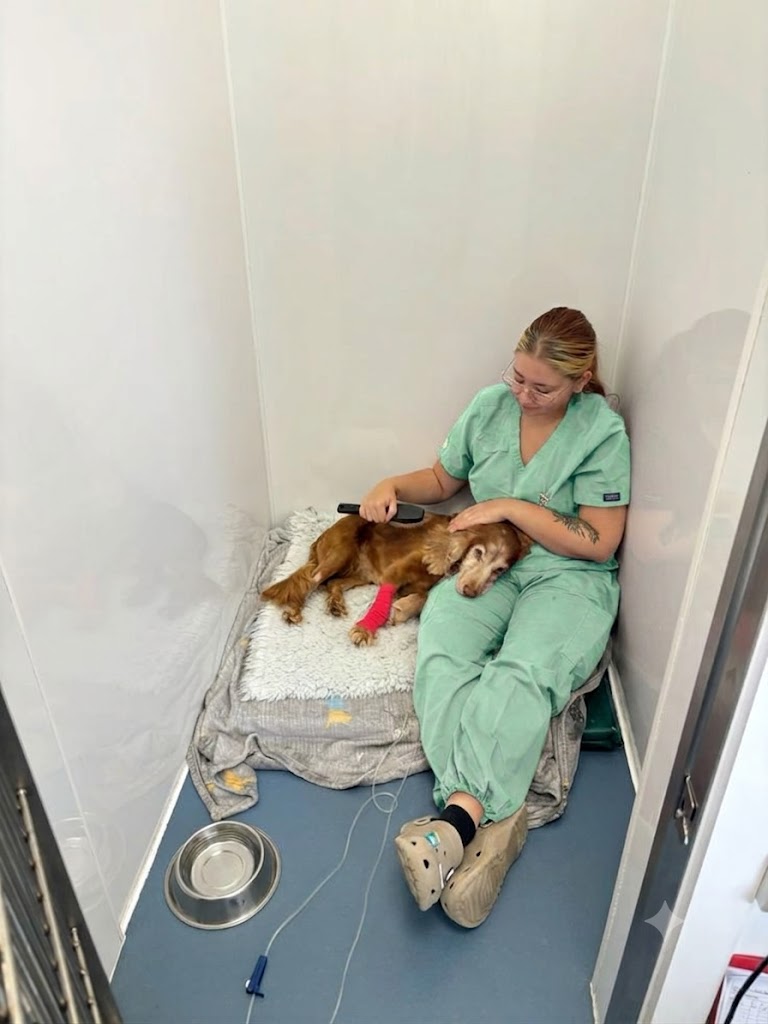
If you've got a senior dog and your vet has recommended a dental cleaning in the last six months — I need you to read this before you schedule it. I'm a vet. 32 years of performing dental cleanings. Last month, my own 14-year-old dog almost died on my own table. The procedure I've called "routine" 1,830 times in my career is the same one that kills senior dogs every week in clinics across this country. Their owners are told the bloodwork was perfect. Their owners are told it was a one-in-a-million complication. It's not. Here's what I found. And what I do now instead. At 10:07 AM, Bailey was wheeled in for a dental cleaning. At 10:11 AM, her heart was about to stop. Four minutes. Her heart rate had already dropped into the range where, in 32 years of practice, I've watched too many senior dogs stop breathing and never start again. My name is Dr. Laura Hastings, DVM. I've performed over 1,830 dental cleanings at Willow Creek Veterinary Hospital. I couldn't sleep for three days after I pulled her off that table. What I found should have been taught in vet school. But the veterinary industry has been sitting on it — because it threatens the most profitable procedure in veterinary medicine. Here's what happened. Bailey was my 14-year-old girl. My soul dog. She'd been with me longer than my marriage. She also had a heart murmur I'd been monitoring for three years — which made what almost happened on that table even worse. Her mouth was a disaster. Brown tartar coating every tooth. Gums so swollen they bled when she chewed — she'd stop halfway through dinner, whimper, then force herself to keep eating. Breath that smelled like something was rotting inside her. I'd done everything "right." I'd spent hundreds on dental chews she swallowed in seconds. Water additives she refused to drink. I'd even tried brushing — until she started hiding from me every night at 8 PM. I had done everything I tell my own clients to do. So that morning, I made the call every vet makes eventually: it was time for the cleaning. I prepped her myself. I watched the anesthesia go in. I watched her eyes go soft. And then I watched her start trembling. Not the normal tremor. The kind of tremor I've seen right before a dog crashes on the table. I pulled the mask off her face before the tech could even ask what I was doing. "We're done," I said. "Get her off the table." My tech looked at me like I'd lost my mind. "Dr. Hastings, her bloodwork was perfect. There's no medical reason —" "I know." Because here is the secret the industry won't tell you: for a senior dog, anesthesia is never "routine." It doesn't matter how "perfect" the bloodwork is. It doesn't matter how "perfect" the vet is. When you put a 14-year-old dog under, you are asking aging organs to do something they weren't designed to do. Every week in this country, dogs with "perfect bloodwork" go under anesthesia for a "routine" cleaning and don't come back. Their owners did everything right. Brushed. Bought the chews. Followed the protocol. If your dog's mouth smells like something is rotting — the same clock that was ticking for Bailey is ticking right now. I brought Bailey home that afternoon and couldn't stop staring at her. I'd saved her from the table. But I hadn't saved her. Her teeth were still rotting. Her gums were still bleeding. The infection in her mouth was still there. Refusing the cleaning didn't fix anything. It just bought me time. When I told the other vets at my clinic what I'd done, they looked at me like I'd lost my mind. "You're a vet. You know better." "You're going to let her teeth rot because you're scared?" "The bacteria will kill her slower than anesthesia ever could." And they were right about the bacteria. Every time Bailey chewed, billions of bacteria were entering her bloodstream through those bleeding gums. Traveling to her heart. Her kidneys. Her liver. And the damage doesn't reverse. Heart tissue scarred by bacteria stays scarred. Kidneys poisoned by infection stay poisoned. If your dog's gums bleed — even a little when they chew a toy or eat a treat — that's not "mild gingivitis." That's an open wound pumping bacteria into their organs every time you put the food bowl down. So I had two choices. Watch her die slowly from the infection spreading to her organs. Or risk killing her on the table trying to save her. But there had to be a third option. There had to be. And that's when the insomnia started. I didn't sleep for three days. Not because I was mourning Bailey — I'd saved her. Barely. I couldn't sleep because of what I knew was coming next. I'd stood across from dozens of owners in my career, watching them fall apart after losing a senior dog. The same sentence, every single time: "But I tried everything." Brushing. Chews. Water additives. Expensive food. They'd done it all. And their dogs still died — slowly, from the infection inside their mouth. Or fast, on a table under anesthesia. I couldn't be the next one. I couldn't stand over Bailey's body six months from now and say those same three words. Every meal she ate, more bacteria into her bloodstream. Every night she slept, more damage to organs that couldn't repair themselves. I kept thinking: there has to be something else. There has to be. So I started digging. On the third night, scrolling through holistic vet forums at 2 AM, I found a post about a 16-year-old rescue dog with perfect teeth. No anesthesia, ever. The shelter she came from specialized in senior dogs — the ones other shelters won't touch. Dental disease. Heart murmurs. Kidney issues. Dogs surrendered because the owners couldn't afford vet bills. Dogs considered "unadoptable." I clicked through to their page. Photos of senior dogs — 12, 14, 16 years old — with white teeth and pink gums. It sounded like a scam. But I was desperate. The next morning, I drove four hours out of state to see if it was real. What I Saw in the First 10 Minutes Made Me Want to Throw Up Before I tell you what I found at that shelter, I need to be upfront about one thing. I'm not going to name the shelter. The last thing they need is a flood of calls from desperate owners. They're already stretched thin taking care of dozens of senior dogs that nobody else would take. I pulled in four hours later, eyes burning from the drive. The director met me at the door. She'd been running the place for over a decade. Took in the dogs other shelters turned away — senior dogs with rotting teeth, heart murmurs, kidney problems. Dogs surrendered because the owners couldn't afford the vet bills. Dogs nobody else wanted. There were 47 of them. She walked me to a 13-year-old rescue named Benny. His intake photo was taped to the kennel door. I knew that mouth. I'd seen it a hundred times. Brown cement coating every tooth. Gums so swollen they'd turned purple. Two lower teeth with the roots exposed where the gums had receded. The photo was dated six months ago. She crouched down and lifted Benny's lip. I bent down next to her. What I saw made no sense. Benny's gums were pink. Firm. Not a drop of blood. And the brown cement that had coated his teeth six months ago? Softening. Flaking off on its own. My hands started shaking. "How?" I whispered. She smiled. "I'll show you." I checked three more dogs before I let her. Same thing. Every one of them. Senior dogs whose intake photos looked like dental horror shows — now with pink gums and tartar crumbling off their teeth on its own. The same brown teeth, bleeding gums, and rotting-meat breath as the dog sleeping on your couch right now. She led me to a converted shed at the back of the property. Inside was a makeshift exam room — stainless steel table, a cabinet full of supplements, and a woman in scrubs. Her name was Alana. She'd been the shelter's vet for 8 years. She'd walked away from corporate practice because, in her words: "I got tired of euthanizing dogs who died from the cure, not the disease." The same sentence that had been haunting me for three days. I asked her the question point-blank. "How are you keeping 47 senior dogs' mouths clean without anesthesia?" She leaned back in her chair. "Oral probiotics," she said. I stared at her. I'd heard of oral probiotics in human health — lozenges for bad breath. But I'd never seen them used in veterinary medicine. "Does it actually work?" I asked. She pulled up a photo on her phone. A 15-year-old rescue named Scout. Before: tartar so thick it looked like barnacles. After, eight weeks later: pink gums. No bleeding. Tartar crumbling off the teeth. "It works," she said. "Here's how." She leaned forward. "Think of your dog's gum line like a parking lot. There's only so many spaces. Right now, the spaces are packed with bad bacteria — the ones that cause rot, smell, and infection. That's why her breath smells like death. That's why her gums bleed. That's why the bacteria are reaching her heart." She tapped the photo of Scout. "The oral probiotics are good bacteria. Live ones. You spray them into the mouth, and they move into the gum line and take up every parking space before the bad bacteria can. No space means no bad bacteria. No bad bacteria means no rot, no smell, no infection. Her mouth heals itself." I stared at her. It was the first thing anyone had told me about dental disease in 32 years that actually made sense. Everything I'd been taught was mechanical. Scrape the tartar off. Polish the teeth. Cut out the infection. Surgery, surgery, surgery. She was telling me the real fight wasn't mechanical. It was bacterial. And you don't win a bacterial fight with a scaler. You win it with more bacteria — the right kind. "Why has no one told me about this?" I asked. Alana shrugged. "Because it's not patentable. It's not sexy. And it doesn't require a $200,000 dental suite." She leaned forward. "You want to know why most vets don't talk about oral probiotics?" I shook my head. "Because a $1,200 dental cleaning is more profitable than a $38 bottle of probiotics. That's it. That's the whole thing." She wasn't wrong. A standard dental brings in $800 to $2,500 per case at my clinic. If every owner knew a $38 spray could prevent the need for surgery, the industry's biggest cash cow would vanish overnight. "I'm not saying your clinic is a scam," she said. "Most vets have no idea this exists. It wasn't in any textbook I studied either. The system is just built around anesthesia — it's taught in vet school, it's reinforced by the dental specialty boards, and it pays the bills." Think about your dog right now. Breath that smells like something is rotting. Brown or yellow buildup along the gum line — even a thin line. Gums that bleed when they chew. Even a little pink on a toy counts. Dropping food. Chewing on one side. Refusing treats they used to love. If your dog has even two of those signs — the bacteria are already in the bloodstream. Reaching the heart. Reaching the kidneys. Causing damage that doesn't reverse. Your vet calls it "moderate" and tells you to "monitor it." I was monitoring Bailey too. But I'm a scientist before I'm a believer. If oral probiotics actually worked, why hadn't I heard about them? And more importantly — were they safe? I've seen too many "miracle" supplements turn out to be garbage — or worse, poison. So that night, I did what any scientist would do. I went online and ordered every probiotic dental spray I could find. VOHC-approved. Amazon's Choice. Bestsellers with 4.5-star ratings. "Overall Pick" from review sites. I ordered the top 8 brands. I paid $340 out of pocket. And I sent all 8 bottles to an independent lab for testing. Because I needed to know what was actually in these products. What the Lab Results Revealed Made Me Want to Scream The lab report came back on a Friday afternoon. I opened the PDF at my desk. What I saw made me furious. 7 out of 8 products were contaminated, under-dosed, mislabeled, or outright dangerous. Some contained zinc compounds that cause vomiting and diarrhea. Others had chlorine residue that smelled like bleach. One was cut with rice flour fillers — not disclosed on the label — that blocked the probiotics from even working. Another was so degraded from improper storage it had bacterial contamination inside the bottle. I can't tell you which seven. If I did, my career would be over by Monday. These companies don't just sue — they go after your license, your malpractice insurance, your speaking engagements, your referrals. One vet I know lost everything for posting a single negative review on a major brand. So I'll tell you what was in the bottles. Just not whose names were on them. I sat there staring at the report, shaking. These were the "bestsellers." The "vet-recommended" products. The ones with thousands of 5-star reviews. And they were garbage. Or worse — they were poisoning dogs. If you've bought a dental spray or supplement off Amazon in the last two years, there's a real chance it was one of the seven. One didn't just fail — it was actively making gum inflammation worse. Every bottle was pushing more bacteria into the bloodstream, not less. The product the owner thought was helping was accelerating the damage. There was only one bottle that came back clean. A product called MiloLabco. Pure, live probiotics. The exact strains Alana had described at the shelter. No heavy metals. No hidden fillers. No contamination. It was the only product that actually matched what Alana was using. I called the company the same afternoon. Someone answered on the second ring. I told them I was a vet, I'd run their product through an independent lab, and I had one question before I'd use it on my own dog. "Do you supply any senior dog rescues?" There was a pause on the line. "Yes." And then she named the exact shelter I'd visited. The one with the 47 senior dogs. I set the phone down on my desk. And I started crying. Because Alana wasn't using some homemade formula she'd cooked up in her shed. She was using the one product — out of every option on the market — that had passed my lab test. The only one that was actually pure. I Tested It on My Own Dog (And What Happened Scared Me) The bottle arrived three days later. That night, I stood in my kitchen holding it. Bailey was asleep on her bed in the corner, the way she'd been sleeping more and more lately. Her mouth half-open. That same rotting smell filling the room from across the kitchen. I'd been a vet for 32 years. I'd held thousands of syringes, scalpels, anesthesia masks. My hands had never once shaken during a procedure. They were shaking now. Because if this didn't work, I had no next move. No plan B. I'd already pulled her off the table. I'd already refused the surgery. This was it. I knelt down next to her. "Baby girl," I whispered. "Let's try something." She opened one eye and wagged her tail once. I lifted her lip. Her gums were still swollen. Still bleeding at the edges. The tartar was still thick and brown. I sprayed twice along her gum line. She licked her chops. Didn't fight me. Didn't gag. Just rested her head back on her bed and closed her eyes. That was it. That was the whole treatment. I stood in my kitchen for ten minutes after, staring at her, thinking: this is either the dumbest thing I've ever done as a vet, or it's about to save my dog's life. On Day 3, I woke up and Bailey was on the bed. She'd climbed up during the night — something she hadn't done in months because her mouth hurt too much to jump. She panted in my face. And I didn't smell death. I didn't smell rot. I smelled... nothing. Just neutral dog breath. "Holy shit," I whispered out loud, into the dark. I grabbed my phone, turned on the flashlight, and lifted her lip. Her gums were less red. The swelling was down. A flake of tartar had already come loose on her bottom canine. Three days. It was working. Week 6: The Bloodwork That Made Me Cry Six weeks later, I took Bailey to an independent lab — not my own clinic. I still wasn't ready to tell my colleagues what I'd been doing. I ordered the same senior bloodwork panel I'd run on her a dozen times before. Kidney function. Liver enzymes. White blood cell count. The full inflammation markers. I sat in the waiting room while the lab ran the samples. When the tech handed me the printout, my hands started shaking. Her kidney markers had improved. Not "held steady." Not "within range." Improved. The bacteria that had been poisoning her kidneys — traveling from her infected gums into her bloodstream for months — were gone. Her liver enzymes were down. Her inflammation markers had dropped to the lowest I'd seen on her in three years. Six weeks. No surgery. No anesthesia. No scaling. Just a spray, twice a day, on her gum line. I walked out of the lab with the printout in my hand. I made it to my car before I broke down. I sat in the parking lot and sobbed into the steering wheel. Not because of the numbers on the page. Because of all the other Baileys. Every senior dog I'd sent home with "monitor it" instead of a real answer. Every client whose dog I'd put under anesthesia because I didn't know there was another way. Every dog who'd died — slowly from the bacteria or fast on the table — while I followed the protocol I'd been taught. 32 years. I'd been a vet for 32 years, and I'd been missing this the whole time. If you've been putting off the dental because you're scared of the anesthesia — your dog's kidneys are taking damage right now. Not next month. Today. Every meal. That was six months ago. Since then, I've put 187 dogs on this protocol at my clinic. Dogs whose owners were terrified of anesthesia. Dogs who fought tooth brushing like their lives depended on it. Dogs whose teeth were so bad I thought extractions were inevitable. And 91% of them showed measurable improvement within 30 days. After Bailey's bloodwork came back, I stopped hiding it. I started prescribing it to every senior dog I came in contact with. One client — Margaret — had a 13-year-old Beagle named Cooper. She'd noticed his breath getting worse about a year earlier. Mentioned it to her vet. Was told "senior dogs just smell bad." When she brought him to me, his gums were bleeding and inflamed. I put him on the spray. Three weeks later she called me: "Dr. Hastings, he's not pawing at his mouth anymore. And I can actually let him sleep on the bed again." Another client — James — had an 11-year-old German Shepherd named Duke. Duke had fought tooth brushing his entire life. "It was like wrestling an alligator," James told me. His vet had recommended a dental, but Duke had a heart murmur. James was paralyzed — same decision I'd been paralyzed over with Bailey. He started the spray instead. Within a month, the tartar was flaking off. At his six-month checkup: gums pink, inflammation gone. No surgery. And Sarah — a young mom with a 9-year-old Pug named Mabel. Mabel's breath had gotten so bad Sarah had stopped letting her kids play with the dog. "I felt horrible," she told me. "But the smell made me gag every time she licked my daughter's face." She started Mabel on the spray. Week two: "The smell is just... gone. My daughter can finally cuddle her again without pulling away." I could have stayed quiet. I could have kept running $1,200 dental cleanings and collecting the revenue. But I became a veterinarian to help animals. Not to watch them die from something I could have prevented. You already know something is wrong with your dog's mouth. You've smelled it. You've seen the brown buildup on the back molars. You've watched your dog drop food, chew on one side, or flinch when you go to touch their face — and told yourself it wasn't that bad yet. And every night you haven't done anything about it, you've gone to bed with that knot in your stomach. The one that says you should be doing more, but you don't know what else to try. You've tried. The brushing that turned into a wrestling match until your dog started hiding from you every time you reached for the toothbrush. The chews she swallowed whole without even touching her teeth. The water additive he refused to drink so now the bowl sits there untouched. The expensive dental treats that made her breath worse, not better. You didn't stop because you stopped caring. You stopped because everything you tried either didn't work, cost you a fortune, or made your dog afraid of you. That's not failure. That's the wrong tools. But the bacteria didn't stop when you did. They've been working every day. Every meal. Every bleed. Every breath. The Two Choices You Have Right Now Choice 1: Keep waiting. Keep brushing, even though your dog fights you. Keep giving dental chews she swallows whole in seconds. Keep avoiding the vet's dental recommendation because you're terrified of what happens on that table. And watch the bacteria continue to flood into your dog's bloodstream every single day. Attacking the heart. Poisoning the kidneys. Damage that doesn't reverse. By the time bloodwork catches it, you're not treating an infection anymore. You're managing organ failure. Choice 2: Start managing the bacterial infection today. Use the same probiotic protocol I used to save Bailey. Stop the rot-causing bacteria from taking over her gum line. Give the good bacteria a chance to restore balance. And avoid the one thing you're most terrified of — putting your dog under anesthesia on a table she might not come back from. The probiotic spray I used to save Bailey is from MiloLabco. 👉 https://milolabco.com/products/milolabco™-den?view=pre-sale It's $38 for a 2-month supply. That's $0.63 per day. Compare that to the $1,200–$2,500 your vet will charge for a dental cleaning. Or the thousands you'll spend treating heart disease or kidney failure caused by the bacterial infection your vet told you to "monitor." I'm not telling you this because I get a commission. I'm telling you because I use it on my own dog. The dog I pulled off the anesthesia table with 4 minutes on the clock. The dog whose kidneys are healthy again at 14 years old. The dog who's still here, sleeping on my pillow, because I found a way to manage her oral bacteria without ever risking her life on a table again. If it worked for Bailey — a 14-year-old who almost died on the anesthesia table, with a heart murmur and early kidney disease — it can work for your dog. P.S. — Every time your dog's gums bleed, bacteria enter the bloodstream. Every chew sends more of them to the heart and kidneys. By the time you see symptoms of organ damage, most of the function is already destroyed. The smell IS the warning sign.
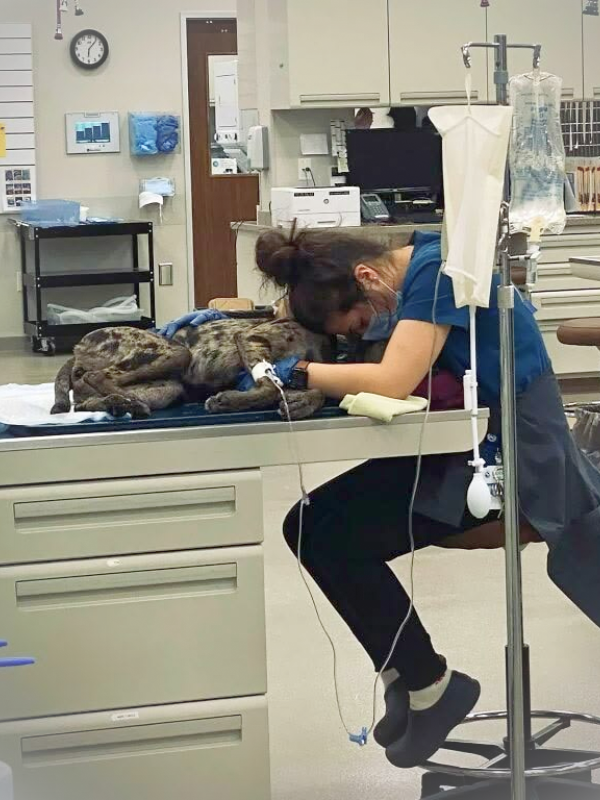
I'm a Vet. I Refuse to Put My Own Dog Under for Dental Work
Although they brushed every day, the vet said everything was fine, it didn’t matter if they missed this.
SHOP NOWLike this ad? Make it yours.
Crush rebuilds this exact creative around your product — your brand, your colors, your offer — in about a minute.