Aure
AureAure Facebook ad: “Vet clinics have been preventing washing machine failures…”
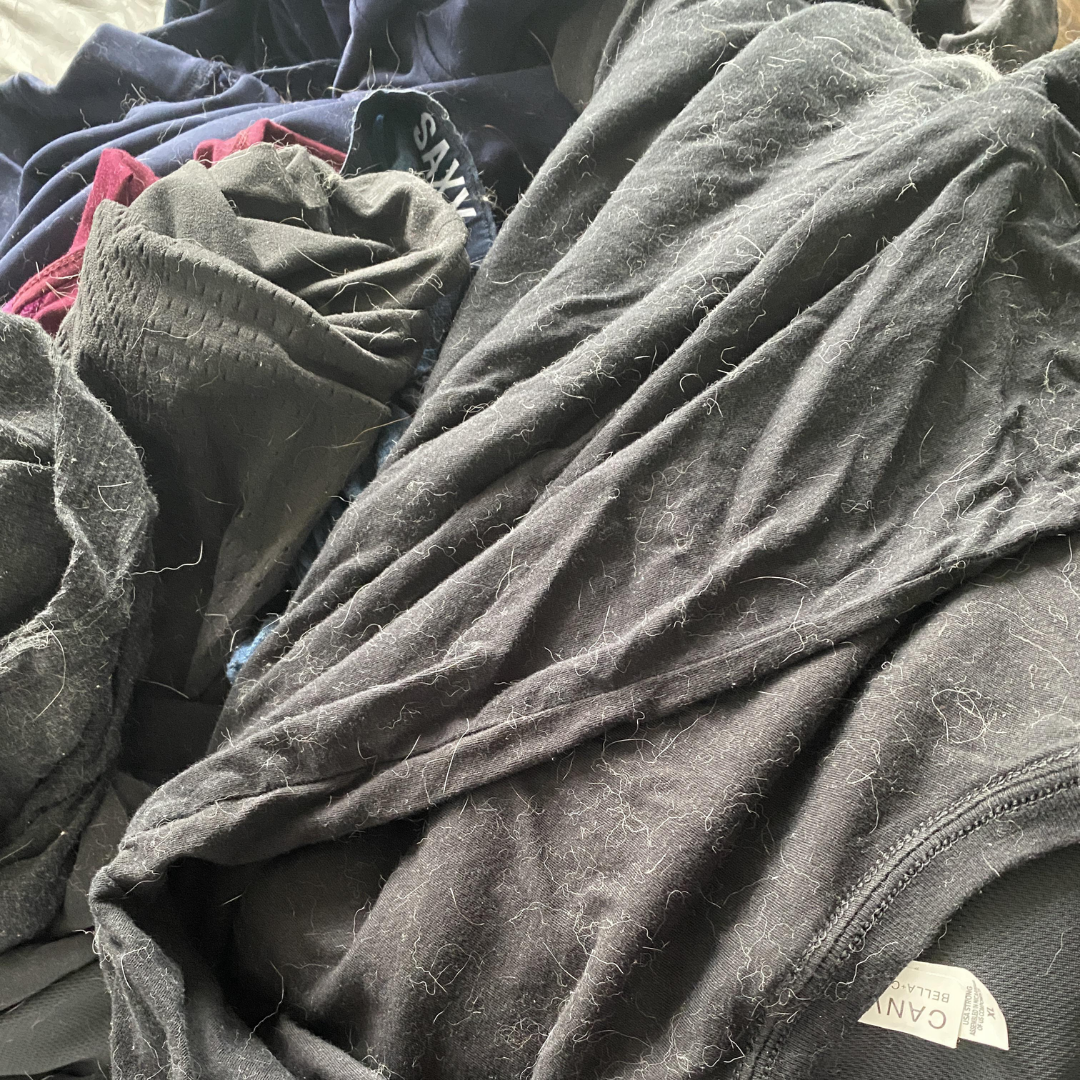
Ran for 28 days, from February 24 to March 24, 2026, the last day Crush saw it.
Run by Aure on Facebook. Crush is not the advertiser and does not verify its claims. See this ad in Meta's Ad Library(opens in a new tab)
Want an ad like this for your product?
Crush makes new ad images for your product from this ad: your logo, your product photo, your offer.
Trials from $19.95 USD, then $79.95 USD a month. Cancel anytime.
About this ad
- Meta Ad Library ID
- 1342276534587798
- Platforms
- Facebook, Instagram, Audience Network, Messenger and Threads
- Relaunches
- 6
- Niche
- Pets
Ad text
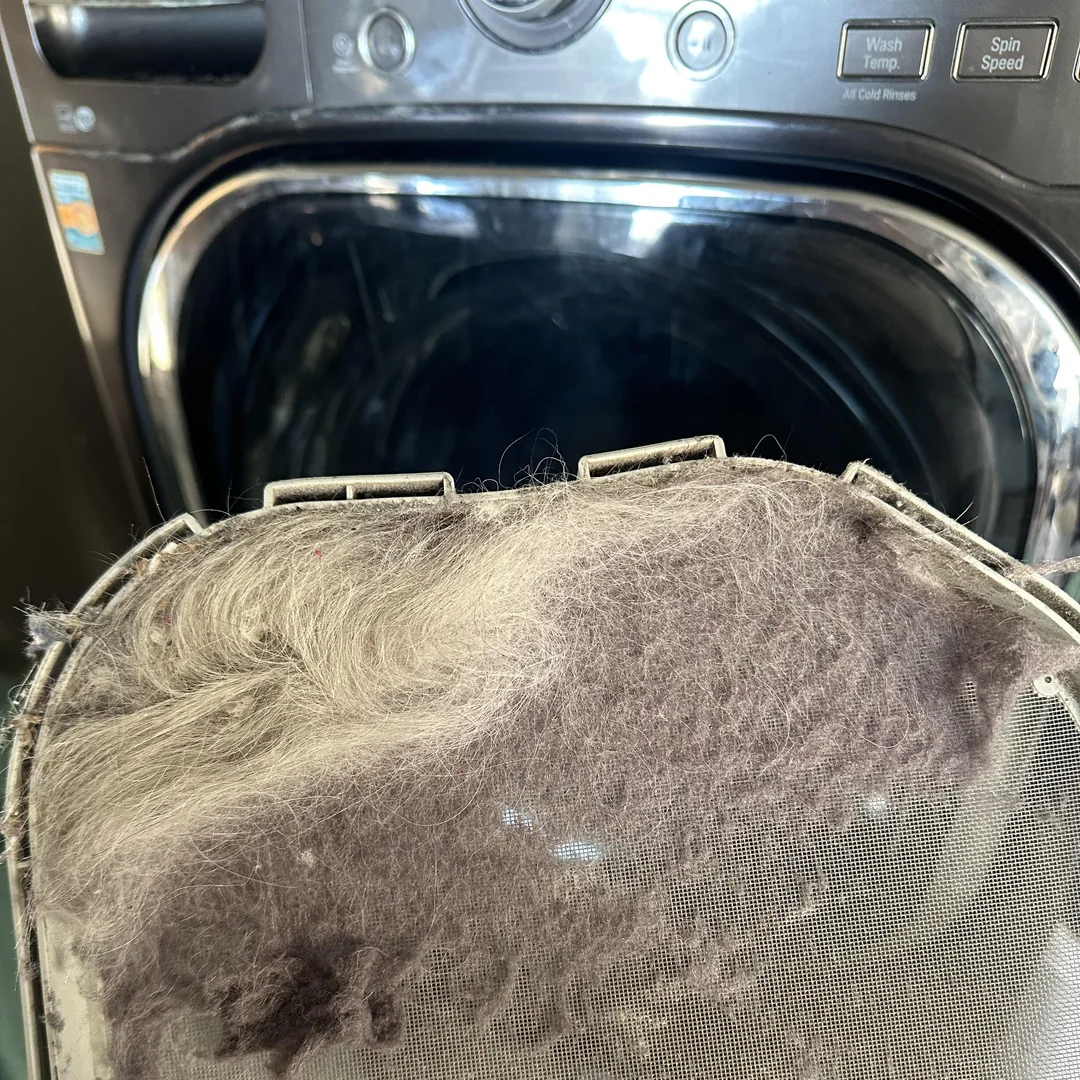
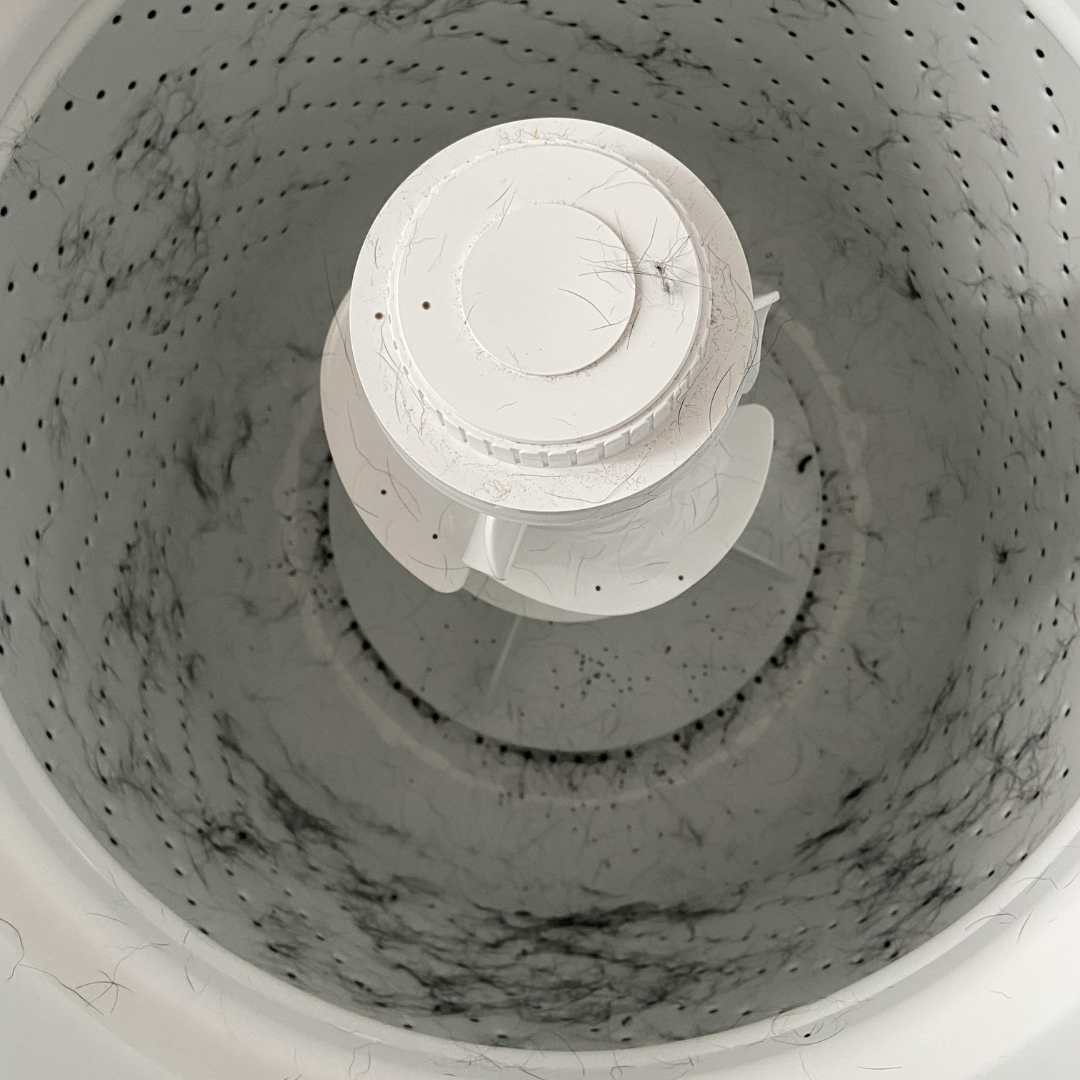
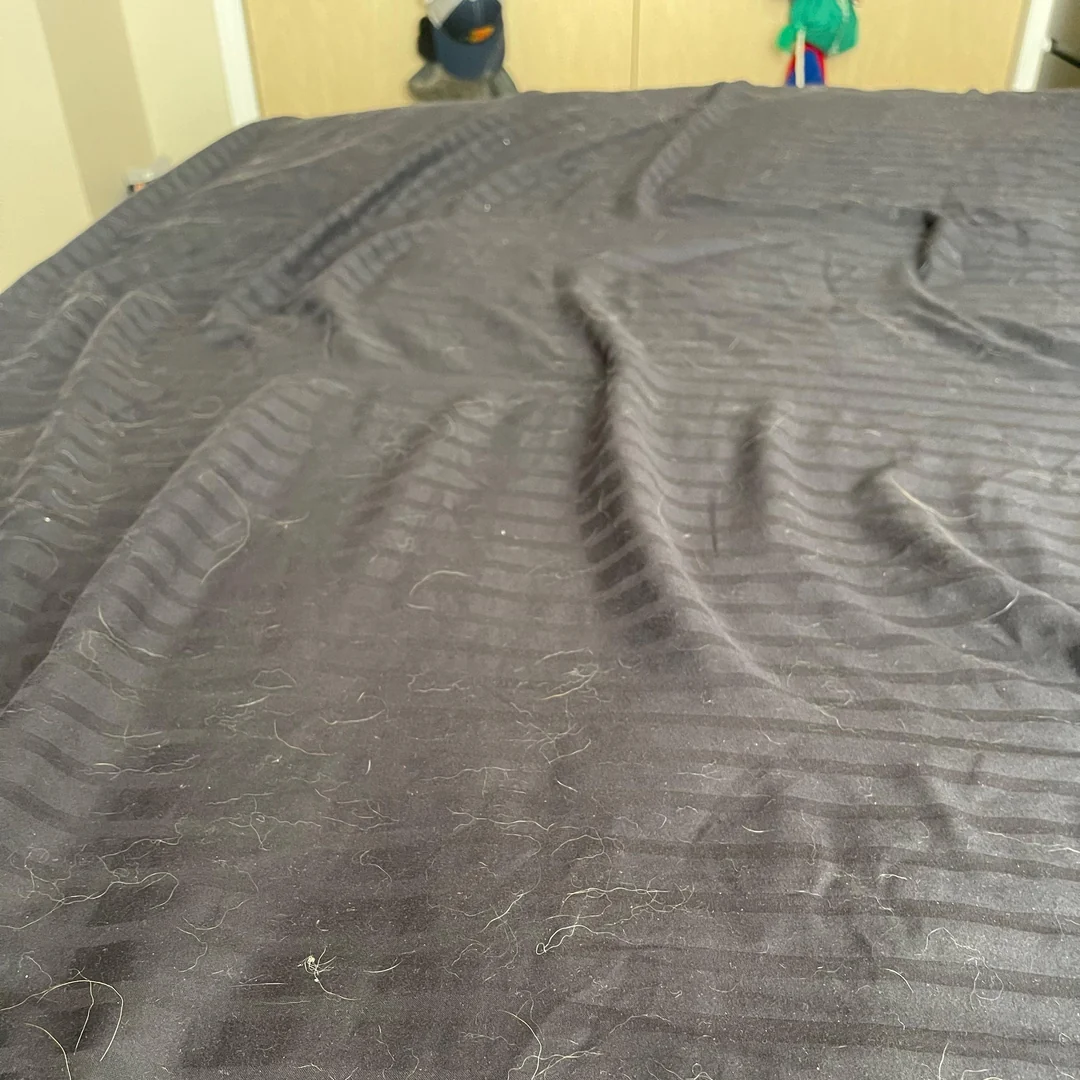
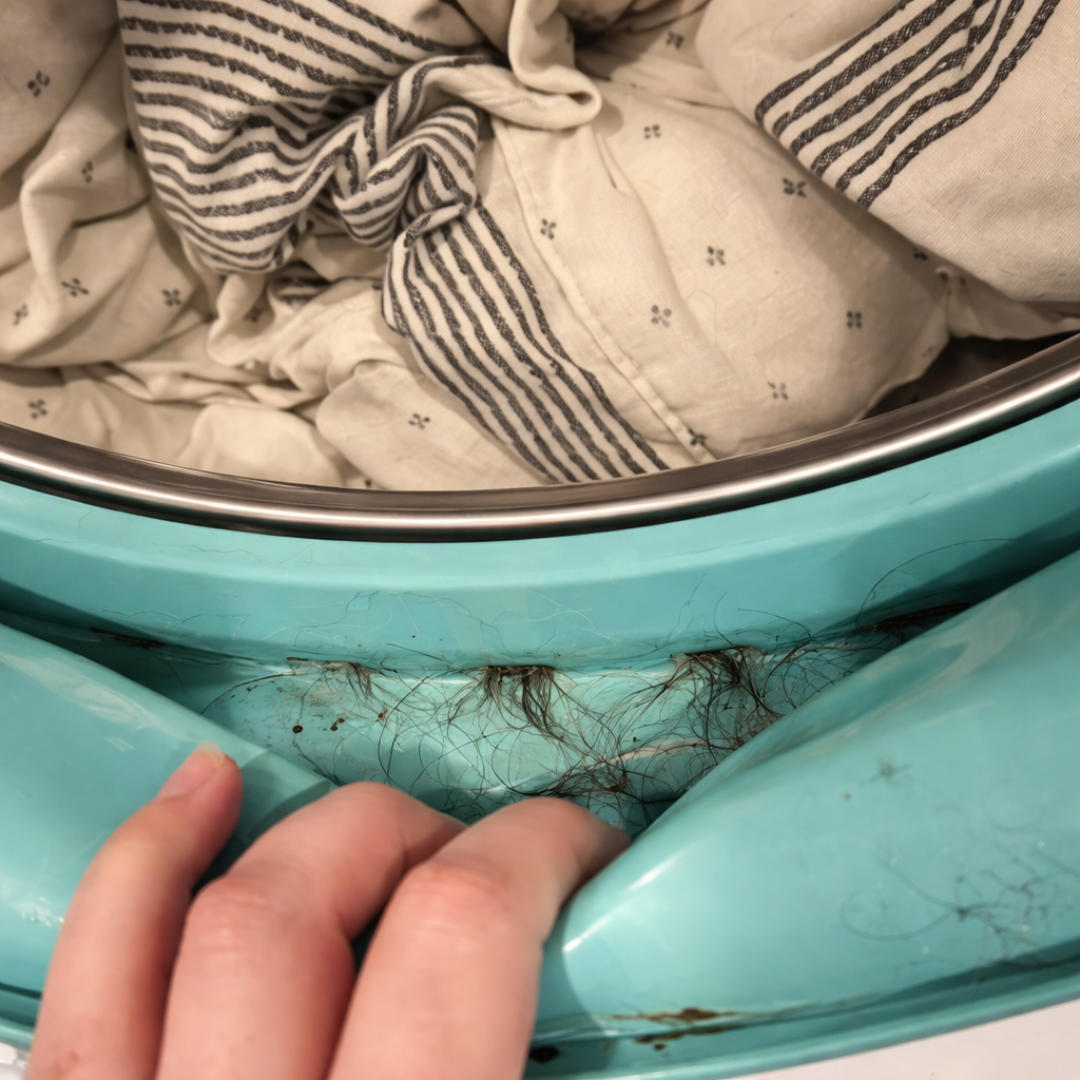
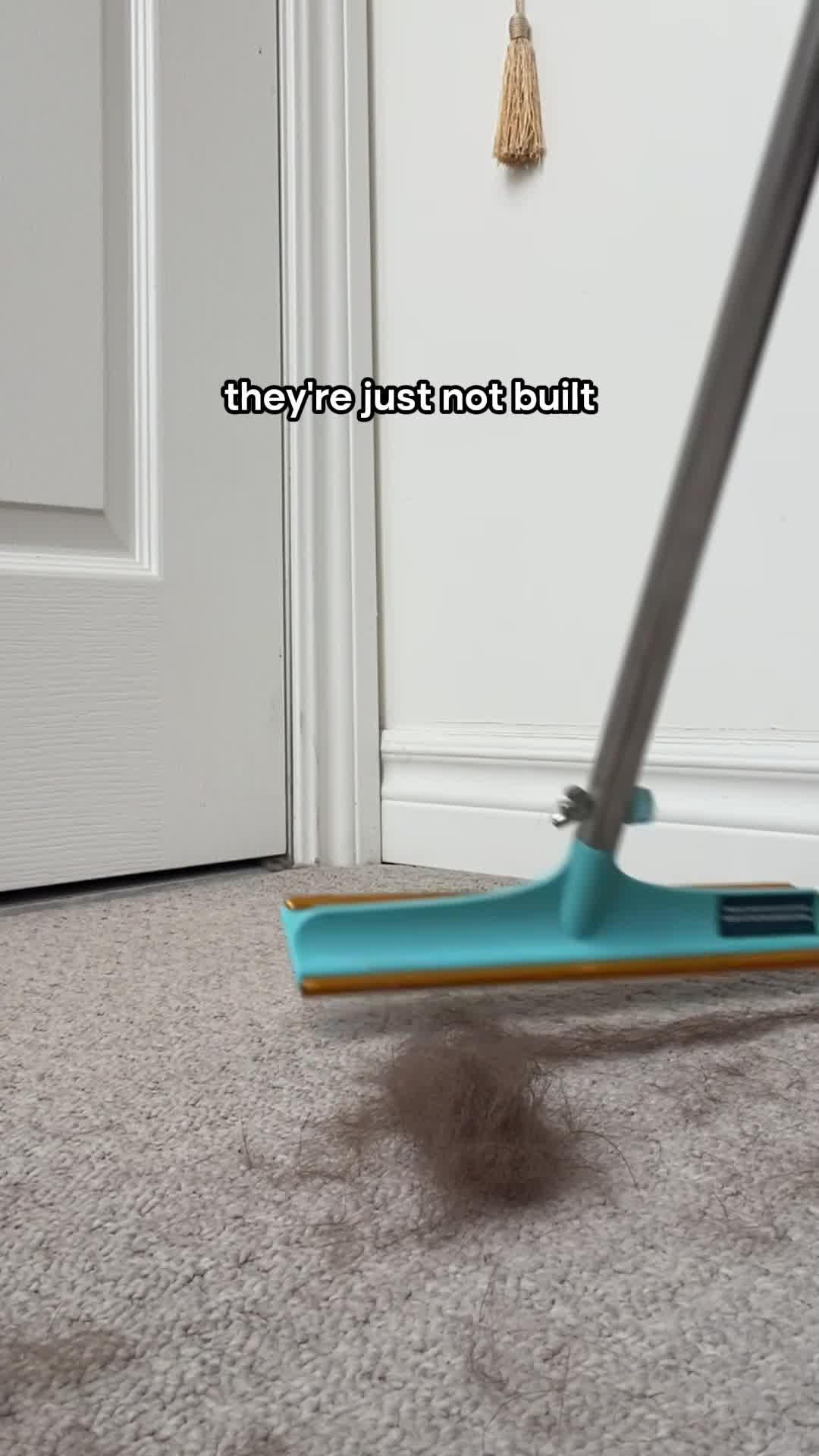
To pet owners who just spent over $1,000 on a new washing machine—and now they're terrified to put their dog's bed in it because pet hair killed the last one. This is why you're stuck: the machine designed to handle heavy loads can't handle the one thing you actually need to wash. The delivery guys just left. My new washing machine. $1,189. Plus $200 for installation. Plus $150 for the extended warranty. I'd been saving for eight months. My old machine died in November. Pump failure. The repair guy said it was clogged with pet hair. "Happens all the time with dog owners. Hair wraps around the impeller, motor burns out trying to drain. Not worth fixing." $380 for the service call and diagnosis. For a machine I couldn't repair. So I saved. Eight months. And now this beautiful new washer sat in my laundry room. With its sleek digital display. Its "sanitize" cycle. Its 5. 2 cubic foot capacity. "Big enough to wash a king comforter!" the salesman had said. I looked at Cooper's bed in the corner. It needed to be washed. Badly. Hadn't washed it since the old machine died. Four months. I could smell it from across the room. But I was terrified to put it in my new washer. He left. I stood in my hallway. Holding a $900 receipt. I looked at it closer. Past the dollar amounts. Down to the fine print at the bottom. "Technician notes: Drain pump failure - pet hair accumulation. Standard wear pattern for pet households." Standard wear pattern. They had a name for it. This wasn't a surprise failure. It was expected. Common enough to have its own category. And he'd just told me there was nothing I could do to prevent it. I knew I had a problem when my husband asked about it. "When are you going to wash Cooper's bed? It's getting pretty rank." "I don't know." "What do you mean you don't know? We just bought a new washer." "I know. But what if the hair clogs it like the last one?" He looked at me. "You're serious." "We just spent twelve hundred dollars. I'm not risking it." "So what are we going to do? Just never wash his bed?" "I don't know yet. I'm figuring it out." "So we just spent twelve hundred dollars on something you're too scared to use?" "Yes." He stared at me. "That's insane. The repair guy should have told you how to prevent this." "He said there's no way to prevent it." "He fixes washing machines for a living and he doesn't know how to prevent them from breaking? Or he knows and didn't tell you?" I hadn't thought of it that way. What if he did know? What if prevention was bad for his business? But I wasn't figuring it out. I was avoiding it. I tried taking the bed to the laundromat. The one three blocks away. Loaded it in my car. Drove over. Walked in with this massive dog bed. The attendant looked up. "No pet bedding." "What?" She pointed to a sign on the wall. "No pet bedding, horse blankets, or heavily soiled items. Clogs the machines." "But I need to wash it." "Sorry. Policy." I drove to another laundromat. Six miles away. Same sign. "No pet bedding." Drove home. Cooper's bed still in my trunk. I tried washing it in the bathtub. Filled the tub with hot water. Added detergent. Shoved the bed in. Started scrubbing. The bed absorbed water like a sponge. Got heavier. And heavier. I couldn't lift it out. Had to drain the tub. Wait for the bed to drain enough to move. My back was screaming. Water everywhere on the floor. I slipped trying to reposition it. Grabbed the towel rack to catch myself. The whole thing pulled out of the wall. Brackets and drywall anchors scattered across wet tile. My husband heard the crash. Came running. "What are you doing?" I was sitting on the bathroom floor. Soaking wet. Next to a waterlogged dog bed I couldn't move. And a broken towel rack. "I'm washing Cooper's bed." He looked at the scene. "In the bathtub." "I can't put it in the new washer." "So you're destroying the bathroom instead?" He helped me lift the bed into the shower to rinse. Both of us straining. Carried it outside together. Draped it over the deck railing. Three days later it was still damp. Started to smell like mildew. Worse than before I'd washed it. My husband came outside. "That's disgusting." "I know." "Why didn't you just use the washer?" "Because I'm not putting dog hair in a twelve-hundred-dollar machine." "So we're just going to have a moldy dog bed instead?" I didn't have an answer. That was six weeks before I ran into Kelly at the grocery store. She had a German Shepherd. Heavy shedder like Cooper. We'd talked about the hair problem before. "How's the new puppy?" she asked. "Cooper's three now. Still shedding like crazy." "I remember. You were complaining about washing his bed last time we talked." "Yeah. It's worse now. I got a new washer and I'm terrified to put his bed in it." She looked confused. "Why?" "The hair. My last machine died from pet hair clogging the pump. I'm not risking this one." "Oh. I used to have that problem." "Used to?" "Yeah. My sister told me about this enzyme powder that dissolves the hair in the wash. I've been using it for about a year." "Dissolves it?" "Yeah. My sister's a vet tech. She said all the animal hospitals use it for washing kennel bedding. Keeps their industrial washers from clogging." "Why don't repair companies mention this?" She looked at me like I'd asked why foxes don't warn chickens. "Because then you wouldn't need repair companies. My sister said the repair tech at their clinic tried to sell them on quarterly maintenance contracts. She told him they use enzyme powder so they never have pump issues. He stopped coming around." "So it's like... an open secret?" "In the pet care industry? Everyone knows. Groomers, vet clinics, boarding facilities. They all use it. But regular pet owners? We're supposed to just keep breaking our washers and calling for repairs." I stared at her. "You wash it in your regular washer?" "Yeah. Just add the powder with my detergent. The hair dissolves during the cycle. Nothing's left to clog the pump." "And your machine is fine?" "I've been doing it for a year. Zero problems. I check the pump filter sometimes. Used to be packed with hair every month. Now? Clean. Because there's no hair making it to the pump. It's dissolved before it gets there." She pulled out her phone. "My sister sent me the link when she told me about it. Want me to forward it to you?" "Yes." She texted it right there. "It's called Aure. I was skeptical too. But I'd rather spend thirty bucks on this than replace another washing machine." When I got home, something Kelly said kept bothering me. "Of course he doesn't recommend it. If you prevent pump failures, you don't call him back." I went to my filing cabinet. Found the folder with appliance paperwork. Pulled out the invoice from my old washer's final failure. Scanned down to the tech notes at the bottom. "Service call: Excessive pet hair in drain pump. Recommended replacement over repair." They'd documented it. The CAUSE was right there in writing. But the tech never said "hey, this is preventable." He just said "not worth fixing." I paid $380 for him to tell me my washer was dead. And he knew why. He wrote it down. But he never told me how to stop it from happening to the next one. I pulled out the invoice from the repair before that. Six months earlier. Same machine. Drainage issues. Tech notes: "Partial blockage in pump - pet hair accumulation." He'd seen it coming. Documented it. Fixed the symptom. But never mentioned the cause. Because if he'd told me how to prevent it... I wouldn't have called him back six months later. Or paid $900 a year after that. I was looking at $1,280 in invoices. All from the same problem. All documented in tech notes I never read. All preventable with information they never shared. My husband walked in. "You okay?" "They knew. The whole time. It's written right here." I showed him the invoices. "They've been noting pet hair on every single repair call and never once told me it was the problem." "Why not?" "Because then I'd stop calling them." That night I couldn't stop thinking about what Kelly said. If vet clinics and groomers all knew about enzyme powder... How many regular pet owners didn't? I searched Facebook: "dog owners washing machine problems" Found a group: "Pet Parents Who Actually Clean" Searched "washing machine" Hundreds of posts. "Third washer in 9 years - does this happen to everyone?" "Repair guy said it's just part of having dogs" "Another $800 pump replacement 😭" "My washer died AGAIN and the tech said there's nothing I can do" Post after post. Same story. Pump failures. Repair techs saying it's inevitable. Expensive replacements. I scrolled for twenty minutes. Finally found a comment buried in a thread: "This kept happening to me until my groomer told me about enzyme powder that dissolves the hair. Three years, zero issues." Forty-three replies. All asking what product. All saying they'd never heard of this. All angry their repair techs never mentioned it. One reply stood out: "I ASKED my repair guy if there was a way to prevent this. He said no. I just found out he was lying. Called him out on it. He said 'most people don't want to deal with adding extra products to their laundry.' That's not his call to make." Another: "My repair company tried to sell me an extended warranty. $300/year to 'protect against pet-related damage.' Now I find out I could prevent the damage for $30 one-time? This is a scam." I wasn't alone. This was happening to thousands of pet owners. All being told the same lie. All paying for the same preventable failures. All funding an industry that profits from our ignorance. I thought about the cascading problems this one issue had created. Problem 1: Can't wash Cooper's bed → bed smells Problem 2: Bed smells → embarrassing when guests come Problem 3: Embarrassing → avoid having people over Problem 4: Avoid people → tension with husband ("your mother wanted to visit") Problem 5: Tension → resentment toward Cooper (which isn't fair to him) One unsolved problem had infected everything around it. My social life. My marriage. My relationship with my dog. All because I couldn't wash a bed. And the repair tech had walked out of my house knowing I'd stay stuck in this cycle. Because he'd told me there was no solution. That night, I researched why pet hair destroys washing machines. What I found explained everything. Pet hair is made of keratin—a protein that's incredibly strong and water-resistant. When you wash pet bedding, loose hair dislodges from fabric but doesn't dissolve. It floats in the wash water, then gets pulled into the drainage system during the spin cycle. The problem: washing machine pumps have small impellers designed to move water, not solid debris. Hair wraps around these impellers like thread on a spool. Over time, the wrapped hair restricts the impeller's movement. The motor has to work harder to spin it. Eventually, the motor burns out or the pump seizes completely. Most washers have the pump mounted below the drum. There's a filter that catches large debris, but it has holes designed for lint and fabric fibers—not long, strong pet hair. The hair passes right through the filter and wraps around the impeller behind it. That's why cleaning the filter didn't help—the damage was happening behind the filter where I couldn't reach. That's why the bathtub didn't work—I still needed to wash the bed regularly, and hand-washing a 40-pound bed every two weeks wasn't sustainable. I'd been choosing between ruining my new washer or living with a filthy dog bed. Because water can't dissolve keratin. When I researched Aure, the enzyme mechanism made complete sense. It delivers keratinase enzymes that chemically break down keratin protein during the wash cycle. These enzymes dissolve hair at the molecular level—turning solid hair strands into amino acids that wash away with the water. But here's what convinced me: this eliminated hair before it could reach the pump. Unlike hand-washing—which still required using the washer eventually—Aure made the washer safe to use for pet bedding. Unlike laundromat machines—which wouldn't accept pet bedding anyway—Aure let me wash Cooper's bed at home in my own machine. When hair dissolves into amino acids during the wash, there's nothing solid left to wrap around the impeller. No hair reaching the pump means no clogging, no motor strain, no $380 repair calls. The formula works with regular detergent and is safe for all washing machine types. It wasn't just another laundry product. It was insurance for my $1,200 investment. I ordered it that night. Before it arrived, I read the instructions online. Twice. When it came, I stood in the laundry room. Looked at my new washer. Looked at Cooper's bed. Took a breath. Loaded the bed into the drum. It fit. Barely. But it fit. Added my regular detergent. Added the recommended amount depending on load size. Stood there for a second. This was it. Either this worked or I just voided my warranty. Started the cycle. Walked away. Checked my phone every ten minutes. Listening for grinding noises. Error codes. Came back when the cycle finished. Opened the door. The bed came out clean. Actually clean. I checked the drum. No hair stuck to the walls. Checked the door seal. Clean. My hands were shaking. Opened the pump filter access panel. The part I'd been too scared to check before. Pulled out the filter. Clean. A few fabric fibers. No hair. None. The hair had dissolved. I stood there holding the filter. Crying a little. My husband came in. "You okay?" "I washed Cooper's bed." "And?" "The machine is fine. The filter is clean. It worked." "So you're going to stop freaking out about the washer now?" "Maybe." Week two: Washed Cooper's bed again. Just to make sure. Same result. Clean bed. Clean machine. Clean filter. Week four: Checked the pump filter. Still clean. Week eight: My husband noticed. "Cooper's bed doesn't smell anymore." "I wash it every other week." "In the new washer?" "Yeah." "Thought you said you'd never do that." "I said I'd never put dog hair in it. I'm not putting hair in it anymore. It dissolves in the wash." Week twelve: My friend texted. "Did you ever figure out the dog bed situation?" "Yeah. Washing it every two weeks now." "In your new washer?" "Yeah." "I thought you were terrified of breaking it." "I was. Found something that dissolves the hair so it doesn't clog the pump." "Seriously?" "Check my machine filter after every wash. It's clean. No hair." Week sixteen: Posted an update in the Facebook group. "Four months. Checked filter after every wash. Still spotless. The repair tech who told me this was inevitable? He was wrong. Or lying. Either way, his 'steady work' just lost a customer." Fifty-three likes. Twelve comments from people with the same experience. Because this wasn't just about a clean dog bed. It was about not living in fear of destroying a $1,200 appliance. Not choosing between my dog's hygiene and my washer's warranty. Not spending two hours hand-washing in a bathtub every month. Week twenty. Kelly texted me. "How's the enzyme powder working?" "Life changing. Washing the bed every two weeks. Zero anxiety." "Told you! My sister saved me when she mentioned it." "Thank her for me. Seriously." "She just said 'that's what everyone at the clinic uses, figured regular pet owners should know too.'" Regular pet owners should know. But we don't. Until someone accidentally tells us. Until insider knowledge leaks out through a friend's sister who works with animals. I got lucky. Kelly happened to mention it. Her sister happened to know. How many pet owners never have that conversation? How many are still stuck where I was—too scared to use their expensive washers, being told by repair techs that failures are inevitable? I'm one of the lucky ones who found out. Most people don't. Now, five months later: Cooper's bed gets washed every two weeks. In my machine. With zero anxiety. Checked the pump filter last week. Still clean. No hair buildup. No grinding noises. No error codes. My $1,200 washer is doing exactly what it's supposed to do. And I'm not terrified to use it. If this is your life right now—staring at your new expensive washer afraid to use it, being told "this just happens with dogs" by people who profit when you believe them, reading tech notes for the first time and realizing they documented the cause but never told you the solution—you need to understand something. They're not going to tell you. The repair tech who just left your house with $900? He's planning to come back in two years. Not because your pump will definitely fail. Because he didn't tell you how to prevent it from failing. That's the business model. You call when things break. They fix what's broken. They note what caused it. They don't mention it's preventable. You call back when it breaks again. Repeat customers are more valuable than informed customers. Your vet's office knows about enzyme powder. Professional groomers use it. Dog boarding facilities rely on it. But you—the person who needs it most—weren't supposed to find out. Because if regular pet owners knew? If we all started preventing pump failures instead of paying to fix them? That's billions in repair revenue that disappears. I'm telling you this because someone told me. Kelly at the grocery store. Her sister who works at a vet clinic. Insider knowledge that accidentally got out. Now you know too. And repair companies can't put that back in the box. Pet hair clogs washing machine pumps because water can't dissolve keratin protein. The hair wraps around pump impellers, restricts movement, and eventually burns out the motor. That's why cleaning the filter doesn't prevent damage—the clogging happens behind the filter where you can't reach. Every month you avoid washing the bed is another month of odor and bacteria building up. Every hour spent hand-washing in the bathtub is time you're never getting back. Every pump failure is preventable. I'm telling you: this is fixable. Aure offers a 60-day guarantee. That's long enough to wash pet bedding multiple times. Long enough to check your pump filter and see it's clean. Long enough to confirm your expensive machine is protected. Most pet owners see results immediately—first wash shows clean drum, clean filter, no hair residue. Track it yourself—check your pump filter after washing, notice when the anxiety disappears, watch when you start washing bedding regularly instead of avoiding it. You deserve to use the appliance you paid for without fear. Your dog deserves a bed that gets washed regularly. Every month you're too scared to use your washer is a month you're not getting your money's worth. Every alternative solution is harder, more expensive, or impossible. You don't have to choose between your machine and your dog's hygiene. Because Aure is formulated specifically to dissolve keratin protein before it reaches the pump—so pet hair breaks down into amino acids that wash away harmlessly instead of wrapping around impellers and destroying expensive machines. The mission you started when you bought that new washer? When you thought "finally I can wash heavy items properly"? This is how you complete it. [LEARN MORE ABOUT AURE →]
Where the ad sends people
heyaure.com
Vet clinics have been preventing washing machine failures for decades. Repair companies never wanted you to know.
Aure Pet Hair Dissolving Powder prevents washing machine failures in pet households by dissolving hair before it clogs pumps. Say goodbye to annoying emergency repairs, expensive appliance replacements, and frustrating tenant conflicts. Simple prevention that protects your rental investments and eli...
Learn more: heyaure.com(opens in a new tab)