
Inactive· since Jul 29, 2026
- 10
- days it ran
- 0
- relaunches
Ad copy
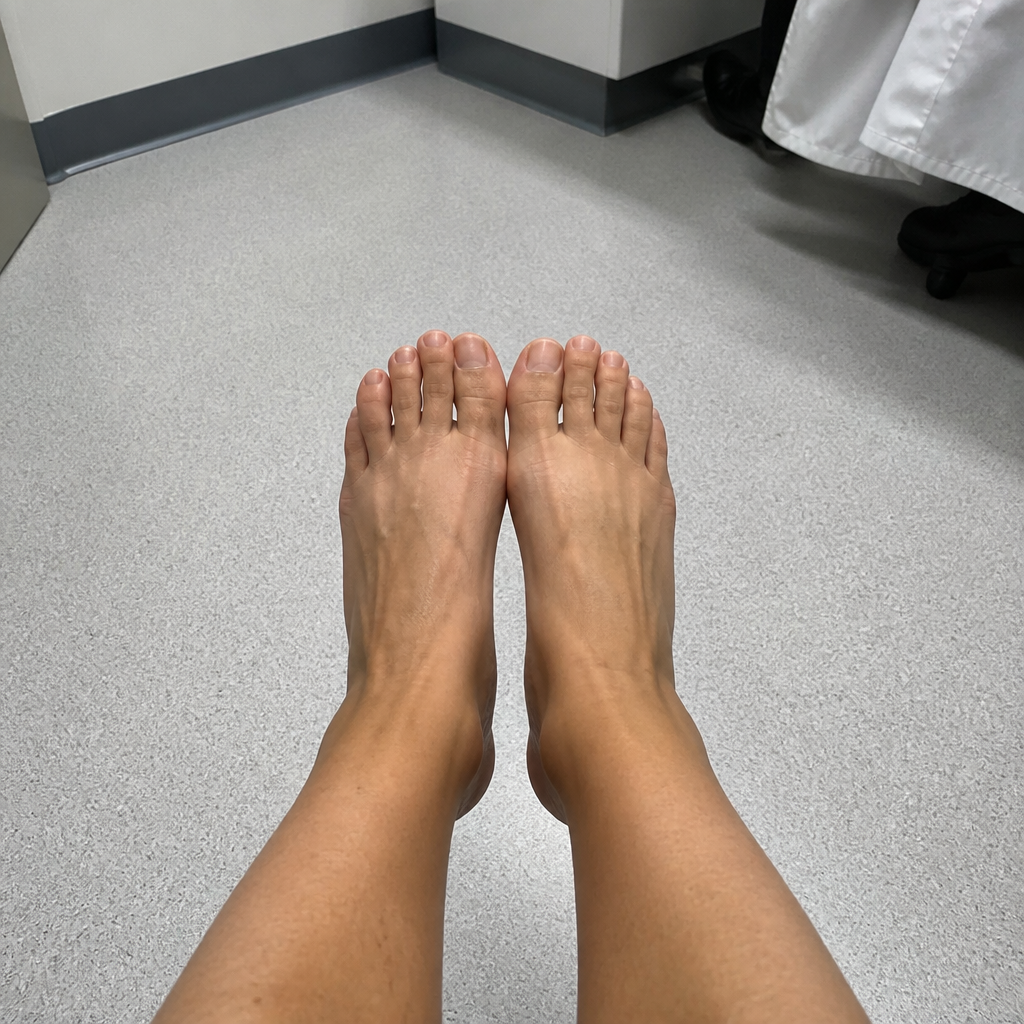
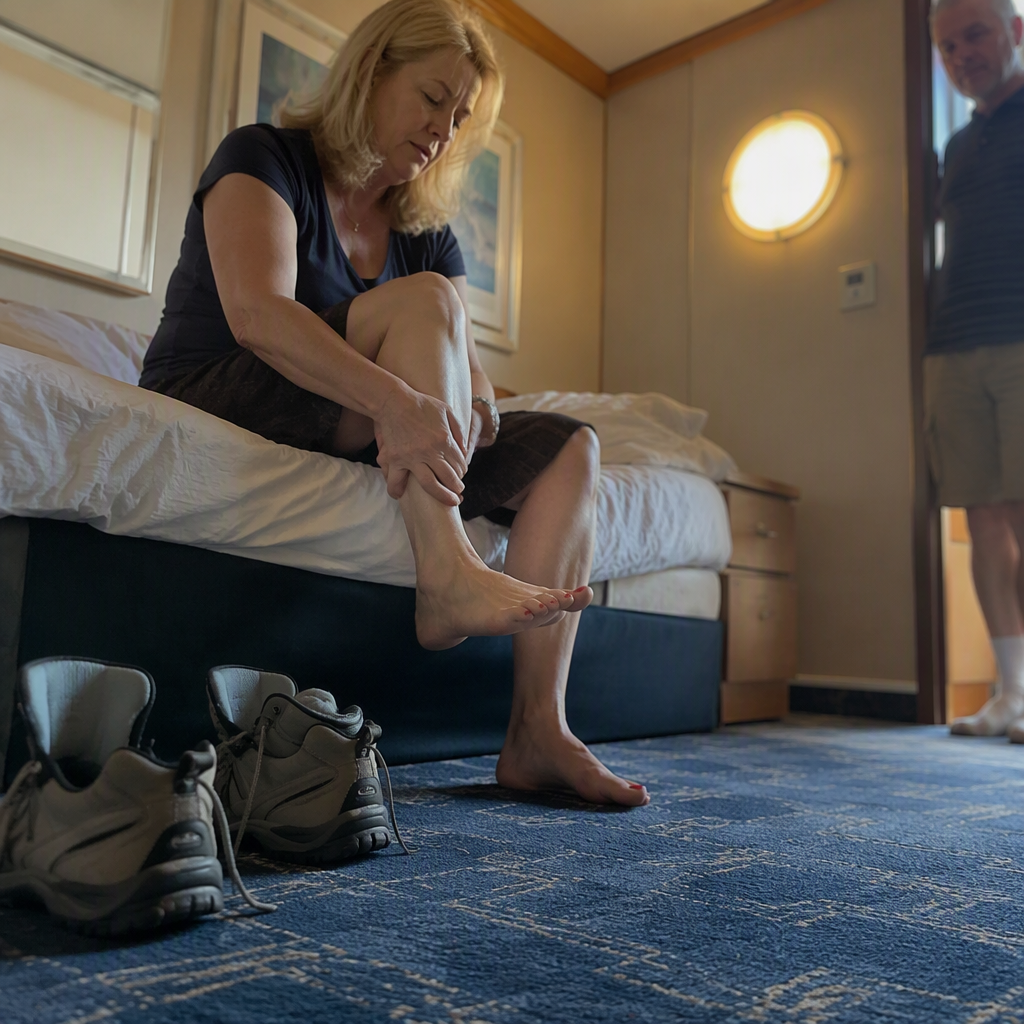
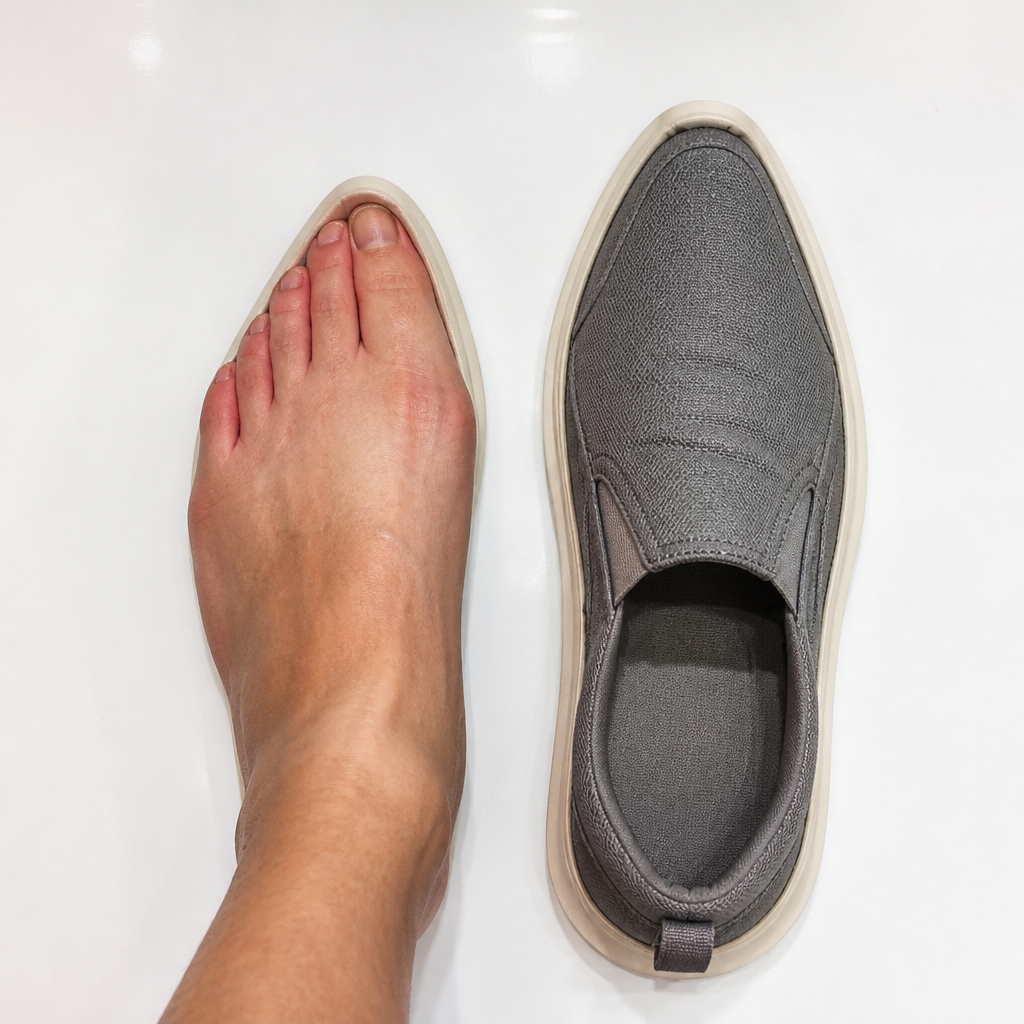
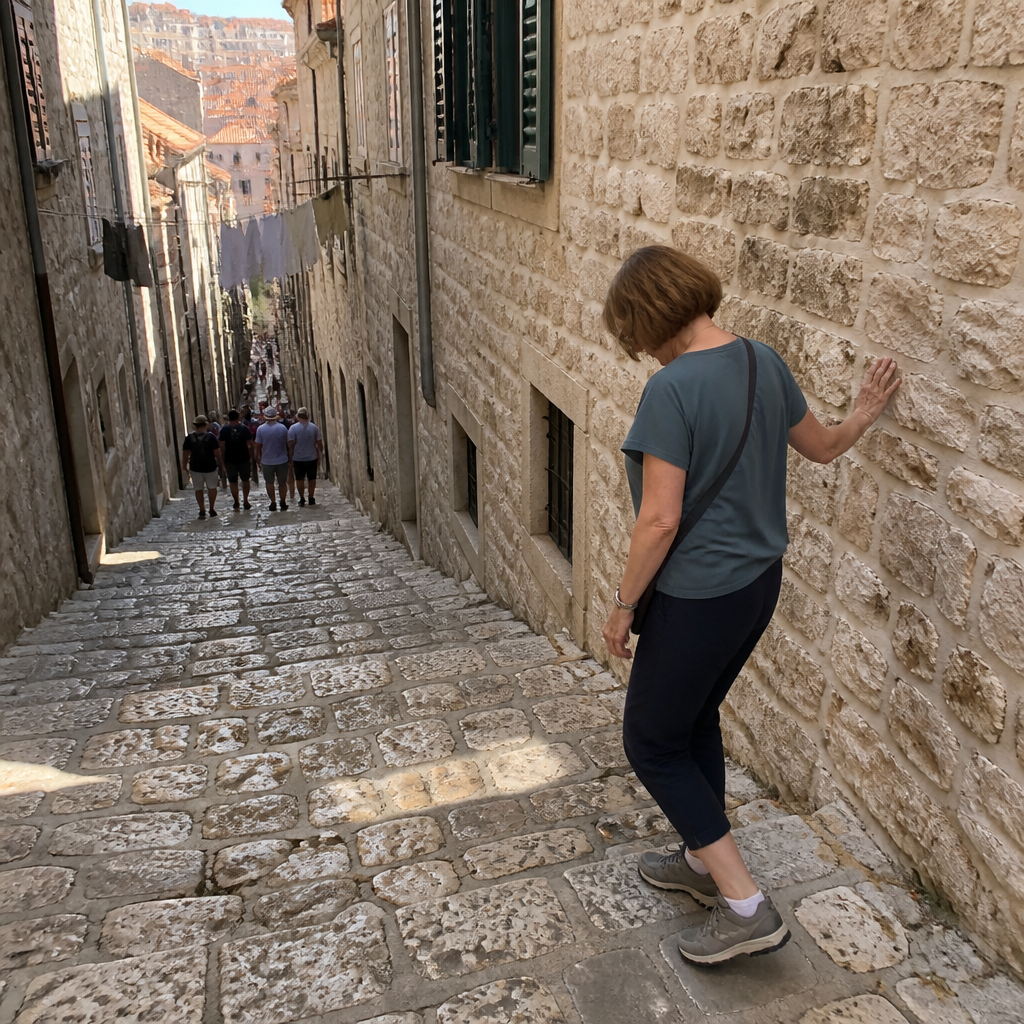
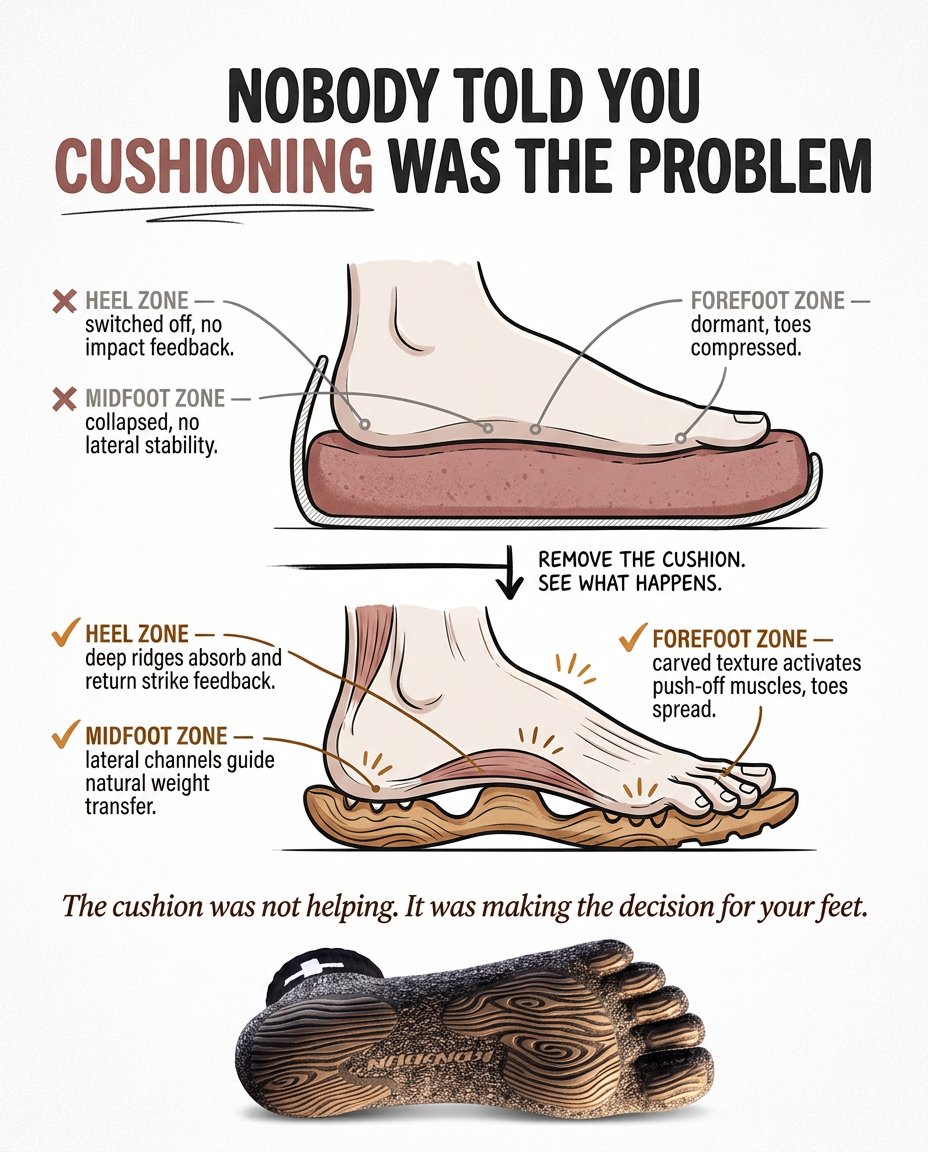
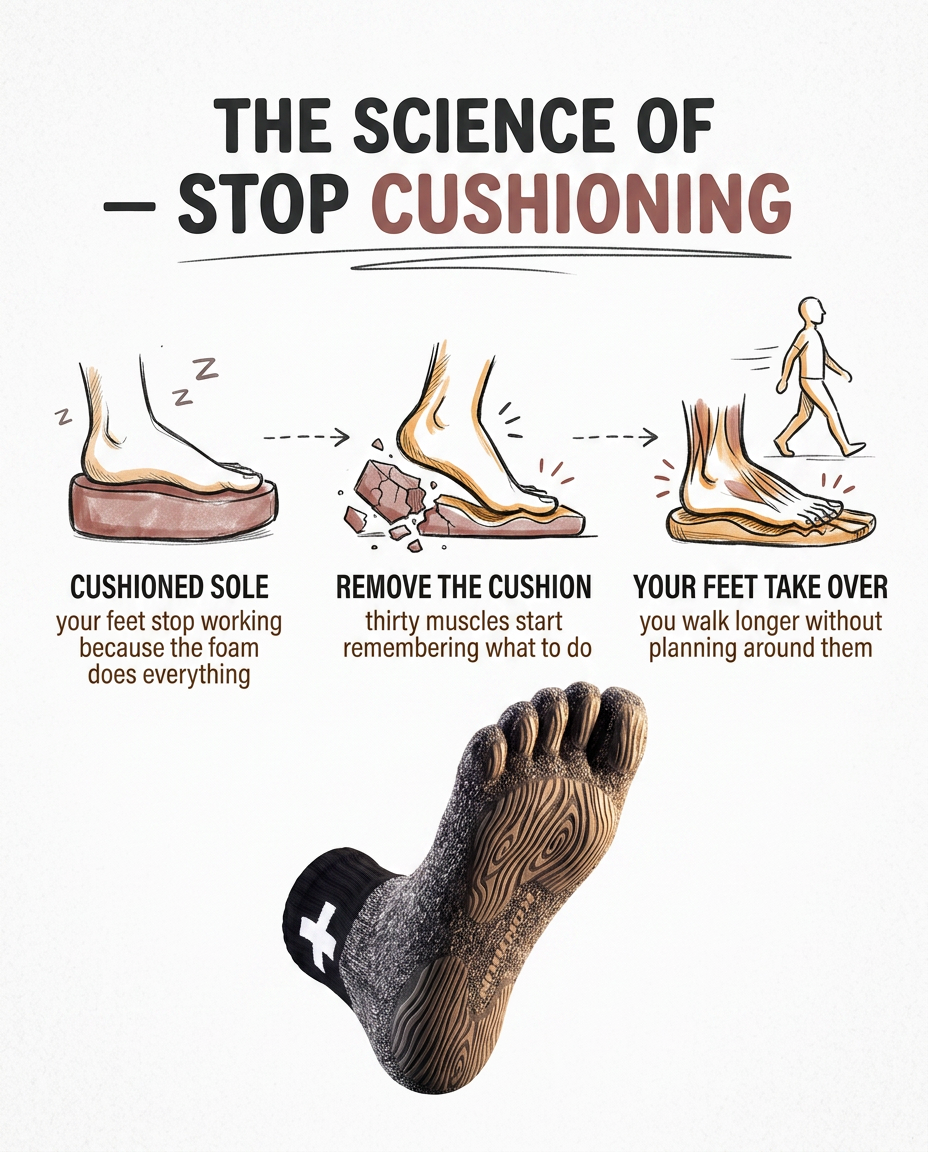
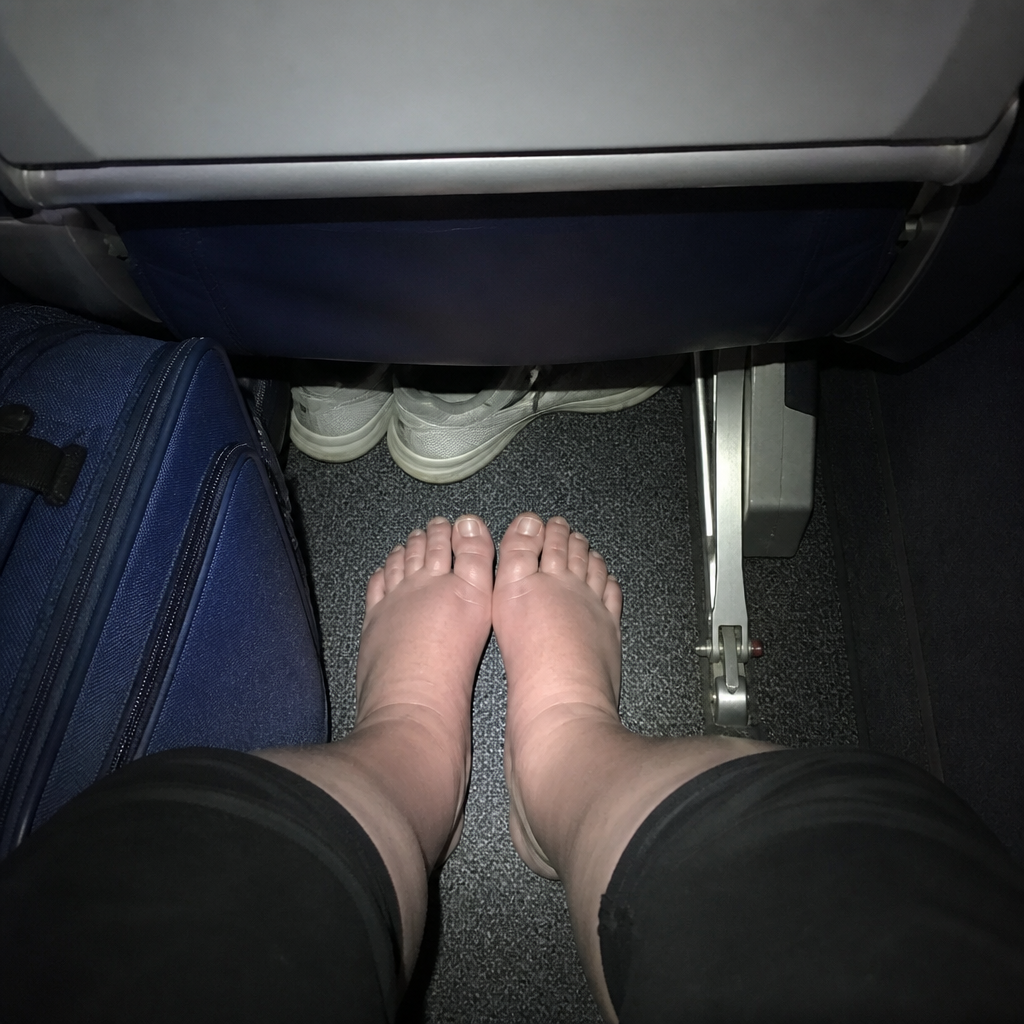
I broke down in the Walmart parking lot on a Thursday evening. Not from the pain. From realizing I'd already started planning how to get out of my sister's cookout on Saturday. This is what nobody tells you about feet that stopped working properly. The pain isn't the worst part. The worst part is the calculator that lives in your head now. Can I stand long enough at Megan's soccer game on Friday if I skip the grocery run on Thursday? If I walk around the flea market on Saturday, will I be able to cook Sunday dinner or will I have to order DoorDash and pretend I "just didn't feel like cooking"? If I wear my good shoes to the work event tonight, will I be able to walk to my car without limping in front of my colleagues? Every single thing I used to do without thinking now comes with a 48-hour invoice attached to it. I'm 49 years old and I've become a logistics manager for my own two feet. That was the evening I broke. Not because the pain was the worst it had ever been. Because the math had finally caught up with me. The calculations. The cancellations. The quiet shame of being someone who has to plan around her own body just to get through an ordinary week. I went home and opened the closet where I keep everything I've bought trying to fix this. $450 on custom orthotics from a podiatrist across town. Two different pairs. Wore each one for months. My feet felt held. Supported. Propped up like something fragile on a shelf. And every time I took them out and stepped on a hard floor, my feet felt worse than before I started wearing them. Three pairs of "supportive" walking shoes. The first pair was $160. Thick soles. Reinforced arches. The saleswoman said they were the number one recommendation for people with foot problems. I wore them everywhere. My feet got stiffer. The second pair was even thicker. More cushion. Higher arch support. Motion control. $185. My feet felt like they were wrapped in pillows. And every morning, the first step out of bed still made me grab the door frame. The third pair I bought online after reading reviews from people who swore these shoes "changed their life." $210. Memory foam insoles. Extra-wide toe box they said, though my toes were still pressed together inside. I wore them for five months. Nothing changed except the number on my credit card statement. Frozen peas. Every single night. Fifteen minutes on the arch, fifteen on the heel. The proper ice pack I bought leaked after two weeks, so I went back to peas. My husband started tossing an extra bag in the cart every grocery run without me asking. That's how routine it had become. Ibuprofen. So much ibuprofen. $14 a bottle from CVS. Sometimes Aleve when the ibuprofen didn't cut it. I knew the dosage limits by heart. Some weeks I pretended I didn't. Stretching videos on YouTube. Every morning. Calf stretches against the wall. Towel pulls. Rolling my foot over a tennis ball until the ball was flat on one side. Six weeks of that. My calves got more flexible. My feet didn't care. A night splint that held my foot at 90 degrees while I slept. My husband said it looked like I was going to bed in a ski boot. I wore it for three months. Made no difference. The physical therapist told me to "give it time" and "stay off hard floors." I'd been giving it time for over a year. And staying off hard floors meant staying off most of the floors in my own house. Then two weeks later I was at a team lunch at work. Sitting across from me was Denise from procurement. She's 55. On her feet all day. Walking the warehouse floor checking inventory. Carrying binders. The kind of woman who should be in worse shape than me. She was wearing thin sandals. No arch support. No cushion. Nothing. I asked her how. She laughed. "You think my feet have always been fine? My feet used to swell up so bad by 3 PM I had to kick my shoes off under my desk and pray nobody walked past." She told me her daughter had brought something home after researching foot health online. Strange looking. Like socks, but not socks. Individual compartments for each toe. A thin sole with a carved texture on the bottom. She said they looked ridiculous. "But my daughter told me to just try them around the house for one week. She said she'd been reading about why our feet get worse every year, and it's not what we think." I asked what she meant. She put down her fork and looked at me. "Everything you and I have been doing is the same thing. We keep adding more cushion. More support. More padding between our feet and the ground. And every year we need more of it. Have you noticed that?" I had noticed that. I just never said it out loud. "My daughter showed me this thing online. Your foot has over 20 muscles inside it. Not in your leg. Inside the actual foot. And their job is to hold up your arch, absorb shock, stabilize you when you walk, and respond to whatever surface you're standing on." "But when you wear thick, supportive shoes all day every day for years and years, those muscles don't have to do anything. The shoe does all the work. The shoe holds the arch. The shoe absorbs the shock. The shoe stabilizes the foot. And the muscles inside your foot just... go to sleep." She tapped the table. "And when those muscles are asleep, what's left holding everything together? One strip of tissue on the bottom of your foot. By itself. Carrying the full load of every step you take. No help from the muscles that were supposed to share that work." "That tissue gets overloaded. It gets irritated. It gets inflamed. You go to the doctor. They say plantar fasciitis. They give you orthotics. They give you thicker shoes. They give you more support." "And what does the support do? It carries more of the load. Which means the muscles have even less reason to work. Which means that tissue is still doing everything alone. Which means you need more support next year. And more the year after that." She leaned back. "My feet weren't broken. They were unemployed. And everything I was buying to help them was making sure they stayed that way." I stared at her. "So what, you just walk barefoot now?" She shook her head. "That's the mistake. You can't go barefoot after years in those shoes. Your feet aren't ready. The muscles are too weak. The skin is too soft. You'd last two days and be in worse shape than before." "It's like taking a cast off a broken arm and immediately trying to do pushups. The direction is right. The execution will wreck you." "What you need is something in between. Something that lets your feet start working again without punishing them for being weak. Something that gives the toes room to spread. Something that lets the sole of your foot actually feel the ground underneath it. And something with enough protection that you're not destroying feet that haven't worked in years." "But here's the part nobody talks about," she said. "Your feet don't just need freedom. They need feedback." "What do you mean?" "The bottom of your foot has thousands of nerve endings. They're there to sense the ground. To tell your brain what surface you're on so your muscles can adjust in real time. When you walk in a thick cushioned shoe, all of that information gets blocked. Every surface feels the same. Concrete feels like carpet. Gravel feels like tile. Your foot stops getting detailed information, so it stops making adjustments. The muscles have nothing to respond to." "When you give the foot varied texture, when different parts of the sole receive different sensory input, the forefoot getting one kind of feedback, the midfoot getting another, the heel getting something different, those nerve endings start firing again. The muscles suddenly have a reason to participate. And the foot starts doing more of its job instead of leaving everything to that one overloaded strip of tissue." "That's different from just walking on a thin flat surface. Thin and flat gives you ground contact. Textured gives you ground conversation." She pulled out her phone and showed me what she'd been wearing. KONJOUN SuperSocks Wood Carved Edition. Five individual toe compartments. Each toe gets its own space to spread and grip independently instead of being squeezed together in a shoe. A thin, flexible, zero-drop sole that keeps your foot level with the ground and lets it bend naturally through each step. And a wood-carved textured sole mapped to three zones. Forefoot. Midfoot. Heel. Each zone providing different sensory feedback to different parts of the foot. The grip on the bottom is designed for actual surfaces. Kitchen tile. Concrete. Garden paths. Wet bathroom floors. Not just a yoga mat. And the material is durable and protective enough that you're not flinching over every pebble or rough patch. "They're machine washable," she said. "They dry fast. I keep a pair by the back door and a pair by my bed." "But they look..." I started. "Strange. I know. I said the same thing. My daughter said just try them for one week and stop worrying about what they look like." I ordered a pair that night. After a year and a half of spending money on things that didn't work, one more try wasn't going to break me. I expected nothing. I had trained myself to expect nothing. The first time I put them on, I stood in my kitchen and felt something I hadn't felt in I don't know how long. The floor. Not pain. Not the sharp jolt of a bare heel on hard tile. Just the floor. The cool smoothness of it. The slight texture of the grout lines. The way my toes, separated for the first time in years, instinctively spread out like they were trying to hold onto something. I stood there for a full minute just feeling the ground under my feet. I wore them for fifteen minutes that first night. Just around the kitchen. I could feel the carved texture on the sole doing something subtle under different parts of my foot with every step. It wasn't painful. It was just... present. Like the bottom of my foot was receiving information it had stopped getting a long time ago. My toes felt strange at first. Separated. Exposed. Like fingers that had been taped together for years and were suddenly asked to work on their own. By day three, the strangeness became something else. They started gripping slightly during each step. Not consciously. Just doing it. By the end of the first week, something happened that I almost didn't trust. I went to my niece's birthday party on a Saturday. Backyard. Grass, then patio, then standing around for two hours while the kids ran through the sprinkler. I came home that night and didn't ice my feet. Not because I forgot. Because I didn't feel like I needed to. Sunday morning I woke up and walked to the kitchen. Not stiff. Not limping. Not grabbing the dresser. Just walked. I stood at the counter making coffee and realized I hadn't done the calculation yet. First time in over a year I hadn't woken up and immediately started adding up what the day was going to cost me. I didn't tell my husband. I didn't tell anyone. I'd been fooled before. By week two, I was wearing them for an hour at a time. Around the house. Out to the mailbox. Standing at the counter while I cooked dinner. I noticed the balls of my feet felt like they were doing something they hadn't done in a long time. A subtle engagement with the ground. Muscles waking up. Not sore the way exercise makes you sore. More like stretching a hand that's been in a fist all day. My husband noticed before I said anything. "You haven't asked me to grab things from upstairs in a while. What's going on?" I showed him the socks. He gave me that look. The look husbands give you when you've spent money on something that looks like it came from another planet. The "I'll believe it when I see it" look. Then a week later he asked if I wanted to walk to the coffee shop Saturday morning. Something we hadn't done in over a year. We walked. I didn't pay for it on Sunday. Week three. My daughter asked if we could go to the farmers market. The kind of thing I would have automatically said no to a year ago. Not because I didn't want to go. Because I already knew what it would cost me for the next two days. I said yes without checking my mental calendar of consequences. We walked around for almost two hours. I bought her one of those overpriced lemonades and we sat on a bench together and watched people go by. I didn't ice my foot at 10 PM that night. I didn't dread Monday morning. I just went to bed. One month in. I wore them outside. Down the driveway. Onto the sidewalk. The grip held on the concrete. The sole was thin enough that I could feel the texture of the pavement, but protective enough that the rough surface didn't bother me. I walked to the end of the block and back. Then around the block. Then the full loop through the neighborhood that I'd quietly stopped doing eleven months ago. Six weeks. I stood in the kitchen for an entire Thanksgiving prep. Four hours. On tile. I didn't sit down once. My mother-in-law looked at me funny because usually I'm the one dragging a stool over to the counter by noon. Two months. I went to the outlet mall with my sister. The sister whose cookout I'd been trying to get out of three months earlier. We walked for three hours. Three hours on hard floors, standing in lines, weaving through crowds. She turned to me in the parking lot and said, "You didn't ask to sit down once. What happened to you?" What happened was the calculator finally turned off. The constant planning was what I noticed leaving first. Not even the pain. Just the absence of the math. The absence of always knowing what tomorrow was going to cost because of what I did today. I'm not going to tell you my feet are perfect. I'm not a doctor. I still have mornings where there's stiffness. I still have days where I overdo it and my feet let me know. But the trajectory has changed. For a year and a half, every month was worse than the one before. More pain. More caution. More dependence on thicker shoes and stiffer orthotics. Less activity. Less freedom. Less life. Now the direction is reversed. More steps. More confidence. Less bracing for that first step in the morning. Less planning. Less canceling. Less pretending I didn't feel like going when the truth was I couldn't afford to go. I still see my doctor. I still own my orthotics. I'm not telling anyone to throw away what's working for them or ignore professional advice. But I am telling you what nobody told me for eighteen months. Orthotics support the arch from outside the foot. Cushioned shoes absorb impact so the foot doesn't have to. Night splints stretch the tissue. Anti-inflammatories quiet the inflammation. And not a single one of those things wakes up the 20-plus muscles inside the foot that were supposed to be sharing the load all along. The SuperSocks Wood Carved Edition didn't carry my feet. They didn't cushion them. They didn't prop them up on a shelf. They gave my feet room to spread, ground to feel, texture to respond to, and a reason to start working again. Every step became a small, quiet opportunity for the muscles inside my feet to participate instead of sleep through another day inside a rigid shoe. And over weeks, those muscles started doing more of what they were always supposed to do. Supporting the arch from the inside. Absorbing force. Sharing the load that one strip of tissue on the bottom of my foot had been carrying alone for years. If you've been buying thicker shoes and stiffer insoles and your feet keep feeling more fragile, not less. If every morning still starts with that first step you dread. If the worst part isn't even the pain anymore but the mental weight of arranging your entire life around it. If you've stopped saying yes to things because of what they'll cost you tomorrow. Then maybe, like me, the problem was never that your feet needed more support. Maybe your feet needed to be allowed to work again. They are not shoes. They are the thing that finally turned off the calculator in my head. And that changed everything. See how the Wood Carved sole works →
Like this ad? Make it yours.
Crush rebuilds this exact creative around your product — your brand, your colors, your offer — in about a minute.