
Inactive· since May 1, 2026
- 133
- days it ran
- 0
- relaunches
Ad copy
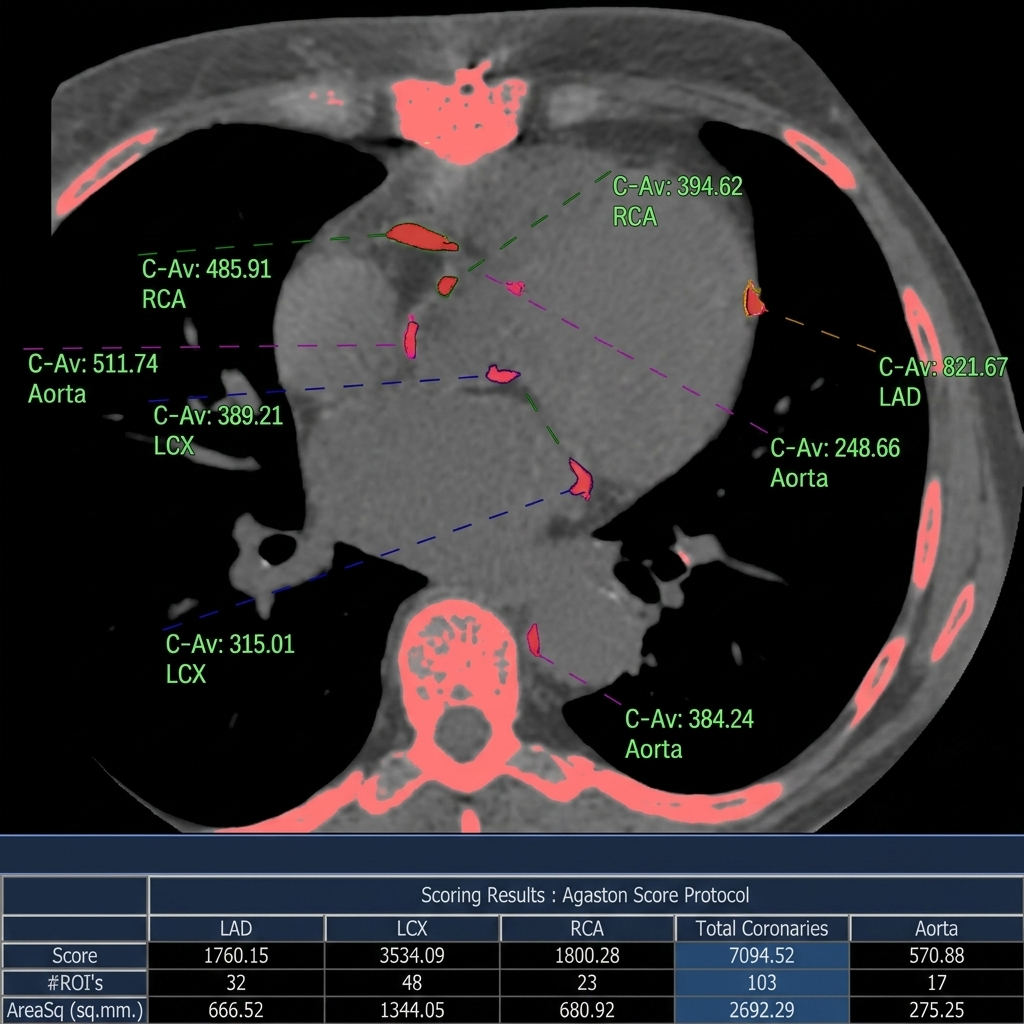
My patient's calcium score was 313. His cholesterol had been "well managed" for eleven years. I want you to understand what that means. Because it means something most doctors never explain to their patients. And it is the most important thing I have learned in 24 years of preventive cardiology. His name was Gerald. 61 years old. Referred to me by his primary doctor after a routine executive health screen flagged his calcium score as high. He walked into my office with a folder of eleven years of bloodwork. Every six months without exception. His LDL had been between 95 and 115 the entire time. His cardiologist had told him repeatedly that his cholesterol was exactly where they wanted it. He put the folder on my desk and looked at me and said: so why is my calcium score 313. That is the right question. And it is the question nobody had answered for him in eleven years of appointments. Let me explain what was actually happening inside Gerald's arteries during those eleven years of well managed cholesterol. Cholesterol does not cause heart disease on its own. This is the thing the standard explanation leaves out. LDL cholesterol circulates in the bloodstream of every human being alive. In a healthy body it passes through without causing damage. In a body with a damaged vessel lining it does something entirely different. The inside of every blood vessel is coated with a single-cell-thick lining called the endothelium. Think of it like the protective coating inside a good pipe. When that coating is healthy and intact LDL passes through the bloodstream without sticking. The pipe stays clean. The cholesterol number on your bloodwork is largely irrelevant because the cholesterol has nowhere to go. When the endothelium is damaged — by chronic inflammation, poor diet, high blood sugar, chronic stress, the accumulated wear of modern life — that protective coating breaks down. Microscopic gaps appear in the vessel wall. LDL particles, particularly oxidized LDL, begin to penetrate through those gaps and embed in the wall itself. The immune system detects them and sends inflammatory cells to attack. Those inflammatory cells and the embedded oxidized LDL together form the mass of material that becomes plaque. Soft plaque first. A lipid-rich inflammatory mass covered by a thin fibrous cap. Invisible on a calcium scan. Unstable. If the cap ruptures — triggered by a spike in blood pressure, an inflammatory event, a surge of cortisol — the contents spill into the bloodstream. A clot forms in seconds. The artery closes in minutes. That is a heart attack. The calcium comes later. When the body tries to stabilize the soft plaque it cannot remove, it deposits calcium into it. The plaque hardens. It becomes stable. It narrows the vessel slowly rather than rupturing suddenly. A calcium scan finds this calcium and gives it a number. Gerald's calcium score of 313 was not the problem. It was the scar tissue from a problem that had been running for a decade. His LDL of 95 to 115 was not high. But his endothelium had been damaged enough that even normal LDL was penetrating the vessel wall and contributing to the process. His statin had kept the fuel supply moderate. It had done nothing for the damaged pipeline that was allowing the fuel to ignite. This is the gap that nobody explained to Gerald. The statin managed the cholesterol number. The cholesterol number went down. The endothelium kept declining. The soft plaque kept forming. The calcium kept depositing. Eleven years of well managed cholesterol and a calcium score of 313. "So what should I have been doing?" he asked. I told him the truth. He should have been repairing the endothelium. Here is what that means in plain English. The endothelium has a repair switch. A receptor inside the coating cells called TRPV1. When this switch is active the cells constantly repair themselves and produce nitric oxide — the substance that keeps the vessel wall smooth, resistant to inflammatory damage, and hostile to the penetration of LDL particles. A healthy endothelium with active TRPV1 is the reason LDL passes through the bloodstream without causing damage in young people. The cholesterol isn't lower. The vessel wall just doesn't let it in. As the endothelium ages and accumulates inflammatory damage, TRPV1 goes quiet. The cells stop repairing. Nitric oxide production drops. The protective coating degrades. And suddenly an LDL level of 100 — perfectly managed by pharmaceutical standards — is enough to penetrate the vessel wall and begin the process that eleven years later produces a calcium score of 313. The statin reduced the fuel. Nobody repaired the wall that was letting the fuel in. The compound that reactivates TRPV1 in damaged endothelial cells is capsaicin. The active compound in cayenne pepper. A 2024 study published in the journal Aging and Disease found a 31 percent improvement in vascular function over eight weeks in damaged endothelial tissue. A protein called SIRT1 gets switched on — protecting cells from premature aging. A marker called p21 — the signal telling cells they are too damaged to repair — gets suppressed. The cells begin producing nitric oxide again. The protective coating recovers. Not a cholesterol number lowered. Not a calcium deposit removed. The vessel wall itself becoming less permeable to the LDL that has been penetrating it for years. I also want to address the question Gerald asked next. "What about beetroot? I've been reading about beetroot for blood pressure." Beetroot is genuinely useful. It contains inorganic nitrates that your body converts to nitric oxide. It widens the vessels. It improves blood flow. The research is real. But beetroot is delivering nitric oxide to your vessels from an external source. You consume the beetroot. The nitric oxide enters the bloodstream. The vessels dilate for a few hours. Then the effect ends and you need more beetroot. The endothelium has not repaired. The vessel wall is not more resistant to LDL penetration. The soft plaque that has been forming for years is not more stable. Beetroot gave Gerald's pipes a temporary widening. It did nothing for the coating that had been allowing his managed cholesterol to cause unmanaged damage for a decade. Capsaicin repairs the coating. Beetroot widens the pipe temporarily. These are fundamentally different interventions. And only one of them addresses the mechanism that connected Gerald's cholesterol to his calcium score. This is why I recommend Aurivita Capsaicin Power. A formula that includes both capsaicin and beetroot extract, along with several other targeted ingredients, each doing a specific job in the repair process. The capsaicin is pre-dissolved in cold-pressed avocado oil inside a softgel. This matters because capsaicin is fat-soluble. Dry powder in a hard capsule is largely destroyed by first-pass liver metabolism before it reaches the endothelium. The fraction that survives is insufficient to activate TRPV1 meaningfully. Dissolving it in avocado oil — exceptionally rich in oleic acid, the specific fat capsaicin binds to most effectively — dramatically increases how much reaches the vessel lining intact. BioPerine, a patented black pepper extract, inhibits the liver enzymes that break capsaicin down further. Three milligrams of pure capsaicin per serving. The concentration used in the endothelial repair research. Vitamin K2 activates Matrix Gla-protein, which redirects calcium away from arterial walls and back to the bones. Gerald's calcium score of 313 represents extensive arterial calcification. K2 stops new calcium from embedding in vessel walls and begins the slow process of redirecting existing deposits. It addresses the calcium directly. Capsaicin addresses the endothelial damage that allowed the calcium to accumulate in the first place. Beetroot extract provides a second independent nitric oxide pathway running in parallel with the TRPV1 mechanism. Immediate blood flow support while the capsaicin does the deeper repair work over weeks. Hawthorn and turmeric address the chronic vascular inflammation that has been damaging the endothelium and enabling LDL penetration. Ginseng and berberine for metabolic and circulatory support. Every ingredient has one job. Repair the vessel wall that allowed Gerald's managed cholesterol to cause unmanaged damage for eleven years. It comes in a bag. 60 days. 180 softgels. Because the endothelial repair the research describes takes 8 to 12 weeks to produce structural change. A 30-day supply ends the protocol at exactly the moment the biology begins to respond. $54. 120-day money-back guarantee. Full bag or empty. Gerald started Aurivita at his next appointment. Week four. His blood pressure, which had been elevated despite medication, came down to normal range for the first time in three years. Week eight. His inflammatory markers had both dropped significantly. His oxidized LDL in particular — the specific fraction that penetrates damaged endothelium and forms soft plaque — had fallen to the lowest reading I had seen from him. Week twelve. Follow-up endothelial function assessment. His vessel lining was producing nitric oxide more effectively than at any point I had tested him. The coating was repairing. He looked at the results and said: why did nobody tell me about this eleven years ago. I did not have a good answer. I still don't. The research on TRPV1 and endothelial repair has existed in peer-reviewed literature for years. The link between endothelial dysfunction and LDL penetration is well established. The gap between managed cholesterol and protected vessel walls is documented and understood. It just doesn't generate a prescription. And in a system oriented around pharmaceutical intervention, the thing that doesn't generate a prescription tends not to make it into the twelve-minute appointment. If you have a calcium score and a history of managed cholesterol, here is what I want you to understand. Your cholesterol did not cause your calcium score. Your damaged endothelium allowed your cholesterol to cause your calcium score. Those are different problems. The statin addressed one of them. Nobody addressed the other. The calcium score is the evidence of years of endothelial damage allowing LDL to penetrate the vessel wall, form soft plaque, and calcify. It is not a measurement of current risk. It is a record of past damage. The current risk is determined by what is happening in the vessel wall right now — specifically in the soft plaque phase that the calcium scan cannot see, and the endothelial health that determines whether that soft plaque has a thick stable cap or a thin vulnerable one. Statins lower the fuel supply. They do not repair the wall. Beetroot temporarily widens the pipe. It does not repair the coating. Capsaicin repairs the coating. And the coating is the thing that determines whether eleven more years of managed cholesterol produces another calcium score of 313 or a vessel wall that finally stops letting the cholesterol in. Aurivita Capsaicin Power. $54 for 60 days. 120-day money-back guarantee, full bag or empty. Gerald asked me why nobody told him eleven years ago. I am telling you now. 👉 https://aurivita.co/products/cayenne-pepper-softgels P.S. — Gerald's LDL was between 95 and 115 for eleven years. Perfectly managed. His endothelium was damaged the entire time and nobody addressed it. Oxidized LDL penetrated the vessel wall. Soft plaque formed. Calcium deposited. Score 313. The statin managed the fuel. Nobody repaired the wall. Capsaicin repairs the wall. That is the intervention that was missing for eleven years. It is $54 and 60 days. The link is below. P.P.S. — Do not stop at day 30. Endothelial repair is not fast. Weeks one and two feel like nothing is happening. The biology begins to respond around week three. The structural change that matters takes 8 to 12 weeks. A 30-day bottle ends the protocol before the repair has time to register. The 60-day bag exists because that is the window the science actually requires. The 120-day guarantee means you find out at zero financial risk. P.P.P.S. — Beetroot widens the pipe temporarily. Capsaicin repairs the coating permanently. Gerald's calcium score of 313 was produced by a coating that stopped working and a cholesterol number that was being managed instead of a vessel wall that was being repaired. Both are in the Aurivita formula. But only one of them addresses what your calcium score has been trying to tell you. The link is below. 👉 https://aurivita.co/products/cayenne-pepper-softgels
Perfect Cholesterol. Calcium Score Of 313?
Revive your circulation today with our powerful cayenne pepper and beetroot extract formula.
LEARN MORELike this ad? Make it yours.
Crush rebuilds this exact creative around your product — your brand, your colors, your offer — in about a minute.