
Inactive· since Jul 13, 2026
- 2
- days it ran
- 0
- relaunches
Ad copy
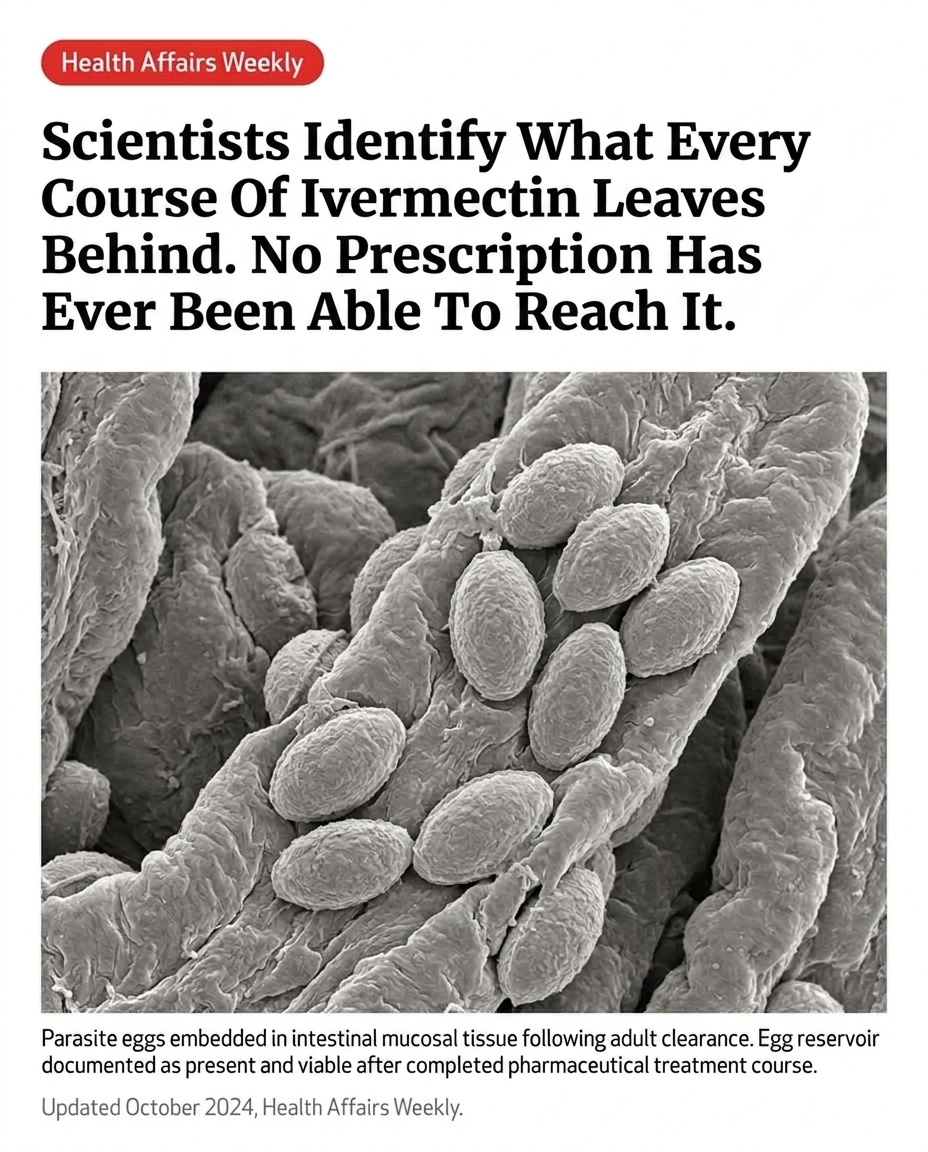
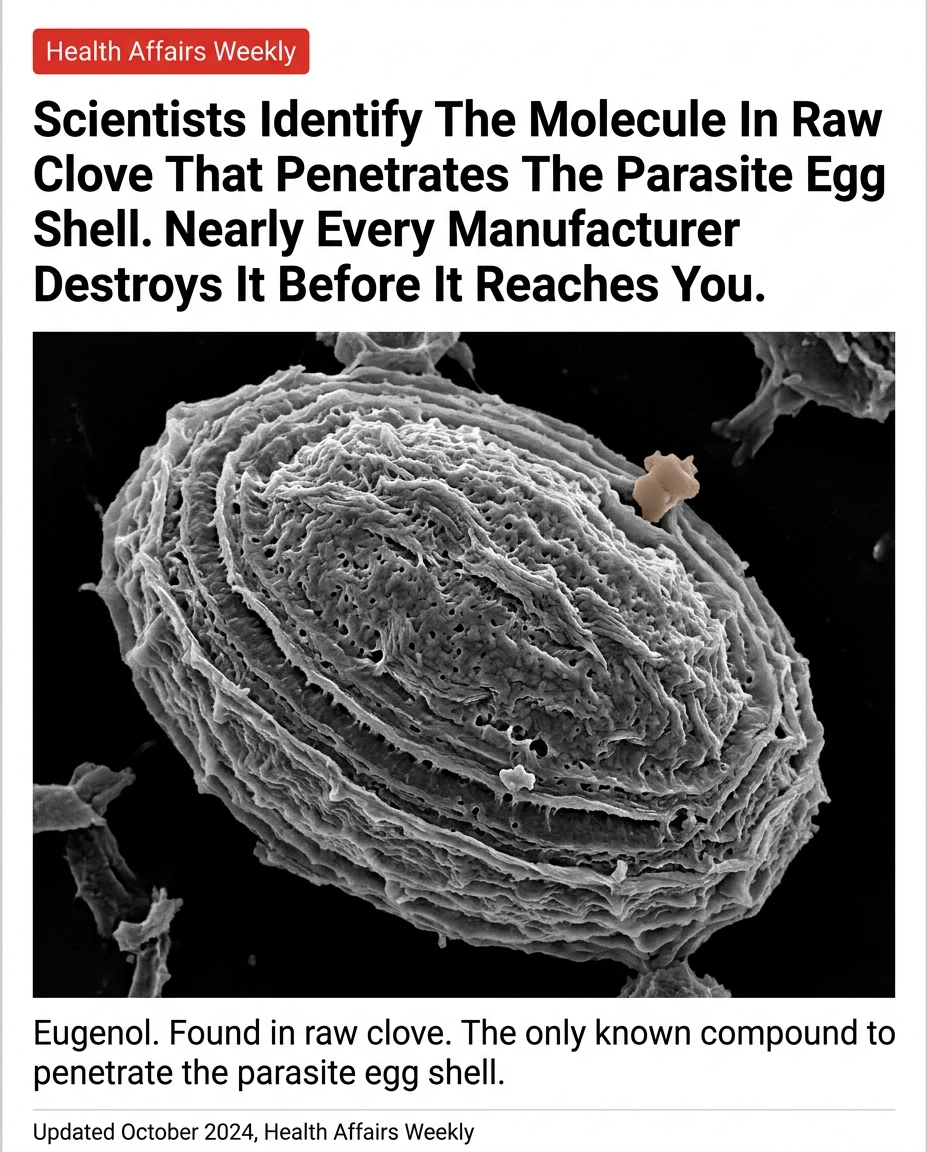
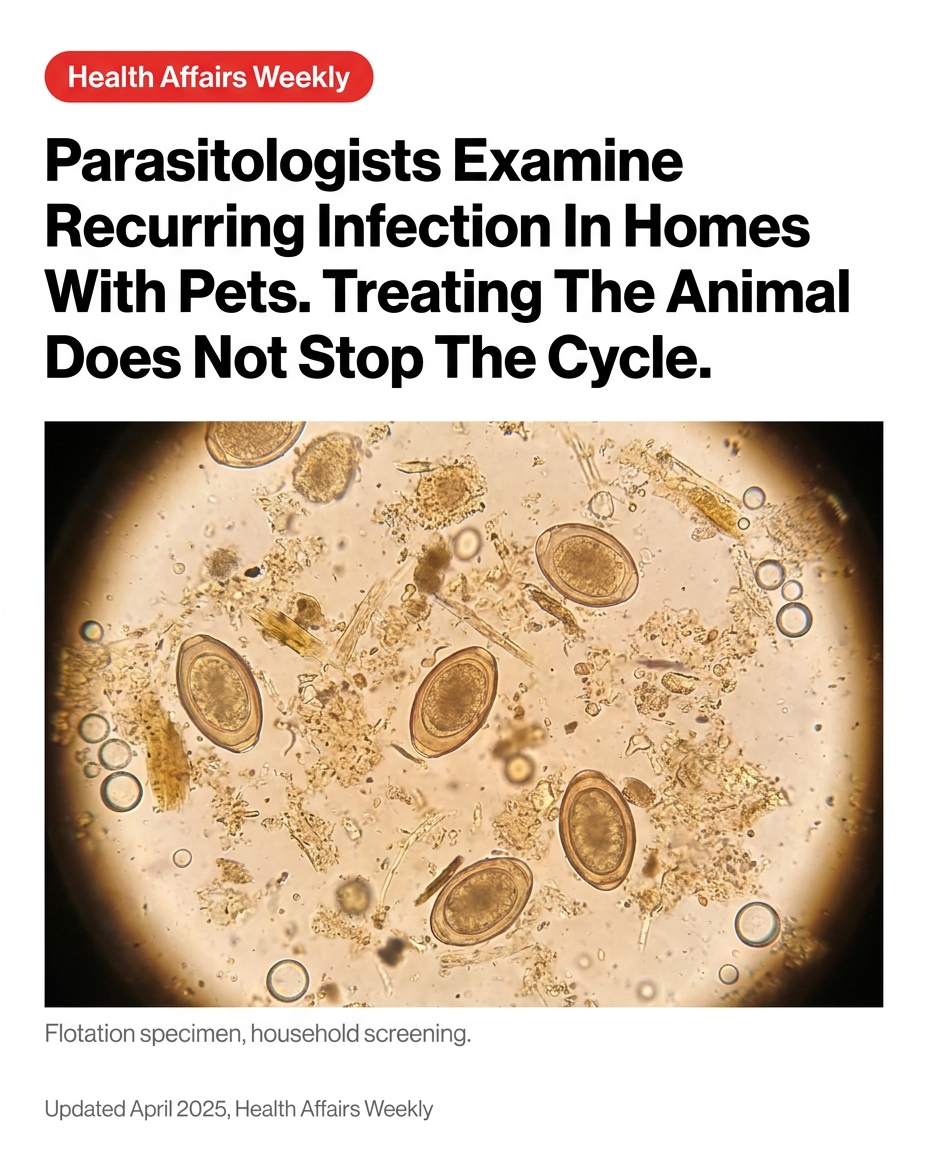
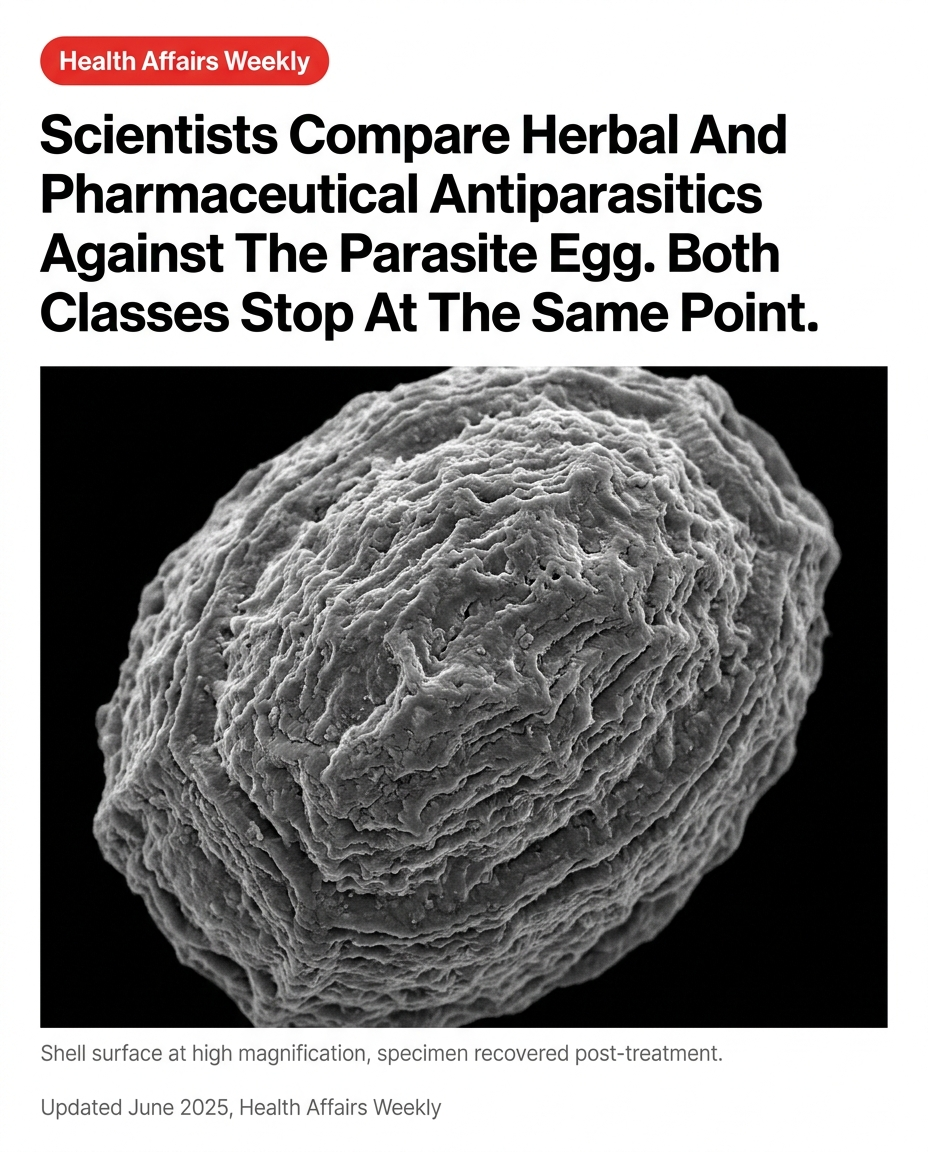
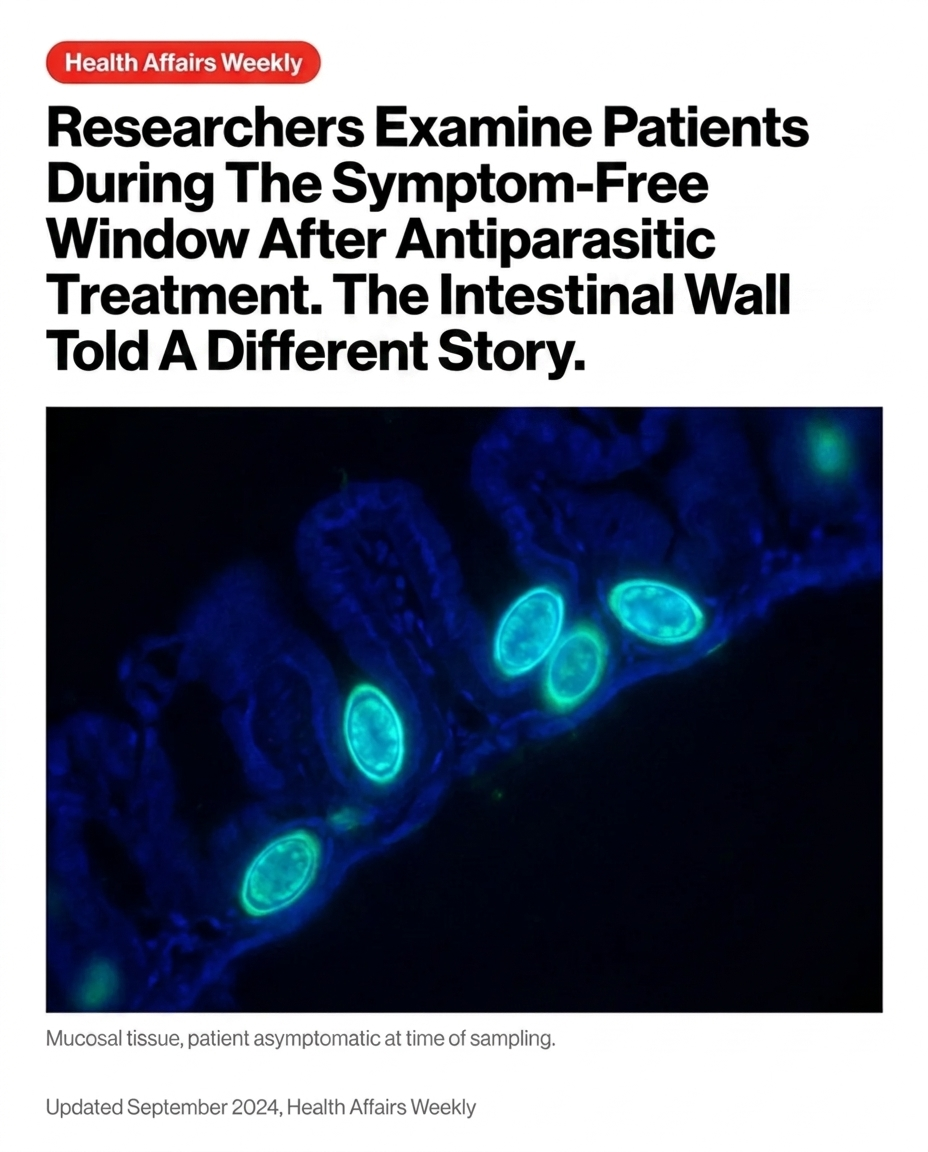
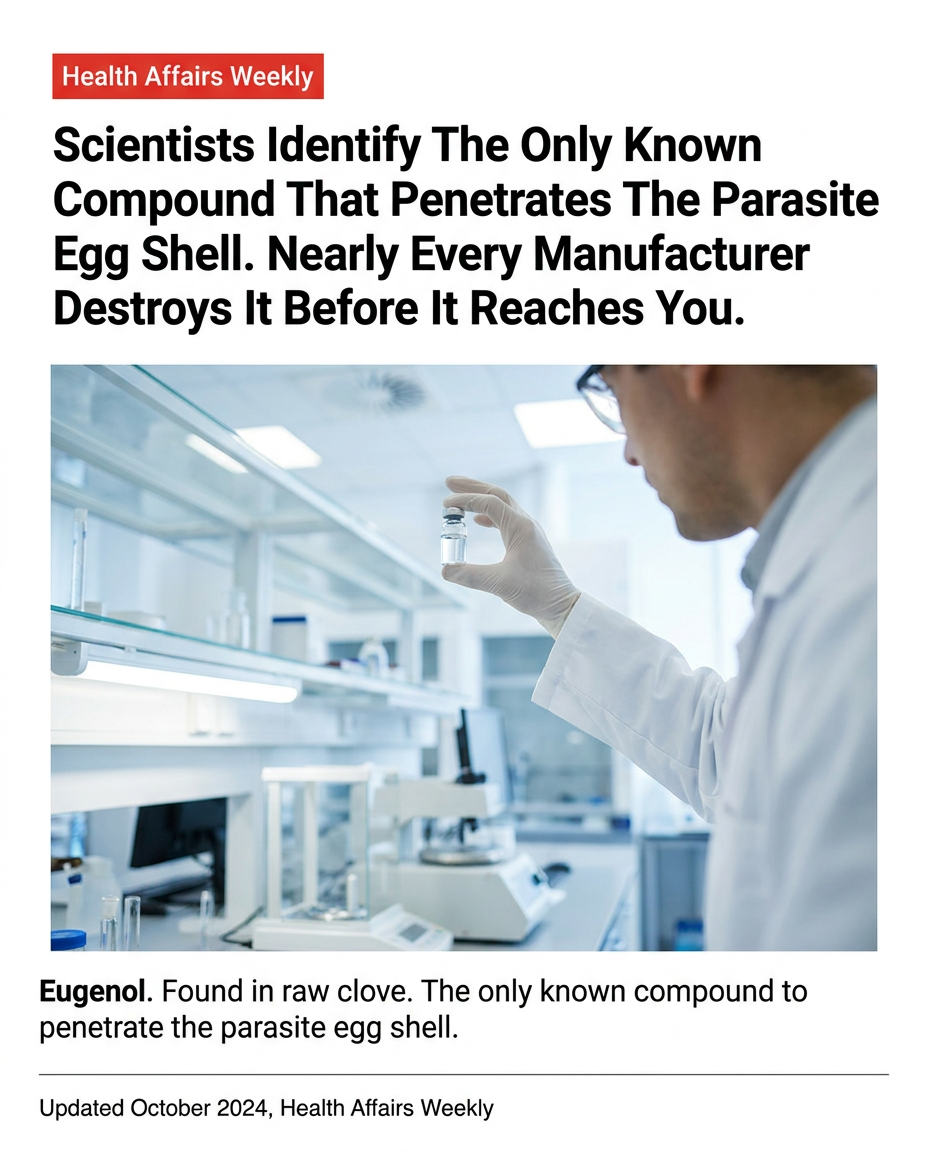
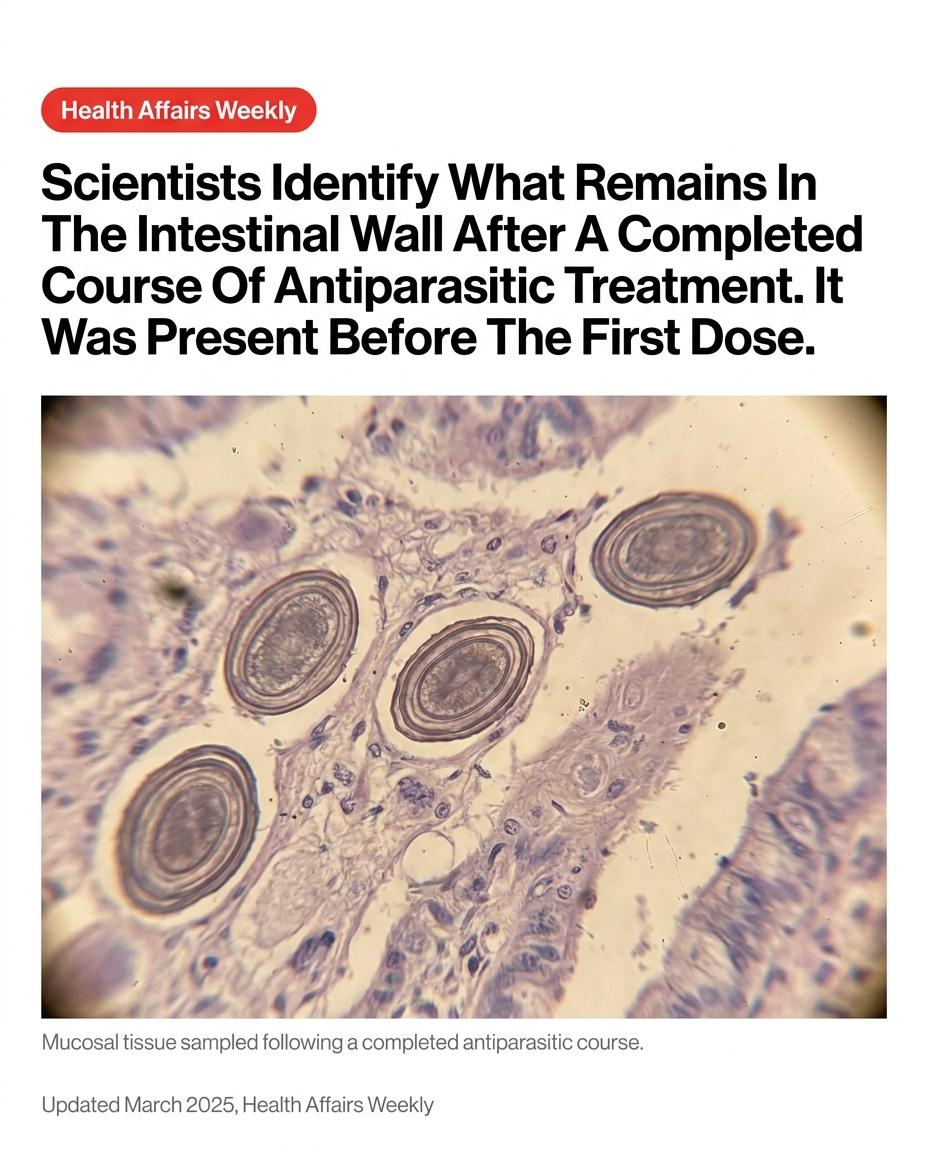
Researchers mapping the anatomy of a parasite egg were not studying why treatment fails. They were describing a structure, and the structure turned out to have three layers: chitin on the outside, a protein matrix within, and pressed between them, a layer of lipid. That lipid layer is the reason you are still sick. Every compound ever aimed at an intestinal parasite is water-soluble. Wormwood, black walnut hull, ivermectin, albendazole, metronidazole, and every protocol ever built on any of them. They are effective and well-designed and they do exactly what they were made to do, which is kill adult parasites. But water-soluble compounds do not cross lipid, and it does not matter how strong the dose is or how long the course runs, because this was never a question of force. It is a property of the molecule. The compound reaches the shell and stops there, every time, in every patient who has ever taken it. So the adults die, precisely as designed, and you feel better within days. The eggs do not die. They were embedded in the wall of your intestine before you swallowed the first pill and they are still embedded there after the last one, running on a developmental schedule that has nothing to do with anything you took. They hatch two to four weeks later. The larvae mature into adults by week five. The symptoms return around week six, and by then the treatment has been finished long enough that nobody connects the two. Your doctor calls that reinfection and writes another prescription. It was never reinfection. It was the same infection, carried forward by the one stage nothing you have taken was capable of touching, and every course you have completed has reset the clock rather than stopping it. Search "parasite egg shell pharmaceutical penetration limit" and you will find the barrier described in plain language by people who have nothing to sell you. What crosses lipid is something lipid-soluble, and there is exactly one that does, which is not pharmaceutical at all. It is found in raw clove. Researchers studying chronic parasitic relapse identified it precisely because of that property, because it is small enough and chemically compatible enough to cross the shell from the outside and reach the egg before the developmental program inside it ever triggers hatching. It is called Eugenol. Eugenol gets through. The first thing most people think when they read "found in raw clove" is a fair question, which is why not just buy cloves at the grocery store and save the trouble. The answer is that Eugenol exists in raw clove at a concentration far too low to be therapeutic, and to take in enough of it you would need quantities that are genuinely unsafe, because at high concentration Eugenol is toxic to the liver. The raw ingredient and the therapeutic compound are not the same thing, and there is no version of this that can be done in a kitchen. There is a harder problem, and it is the reason Eugenol has never once turned up in anything you have already tried. Nearly every supplement manufacturer destroys it before the bottle is sealed. Not out of negligence, but out of economics, because standard extraction runs hot and heat is faster and cheaper and produces larger batches, and for most botanicals that trade is perfectly acceptable. For Eugenol it is total destruction. The one molecule the entire approach depends on does not survive the process almost every company on the shelf uses. Cold-pressing preserves it, and almost nobody commits to it, because the equipment costs more and the batches are smaller and the margins are worse. I want to be honest about how I found the one that does. I had spent months after reading the research looking for a cold-pressed Eugenol formulation that actually existed in a commercially viable form, and I had nearly concluded the manufacturing economics had made it theoretical rather than practical. A colleague mentioned it during a conversation that had nothing to do with any of this. He had been quietly recommending it to his own patients for the better part of a year, and he had not brought it up because he wanted more time before he said anything to anyone. The product is called ParaCycle. A liquid tincture, two drops under the tongue each morning, which matters more than it sounds like it should, because sublingual absorption goes directly into the bloodstream and bypasses the digestive tract entirely, and a gut under parasitic load is an unreliable place to absorb anything. Every batch third-party verified. No fillers, no grain alcohol cutting the concentration. What I saw once the egg stage was finally addressed did not resemble anything I had seen before. The bloating that had returned like clockwork stopped returning. The fatigue patients had quietly accepted as their new normal began lifting in a way that a completed prescription had never once produced. The urgency stopped. Consistently. Nothing you did was wrong. Not the medication, not the diagnosis, not the protocol you followed exactly as written. Every one of them did its work on the stage it was built for, and every one of them stopped at a wall it was never chemically capable of crossing. ParaCycle offers a 60-day guarantee, empty bottle included. If the results are not there after a full protocol, send it back. They produce in small batches, because cold-pressing does not scale the way heat extraction does, which means inventory moves quickly. Check availability below. Every course you have ever taken stopped at the shell. This is the first thing built to cross it.
This Is The Stage Every Parasite Treatment Stops Short Of
Most parasite cleanses kill the adults. The eggs survive, hatch at day 21, and the cycle resets. ParaCycle addresses both stages cold-pressed Eugenol reaches the eggs, the integrated binder captures what the die-off releases. Two drops daily. One product. Complete protocol.
SHOP NOWLike this ad? Make it yours.
Crush rebuilds this exact creative around your product — your brand, your colors, your offer — in about a minute.