Preparedness Insiders
Preparedness Insiders Facebook ad: “Water Plant Workers Keep One at Home. Shouldn't You?”
Ran for 6 days, from July 28 to August 3, 2026, the last day Crush saw it.
Run by Preparedness Insiders on Facebook. Crush is not the advertiser and does not verify its claims. See this ad in Meta's Ad Library(opens in a new tab)
Want an ad like this for your product?
Crush makes new ad images for your product from this ad: your logo, your product photo, your offer.
Trials from $19.95 USD, then $79.95 USD a month. Cancel anytime.
About this ad
- Meta Ad Library ID
- 1348009543631403
- Platforms
- Facebook, Instagram, Audience Network, Messenger, WhatsApp and Threads
- Relaunches
- 0
- Niche
- Parenting & Kids
Ad text
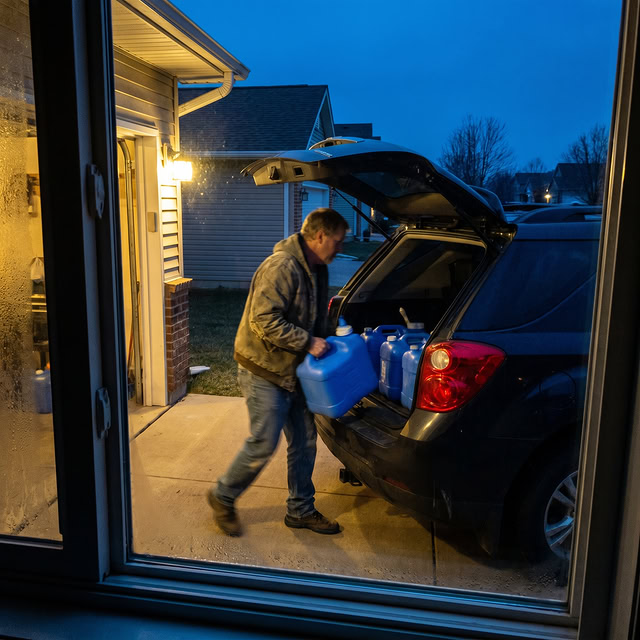
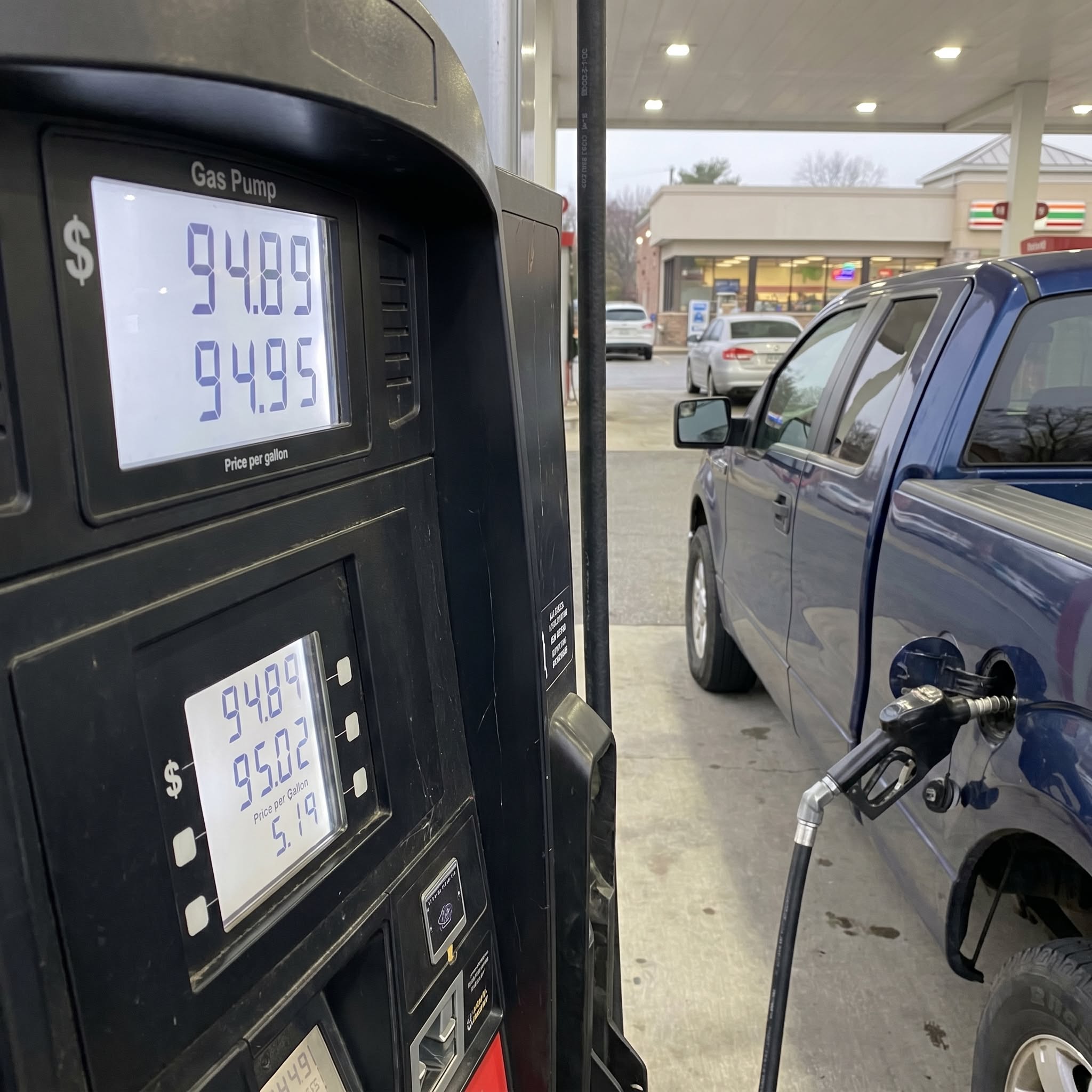
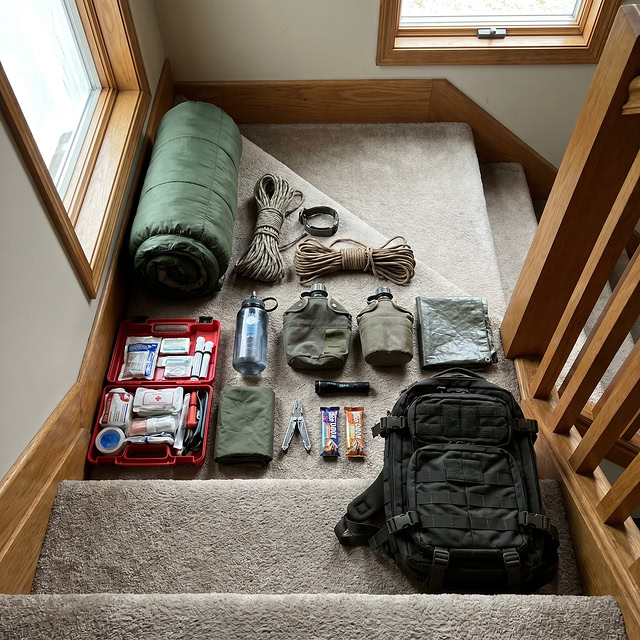
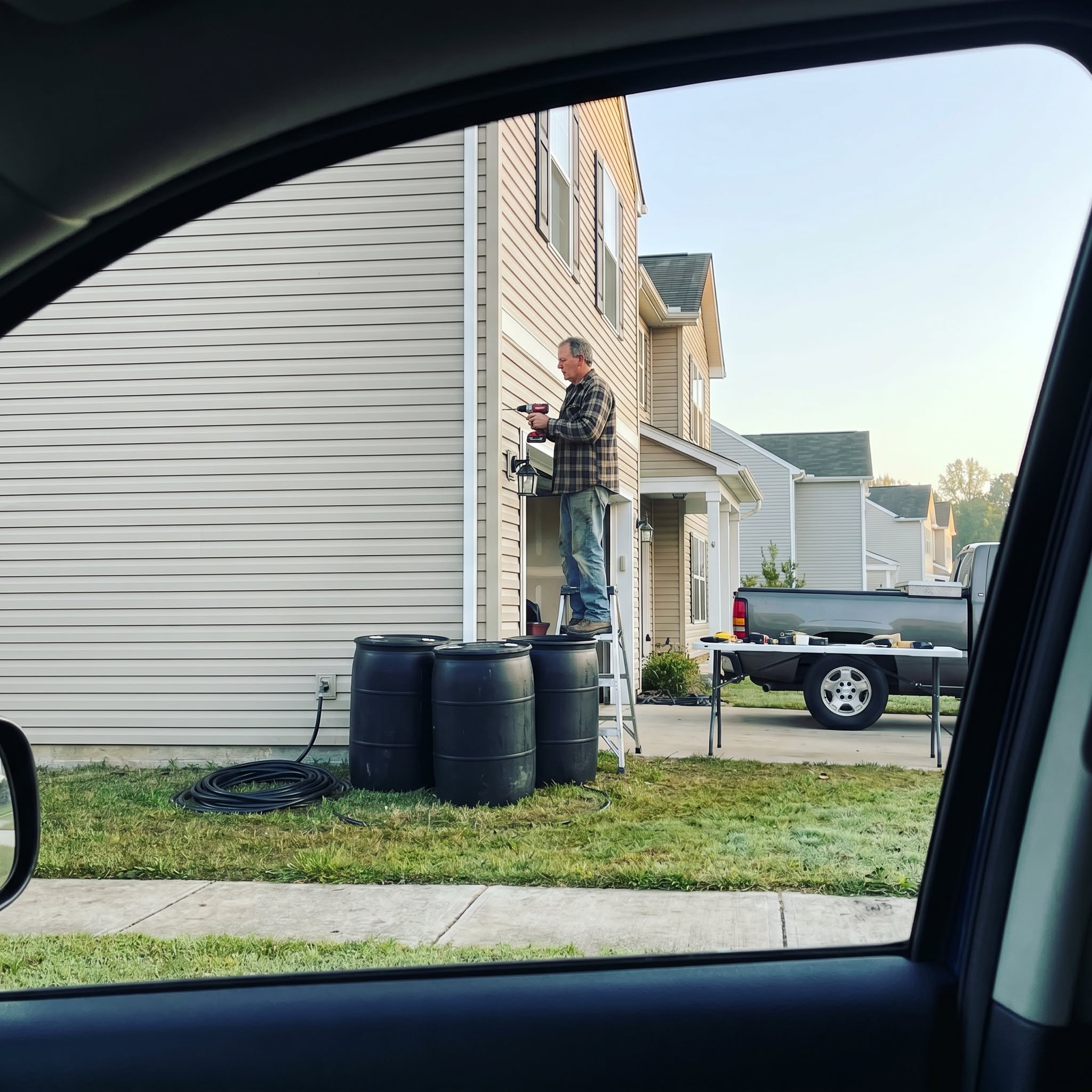
The peace talks collapsed and a blockade started Monday morning. And I am standing in my driveway watching my neighbor install large black water collection barrels along the side of his house on a Wednesday morning. This man has spent 31 years working inside municipal water treatment facilities. He does not panic. He does not post on social media. He just does things quietly. So when I saw him out there on a Wednesday morning moving like a man who had already made up his mind about something, I walked over. What he told me is the reason I am writing this. It was a Wednesday morning. I had just come back from the gas station. $5.19 a gallon. Watched the pump tick past $95 to fill my truck and felt that familiar sick feeling that has become a weekly ritual now. Pulled into the driveway. And there was Frank. Standing on a step ladder along the side of his house. Drilling mounting brackets into the wall. Three large black water collection barrels already sitting on the ground waiting to go up. A coil of tubing on the grass beside them. Tools spread out on a folding table like he had been planning this for weeks. I need to explain something about Frank. Frank is the kind of neighbor who nods from across the street and that is about it. Serious man. Keeps everything around his property in perfect order. Goes to work early, comes home, closes the door. In seven years of living next to him I have had maybe five real conversations with the man. He has a background in municipal water treatment engineering. Spent 31 years working inside the facilities that clean and distribute water to entire cities. Knows those systems the way a surgeon knows anatomy. He is not dramatic. He is not the kind of man who makes gestures. Everything he does has a reason behind it that he has already thought through completely before he acts. So the fact that he was out there on a Wednesday morning installing a water collection system on the side of his house like it was the most normal thing in the world was enough to make me put down my coffee and walk over. I said something like "Frank. What is all this?" He looked down from the step ladder. Did not smile. "Insurance," he said. And went back to drilling. I stood there for a second. "Insurance against what exactly?" He stopped. Climbed down. Looked at me the way a man looks at someone he is deciding whether to give the long answer or the short one. He gave me the long answer. "I have been in water treatment for 31 years," he said. "I have worked inside the facilities that push water into homes across three different states. I know exactly how that system works from the intake all the way to your kitchen faucet." He pulled off his work gloves. "And I am telling you right now that what is happening with the fuel supply is not a gas price problem. It is a water problem. And almost nobody has connected those two things yet." I told him I did not follow. He looked at me like he had explained this before and it had not landed. "Your tap water does not just appear," he said. "There is an entire industrial system behind it. Pumps. Treatment equipment. Pressure systems. Chemical dosing machinery. Every single piece of that infrastructure runs on electricity around the clock, 365 days a year, without stopping." He picked up one of the barrels and set it against the wall. "And the electricity comes from power plants. And the power plants run on fuel. The same fuel that is getting choked off right now." He looked at me. "No fuel. No power. No power. No water pumps. No water pumps. Your tap runs dry. That is the entire chain from one end to the other." I told him that still seemed like a worst case scenario. He shook his head slowly. "It is happening right now. Ninety miles from the Florida coast." I did not know what he meant. "Cuba," he said. "Their fuel supply got disrupted earlier this year. Same pattern. Supply got blocked. Could not get enough oil in. Power grid collapsed three times in a single month. Eleven million people with no electricity. And the first thing that went after the lights was the water." He said it without drama. Like he was reading from a report. "The pumps that push water through the pipes to people's homes run on electricity. When the grid went down the pumps stopped. The pressure in the lines dropped to nothing. Faucets across the entire country ran dry. Mothers with small children had no idea when or if the water was coming back." He picked up his drill. "Their fuel got disrupted and within weeks they went from normal daily life to complete grid collapse to no running water. Weeks. Not years. Not months. Weeks." He pointed down our street. "Now look at what is happening with the shipping lanes right now. The blockade that started Monday. Twenty percent of global fuel supply moves through that passage. Peace talks collapsed. Both sides digging in. And every week somebody says it is going to be resolved soon. Same thing they said about Cuba before the lights went out." Neither of us said anything for a moment. I told him my first instinct was to go buy cases of bottled water. Stock up while I could. He nodded. "Do that. Everybody should have some on hand. That is just basic sense." Then he said "But come here. I want to show you something." We walked into his garage. On his workbench, arranged in a careful row, were seven or eight slim black devices. Compact. Each one about the size of a thick permanent marker. He picked one up and held it out to me. "This is what actually lets me sleep at night," he said. I took it. Turned it over. Looked at both ends. "Water filter," he said. "But not anything like what you are picturing. This one does not need your tap. Does not need power. Does not need any infrastructure at all." He pointed at it. "You take any freshwater source. A creek. A river. A pond. A puddle after rain. Fill a bottle and screw this on top. It filters out 99.999% of the bacteria, parasites, and microplastics that would put your family in the emergency room. Clean drinkable water comes out the other side. No electricity. No chemicals. No moving parts. Just the filter doing what it was built to do." I asked him where he found them. "I went looking about two years ago," he said. "After I ran the numbers at work on what a sustained fuel disruption would actually do to residential water supply. Every scenario I modeled pointed to the same conclusion. Water goes first. Before food. Before fuel at the pump. Water. Because it is the one thing people cannot go more than a couple of days without and it is the one thing nobody has a backup for." He leaned against the bench. "I tested a lot of options. Most of what is out there is fine for camping. Not built for a real situation with real water you would actually need to survive on. Cheap components. Low capacity. Clog after heavy use." He tapped the one in my hand. "This one is different. It is called the Tactical PureX. Military-grade hollow fiber membrane technology. The same filtration standard used by soldiers operating in areas with no clean water infrastructure. Each unit filters up to 1,800 gallons from any source. That is over four years of clean drinking water for one person from any creek, river, lake, or rainwater you can find." He looked at the row on the bench. "I have a set for the house and units split between both cars. Two per person in my family. Because if something moves fast and we get separated, everyone is covered on their own." He looked at me. "Here is what people do not understand about storing water. It is a countdown. You buy enough for a week, maybe two if you stretch it carefully. Then what? You are standing in your kitchen with empty jugs and a tap that does not work. Same situation as everyone else, just a few days later." He pointed toward the back of the neighborhood. "But there is a creek eight minutes from here. A retention pond by the park. A river off the highway. Freshwater everywhere. It has been there the whole time. You just never needed to think about it because the system was doing all the work for you. These let you do the work yourself. No grid. No treatment plant. No waiting for somebody to fix something that nobody seems able to fix." He pushed the filter toward me. "Keep it. Test it yourself. That is the only way you will actually understand what I am telling you." I took it home. That night I sat at the kitchen table with it while my wife watched the news in the other room. Another segment about the blockade. Another analyst saying both sides were close to an agreement. Another promise that felt exactly like the last ten promises. I thought about what Frank said. About how the people who seem genuinely calm right now are not calm because they believe it is going to be fine. They are calm because they stopped depending on it being fine. Saturday morning I drove to the retention pond by the park near our house. The one I have walked past with the kids dozens of times without a second thought. I filled a bottle right from the edge. Cloudy. Greenish. Things floating in it I did not examine too closely. Screwed the Tactical PureX onto the top and drank. Nothing. No taste. No grit. No smell. Just water. My wife thought I had lost my mind when I told her what I had done. Then she tried it herself. Then she got very quiet. That evening she was the one who said we needed more. One set for the house was not enough. She wanted one in her car. One in each of the kids' school bags. Over the next few days I tested it everywhere I could reach within ten minutes of our house. The creek behind the subdivision. A slow bend in the river off the main road. A drainage channel I drive past every morning on my commute without ever really seeing it. Same result every single time. Something shifted after that. We still watch the news. Still see the headlines every morning. The blockade. The failed talks. The fuel prices moving in one direction with no sign of stopping. But the knot is gone. Not because anything got better. It has not. It has gotten measurably worse every single week since the strait situation started. The knot is gone because I stopped sitting there waiting for someone to fix it. If the power cuts tomorrow. If the taps go dry and the shelves are already stripped. We drive eight minutes, fill up at the creek, and we are fine. The kids are fine. My wife is fine. That is what Frank figured out before anyone else on our street. Not how to store more. How to not need the system at all. If you have been watching the same headlines I have been watching, the ceasefire collapsing, the peace talks failing, the blockade tightening, the prices climbing with no end in sight, and you have had that same knot in your stomach that will not go away no matter what you tell yourself, stop waiting for someone to fix it. Nobody is fixing it. Here is the direct link to what Frank uses and what is now in every car and bag in our house: 👉 https://dailynewsnational.com/tp-fb-ang3-list1-advertorial They have been going in and out of stock since the strait situation started. Every time another headline breaks the orders surge. Check if they still have units available. By the time the rest of your street figures out what Frank already figured out it will be too late to do anything about it. P.S. As of this week the blockade has tightened further. Over 200 loaded fuel tankers are sitting idle in the Gulf unable to move. Oil crossed $100 a barrel for the first time in years. The head of the International Energy Agency called this the worst energy supply disruption in modern history. The latest round of peace talks collapsed again yesterday. If you have been telling yourself it will blow over, check the headlines from this morning. Then check the link above while they still have units available. 👉 https://dailynewsnational.com/tp-fb-ang3-list1-advertorial P.P.S. Frank told me one thing before I left his garage that I keep coming back to. He said in 31 years of working inside water treatment facilities he never once worried about the system failing because he was inside it every day and he knew how it worked. He said the day he started worrying was the day he realized the system does not fail because of anything wrong with the system. It fails because of what the system depends on. And right now what the system depends on is getting cut off at the source. He said that is the day he stopped trusting the tap and started trusting the filter. P.P.P.S. Each Tactical PureX filters 1,800 gallons. Over four years of clean drinking water per person from any water source you can find. Never expires. No power. No batteries. No replacement parts. No maintenance of any kind. Built to the same military filtration standard trusted in the field when the only water available is whatever you can find on the ground. That is the standard Frank spent 31 years working around and the standard he chose for his own family when he decided the tap was no longer something he was willing to bet on. That was enough for me. P.P.P.P.S. If you are thinking about storing water instead of getting one of these, think about Frank's math. Storing water is a countdown. Fixed supply. Every day the number goes down. When it hits zero you are in exactly the situation you were trying to avoid. The Tactical PureX is not a countdown. It is permanent access. As long as there is a creek, a river, a pond, a puddle, or rain falling anywhere near you, you have clean water. In America there is freshwater within ten minutes of almost every home in the country. You just need the tool to make it safe. That is the entire difference between running out and never running out. Get the tool. 👉 https://dailynewsnational.com/tp-fb-ang3-list1-advertorial
Where the ad sends people
dailynewsnational.com
Water Plant Workers Keep One at Home. Shouldn't You?
I've cut Frank's lawn for eleven years. I thought I knew him. Then the peace talks collapsed, and he asked me to come look at something in his garage.
Shop now: dailynewsnational.com(opens in a new tab)