
Inactive· since Mar 17, 2026
- 18
- days it ran
- 0
- relaunches
Ad copy
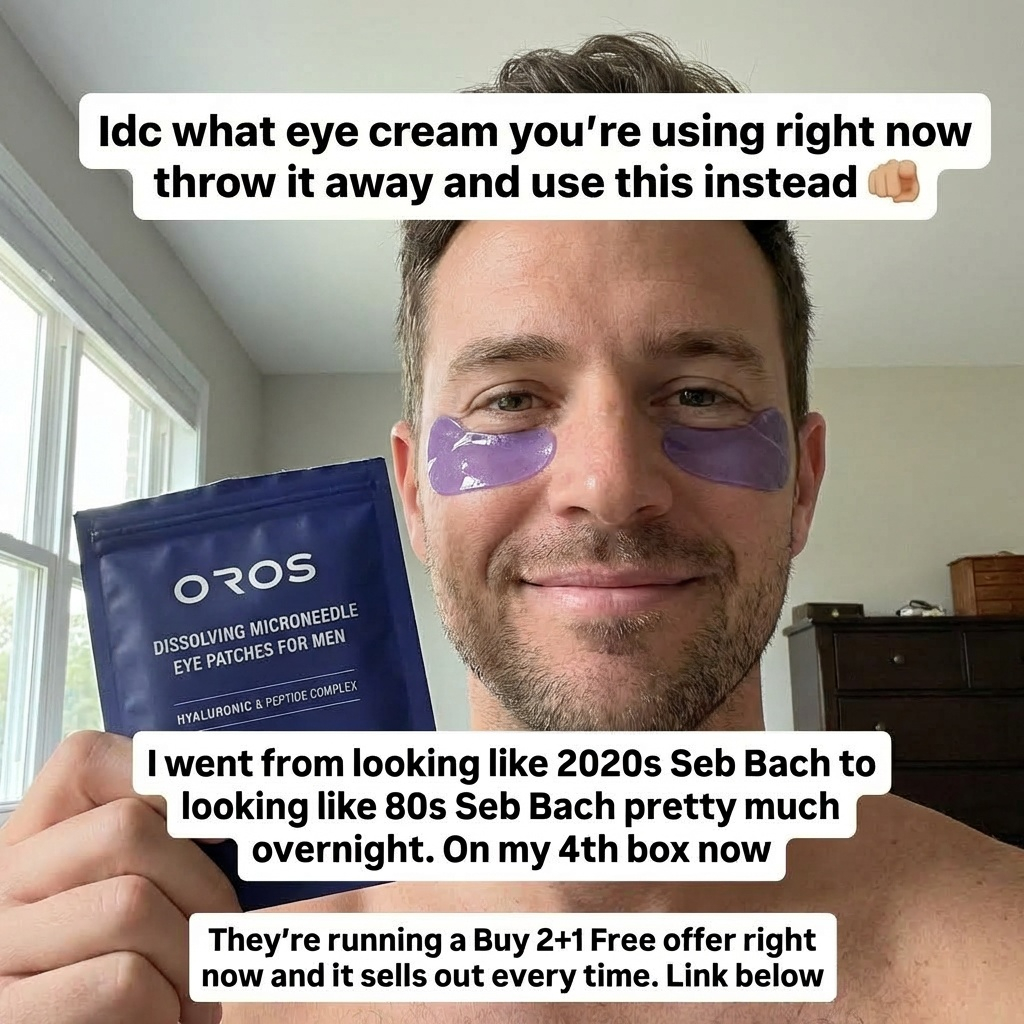
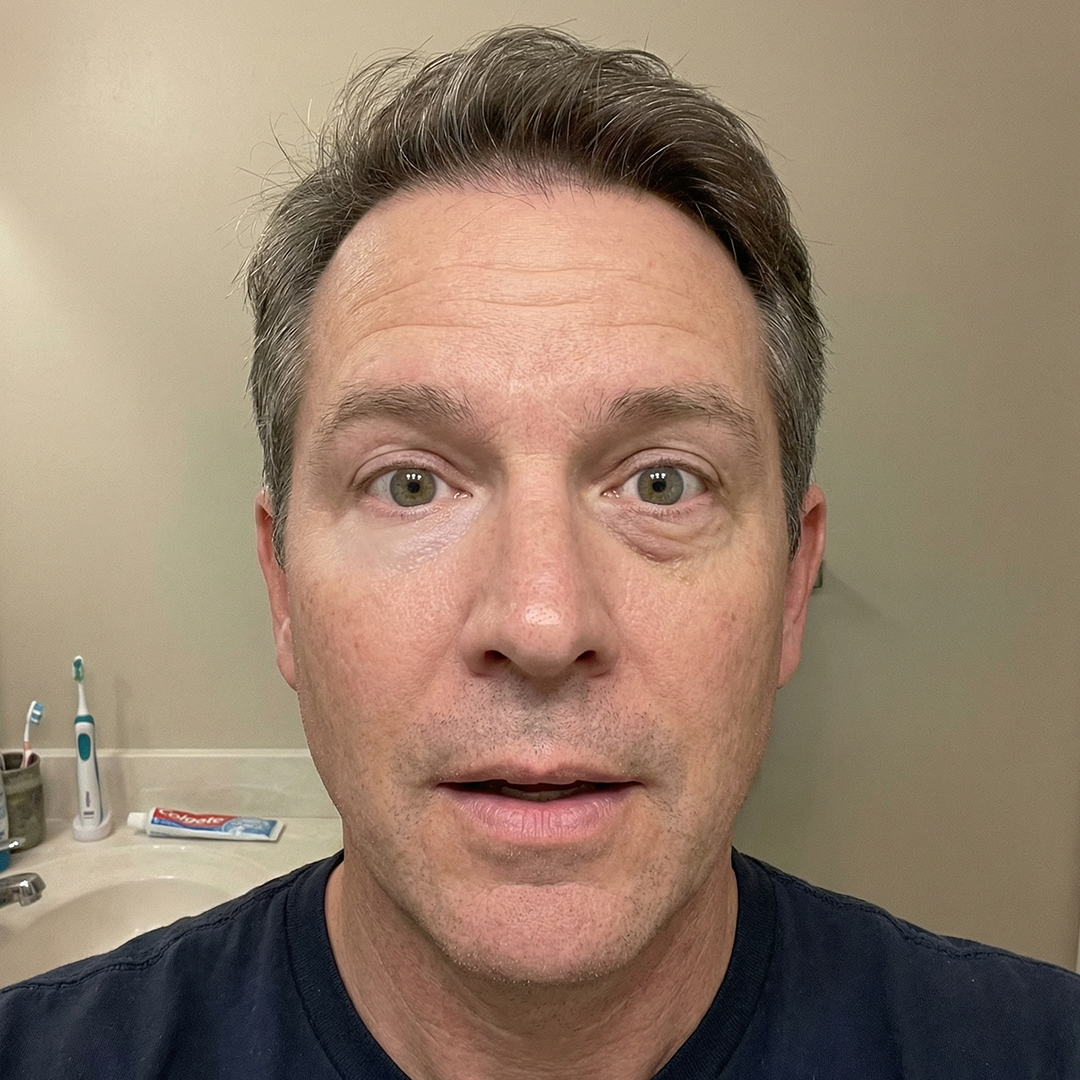
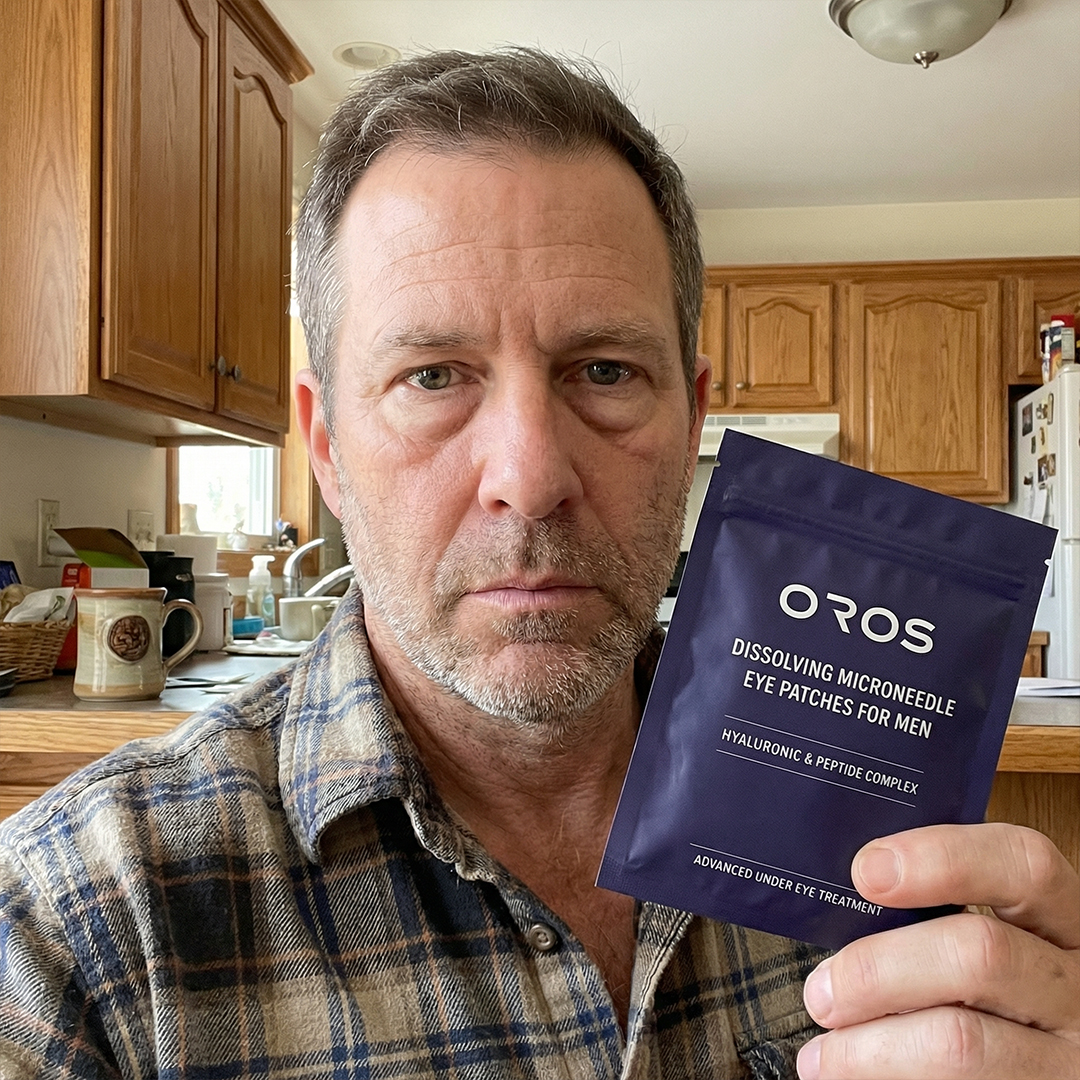
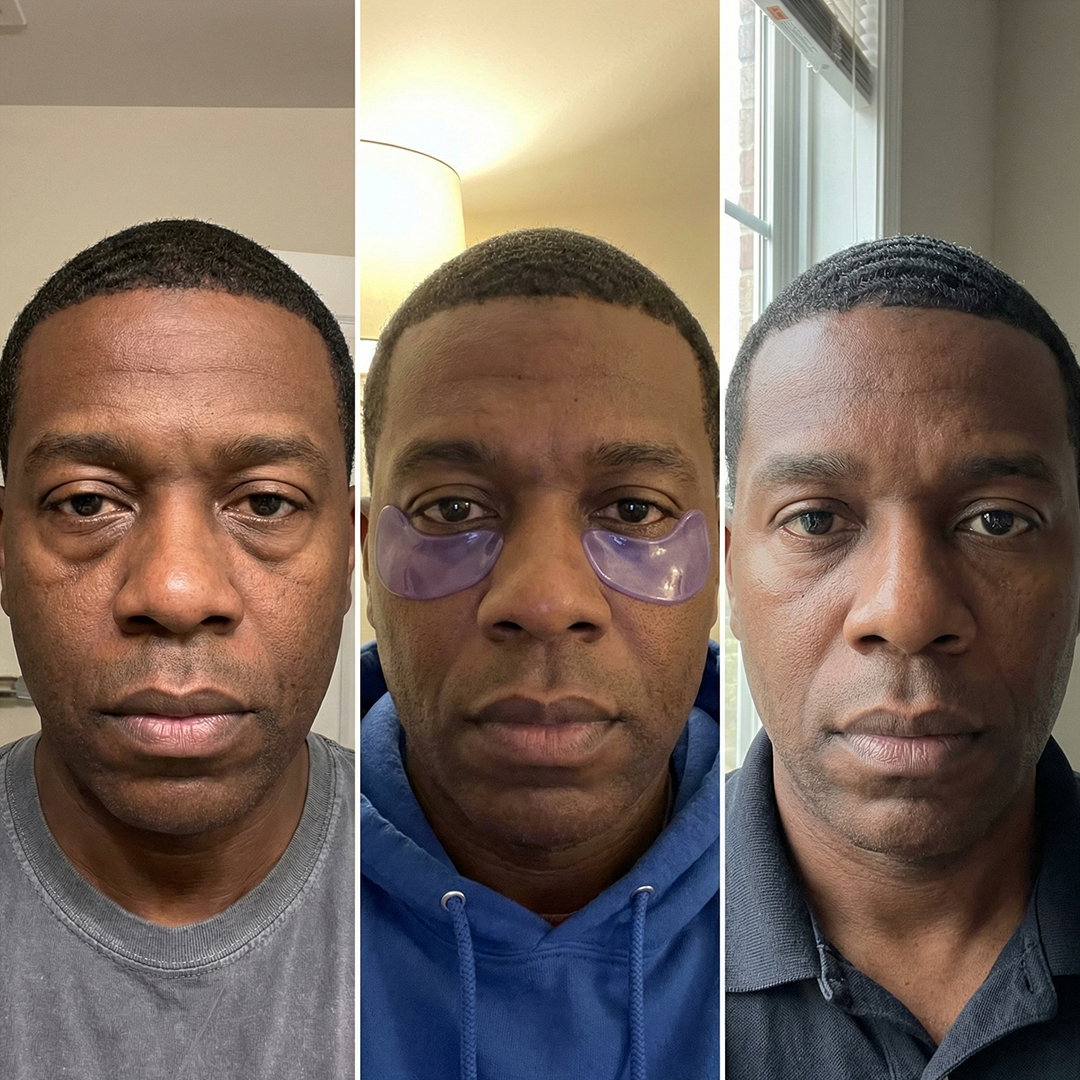
I fell for it. I’ll admit it. Some guy on YouTube — big following, looks like he deadlifts trucks for fun — held up a mason jar of beef tallow balm and said it was "what our ancestors used." He said it was "nature’s retinol." He said modern skincare was a scam and that animal fat was the only thing men needed for their skin. I’m 58 years old. I’ve been suspicious of the skincare industry my entire life. I’ve never trusted $150 eye creams in tiny jars. I’ve never believed that something called "peptide recovery complex" would fix what I see in the mirror every morning — two heavy, dark, fluid-filled bags that make me look like I haven’t slept since the Clinton administration. So when this guy said "stop putting chemicals on your face and start using what your grandfather used," something in me wanted to believe it. It made sense. It felt real. It felt like the kind of no-nonsense, masculine approach to skincare that actually matched how I think. I ordered a jar. $34. Applied it under my eyes every night for six weeks. My eye bags got worse. Not "stayed the same." Worse. Puffier. Heavier. The pouches looked more swollen in the morning than they did before I started. The dark hollows beneath them looked deeper because the skin on top was shinier and greasier, which made the shadow contrast worse under bathroom lighting. I thought maybe I was doing it wrong. I went back to the comments on the video. Hundreds of men saying the same thing. "Been using it three weeks, bags look the same." "My under-eye area feels greasy but the bags haven’t changed." "Is this supposed to take months?" Nobody was getting results. But nobody wanted to admit it, because admitting it meant the "ancestral" narrative was wrong. And that narrative felt too good to let go of. Then I found an article by a biotech analyst named Simon Vance that explained exactly what beef tallow does to your under-eye area. And more importantly, what it cannot do. Here’s the engineering reality, stripped of every internet myth: Tallow is an occlusive. That’s a pharmacological term for a substance that creates a physical seal on the surface of the skin. It sits on top and prevents moisture from escaping. Full stop. That is the entirety of its mechanism. It does not penetrate. It does not deliver active compounds. It does not stimulate collagen. It does not address fluid retention. It seals. Your eye bags are not a moisture problem. They are a structural, mechanical failure. Beneath the thin skin under your eyes, three things are happening simultaneously. First: stagnant lymphatic fluid that your drainage system can no longer clear efficiently is pooling in the tissue, creating heavy, water-logged pouches. Second: deoxygenated blood is pooling in dilated capillaries, creating the dark, bruised discoloration. Third: the collagen matrix that used to hold everything tight against the bone is degrading, letting gravity pull the tissue lower every month. None of these three problems have anything to do with moisture. None of them can be addressed by sealing the surface. When you smear beef tallow on waterlogged tissue, you’re putting a lid on a flooded basement. You’re trapping the moisture in. The fluid that’s already pooled beneath the skin now has an occlusive layer preventing even normal evaporation. The bags look puffier. The skin looks shinier, which makes the shadows look deeper. You’re making the visual problem measurably worse while doing nothing — absolutely nothing — to the structural problem underneath. Beef tallow balms are expensive Vaseline with a story attached. Zero structural repair. Zero penetration. Zero drainage. And here’s the part that should genuinely make you angry: your ancestors didn’t use tallow for eye bags. They used tallow for waterproofing leather and making candles. The "ancestral skincare" narrative was invented by influencers who figured out that men who distrust the cosmetics industry are the easiest demographic to sell to — as long as you wrap the product in a story about grandfathers and campfires. The real question isn’t which product to rub on the surface. The real question is: how do you get active compounds past the barrier to where the damage actually lives? Male skin is 20-25% thicker than female skin. Testosterone fortifies the stratum corneum into a dense wall. There’s a law in pharmacology called the 500-Dalton Rule — it determines what can cross the skin barrier. Most active ingredients in skincare are technically small enough. But on male skin, they degrade and dissipate long before reaching 0.3mm depth, where the fluid pools, the blood stagnates, and the collagen collapses. Creams can’t get there. Tallow can’t get there. Nothing you spread on the surface can get there. The barrier won’t allow it. Vance’s article breaks down a transdermal microneedle delivery system that doesn’t try to push through the wall. It goes through it physically. 1,500 dissolving microneedles that penetrate to exactly 0.3mm and deposit 600-Dalton peptides and 39% hyaluronic acid directly into the tissue layer where every component of your eye bags originates. Not on the fortress. Through it. Think of it this way. Eye creams are paint splashed on a concrete wall — they sit on the surface and never penetrate. Tallow balms seal the wall — they trap the moisture in and lock the damage underneath. Microneedles drill through the wall — they deliver the payload directly to the foundation. Your grandfather didn’t have a solution for under-eye bags. Neither does his rendered beef fat. But a transdermal delivery mechanism built on pharmaceutical engineering does. If you’ve been rubbing animal fat on structural collapse because a guy with 200,000 followers told you to — read Simon Vance’s full analysis. It’ll be the last time you confuse sealing with fixing.
Like this ad? Make it yours.
Crush rebuilds this exact creative around your product — your brand, your colors, your offer — in about a minute.