
Inactive· since Jun 3, 2026
- 10
- days it ran
- 0
- relaunches
Ad copy
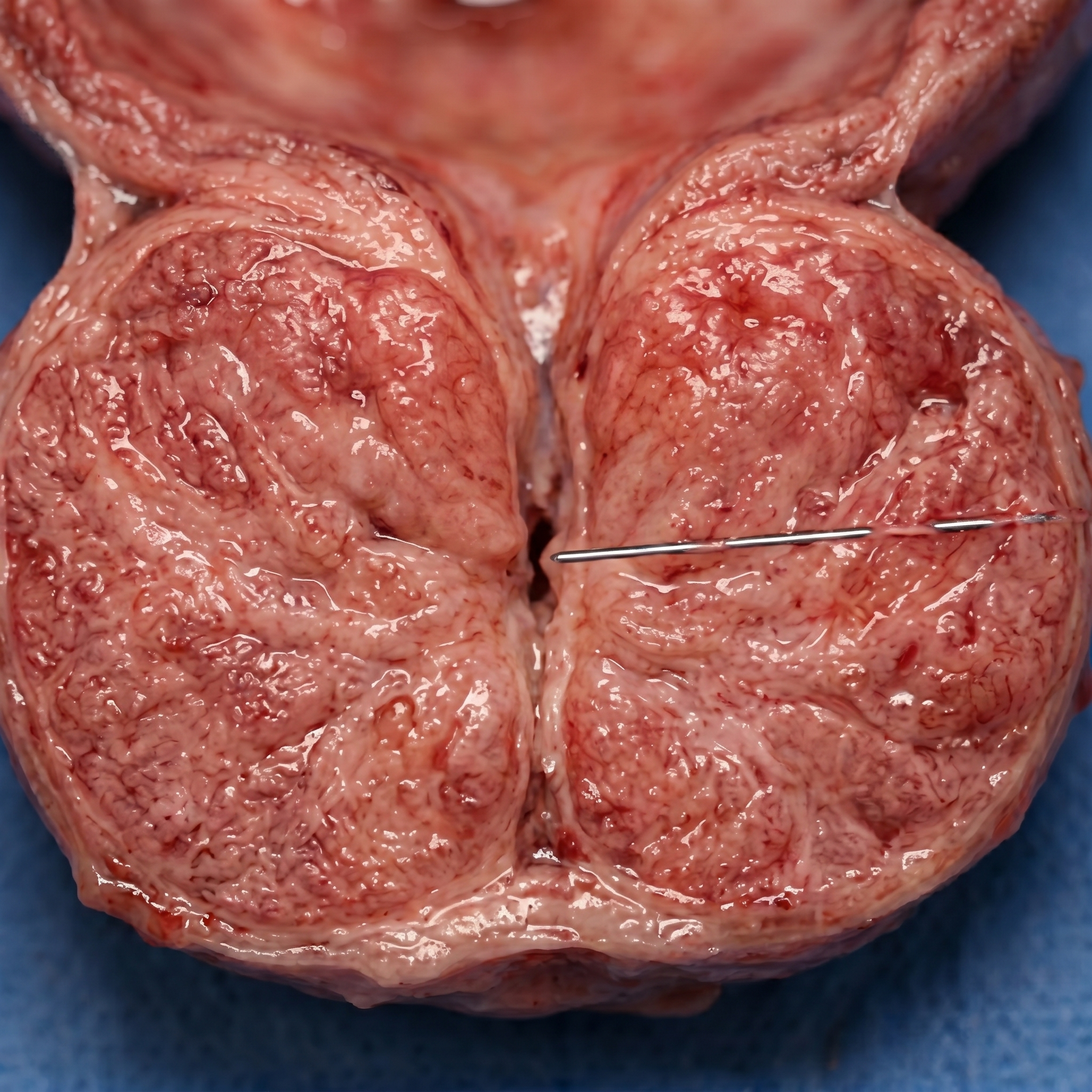
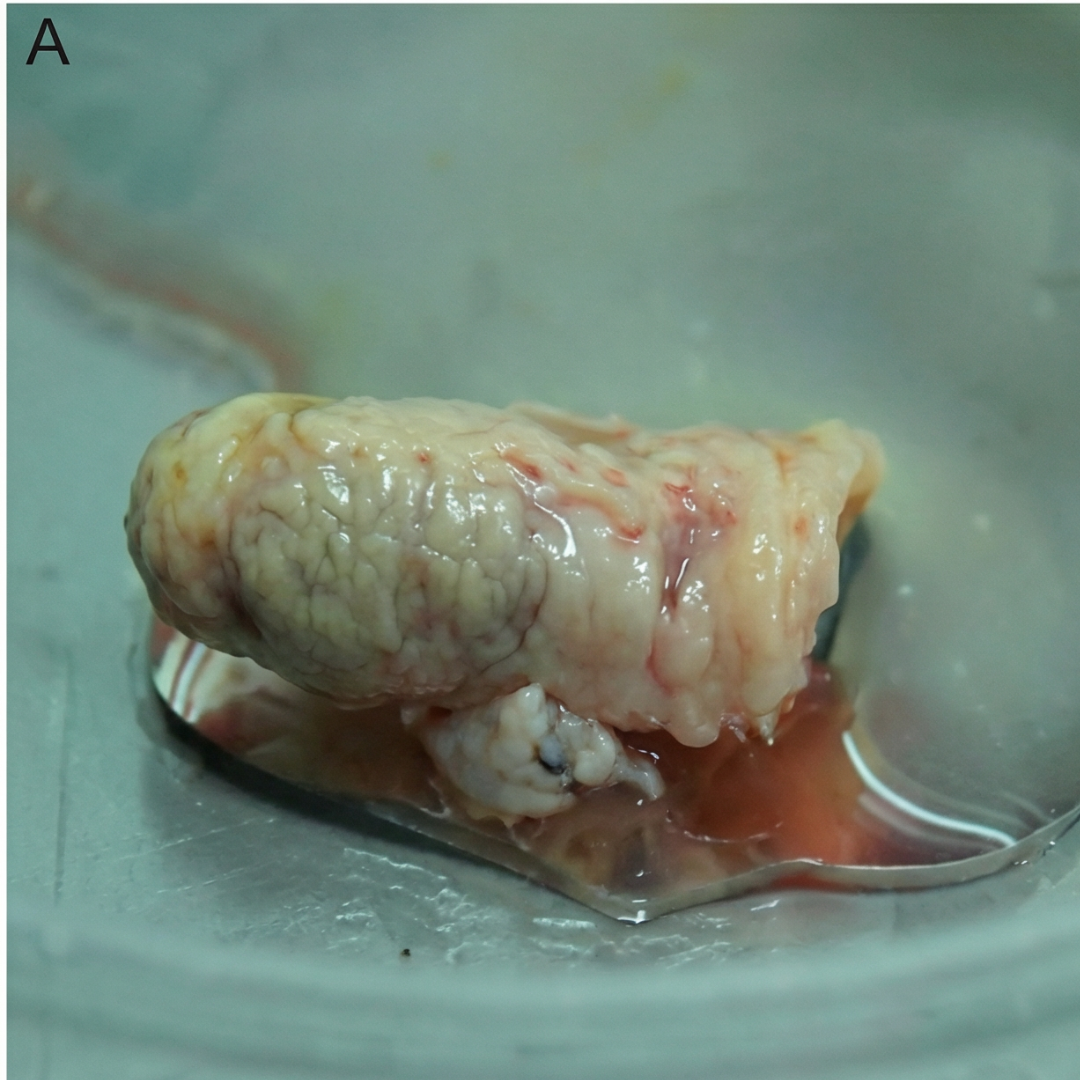
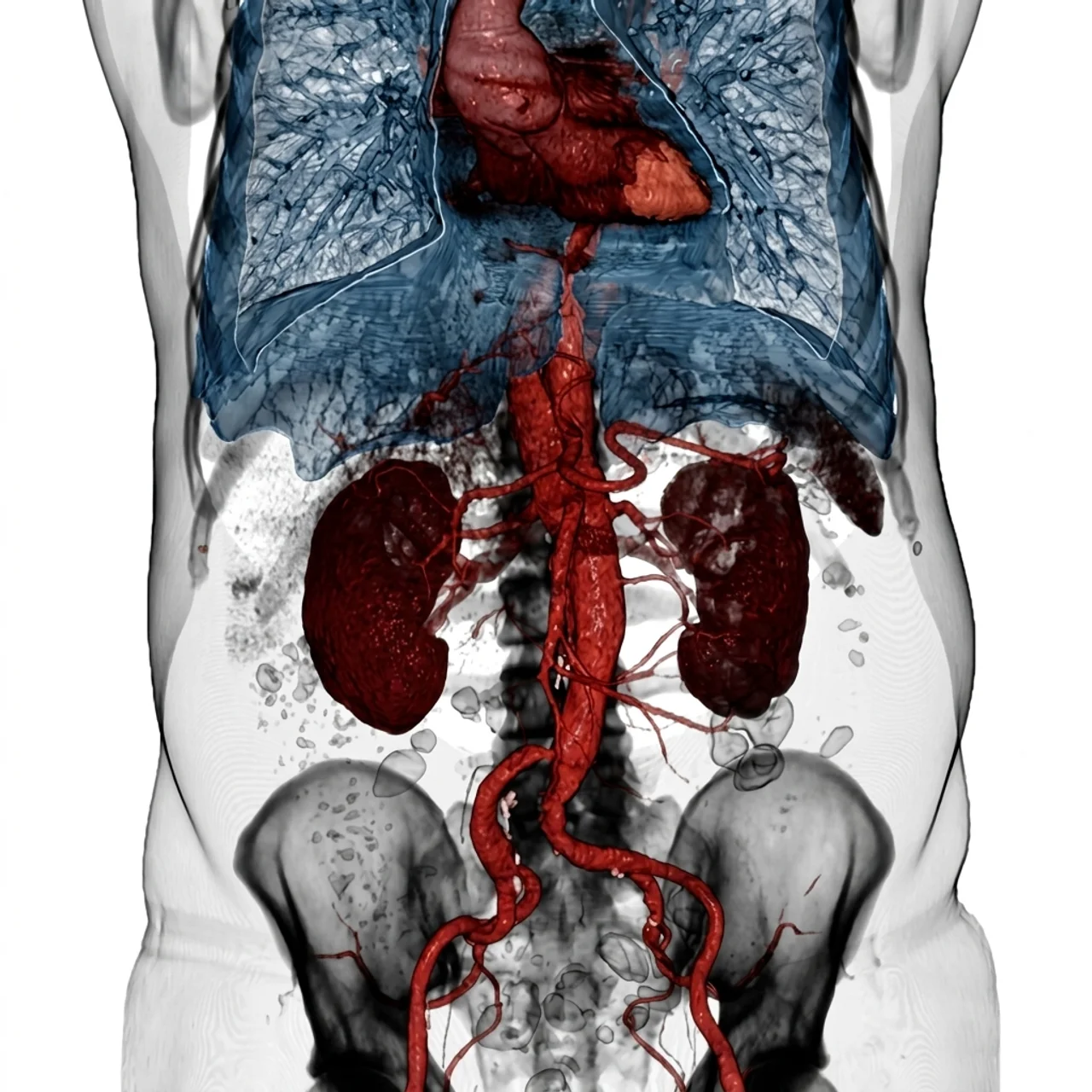
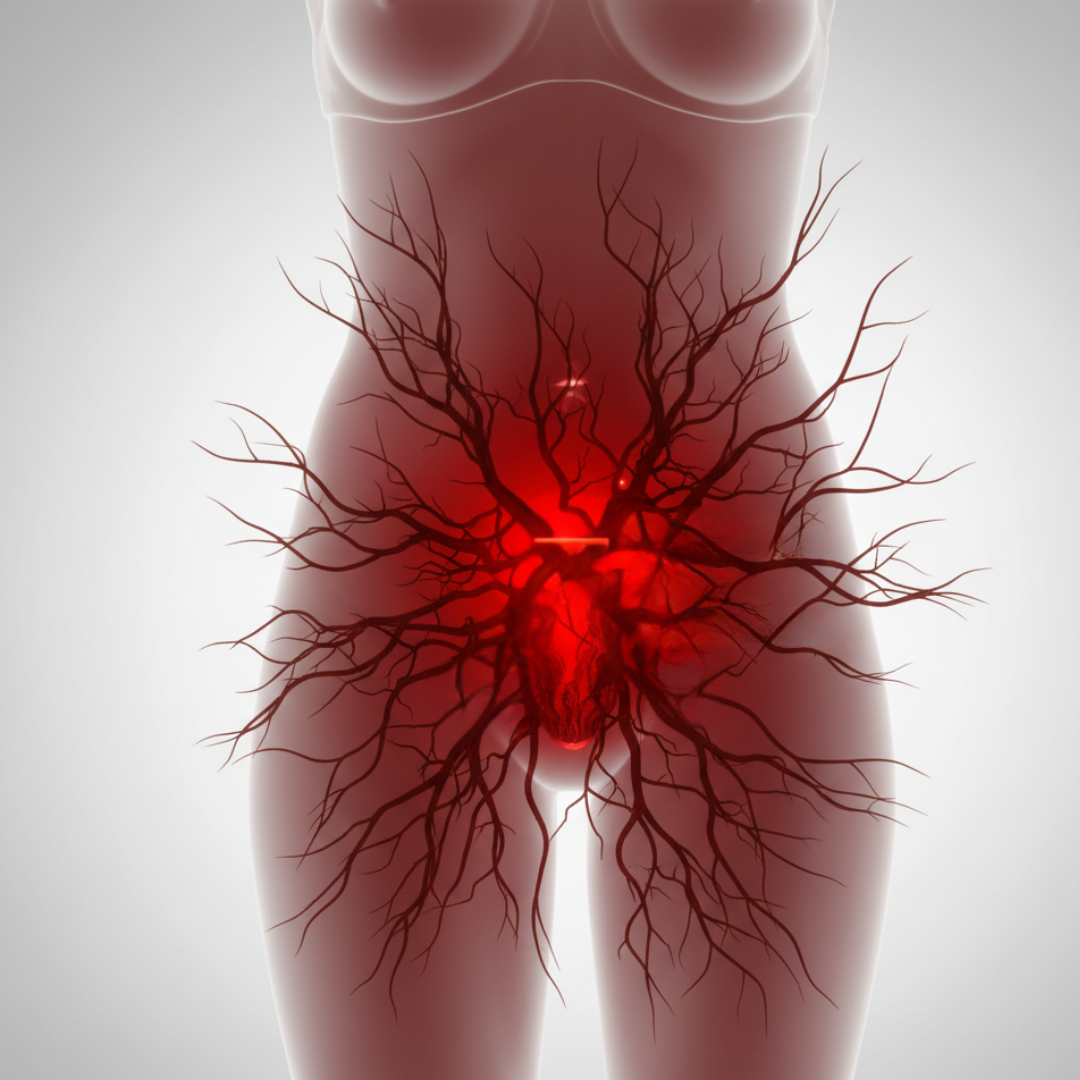
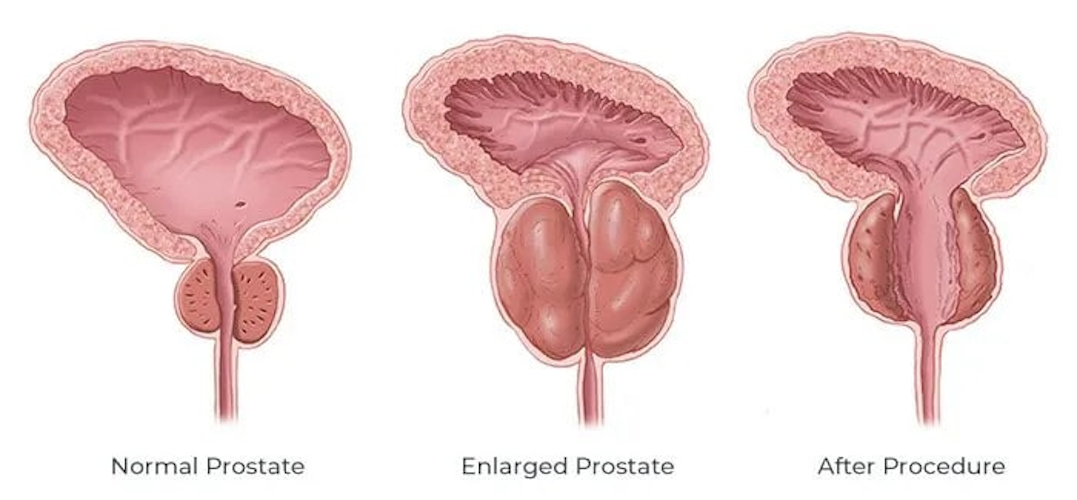
I've performed too many TURP procedures to stay quiet about this. If your urologist just added Finasteride to your Tamsulosin prescription, I need to tell you something they're not. I've performed 1,200+ TURP procedures and prescribed alpha blockers and 5-alpha reductase inhibitors to thousands of men over 24 years as a board-certified urologist. When a 58-year-old man with worsening urinary symptoms walks into my office and asks whether he should add a second medication, I already know exactly where he's heading if he follows the standard protocol. Two to four years before he's on the operating table for a transurethral resection of his prostate. Six months after that, he's living with permanent retrograde ejaculation and possibly stress incontinence. Then the sexual side effects from the 5-ARI he was on for three years before the surgery never fully reverse. Then possibly Post-Finasteride Syndrome — persistent sexual, neurological, and physical symptoms that affect roughly 1 in 7 long-term Finasteride users. I'm Dr. Theodore Brennan. Board-certified urologist. 24 years in practice. I still perform TURPs and prescribe Tamsulosin and Finasteride — but only when the prostate growth is genuinely beyond what vascular and inflammatory intervention could address. Severe obstruction. Recurrent UTIs. Cases where catheterization is becoming necessary. What I see every day? Men in their 50s being started on Tamsulosin who should never have gotten there. Men whose BPH was reversible at IPSS 15 — and isn't anymore six years later because we masked the urinary flow while the underlying prostate inflammation kept growing the tissue. And I was part of the system escalating them. I've been prescribing Tamsulosin, Doxazosin, Finasteride, Dutasteride, and performing TURP, TUNA, and laser enucleation procedures for 24 years. I've seen thousands of men start on Tamsulosin 0.4mg at night. Worked great for two months — urinary flow improved, nocturia dropped from three times a night to once. Then symptoms crept back. Increased to 0.8mg. Then added Finasteride 5mg daily. Within four months, sexual side effects — softer erections, lower libido, reduced ejaculate volume. Most patients told themselves it was just aging. Three years in, the prostate had grown despite the 5-ARI and the symptoms came back anyway. I sent them for TUNA — transurethral needle ablation. When that wasn't enough, TURP. Then permanent retrograde ejaculation. Then the 5-ARI was discontinued but the sexual side effects didn't reverse. Then they came back six months later asking why they couldn't have erections anymore, and I had to tell them I didn't know whether their function would come back or not. And I've watched what happens 5, 7, 10 years into that escalation. The 58-year-old who took Finasteride faithfully for six years. Initial 5-ARI side effects he wrote off as aging. By year four, complete erectile dysfunction. By year six, no spontaneous arousal. We discontinued the Finasteride. Three years off the drug, his sexual function still hasn't returned. Post-Finasteride Syndrome is the formal diagnosis. PFS is real, documented in the peer-reviewed literature, and affects somewhere between 4% and 14% of long-term Finasteride users depending on which cohort you study. The FDA added a label warning in 2012 acknowledging persistent sexual dysfunction. Most patients are never told. The 62-year-old. TURP at 60 after 7 years on combination therapy. Surgery went well technically. Six months later, stress incontinence — uncontrolled urine leakage with coughing, sneezing, lifting. Pelvic floor therapy helped but never fully resolved. He wears protective pads daily. The retrograde ejaculation that came with the TURP was permanent. He had been told it might happen but had not understood until afterward what it would actually mean. The 67-year-old. On Tamsulosin and Finasteride for eight years. PSA was being monitored but remained artificially low because Finasteride suppresses PSA by approximately 50%. When he finally had a cystoscopy for a UTI workup, we found bladder cancer that had been growing for at least three years. The artificially suppressed PSA had masked elevation that would have triggered a workup sooner. The 5-ARI had not caused the cancer, but it had delayed the diagnosis by years. I see them in follow-up. They're grateful for the urinary symptom relief I gave them. The full nights of sleep without getting up four times. The freedom from emergency bathroom searches when traveling. But I know what they lost. They had time, before they hit the surgery threshold, to reverse the underlying inflammation driving their prostate growth. Years to address what was actually happening inside the prostate tissue. Years to save themselves from procedures and medications whose side effects last for the rest of their lives. Their urinary symptoms were giving them a warning the entire time. Tamsulosin just relaxed one set of muscles — the alpha receptors at the bladder neck — while the underlying prostate inflammation kept growing the tissue. By the time the medications were combined and dose-maxed, the prostate had enlarged beyond what either drug could manage. The only option left was cutting tissue out. When my own urinary symptoms started at 53 — nocturia twice a night, slower stream, occasional urgency — I knew exactly where the standard protocol would take me. I'd been performing TURPs for 21 years at that point. I knew the ladder. I knew the side effects. I almost wrote my own Tamsulosin prescription. But something stopped me. I went looking for what was actually happening inside the aging prostate — and what could potentially reverse it before I needed the drugs I had been prescribing for two decades. What I found made me furious that I'd been telling men "let's start a protocol" for 24 years without ever telling them what was structurally happening to their prostate tissue. Here's what urologists don't tell BPH patients, because we were never trained to. The prostate is one of the most vascular organs in the male body. It is fed by the prostatic arteries and surrounded by a dense capillary network. The growth of the prostate in middle age is not primarily driven by androgens — DHT is a contributor, but the dominant driver is chronic low-grade inflammation in the prostate stroma, fueled by microvascular dysfunction. Three things are happening simultaneously inside an aging prostate, and standard BPH medications address none of them. The first is microvascular endothelial dysfunction. The small vessels supplying prostate tissue lose their ability to produce nitric oxide. Local blood flow drops. Oxygenation drops. The tissue responds with chronic low-grade inflammation as it tries to maintain function on inadequate perfusion. The second is oxidative stress accumulation. Reduced perfusion elevates reactive oxygen species in prostate tissue. Stromal cells respond by proliferating — this is the histological basis of BPH. The prostate grows not because it's "supposed to grow with age" but because the chronic inflammation is driving cell proliferation. The third is fibrotic remodeling. As inflammation continues, the prostate tissue becomes increasingly fibrotic. Stiff. Resistant to natural relaxation. The mechanical obstruction worsens beyond what the alpha blockers can counteract. Tamsulosin relaxes one set of muscles. Finasteride blocks DHT conversion. Neither addresses microvascular dysfunction, oxidative stress, or fibrotic remodeling. They mask symptoms while the underlying tissue continues to deteriorate. That is not treatment. That is a managed decline disguised as symptom control. I started researching what could actually repair prostate microvascular function and reduce the chronic inflammation driving BPH growth. A 2024 study in Aging and Disease confirmed that sustained activation of a receptor called TRPV1 — sitting inside the endothelial cells of every blood vessel in your body, including the prostate microvasculature — triggers continuous nitric oxide synthase activity and reduces tissue-level inflammation. The compound that activates TRPV1 is capsaicin. From cayenne pepper. A 2017 study in Atherosclerosis demonstrated capsaicin-induced restoration of endothelial function. Multiple studies have shown anti-inflammatory effects in prostate tissue specifically. The mechanism has been published for over a decade. I had never prescribed capsaicin in 24 years of practice. The catch is delivery. Capsaicin is fat-soluble. Dry powder capsules get destroyed in stomach acid. The research uses oil-suspended capsaicin combined with piperine — which increases absorption by 2000%. I found Aurivita Capsaicin Power. 3mg capsaicin per serving, pre-dissolved in cold-pressed avocado oil. BioPerine for absorption. Plus the supporting stack — berberine, beetroot, K2, hawthorn, cinnamon, turmeric, Korean ginseng. The turmeric in particular is relevant for the prostate use case: it has its own peer-reviewed anti-inflammatory mechanism that works alongside TRPV1 activation. Three softgels daily. Week 6. Nocturia dropped from twice a night to once. Week 10. Urinary stream noticeably stronger. Hesitation gone. Week 14. IPSS score down from 18 to 6 — mild range, not moderate. Repeat ultrasound at week 16: prostate volume had decreased from 52cc to 44cc. I had not started Tamsulosin. I had not started Finasteride. The prostate had measurably shrunk and the symptoms had measurably resolved on TRPV1 activation alone. I started telling BPH patients in my practice — the ones whose IPSS scores were creeping up, the ones being escalated to combination therapy, the ones scheduled for TURP consultations — to try capsaicin for 12 weeks before we filled the next prescription. William. 55. IPSS 22, severe. Nocturia three times nightly. Scheduled for combination therapy initiation. Cancelled the appointment after 11 weeks on Aurivita. IPSS down to 9. Nocturia once nightly. No medication needed. Henry. 60. Three years on Tamsulosin 0.8mg. Considering Finasteride to address continued progression. Added Aurivita instead. Fourteen weeks later, came off Tamsulosin entirely. Symptoms stable nine months out. George. 65. Scheduled for TURP. Prostate volume 78cc. IPSS 28. Did Aurivita for 12 weeks before the surgery date. Prostate volume dropped to 61cc. IPSS dropped to 14. We postponed the surgery indefinitely. Sixteen months later, still no procedure needed. In 24 years I had never seen BPH reverse like that. I am not telling you this because I am against alpha blockers or 5-ARIs. They give measurable symptom relief to men whose prostate enlargement is causing severe obstruction. They work exactly as designed for the population they were designed for. But they do not restore prostate microvascular function. They do not reduce stromal inflammation. They do not reverse fibrotic remodeling. They do not address the actual mechanism driving prostate growth. They mask symptoms while the tissue continues to deteriorate. And I see what happens 5-7-10 years into that. The 5-ARI sexual side effects. The TURP. The permanent retrograde ejaculation. The Post-Finasteride Syndrome. The masked PSA delaying cancer diagnoses by years. Your symptoms right now — nocturia twice or three times nightly, weaker stream, occasional urgency, your urologist starting to talk about combination therapy — they are your warning. And you have two choices. Keep masking it with combination therapy while the prostate continues to grow to the point where TURP is the only option left. Or activate TRPV1 and address the underlying inflammation while there is still tissue capable of normalizing. I think about what I almost did. Not just starting myself on Tamsulosin. That is not the point. I almost spent the next decade watching my own prostate inflammation progress the same way I'd watched it progress in thousands of patients. Until I was the one being wheeled into the OR for my own TURP, signing my own consent for permanent retrograde ejaculation. Aurivita Capsaicin Power costs $54 for 60 servings. Less than $1 a day. Compare that to the trajectory: $80+ monthly on Tamsulosin + Finasteride. Then $12,000-$18,000 for TURP. Then years of managing the side effects — retrograde ejaculation, possible incontinence, possible erectile dysfunction that may or may not return. 120-day money-back guarantee. Use it for three full months. Track your IPSS score before you start and at 90 days. If your score hasn't dropped meaningfully, send back the bags — full or empty — for a full refund. No questions. I have never had a pharmaceutical company offer that on a BPH prescription. I have never seen Tamsulosin or Finasteride come with a money-back guarantee. Activate TRPV1 now. Repair your prostate microvasculature while the tissue can still normalize. https://aurivita.co/products/cayenne-pepper-softgels — Dr. Theodore Brennan, MD, FACSBoard-Certified Urologist, 24 Years in Practice P.S. If your urologist has already mentioned TURP, TUNA, or any prostate surgical procedure — you are not too late, but you are closer than they're telling you. Activate TRPV1 first. Give your prostate 90 days to demonstrate whether the inflammation can resolve and the tissue can shrink naturally. If your IPSS doesn't drop in 90 days, the surgical referral is still waiting. But once you have TURP, retrograde ejaculation is permanent for the vast majority of patients. Once Post-Finasteride Syndrome sets in from years of 5-ARI use, it doesn't reliably reverse. Use the warning your body is giving you now.
1 in 7 Long-Term Finasteride Users Develop Post-Finasteride Syndrome
Support strong circulation today with our powerful cayenne pepper formula. 180 softgels and 60 servings per bag.
LEARN MORELike this ad? Make it yours.
Crush rebuilds this exact creative around your product — your brand, your colors, your offer — in about a minute.